
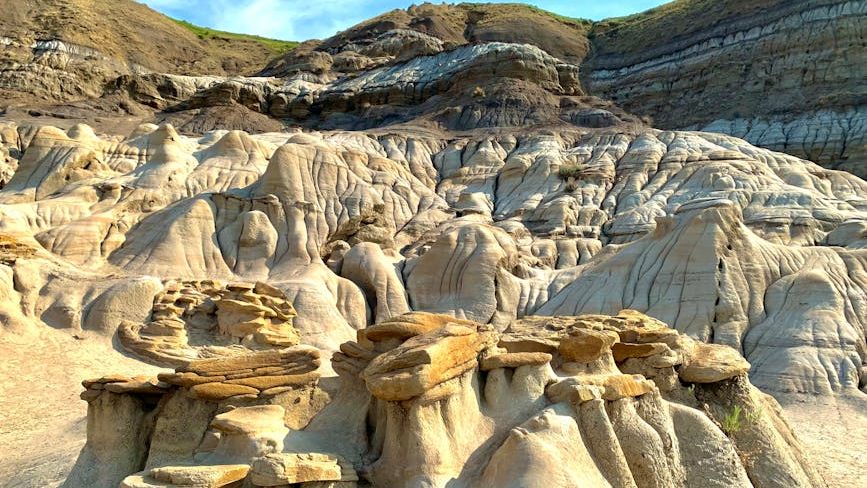
You live on a planet that has been endlessly reshaping itself for billions of years, but most days you only notice the potholes. Every so often, though, you stumble into a landscape so strange, so dramatic, that you can almost hear the planet talking. In the United States, a handful of places do this especially well, turning exposed rock and carved canyons into a kind of open‑air time machine.
In these eight geological wonders, you are not just looking at pretty scenery; you are staring straight into Earth’s memory. Layer by layer, lava by lava, bone by bone, each site tells you how oceans came and went, how deserts shifted, how creatures lived and vanished. As you read, imagine yourself standing in these places, feeling the wind, touching the stone, and realizing that the ground under your feet is older than anything else you will ever meet.
1. Grand Canyon, Arizona – A Mile‑Deep Cut Through Nearly Two Billion Years
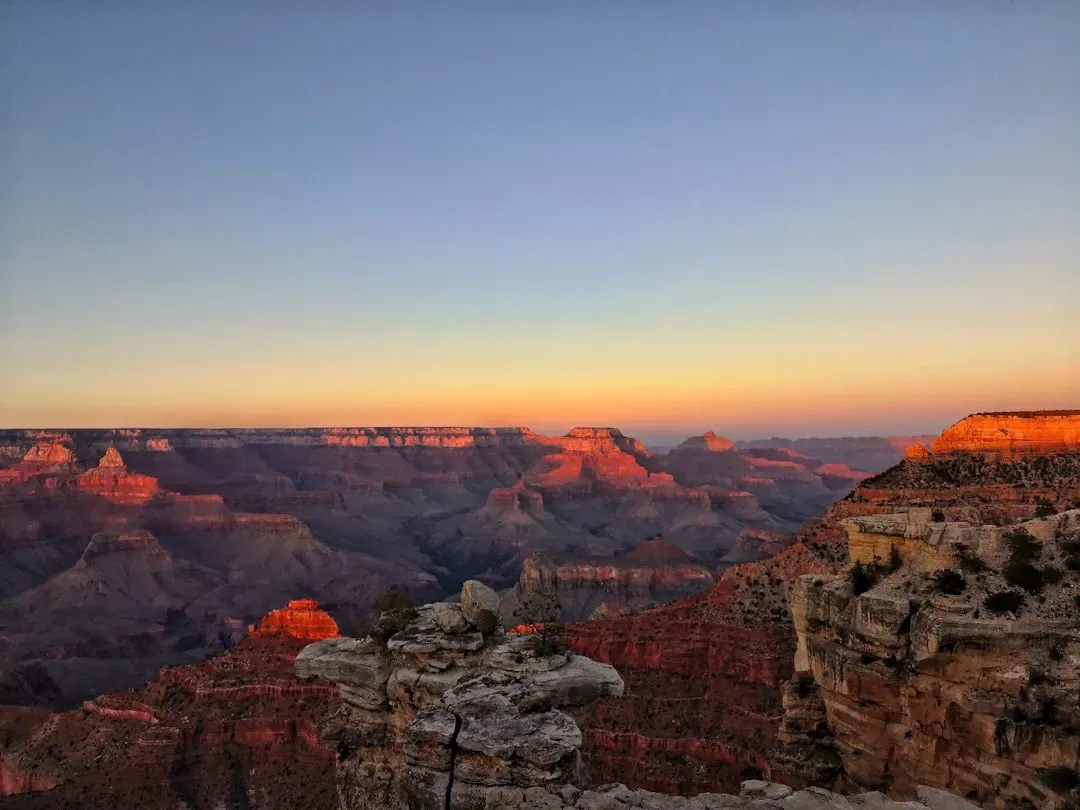
When you walk up to the rim of the Grand Canyon for the first time, your brain almost refuses to accept what your eyes are seeing. You are looking across a trench up to one mile deep, carved by the Colorado River into a staircase of rock that reaches back nearly two billion years in time. Near the bottom, the dark, hard Vishnu Schist formed when ancient rocks were baked and squeezed deep in Earth’s crust, long before complex life had even appeared in the oceans.
As your eyes climb upward through the canyon walls, you read time like chapters in a book: ancient seas leaving behind limestones, sandy shorelines preserved as sandstones, river plains turned into mudstones and shales. The upper layers are “only” a few hundred million years old, still vastly older than the dinosaurs you probably grew up obsessed with. Standing on the rim, you can trace where rivers once shifted, where beaches migrated, and where whole environments came and went while the planet quietly turned and turned.
2. Yellowstone, Wyoming–Montana–Idaho – A Restless Supervolcano Wearing a Park’s Disguise
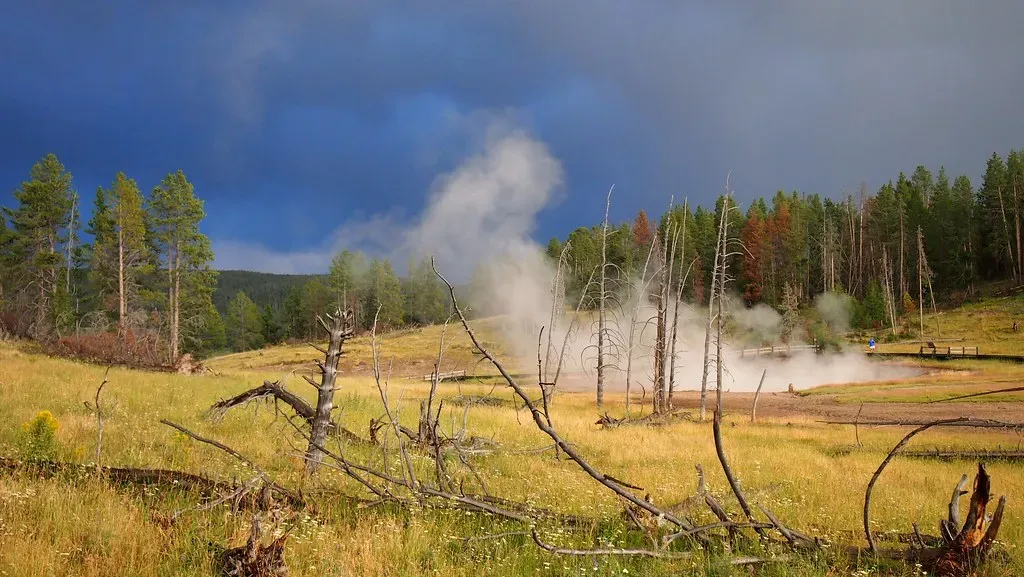
Yellowstone feels playful at first: hot springs glowing in unreal blues, geysers that erupt like clockwork, and mud pots bubbling like something out of a witch’s cauldron. Under your feet, though, sits one of the largest active volcanic systems on Earth, a giant hotspot that has blasted out continent‑reshaping eruptions multiple times over the last two million years. The broad Yellowstone Caldera is not a simple crater; it’s the collapsed roof of a huge magma chamber that emptied during past super‑eruptions.
When you stand by a steaming vent or watch a geyser fire, you are really seeing leftover heat rising from that huge underground reservoir. The rhyolite plateaus, ash‑rich rocks, and layered lava flows around you are physical records of repeated cycles: huge eruptions, collapse, slow refilling, and smaller outbursts. Even the park’s famous wildlife scenes play out on a landscape that is literally still breathing, tilting, and deforming over time as magma and hot water shift below the surface.
3. Devils Tower, Wyoming – A Frozen Magma Spine Revealed by Erosion
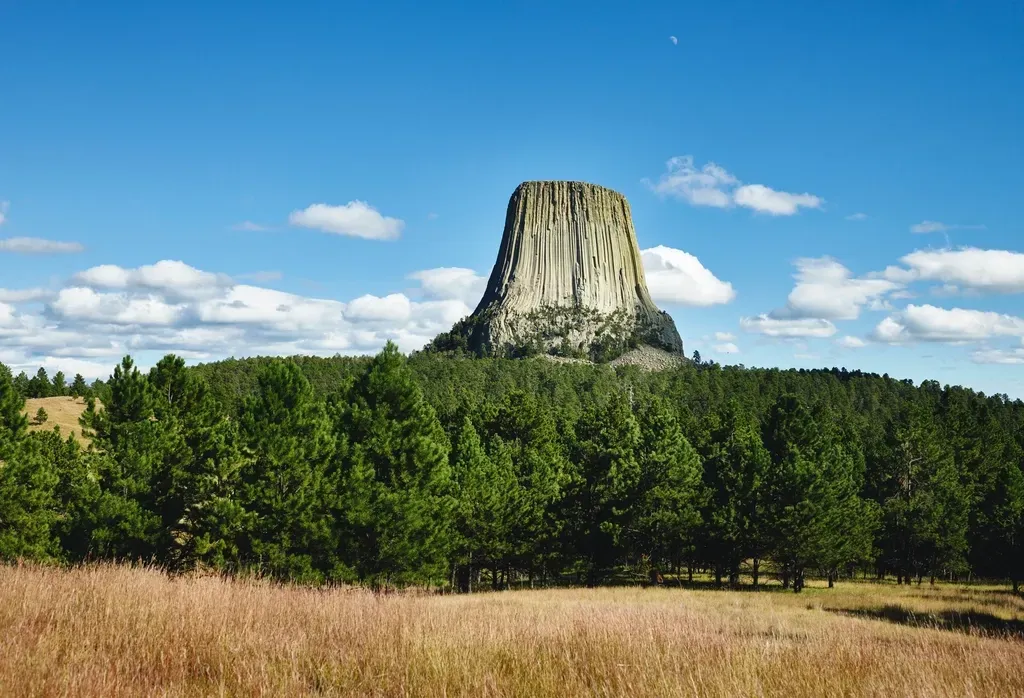
Devils Tower shoots up from the rolling plains of eastern Wyoming so abruptly that it feels almost unreal, like a prop that got left behind from a science‑fiction set. You can walk right up to its base and look straight up at sheer walls made of long, hexagonal columns of volcanic rock, stitched together like a giant stone organ. Those columns formed as molten rock cooled slowly underground and shrank, cracking into geometric shapes the way drying mud breaks into polygon patterns.
The wild part is that what you see is mostly what was hidden. The softer sedimentary rocks that once surrounded and covered that magma body have been stripped away by millions of years of erosion, leaving the tough igneous core sticking out like a tooth. As you circle the tower on the loop trail, broken columns and boulders at its base remind you that even this hard rock is slowly crumbling. You are watching the last act of a very long story, in which wind, water, and gravity patiently peel away everything that is not this stubborn central spine.
4. Badlands National Park, South Dakota – Torn Hills Filled With Fossils
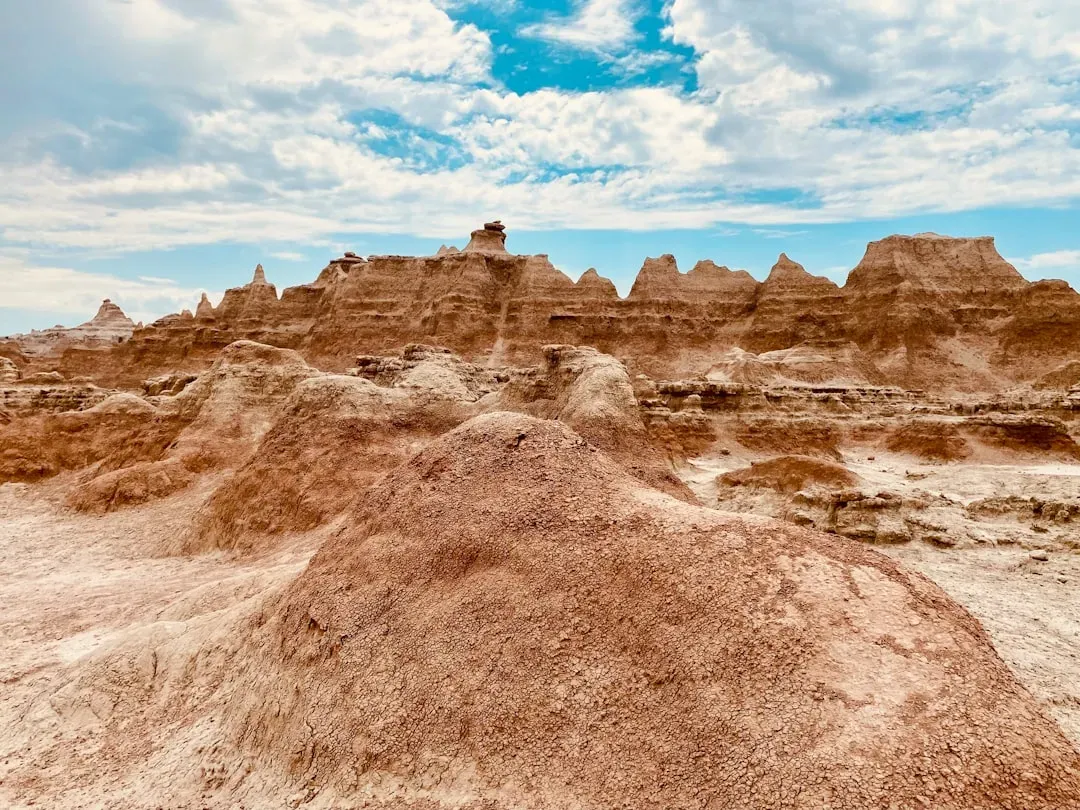
In the Badlands of South Dakota, you feel like you have walked onto another planet: jagged ridges, knife‑edge spires, and multicolored mounds stretch to the horizon. These shapes are carved out of soft layers of sediment laid down on ancient floodplains and in shallow lakes and rivers tens of millions of years ago. The rock is so easily eroded that rainstorms and freeze‑thaw cycles reshape the land at a pace you can almost see from year to year.
Those layers are loaded with fossils from a time after the dinosaurs disappeared, when strange mammals like three‑toed horses, horned pig‑like creatures, and saber‑toothed predators roamed a much warmer, lusher version of the Great Plains. When you look at the striped cliffs, you are really looking at stacked environments: swampy forests, braided rivers, ashfall from distant volcanoes. The barren look of the modern Badlands is misleading; the rocks tell you this place once felt more like a subtropical wildlife park than a dry, wind‑scraped maze.
5. Mammoth Cave, Kentucky – The World’s Longest Known Cave System
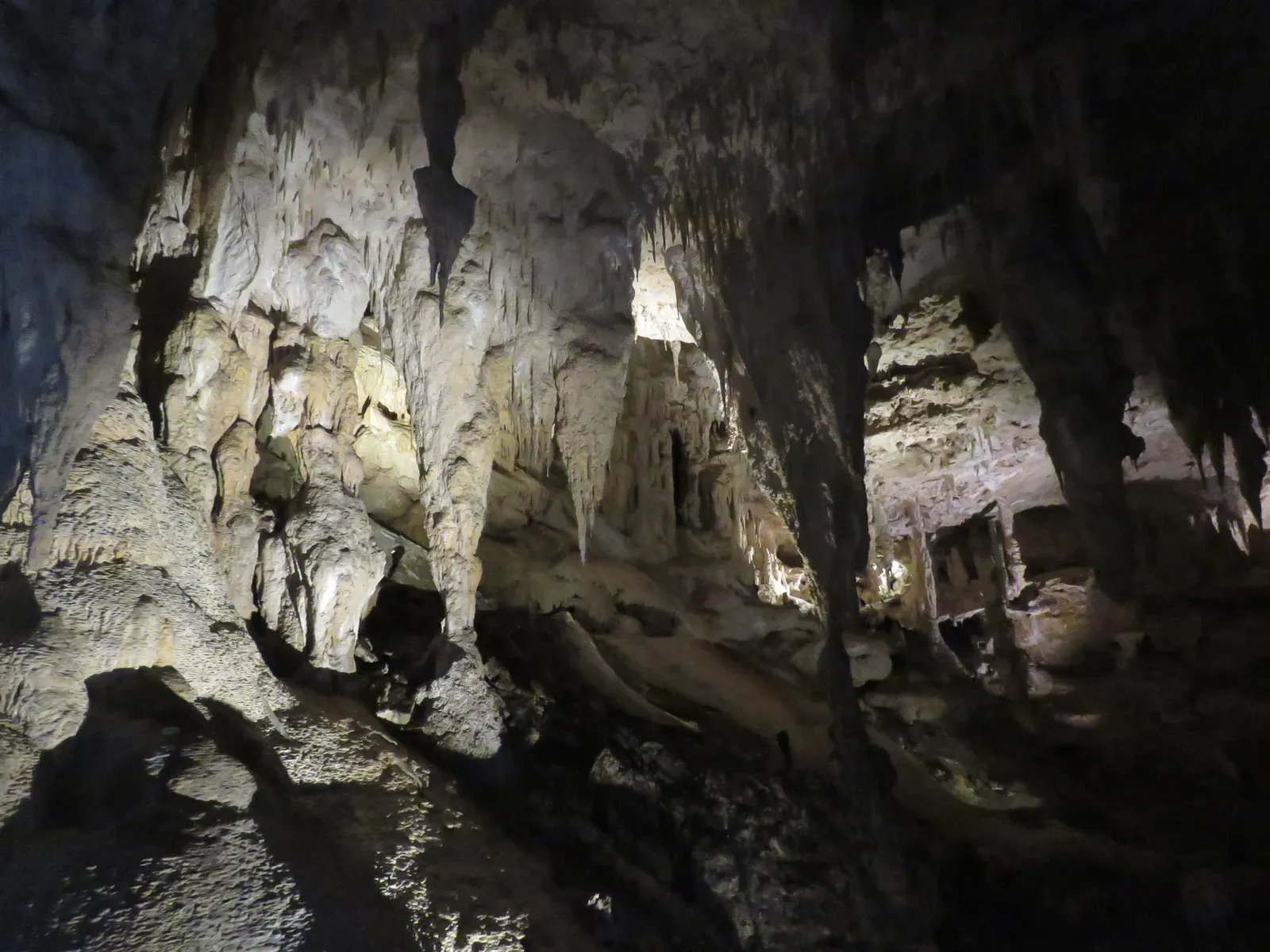
At Mammoth Cave, you step through a shady forest entrance and find yourself inside a realm that barely cares what is happening on the surface. For millions of years, slightly acidic rainwater has seeped into cracks in thick Mississippian‑age limestone, slowly dissolving passageways that now stretch for hundreds of miles underground. When you walk through its broad tunnels and high‑ceilinged rooms, you are following the ghost paths of ancient rivers that once flowed completely inside the rock.
Different levels of the cave record different river stages and climates, like stacked highways left behind as the landscape above tilted and the Green River cut deeper into its valley. In some sections, dripstone features such as stalactites, stalagmites, and delicate soda straws show you that water is still quietly rearranging the architecture. Down there, you feel time differently; it drips, seeps, and dissolves, turning hard limestone into empty space and leaving behind a frozen map of changing groundwater and slowly shifting land.
6. Crater Lake, Oregon – A Collapsed Volcano Filled With Pure Blue Water
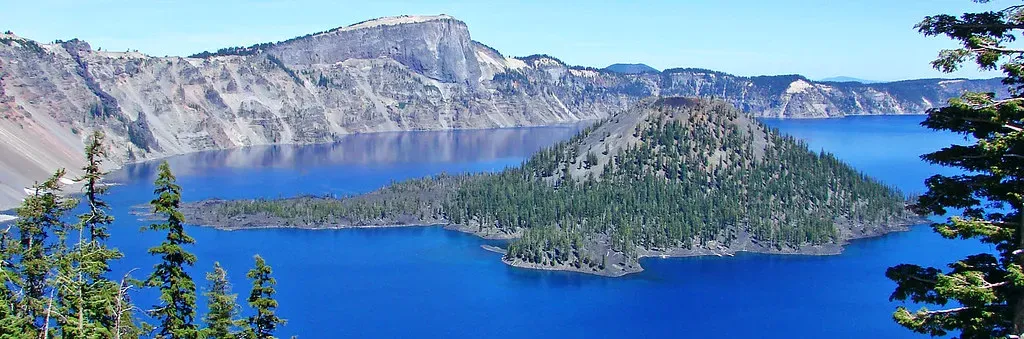
When you first see Crater Lake from the rim, the color of the water almost startles you. The lake fills a deep volcanic caldera formed when Mount Mazama, once a huge composite volcano, violently erupted and then collapsed on itself about seven and a half thousand years ago. That eruption blasted ash across the Pacific Northwest and drained much of the magma chamber beneath the mountain, leaving the summit unsupported and ready to cave in.
Over centuries, rain and snowmelt slowly filled the caldera, creating one of the deepest lakes in North America, with almost no streams flowing in or out. Because the water is supplied mostly by direct precipitation and is remarkably clear, it absorbs and scatters sunlight in a way that creates that intense, almost unreal blue you see on calm days. The cliffs around you are cross‑sections through the old volcano: stacked lava flows, ash layers, and hardened debris avalanches that quietly explain how a once towering peak turned into a still, mirror‑like bowl of water.
7. Petrified Forest & Painted Desert, Arizona – Stone Trees and Technicolor Badlands
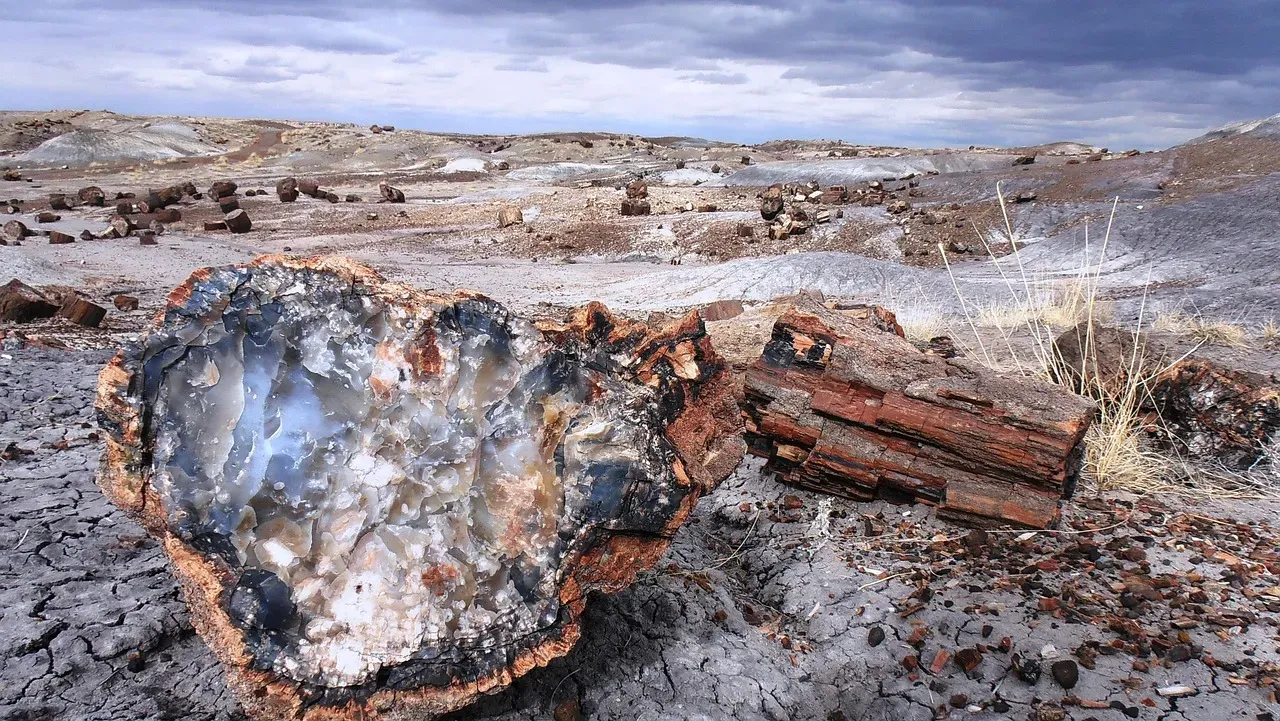
In northeastern Arizona, you can stroll through what looks like a lumber yard where every log has been secretly swapped out for polished stone. The “wood” scattered across the ground in Petrified Forest National Park started as real trees during the Late Triassic, more than two hundred million years ago, when this region was a humid lowland crossed by rivers and swamps. When those trees fell and were buried quickly in sediment, mineral‑rich groundwater slowly replaced their tissues with silica, turning them into quartz while preserving growth rings and bark textures in stunning detail.
Just to the north, the Painted Desert unfurls in bands of soft purples, reds, and grays sculpted out of the Chinle Formation, a mix of river and floodplain deposits stained by iron and other minerals. When you stand on an overlook, you are looking at ancient river channels, mudflats, and volcanic ash beds, all reshaped into rolling badlands by modern erosion. Together, the stone trees at your feet and the colorful hills around you tell you that this dry, wind‑lashed landscape once pulsed with life in a steamy, dinosaur‑era forest that vanished but left its bones in the form of rock.
8. Kīlauea, Hawaiʻi – A Living Volcano Writing Fresh Layers of History
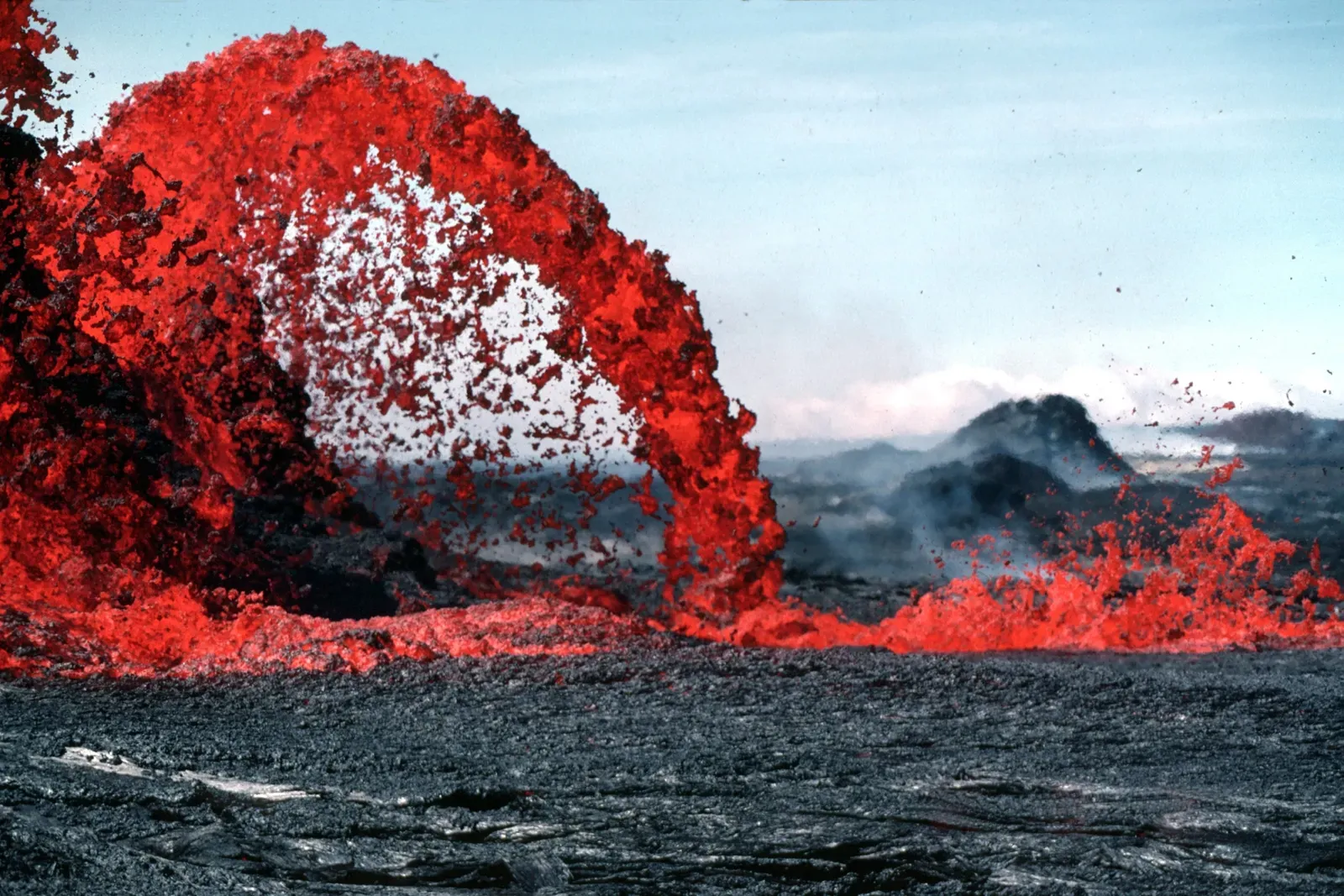
Most of the places in this list are finished stories, but Kīlauea is one you can still watch being written in real time. On Hawaiʻi Island, this shield volcano has produced repeated eruptions in recent decades, adding new land, reshaping lava fields, and sending fountains of molten rock hundreds of feet into the air. When you walk across cooled lava flows in Hawaiʻi Volcanoes National Park, you are stepping on rock that might be younger than you are, sometimes much younger.
The broad shapes you see – gentle slopes, rift zones, and collapsed craters – come from thin, fluid basaltic lava spreading out in overlapping sheets. Each flow, each spatter cone, and each crack records a specific episode when magma rose from a deep hotspot beneath the Pacific plate and found a path to the surface. Unlike many dramatic volcanic landscapes that preserve a single ancient catastrophe, Kīlauea lets you watch the long game: repeated eruptions, pauses, and renewals that slowly build an island while also reminding you how restless Earth’s interior really is.
Conclusion: Listening to Stones, Water, and Fire
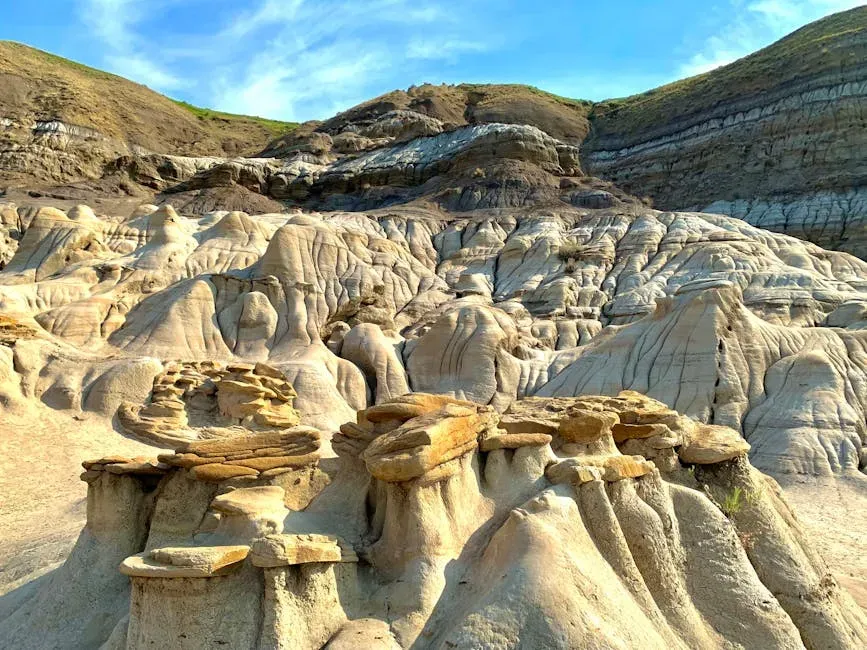
If you visit even one of these places, you start to realize that geology is not just about memorizing rock names in a textbook; it is about learning to hear a language that the planet has been speaking for billions of years. Canyons, calderas, caves, badlands, and lava fields are really just the visible traces of slow, relentless processes that continue whether you are paying attention or not. Once you notice that, even ordinary hillsides and road cuts start to look like stories waiting to be decoded.
What ties these eight wonders together is not just their beauty, but the way they quietly stretch your sense of time. You see how rivers can carve a mile of rock, how a single eruption can erase a mountain, how groundwater can hollow out a labyrinth, and how living volcanoes can redraw coastlines. The next time you stand on a cliff edge, peer into a canyon, or run your fingers along an oddly patterned stone, you might find yourself wondering: if the Earth has already written this much history in plain sight, how much more is still hidden just below your feet?