You probably grew up seeing mammoths in books and movies as shaggy, oversized elephants trudging through blizzards. But when you start digging into what scientists have actually discovered, mammoths turn out to be far stranger, more fragile, and more familiar than you might expect. Their story is really a mirror held up to your own species: how climate, landscape, and human decisions can shape the fate of even the mightiest animals.
As you follow the trail from frozen Siberian tundra to cutting‑edge genetics labs, you’re not just learning about an extinct giant. You’re peeking into ancient ecosystems, human migration routes, and even possible futures where mammoth‑like creatures might walk the Arctic again. The more you learn, the more you realize that the mystery of the mammoth is less about a single animal and more about how life adapts, collapses, and sometimes gets a second chance.
The Ice Age World Mammoths Called Home
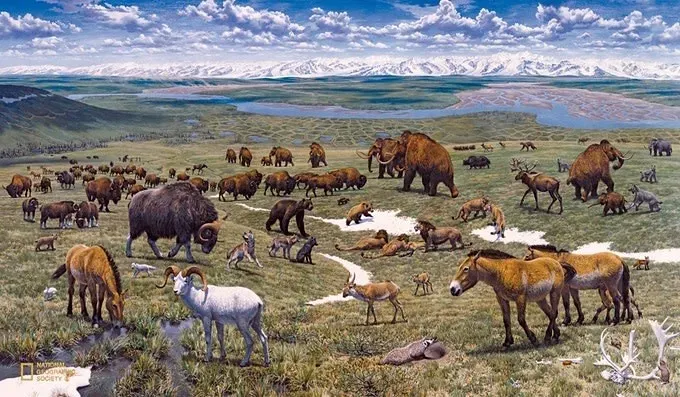
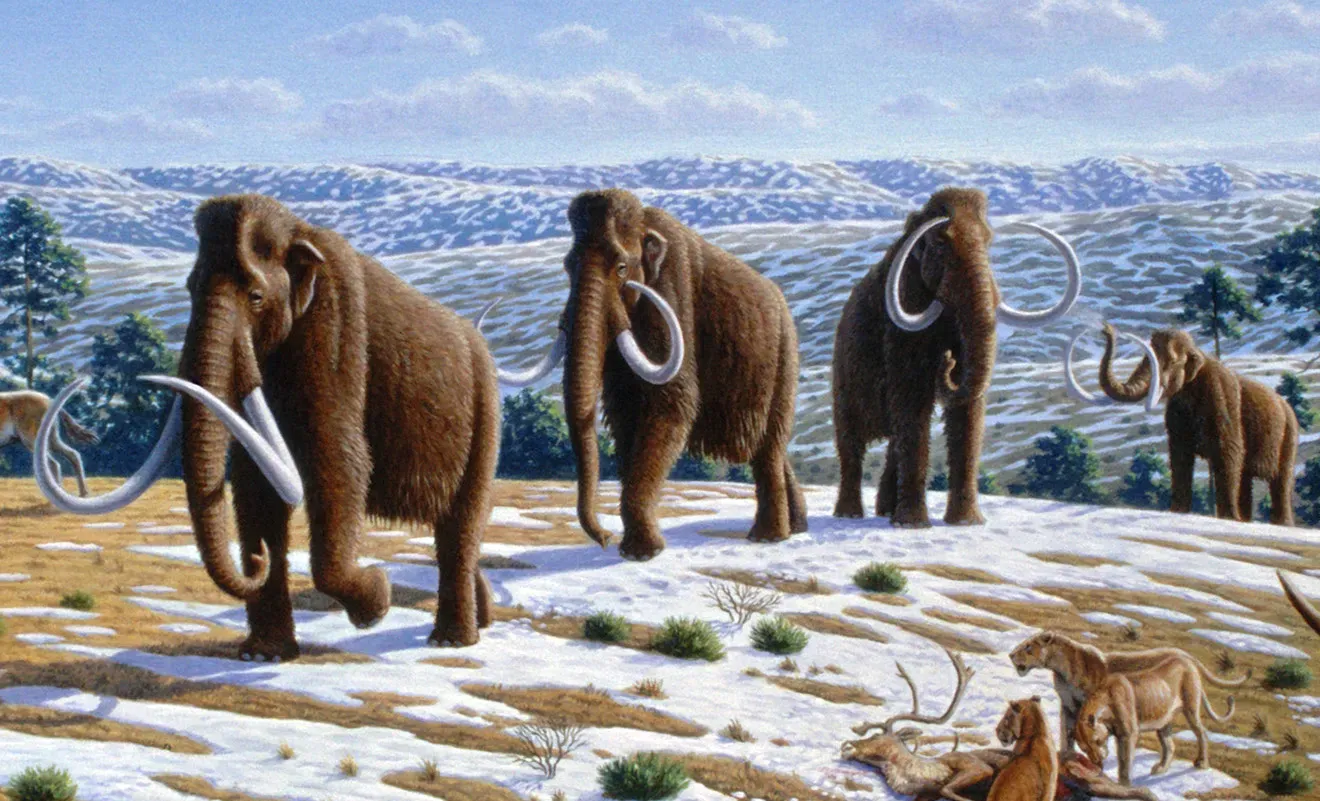
If you could step back into a cold snap of the last Ice Age, you would not find a world buried in constant deep snow. Instead, you’d be standing in a dry, windswept grassland stretching from Western Europe across Siberia and all the way into North America, a kind of super‑steppe sometimes called the mammoth steppe. You would see hardy grasses, sedges, and low shrubs dominating a landscape that felt more like a frozen prairie than a mountain glacier.
In this world, mammoths were not lonely giants; they shared the scene with woolly rhinoceroses, wild horses, bison, cave lions, and sabertooth cats. You’d notice that these herbivores, including mammoths, were ecosystem engineers, trampling snow, breaking ice, and grazing in ways that helped keep the grasslands open instead of letting forests creep in. When you imagine the Ice Age as a living, moving place rather than a white blur, mammoths start to look less like oddities and more like central players in a vast, chilly drama.
A Mammoth Up Close: How It Really Looked and Lived
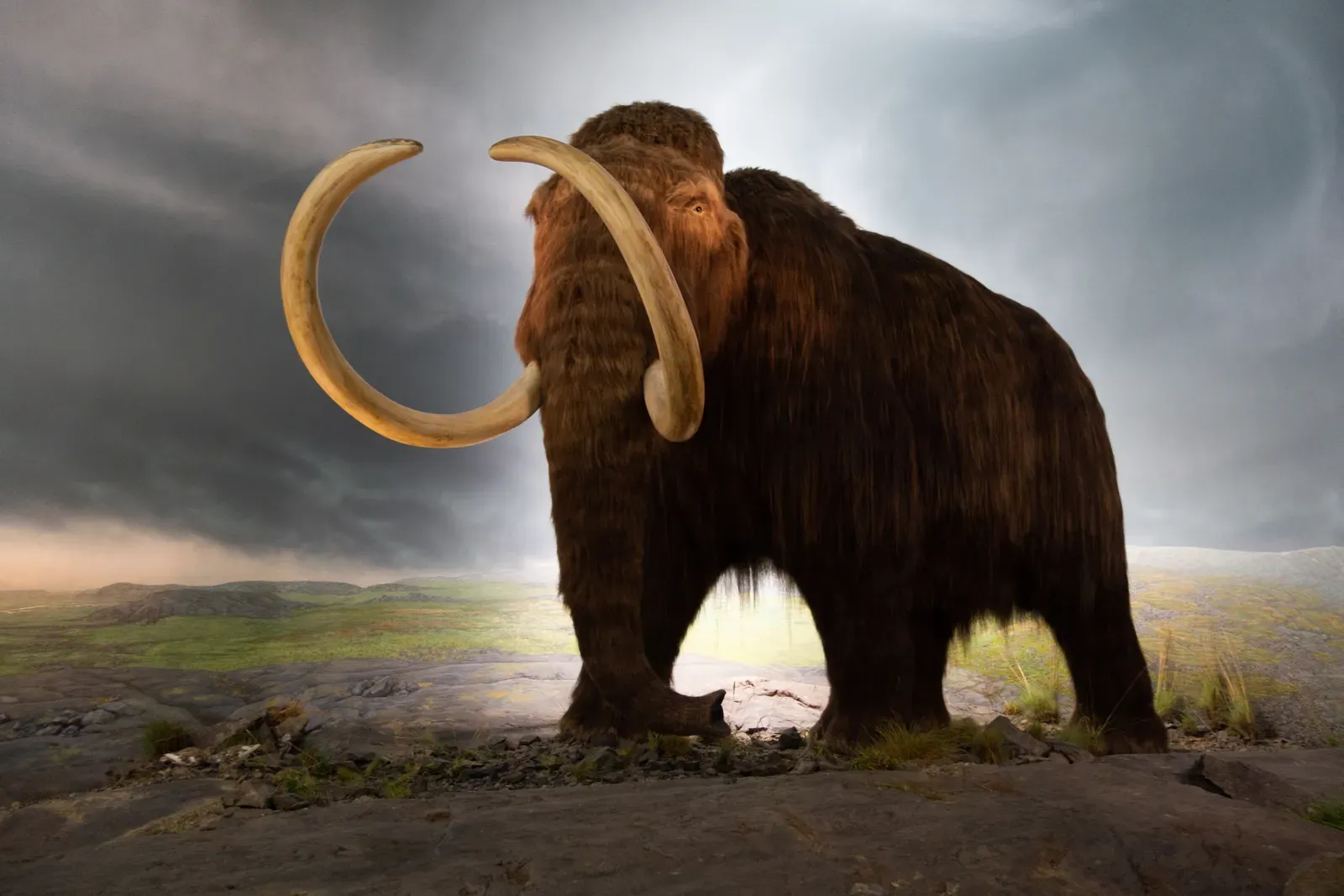
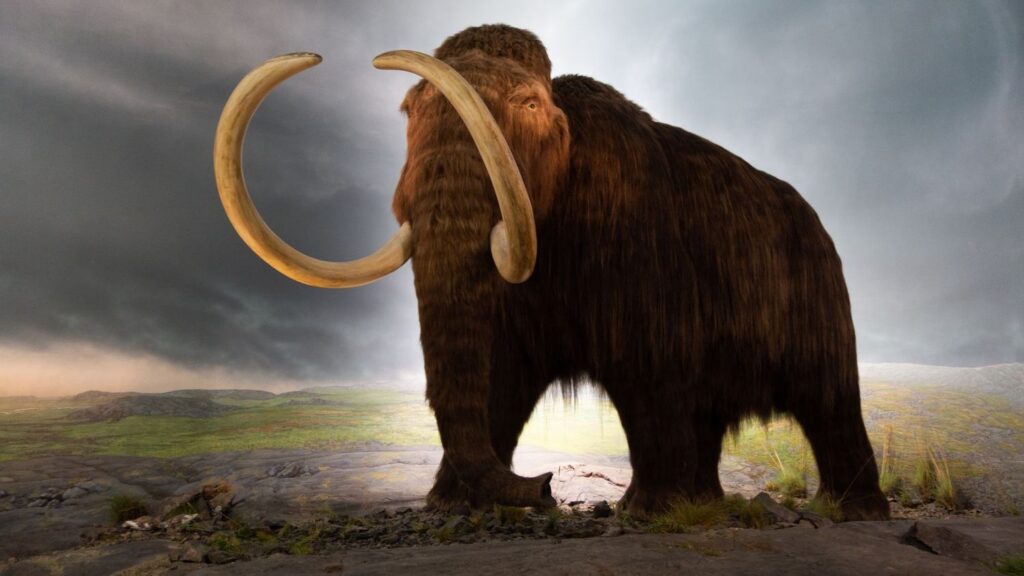
When you picture a mammoth, you probably imagine a furry elephant with huge curving tusks, and that’s mostly right – but the details make them feel more real. If you stood next to a woolly mammoth, you’d see a thick double coat, with a soft insulating underfur hidden beneath long outer hairs that could hang almost like a shaggy coat. Under that fur, you’d find a thick layer of fat and even smaller ears and a shorter tail than modern elephants have, all helping to conserve heat in brutal cold.
You’d also notice that a mammoth’s skull and back weren’t shaped like a typical elephant’s. That high hump near the shoulders? It stored powerful neck muscles and sometimes extra fat, giving the animal more strength to swing its head and push snow aside. If you watched a herd, you’d see behaviors that feel strangely familiar – mothers guarding calves, adults circling around young ones, and family groups likely using deep rumbles and body language in ways that remind you of modern elephants’ tight social lives.
Frozen Time Capsules: What Preserved Mammoth Bodies Reveal to You
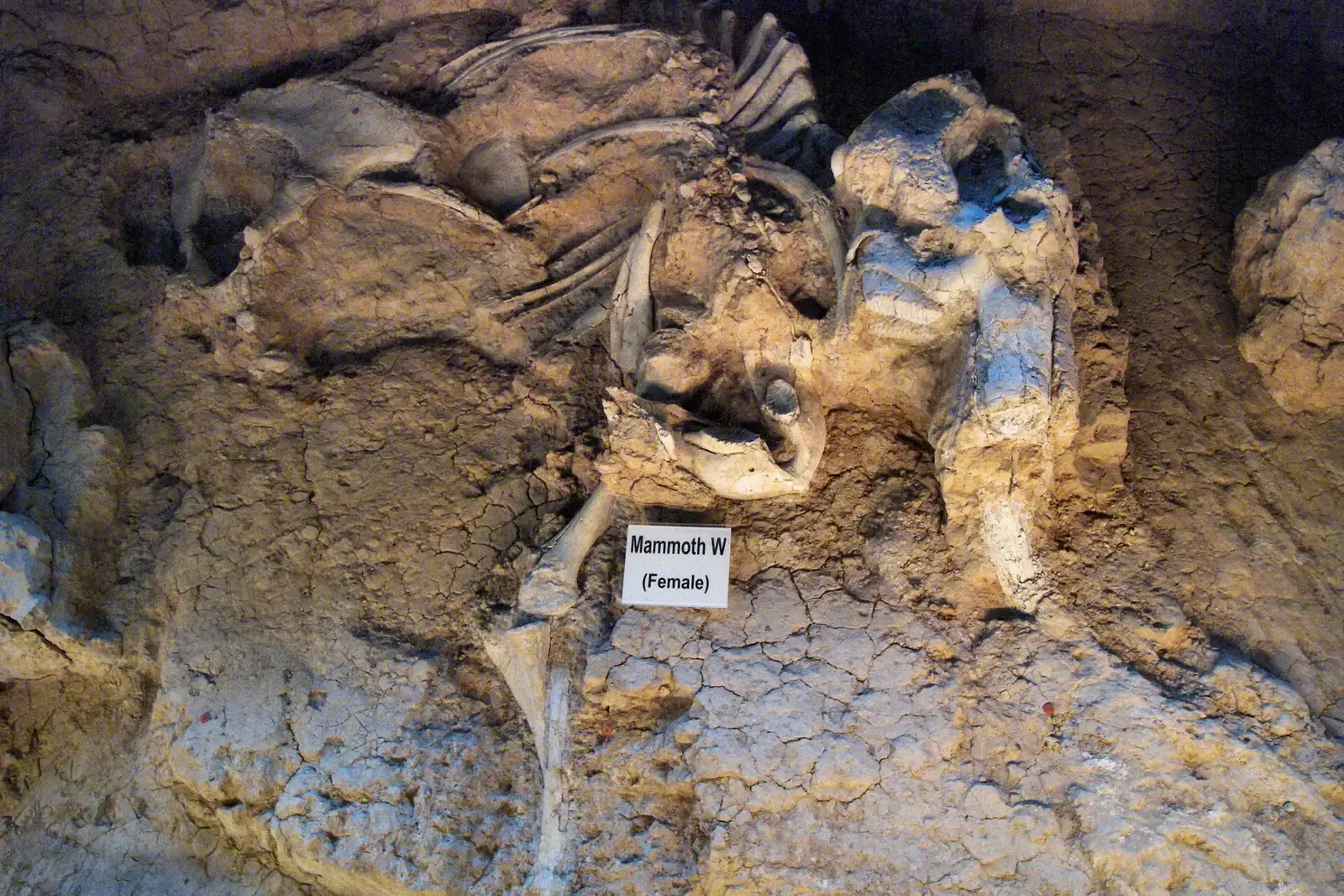
If you ever get to see a real mammoth preserved in ice, it’s almost unsettling how fresh some of the remains look. In the Arctic permafrost, low temperatures and stable conditions have kept entire carcasses – skin, muscle, hair, and sometimes even organs – remarkably intact for thousands of years. When you look at these remains, you’re not staring at a fossilized skeleton; you’re peering at something that feels like it just fell asleep yesterday under a thin crust of frost.
From these natural time capsules, you can learn specific, almost intimate details: what a mammoth ate right before it died, what parasites it carried, how its teeth wore down over time, and what kind of injuries it survived. Scientists have used the preserved stomach contents and dung to reconstruct the diet these giants depended on, mainly tough grasses and herbs that would not impress you as especially luxurious. Even the growth lines in their tusks tell you stories of seasonal stress, migration, and sometimes hardship, almost like reading rings in a tree trunk that recorded every difficult year.
Reading Bones and DNA: How You Piece Together Mammoth History
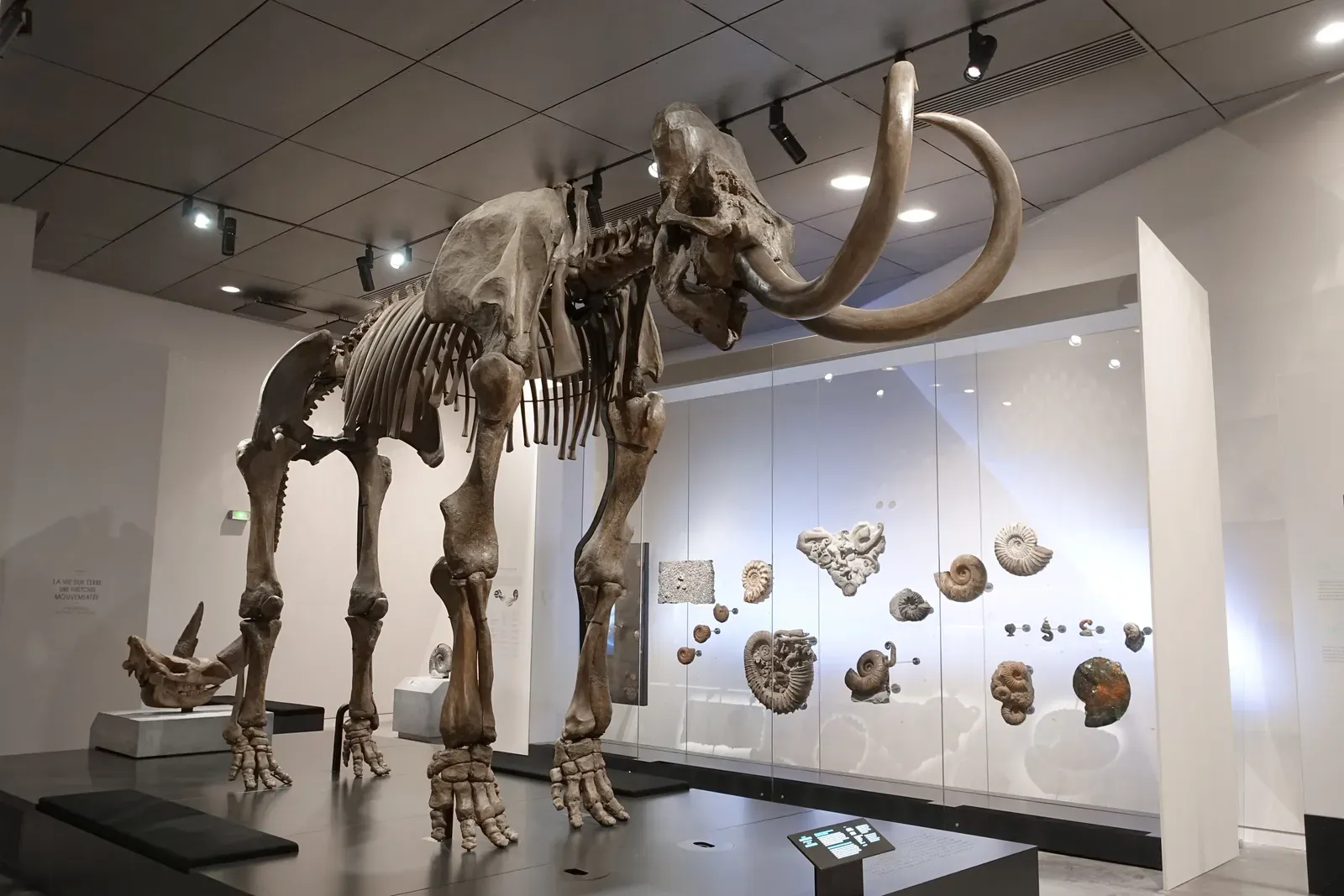
You might assume that reconstructing mammoth history is mostly about digging up bones and putting skeletons together, but that’s just the surface. When you look closer at teeth and tusks, you can read growth patterns that tell you how fast a young mammoth grew, when it faced food shortages, and how long it lived. Tooth wear patterns can show you what type of vegetation dominated its diet and even hint at the roughness of the ground it walked across.
Then you step into the world of genetics, where preserved hair and tissue give you fragments of ancient DNA. From this, you can map how mammoth populations moved over continents, how they split into separate groups, and how their diversity changed as climates shifted. DNA lets you compare them directly to modern elephants, confirming that they are extremely close cousins that diverged in the relatively recent geological past. By combining physical remains with genetic clues, you get a layered, more personal timeline, instead of just a vague sense that mammoths once roamed a long time ago.
Why Mammoths Disappeared: Climate, Humans, or Both?
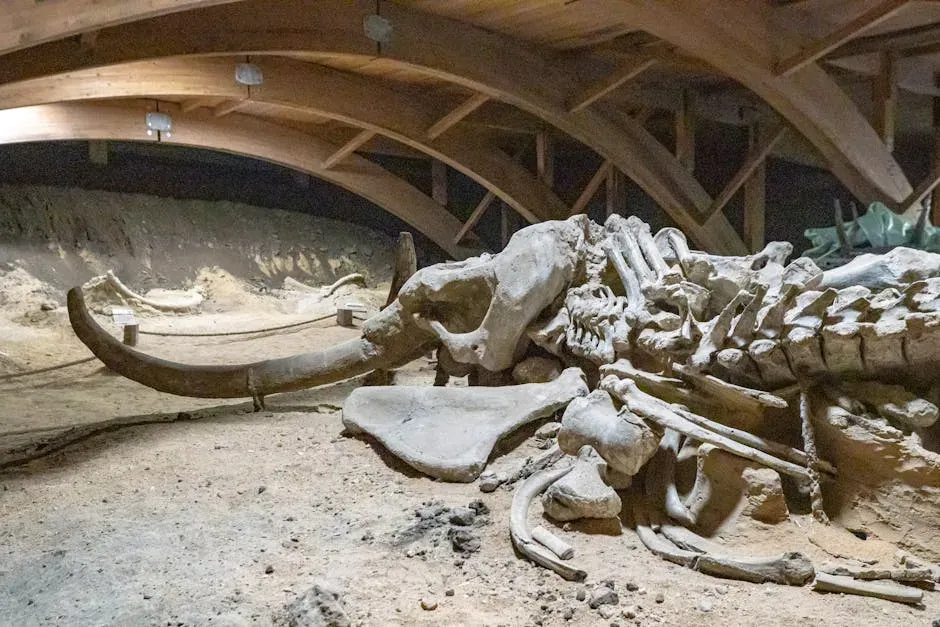
When you ask why mammoths vanished, you step straight into one of the most debated questions in Ice Age science. As the last glacial period ended and the climate warmed, the open, dry grasslands mammoths relied on shrank and gave way to forests and wetlands in many places. If you imagine being a mammoth calf born into a world where your familiar grasslands keep getting patchier every generation, you start to feel how subtle but relentless that pressure would have been.
At the same time, your own species was expanding into mammoth territory, bringing skilled hunters armed with increasingly effective weapons and group strategies. Evidence of butchering sites and hunting marks on bones tells you that humans did not just scavenge – your ancestors were part of the problem. Most researchers now see mammoth extinction as a tangled mix of climate stress and human impact, with small, isolated populations becoming more vulnerable over time. When you step back, you’re really looking at an early warning story about what happens when rapid environmental change and human pressure collide.
The Last Mammoths on Lonely Islands
If you think mammoths all vanished at the same time, you might be surprised to learn that a few tiny populations hung on much longer than the rest. On isolated Arctic islands, where cooling winds and limited human access created a kind of accidental refuge, small groups of mammoths survived thousands of years beyond their mainland relatives. If you stood there during that time, you might have seen scrawnier, smaller mammoths wandering beaches and tundra, the last echoes of a once continent‑spanning lineage.
Genetic studies suggest that these island survivors likely struggled with inbreeding and limited resources, which can lead to health problems and odd genetic mutations. You can almost picture a shrinking circle of life, where each new calf carried a heavier genetic burden and fewer options for finding unrelated mates. These last island mammoths turned into a quiet epilogue to a grand story, reinforcing how fragile a species becomes when it’s cut off and reduced to a handful of individuals. When you absorb that, it becomes harder to shrug off the dangers faced today by other isolated, endangered animals.
Could You Ever See a “Mammoth” Again? De‑Extinction and Ethics
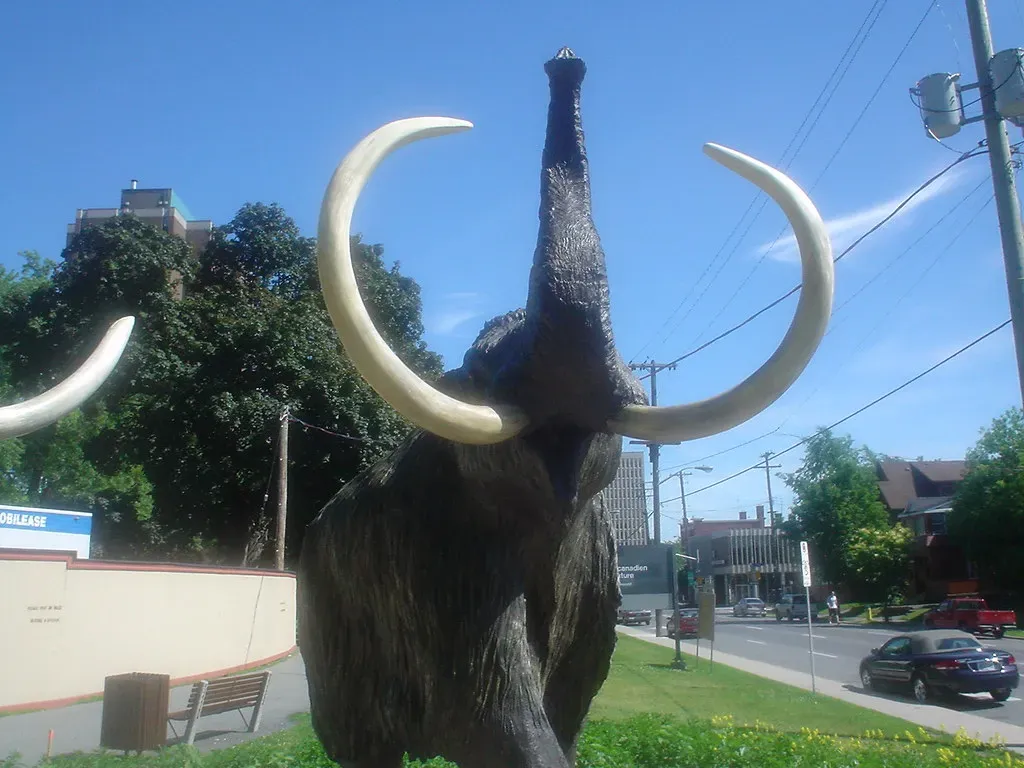
As you hear about scientists sequencing mammoth DNA and comparing it to living elephants, you might start wondering if you’ll one day see a woolly giant in a wildlife park. Some research teams are working on ways to introduce mammoth‑like traits – such as thick hair and cold‑adapted features – into Asian elephant genomes, aiming to create animals that resemble mammoths in both looks and function. You can think of this less as resurrecting a perfect copy and more as engineering a close cousin designed to handle Arctic conditions.
But when you imagine looking one of these engineered creatures in the eye, the questions get heavy very quickly. Where would you put them? How would you protect them? Should scarce conservation money go toward reviving a vanished ecosystem engineer or toward saving elephants and other species already in crisis? The ethics force you to examine whether this desire to bring back mammoths is about fixing old damage, advancing science, or simply satisfying human curiosity. In the end, you’re not just asking if you can do it – you are asking whether you should.
Why Mammoths Still Matter to You Today
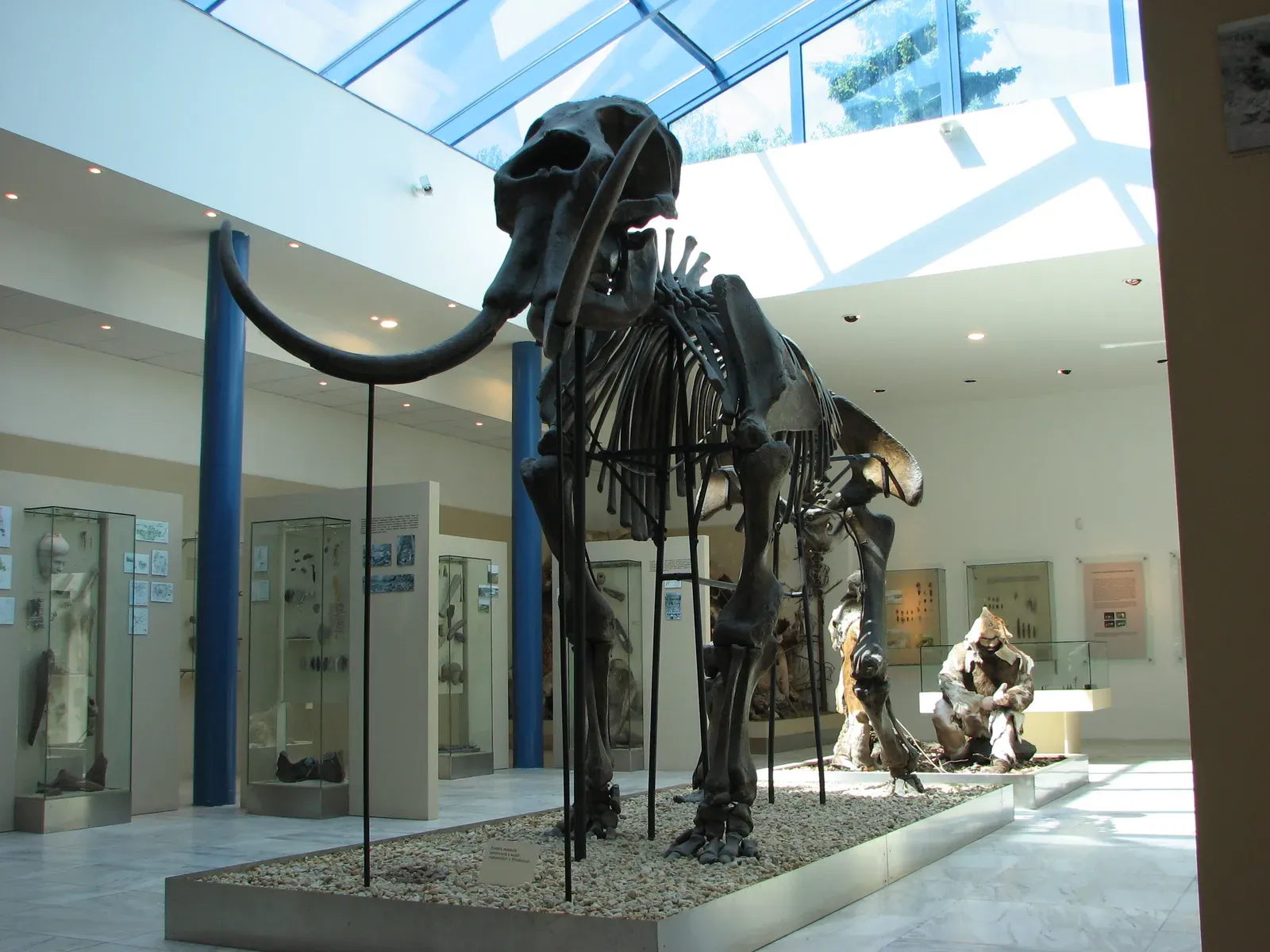
Even if you never stand in front of a frozen carcass or a reconstructed skeleton, the mammoth’s story has something to say about your life in the twenty‑first century. When you see how tightly mammoths were tied to their landscape, you get a clearer sense of how vulnerable any large animal is when its habitat changes too quickly. The same combination of climate shifts and human pressure that pushed mammoths over the edge is playing out again right now for species from polar bears to forest elephants.
By learning how scientists trace mammoth migrations, diets, and declines, you also gain a toolkit for understanding modern conservation problems. Ancient DNA, climate models, and detailed fossil records teach you how slow warning signs can build up long before an extinction becomes obvious. In that way, mammoths become more than frozen curiosities; they become teachers, showing you what happens when early warning signs are ignored. When you look at them that way, the real mystery is not why mammoths disappeared, but which living giants you’re willing to lose – or save – on your watch.
So as you think about these shaggy Ice Age icons, you’re really thinking about your own species and the choices you make collectively. Mammoths may be gone, but the forces that shaped their fate are still very much alive and now move even faster across the planet. You cannot change what happened to them, but you can decide how seriously you take their warning as climates shift and habitats shrink again. If a vanished giant could tap you on the shoulder, would it ask you to bring it back – or to protect the vulnerable creatures still standing beside you right now?