You have probably grown up with two competing images of dinosaurs in your head: the slow, lumbering, cold-blooded swamp beasts of old textbooks, and the sleek, agile, bird‑like predators you see in modern documentaries. Over the last few decades, fossil discoveries have quietly been rewriting that picture, and the latest evidence tilts things even more in one direction. You are not looking at overgrown lizards anymore; you are looking at highly active animals whose bodies may have run hot, fast, and relentlessly, more like a lion or a falcon than an alligator.
When you dig into the science, you start to see a pattern: bones that look like they grew fast, chemical signatures that point to constant body temperatures, and trackways that scream high-energy movement. None of this proves that every dinosaur was a full-on warm‑blooded sprinter, but it does push you toward a new way of seeing them. You are stepping into a world where dinosaurs are not just big – they are metabolically supercharged hunters, tuned for action and survival in ways that might surprise you.
Why Warm-Blooded Dinosaurs Change Everything You Thought You Knew
Imagine walking into a prehistoric landscape expecting to find sluggish reptilian giants basking in the sun, only to realize you are surrounded instead by alert, quick-moving animals with the steady inner furnace of a wolf pack. If dinosaurs were warm‑blooded, your entire mental picture of their lives shifts: how they hunted, how far they roamed, how fast they grew, and even how they cared for their young. Warm‑blooded animals burn energy quickly, so they have to eat more, move more, and respond faster to threats and opportunities.
For you, that means dinosaur ecosystems start to look less like slow-motion swamps and more like bustling savannas or forests full of energetic predators and nimble prey. You can picture packs of small theropods running down victims over long distances, or big predators staying active through cooler nights while cold‑blooded animals would have slowed to a crawl. Once you accept that many dinosaurs might have run hot on the inside, you begin to realize they were not just passengers in their environment – they were the engines driving it.
Bone Clues: What Dinosaur Skeletons Reveal About Hot-Blooded Lives
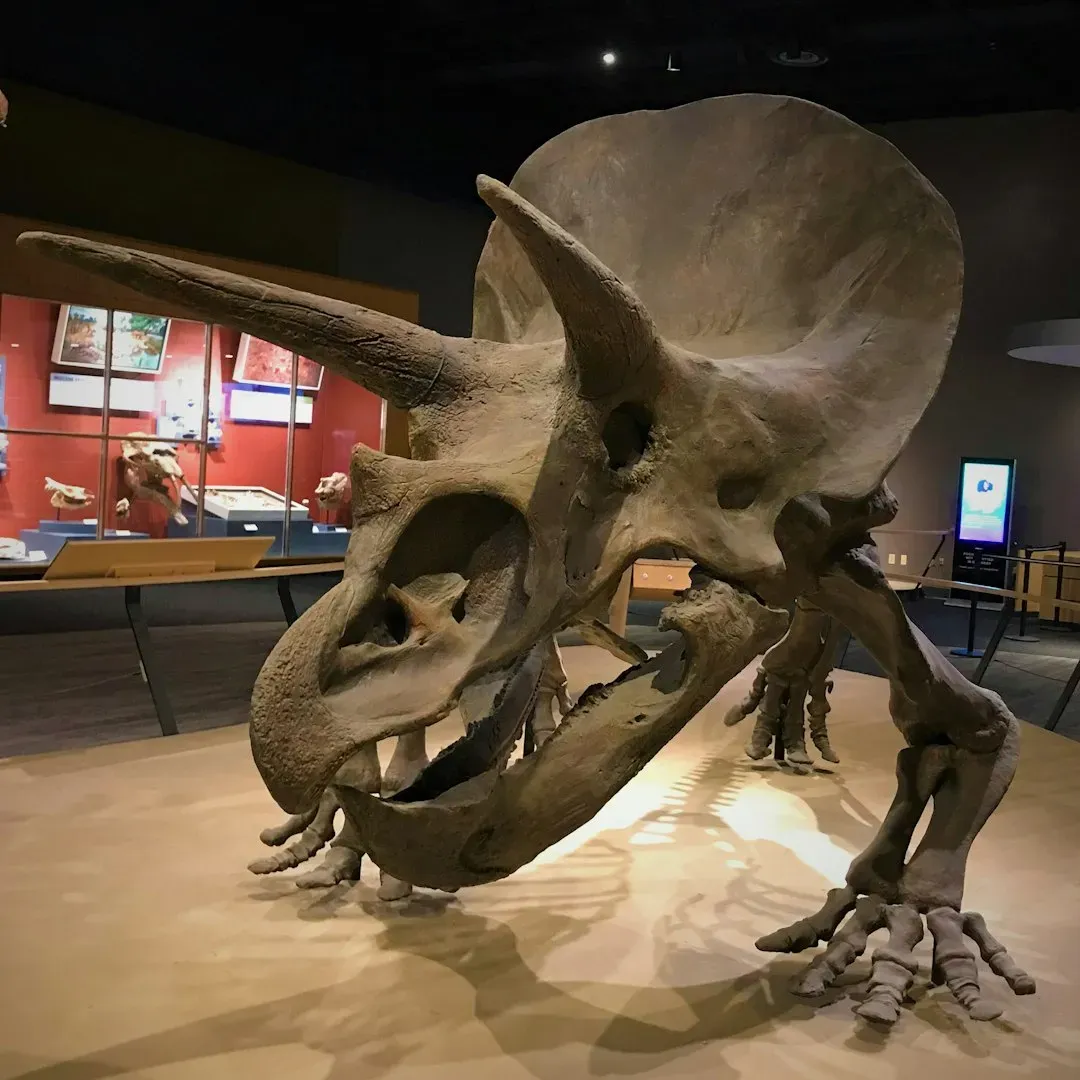
When you look closely at dinosaur bones, you are not just seeing shapes; you are seeing growth patterns, stress marks, and microscopic structures that whisper how fast these animals lived. In many dinosaur fossils, especially from theropods and some plant‑eaters, you find bone tissue that looks more like what you see in modern birds and mammals than in slow-growing reptiles. The internal texture is dense and well supplied with tiny channels where blood vessels once ran, a hallmark of fast growth and high metabolic demand.
If you were to slice a long bone from a dinosaur and study it under a microscope, you would often spot layers that record growth spurts, much like rings in a tree. Those rings frequently suggest that some dinosaurs reached adult or near‑adult size in just a handful of years, a pace you normally only see in warm‑blooded animals today. For you, that is a major red flag waving in front of the old cold‑blooded stereotype, because rapid growth needs a powerful internal energy engine, not just occasional sunbathing.
Fossilized Hearts, Lungs, and Soft Tissues: Inside the Dinosaur Engine
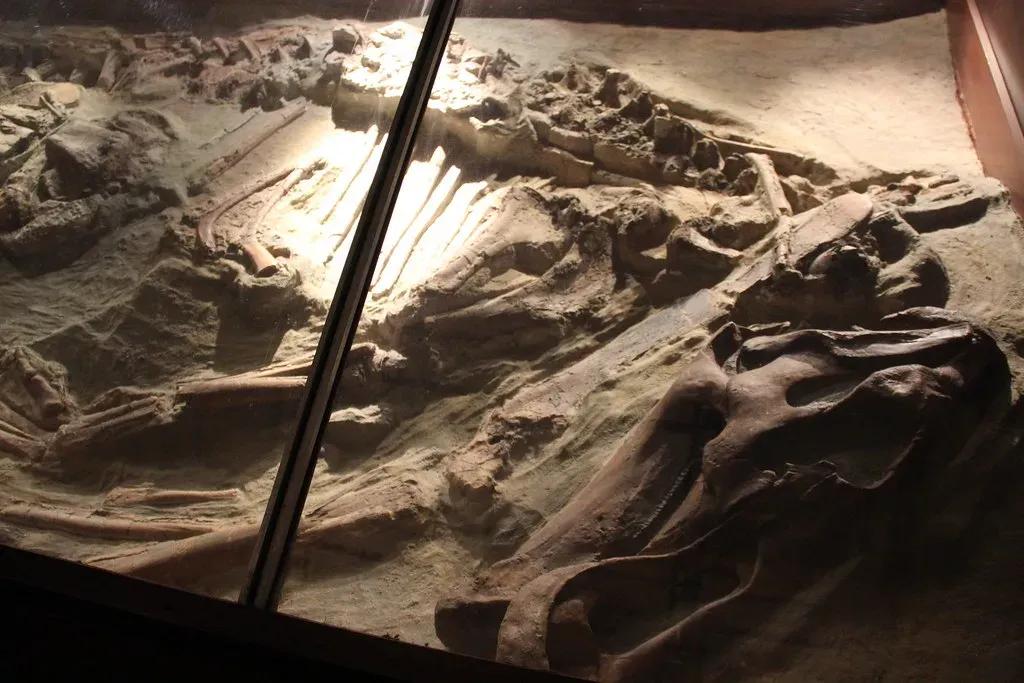
You might think soft tissues like hearts and lungs disappear forever, but occasionally fossilization gets weirdly lucky and preserves traces of internal organs or their shapes. In some dinosaur specimens, researchers have interpreted structures that suggest large, strong hearts and highly efficient breathing systems, more like what you see in birds than in typical reptiles. When you imagine a predator that can pump oxygen quickly throughout its body, you are imagining an animal designed for sustained activity, not just brief, clumsy lunges.
Even where full organs are not preserved, the skeleton around them tells you a lot. Deep chest cavities, reinforced rib cages, and complex air spaces in bones all hint at advanced respiratory systems that kept oxygen flowing efficiently. For you, the takeaway is simple: a powerful heart and an efficient lung system are not luxuries; they are standard equipment for animals that chase, stalk, or travel long distances, especially if they maintain steadily warm body temperatures.
Isotope Evidence: Reading Dinosaur Body Heat in Ancient Chemistry
If someone handed you a dinosaur bone and you could somehow read its temperature history, you would have a direct line into its metabolism. That is essentially what isotope studies try to do. By measuring the ratios of certain oxygen or carbon isotopes in fossil bones, teeth, and shells, researchers can estimate the temperatures at which those tissues formed. When you see values that stay fairly stable instead of rising and falling with environmental swings, you are looking at a strong hint of internal temperature control.
Some studies have found that the chemical signatures in dinosaur remains match what you would expect from animals that maintained relatively constant, warm body temperatures, similar to modern birds or mammals. For you, that moves the conversation beyond guesswork about posture or lifestyle and into the realm of measurable, physical evidence. While the details can be technical and different species may show different patterns, the broader story you are getting is that at least some dinosaurs ran on a warm, steady internal heat rather than the stop‑and‑go warmth of the external sun.
Trackways and Speed: Footprints That Expose High-Energy Hunters
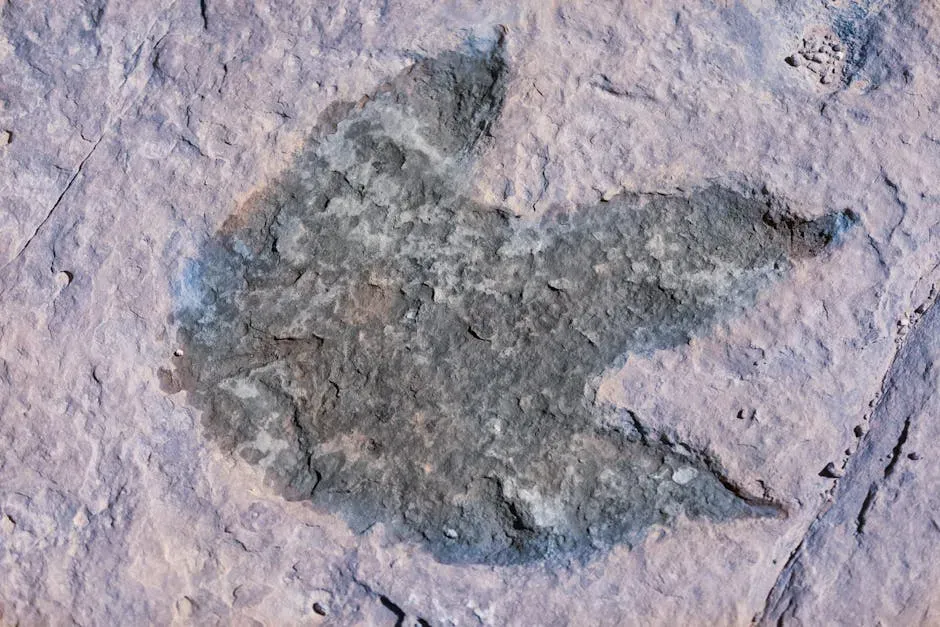
When you follow dinosaur tracks across ancient mud, you are not just seeing where they stepped; you are watching a snapshot of motion frozen in stone. Some trackways show long strides, deep impressions, and spacing that matches surprisingly high walking or running speeds. If you calculate how fast an animal must have been moving to leave such prints, you often end up with speeds that are hard to reconcile with a sluggish, cold‑blooded lifestyle. You are looking at creatures that could cover ground quickly and keep it up.
High-speed movement over any significant distance is expensive in energy terms, and that is where warm‑blooded physiology makes more sense. For you, picturing a cold‑blooded dinosaur sprinting like a cheetah for a brief moment is one thing, but picturing it maintaining long chases, complex hunts, or migratory journeys is another. The fossilized trackways hint at animals that were not just capable of brief bursts of speed but were potentially adapted to an active, high‑output life, which lines up neatly with a warmer, faster metabolism.
Feathers, Insulation, and the Need to Hold Onto Heat
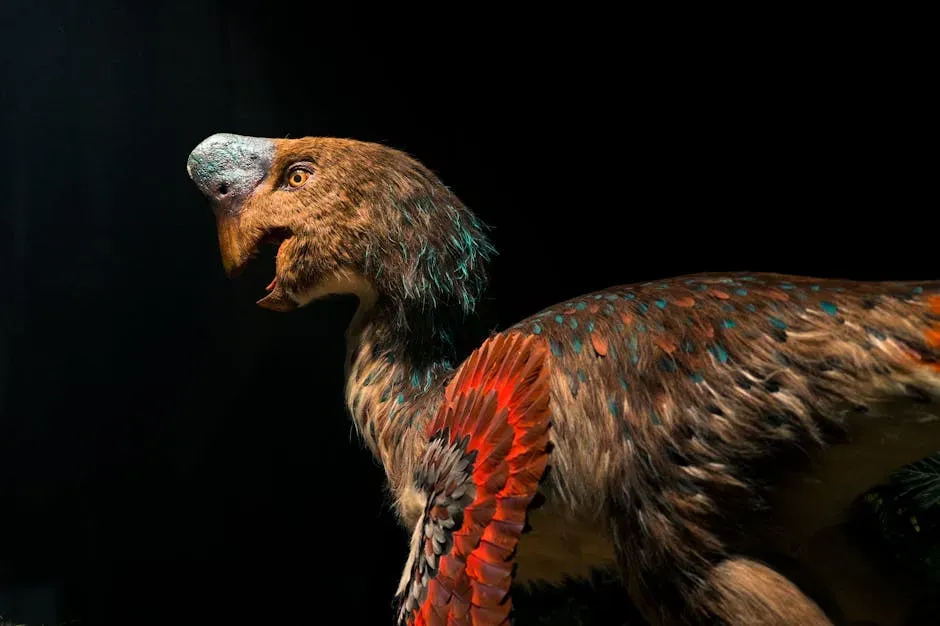
When you see a fossil showing impressions of feathers or filament-like coverings along a dinosaur’s body, you are not just seeing a fashion statement; you are seeing insulation. Feathers trap air and help hold body heat in, just like a winter jacket keeps you warm. If dinosaurs were purely cold‑blooded and relied mainly on external warmth, thick insulation would actually be a disadvantage, because it would slow down how quickly the sun could warm them up. So when you notice feathered or fuzz‑covered dinosaurs, you are looking at animals that likely needed to manage and protect their internal heat.
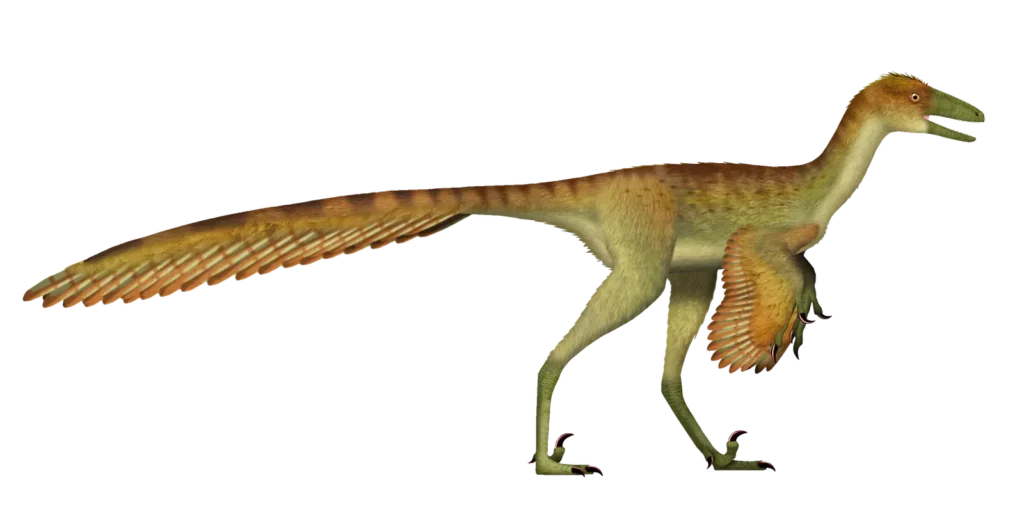
Many small and medium‑sized theropods, the group that includes famous hunters like Velociraptor, show evidence of feathered bodies, and some plant‑eaters may have had similar coverings. For you, this makes the link to birds feel much closer and more personal: you are essentially seeing early experiments in warm‑blooded designs, with insulation to match. A warm-blooded hunter benefits immensely from staying at a stable temperature regardless of cool mornings or chilly evenings, and feathers or other coverings are exactly the sort of adaptation that helps make that possible.
Comparing Dinosaurs to Modern Hunters: Birds, Mammals, and Reptiles
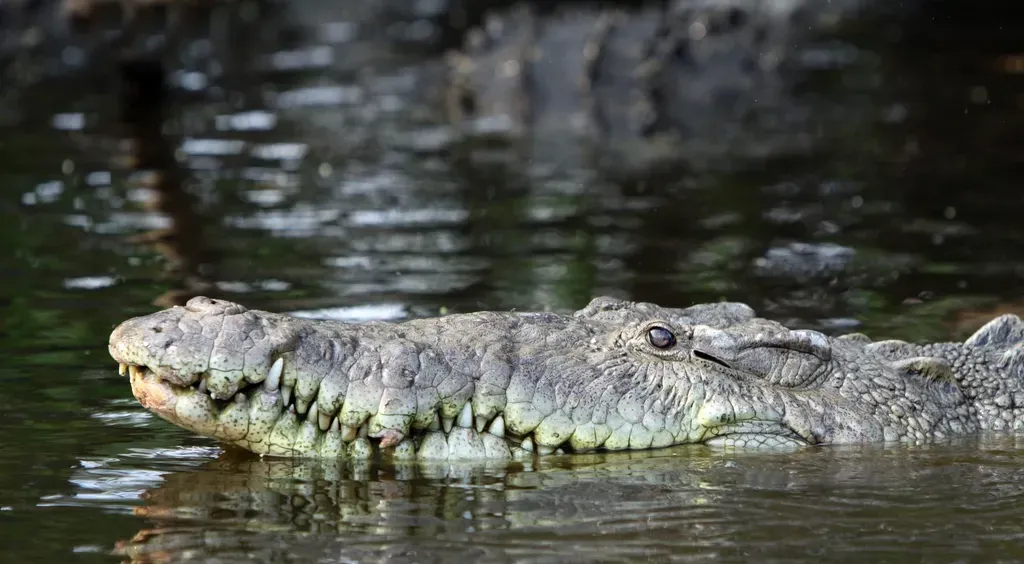
To get a feel for dinosaur metabolism, you can compare them with animals you know today. Modern reptiles like crocodiles and lizards rely heavily on the environment to warm up, which means their activity levels rise and fall with the temperature. In contrast, birds and mammals hold their body temperatures steady, letting them hunt at dawn, dusk, or in cooler climates with no problem. When you line up dinosaur traits – rapid growth, complex lungs, active trackways, and insulation – alongside these groups, dinosaurs consistently look more bird‑like than reptile‑like.
If you have ever watched a hawk circling overhead or a wolf trotting tirelessly across a landscape, you have already seen the kind of lifestyle that warm‑blooded physiology supports. Now imagine scaling that up to animals the size of buses or even buildings. For you, this comparison helps you move beyond abstractions like “warm‑blooded” and “cold‑blooded” into real‑world behavior: where could they live, when were they active, and how did they hunt? The more you compare, the more dinosaurs start to fit into the warm‑blooded, high‑energy side of that spectrum, at least for many species.
Not All or Nothing: Different Dinosaurs, Different Metabolisms
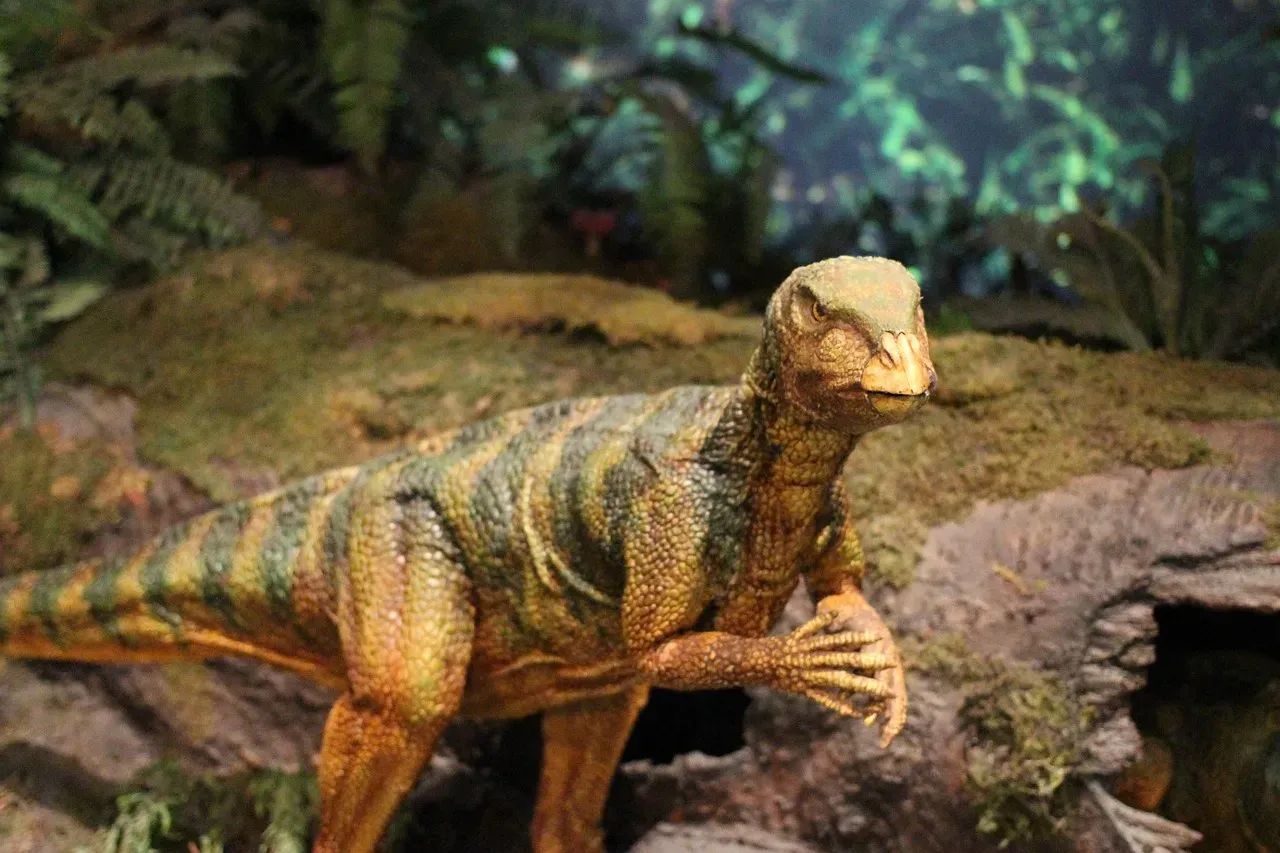
As you weigh all this evidence, it is tempting to lump every dinosaur into one simple box: either completely warm‑blooded or completely cold‑blooded. Reality is probably messier. Different lineages may have had different metabolic strategies, and some dinosaurs might have fallen somewhere in between, with metabolisms that were more flexible or intermediate. You can think of it less like a light switch and more like a dimmer knob, with some groups turned up very high and others running at a moderate level.
For you, that nuance matters because it keeps the story grounded and honest. Fast‑growing, active predators and small, agile species likely skewed toward higher metabolic rates, while some gigantic, slow‑moving plant‑eaters might have relied more on sheer size to help stabilize their body temperatures. The emerging picture you get is of a world filled with a range of strategies, but with many key dinosaur hunters clearly shifted toward the warm‑blooded end, built to move, react, and pursue prey with impressive stamina.
Your New Mental Picture of Dinosaurs as Warm-Blooded Hunters
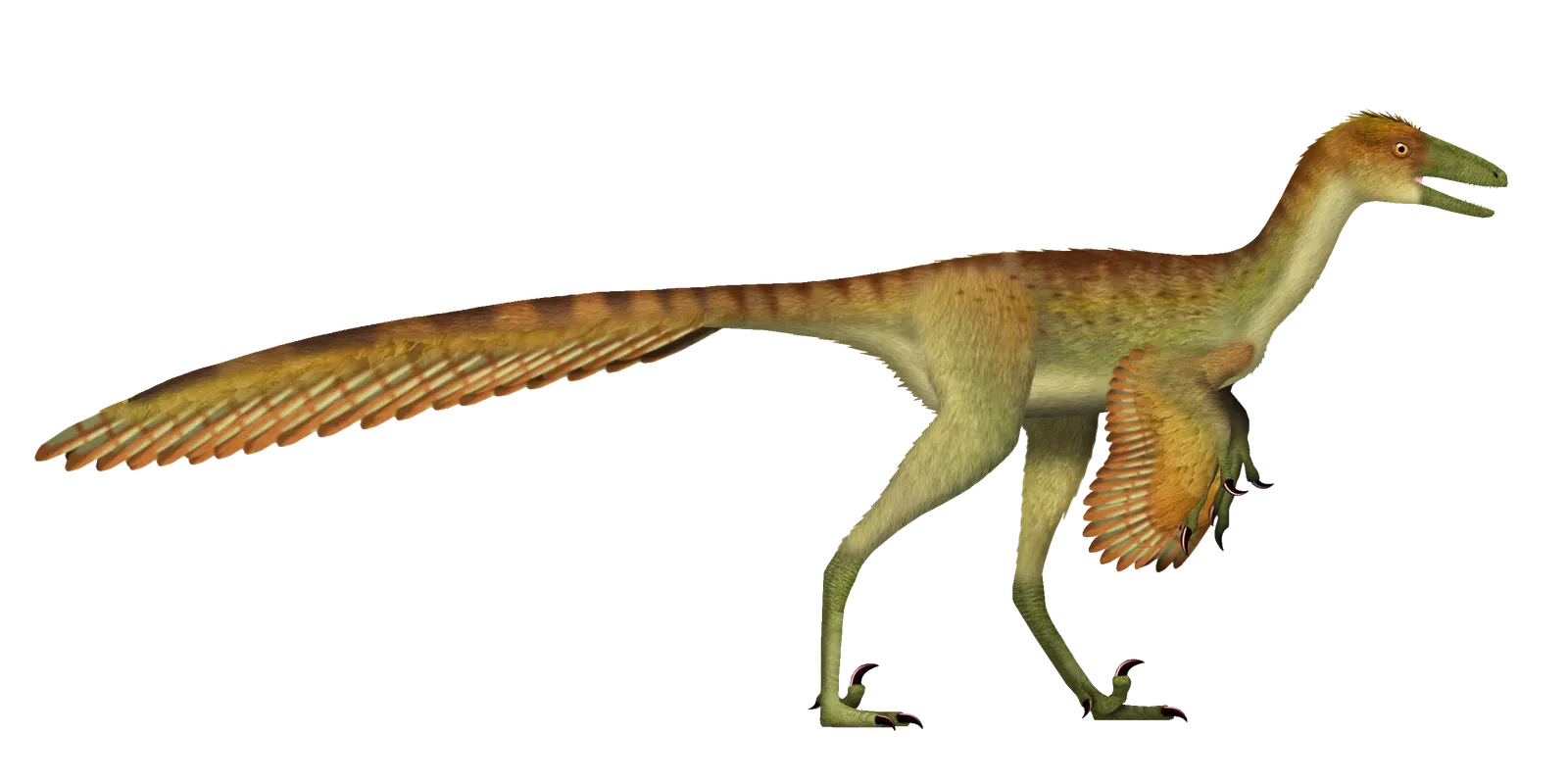
Once you add up bones that grew fast, lungs that looked efficient, feathers that insulated, and footprints that show serious speed, you can feel your old dinosaur image cracking. You are no longer imagining lazy, sun‑soaking reptiles; you are seeing sleek, energetic animals with bodies primed for movement and minds tuned to hunt. Warm‑blooded physiology would have given them the stamina to track, chase, and ambush across varied landscapes, from chilly forests to temperate plains, without being held hostage by the weather.
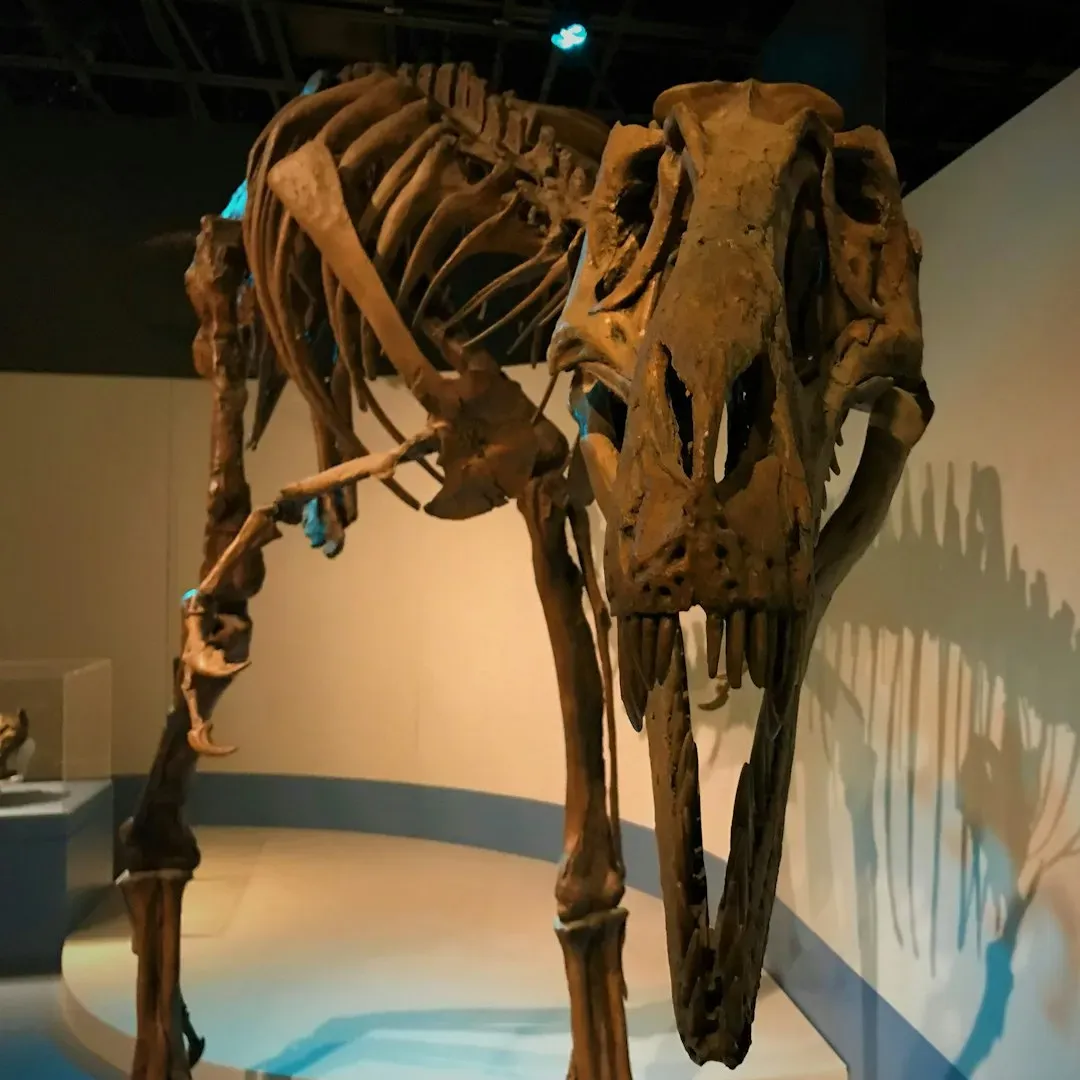
For you personally, this changes how every fossil skeleton feels when you see it in a museum. That towering predator is not just a static monument; it is the frozen frame of an animal that once pulsed with heat and power, chasing prey, defending territory, or caring for its young. The next time you stand beneath a dinosaur’s skull, you might find yourself wondering less about how heavy it was and more about how fiercely it once moved through its world.
In the end, the case for warm‑blooded dinosaurs is not built on one dramatic smoking gun but on many small, converging lines of evidence that point in the same direction. You see growth rates, chemistry, trackways, and insulation all hinting that many dinosaurs, especially hunters, lived fast and hot by internal design. While scientists are still refining the details and arguing over which species fit where, you can comfortably picture many dinosaurs as active, warm‑blooded predators, not sleepy overgrown lizards. As you imagine that world bursting with energy and motion, you have to ask yourself: did you ever expect ancient bones to tell such a vivid, living story?