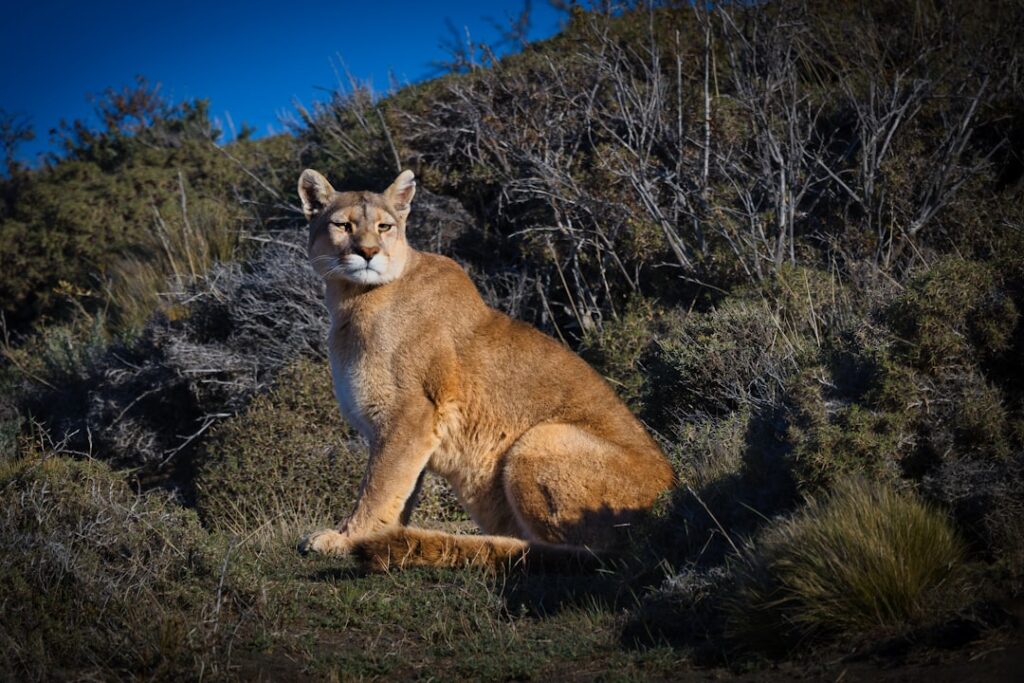
U.S.-Mexico border, Texas — Researchers recently uncovered evidence that mountain lions navigate the 30-foot-high border wall via improvised openings no larger than a sheet of paper. These so-called “kitty doors” provide a narrow pathway for the big cats, preserving links between populations on both sides of the divide. Wildlife experts monitoring the situation, however, warn that ongoing wall construction threatens this fragile connection.
Surprising Evidence of Crossings Emerges
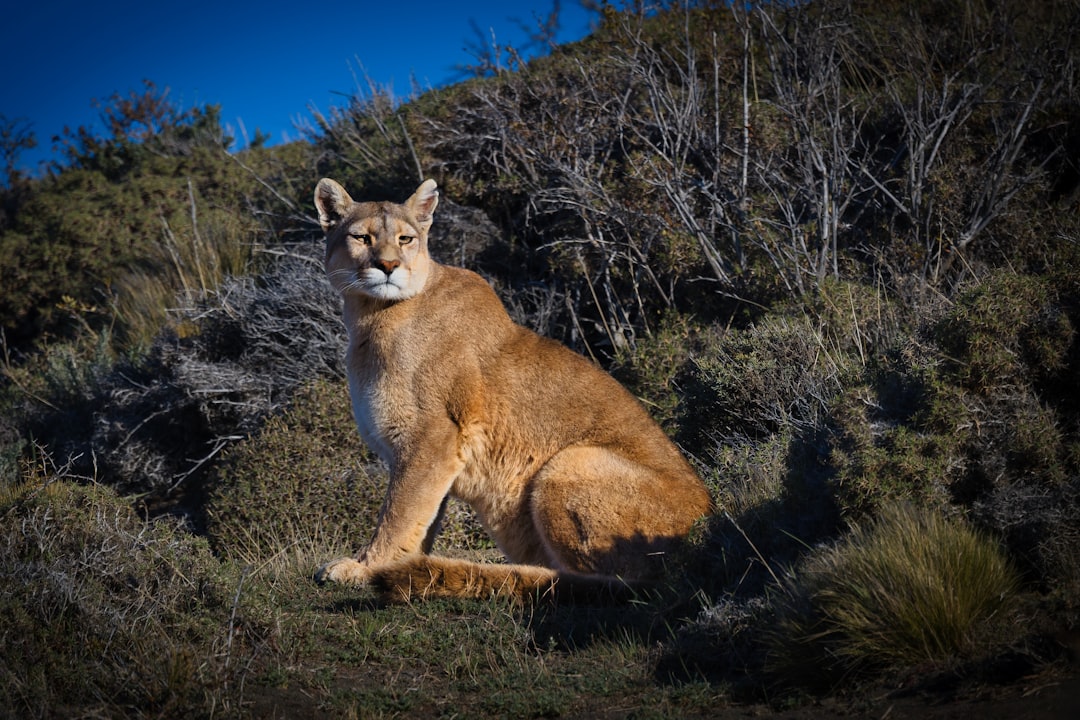
Surprising Evidence of Crossings Emerges (Image Credits: Unsplash)
Mountain lions, known for their agility, have demonstrated an ability to slip through minuscule gaps in the border barrier. Carnivore ecologist Lisanne Petracca highlighted this discovery during a recent podcast episode. The findings came from fieldwork along the Texas border, where the wall stands as a formidable obstacle.
Petracca, who works with the Spatial and Population Ecology of Carnivores Lab at Texas A&M University-Kingsville, described the openings as potential lifelines. Preliminary observations suggest these passages allow the cats to maintain movement across international lines. Such crossings prove essential for genetic diversity and population health in wide-ranging species like Puma concolor.
Hands-On Monitoring in South Texas
Field teams equipped mountain lions with radio collars to track their movements near the border. Petracca participated in collaring one individual in South Texas, yielding valuable data on navigation patterns. This hands-on approach revealed how the animals exploit structural vulnerabilities in the wall.
The effort underscores the challenges of studying elusive predators in a politically sensitive zone. Researchers must balance conservation needs with border security realities. So far, the collars have confirmed successful crossings, but long-term patterns remain under scrutiny.
Balancing Hope and Concerns for Populations
Early results indicate that the small openings could sustain connectivity between U.S. and Mexican mountain lion groups. “Preliminary results show that openings the size of a sheet of paper could be the solution keeping the United States and Mexico populations connected,” the study noted.
Still, experts express caution. Expanding wall infrastructure risks sealing these pathways permanently. Without intervention, isolated populations face heightened vulnerability to inbreeding and habitat fragmentation. Conservationists emphasize the need for wildlife-friendly designs in future barriers.
Insights from the Podcast Discussion
The Wildlife Society’s biweekly podcast “Our Wild Lives,” hosted by Katie Perkins and Ed Arnett, delved into these developments. Petracca shared her expertise on carnivore ecology during the episode. Listeners gained a deeper understanding of the border’s ecological toll.
Key takeaways from the conversation include:
- Mountain lions access “kitty doors” despite the wall’s height.
- Radio tracking provides real-time evidence of cross-border activity.
- Future wall modifications could disrupt natural dispersal.
- South Texas serves as a critical study area.
- Collaboration between ecologists and policymakers proves vital.
Access the full episode at The Wildlife Society’s site for more details.
Key Takeaways:
- Tiny gaps enable mountain lion crossings, supporting population links.
- Ongoing monitoring via collars tracks real-world behavior.
- Wall expansions pose the greatest threat to long-term connectivity.
Mountain lions’ resilience offers a reminder of nature’s adaptability, yet human-made barriers test those limits. As construction continues, the fate of these cross-border roamers hinges on informed decisions. What steps should policymakers take to protect wildlife corridors? Share your thoughts in the comments.