
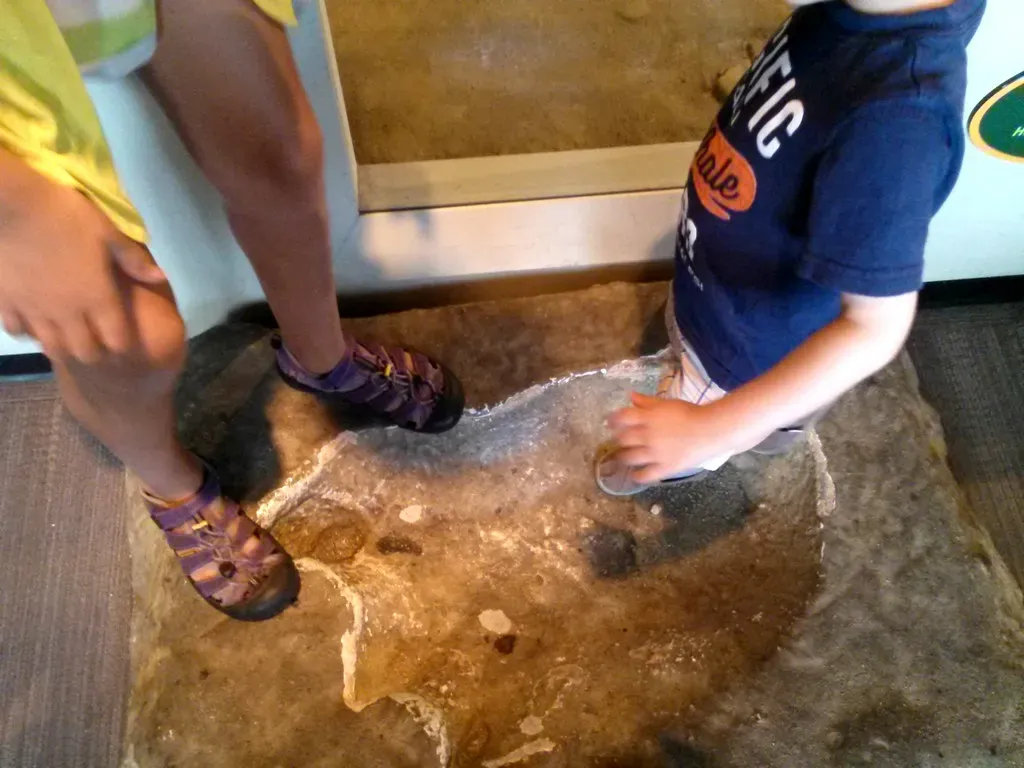
You probably picture dinosaur fossils as big skeletons in museum halls, but some of the most revealing clues about their lives were never bones at all. They were footprints – muddy impressions left in ancient ground by animals that never knew you would one day study their paths. When you look at a dinosaur trackway, you’re not just staring at stone; you’re standing where a living, breathing creature actually walked, ran, hunted, or fled millions of years ago.
As you explore what these fossil footprints can tell you, you start to realize something surprising: tracks often answer questions that skeletons never could. Footprints can show you how fast a dinosaur was moving, whether it travelled alone or in a group, and even how it held its body and tail. Step by step, literally, you get to piece together ancient journeys, turning rock slabs into time-lapse stories of movement, behavior, and survival.
How Dinosaur Footprints Turn to Stone Under Your Feet
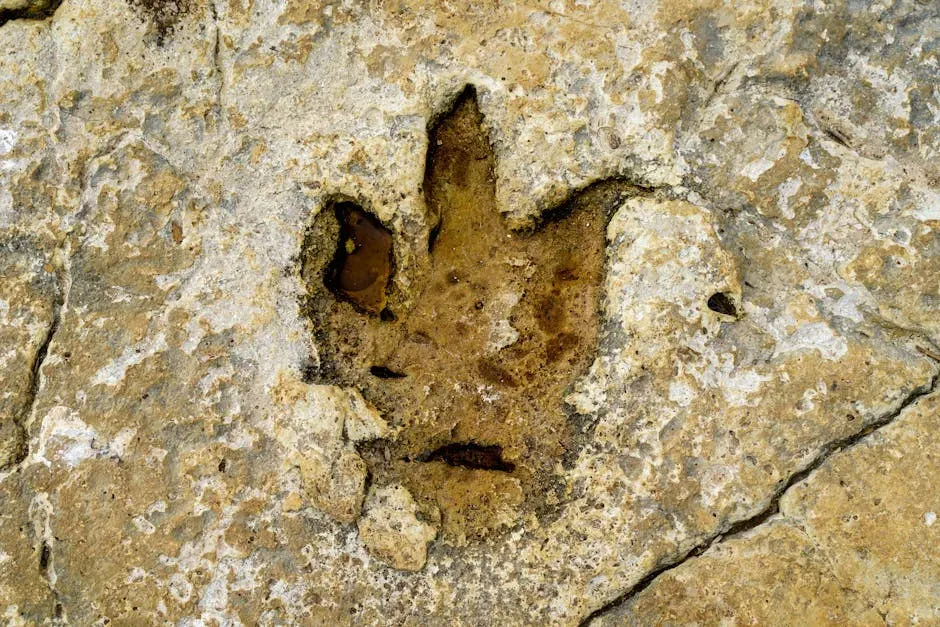
It is almost shocking that something as soft as mud can become a time capsule that survives for tens of millions of years. For a dinosaur footprint to fossilize, you need a rare combination of conditions: the ground has to be soft enough to take an impression, firm enough not to collapse, and then quickly buried by new sediment like sand, silt, or volcanic ash. You are basically watching nature press a record button, then seal it off before weather, scavengers, or more trampling can wipe it away.
Over time, minerals seep into those impressions and harden, turning once-squishy ground into solid rock. Sometimes you see the original depression a dinosaur made; other times you are looking at the natural “cast” of the footprint, where sediment filled the track and later hardened. When you walk across one of these sites today, you are standing on several different generations of ancient surfaces stacked like pages in a book, each stamped with a brief moment of motion that just happened to get preserved.
Reading Size, Shape, and Claw Marks Like a Track Detective
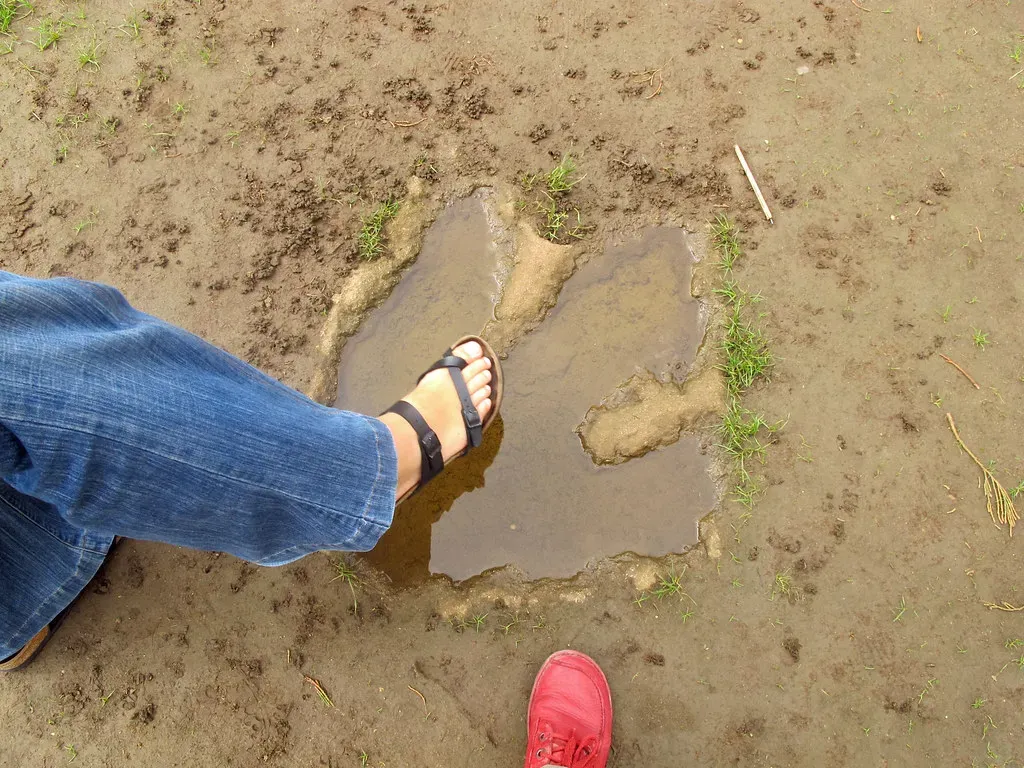
When you first look at a fossil footprint, it can seem like a simple three-toed or roundish impression, but if you slow down, you start seeing clues everywhere. The overall size and shape help you infer what kind of dinosaur made it: three long toes with sharp-looking tips might point you toward a theropod, the classic meat-eating group, while wide, rounded prints with stubby toes suggest a big plant-eater like a sauropod or ornithopod. You are not guessing blindly; you are comparing those shapes to known dinosaur foot bones and modern animals that leave similar tracks.
Claw marks, depth, and even slight smears can tell you more than you might expect. Deeper impressions might mean a heavier animal or softer ground, while drag marks might hint that a tail or a belly occasionally brushed the surface. Sometimes you only see partial prints, with just the tips of toes preserved, suggesting a dinosaur moving quickly on the front of its feet, a bit like you running on the balls of your feet. As you learn to read these details, each footprint starts feeling less like a blob in rock and more like a unique signature left by an individual animal.
Tracking Speed and Movement from Stride Length
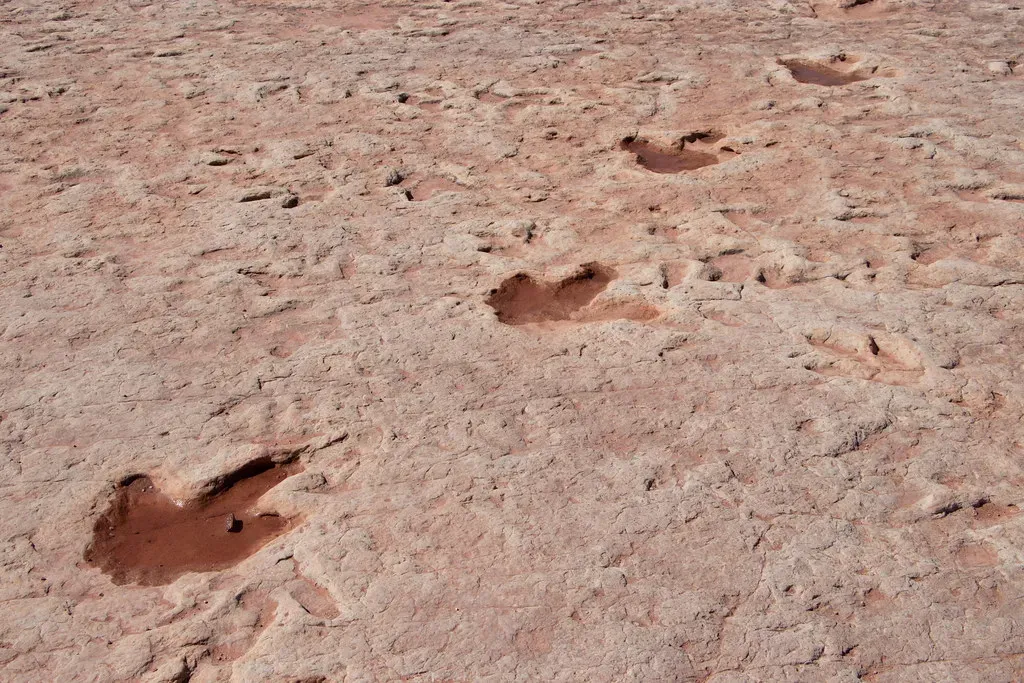
One of the most exciting things you can do with dinosaur footprints is estimate how fast the animal was moving. If you measure the length of a footprint and the distance from one step to the next, you can use established formulas to approximate walking or running speed. Longer strides relative to foot size usually mean the animal was moving more quickly, while shorter, evenly spaced steps suggest a slow, steady walk. You are basically reverse-engineering motion from static marks in stone.
Even without exact numbers, you can often tell whether a dinosaur was lumbering along or sprinting. A trail with tightly grouped, deep prints might suggest a heavy creature trudging through soft ground, while widely spaced, shallow impressions can hint at a lighter animal in full flight. In some trackways, you see sudden changes in stride length or direction, hinting at a startle response, a chase, or a quick turn. In those moments, you are no longer just calculating speed; you are catching a dinosaur mid-action, preserved forever at the moment it changed gears.
Footprints that Reveal Herds, Fleeing Mobs, and Family Groups
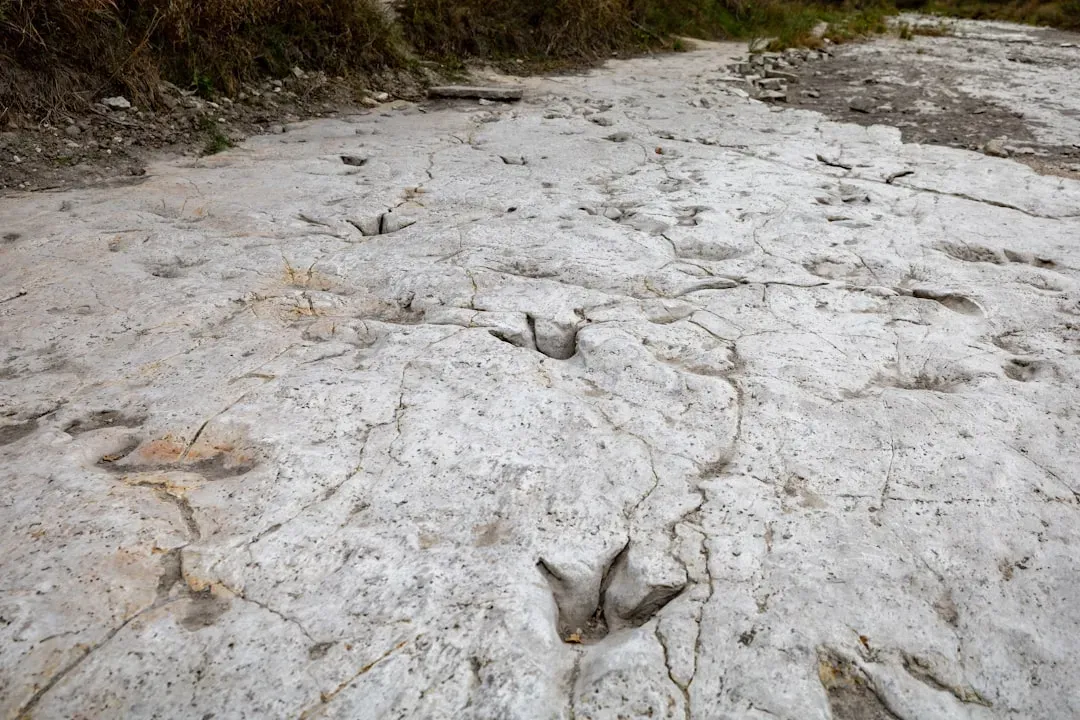
Where dinosaur footprints truly shine is in revealing social behavior that skeletons almost never capture. When you find multiple trackways heading in the same direction at about the same time, you may be looking at evidence of a herd or group movement. You might notice smaller footprints alongside larger ones, moving in parallel lines, which suggests juveniles walking close to adults, almost like you might see in a modern herd of elephants or a flock of geese crossing a field.
Sometimes track sites preserve what look like chaotic moments. You can see prints overlapping, changing direction, and suddenly lengthening, which may signal a panicked stampede away from a threat. When you compare these patterns across a site, you are effectively reconstructing crowd movement in deep time, seeing where animals bunched up, where they split, and where they may have bottlenecked. You get this rare sense of dinosaurs not as isolated skeletons in glass cases but as living communities, traveling, reacting, and maybe even protecting their young.
Clues About Climate, Shorelines, and Ancient Landscapes
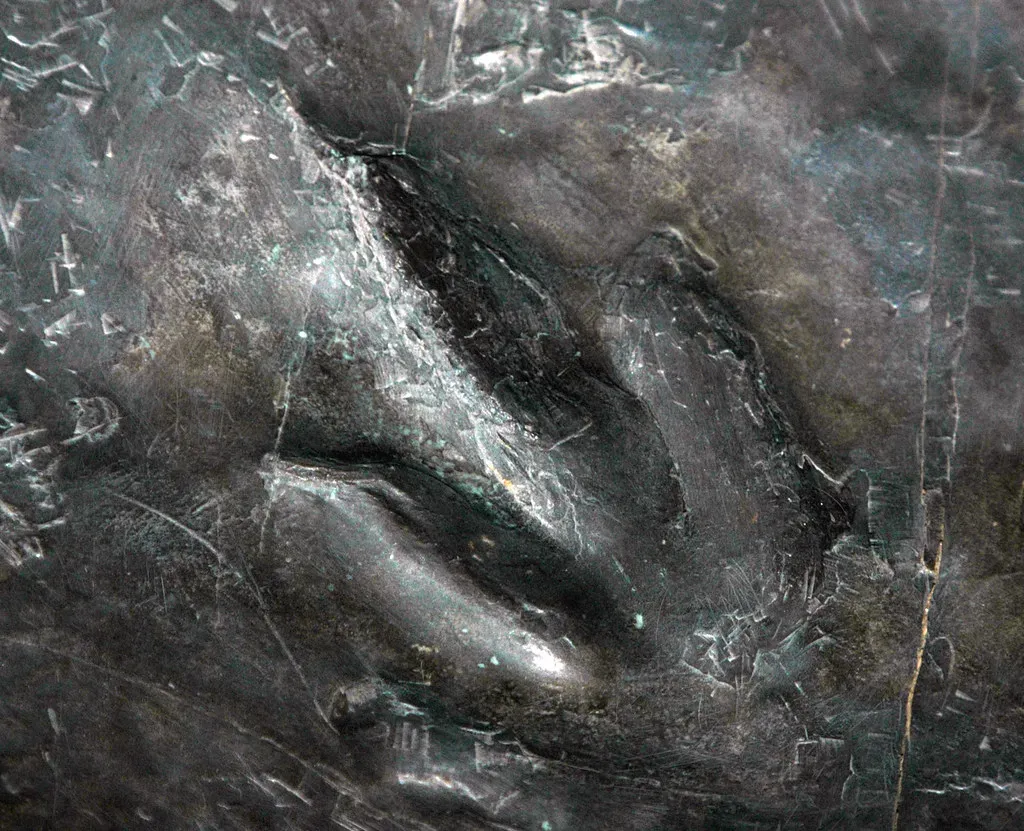
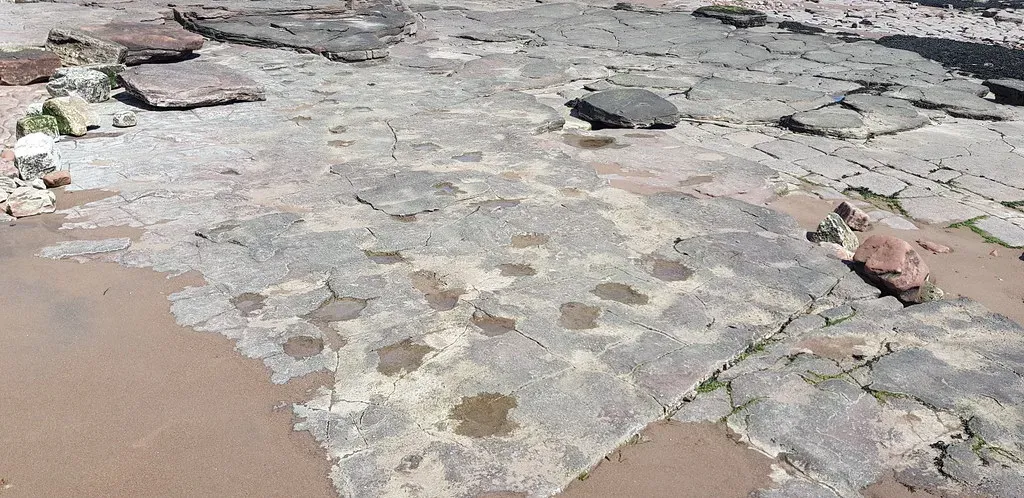
Dinosaur footprints do not just tell you about the animals; they also whisper about the world those animals walked through. The type of sediment the tracks are preserved in – mudstone, sandstone, or ash – helps you figure out whether the area used to be a riverbank, lakeshore, coastal tidal flat, or floodplain. Ripple marks, mud cracks, and in some cases tiny invertebrate trails around the footprints help you reconstruct the local environment in astonishing detail. When you read the rock around the track, you are learning whether that dinosaur walked through swampy lowlands, along a beach, or across a dusty inland plain.
Because tracks often form in wet, low-lying areas, they are especially helpful for mapping ancient shorelines and seasonal conditions. You might find repeated layers of footprints stacked with flood deposits, suggesting that the same migration routes or feeding grounds were used over and over. In some regions, the presence of certain track types alongside plant fossils and other clues supports the idea of warm, humid climates with distinct wet and dry seasons. In other words, each footprint site lets you stand where a dinosaur once stood and also feel a little of the climate pressing in around it.
How You Can See and Protect Dinosaur Trackways Today
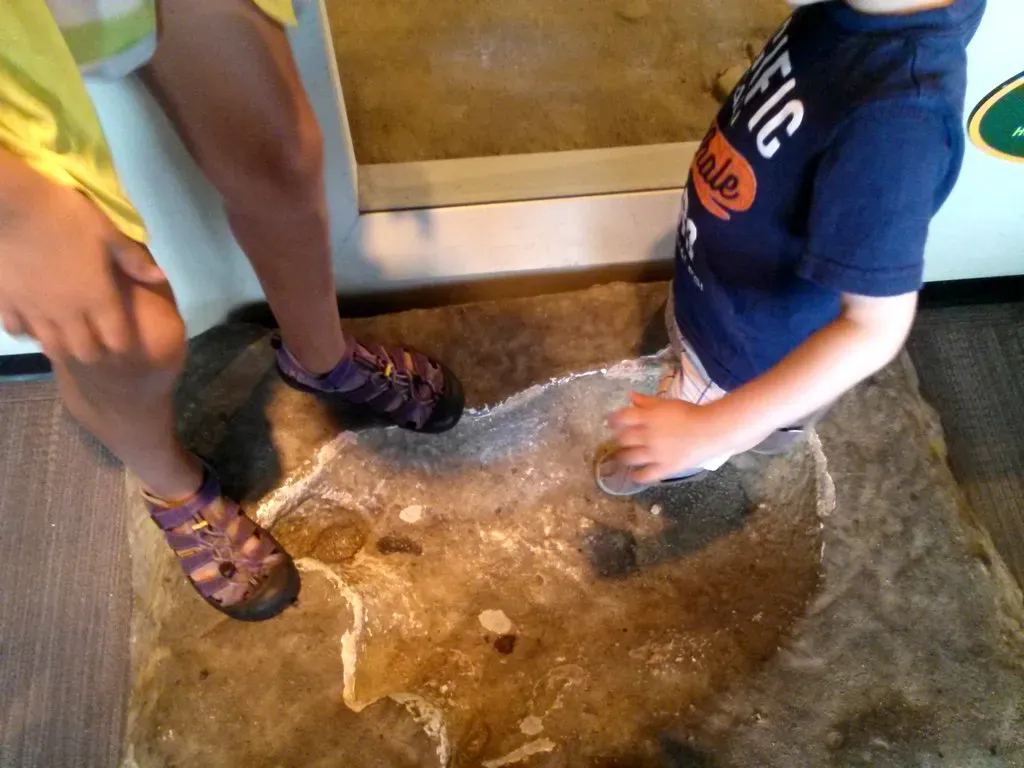
Right now, you have more opportunities than ever to see real dinosaur footprints without being a professional paleontologist. All around the world, there are track sites open to the public, from riverbeds where the water seasonally drops to reveal exposed tracks, to protected slabs integrated into museum walkways and outdoor trails. When you visit these places, you are not just looking at fossils behind glass; you are literally walking beside the paths dinosaurs took, often along the very surfaces they crossed.
But these sites are fragile, and that is where you come in. Weathering, erosion, vandalism, and even well-meaning visitors can damage or erase tracks that took millions of years to reach you. You can help protect them by sticking to marked paths, not touching or tracing the prints, and supporting local conservation efforts and parks that manage these areas. Even sharing accurate information and encouraging respectful behavior online makes a difference. In a real way, you become part of the story of these footprints, deciding whether they will still be there for someone else to marvel at in another hundred years.
What Footprints Cannot Tell You (and Why That Matters)
As powerful as dinosaur footprints are, they also come with limits you need to keep in mind. A single trackway only shows you a short slice of an animal’s journey, like a snapshot rather than a full documentary. You usually cannot attach a precise species name to a footprint, even if the track looks similar to a known dinosaur’s foot bones. That is why researchers use separate track-based names that describe the shape and pattern rather than the exact animal, a bit like naming fonts instead of guessing which author used them.
Footprints can also be distorted by soft ground, later erosion, and even the way sediment collapsed after the dinosaur passed. What looks like a huge, dramatic claw mark might just be a mud slump, and what seems like multiple animals could actually be one dinosaur walking back and forth across the same area. When you stay aware of these uncertainties, you learn to balance wonder with caution. That balance does not make footprints less magical; it just makes your understanding of them more honest, and in the long run, that careful approach leads to better, more reliable stories about ancient journeys.
When you step back and look at dinosaur footprints as a whole, you realize they are not just stone marks scattered in random places. They are the frozen trails of real lives, preserved by luck, geology, and time, waiting for you to read them. By paying attention to their shapes, patterns, and surroundings, you uncover how dinosaurs moved, traveled, raised young, and navigated changing landscapes. You are not only learning about ancient animals; you are also learning how to listen better to the quiet evidence the Earth keeps under your feet.
Maybe the next time you are on a muddy riverbank or walking along a beach, you will look back at your own footprints and imagine them, somehow, being discovered millions of years from now. What would they say about the way you walked, who you were with, or where you were going? In the end, dinosaur tracks invite you to see your own life as a short journey across a shared planet, one more trail in a long chain of travelers. If you could leave just one clear footprint in time, what story would you hope it tells?