
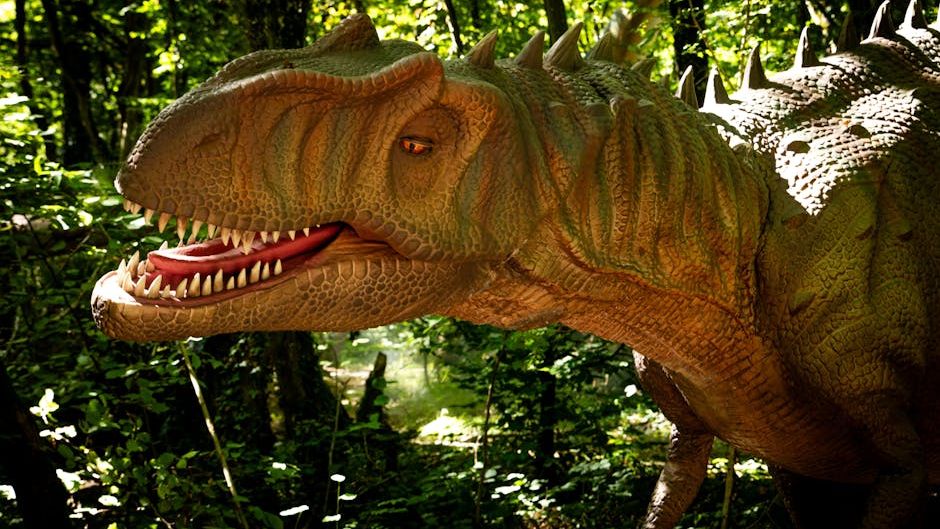
You probably grew up with the image of a Tyrannosaurus rex shaking the ground with a deafening lion-like roar. It is dramatic, memorable, and great for movies. But when you look at what scientists actually know, the story of dinosaur communication gets much stranger, quieter, and in some ways more beautiful than Hollywood ever shows you.
Because you cannot travel back in time with a microphone, you have to read the clues locked in bones, skulls, and the behavior of living animals. When you do that, you start to see dinosaurs not just as monsters, but as complex, social creatures that may have hissed, boomed, honked, and even produced soft, haunting calls more like birds than big cats. You are not just asking what they sounded like; you are asking how they lived, flirted, warned, and raised their young.
The Big Problem: You Cannot Hear Fossils
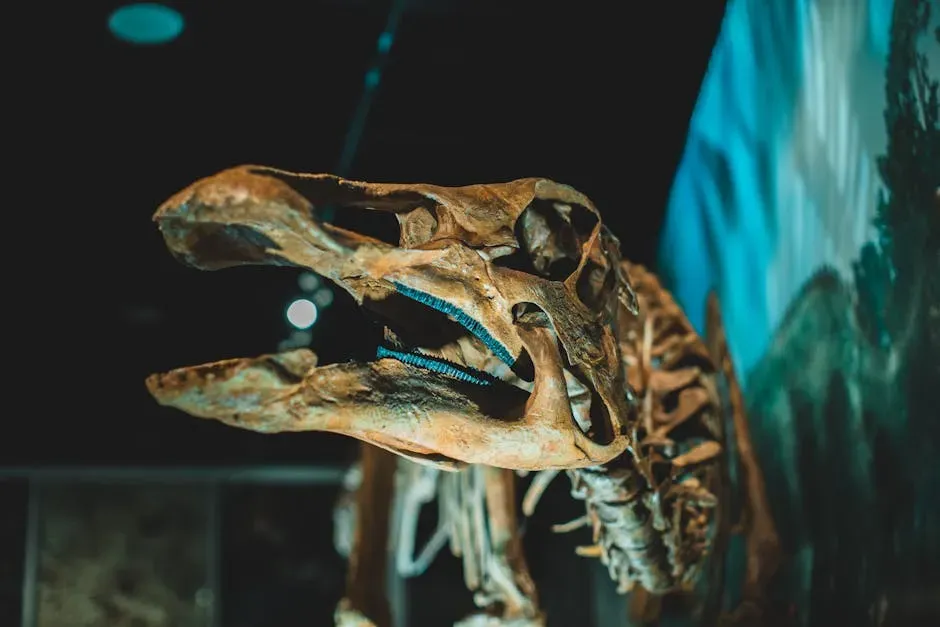
When you first ask what dinosaurs sounded like, you immediately hit a frustrating wall: sound does not fossilize. You do not have audio recordings, only bones, impressions, and a few preserved soft tissues. So instead of pressing play on a recording, you have to become a detective who uses skull shapes, air cavities, and comparisons with living animals to guess what kinds of sounds were even possible.
This means you should treat any confident claim about dinosaur roars with caution. At best, you are looking at carefully built models and educated reconstructions, not direct evidence. The safest answer is that you do not know the exact pitches, tones, or patterns, but you can narrow down the possibilities: low versus high, loud versus soft, inside-the-mouth versus inside-the-chest. Once you accept that limit, the puzzle becomes more about probabilities than fantasies.
Did Dinosaurs Actually Roar Like in the Movies?
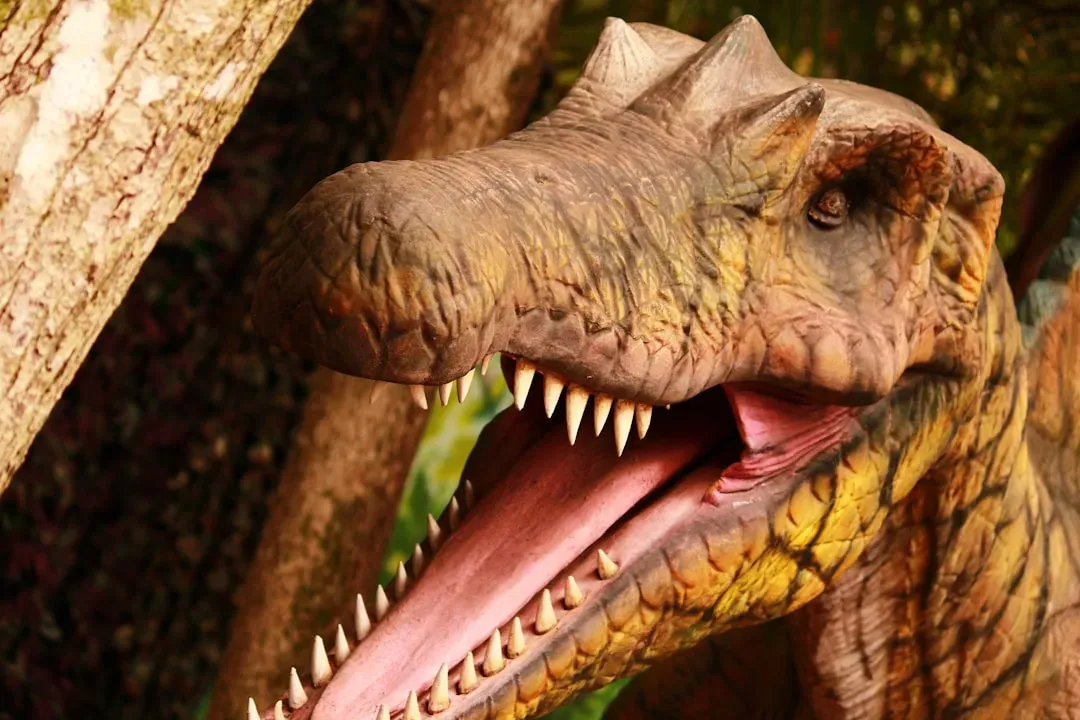
If you imagine a T. rex roaring like a lion or a bear, you are already drifting away from what most experts think is realistic. When scientists study how large animals produce loud sounds today, you find that the deepest, most powerful noises often come from closed-mouth vocalizations, where the mouth stays shut and the sound resonates through the throat, chest, and air sacs. Large birds like emus and cassowaries, and even crocodiles, rely on chesty booms more than open-throated bellows.
Some researchers have suggested that big dinosaurs, especially massive theropods, may have used similar low-frequency, closed-mouth calls that could travel far through forests or floodplains. If that is true, you might imagine not a dramatic cat-like roar, but a vibrating, sub-bass rumble you feel in your chest more than you hear in your ears. So yes, they probably “roared” in a broad sense of blasting out sound, but not in the Hollywood way your brain automatically supplies.
Hisses, Grunts, and Threat Displays You Can Picture
When you picture dinosaur sound, you might focus on long-distance calls, but everyday communication probably involved simple noises: hisses, grunts, snorts, and low growls. You see that today in crocodiles and birds, especially in close-range situations like defending a nest, warning off rivals, or telling young ones to stay put. Because dinosaurs sat close to both groups on the evolutionary tree, you can reasonably expect many of them to use similar, short-range sound bursts.
Think about a medium-sized predator flaring its claws and pushing air sharply through its throat to make a harsh hiss at a rival, or a mother dinosaur giving low grunts to keep track of her hatchlings in dense vegetation. Those sounds do not need special skull crests or giant resonating chambers, just basic vocal structures many land vertebrates share. You may never know the exact pitch, but you can be confident that dinosaurs were not silently acting out their social lives in mime.
Crests and Horns: Built-In Sound Systems
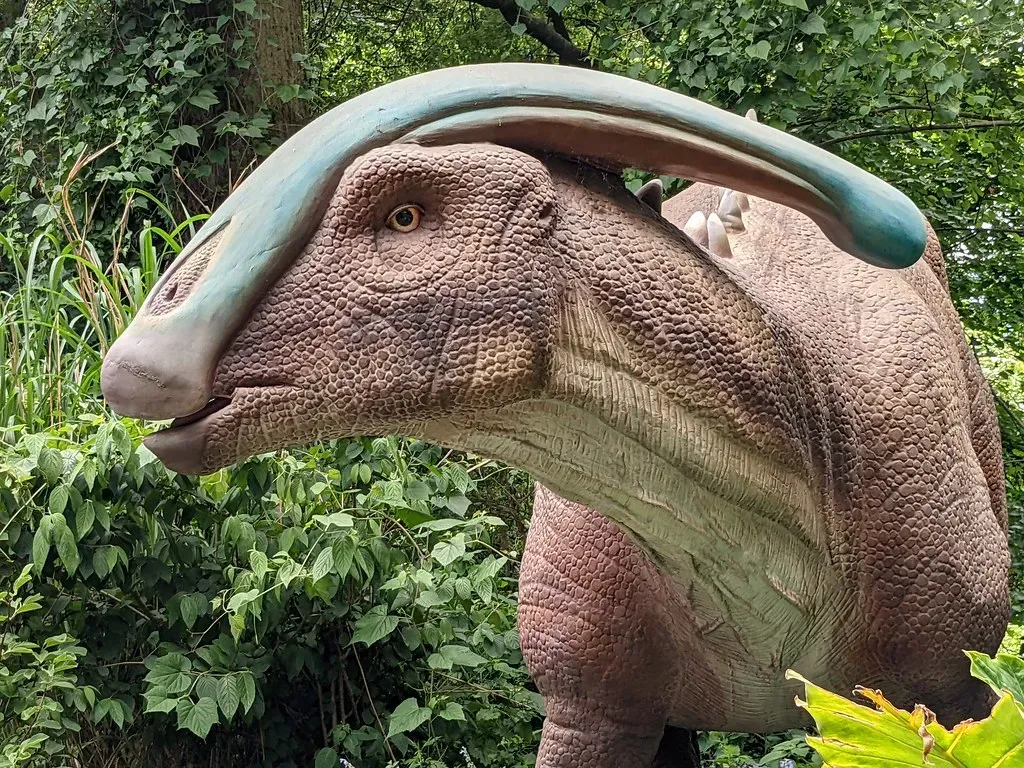
Some dinosaurs practically advertise that sound mattered to them because they carried acoustic hardware on their heads. When you look at hadrosaurs like Parasaurolophus, you see long, hollow crests connected to their nasal passages. You can imagine these crests acting like built-in brass instruments, turning airflow into deep, resonant calls. Computer models of these structures suggest that they were tuned for low, carrying tones that could travel long distances, maybe across herds or through forests.
For you, this means that at least some dinosaurs were not only capable of making sound, but were specialized to shape and amplify it. Those crests could have helped individuals recognize their own species, signal maturity, or attract mates, much like a musical instrument that belongs to a specific band. When you walk through a museum and stand under one of those crests, you can imagine it as a kind of ancient wind instrument, not just a weird decoration.
Birds, Crocodiles, and What They Teach You About Dinosaur “Songs”
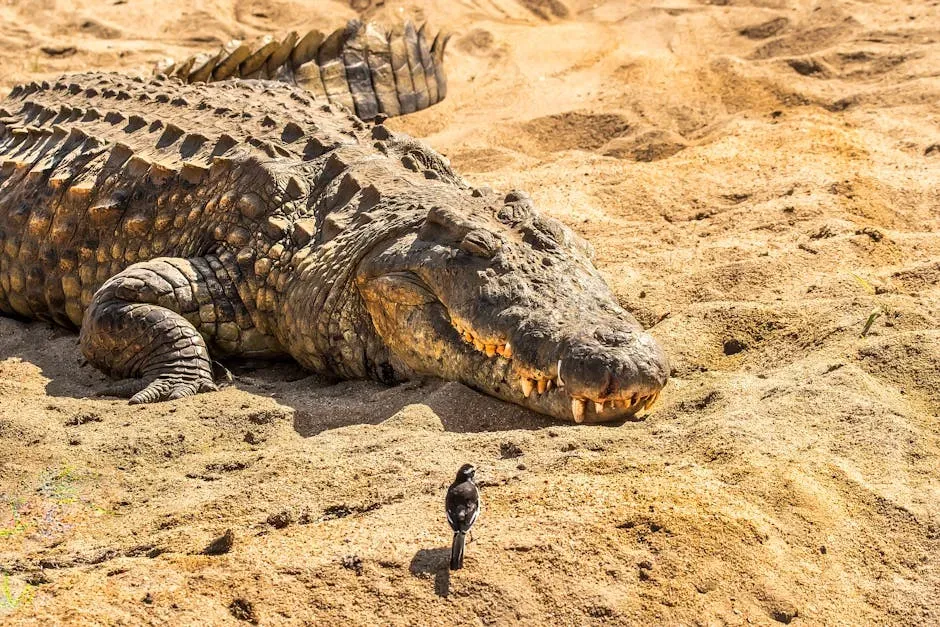
Because you cannot listen to a dinosaur directly, you lean on its closest living relatives. Modern birds, from tiny songbirds to huge ostriches, use a wide range of calls: melodies, rattles, booms, and clicks. Crocodiles, on the other side, rely on deep bellows, growls, and vibrating infrasound you can barely hear. Dinosaurs sit between these two groups in the evolutionary family tree, so you are probably looking at a blend of strategies: some melody-like complexity in smaller species, and more booming or rumbling calls in the big ones.
Many birds rely on a unique vocal organ called the syrinx, which lets them control sound very precisely. You do not have solid evidence that non-bird dinosaurs had a fully developed syrinx, but early fossils show that it appeared later in lineages close to modern birds. That means your classic big dinosaurs probably did not sing like sparrows, yet smaller, birdlike species near the origin of birds may have flirted, warned, and coordinated with surprisingly intricate sound patterns that you would recognize as closer to a song than a roar.
Color, Feathers, and Silent Signals Beyond Sound
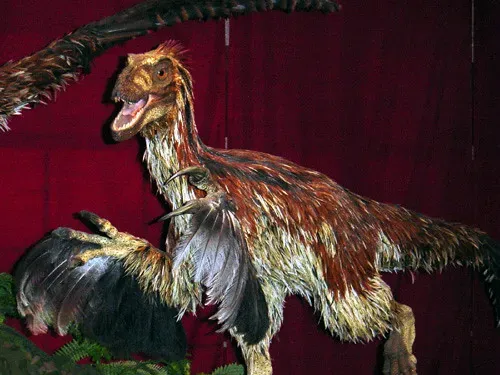
As you think about dinosaur communication, you might focus too much on sound and forget that animals are masters of visual language. Many dinosaurs carried elaborate frills, horns, feathers, and color patterns that probably acted like billboards. In those cases, sound may have been only part of the story: a soft call combined with a raised crest or spread feathers could send a more precise message than either signal alone, much like humans combining tone of voice with facial expressions.
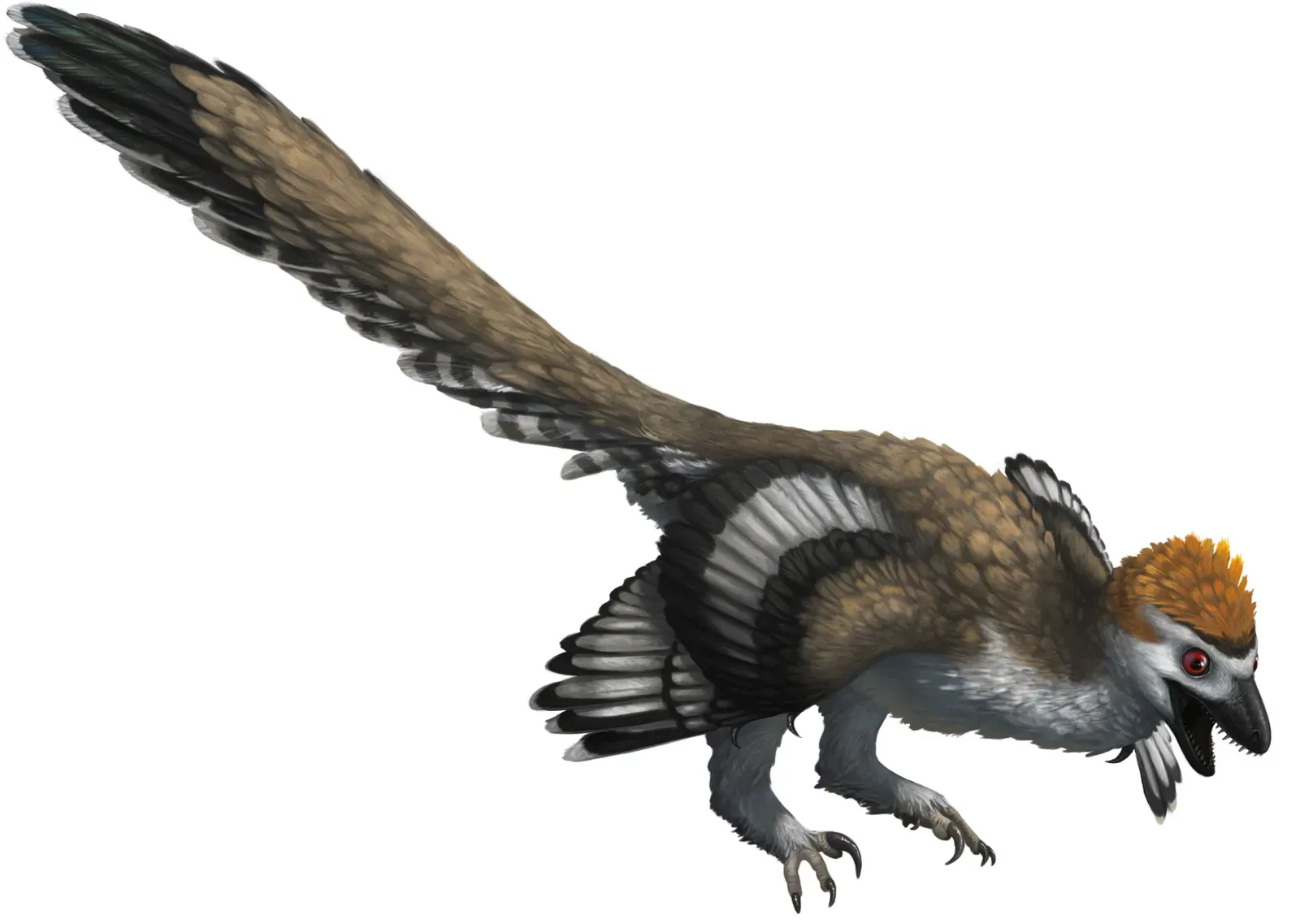
Feathered dinosaurs, especially those close to birds, could have used subtle rustles and wing flaps as communication too. You see this in living birds that snap their wings, rustle their feathers, or stamp the ground to add a physical rhythm to their vocal displays. If you imagine a small, feathered dinosaur courting a mate, you might picture a quiet series of chirps or trills paired with a dramatic feather fan and a rhythmic step, closer to a dance performance than a simple shout.
Baby Calls, Herd Life, and Emotional Noise
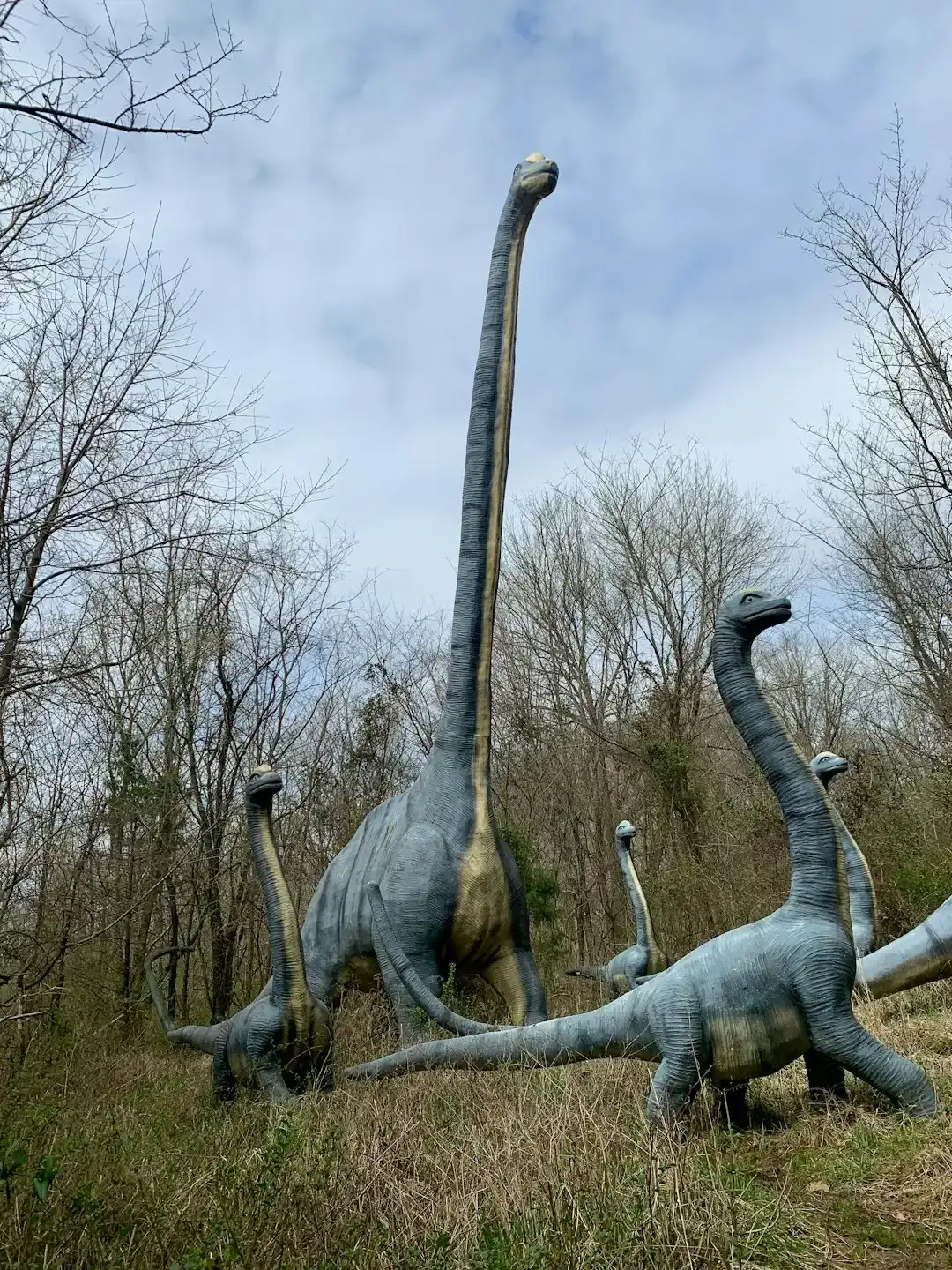
Once you remember that many dinosaurs nested in colonies and may have cared for their young, you start to see why fine-grained communication would matter. Hatchlings probably needed a way to beg for food, signal distress, or locate parents in a dense nesting ground. Parents, in turn, needed to reassure, warn, or gather their young quickly. You can imagine a soft, repetitive peeping or chirping from young dinosaurs and more controlled, distinct calls from adults to keep family groups organized.
Herd-living species, like many duck-billed dinosaurs or horned dinosaurs, likely used vocal signals to coordinate movement, warn of predators, or maintain social bonds. Deep, pulsing calls traveling through the ground or air could have told distant herd members that it was time to move or that danger was near. When you think about that, you are not just imagining sound effects; you are imagining emotional noise: anxiety in alarm calls, reassurance in contact calls, and maybe even excitement in mating displays that turned a quiet floodplain into a living soundscape.
So, the Answer is
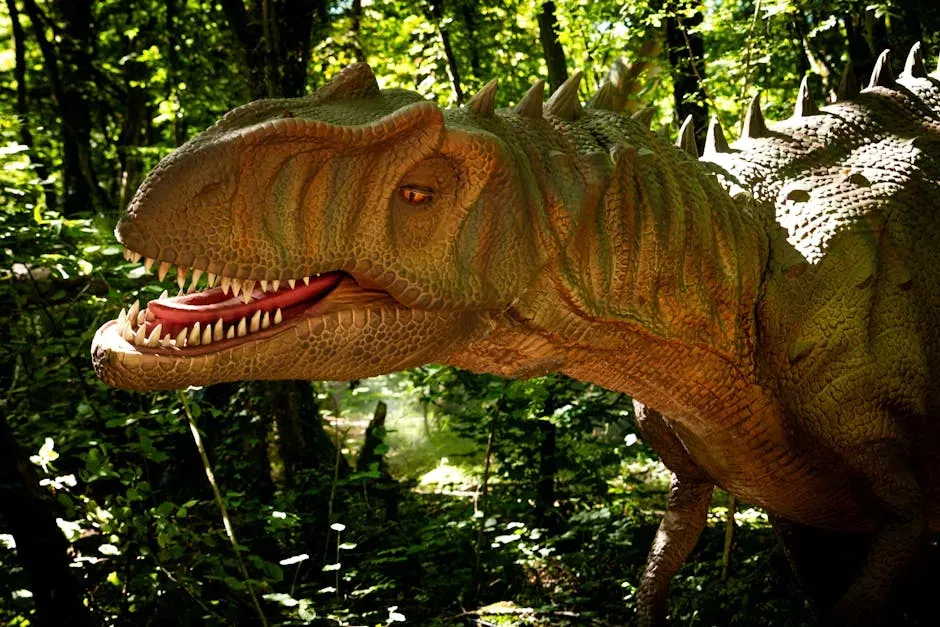
When you pull all the evidence together, you do not end up with a simple answer. Some dinosaurs probably did roar in the sense of producing deep, powerful, long-distance calls, though more likely with closed mouths and chesty vibrations than Hollywood’s open-jawed bellow. Many almost certainly hissed, grunted, and growled at close range, relying on the same basic toolkit you see in crocodiles, big birds, and other large animals today.
And near the origin of birds, you probably had the first rough versions of song: patterned calls, trills, and more nuanced vocal displays used for courtship, territory, and recognition. So when you ask whether dinosaurs roared, hissed, or sang, the most honest answer you can give yourself is that they probably did some of all three, depending on their size, lifestyle, and place in the family tree. Instead of one iconic sound, you should picture a lost world full of layered voices, from low rumbles to sharp hisses and strange, haunting calls echoing over ancient landscapes.
In the end, you are left with a mystery that is just grounded enough in evidence to feel real, but open enough to fire your imagination. The next time you hear a bird outside your window or feel a subwoofer thump in your chest, you are brushing against the same physics that once carried the voices of dinosaurs through forests and floodplains. You may never know their exact songs, but you can be sure they did not live in silence; their world was loud, emotional, and alive. When you picture that ancient soundscape now, what do you hear first: a hiss, a boom, or something more like a distant, eerie song you almost recognize?