You are stepping into one of the most fossil-rich regions on Earth—Patagonia—where a newly discovered long-necked dinosaur is giving scientists a fresh lens on prehistoric evolution. This isn’t just another “giant” find. It’s a species that blends traits from different dinosaur families, forcing experts to rethink how these massive animals evolved and spread across ancient continents.
What you’re about to uncover is a story written in bone fragments—one that connects continents, timelines, and evolutionary puzzles in ways scientists didn’t fully expect.
A New Giant Emerges From Patagonia
A New Giant Emerges From Patagonia (Image Credits: Wikimedia)
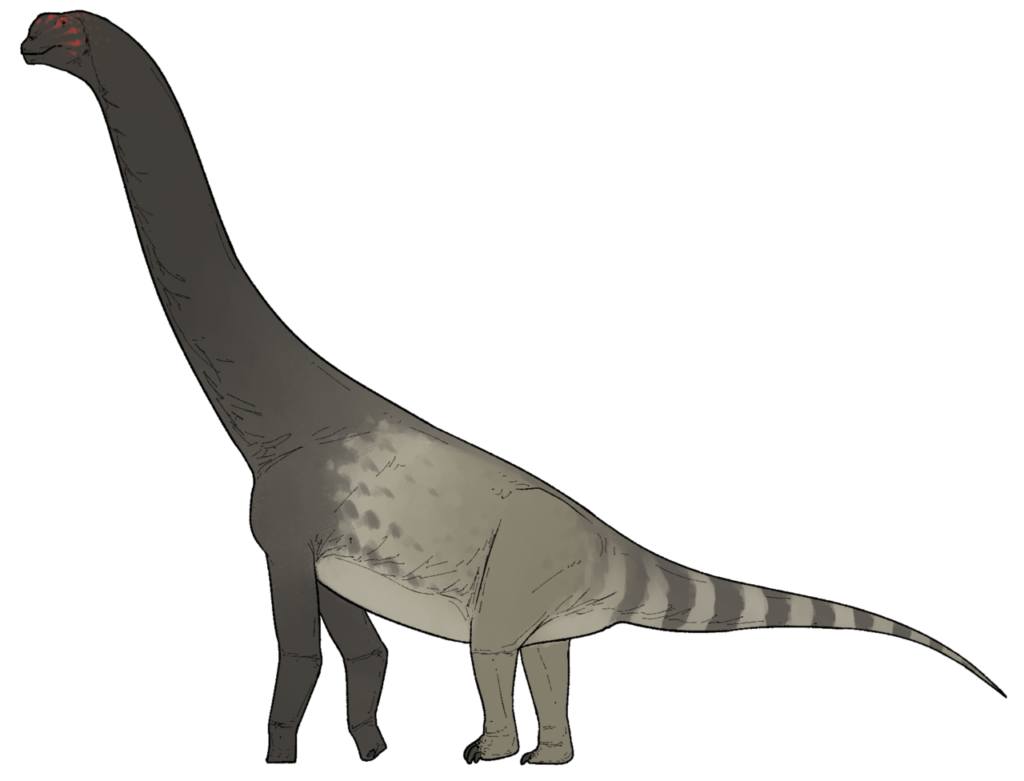
You’re looking at a newly identified dinosaur named Bicharracosaurus dionidei, discovered in southern Argentina. Unlike the truly colossal sauropods you may imagine, this one measured around 20 meters in length—still massive, but more modest compared to the giants that stretched beyond 40 meters.
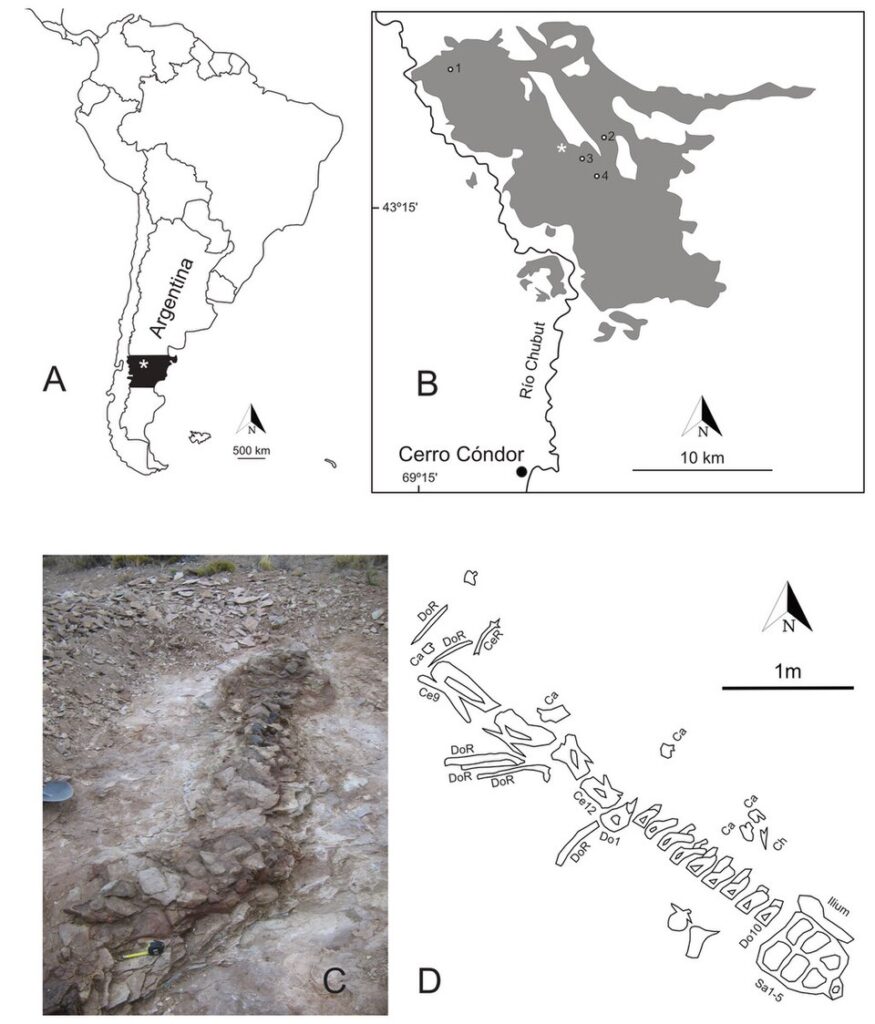
What makes this discovery important for you is the context. The fossil includes over 30 vertebrae from the neck, back, and tail, along with ribs and parts of the pelvis. These remains allowed scientists to confirm that the bones belonged to a fully grown adult that lived roughly 155 million years ago on the ancient southern supercontinent Gondwana.
A Dinosaur That Breaks Evolutionary Rules
As you dig deeper into this discovery, you’ll notice something unusual. This dinosaur doesn’t neatly fit into one known group. Instead, it shows a mix of features from both brachiosaurids and diplodocids—two major branches of long-necked dinosaurs.
For you, this is where the story becomes fascinating. Some of its skeletal features resemble Giraffatitan from Africa, while others are strikingly similar to Diplodocus from North America. This blend suggests that dinosaur evolution was far more interconnected than previously thought.
What the Bones Reveal About Its Life
You can almost picture this dinosaur moving slowly across prehistoric landscapes. Its long neck would have allowed it to reach vegetation that other animals couldn’t access, while its sturdy body supported that enormous structure.
But what’s more important for you is what the bones reveal beyond appearance. The vertebrae structure provides clues about flexibility, posture, and feeding habits. These details help scientists reconstruct not just what the animal looked like—but how it lived and interacted with its environment.
Patagonia’s Role as a Dinosaur Hotspot
Patagonia’s Role as a Dinosaur Hotspot (Image Credits: Wikimedia)
You’re not just looking at a single discovery—you’re looking at a region that continues to redefine dinosaur science. Patagonia has long been a treasure trove of fossils, but each new find adds layers to an already complex evolutionary story.
This particular discovery reinforces the idea that South America was a critical hub for dinosaur diversification. It suggests that species in this region may have shared traits with distant relatives across Africa and North America, hinting at ancient migration patterns or shared ancestry.
Why This Discovery Changes the Bigger Picture
What you’re witnessing is a shift in how scientists understand long-necked dinosaurs. Instead of clean, separate evolutionary lines, this fossil shows a blending of traits that challenges traditional classification.
For you, that means the story of dinosaurs is far from complete. Each new discovery like Bicharracosaurus fills gaps—but also creates new questions. As researchers continue exploring Patagonia, you can expect more finds that reshape how we see life millions of years ago—one fossil at a time.