If you grew up picturing Triceratops as the lumbering sidekick to the mighty Tyrannosaurus rex, you’re selling this dinosaur short. When you look closer, you realize Triceratops was not just a tank with horns, but a surprisingly complex animal that dominated its world in its own way. Its skull alone can feel like a whole universe of questions: What were those horns for? How heavy was that frill? And how on earth did it move with a head bigger than a dining table?
As you dive into what scientists have discovered, you start to see Triceratops less as a background character and more as a starring role in the Late Cretaceous story. You meet a creature that may have locked horns in brutal combat, lived in dynamic herds or loose groups, and carried one of the most impressive skulls ever to evolve on land. By the time you finish, you may never look at those three horns the same way again.
A Skull So Extreme It Redefined “Overbuilt”
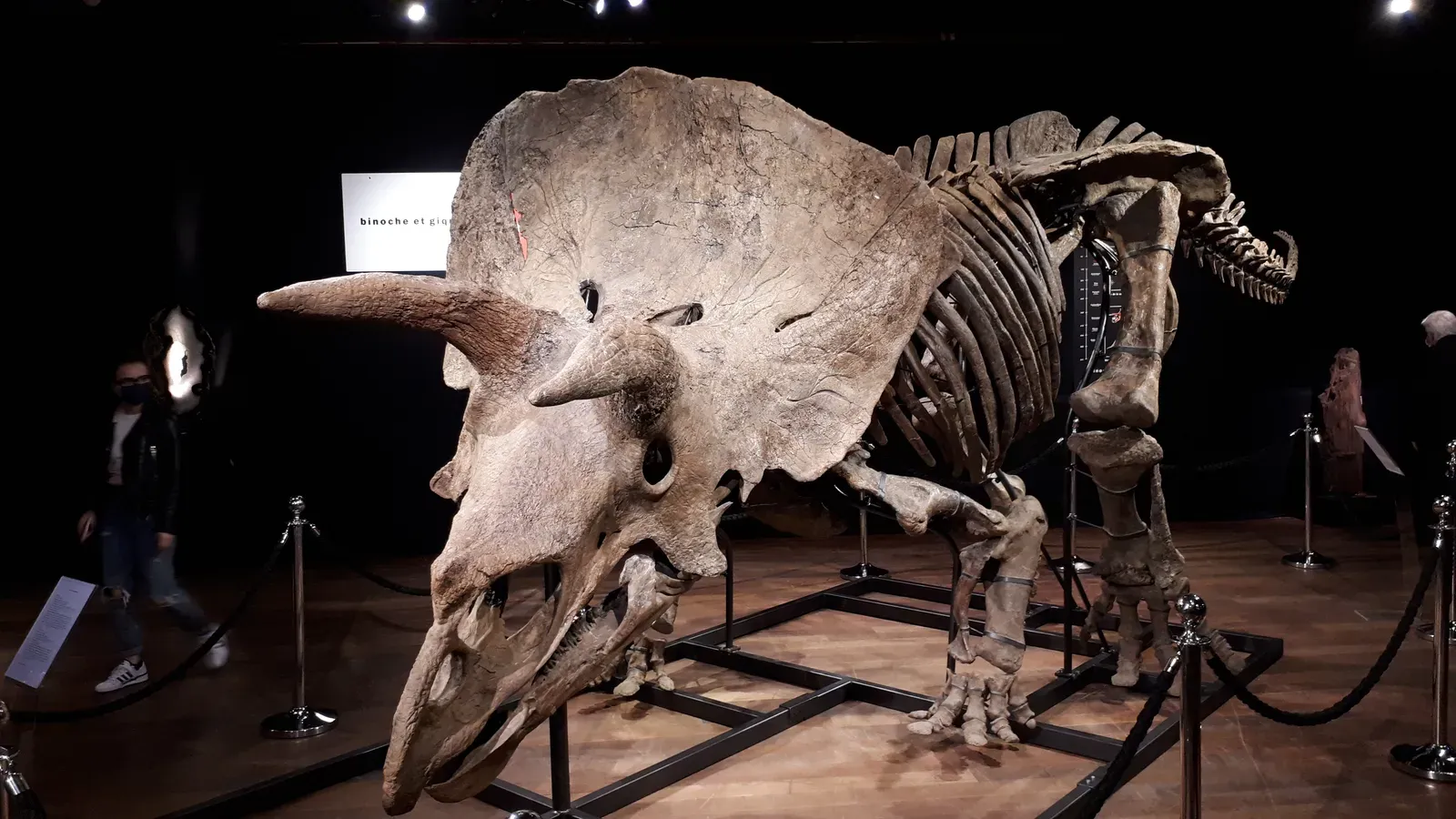
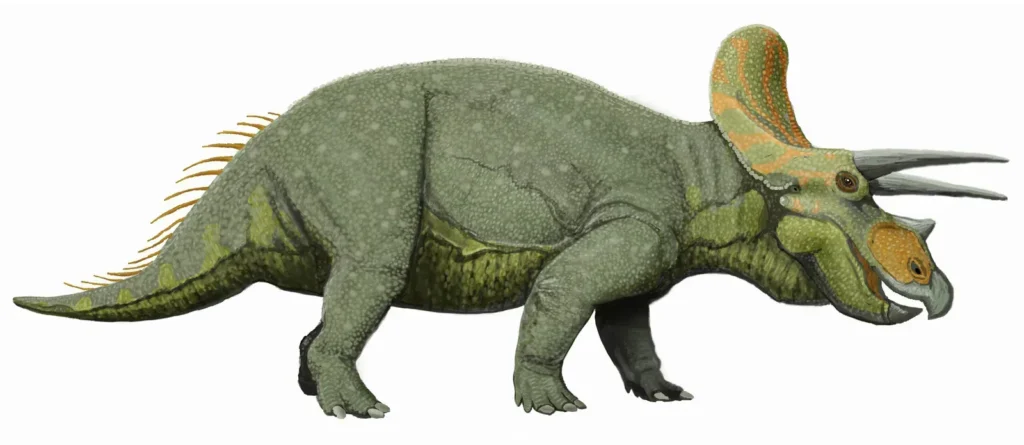
When you first learn that Triceratops had a skull reaching nearly three meters in length in the largest individuals, it sounds almost ridiculous. You’re talking about a head that made up roughly one third of the entire body length of an animal that could stretch about eight to nine meters from nose to tail. Imagine walking around with a motorcycle strapped to your face, and you start to get a sense of the engineering challenge involved.
That massive skull was not just big; it was heavily reinforced, full of thick bone and complex sutures that helped absorb stress. You see a short, bony frill at the back, not the wide, lacy shield of some other horned dinosaurs, and that compact style likely added strength. Instead of delicate, windowed openings, the frill of Triceratops was a solid plate of bone, giving it a sturdier, more armored look that fits with a dinosaur built to confront danger head‑on.
Horns Built for More Than Just Defense
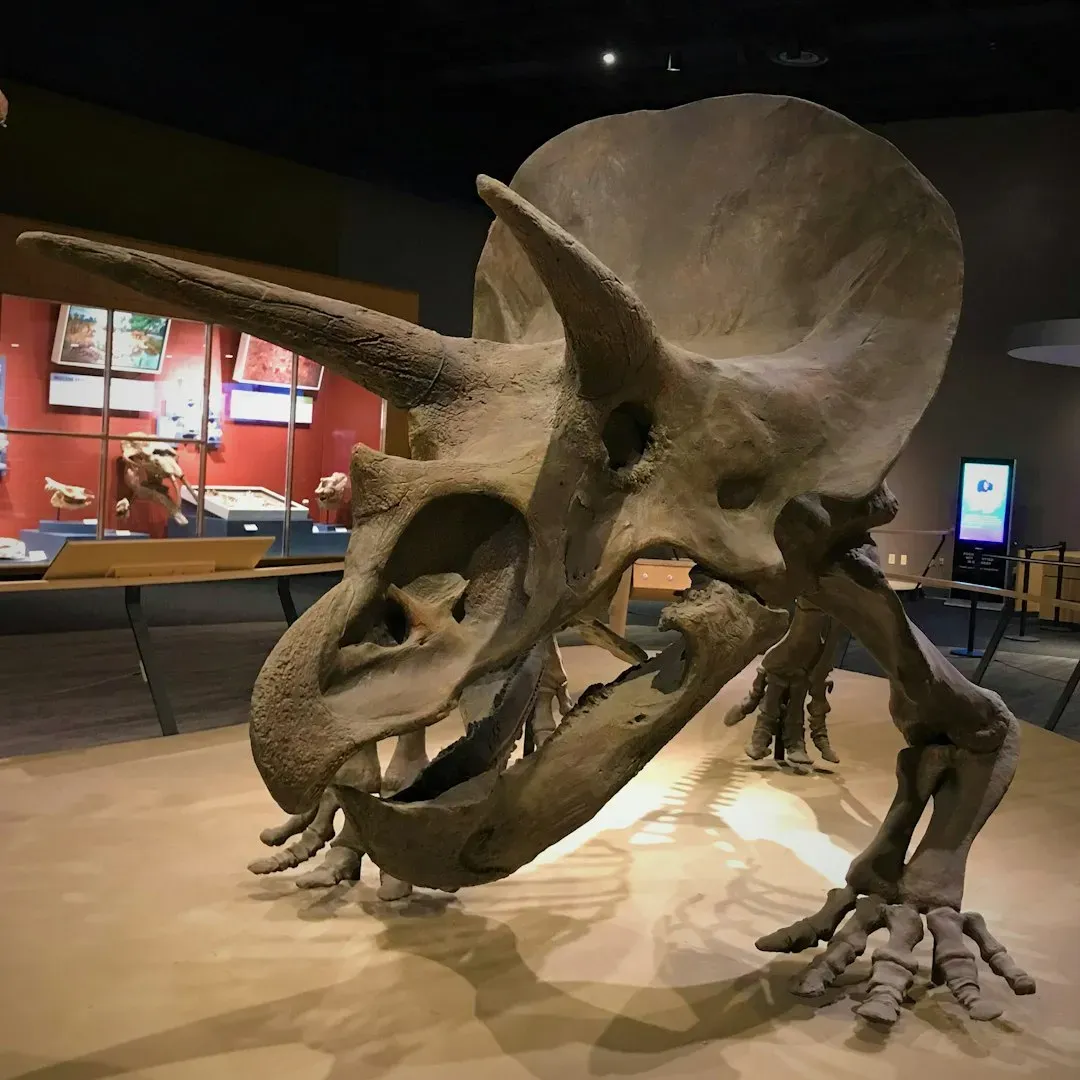
At first glance, you might assume those three iconic horns were all about fighting predators like Tyrannosaurus rex. There’s good evidence they were used in defense: some Triceratops fossils show healed injuries and punctures that match horn wounds, suggesting individuals survived horn-related trauma. You can picture two rivals crashing together, horn against horn, much like modern-day antelope or deer do when they compete for mates or territory.
But when you look at the shape and orientation of the horns and frill, you also have to think about display and communication. Those long brow horns sweeping over the eyes and the large frill behind the skull would have been unmissable signals in open landscapes. You may be seeing not just weapons but visual billboards used to impress potential mates, intimidate rivals, and help individuals recognize one another at a distance in herds or social groups.
A Heavyweight Herbivore With a Surprising Bite
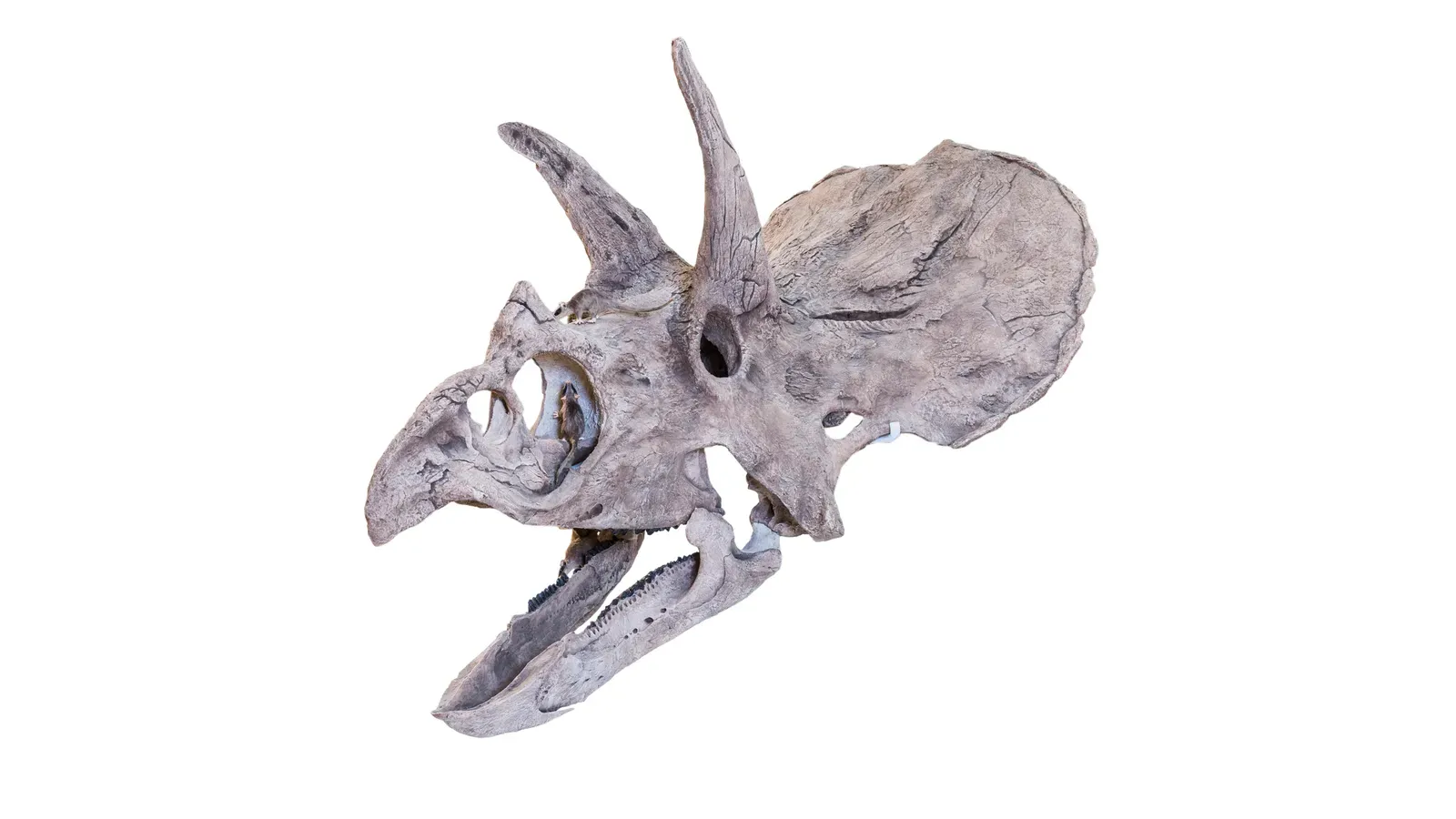
You know Triceratops as a plant-eater, but its mouth tells you it was not nibbling delicately. It carried a beak at the front of the snout that functioned like garden shears, clipping tough vegetation. Behind that, it had batteries of tightly packed teeth stacked in columns, constantly replaced as they wore down, which is a strong hint that it dealt with rough, fibrous plants that would destroy flimsy teeth quickly.
When scientists analyze the wear patterns on those teeth, they see evidence that Triceratops could slice and grind plant matter very efficiently. You can imagine it tackling low‑growing shrubs, palms, ferns, and cycads in the Late Cretaceous landscape, mowing through dense patches of vegetation. In a way, you can think of this dinosaur as a living bulldozer with a built‑in industrial shredder in its mouth, turning tough plants into fuel for its massive body.
Living in the Shadow of Tyrannosaurus rex
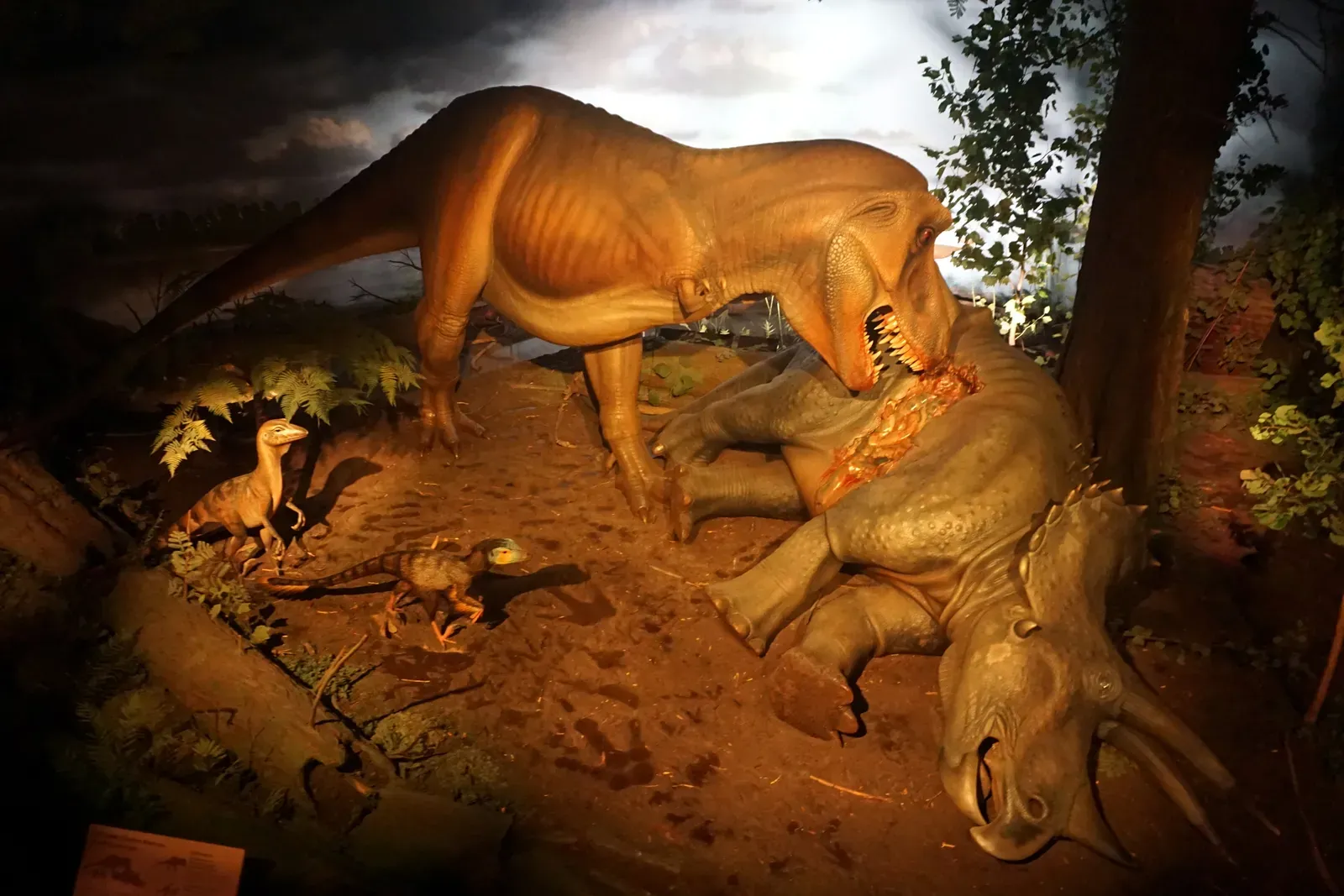
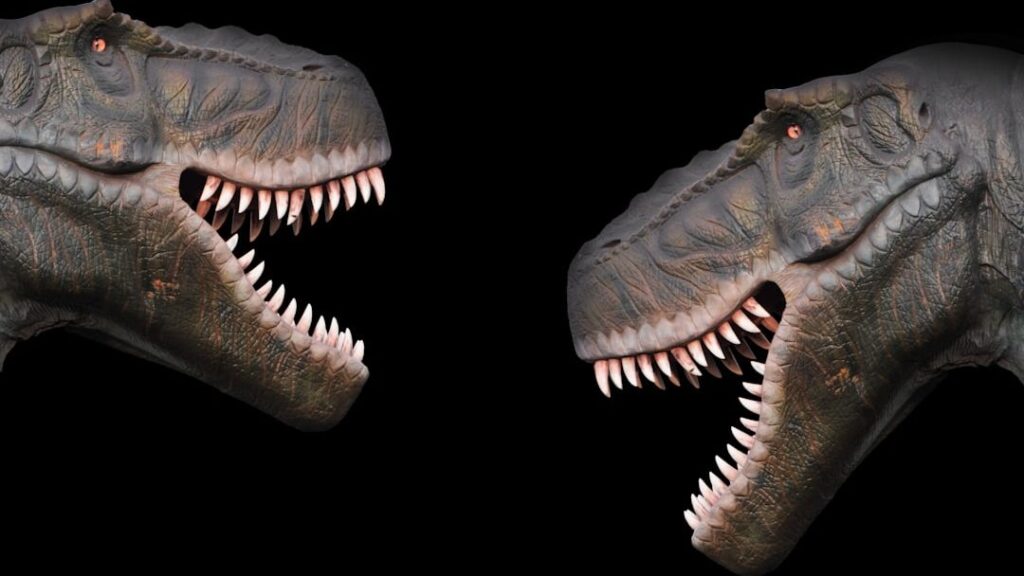
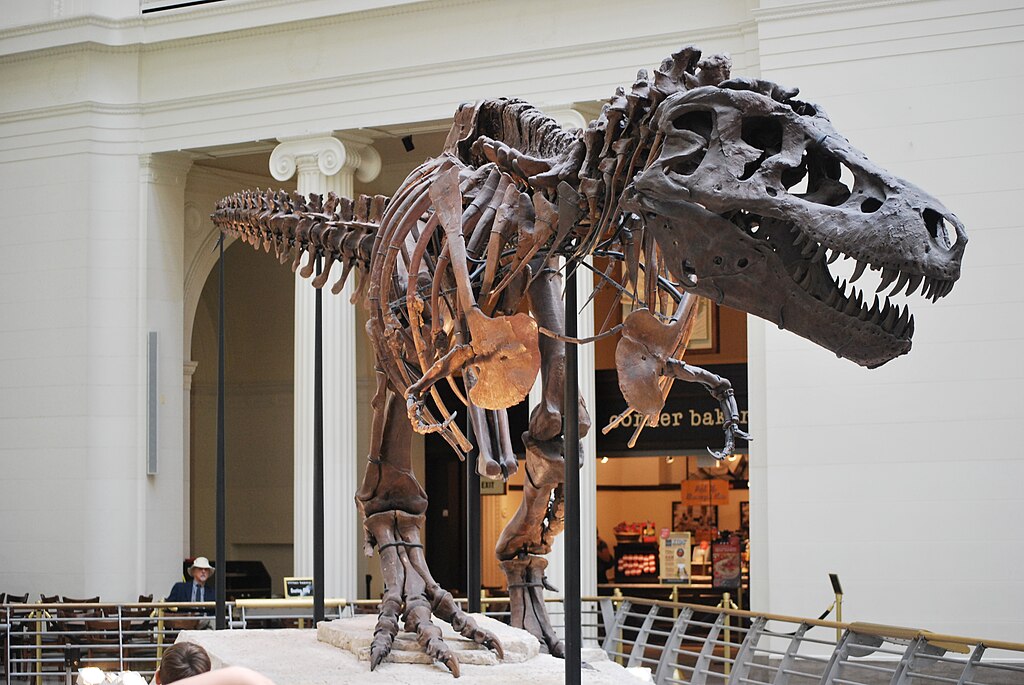
When you hear that Triceratops and Tyrannosaurus rex shared the same Late Cretaceous environments in what is now western North America, you immediately imagine dramatic confrontations. Fossils back up the idea that these two giants had direct interactions: some Triceratops bones show tooth marks consistent with large tyrannosaur bites, and in a few cases, there is evidence of healing, suggesting the animal survived at least one attack. That means you are not just dealing with scavenging but likely real predator‑prey struggles.
At the same time, you should not think of Triceratops as a helpless victim. With a body mass similar to or greater than that of a large modern elephant and a low center of gravity, it had the size and power to be dangerous prey. Its combination of frontal horns, strong neck muscles, and heavy skull would have made any direct attack risky, even for a top predator. When you imagine a charging Triceratops driving those horns forward, you see an animal that could turn the tables in a heartbeat.
From Lone Grazers to Social Giants: How Did They Live?
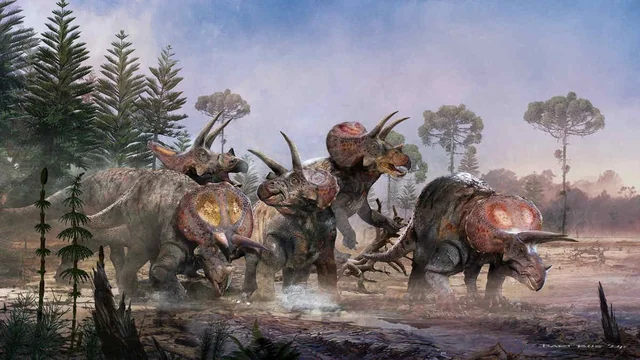
You might picture Triceratops in large, tightly coordinated herds, but the evidence for its social life is more nuanced. Some other horned dinosaurs show clear signs of group living, with bonebeds full of individuals of different ages. Triceratops, however, is often found as single adult skeletons or in small groupings, which has led many researchers to suggest that it may have spent more time as a solitary or loosely social grazer, especially in adulthood.
That does not mean it was antisocial. You can imagine juveniles staying closer together, benefiting from safety in numbers before they grew into their full horned armor. Adults may have come together seasonally, perhaps at feeding grounds, water sources, or during mating periods, then spread out again as resources were used up. In that sense, Triceratops might have lived more like some modern large mammals that shift between solitary behavior and looser, fluid groups depending on season and resources.
Growing Up Triceratops: From Small Frill to Massive Shield
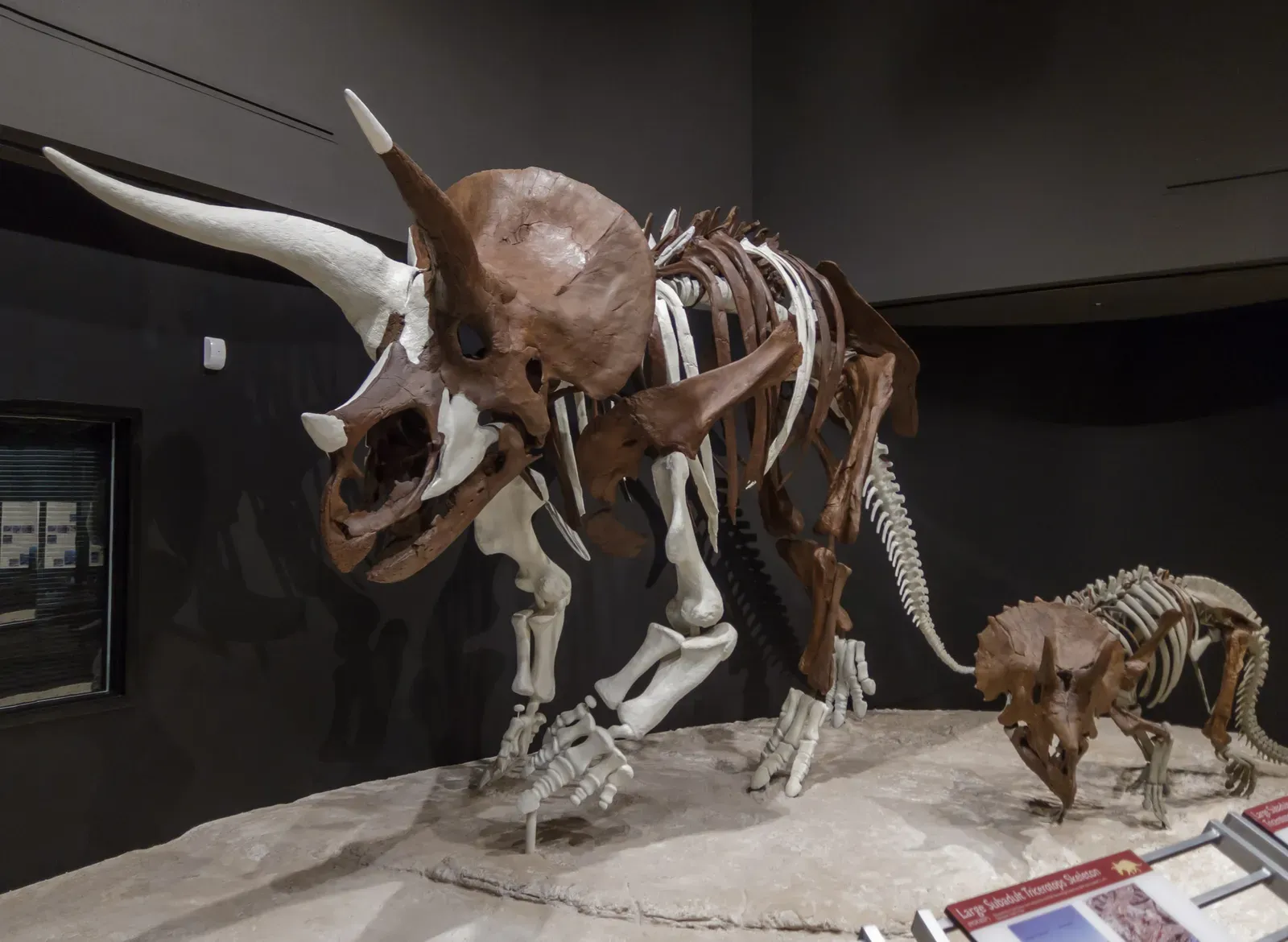
When you look at young Triceratops fossils, you notice that the horns and frill are not just smaller; they are shaped differently. Juveniles often have shorter horns and a frill that changes proportion as they age, hinting that you are seeing a life-long transformation rather than just scaled‑down adults. These changes likely track shifts in behavior, with display and combat becoming more important as individuals approach maturity.
This kind of dramatic growth pattern, called ontogeny, helps you understand why earlier scientists once mistook juveniles or close relatives for entirely different species. As more specimens have been studied, you get a clearer picture of a dinosaur that spent its early years growing into its full defensive and social toolkit. By the time a Triceratops reached adulthood, its skull had transformed into the imposing, horned shield you recognize, reflecting a shift from survival as vulnerable young to competing as full‑fledged adults.
Where Triceratops Fit in the Last Days of the Dinosaurs
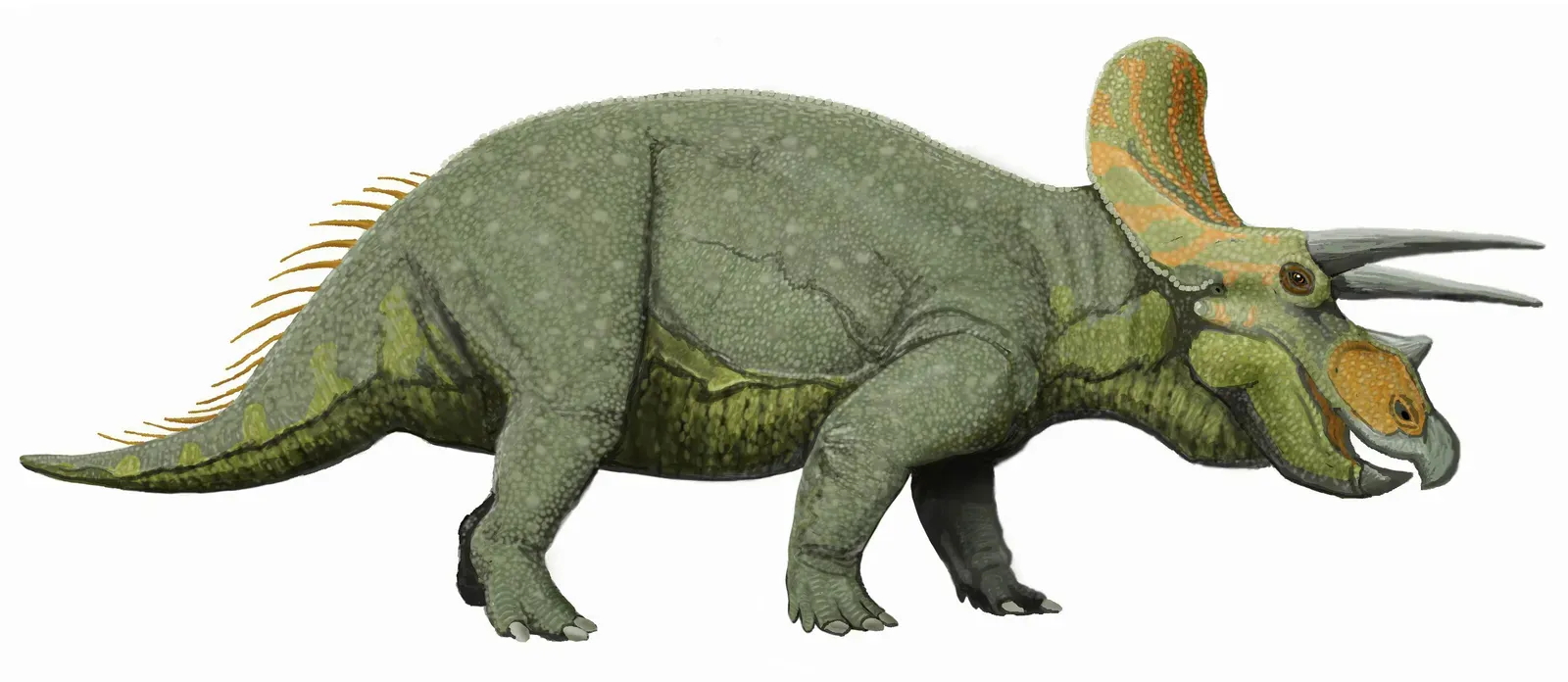
Triceratops lived at the very end of the age of dinosaurs, in the Late Cretaceous, shortly before the mass extinction that wiped out non‑avian dinosaurs around sixty‑six million years ago. When you picture its world, you are seeing a landscape full of flowering plants, conifers, ferns, and a mix of other dinosaurs, from duck‑billed herbivores to predators like Tyrannosaurus rex. Triceratops was one of the dominant large herbivores of its time, a key player in shaping its ecosystems through constant grazing and movement.
Its fossils are especially common in formations like the Hell Creek of North America, which has become almost a window into the final chapter of dinosaur history. When you walk through a museum gallery full of Triceratops skulls from different individuals and sizes, you are essentially looking at snapshots from that last, bustling ecosystem before the asteroid impact. In that sense, learning about Triceratops gives you a direct connection to how life looked and worked just before one of the most dramatic turning points in Earth’s story.
Why Triceratops Still Captures Your Imagination Today
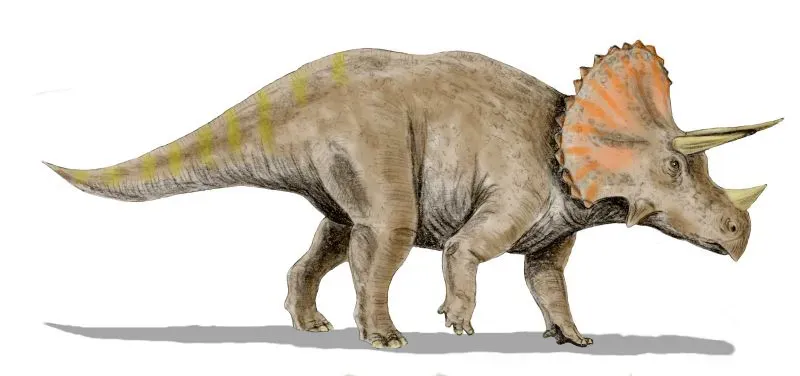
Even if you are not a dinosaur enthusiast, Triceratops tends to stick in your mind in a way few prehistoric animals do. Part of that is the visual punch: three horns, a massive frill, a tank‑like body, and a face that looks both fierce and strangely noble. It is easy for you to project personality onto it, imagining it as stubborn, protective, or calm until provoked, much like how people think about rhinoceroses today.
But Triceratops also gives you something deeper: a reminder that evolution can take familiar ideas, like a grazing herbivore, and push them to wild extremes. When you picture this animal standing its ground against a charging predator, raising its head to display its horns and shield, or simply moving through ancient forests as a living bulldozer, you are seeing a prehistoric marvel that earned its place in your imagination. In the end, Triceratops is more than just a horned giant; it is a symbol of how strange, powerful, and creative life on Earth can be.
When you step back and think about everything you have just explored, you start to realize how much story can be hidden in a pile of old bones. Triceratops invites you to imagine not just how it looked, but how it lived, fought, fed, and grew in a world that no longer exists. Maybe the real magic of this dinosaur is that, millions of years later, it can still make you wonder what it felt like to stand horn‑to‑tooth with a Tyrannosaurus and refuse to back down.
The next time you see that familiar three‑horned skull in a museum or on a screen, you will know there is far more to it than a simple, lumbering plant‑eater. You are looking at one of the last great experiments of the dinosaur age, a creature that turned its own head into armor, weapon, and display all at once. Knowing that, do you still see Triceratops as just another horned dinosaur, or as a true prehistoric marvel in its own right?