If you could walk through a forest from hundreds of millions of years ago, you probably wouldn’t even recognize it as a forest. No flowers. No grass. No familiar trees. Just strange stems, spiky fronds, giant club-mosses and towering trunks that never saw a single bee. Fossil plants are your time machine into that alien world, and some finds have completely rewritten what you thought you knew about life on land.
In this tour of thirteen remarkable discoveries, you’re going to see how a handful of rocks, thin slices of stone, and even entire fossil forests cracked open deep mysteries: how plants first crept out of the water, how they built soils, how they turned Earth into a green planet, and how they sometimes died in dramatic crashes. Think of this as a highlight reel of the most game‑changing plant fossils ever found – and what they quietly reveal to you about your own world of forests, crops, and climate today.
1. Cooksonia: Meeting One of the First Vascular Land Plants
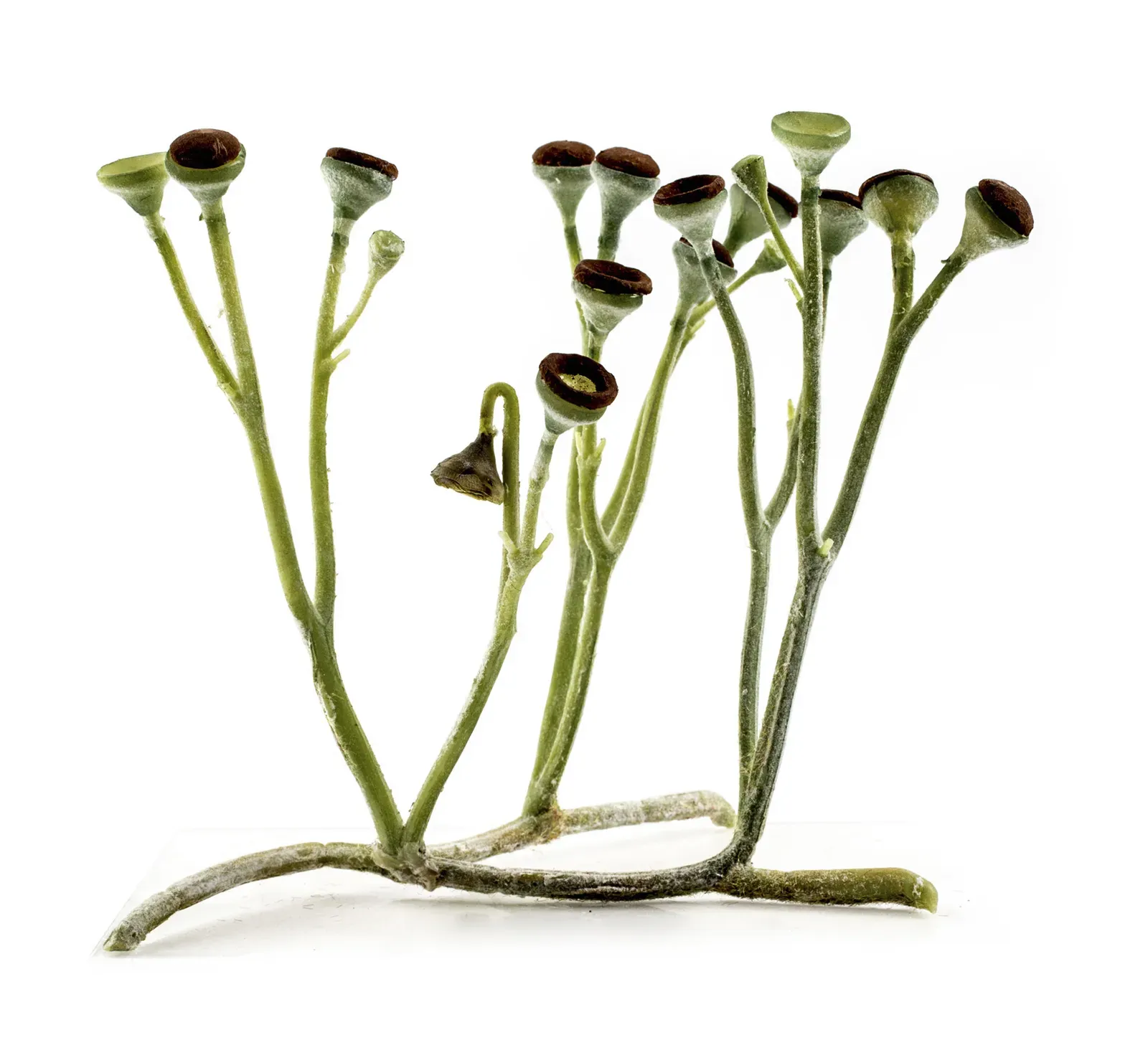
Imagine holding in your hand a fossil plant that was once among the tallest things on land – even though it was only a few centimeters high. When you look at Cooksonia fossils, that is exactly what you’re seeing: simple, leafless stems that branched like tiny plumbing pipes, each ending in a swollen capsule where spores formed. You are looking at one of the earliest known vascular land plants, dating back to the middle of the Silurian Period, more than four hundred million years ago. ([guinnessworldrecords.com](https://www.guinnessworldrecords.com/world-records/first-land-plant?utm_source=openai))
Cooksonia shows you the moment plants started solving the problem of moving water and nutrients inside their bodies, instead of just soaking it up on a wet rock. Those tiny tubes of vascular tissue were the first step toward everything from ferns to redwoods. When you picture lush forests transforming the planet, it might surprise you that it all begins with something so modest and bare, but that is the recurring lesson of paleobotany: big revolutions can start with very small stems.
2. The Rhynie Chert: A Time-Capsule Wetland Ecosystem
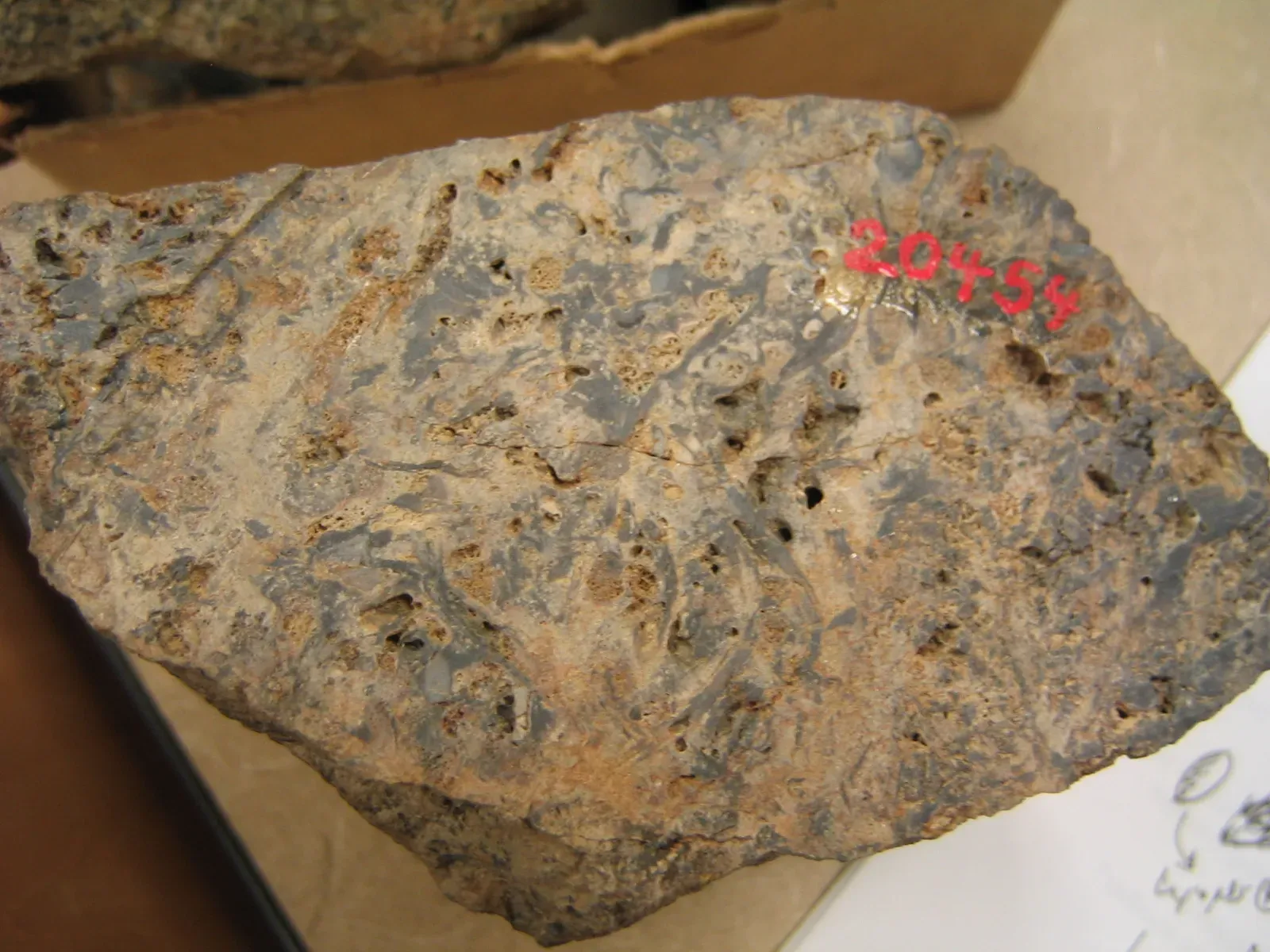
If you want to feel like you’ve stepped into a Devonian wetland, you go to the Rhynie chert of northeastern Scotland – at least through its thin sections on a microscope slide. In this deposit, hot-spring waters permineralized an entire early terrestrial ecosystem in astonishing detail more than four hundred million years ago. You do not just see plants; you see their cells, their roots (or early equivalents), and the fungi and arthropods living among them. ([en.wikipedia.org](https://en.wikipedia.org/wiki/Rhynie_chert?utm_source=openai))
The Rhynie chert lets you watch early land plants like Rhynia and Asteroxylon as if they were frozen mid‑life: stems with vascular tissue but no true leaves, spores preserved in place, even evidence of symbiotic fungi inside their tissues. You can trace how early plants handled life in hot, mineral‑rich environments, how they interacted with tiny animals, and how an entire community functioned before forests existed. It is as close as you get to time‑traveling into the dawn of complex life on land.
3. Asteroxylon: The First Steps Toward Roots and Leaves
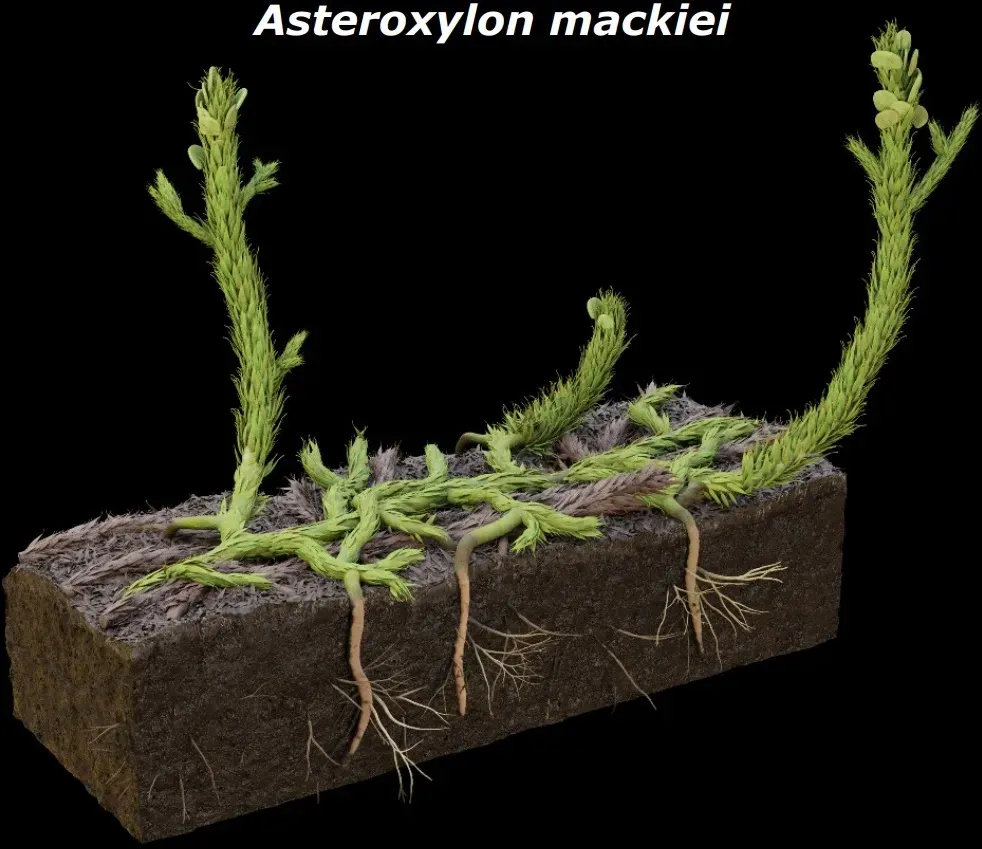
When you meet Asteroxylon in the Rhynie chert, you’re looking at an experimental plant body plan. It is often described as the most complex plant in that ecosystem, with creeping axes that behaved somewhat like roots, and upright, leafy-looking shoots that were not yet true leaves. Inside, you can see a star-shaped pattern of vascular tissue, a more advanced internal plumbing than its neighbors. ([sciencedirect.com](https://www.sciencedirect.com/science/article/pii/S0960982219313703?utm_source=openai))
Asteroxylon shows you that plants did not jump directly from algae to maples; they climbed a long staircase of intermediate forms. By studying this fossil, you see how plants gradually pushed tissues into the soil and lifted photosynthetic surfaces into the air. You can even see fungal infections and decay in some specimens, reminding you that plant diseases are as ancient as plants themselves. This little Devonian pioneer tells you that roots and leaves were not single inventions, but a series of trials and refinements across millions of years.
4. Archaeopteris: The First “Modern” Trees and True Forests
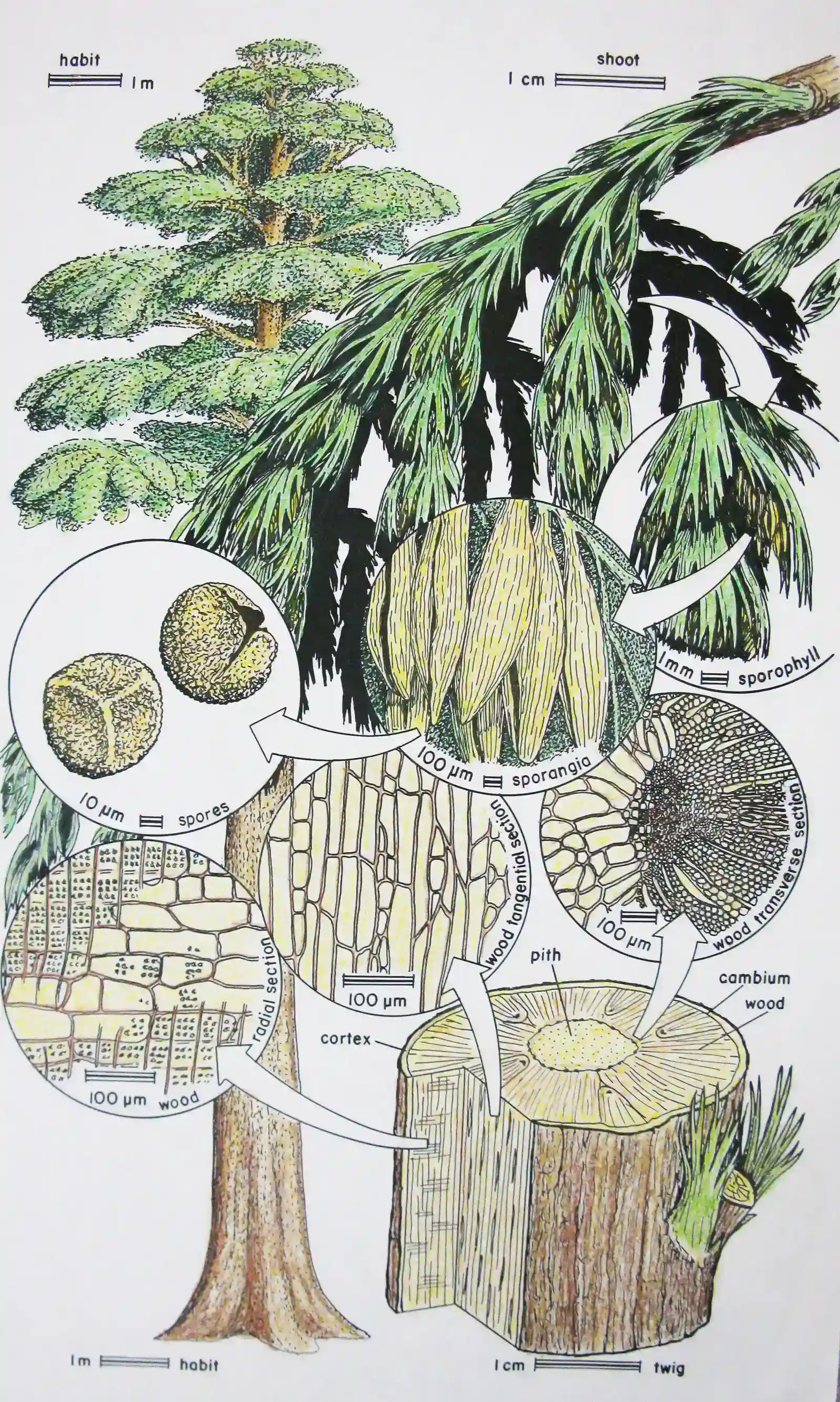
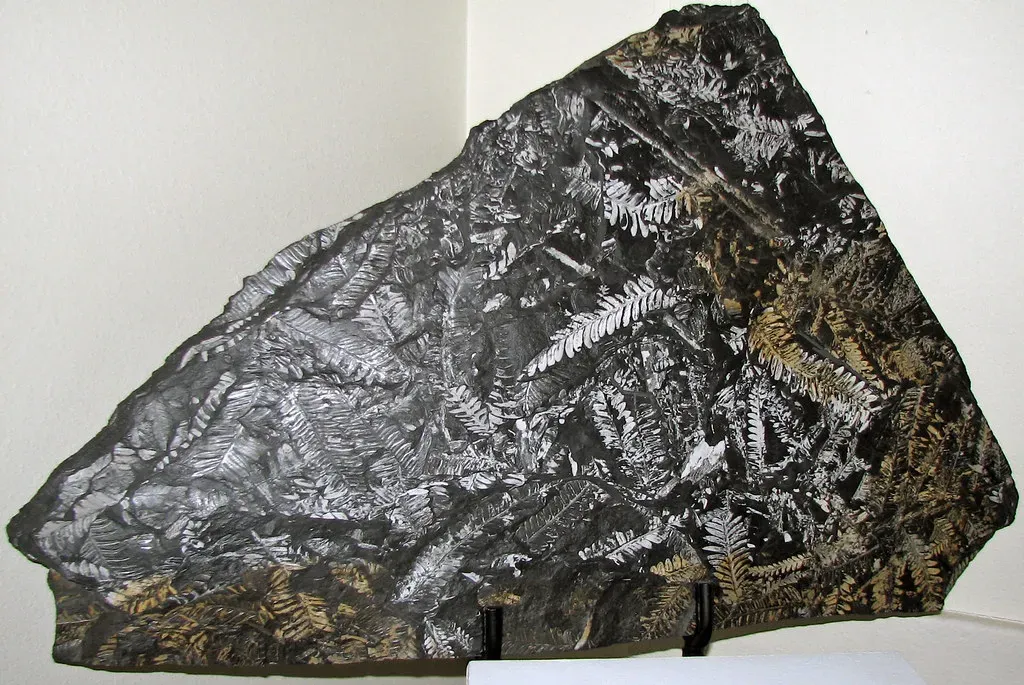
If you have ever wondered what the world’s first real forest looked like, Archaeopteris is your answer. These Late Devonian trees, with woody trunks and fern‑like fronds, stood perhaps twenty meters tall and formed dense stands across multiple continents. You are seeing a plant that combined features of ferns and seed plants, a progymnosperm that still reproduced with spores but built sturdy wood and deep roots. ([en.wikipedia.org](https://en.wikipedia.org/wiki/Archaeopteris?utm_source=openai))
When Archaeopteris spread, it changed everything. Its roots dug into rock, accelerating weathering and soil formation, while its towering canopies shaded the ground and altered local climates. As you trace its fossils through Devonian rocks, you are literally watching Earth’s carbon cycle shift, as trees began to lock away atmospheric carbon in wood. Some researchers have even linked these forests to changes that may have contributed to Late Devonian environmental crises. In other words, the first forests were also the first large‑scale planetary engineers – and you can read that story in their fossil trunks and roots.
5. Gilboa Fossil Forest: Standing Stumps From Deep Time
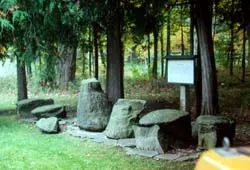
In New York State’s Gilboa fossil forest, you can actually walk among the bases of Devonian trees that still stand where they grew. These fossilized stumps, some over a meter wide, preserve a vanished swampy forest that thrived roughly three hundred and eighty million years ago. When you stand there, you are literally standing inside one of the earliest known forest ecosystems, where plants like cladoxylopsids and possibly Archaeopteris once formed a tangled canopy. ([britannica.com](https://www.britannica.com/science/Devonian-Period/Plants?utm_source=openai))
Gilboa lets you see plant life not simply as isolated fossils, but as an organized community: root systems radiating through ancient soils, stumps clustered in patterns that hint at density and spacing, and sediment layers that capture floods and channel shifts. When you connect these clues, you start to understand how early forests influenced erosion, river shapes, and nutrient cycles. This is not just about old plants; it is about how vegetation began sculpting the landscapes you now take for granted.
6. Permian Glossopteris Forests of Gondwana
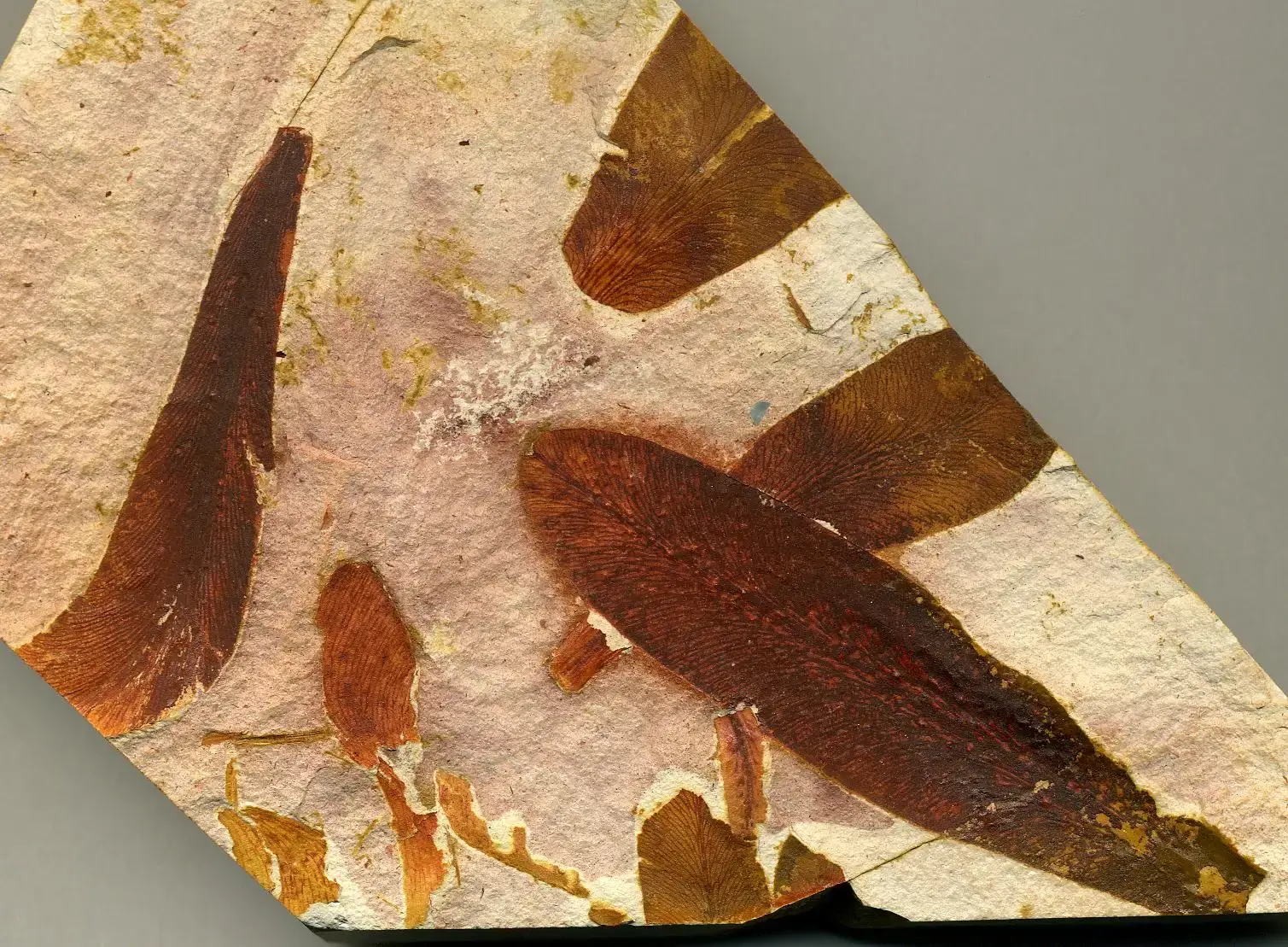
Travel mentally to the ancient supercontinent Gondwana, and you find vast forests dominated by a distinctive leaf fossil you might already know by name: Glossopteris. These tongue-shaped leaves appear in rocks from South America, Africa, India, Australia, and Antarctica, telling you that a single broad plant group once blanketed southern high latitudes in the late Paleozoic. That shared fossil record later became one of the key pieces of evidence that those continents were once joined. ([nationalgeographic.com](https://www.nationalgeographic.com/science/article/antarctica-fossil-forest-discovery-permian-spd?utm_source=openai))
When you follow Glossopteris through the rock record, you also track the rise and fall of an entire polar forest ecosystem. Before the end‑Permian mass extinction, these seed ferns thrived in seasonal climates with long dark winters. Then, across a relatively short geologic interval, their fossils vanish, mirroring a catastrophic collapse of terrestrial ecosystems. By studying their leaves, roots, and associated woods, you can probe how climate stress and environmental disruption ripple through plant communities – a lesson that feels uncomfortably relevant today.
7. The 280‑Million‑Year‑Old Fossil Forest of Antarctica
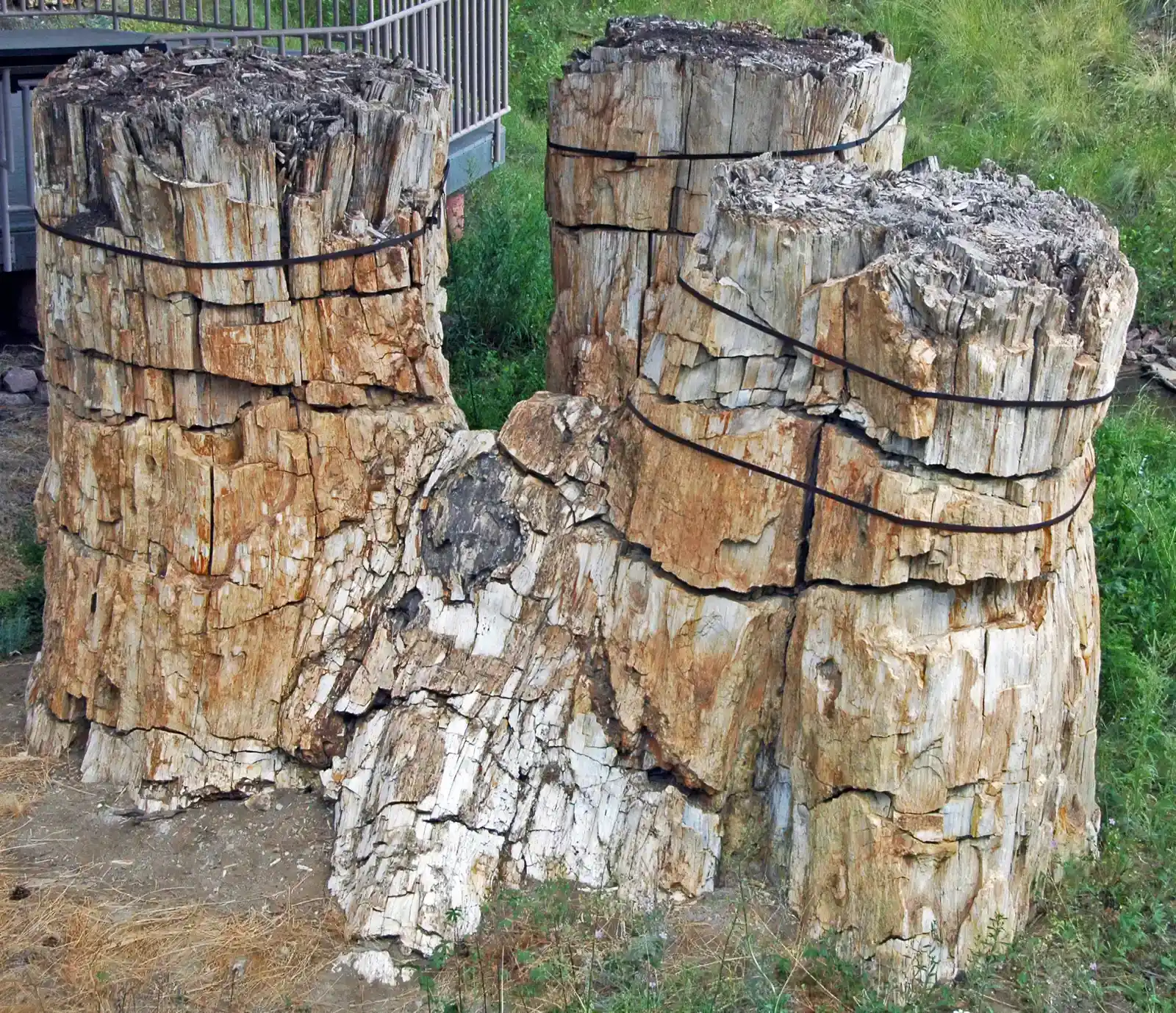
It is hard to imagine lush green forests where today you see nothing but Antarctic ice, but plant fossils insist that you do. In rocks around two hundred and sixty to two hundred and eighty million years old, scientists have uncovered ancient polar forests with upright trunks still rooted in place. These trees, likely related to Glossopteris and other gymnosperm groups, lived in a world of extreme seasonal light, enduring months of darkness and months of nearly continuous sun. ([scientificamerican.com](https://www.scientificamerican.com/article/280-million-year-old-fossil-forest-discovered-in-antarctica/?utm_source=openai))
When you study these Antarctic forests, you are forced to rethink what plants can tolerate. Growth rings and tissue anatomy hint at how these trees managed their yearly cycle, balancing photosynthesis and dormancy in ways that modern high‑latitude forests only partially resemble. You also see how a polar biome responded to the run‑up to the end‑Permian crisis. The preservation is so good in some localities that you can ask detailed questions about their ecology, from stand structure to likely undergrowth, and use that to refine your understanding of how climate and latitude shape plant life.
8. Jurassic and Cretaceous Amber: The First Clear Views of Ancient Flowers
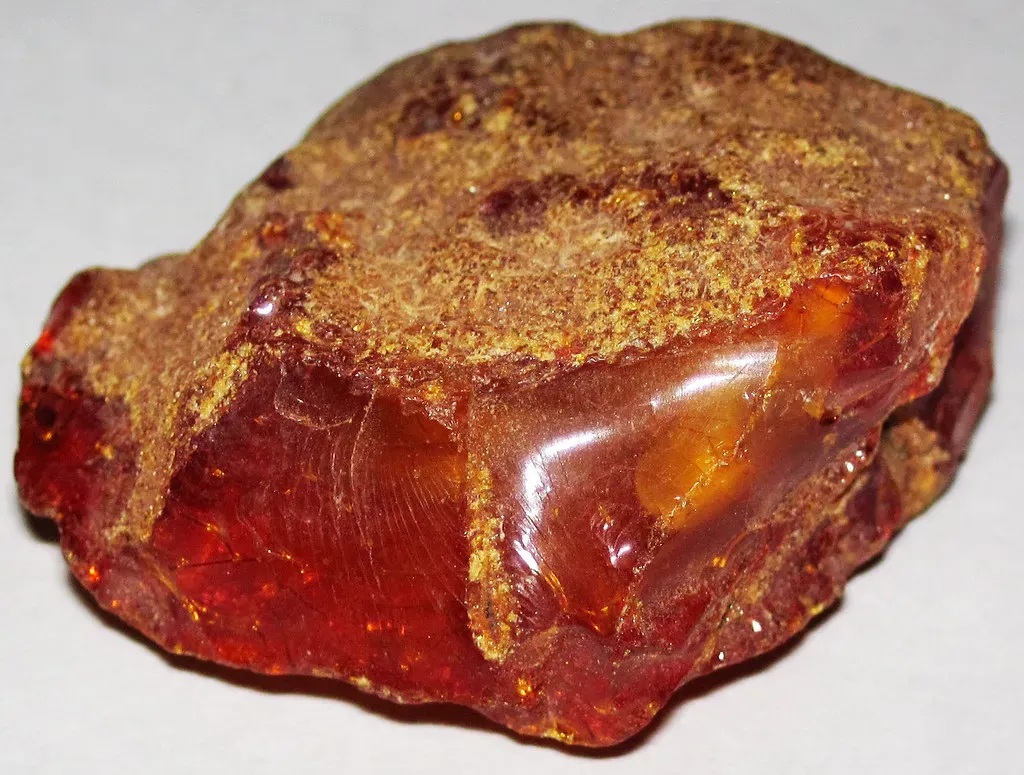
When you hold a piece of amber up to the light, you are not just admiring a pretty gem – you are peeking into a Cretaceous forest. Microscopic flowers, pollen, fern fronds, and tiny bits of leaves are trapped inside these hardened tree resins, giving you a three‑dimensional, almost lifelike look at early angiosperms and their neighbors. Some amber pieces preserve delicate floral structures that would almost never survive normal fossilization. ([britannica.com](https://www.britannica.com/science/Devonian-Period/Plants?utm_source=openai))
Amber lets you see how flowering plants integrated into ecosystems: how they arranged their petals and stamens, how their pollen grains looked, and sometimes how insects interacted with them. You can watch the rise of modern‑style forests in incredible detail – far beyond what flattened impressions on rock can show. For you, that means a sharper picture of how flowering plants spread so explosively and how their partnership with pollinating insects took shape, eventually leading to the flower‑filled landscapes you know today.
9. Fossil Mangroves and Early Coastal Wetlands
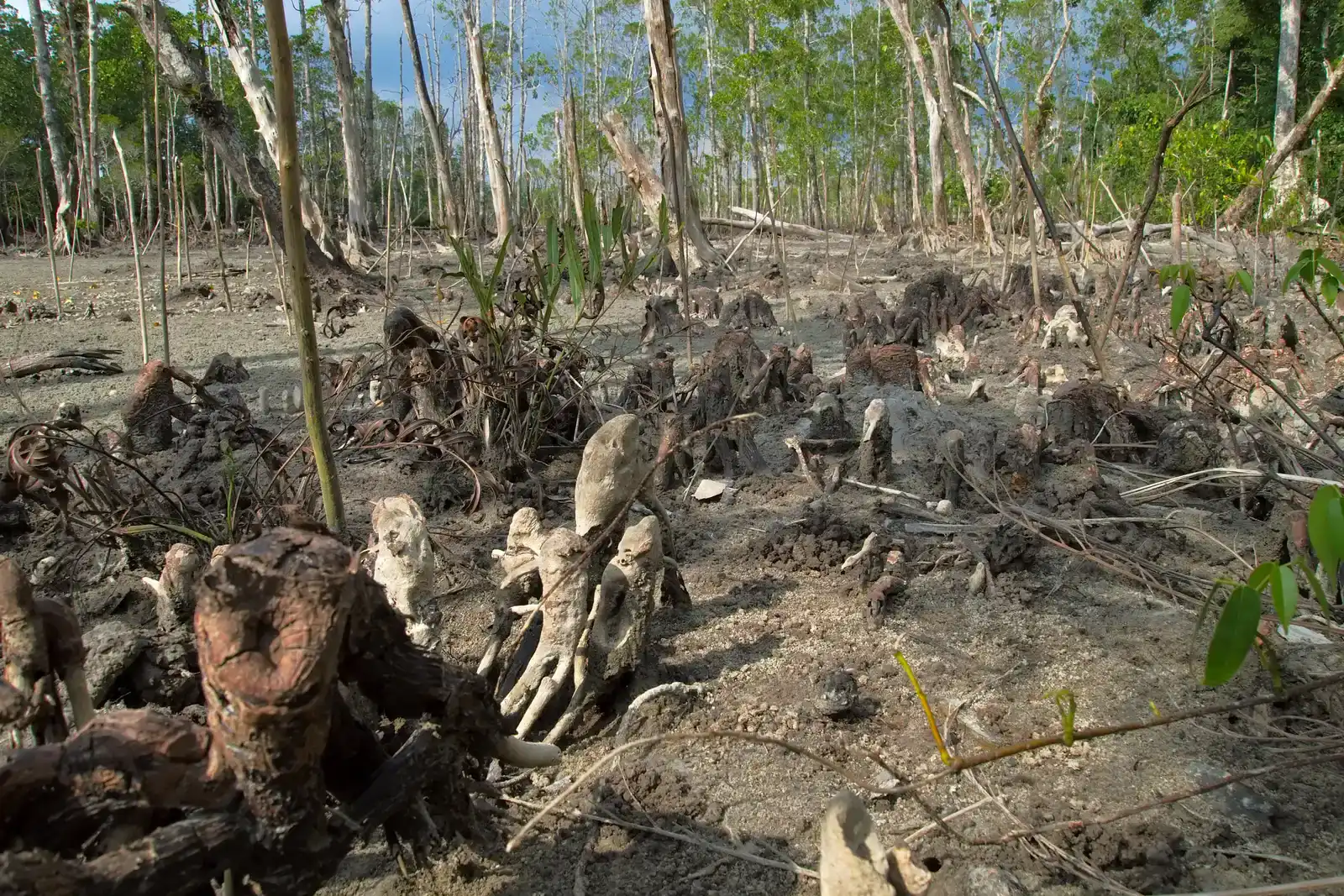
When you study fossil roots and woods from ancient shorelines, you discover that plants colonized coasts and tidal zones long before any human ever lounged on a beach. In some Mesozoic and early Cenozoic deposits, you find evidence of mangrove‑like trees with specialized root systems adapted to brackish water and shifting sediments. These fossils show you that plants figured out how to stabilize muddy coasts and trap sediment as sea levels rose and fell. ([britannica.com](https://www.britannica.com/science/Devonian-Period/Plants?utm_source=openai))
By comparing ancient coastal wetlands with modern mangroves, you can see how these systems evolve under changing climates. Fossil pollen and wood anatomy tell you which plant groups were present, while sediment layers reveal storm events, sea‑level changes, and long‑term subsidence. In essence, you get a deep‑time record of how plants buffer coasts against erosion and storms – exactly the kind of ecosystem service you rely on today in many tropical and subtropical regions.
10. The Rise of Grasses Recorded in Tiny Phytolith Fossils
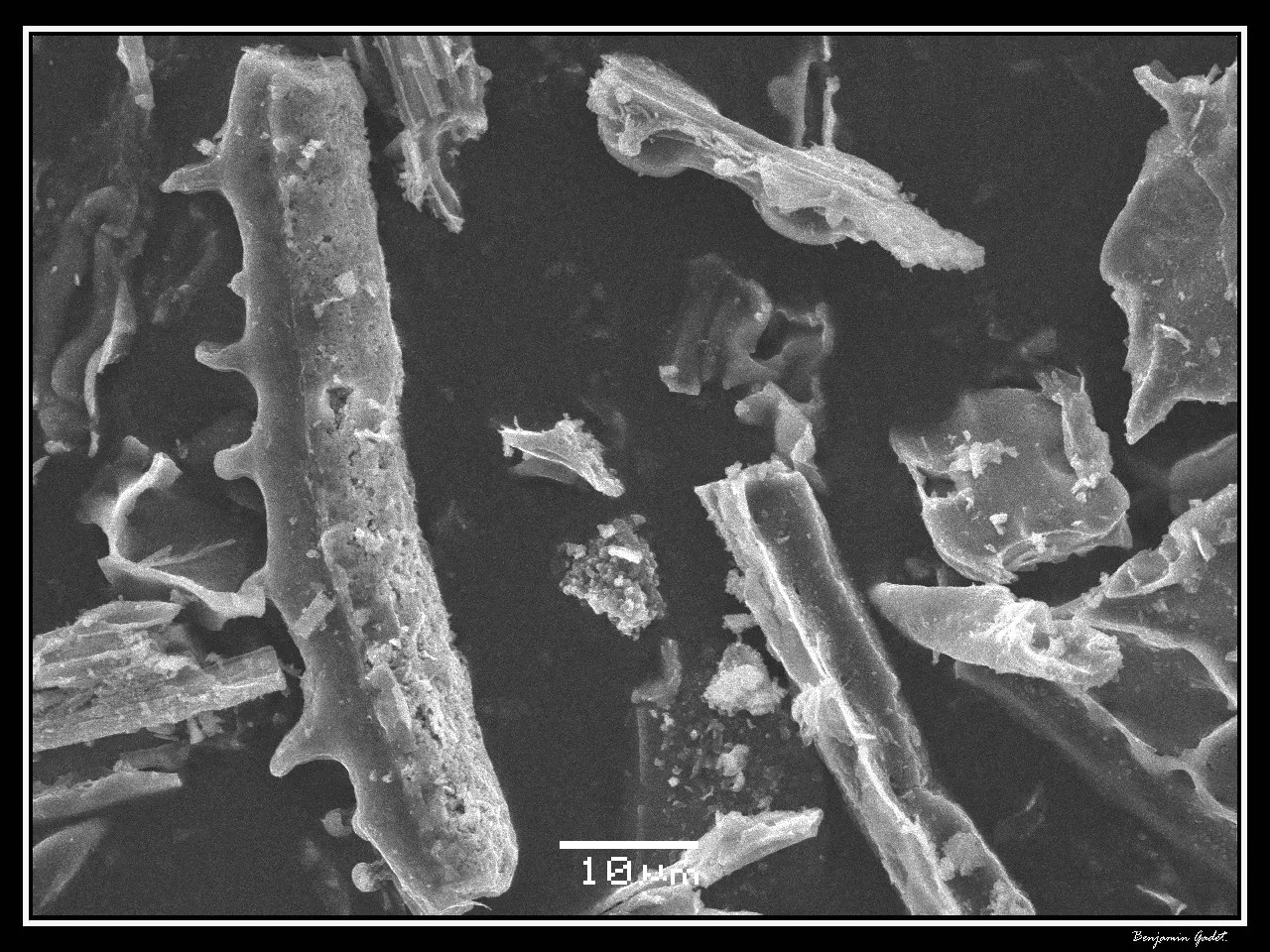
Not all important plant fossils are big and showy. Some of the most transformative belong to grasses, and you mostly meet them as microscopic silica bodies called phytoliths. These glassy particles, produced in grass tissues, survive long after the plant decays and can be recovered from sediments tens of millions of years old. When you track their appearance and spread, you are effectively watching the birth of grasslands. ([britannica.com](https://www.britannica.com/science/Devonian-Period/Plants?utm_source=openai))
The fossil record of grasses tells you when open, grassy habitats began to replace older woodland ecosystems in many regions. That shift reshaped herbivore evolution, fire regimes, and soil processes, eventually setting the stage for the savannas and prairies you know today. For you, it also connects directly to human history, because the rise of grasses underpins the domestication of cereal crops and the emergence of agriculture. From a handful of microscopic particles, you can sketch an enormous story of ecological transformation.
11. Fossil Mycorrhizae: Plants and Fungi Teaming Up Underground
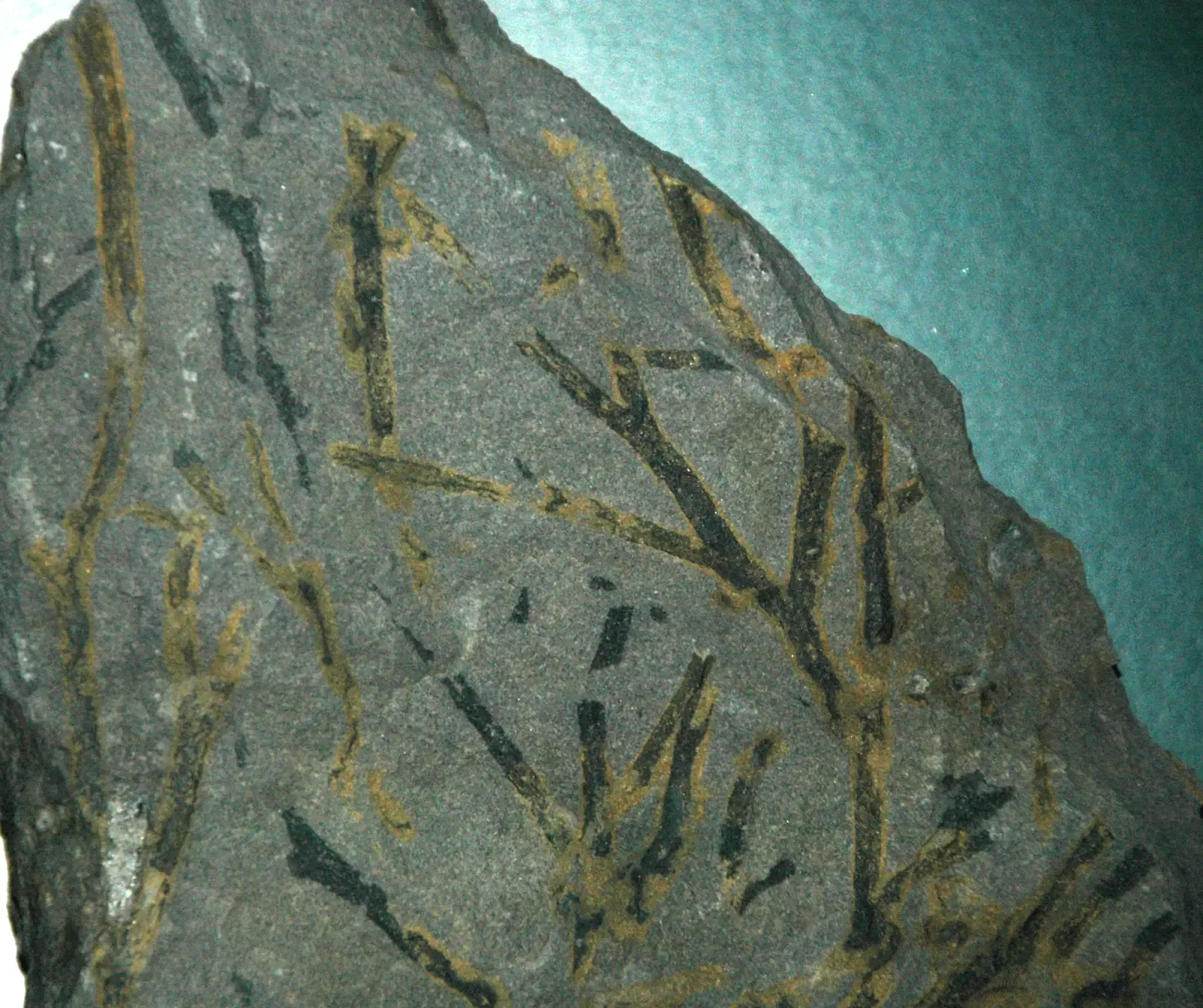
When you look into thin sections of rocks like the Rhynie chert, you do not just see plant cells – you also see fungal filaments invading roots or root‑like structures. These are ancient mycorrhizal associations, the partnerships where fungi trade minerals and water for plant sugars. Evidence from Devonian plants shows that this relationship was already well established very early in land plant history. ([sciencedirect.com](https://www.sciencedirect.com/science/article/pii/S0960982219313703?utm_source=openai))
This matters for you because it means plants did not conquer land alone. They did it in alliance with fungi that effectively extended their root systems. By studying fossil mycorrhizae, you can estimate how efficiently early plants mined nutrients, how they contributed to soil formation, and how quickly they could spread into new environments. You also gain perspective on modern agriculture, where mycorrhizal networks still quietly support crops, forests, and grasslands, echoing a partnership more than four hundred million years old.
12. Prototaxites and the Mystery of a Giant Land Organism
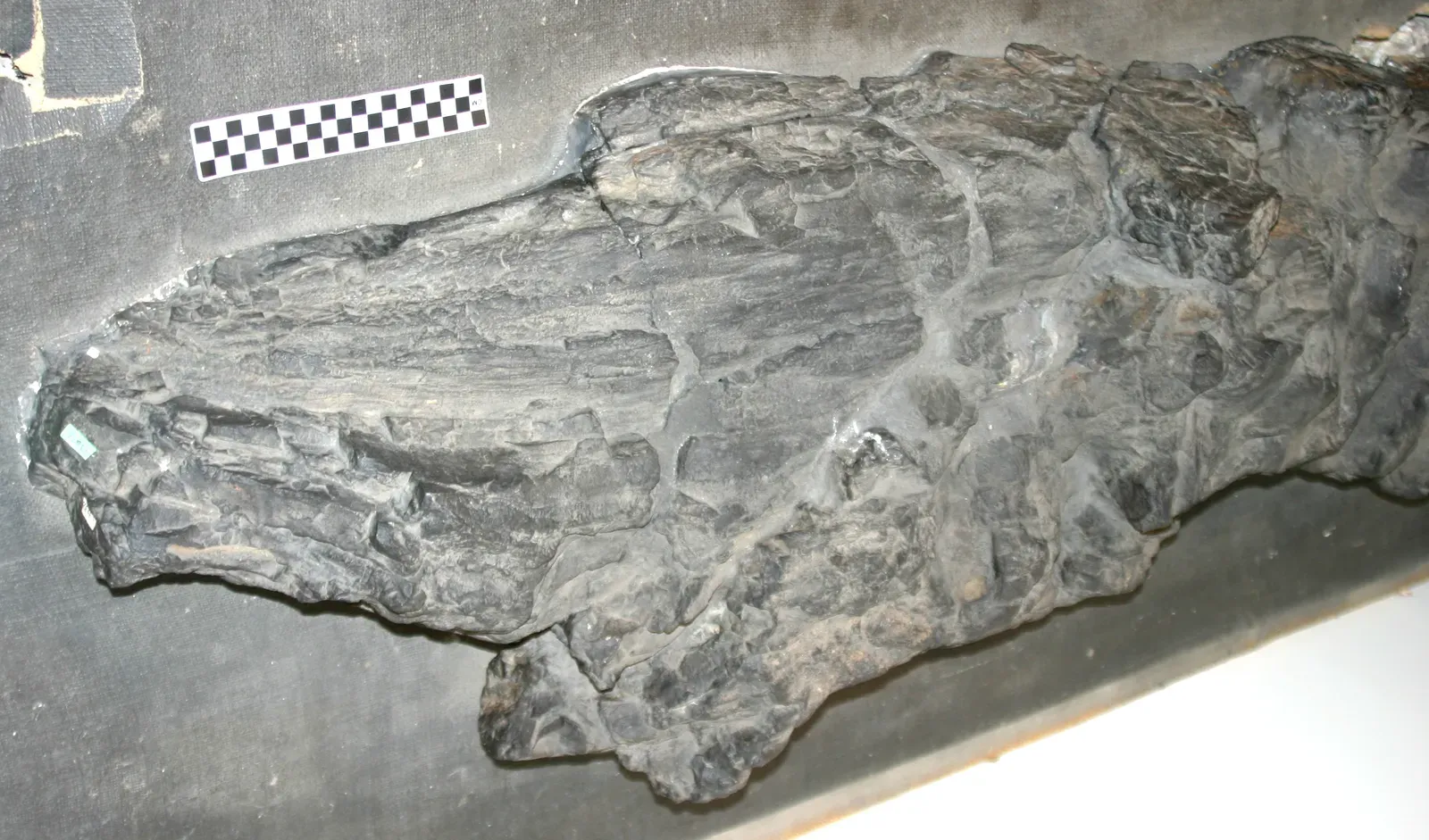
One of the strangest fossils you encounter in early terrestrial rocks is Prototaxites, a towering trunk‑like structure that could reach several meters in height. For years, many scientists leaned toward interpreting it as a giant fungus, looming over low shrubs and early plants. Recently, new chemical and structural analyses of Prototaxites specimens from the Rhynie chert have complicated that picture, suggesting it might represent an entirely extinct branch of eukaryotic life rather than a typical fungus. ([livescience.com](https://www.livescience.com/animals/giant-fungus-like-organism-may-be-a-completely-unknown-branch-of-life?utm_source=openai))
Whatever Prototaxites turns out to be, it tells you that early land ecosystems hosted wild experiments in body size and lifestyle. While plants were still small and simple, this organism dominated above the ground, potentially influencing shade, moisture, and nutrient cycling. For you, it is a reminder that the plant fossil record is embedded in a wider web of life, some of which has no direct modern equivalent. Understanding those odd neighbors helps you understand the pressures and opportunities that shaped the evolution of land plants themselves.
13. Fossil Forest Soils: Reading Ancient Ecosystems From the Ground Up
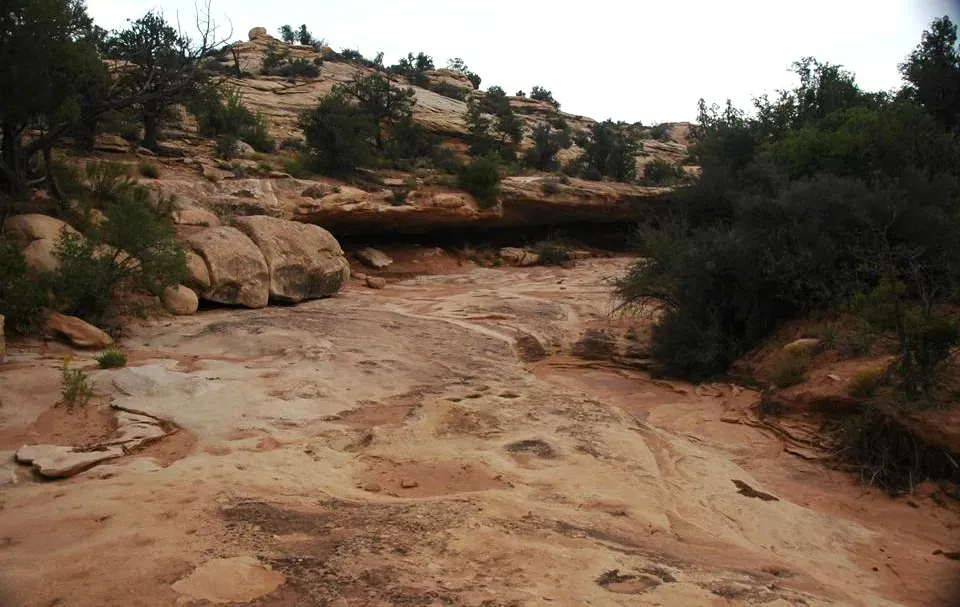
Sometimes the most revealing plant fossils are not leaves or trunks, but the soils they left behind. Ancient paleosols – hardened fossil soils – often preserve root traces, organic horizons, and chemical signatures that let you reconstruct entire plant communities even when body fossils are scarce. By reading these layers, you see where roots once branched, how deep they penetrated, and how intensively they altered the rock beneath them. ([britannica.com](https://www.britannica.com/science/Devonian-Period/Plants?utm_source=openai))
Through these fossil soils, you track how plant life gradually transformed bare rock into the complex, layered soils you rely on for agriculture and forestry. You can infer shifts from shallow‑rooted vegetation to deep‑rooted trees, from thin, nutrient‑poor substrates to rich, organic‑laden earth. For you, this is a powerful perspective: the ground under your feet is not just dirt, but the accumulated work of billions of roots over hundreds of millions of years. Fossil soils show you that every modern field and forest rests on an incredibly long history of plant‑driven engineering.
Conclusion: What These Fossils Really Tell You About a Green Planet
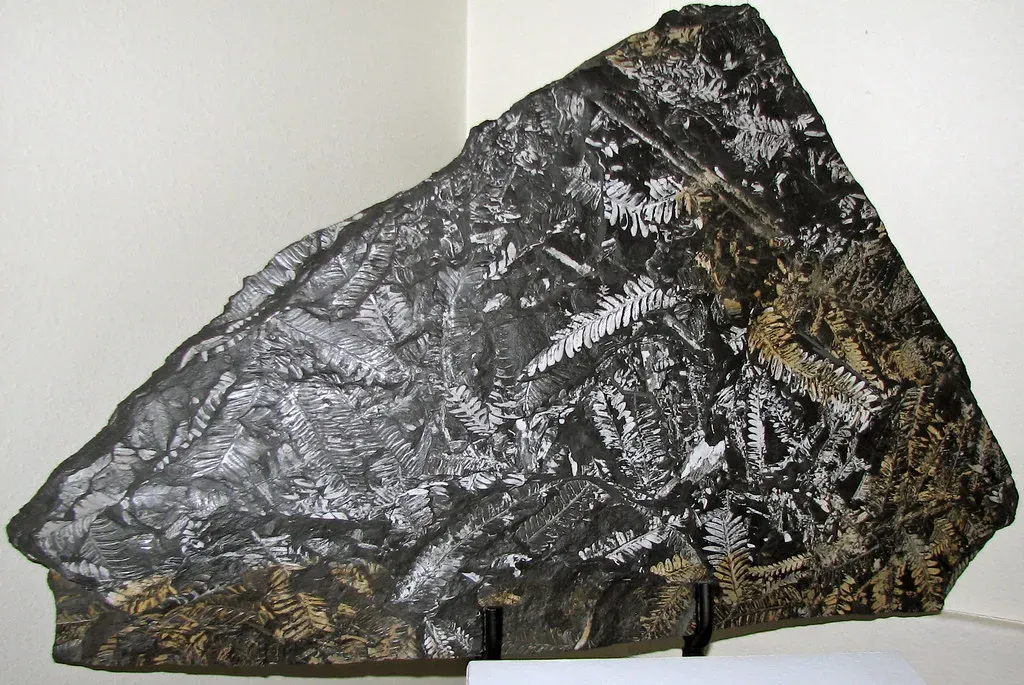
When you step back from all these discoveries, a clear pattern jumps out at you: plants did not simply appear and quietly decorate the land. They built soils, altered oceans, reshaped the atmosphere, and sometimes even helped trigger environmental crises. From Cooksonia’s tiny stems to Antarctic fossil forests rooted in polar darkness, each find gives you another piece of the story of how Earth became a green world. You are not just reading plant history; you are reading the origin of the conditions that make your own life possible.
For me, that realization changes the way I look at every tree, lawn, or field I walk past. It feels less like scenery and more like a living chapter in an immense, ongoing experiment that started in shallow Silurian streams. As you think about rapid climate change, deforestation, and the future of ecosystems, these fossils become more than curiosities – they are long‑term case studies in what happens when vegetation and climate collide. Knowing what you know now, how differently do you see the next leaf or forest you encounter?