You carry the legacy of stone, bone, and fire in your hands every time you pick up a modern tool. Long before steel, factories, or smartphones, your ancestors were experimenting, failing, and slowly discovering clever ways to shape the world around them. Their inventions did not just make life easier; they often meant the difference between starving and eating, freezing and staying warm, wandering and building a home.
When you zoom in on a handful of key tools, you can almost watch human intelligence unfold in slow motion. Each new tool unlocked a fresh way to hunt, cook, build, or cooperate, and once people had it, there was no going back. As you walk through these nine ancient tools, you are really walking through a series of turning points that brought early humans closer to the way you live now than you might expect.
1. Simple Stone Choppers: Your First Multi‑Tool
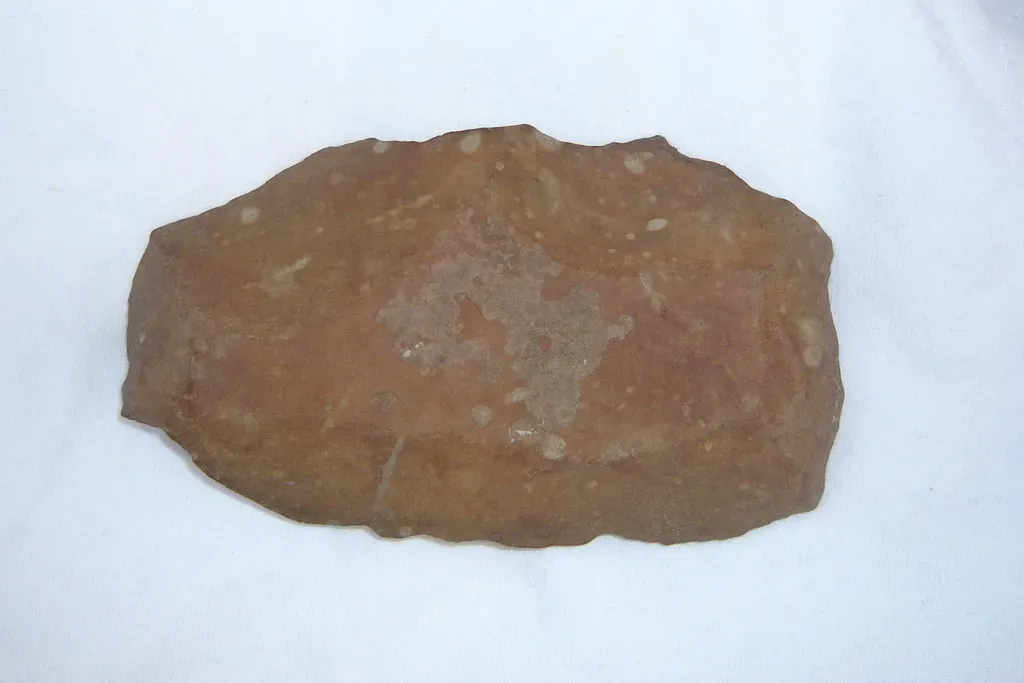
If you could jump back about two and a half million years, the most advanced technology you would find in your hands would probably be a simple stone chopper. You would take a round stone, strike it with another, and knock off a few sharp flakes until one side looked like a crude, jagged edge. It would not look elegant, but suddenly you would have something that could smash open bones, slice through animal hide, or cut plant fibers far better than your teeth or bare hands ever could.
With a tool like this, you would stop being limited to what you could chew or tear apart on the spot. You could butcher larger animals, scrape meat off bones, and crack them open to reach the rich marrow inside, which gives you more energy from every kill or scavenged carcass. That extra energy is believed by many researchers to have helped fuel the growth of larger brains over very long periods of time, so in a very real sense, a rough stone in your palm was one of the first steps toward the complex thinking you rely on today.
2. Handaxes: The Stone Swiss Army Knife You Never Knew You Needed
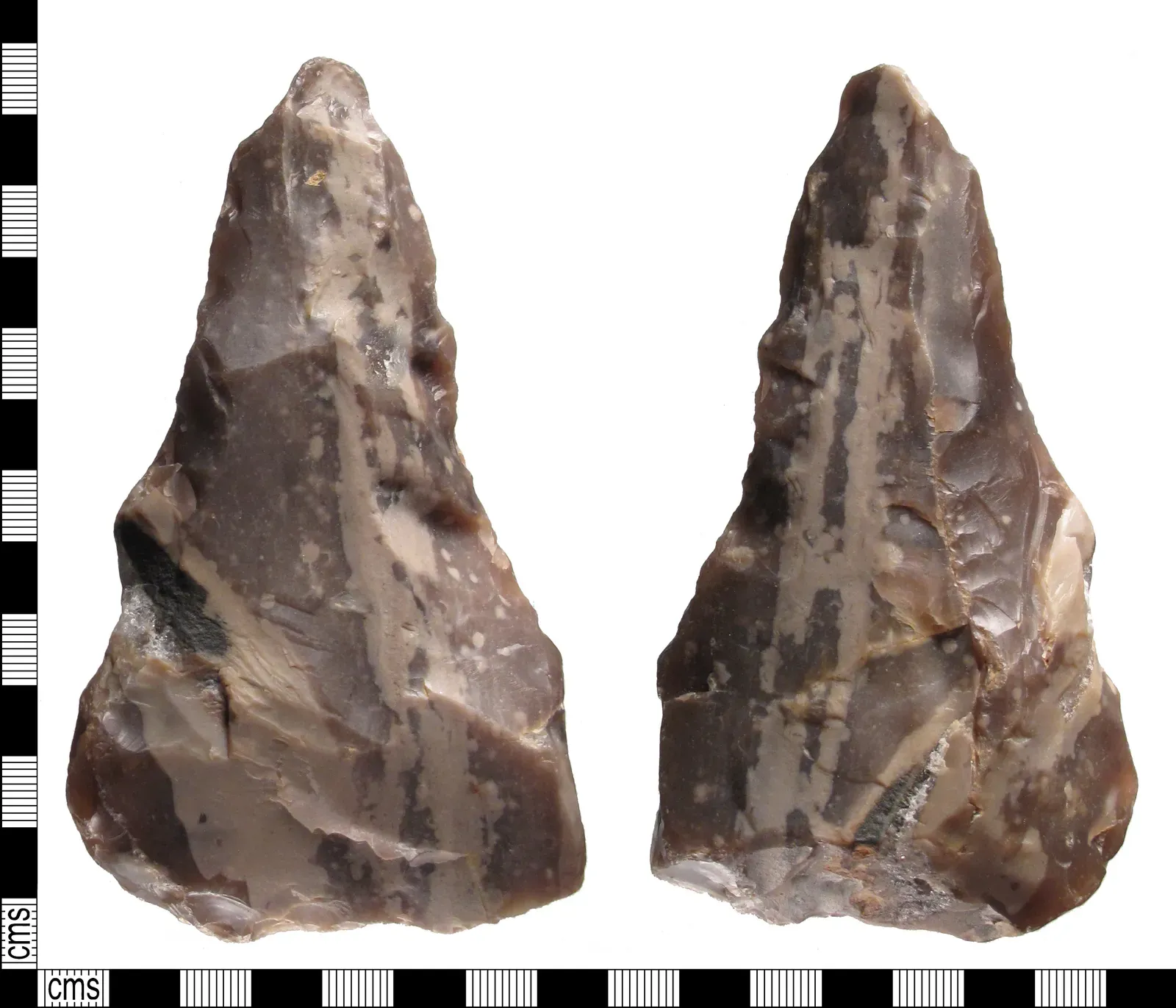
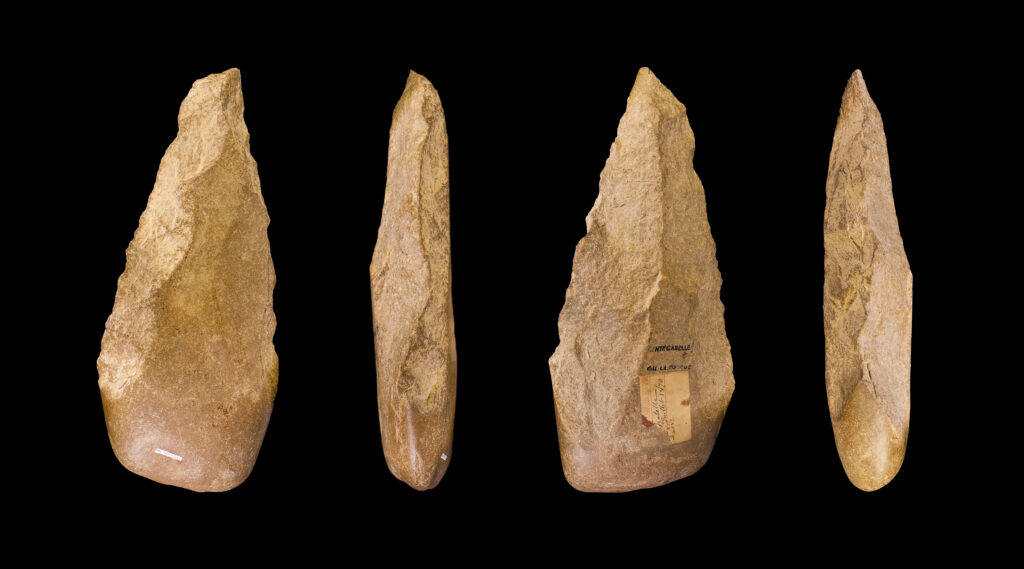
Fast‑forward hundreds of thousands of years and you would see your ancestors crafting something far more refined: the handaxe. Instead of just bashing one rock with another, you would carefully chip away around the edges of a stone from both sides to create a teardrop or oval shape that fits snugly in your palm, with a strong, sharp edge running all around. Compared to a crude chopper, this is like upgrading from a broken bottle to a sleek, balanced chef’s knife.
With a handaxe, you could process an animal from start to finish: skin it, slice meat, break bones, and even dig up roots in hard soil. You would also use it to shape wood, cut branches, or strip bark, turning it into the foundation for all sorts of other tools and shelters. Once you had this dependable, durable all‑purpose tool, you were no longer just reacting to your environment; you were actively reshaping it and planning ahead in a way that feels a lot like how you rely on your favorite knife or multitool today.
3. Fire‑Making Tools: Controlling the Most Dangerous “Weapon”
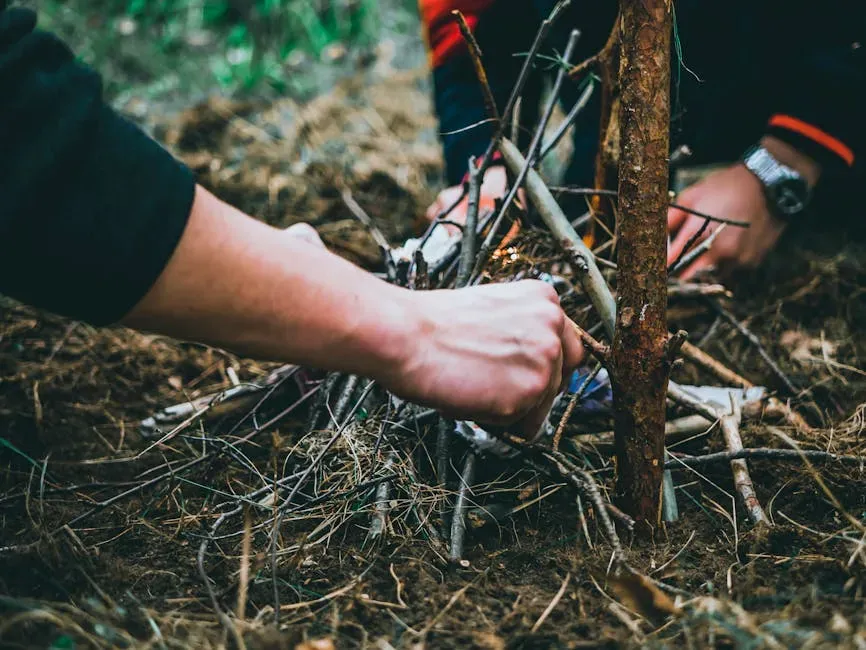
Imagine what it would feel like the first time you did not just find fire after a lightning strike, but could make it whenever you needed it. At some point, your ancestors learned to use tools like wooden fire drills, fire ploughs, or stone and mineral combinations that create sparks when struck. With patience and skill, you could use friction or sparks to light dry tinder, and suddenly you were no longer at the mercy of the weather to stay warm or cook food.
Once you could make fire on demand, your world changed overnight. You could roast meat and tubers, which makes them easier to digest and unlocks more calories, giving your body and brain a serious advantage. You could stay warm in cold climates, keep predators at bay, harden wooden spear tips in the flames, and gather with others around the light, strengthening social bonds and sharing knowledge. With fire‑making tools, you were not just surviving; you were building a safer bubble of warmth, light, and cooked food wherever you went.
4. Spears and Spear Throwers: Extending Your Reach
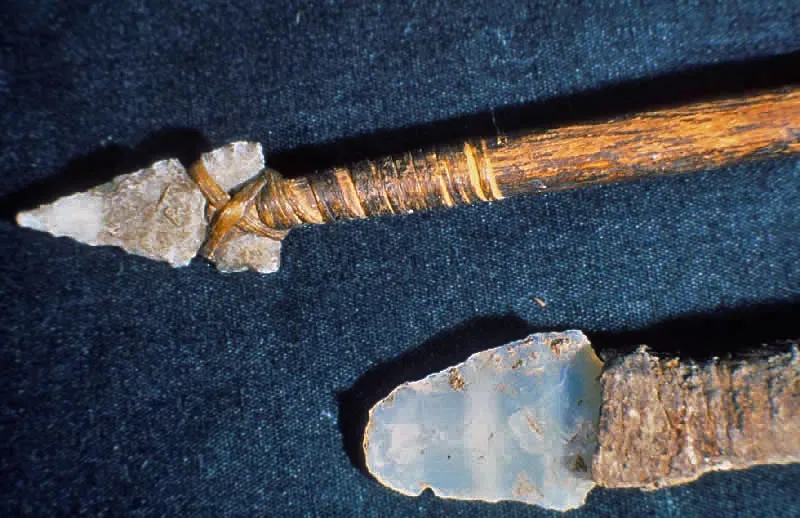
Before you had long‑range weapons, hunting large animals meant getting dangerously close, which is not a great plan when you are facing something bigger, stronger, and faster than you. By attaching a sharpened stone point to a wooden shaft, you turn a simple stick into a spear, letting you strike from a distance or throw from several body lengths away. Suddenly, you can wound or kill an animal without being right under its hooves or horns, and you can hunt in more organized groups.
Later innovations like spear throwers, which act like lever extensions for your arm, allow you to throw a spear harder and farther than you ever could bare‑handed. With tools like these, big game such as deer, horses, or even mammoths becomes a more realistic target, especially when you coordinate with others. This kind of hunting gives you meat, fat, bones, hides, and sinew in large quantities, feeding more people and supporting more complex social groups. In a sense, every time you pick up a modern sports racket or golf club, you are still using the same basic principle: a tool that extends your reach and multiplies your power.
5. Bows and Arrows: Silent, Precise, and Deadly from Afar
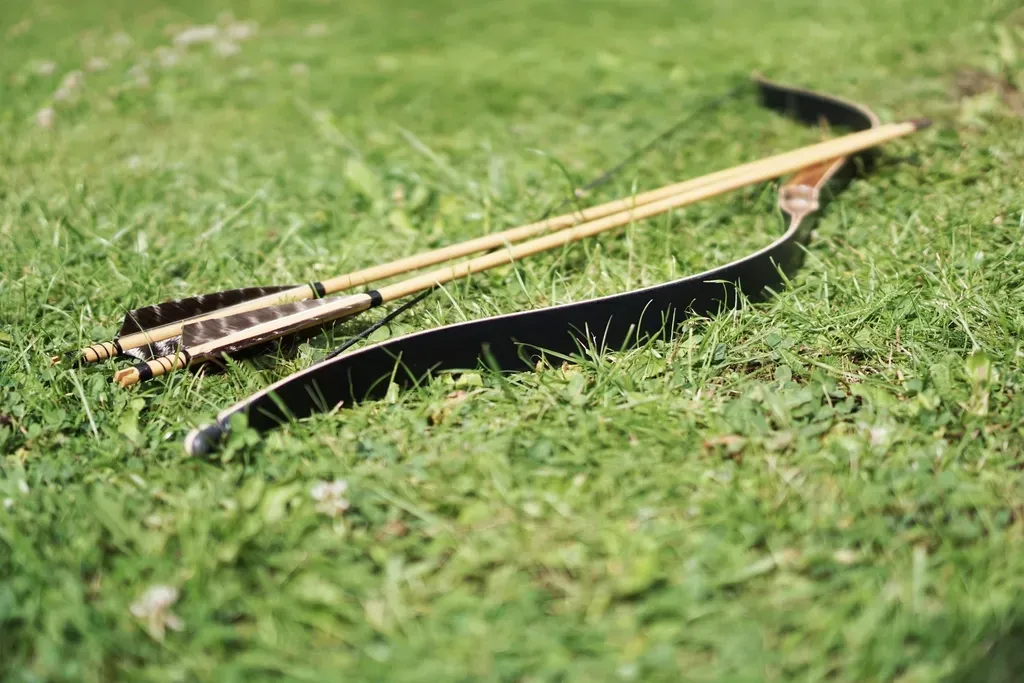
If you have ever pulled back a bowstring, you know how powerful it feels to store energy in that curved piece of wood and release it in a split second. When your ancestors first combined flexible wood, strong cord, and small, finely made arrowheads, you suddenly had a weapon that let you hit prey from a distance with speed and accuracy that a thrown spear simply could not match. You could stay hidden, move quietly, and still land a fatal shot on a fast animal before it even knew you were there.
Bows and arrows also opened up new strategies and environments for hunting. You could hunt smaller, quicker animals that would be hard to hit with a spear, and you could operate more effectively in forests or rugged terrain where getting close is tricky. Over time, this meant more reliable access to meat and materials, which in turn supported larger, more settled communities. When you think of highly skilled archers in later history, remember that their roots go back to people like you, carefully shaving arrow shafts and shaping tiny stone points around ancient campfires.
6. Cutting and Scraping Tools for Hides: Turning Animals into Clothing and Shelter
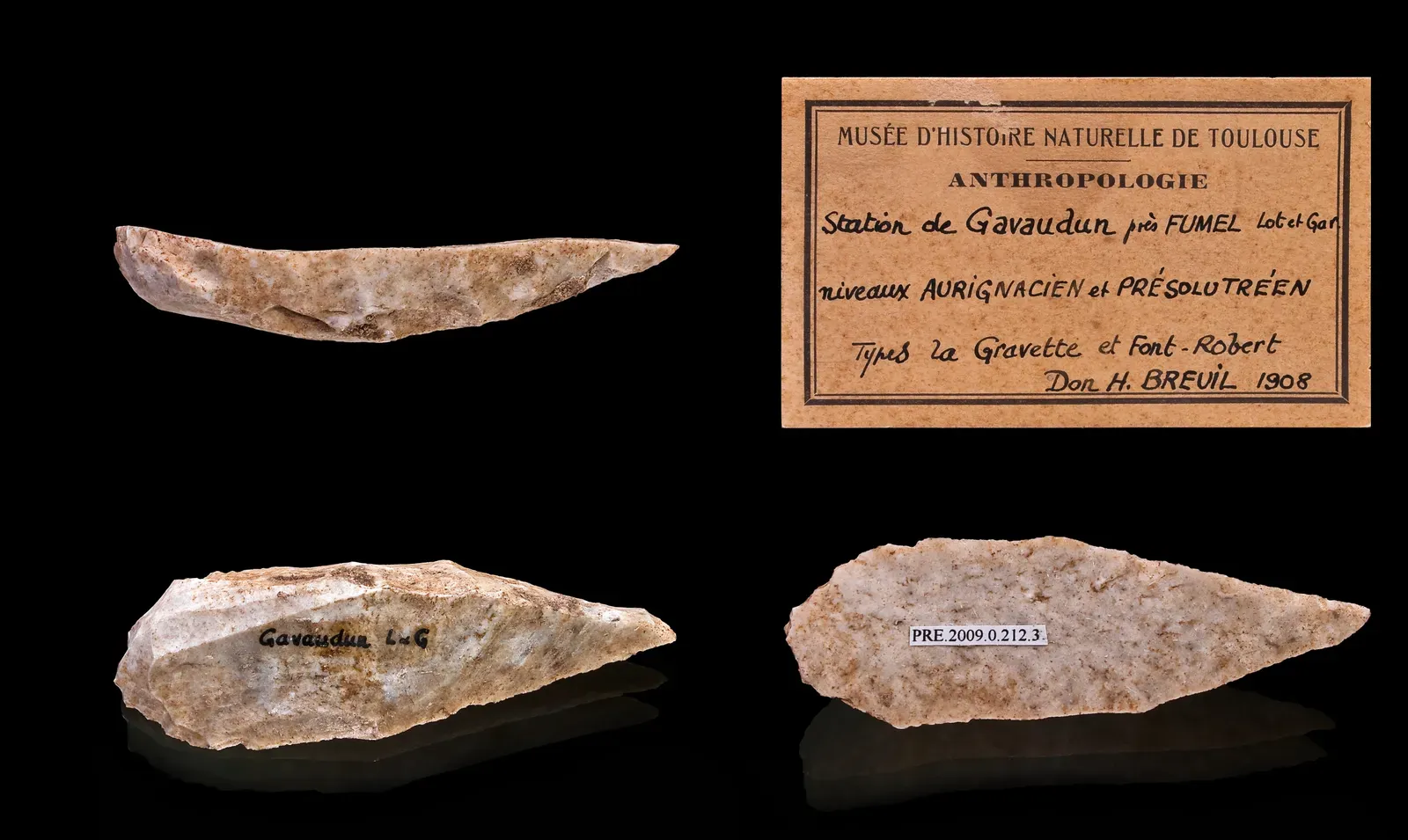
Killing an animal is only the beginning; if you want to survive in harsh climates, you have to know what to do with its hide. With specialized stone scrapers and cutting tools, you could remove fat and flesh from skins, thin and soften them, and shape them into clothing, blankets, and coverings. This might sound simple, but it is the difference between shivering to death and walking confidently through cold wind and snow, wrapped in layers that keep your heat close to your body.
These same tools let you turn hides into shelter materials that you can pack up and move, like early tents or coverings for wooden frames. Now you are not stuck in caves or relying only on natural shelters; you can build portable homes that travel with you as you follow herds or seasons. This flexibility lets you explore new regions, cope with changing weather, and keep your group together under relatively comfortable conditions. In many ways, when you zip up a modern insulated jacket or pitch a camping tent, you are leaning on the skills your ancestors developed with simple scrapers and knives made of stone and bone.
7. Bone, Antler, and Ivory Tools: The First Specialist Gear
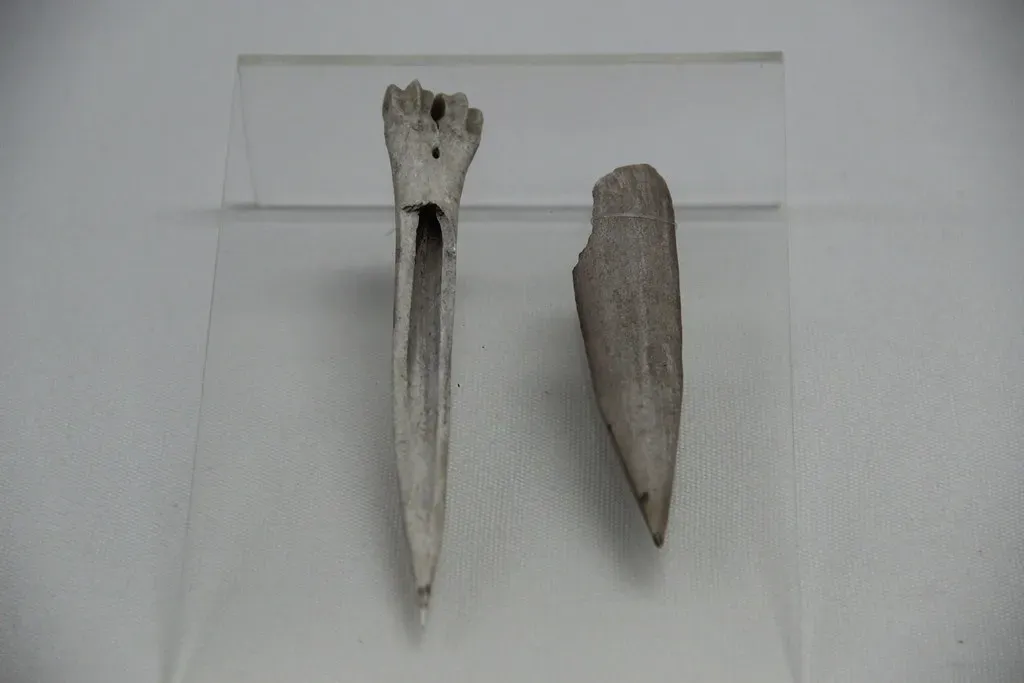
Once you start looking beyond stone, you realize your ancestors were incredibly creative with the materials they had. Bones, antlers, and ivory might look like leftovers from a meal, but in your hands they become needles, awls, fishhooks, barbed spear points, and smooth polishers. These materials are lighter, sometimes more flexible, and can be shaped into finer, more delicate forms than most stones, giving you a whole new toolbox of specialist equipment.
With a bone needle and sinew thread, you can stitch fitted clothing instead of just wrapping yourself in rough hides. With a tiny fishhook carved from bone, you can pull food from rivers and coasts that would otherwise be out of reach. Antler and ivory can be sharpened into points that hold well in meat and fish, or used to work other materials more precisely. This kind of specialization lets you solve very specific problems, from catching certain species to making garments that truly protect you, pushing your survival skills to a much higher level.
8. Grinding Stones and Early Grinding Tools: Unlocking the Power of Plants

For a long time, your survival would have depended heavily on hunting and gathering whatever you could find fresh, raw, or easily chewed. Once you start using grinding stones, everything changes for plant foods. With a flat stone and a handheld grinder, you can crush seeds, nuts, and grains into meal or paste, breaking them down so your body can digest them more efficiently and allowing you to cook them into porridge or flatbreads.
This might feel humble compared to a spear or bow, but it quietly transforms your diet and your relationship with the land. Suddenly, plants that were once too hard or bitter become edible staples, and you can store dry seeds or grains for long periods, then grind them when needed. That kind of food security and flexibility is a huge step toward more settled living and, eventually, agriculture. When you use a modern blender or food processor, you are really doing the same thing your ancestors did with two stones, just at a much higher speed.
9. Early Containers and Cordage: Carrying Your World with You

Think about how helpless you would feel if you could not carry anything with you: no bag, no basket, no bottle. Early containers made from hollowed wood, woven plant fibers, animal skins, or shells, along with simple cords twisted from plant fibers or sinew, let you transport water, food, tools, and fire‑making materials across long distances. You could now gather more than you could eat in one sitting and bring it back to camp, or carry supplies as you moved, which meant your hands were free and your options multiplied.
Cordage also lets you tie, lash, hang, and bundle things in ways that make life far easier. You can build more stable shelters by binding poles together, make nets for fishing or small‑game hunting, and secure loads for travel. Once you can reliably tie things up and carry them, you are no longer limited to what fits in your grip or what you can stash right where you found it. In a quiet way, containers and cordage turned you into a truly mobile problem‑solver, someone who could bring a little world of resources along for the journey instead of starting from scratch every day.
Conclusion: You Still Carry These Ancient Tools in Your Daily Life
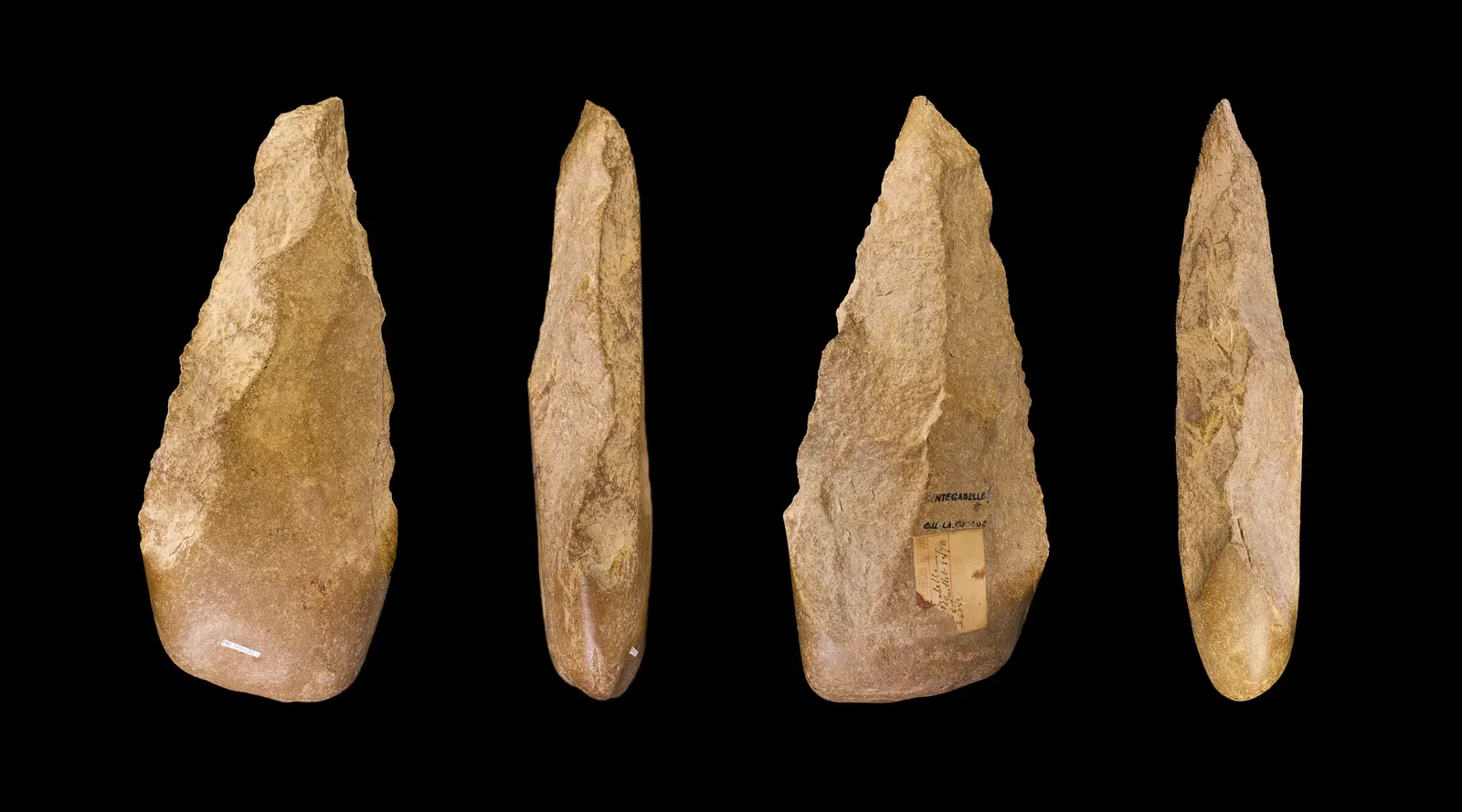
When you look closely at these nine tools, you start to see a clear pattern: each one gave early humans a new kind of control. Stone choppers and handaxes let you shape meat and wood, fire‑making tools let you tame flame, weapons extended your reach, hide tools wrapped you in warmth, bone and antler gear handled delicate tasks, grinding stones opened up plant foods, and containers and cordage allowed you to move your resources wherever you went. Step by step, you went from simply enduring the environment to actively bending it just enough to survive and then thrive.
Even though your tools today are made of metal, plastic, and electricity, the logic behind them is the same as it was for your ancestors crouched around a fire, chipping stone and twisting fibers. You still crave safety, warmth, food, mobility, and control, and you still invent new tools to get there. The next time you grip your favorite kitchen knife, flick a lighter, tie your shoelaces, or sling a backpack over your shoulder, you are echoing movements that began hundreds of thousands of years ago. Knowing that, how differently do you feel now about the simple tools you use every single day?