If you grew up picturing dinosaurs as giant, scaly lizards, you’re not alone. For most of the twentieth century, that was the image everyone carried: cold, reptilian monsters stomping across a barren landscape. Then, piece by piece, fossils began to whisper a very different story, one that feels almost shocking the first time you really let it sink in.
Today, you know that many dinosaurs weren’t naked-skinned reptiles at all, but creatures draped in fuzz, quills, and fully formed feathers. Once you see a fossil with feather impressions frozen around the bones, it suddenly becomes hard to un-see. These weren’t just prehistoric beasts; they were, in many ways, strange ancient cousins of the birds outside your window. And that realization changes not only how you picture the past, but how you think about evolution, life, and even yourself.
The Shocking Idea: Dinosaurs Covered in Feathers
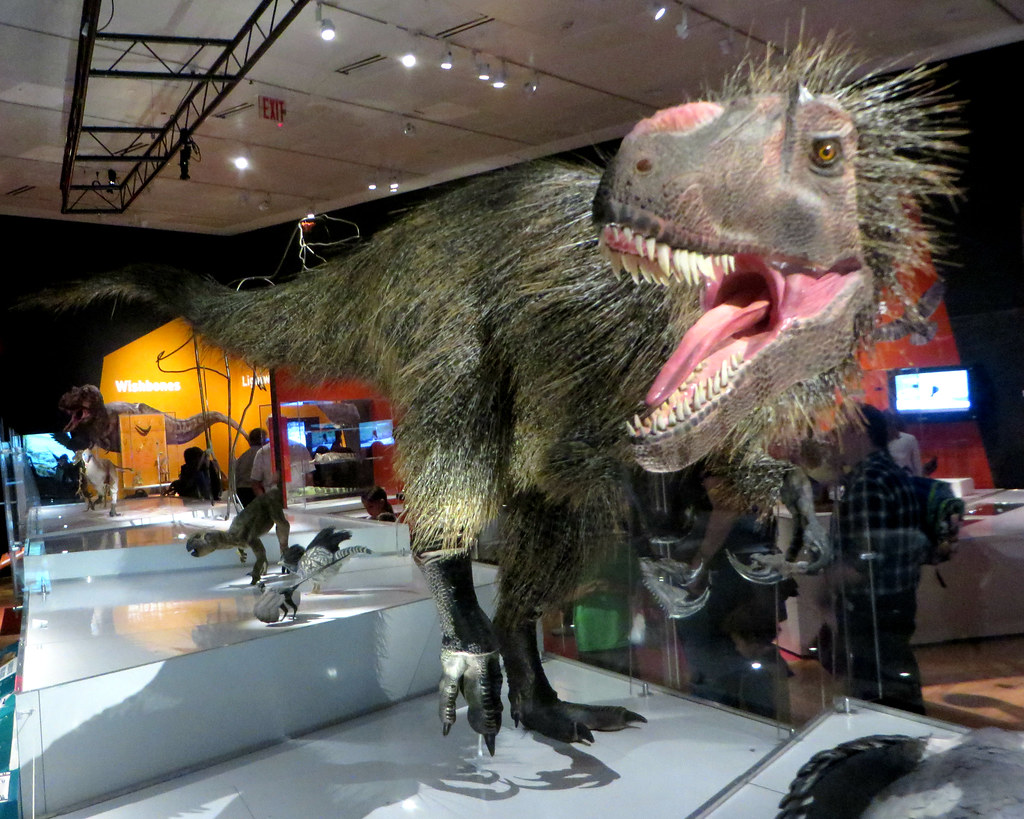
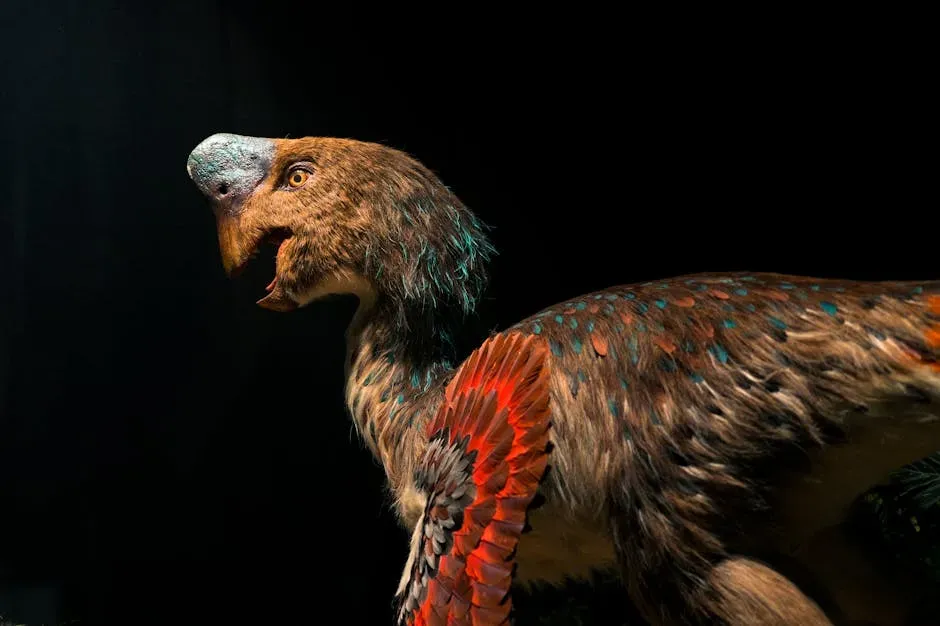
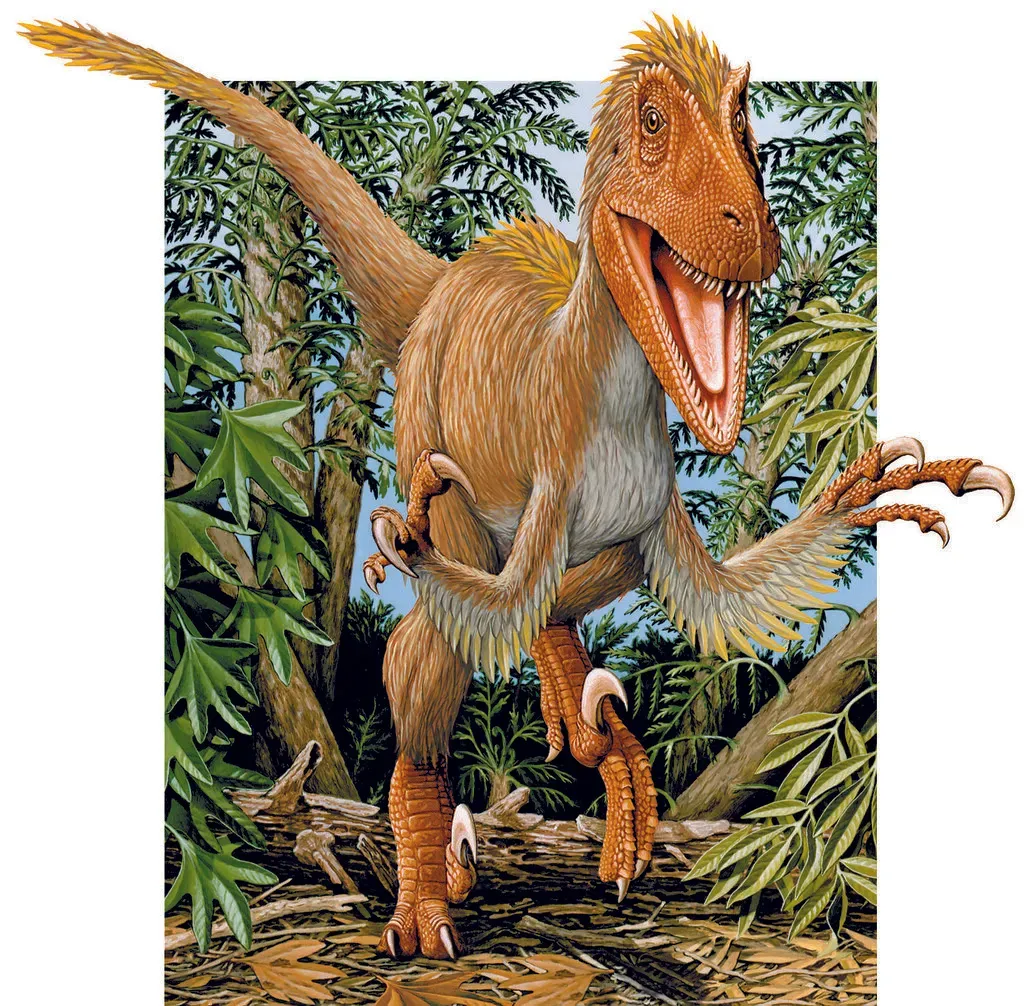
Imagine walking into a museum expecting towering scaly monsters and instead being told that some of them probably looked more like giant, terrifying birds. That is exactly the mental whiplash the feathered dinosaur revolution gives you. Instead of smooth, dragon-like skin, you’re suddenly asked to picture fluffy tails, downy coats, and wings sprouting from arms that once held claws.
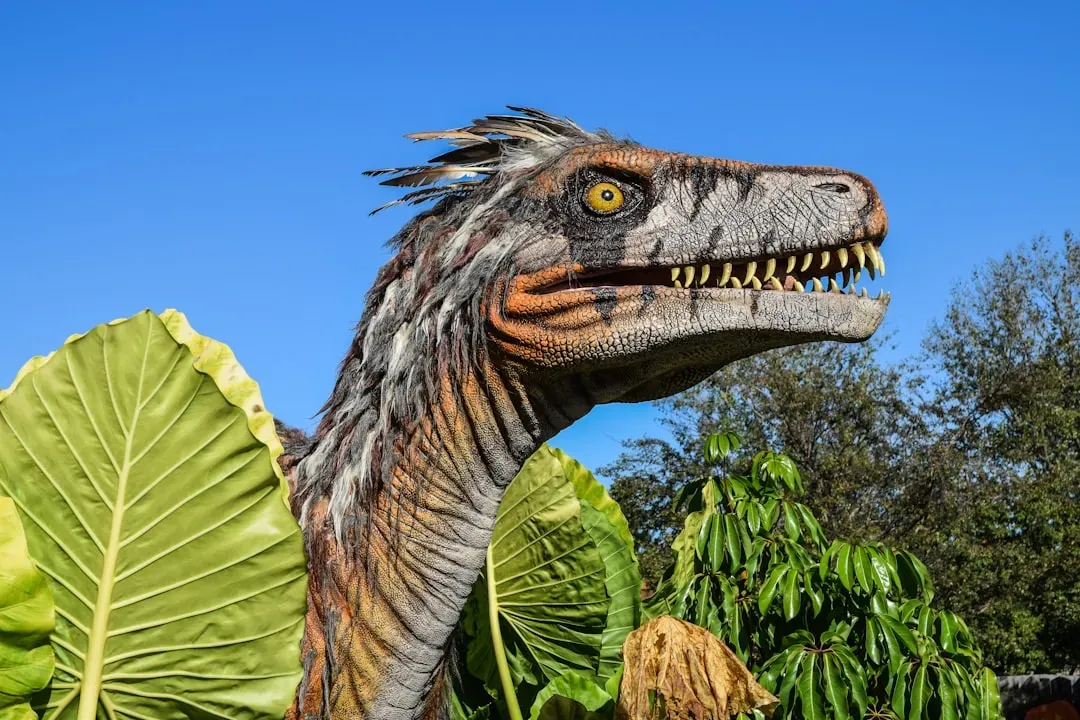
What makes this so powerful is that it forces you to update a story you thought you already understood. You were likely taught that birds came after dinosaurs, as something totally separate, but the feather evidence pulls you into a new narrative: birds are not just “after” dinosaurs, they are living dinosaurs. When you see feathers on animals like Velociraptor or Microraptor, the gap between T. rex and a crow shrinks in your mind, and the prehistoric world feels strangely closer, almost uncomfortably familiar.
How You Know Dinosaurs Really Had Feathers
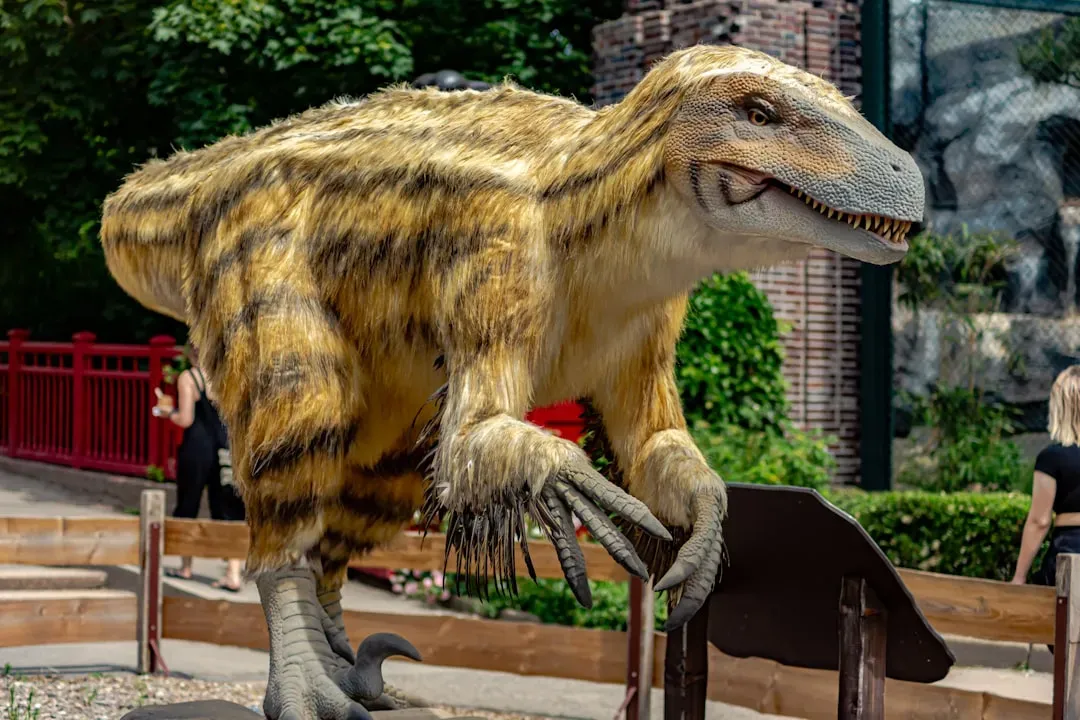
You are not being asked to take this on faith; the rock record backs it up in ways you can actually see. In several fossil sites, especially in northeastern China, you find dinosaur skeletons surrounded by delicate halos of preserved filaments – fine structures that look like hair or fuzz, but under the microscope show branching patterns much more like primitive feathers. In some spectacular cases, you even see clear impressions of flight feathers on arms and tails, complete with central shafts and barbs.
When you compare these structures to modern bird feathers, the similarities are too precise to brush aside. Chemical studies even detect residues of pigment-bearing organelles, suggesting that these feathers had color, maybe even patterns. Suddenly you are not just told “there were feathers,” you are confronted with the possibility that some dinosaurs were boldly patterned or iridescent. That moves the idea from abstract theory into something you can almost picture in motion, flashing color as they ran or leapt.
From Simple Filaments to Complex Wings: The Evolutionary Path
If you follow feathers backward in time, you do not jump straight from naked skin to perfect wings. You see a gradual progression that actually matches what you’d expect from evolution tinkering step by tiny step. First, you meet dinosaurs with simple, hair-like filaments: single strands that would have provided a bit of insulation, helping them hold onto body heat. That alone tells you these animals were not acting like cold, sluggish reptiles; they were likely more active and warm-running.
As you move forward, those simple filaments become more complex, branching into tufts and then into structures with multiple levels of branching. Eventually you reach feathers that look very close to what modern birds wear: asymmetrical, tightly interlocked vanes ideal for controlled flight. By walking through this series, you see that wings did not appear fully formed for flying. Instead, feathers probably started doing other jobs first – like keeping an animal warm or helping it show off – and only later were co-opted into the powerful flight machinery you recognize today.
Why Feathers Evolved Before Flight
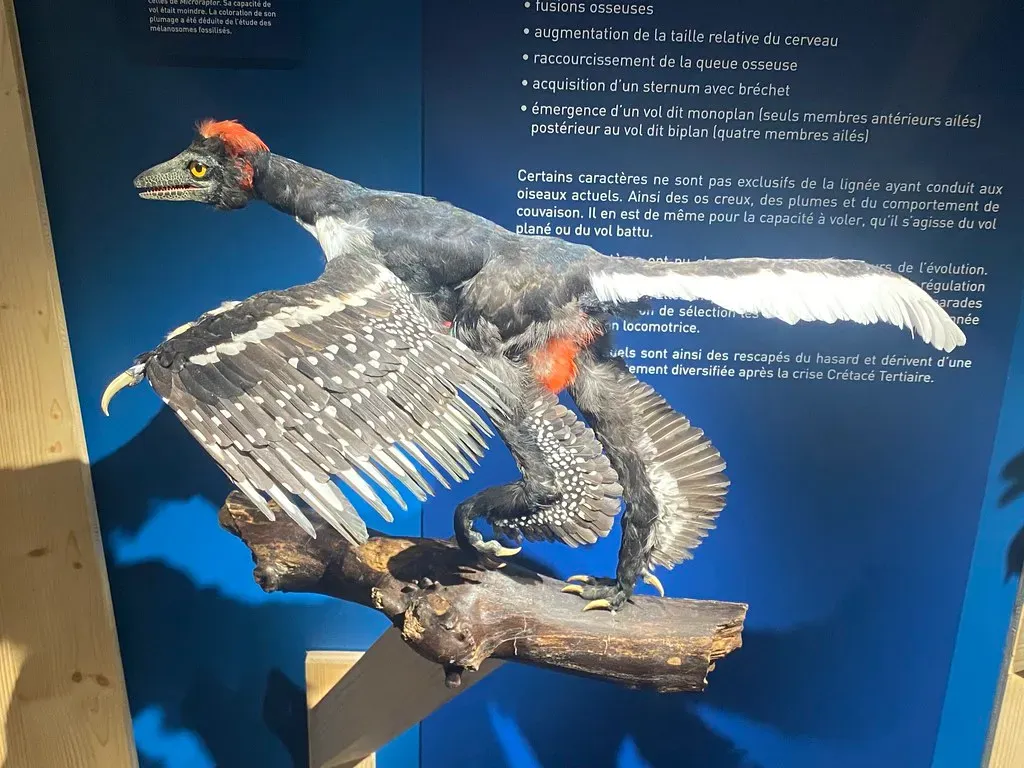
But insulation is only part of the story you can piece together. Feathers also make fantastic display tools: they can be flared, puffed, spread, and colored. Think about how many birds today use feathers for courtship, dominance, or intimidation. When you look at large, extravagant feather fans on the tails or arms of some non-flying dinosaurs, it makes sense to see them as visual signals. In other words, feathers probably paid their way long before flight ever evolved, by helping these animals stay warm, communicate, and stand out – or blend in – when it mattered most.
What Feathered Dinosaurs Reveal About Warm-Bloodedness
The more you learn about feathered dinosaurs, the harder it becomes to see them as slow, lumbering creatures. Feathers as insulation only make sense if an animal is generating a lot of internal heat that’s worth retaining. That nudges you toward the idea that many dinosaurs, especially those close to birds, had high metabolisms. Instead of cold-blooded reptiles basking all day, you start to picture fast, agile hunters and runners, burning energy at a much higher rate.
Bone structure backs up that picture for you. When paleontologists slice into dinosaur bones and look at the internal texture, they find growth patterns and blood vessel networks more like what you see in modern mammals and birds than in sluggish reptiles. Combine that with feathers, and you’re looking at animals much closer to an athletic, warm-blooded lifestyle. That realization transforms how you imagine their behavior: more pack hunting, complex social interactions, rapid growth, and constant movement rather than occasional, sluggish bursts of activity.
Your Mental Image of Dinosaurs Needs an Upgrade
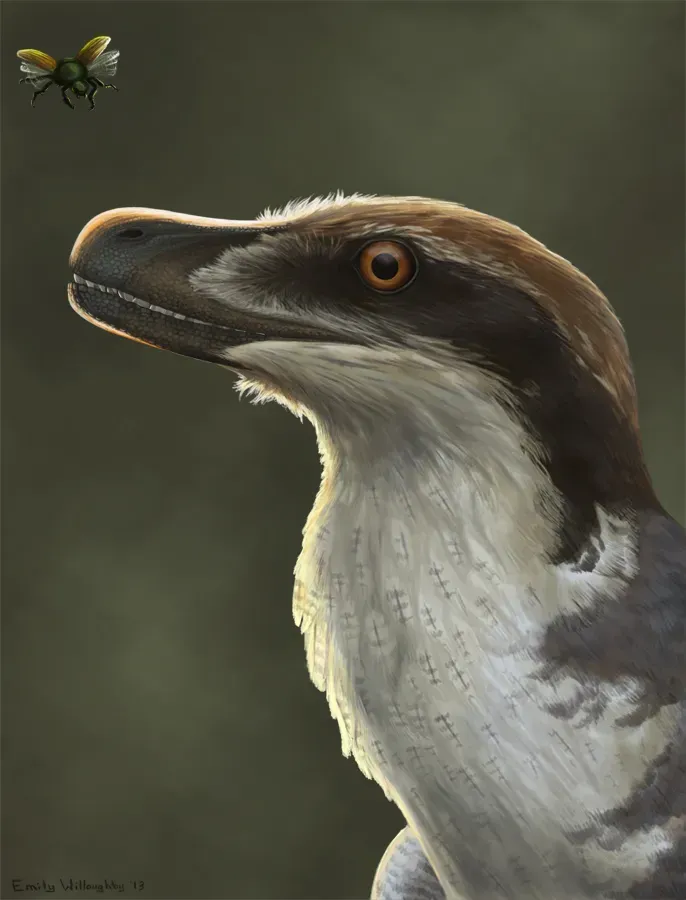
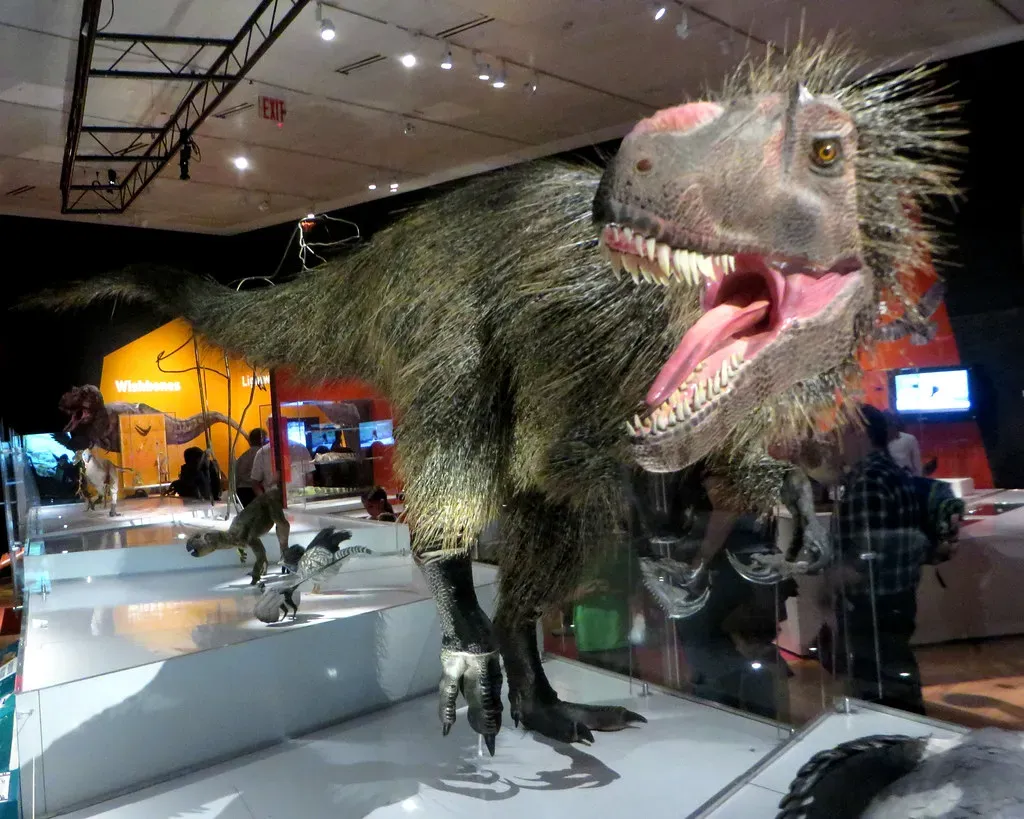
Once you take feathered dinosaurs seriously, your childhood image of the prehistoric world starts to crumble – and that can feel strangely unsettling. Those smooth-skinned, dark green giants from old movies give way to a landscape filled with color, texture, and noise. You might picture young dinosaurs covered in fuzzy down like chicks, or adults sporting crests, fans, and fringes that they flared in confrontations or courtship. The world becomes less like a reptile park and more like a wild, alien bird sanctuary crossed with big-game safari.
This shift matters because it changes how you relate to deep time. When dinosaurs feel like distant, reptilian oddities, they are easy to mentally file away as something totally separate from your life. When you start seeing them as part of the same warm-blooded, feathered story that leads directly to the birds you hear every morning, you suddenly find yourself connected to that past in a more personal way. You are not just looking at fossils; you are looking at relatives of animals you already know intimately.
How Feathered Dinosaurs Rewrite the Story of Birds
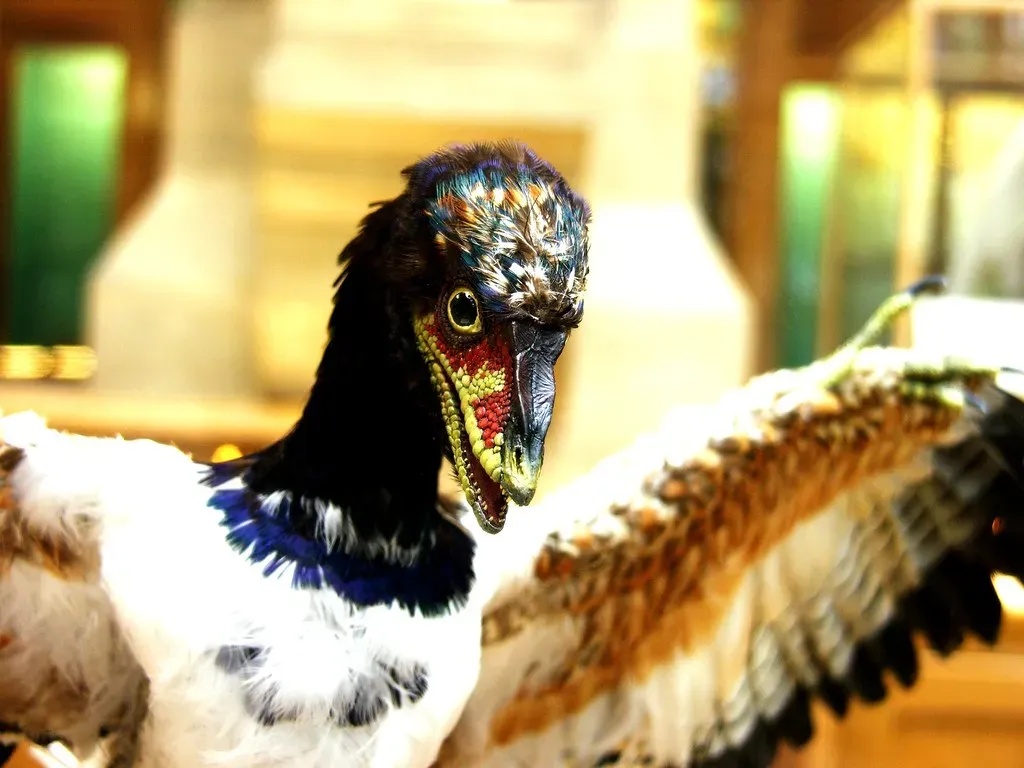
For you, one of the most powerful outcomes of feathered dinosaur research is what it does to the bird story. Instead of birds popping into existence as a fresh, separate group, you watch them emerge step-by-step from within small, predatory dinosaurs. Features you might think of as “bird-only” – like wishbones, three-toed feet, hollow bones, or even brooding behavior – show up first in non-bird dinosaurs. Feathers simply add another layer of continuity, stitching birds directly into the dinosaur family tree.
That means when you see a pigeon, a hawk, or even a chicken, you’re not just looking at a vague dinosaur descendant – you’re looking at a true dinosaur lineage that never went extinct. The catastrophic event that ended the reign of the big non-bird dinosaurs did not erase the whole group; some small, feathered forms survived and diversified into the roughly ten thousand bird species you see today. Framing it that way changes how you see everyday nature: your backyard becomes a living dinosaur exhibit, if you give yourself permission to see it that way.
Why It Matters for You: Science, Imagination, and the Future
The story of feathered dinosaurs is not just trivia; it quietly shifts how you think about science itself. It shows you that ideas you treat as obvious – like scaly dinosaurs – can flip completely when new evidence appears. You watch paleontologists change their minds publicly, redraw museum exhibits, and admit earlier models were incomplete. That kind of flexibility is a powerful reminder that good science is not about defending old pictures; it is about refining your understanding as new clues come in.
On a more personal level, letting feathered dinosaurs into your imagination stretches how you think about change over time. You see that evolution is not a straight climb from simple to complex, but a constant remixing of old parts for new purposes: filaments for warmth become tools for flirtation, then airfoils for flight. When you look at your own world – technology, culture, even your own habits – you can recognize that same pattern of tinkering and repurposing. In that sense, feathered dinosaurs are not just creatures of the past; they are a mirror for how change works in every era, including your own.
In the end, the mystery of feathered dinosaurs is less about whether they had fluff, fuzz, or full wings – that part is now quite clear – and more about what you do with that knowledge. You are invited to trade in an old, comfortable mental picture for a stranger, richer, and more accurate one. That swap is not always easy, but it is exactly what curiosity asks of you.
So the next time you hear a bird calling or see one preening its feathers, you can choose to see more than just a common creature going about its day. You can see the faint outline of a deep past where feathers first appeared on creatures that would have intimidated you and fascinated you in equal measure. Knowing that, how can you ever look at a simple feather the same way again?