As habitat fragmentation accelerates wildlife declines across the United States, a group of bipartisan lawmakers stepped forward on Earth Day with a targeted solution. They introduced the Wildlife Corridors and Habitat Connectivity Conservation Act, which seeks to create a coordinated national framework for protecting migration routes. This legislation addresses a core driver of biodiversity loss at a time when 40 percent of the nation’s animals face extinction risks.
Habitat Loss Traps Species in Isolated Patches
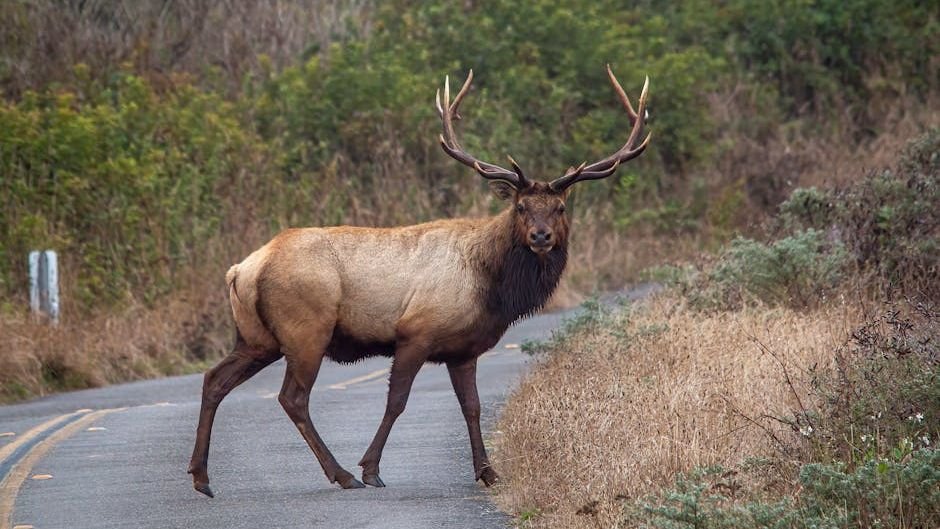
Habitat Loss Traps Species in Isolated Patches (Image Credits: Pexels)
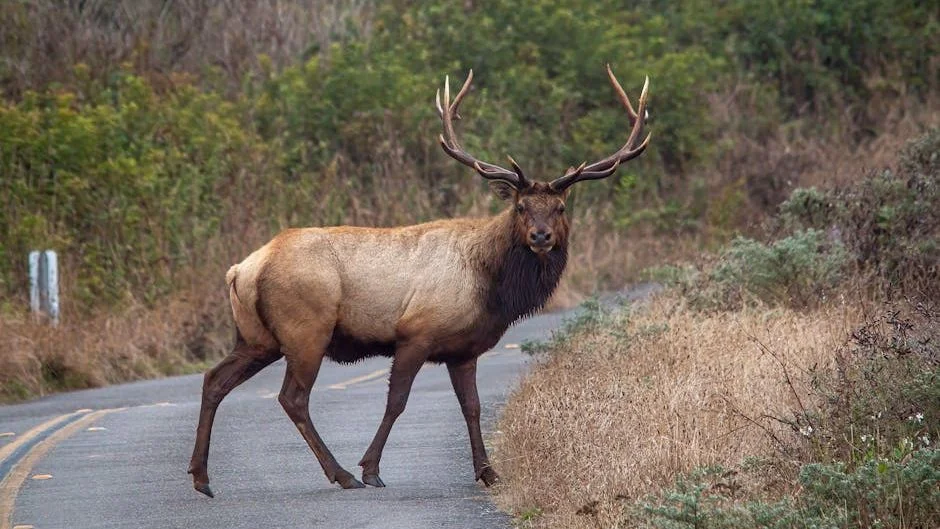
Roads, urban development, logging, and mining have carved up landscapes, leaving wildlife unable to reach food, mates, or seasonal ranges. Protected areas such as national parks and wildlife refuges often stand alone, disconnected from one another. Animals like pronghorn in the West travel more than 150 miles annually, while the Porcupine Caribou Herd covers over 700 miles, one of the longest land migrations for any hoofed mammal.
Fragmentation heightens extinction dangers by reducing genetic diversity and blocking adaptation to threats like wildfires and droughts. Florida panthers navigate highways amid sprawling development, Canada lynx seek prey across mountain forests, and salmon need clear rivers to complete life cycles. Scientists note that corridors can boost movement between habitats by at least 50 percent, offering a proven countermeasure.
Key Provisions of the Proposed Legislation
The Wildlife Corridors and Habitat Connectivity Conservation Act, designated H.R. 8438, establishes a National Wildlife Corridor System to identify and safeguard essential pathways. H.R. 8438 It mandates coordination among federal agencies when corridors span boundaries, preventing siloed planning. The measure also authorizes annual funding to turn strategies into tangible projects.
A habitat connectivity mapping program would involve federal, state, and tribal governments to chart migration patterns scientifically. Complementing this, a grant program administered by the National Fish and Wildlife Foundation would finance on-the-ground conservation, such as crossings and habitat links. Introduced on April 22, 2026, the bill builds on voluntary efforts while providing structure for states, Tribes, private landowners, and localities.
Sponsors Highlight Practical Benefits
Representatives Don Beyer (D-VA), Vern Buchanan (R-FL), Zoe Lofgren (D-CA), and Brian Fitzpatrick (R-PA) lead the effort. Buchanan emphasized Florida’s unique species: “Safeguarding their habitats is critical for the survival of these species and the preservation of our state’s ecosystems.”
Beyer pointed to broader resilience: “Wildlife corridors are one of the simplest yet most effective solutions to mitigate [biodiversity] loss by supporting habitat connectivity.” Fitzpatrick stressed local gains, including safer roads and reduced property damage, while Lofgren noted proven results in California for climate-driven shifts. These lawmakers frame the act as commonsense stewardship that channels federal resources effectively.
Addressing Collisions and Funding Gaps
Thousands of vehicle-wildlife crashes occur yearly, leading to deaths, injuries, and substantial economic costs. Wildlife crossings have demonstrated up to 97 percent reductions in such incidents. The Bipartisan Infrastructure Law provided $350 million over five years for these structures, but that support ends soon, prompting calls for renewal.
Conservation groups like Defenders of Wildlife and the Endangered Species Coalition back the bill. Christian Hunt of Defenders stated, “The science is clear – where wildlife movement is restricted, local extinctions follow.” Susan Holmes of the coalition added that corridors represent a vital tool against the biodiversity crisis, especially amid climate change.
What matters now: This framework could unify fragmented protections, benefiting species from monarch butterflies to desert tortoises while aiding human safety and adaptation efforts.
The legislation arrives as environmental pressures intensify, offering stakeholders a pathway to integrate conservation across jurisdictions. Federal agencies would gain tools to manage public lands as interconnected systems, supporting national parks and refuges alike. Private partners and communities stand to access grants for localized fixes.
Success hinges on advancing through committees and securing passage before funding lapses compound risks. If enacted, the act promises enduring connectivity, helping wildlife navigate a changing world and bolstering ecosystems essential to all.