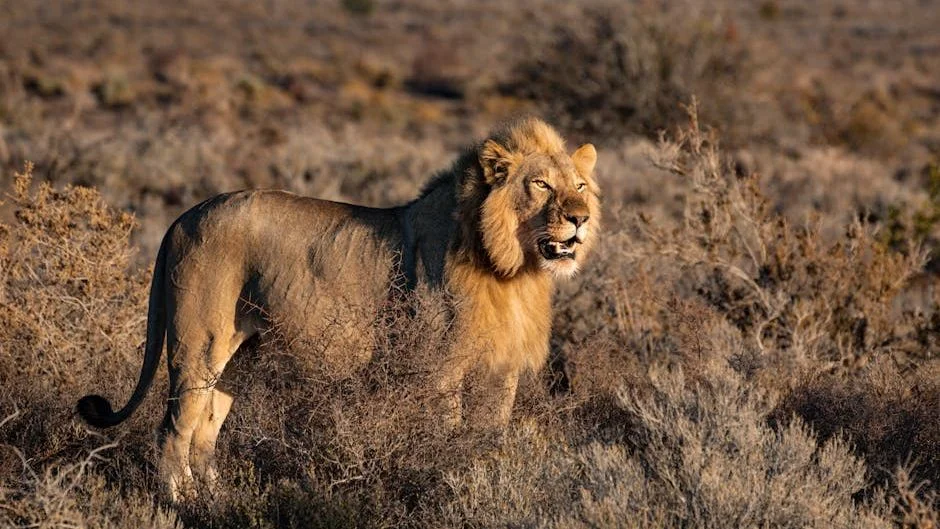
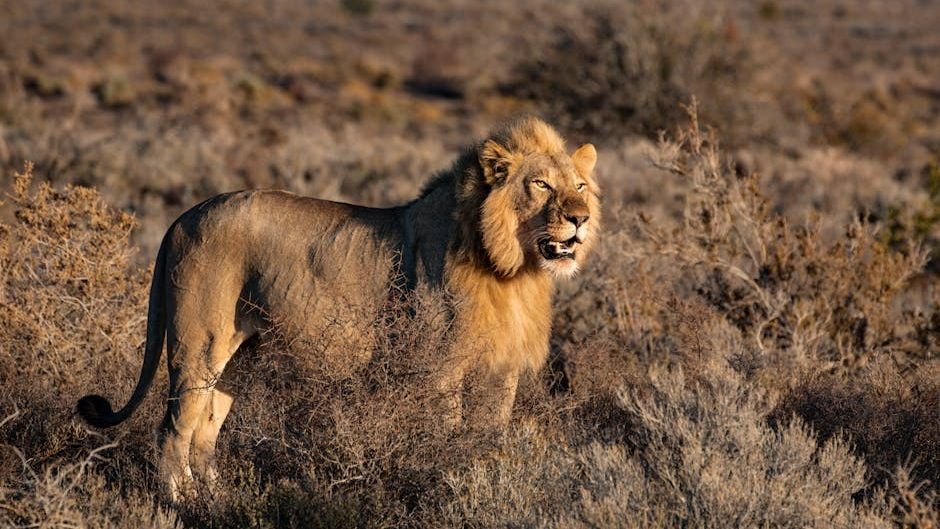
In the expansive savannas of East Africa, lions once commanded fear among pastoralists who navigated the wild with ancient knowledge. Decades later, vast protected areas cordon off these landscapes to shield wildlife from human touch, yet animal populations continue to shrink. This shift reveals a stark irony: efforts designed to save nature now fuel conflicts that endanger both people and beasts.
Roots of the Exclusionary Model
Roots of the Exclusionary Model (Image Credits: Pexels)
Fortress conservation emerged from colonial practices that carved out game reserves by evicting local inhabitants. British and German authorities in the early 20th century established parks like Tanzania’s Ngorongoro Conservation Area, displacing Maasai herders to prioritize hunting and tourism for outsiders. Kenya followed suit with Nairobi National Park in 1946, enforcing strict no-human zones through unfamiliar laws and force.
The approach rested on a simple premise: biodiversity thrives in isolation from people. Protected areas expanded rapidly post-independence, with sub-Saharan Africa nearing the UN’s 17% land protection target by 2018. Yet this model persisted despite growing evidence of its flaws, blending militarized enforcement with international funding from groups like the World Wildlife Fund.
Displacement and Rising Tensions
Local communities bear the heaviest burden. In Tanzania’s Loliondo region, Maasai faced violent evictions in recent years to create luxury reserves, with homes burned and water access severed. Over 150,000 Maasai in Ngorongoro and nearby areas confronted relocation plans, leading to protests met with arrests and shootings.
Similar stories unfold elsewhere. The Batwa people of the Democratic Republic of Congo lost ancestral lands in Kahuzi-Biega National Park during the 1970s, numbering around 6,000 evictees left landless and impoverished. In Kenya, Okiek and Sengwer groups endured repeated clearances from forests like Mau and Embobut, often under the guise of European-funded projects. These displacements, estimated at up to 250,000 people globally since 1990, breed resentment and poverty, turning former stewards into outsiders.
Ecological Setbacks Despite the Walls
Wildlife fares no better within these fortresses. Kahuzi-Biega, a UNESCO site harboring eastern lowland gorillas, saw populations plummet due to armed incursions, mining, and charcoal operations that rangers failed to halt. Corruption plagued management, with officials implicated in resource looting amid civil unrest.
Broader trends confirm the pattern. Savanna species dwindled even as parks proliferated, with habitat loss and poaching unchecked by fences alone. Excluded communities, denied benefits from tourism, sometimes retaliate through illegal activities, while underfunded patrols struggle against organized crime. Statistics reveal nearly all major species declined in number and diversity under this regime.
Community Stewardship as a Viable Path
Critics advocate inclusive models where locals manage resources and share revenues. Indigenous territories, covering 22% of global land, safeguard 80% of the world’s biodiversity, outperforming state parks in deforestation control. In southern Africa, herder and villager lands now host more wildlife than formal reserves, thanks to incentives like ecotourism fees and wildlife credits.
Recent victories signal change. In July 2024, an African Union court ordered the DRC to restore Batwa lands in Kahuzi-Biega, recognizing their environmental guardianship and annulling exclusionary laws. Tanzania’s president halted some Ngorongoro relocations in 2024, appointing commissions for sustainable land use. Namibia and other nations demonstrate community conservancies’ success, blending pastoralism with anti-poaching patrols funded by hunting concessions.
- Grant land titles to indigenous groups for self-management.
- Redirect tourism profits to communities via revenue-sharing.
- Integrate traditional knowledge into park governance.
- Prioritize high-value, low-impact ecotourism over trophy hunting.
These steps foster coexistence, reducing conflicts and bolstering patrols with local buy-in. World Bank studies affirm lower deforestation where communities hold rights, proving people and wildlife can thrive together.
As Africa’s parks face scrutiny, the fortress crumbles under its own weight. True protection demands partnership, honoring the herders and hunters who long sustained the savanna’s balance. Without this pivot, neither lions nor landscapes will endure.