
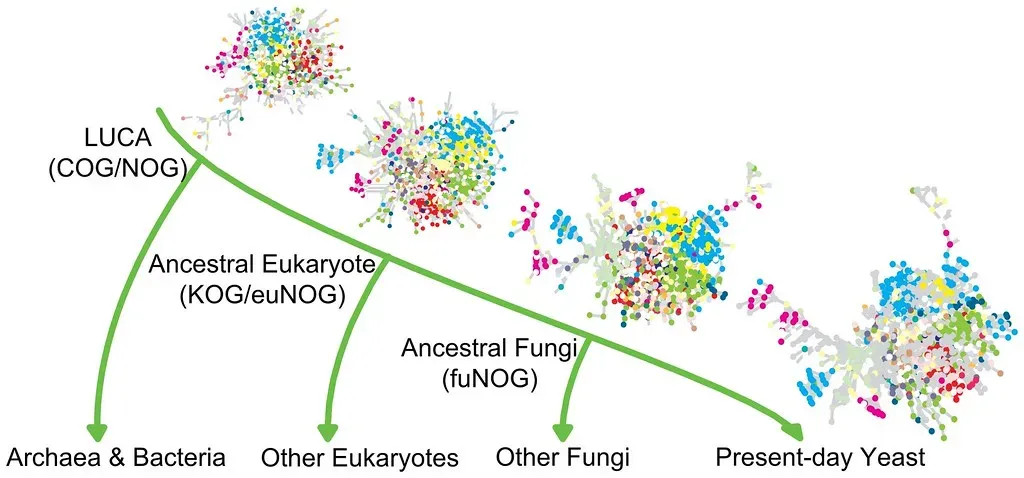
You can probably picture it: early Earth as a hellish world of lava, lightning, toxic gases, and no oxygen to breathe. Yet somehow, out of that chaos, you eventually got oceans full of cells, forests, animals, and finally you, sitting here wondering how it all began. The honest truth is that scientists still do not have a single, final answer. Instead, you have a handful of powerful, competing, and sometimes overlapping theories that each explain part of the story of how lifeless chemistry might have turned into living biology.
When you dive into these ideas, you realize life’s origin is not just a dry scientific puzzle. It is a wild detective story playing out across volcanoes, deep oceans, minerals, comets, and even vents spewing hot, poisonous water. As you read through these ten theories, you are not just memorizing facts; you are trying on different ways the universe might have solved the hardest problem of all: how to get from simple molecules to something that can eat, grow, and wonder where it came from.
1. The Primordial Soup: Lightning in a Toxic Sky
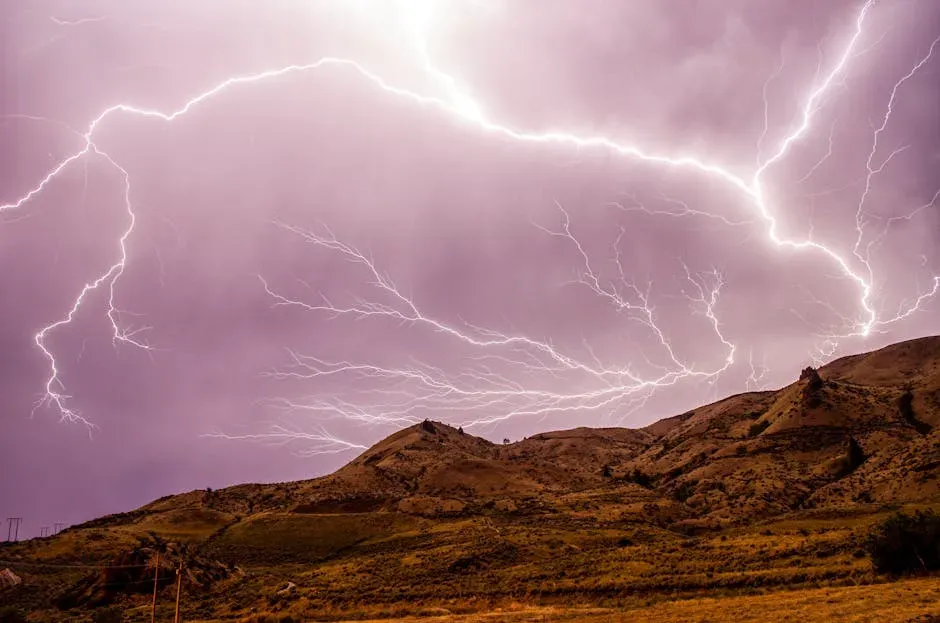
Imagine you could travel back roughly four billion years and stand (in a very good protective suit) on early Earth. You would see no trees, no oceans full of fish, just a hot planet wrapped in a thick atmosphere of water vapor, methane, ammonia, carbon dioxide, and constant storms. The primordial soup idea tells you that this steamy mix of gases and water, zapped by lightning and bathed in ultraviolet radiation from the young Sun, could have cooked up simple organic molecules in shallow ponds, lakes, or coastlines.
This theory gained major attention when a classic lab experiment showed that when you run electricity through a gas mixture designed to mimic early Earth’s atmosphere, you get amino acids, the basic building blocks of proteins. You can picture these first molecules collecting in puddles and pools, gradually becoming more complex as they interact, concentrate, and react over long stretches of time. If you follow this idea, you see life starting almost like a cosmic slow cooker: no recipe, no chef, just the right ingredients and energy thrown together until something surprising happens.
2. Hydrothermal Vents: Life From the Dark, Boiling Seafloor
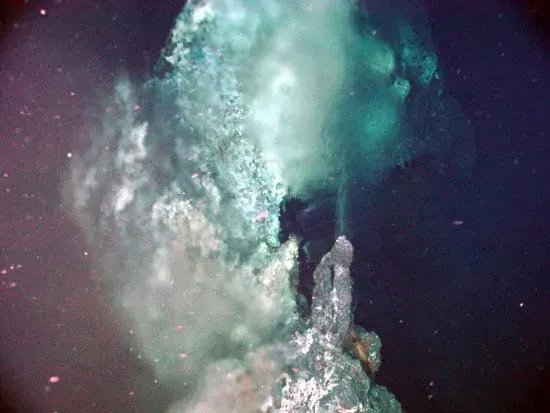
Now flip the setting completely and place yourself two or three kilometers under an ancient ocean, in pitch-black water where sunlight never reaches. On the seafloor, cracks in Earth’s crust spew out super-hot, mineral-rich fluids, creating towering chimneys called hydrothermal vents. In this theory, you do not need shallow ponds or sunlight at all; instead, you use steep chemical gradients and natural mineral structures around these vents as your engine for life’s first reactions.
Here, you can imagine microscopic pores inside vent minerals acting like tiny test tubes, trapping simple molecules and forcing them to interact. The temperature and chemistry change sharply over just fractions of a millimeter, giving you natural “batteries” that might push reactions forward. When you look at many modern microbes that thrive on chemical energy near vents, rather than on sunlight, you get the feeling that if life did not start there, it at least never forgot how to live there. This theory asks you to see life as a child of geology and chemistry first, not of sunshine and blue skies.
3. The RNA World: When Genes Came Before Cells
![3. The RNA World: When Genes Came Before Cells (Created with the rendering program Protein Explorer [1] using coordinates 1H38 deposited at the RCSB PDB repository. [2], Public domain)](https://nvmwebsites-budwg5g9avh3epea.z03.azurefd.net/dws/98ca9329b27a86a7345f503d20a5afa1.webp)
If you zoom in from oceans and vents to the level of molecules, another question hits you: what came first, the ability to store information or the ability to do chemistry? The RNA world idea tells you that a single type of molecule, RNA, might have done both jobs in the beginning. You already know DNA carries genetic information today and proteins do most of the chemical work; RNA sits awkwardly in the middle, able to store information and, surprisingly, also able to catalyze some reactions.
In an RNA world, you picture short RNA strands forming on early Earth, maybe on mineral surfaces or in tiny pools. Some of these strands would accidentally fold into shapes that help reactions happen faster, including copying themselves. If even a small fraction of these molecules could make rough copies of their own structure, you suddenly have inheritance, variation, and selection: the basic ingredients of evolution. This theory asks you to see life’s origin not as a single leap, but as a gradual rise of better and better self-copying molecules long before anything you would call a cell existed.
4. Metabolism-First: Networks Before Genes
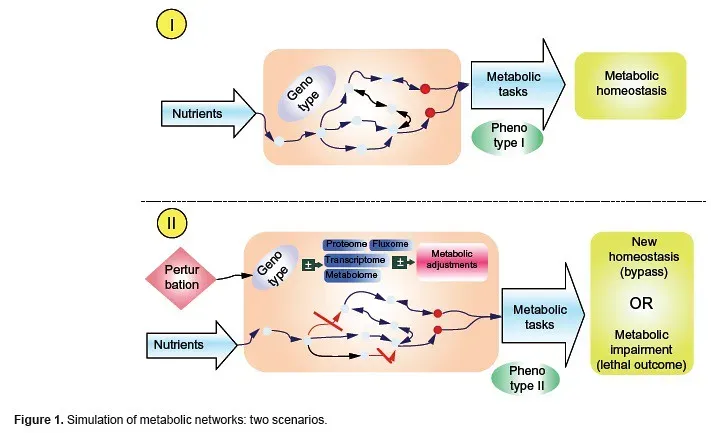
Another camp of thinkers flips that script and insists that you should start with metabolism, not genes. In this metabolism-first view, you imagine networks of simple chemical reactions crisscrossing in a particular environment, like around mineral surfaces or in vents, where energy and raw materials constantly flow. Instead of waiting for a miracle self-copying molecule, you first get stable reaction cycles that keep themselves going as long as fresh ingredients arrive.
When you think about it this way, life begins to look more like a self-sustaining flame than a single spark. These early metabolic networks might not have stored information the way DNA does, but they would have created a structured, repeating pattern of reactions. Later on, genetic molecules like RNA and DNA could have been added to this already humming system, acting like a powerful upgrade that allowed the chemistry to record what worked. In this theory, you are encouraged to see life’s origin less as a puzzle about a single molecule and more as a story about energy flows organizing matter step by tiny step.
5. Panspermia: Seeds of Life From Space
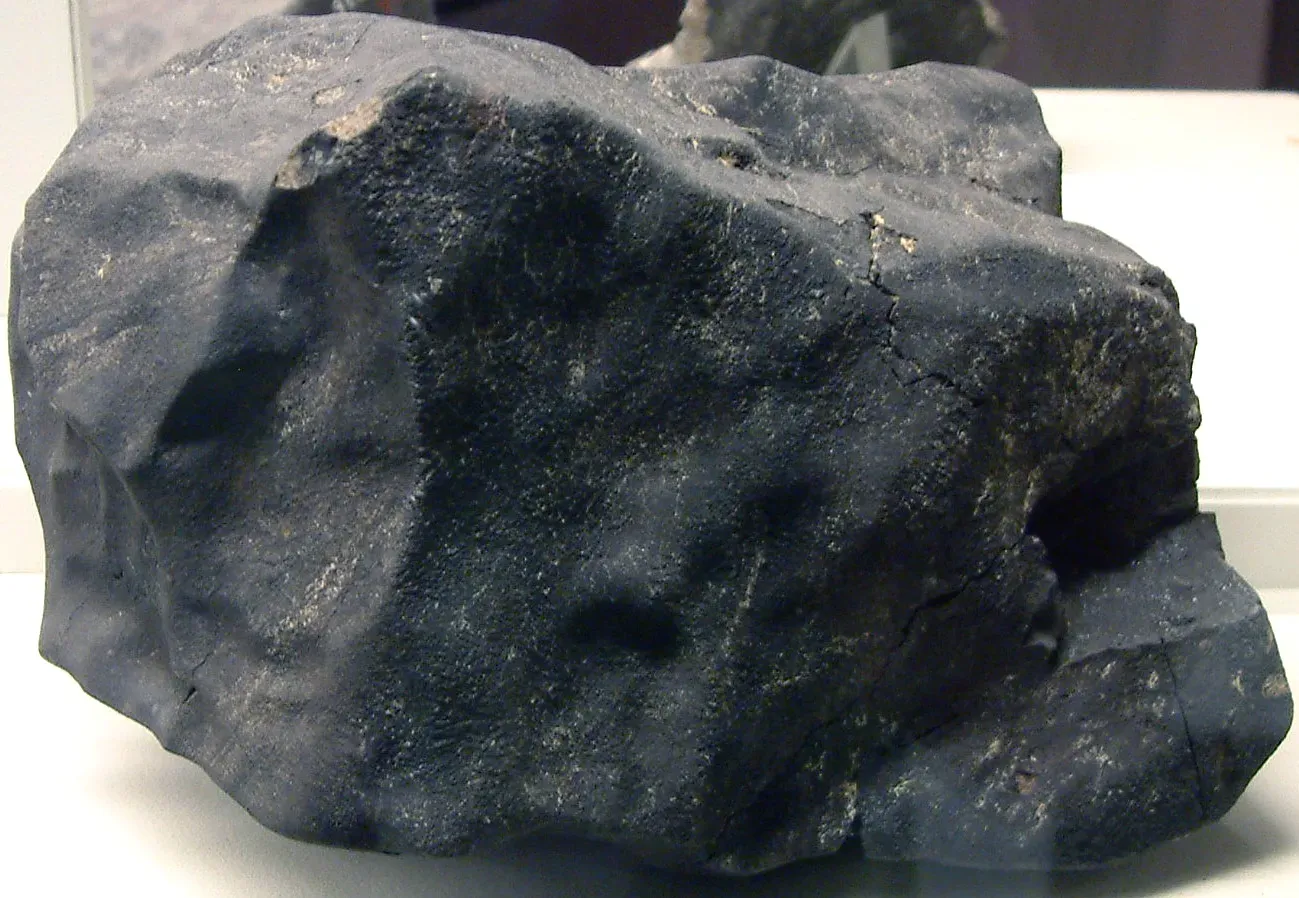
Some theories ask you to look not down into the oceans, but up into the sky. Panspermia suggests that the key ingredients for life, or even primitive life-forms themselves, might have come to Earth from space on comets, asteroids, or dust. When you learn that meteorites found on Earth contain amino acids and other organic compounds, and that simple molecules form naturally in interstellar clouds, you start to see the universe as a giant chemical workshop that was already busy long before Earth cooled.
You can even imagine hardy microbes trapped inside rocks blasted off another planet by an impact, drifting through space for long periods, then crashing onto a young Earth and finding conditions welcoming enough to continue. This idea does not really solve the ultimate question of how life started in the first place; instead, it shifts the location of that first step somewhere else in the cosmos. Still, it forces you to think bigger: maybe Earth was not alone in trying to invent life, and maybe the story started long before this planet was ready.
6. Clay and Mineral Templates: Crystals as Life’s First Scaffolds
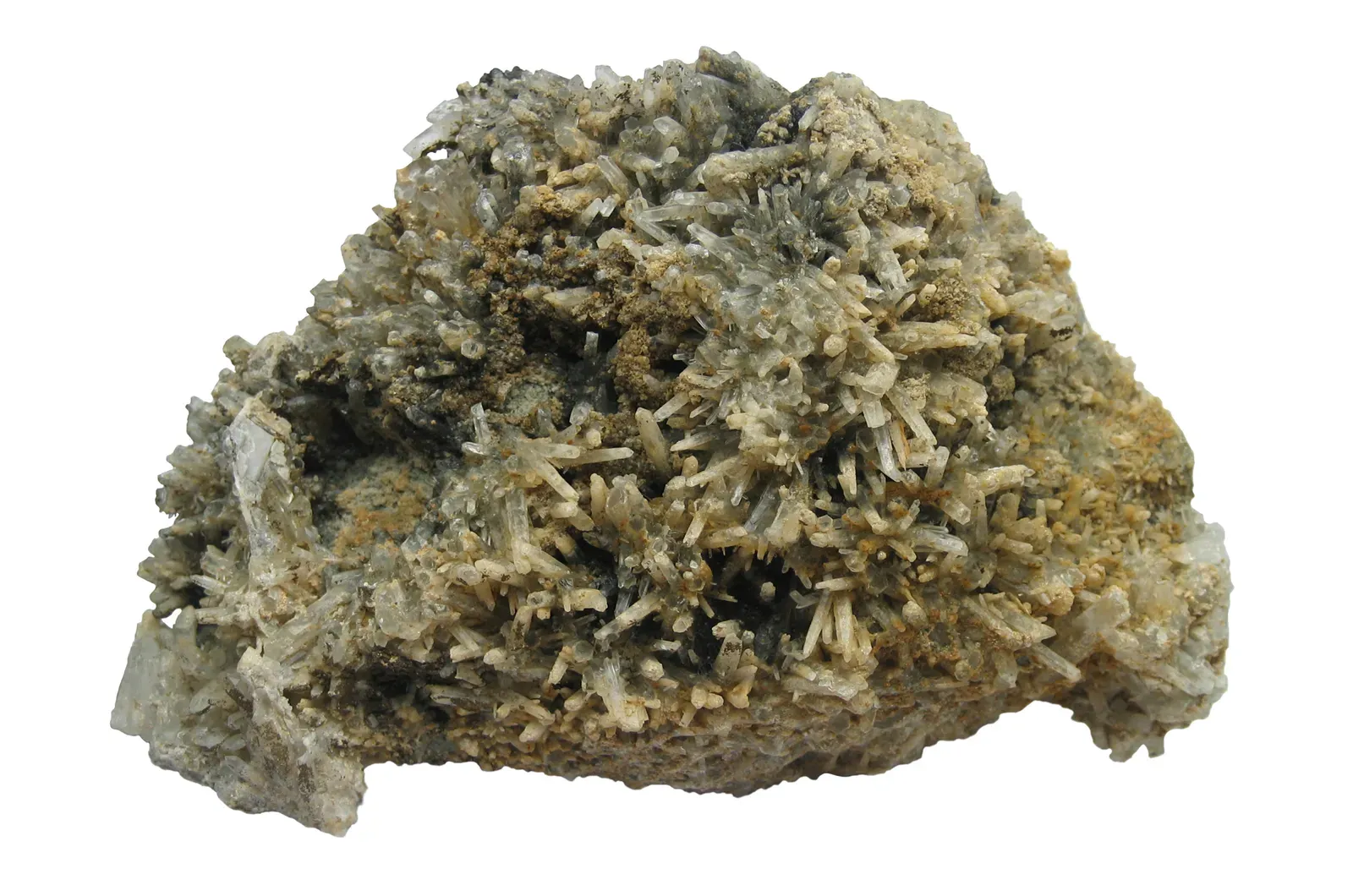
If you have ever seen clay dry and crack or watched crystals grow, you already know minerals can form repeating, orderly structures. Some researchers think you should treat these solid surfaces as scaffolds that helped organize early organic molecules. In this view, flat or layered minerals, especially certain clays, might have grabbed onto molecules from the primordial environment and lined them up in patterns that encouraged them to link together into longer chains.
This gives you a helpful visual: instead of molecules randomly bumping around in water, they are gently pinned and arranged on a mineral surface, like beads laid out on a board before you thread them into a necklace. The mineral patterns themselves might have acted like crude templates, guiding the shape of growing molecular chains. Over time, you could see complex molecules learning to copy patterns without the mineral, gradually becoming more independent. In this theory, you are invited to imagine rocks and crystals not as lifeless backdrops, but as active players that nudged chemistry toward complexity.
7. Lipid Worlds: Bubbles First, Chemistry Second
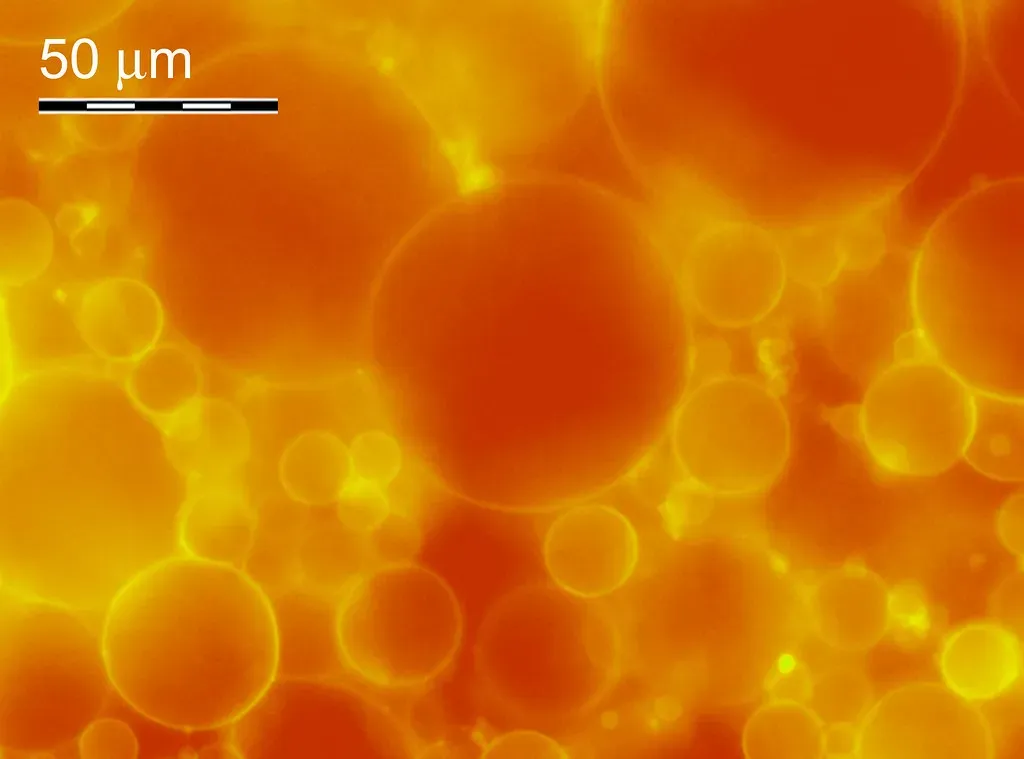
When you think of life, you probably picture cells: tiny bags of chemistry wrapped in membranes. The lipid world idea tells you that those bags might have arrived surprisingly early in the story, even before sophisticated genes or metabolism. Simple fatty molecules, which have a natural tendency to form bubbles in water, could have assembled themselves into little compartments called vesicles, trapping random mixtures of other molecules inside.
You can imagine hundreds of millions of these microscopic bubbles forming, swelling, dividing, and sometimes merging, all by basic physics and chemistry alone. Each bubble would have held a slightly different cocktail of molecules, and some mixtures would have accidentally supported more stable reactions inside. Over time, you would see a kind of natural selection of bubbles, where the combinations that kept their internal chemistry running would be more likely to persist. In this picture, the idea of a cell comes first: once you have a protected space, it becomes much easier for fragile chemistries to survive long enough to become something more like life.
8. The Iron–Sulfur World: Life on a Metal-Rich Stage
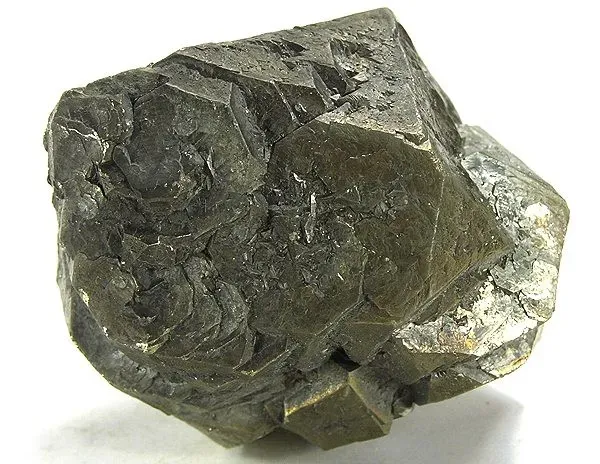
If you take the seafloor vent idea and zoom in on specific minerals, you arrive at the iron–sulfur world theory. Here, you imagine early Earth’s crust leaking out hot fluids rich in metals like iron and sulfur, which then reacted on the surfaces of minerals such as pyrite. These mineral surfaces could have provided not only structure but also chemical energy, because some reactions involving these metals release energy in a way that can drive other reactions forward.
In this scenario, you are encouraged to picture microscopic reaction factories spread across metallic surfaces, gradually stitching together more complex organic compounds. Some of the oldest metabolic pathways in modern cells still rely heavily on iron and sulfur, which gives you a hint that early life might have learned its tricks in a metal-heavy environment. This theory nudges you to view early Earth almost like a planet-sized laboratory bench, with metal-rich minerals acting as both the countertop and the power supply for primitive biochemical experiments.
9. Multiple Origins and Hybrid Scenarios: A Messy, Shared Beginning
As you compare all these ideas, you might feel tempted to crown one as the real answer, but the reality could be much messier and more interesting. Some scientists suggest that you should stop thinking in terms of a single theory winning and instead imagine overlapping processes happening in different places at roughly the same time. You could have organic molecules forming in the atmosphere and raining down into the oceans, complex chemistry around vents and minerals, and simple membranes popping up wherever the right fatty molecules collected.
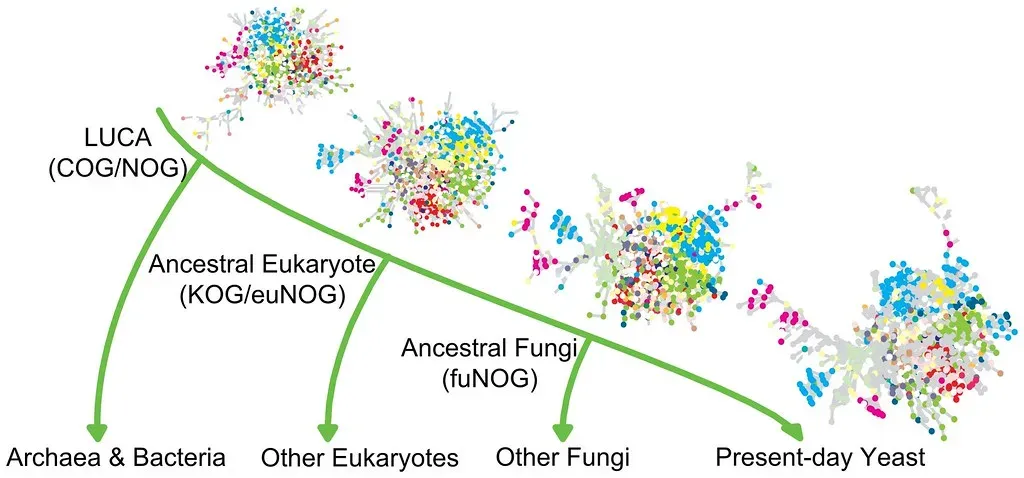
In this hybrid view, early life did not appear in one magic location but emerged from a network of environments feeding each other ingredients. Maybe RNA-like molecules first assembled on mineral surfaces, then got swept into fatty bubbles in shallow pools, while energy-rich chemistry near vents powered other steps. Over time, these separate lines of primitive chemistry might have merged, traded components, and eventually converged into something you would recognize as a common ancestor of all life. When you think this way, you see life’s origin less as a single eureka moment and more as a patchwork stitched together by countless small successes and failures.
10. The Slow, Uneasy Dawn: From Chemistry to Darwinian Evolution
All of these theories, different as they are, agree on one key point: before you had living cells, you had a long era of messy, imperfect chemistry. To cross the line into true life, you needed at least three things to come together: a way to store and copy information, a network of reactions to harvest energy and build new parts, and a protective compartment to keep everything close. No matter which path you favor, you are looking for the moment when these pieces started to support each other, so that successful combinations could persist and change over time.
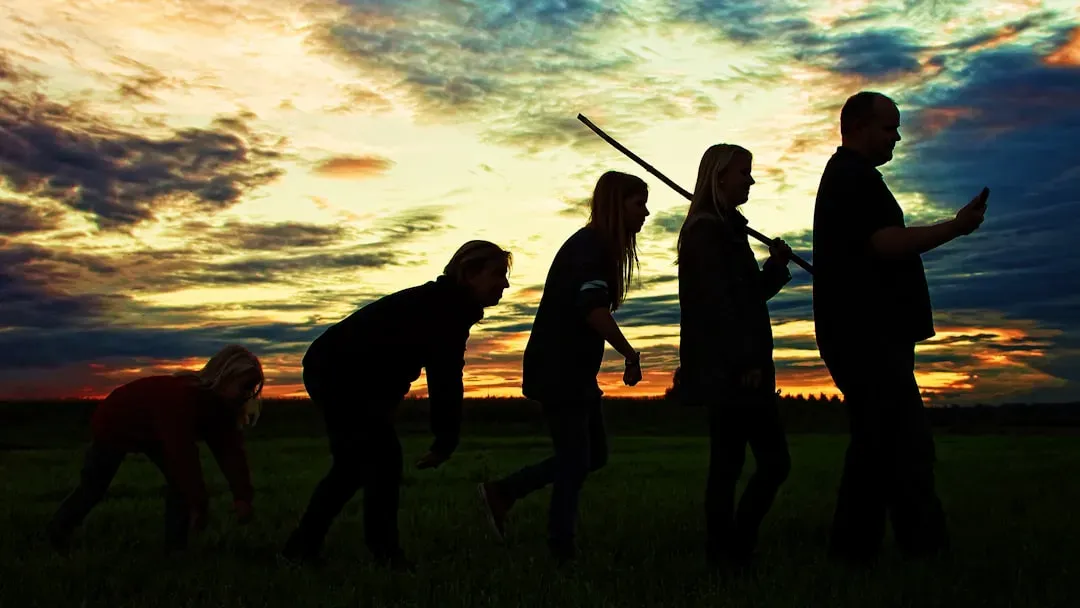
Once that happened, natural selection could kick in and begin sculpting better and better systems out of tiny random variations, just as it still does today. You can imagine a world where countless fragile proto-lives flickered into existence and vanished, while a few lucky combinations found enough stability to keep going. Over unimaginable spans of time, those survivors slowly turned into the robust, diverse life you see now, from bacteria to redwoods to humans. When you step back, you realize you are part of a story that began not with a single spark but with a long, uneven sunrise of chemistry learning how to persist.
Conclusion: Living on a Planet That Almost Did Not Wake Up
When you gather these ten ideas in your mind, you start to feel just how delicate and improbable your existence might be. Maybe life began in a warm little pool under a stormy sky, or deep in the dark embrace of the ocean floor, or with help from minerals and metals, or even with a nudge from space. More likely, you are looking at a tangled history where several of these paths fed into each other, each one contributing a piece to the puzzle until chemistry finally crossed the invisible border into biology.
You also realize that the mystery is not just about the past; it reshapes how you see the present and the future. If life can arise from non-life under the right conditions, then other worlds with oceans, energy, and rich chemistry might also be quietly running their own experiments right now. As you walk around on a planet that somehow woke up, you are living proof that this wild transition from chaos to consciousness actually happened at least once. Knowing that, how could you not look up at the night sky and wonder where else in the universe the same story might be just beginning?