You live on a continent that used to be a war zone of teeth, horns, clubs, and claws. Long before highways and cities, North America was split by an inland sea, rimmed by tropical coastlines, and crowded with animals so extreme they feel like bad science fiction. Yet they were all very real, and their bones are still buried under ordinary suburbs, ranches, and national parks today. In this tour, you are not just memorizing dinosaur names; you are walking through their world. You will meet predators that could bite through a car, plant‑eaters armored like tanks, and brainy raptors that hunted in packs. Each one dominated its landscape in a different way, and together they tell you how wild your continent used to be.
Tyrannosaurus rex – Apex Tyrant of the Late Cretaceous
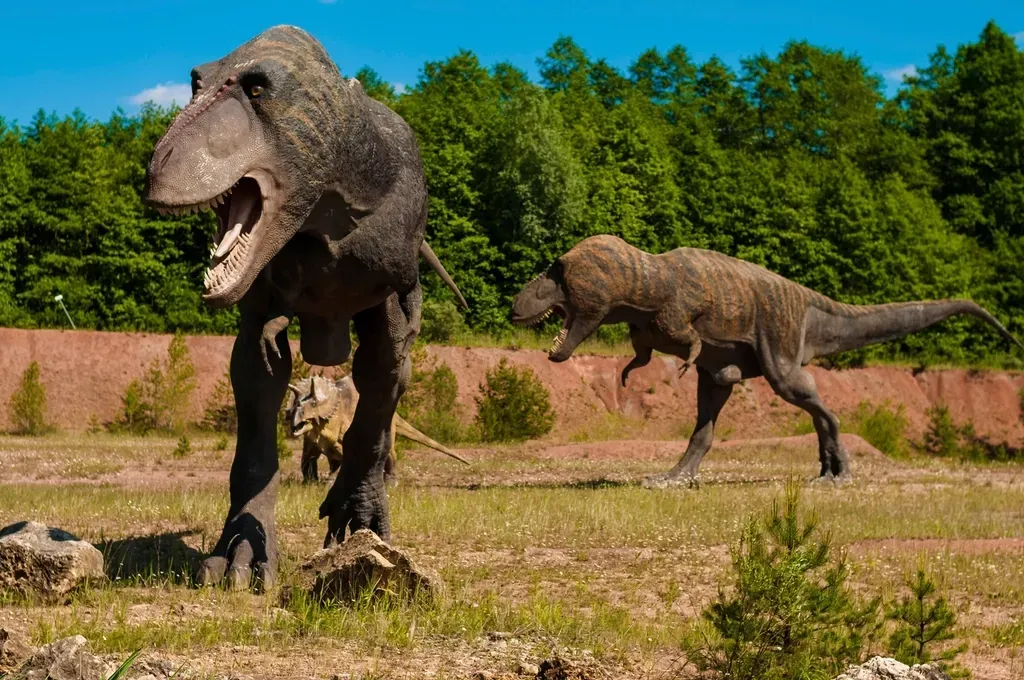
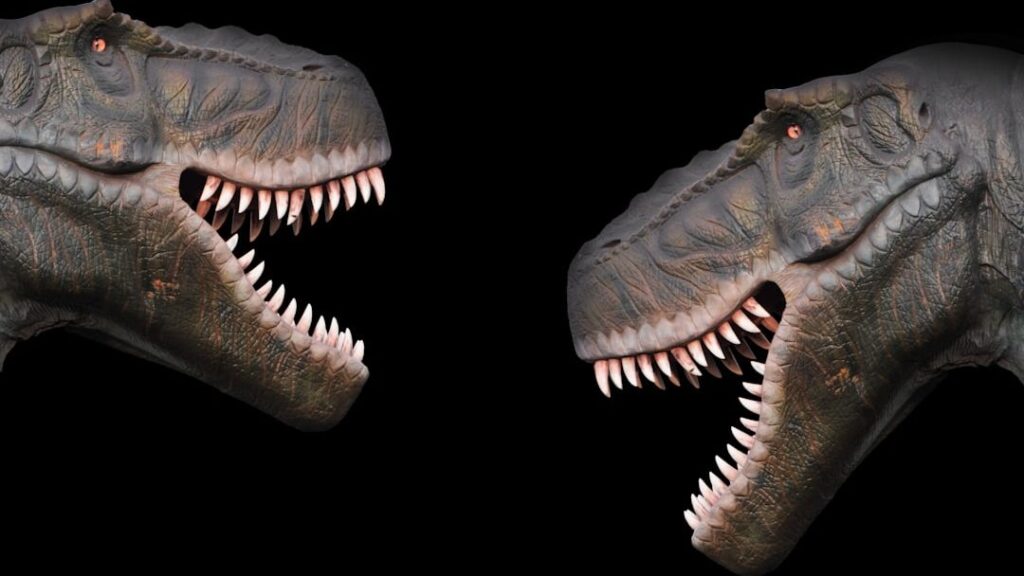
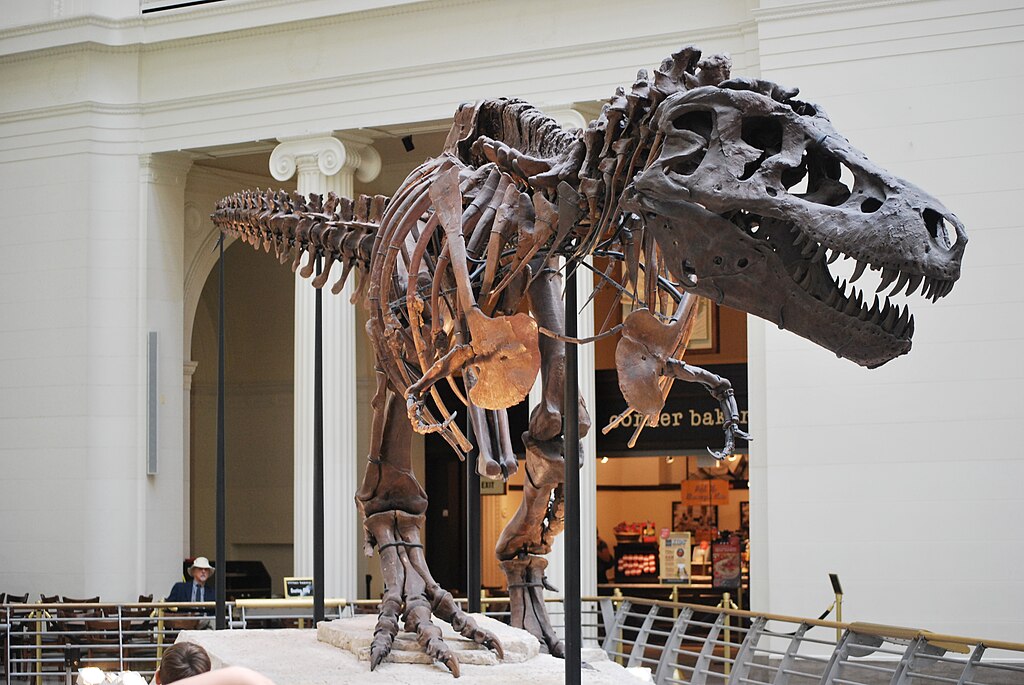
You already know Tyrannosaurus rex as the star of movies, but if you strip away the hype, it is still more terrifying than you probably imagine. In western North America around the very end of the Cretaceous, you would have seen T. rex stalking floodplains as one of the largest land predators known, stretching more than forty feet from snout to tail and weighing many tons. Its massive skull and thick, banana‑shaped teeth were built not just to cut, but to crush bone, giving it one of the strongest bite forces of any land animal in Earth’s history. ([en.wikipedia.org](https://en.wikipedia.org/wiki/Tyrannosauridae?utm_source=openai)) If you stood on those ancient plains, you would have watched T. rex sharing the landscape with armored Ankylosaurus and horned Triceratops, and it likely hunted or scavenged their huge carcasses. Fossils show forward‑facing eyes for stereo vision, a keen sense of smell, and long, powerful legs that could drive short bursts of surprising speed for such a heavy animal. ([reddit.com](https://www.reddit.com/r/Naturewasmetal/comments/1rb707q/large_theropods_that_stalked_north_america/?utm_source=openai)) In that Late Cretaceous ecosystem, everything larger than a pickup truck lived in the shadow of this predator; it did not just survive in its world, it defined the top of the food chain.
Triceratops – Horned Heavyweight of the Western Plains
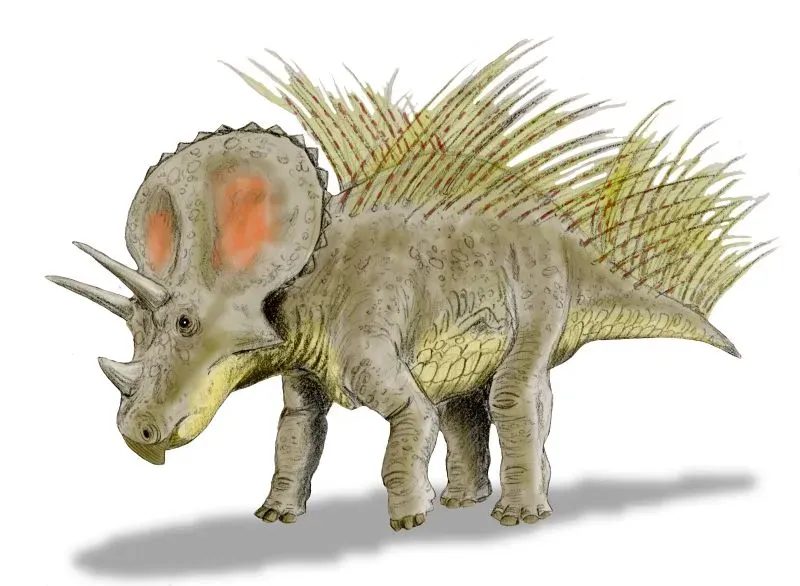
If T. rex was the terror, Triceratops was the tank you absolutely did not want to mess with. Living in roughly the same time and place as T. rex, this massive herbivore carried three sharp facial horns and a broad bony frill that could shield its neck and support huge jaw muscles. Adults reached lengths similar to a small bus, with a body plan that feels like a mix between a rhino and a bulldozer. ([nhm.ac.uk](https://www.nhm.ac.uk/discover/what-is-the-biggest-dinosaur.html?utm_source=openai)) When you picture the Late Cretaceous landscape of western North America, you should imagine herds of Triceratops browsing low vegetation, using their beaks and shearing teeth to slice through tough plants. Bite marks and healed injuries on skulls hint that clashes with predators – and maybe even horn‑to‑horn combat between rivals – were part of daily life. ([fossilera.com](https://www.fossilera.com/pages/top-10-most-iconic-dinosaurs?utm_source=openai)) If you were unlucky enough to threaten a Triceratops, those horns could turn you into a statistic in seconds, which helps explain why such a massive herbivore thrived right alongside one of the most powerful carnivores ever.
Ankylosaurus – Living Tank with a Bone‑Crushing Tail
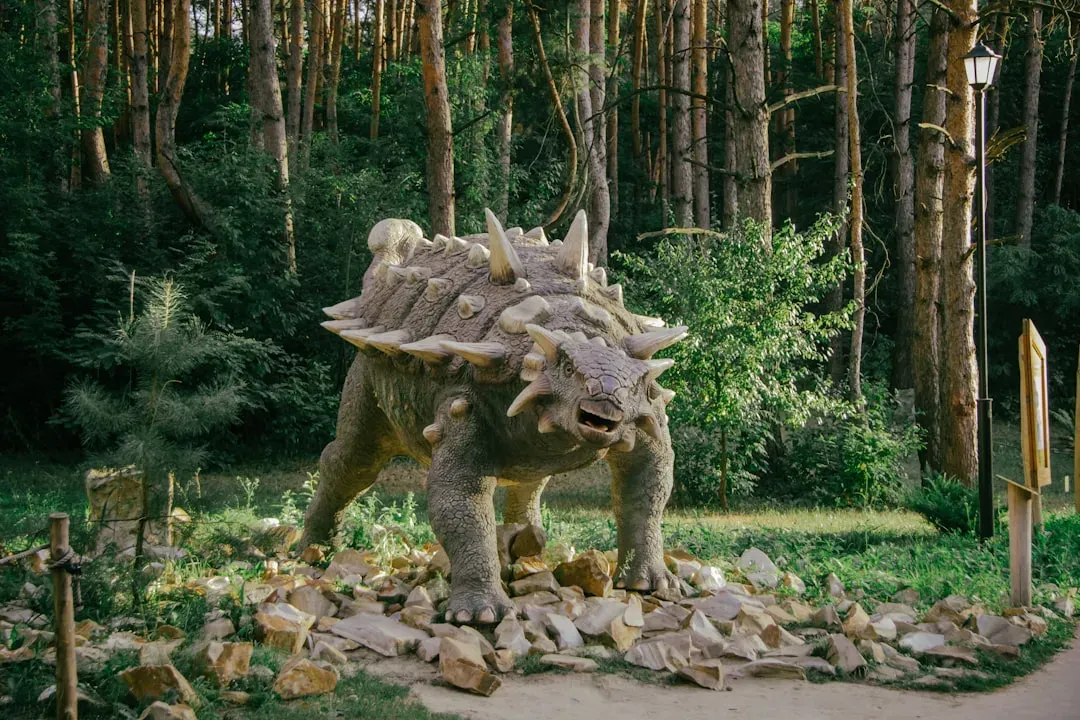
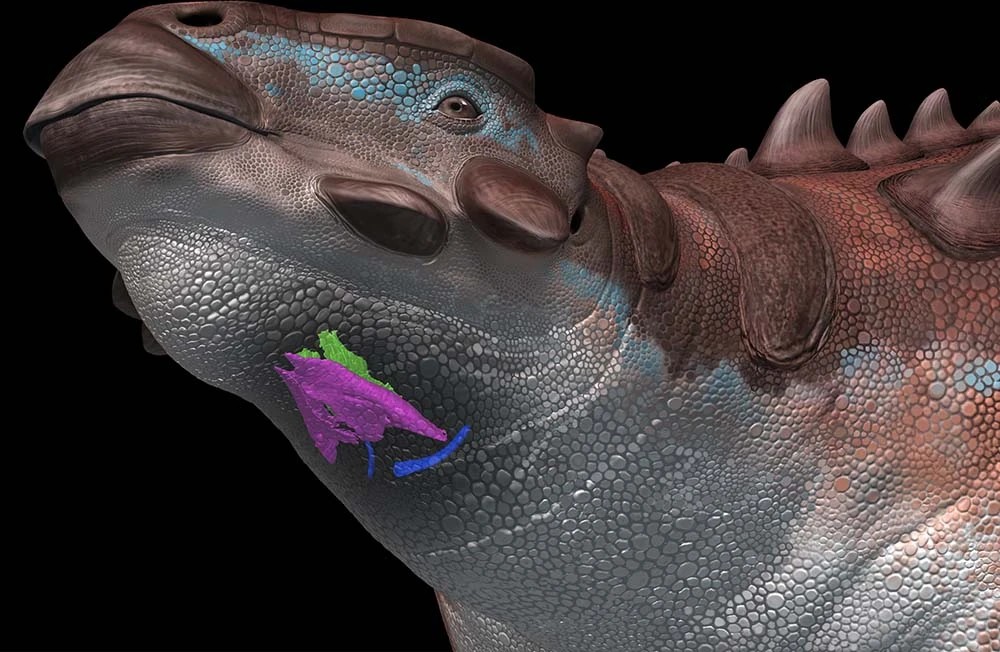
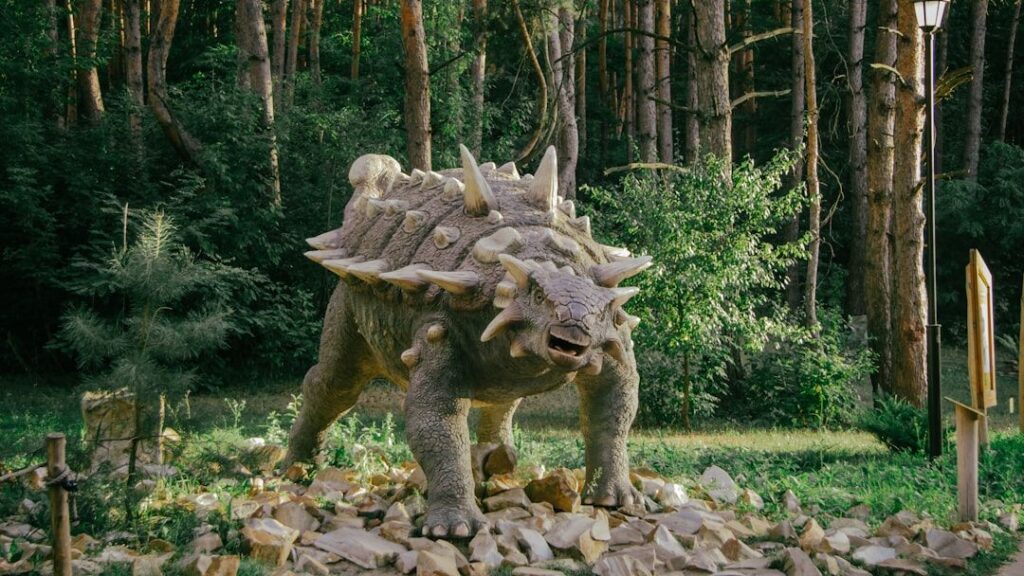
Ankylosaurus takes the idea of self‑defense to absurd levels. Imagine walking up to a low‑slung, wide‑bodied dinosaur covered in heavy armor plates and knobs of bone from neck to tail, like a reptilian war machine creeping across Late Cretaceous North America. At the tip of its tail, it carried a huge bony club, grown from fused vertebrae and wrapped in tough tissue, ready to swing like a sledgehammer at anything foolish enough to get close. ([en.wikipedia.org](https://en.wikipedia.org/wiki/Ankylosaurus?utm_source=openai)) If you watched a T. rex circle an Ankylosaurus, you would probably bet on the armor working at least some of the time. Studies suggest the tail club could deliver blows strong enough to crack bone, and the low center of gravity made this dinosaur hard to flip or topple. While it moved slowly and ate plants, its full‑body armor and weaponized tail gave it the kind of security system that makes you wonder if evolution occasionally goes overboard. ([sciencenewstoday.org](https://www.sciencenewstoday.org/10-most-famous-dinosaurs-ever-discovered-in-north-america?utm_source=openai))
Edmontosaurus – Hadrosaur Workhorse of the Northern Coasts
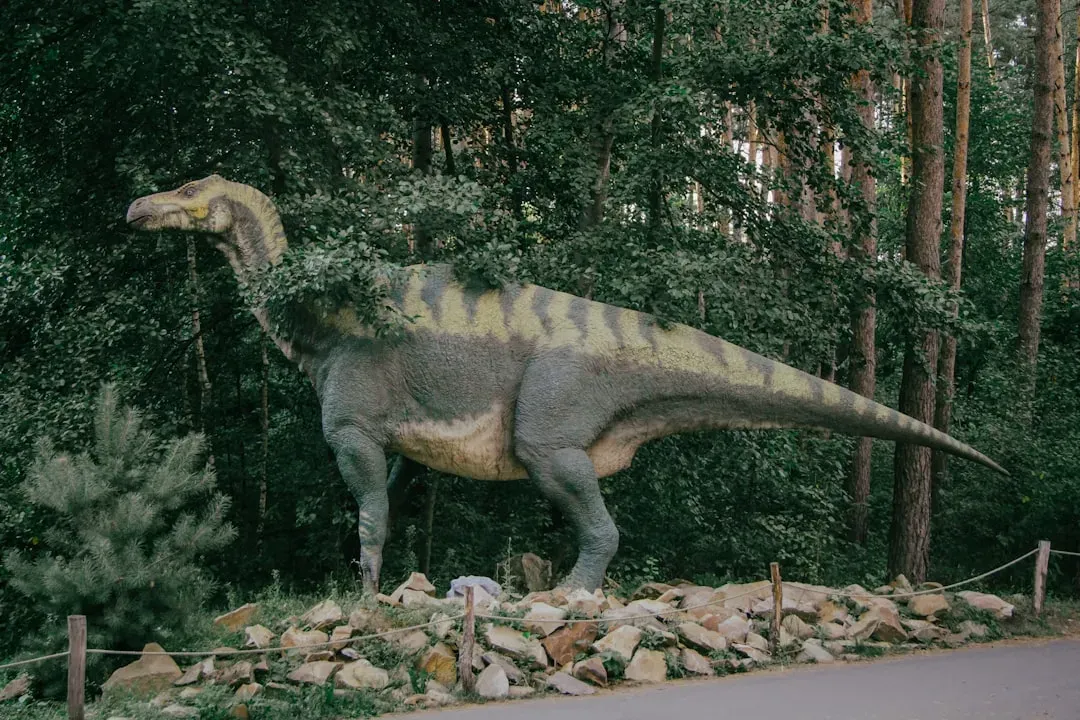
Edmontosaurus might not look as flashy as a horned or armored dinosaur, but in Late Cretaceous North America, it was one of the true powerhouses of the ecosystem. This large duck‑billed hadrosaur could reach lengths comparable to a city bus, with a long, muscular tail and strong legs that let it move efficiently in herds across coastal plains and river floodplains. Instead of horns or clubs, it relied on numbers, speed, and a battery of hundreds of closely packed teeth that constantly replaced themselves, perfect for grinding tough plant material. ([en.wikipedia.org](https://en.wikipedia.org/wiki/Edmontosaurus?utm_source=openai)) If you looked out over a Cretaceous shoreline in what is now western North America, you would likely see groups of Edmontosaurus grazing like prehistoric cattle, raising their heads in unison when a predator approached. Fossils from formations like Hell Creek show that Edmontosaurus lived alongside Triceratops, Ankylosaurus, Pachycephalosaurus, and T. rex at the very end of the dinosaur era, making it one of the last successful plant‑eaters before the mass extinction. ([geol.umd.edu](https://www.geol.umd.edu/~tholtz/G104/handouts/104usnm111.pdf?utm_source=openai)) In many ways, if T. rex was the headline act, Edmontosaurus was the steady background presence that kept the ecosystem running.
Pachycephalosaurus – Dome‑Headed Brawler of the Late Cretaceous
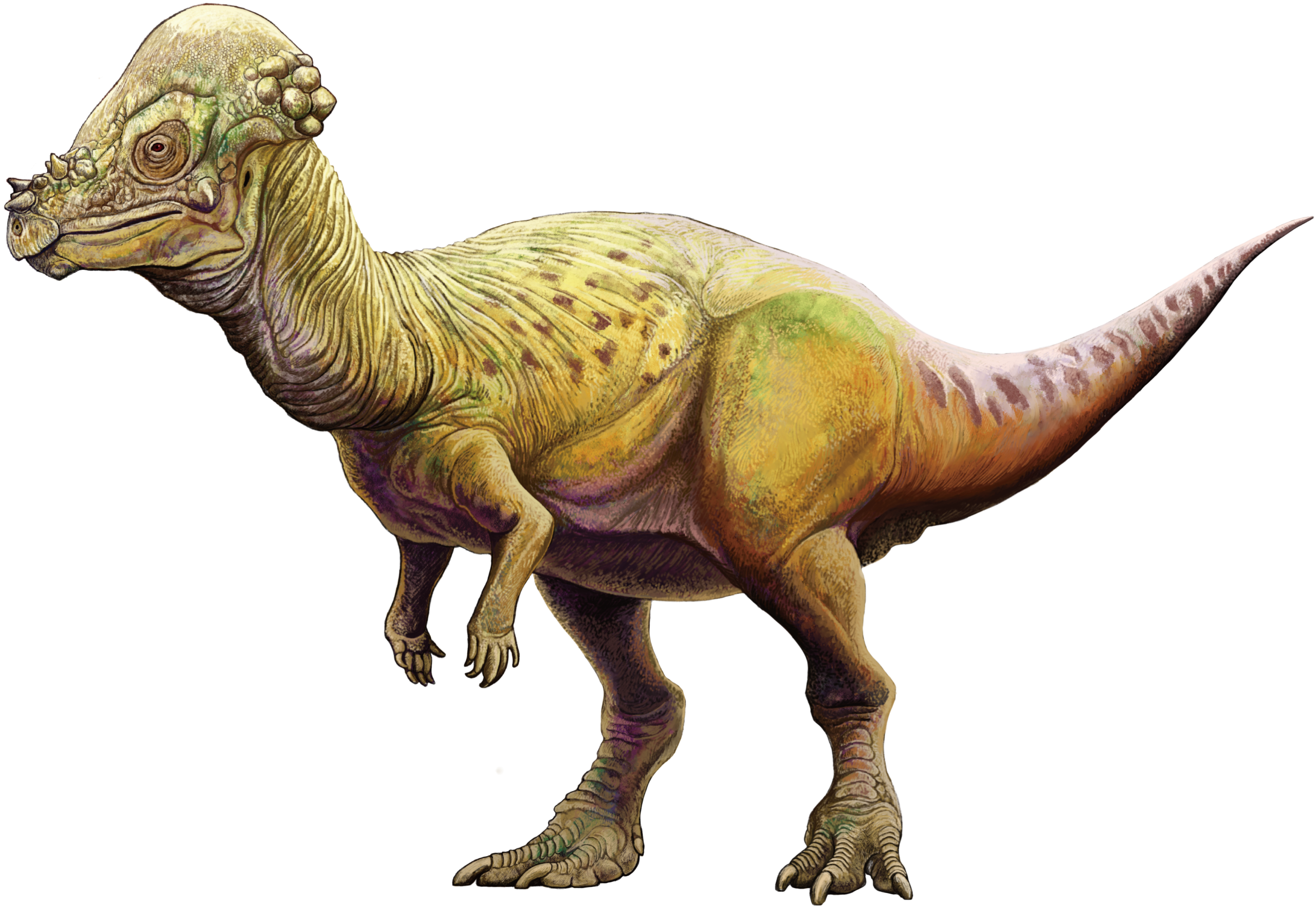
When you first hear about Pachycephalosaurus, it sounds like a joke: a dinosaur famous mainly for having an absurdly thick skull. But when you look closer, that domed skull roof, sometimes more than six inches thick, starts to feel like a serious piece of equipment. Living in the same Late Cretaceous landscapes as Edmontosaurus and Triceratops, Pachycephalosaurus walked on two legs, had a relatively small body, and carried this bony helmet surrounded by knobs and little spikes. ([en.wikipedia.org](https://en.wikipedia.org/wiki/Pachycephalosaurus?utm_source=openai)) You often see it described as a head‑butter, and many paleontologists interpret the dome as a structure for intraspecies combat, something like modern bighorn sheep or muskoxen slamming heads for dominance or mating rights. Even if head‑butting was more sideways shoving than direct ramming, you can imagine these dinosaurs facing off and crashing together on a forested hillside. ([en.wikipedia.org](https://en.wikipedia.org/wiki/Pachycephalosaurus?utm_source=openai)) In a world with giant predators and massive herbivores, Pachycephalosaurus carved out its niche as a medium‑sized browser armed not with horns or armor plates, but with a built‑in battering ram on top of its skull.
Parasaurolophus – The Crested Trumpeter of Ancient River Valleys
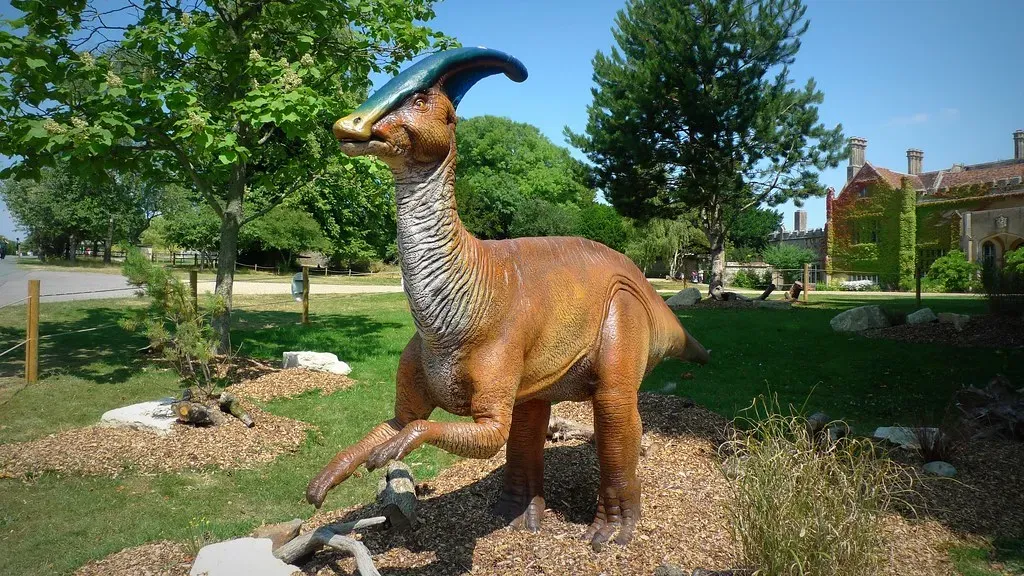
If you want a dinosaur that looks like it walked out of concept art, Parasaurolophus is your pick. This duck‑billed hadrosaur lived in what is now North America during the Late Cretaceous, carrying a long, backward‑sweeping bony crest that extended from its skull like a curved horn. That crest was hollow, with complex internal passages connecting to the nasal cavity, and many researchers think it functioned as a sound system, turning the dinosaur into a living wind instrument. ([revlox.com](https://www.revlox.com/science/top-20-dinosaur-species-a-detailed-exploration-of-earths-prehistoric-giants/?utm_source=openai)) Picture yourself along a Cretaceous river at dusk, hearing deep, resonant calls echoing across the floodplain as Parasaurolophus herds kept in contact or signaled to one another through the trees. The crest may also have served for visual display, helping individuals recognize species or even signal age and sex, much like bright plumage in modern birds. ([sciencenewstoday.org](https://www.sciencenewstoday.org/10-most-famous-dinosaurs-ever-discovered-in-north-america?utm_source=openai)) In an environment full of predators, having both a loud voice and a striking profile was not just for show; it was part of a sophisticated communication system that helped these dinosaurs thrive together.
Allosaurus – Jurassic Hunter of Western North America
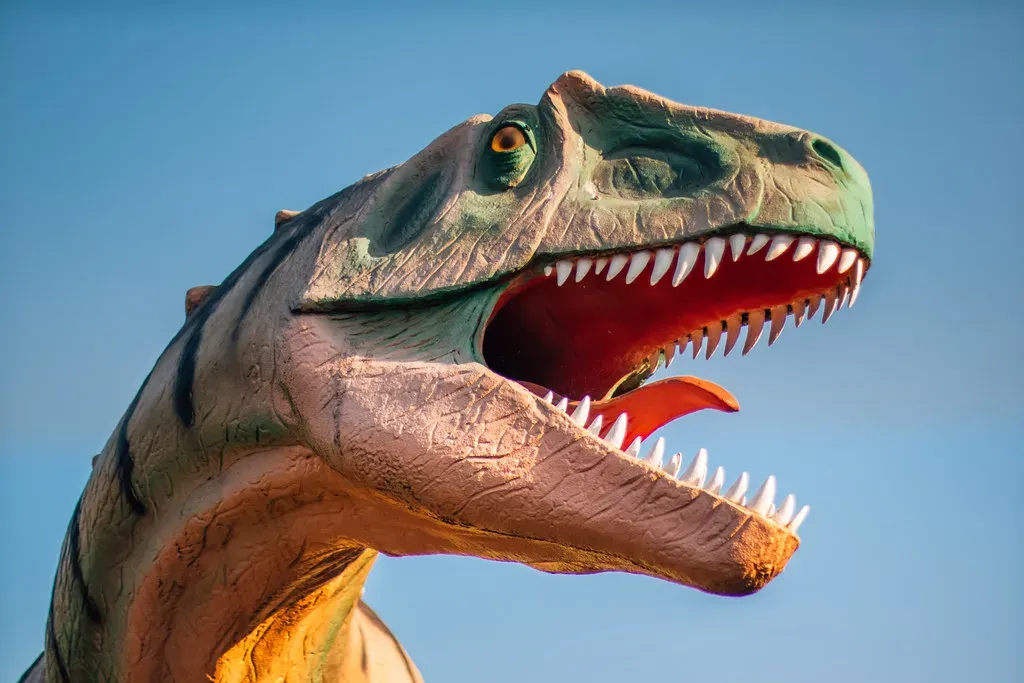
Long before T. rex dominated the Late Cretaceous, Allosaurus filled a similar role in the Late Jurassic West. In what is now the Morrison Formation of the United States, Allosaurus was one of the main large predators, hunting or scavenging among herds of long‑necked sauropods and plated stegosaurs. It was smaller than T. rex but still a serious carnivore, with a lighter skull and blade‑like teeth that suggest a different hunting style focused on slashing rather than pure crushing power. ([thoughtco.com](https://www.thoughtco.com/most-important-dinosaurs-of-north-america-1092055?utm_source=openai)) If you imagine the Jurassic as a time of giant, slow‑moving plant‑eaters, Allosaurus is the counterweight that kept that world from becoming too peaceful. Fossils show strong neck and jaw muscles, and its three‑fingered hands carried large claws that may have helped it grip struggling prey. ([nps.gov](https://www.nps.gov/subjects/fossils/major-groups-of-dinosaurs.htm?utm_source=openai)) In your mental map of prehistoric America, Allosaurus tells you that top predators had already perfected their role tens of millions of years before T. rex ever hatched.
Utahraptor – Giant Raptor of the Early Cretaceous
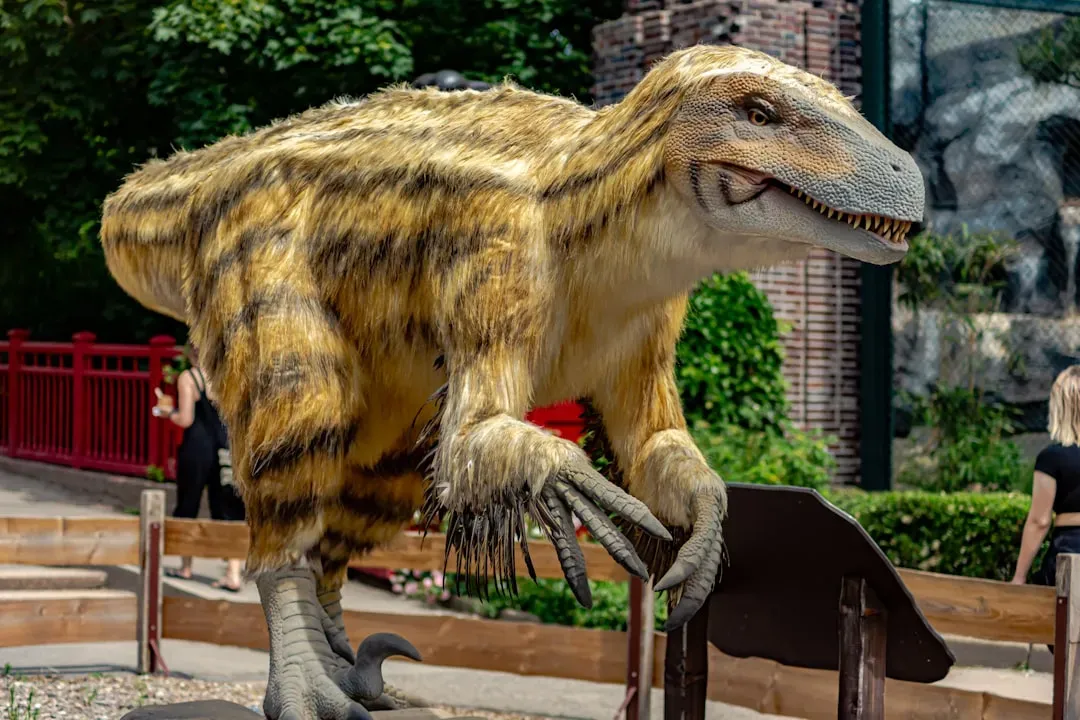
If you grew up hearing about Velociraptor as a man‑sized super‑predator, Utahraptor is the real North American raptor that actually earns that reputation. Living in what is now Utah during the Early Cretaceous, roughly between about 139 and 135 million years ago, Utahraptor was the largest known dromaeosaurid, reaching around six meters in length and weighing several hundred kilograms. It carried the signature curved sickle claw on each foot, likely using it to grip, slash, or pin down prey. ([en.wikipedia.org](https://en.wikipedia.org/wiki/Utahraptor?utm_source=openai)) You can picture Utahraptor moving through semi‑arid landscapes and wooded areas, hunting medium to large herbivores like early iguanodonts and armored dinosaurs. Fossil evidence of multiple individuals preserved together has led some scientists to propose at least loosely social behavior, suggesting that you might have seen groups of Utahraptors working the same area, though exactly how coordinated they were is still debated. ([en.wikipedia.org](https://en.wikipedia.org/wiki/Utahraptor?utm_source=openai)) Either way, this was not a nimble little hunter; it was a heavyweight raptor that made its corner of prehistoric America genuinely dangerous.
Deinonychus – The Raptor That Changed How You See Dinosaurs
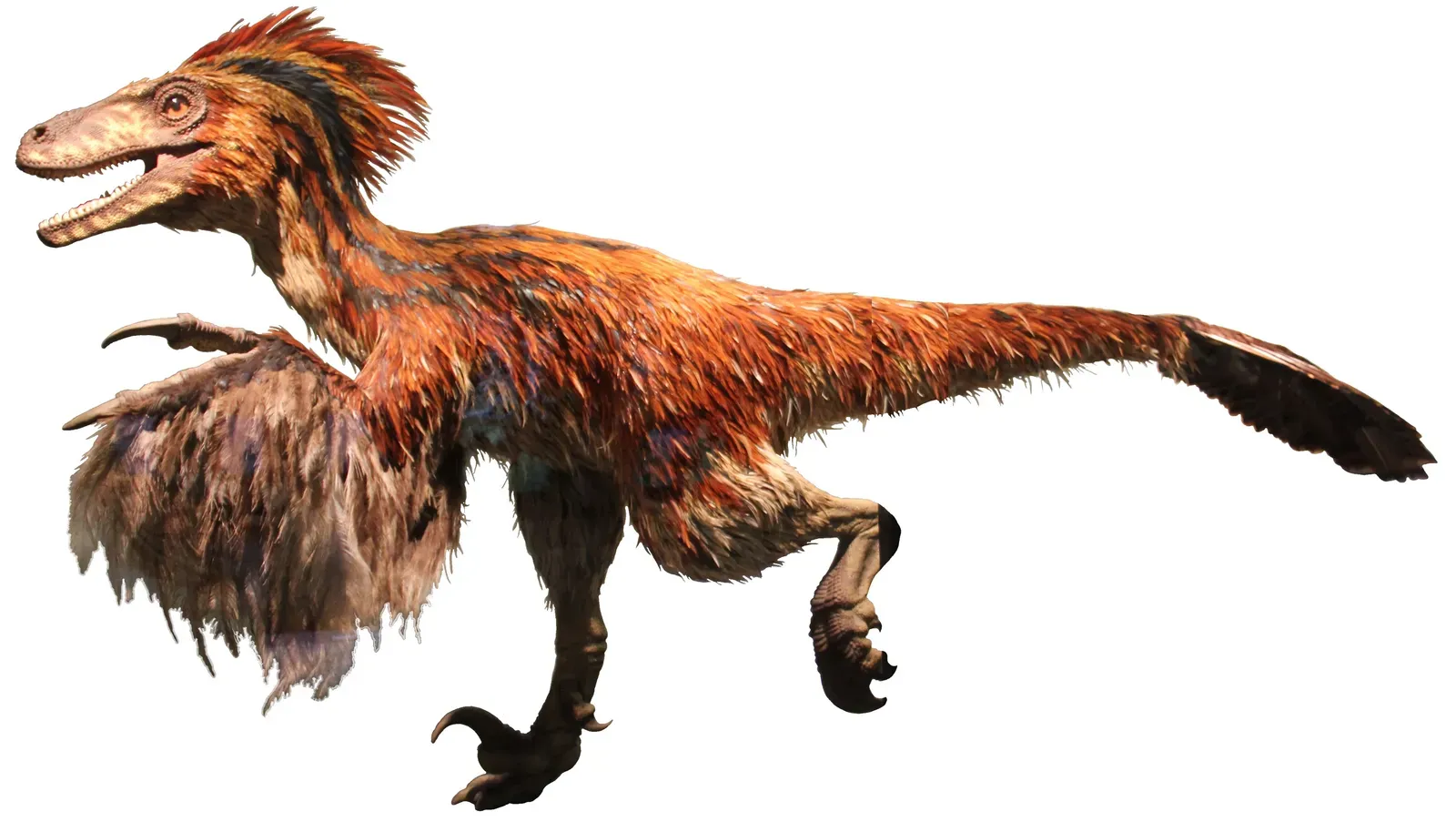
When paleontologists first studied Deinonychus in the late twentieth century, it completely reshaped how you think about dinosaurs. Found in Early Cretaceous rocks of North America, Deinonychus was not huge, but it was built like an athlete: long, powerful legs, grasping hands, a stiffened tail for balance, and that famous recurved sickle claw on each hind foot. Its body proportions and joint anatomy made it clear this was an active, agile predator, not a sluggish reptile. ([thoughtco.com](https://www.thoughtco.com/most-important-dinosaurs-of-north-america-1092055?utm_source=openai)) If you placed yourself along a muddy Cretaceous riverbank in what is now the United States, you might watch a group of Deinonychus stalking larger plant‑eaters, perhaps testing herds of ornithopods for weakness. Their sharp, serrated teeth and strong jaws were more than a backup weapon; combined with quick reflexes, they turned these animals into pack hunters in many interpretations, though the exact level of cooperation is still debated. ([kids.britannica.com](https://kids.britannica.com/students/article/dinosaurs-at-a-glance/626740?utm_source=openai)) This dinosaur, more than almost any other, forced scientists – and then the public – to see dinosaurs as dynamic, bird‑like animals rather than slow, cold‑blooded monsters.
Alamosaurus – The Titan of the Southwestern Deserts
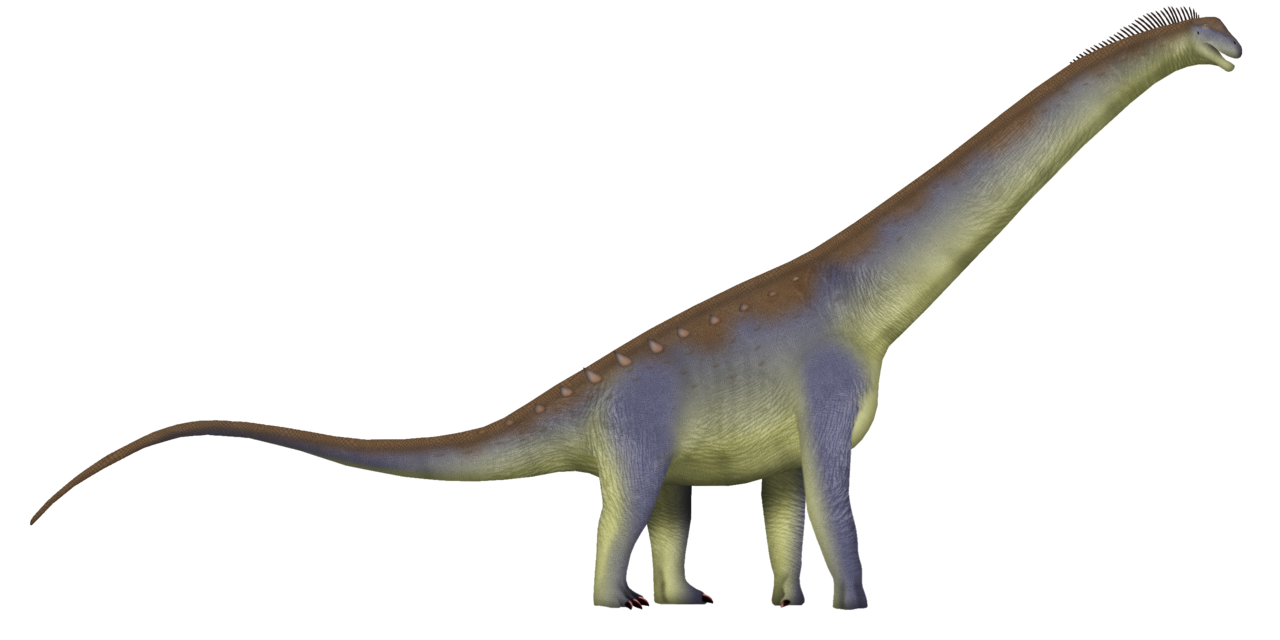
When you think of gigantic sauropods, you might picture South America, but North America had its own titans, and Alamosaurus was one of the biggest. This long‑necked, long‑tailed titanosaur lived in the southwestern part of the continent during the very latest Cretaceous, after a long gap where giant sauropods were scarce in North America. Fragmentary but massive vertebrae and limb bones suggest sizes approaching some of the largest known sauropods on Earth, making it a serious contender for the title of North America’s biggest dinosaur. ([en.wikipedia.org](https://en.wikipedia.org/wiki/Alamosaurus?utm_source=openai)) If you stood in those ancient semi‑arid landscapes, you would see Alamosaurus towering above other herbivores, stripping high vegetation that no hadrosaur or ceratopsian could reach. Its presence also meant that predators like T. rex had access to truly enormous prey, especially juveniles and subadults, adding another layer to the food web at the end of the dinosaur era. ([reddit.com](https://www.reddit.com/r/Naturewasmetal/comments/1rb707q/large_theropods_that_stalked_north_america/?utm_source=openai)) In a sense, Alamosaurus represents the last gasp of North America’s giant long‑necks before the asteroid impact ended the age of non‑avian dinosaurs.
Bringing Prehistoric America into Focus
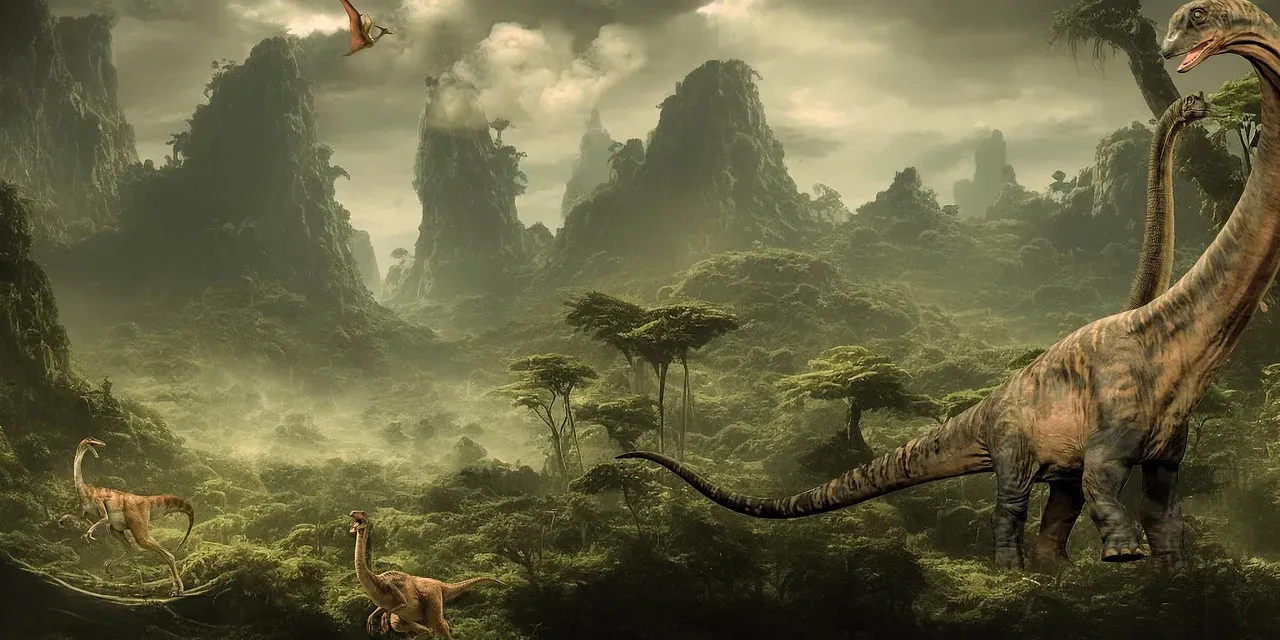
When you line up these ten dinosaurs – predators, horned tanks, armored clubs, crested trumpeters, dome‑headed brawlers, and long‑necked titans – you begin to see prehistoric America as a series of overlapping worlds, not a single frozen scene. In the Jurassic, you would have watched Allosaurus stalk sauropods; in the Early Cretaceous, raptors like Utahraptor and Deinonychus took center stage; by the Late Cretaceous, T. rex, Triceratops, Ankylosaurus, Edmontosaurus, Parasaurolophus, Pachycephalosaurus, and Alamosaurus ruled a landscape that felt both familiar and alien. Each animal solved the problems of survival – eating, avoiding being eaten, reproducing – in a different way, leaving behind bones that let you reconstruct their stories. You also see how much of this drama played out on the same ground where you now drive, hike, and build houses. Places in the western United States and Canada that look like quiet badlands or rolling prairie once echoed with calls from hadrosaurs, the impacts of horned dinosaurs clashing, and the heavy footfalls of massive predators and sauropods. Learning about these creatures is not just about memorizing strange names; it is about realizing that your continent has a deep, wild history written in stone beneath your feet. So the next time you step outside, will you picture only the present, or will you let your mind wander back to the age when America belonged to the dinosaurs?