
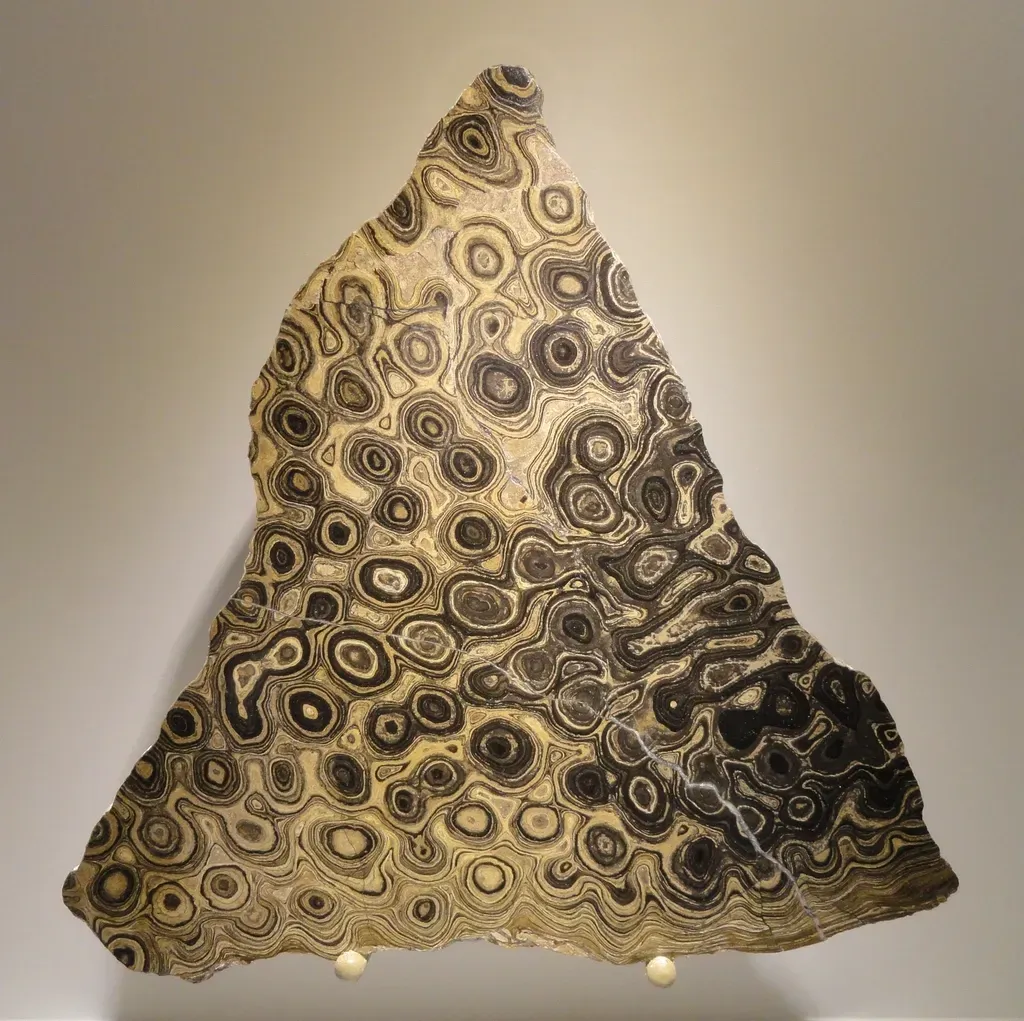
You tend to think of Earth as a place of forests, animals, and people, but the real veterans of this planet are tiny, stubborn, and almost unimaginably old. Long before anything with a face or a flower existed, microscopic life forms had already survived disasters that would wipe you out in seconds. When you look at the story of life through their eyes, everything you know about “old” suddenly feels brand new.
As you explore these ancient survivors, you start to see Earth less like a static rock in space and more like a constantly shifting battlefield where only the toughest make it through. These earliest life forms are not just dusty relics from the past; they still shape the air you breathe, the ground you walk on, and even the technology you use. By the time you finish reading, you might realize that the true rulers of this planet are not the biggest or the smartest – but the ones that simply refused to die.
You’re Sharing the Planet with Life That’s Billions of Years Old
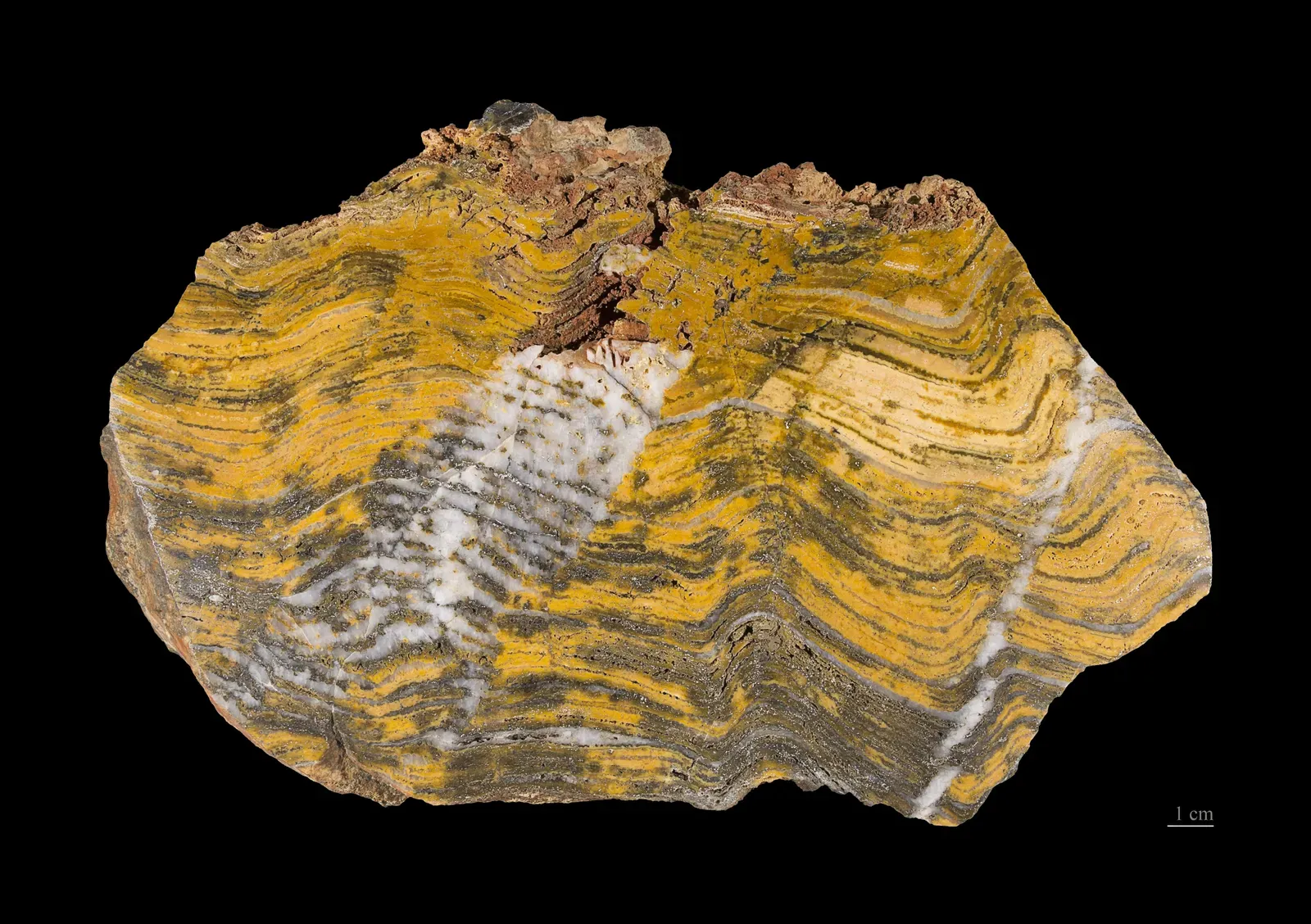
If you could rewind Earth’s history like a movie, you’d have to go back more than three and a half billion years before you’d start to see the first traces of life. Scientists have found fossil evidence of ancient microbial communities in rocks that are roughly about three and a half to nearly four billion years old, meaning life appeared surprisingly early after Earth cooled enough to hold oceans. You live in a world where the basic idea of “being alive” was already tested, refined, and stubbornly persistent long before continents, trees, or animals existed.
What makes this so astonishing is how quickly life seems to have emerged once conditions became even barely tolerable. Instead of being a rare, fragile accident, life on early Earth behaved more like a determined invader, seizing every possible niche it could. When you look at it that way, you are not the pinnacle of life’s story – you’re a very new chapter in a book that started long before your entire species, or even your kind of biology, was imaginable.
Stromatolites: You Can Still See Ancient Microbial Cities Today
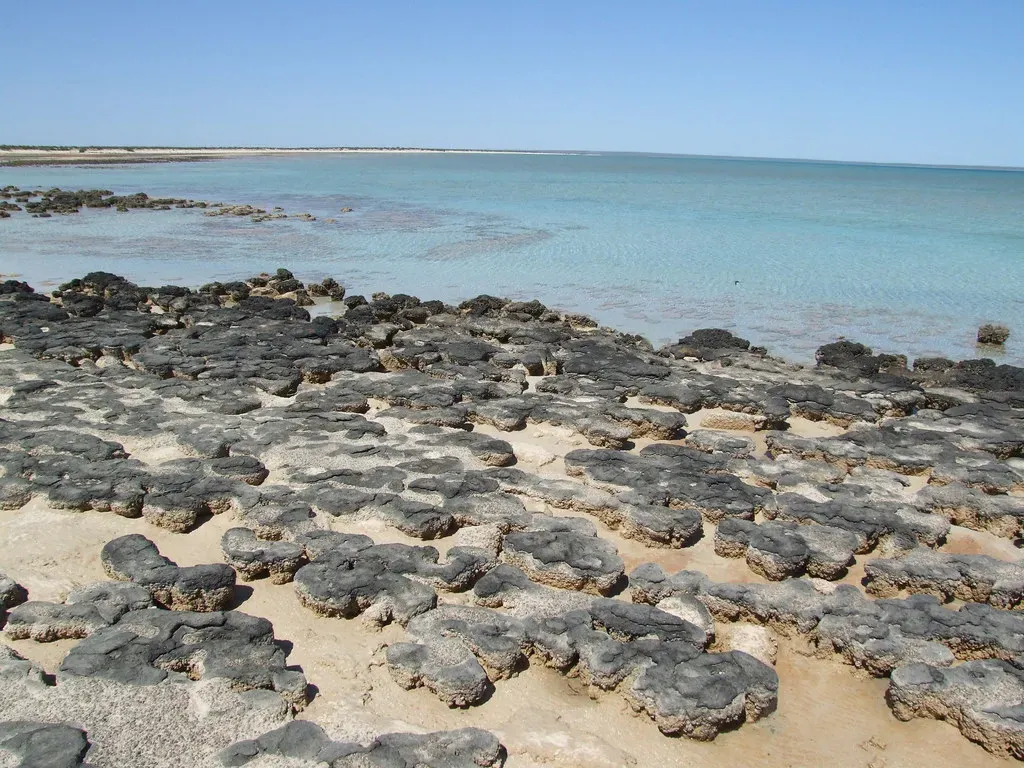
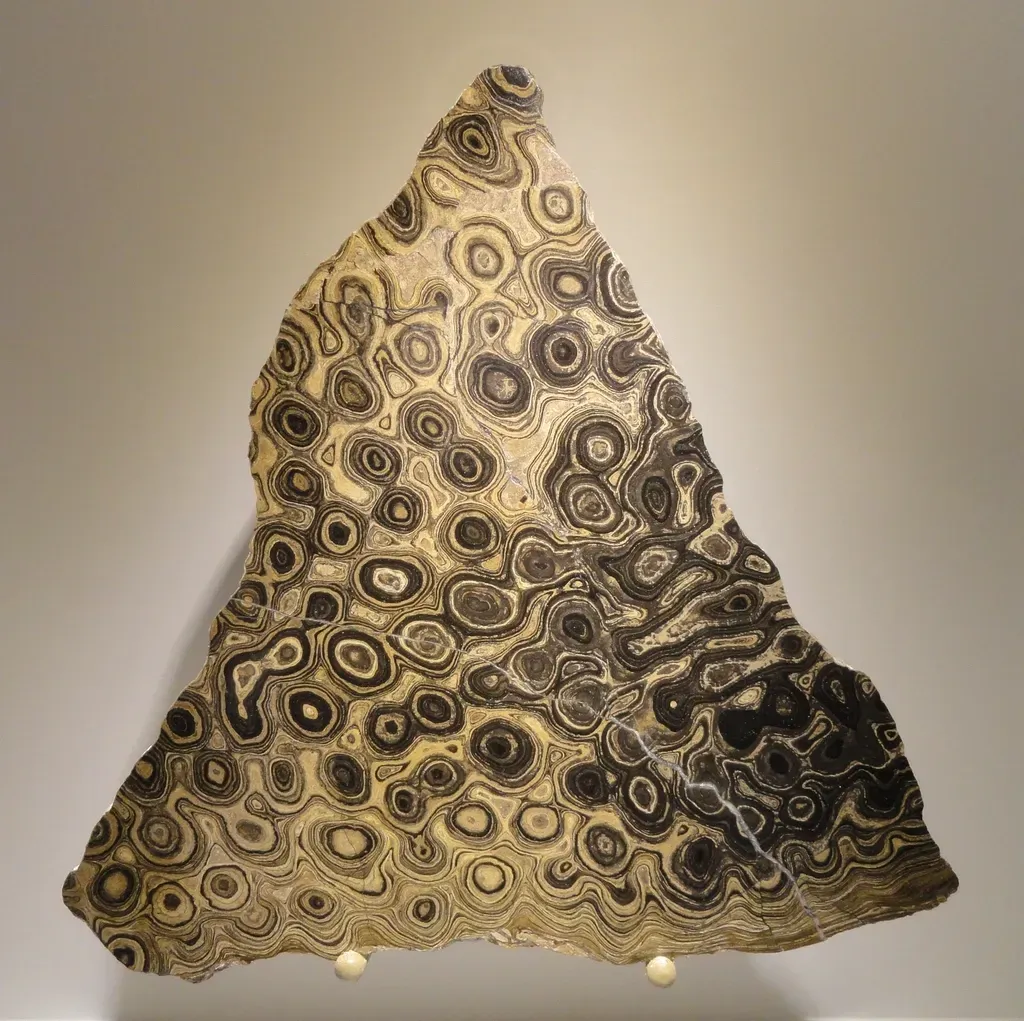
Imagine walking along a quiet coastline and realizing the lumpy, rock-like structures in the shallow water are not just pretty stones but the modern descendants of some of the oldest communities on Earth. These structures, called stromatolites, are layered formations built by microbial mats, mostly made of cyanobacteria, that trap and bind sediments over time. You’re essentially staring at living skyscrapers designed by microbes that have used the same basic building techniques for billions of years.
Fossil stromatolites date back more than three billion years, and yet, in a few rare places on Earth today – like certain shallow, salty lagoons – you can still see them quietly growing. When you look at a stromatolite, you’re not just seeing life; you’re seeing life as architecture, life as geology, and life as a long, slow conversation with time itself. You get a front-row seat to a design so effective it has outlasted supercontinents, asteroid impacts, and global climate swings that would terrify you today.
The First Oxygen-Makers Completely Transformed the Planet You Breathe On
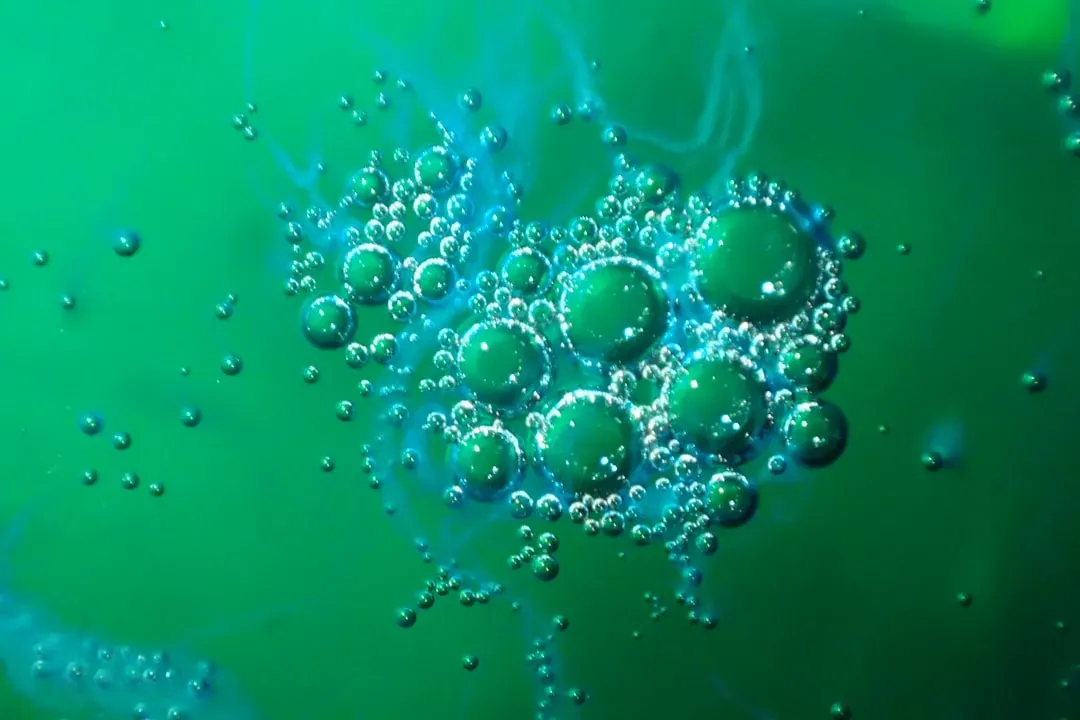
Right now, you inhale oxygen without thinking about it, but there was a time when breathing this air would have been deadly. Early Earth’s atmosphere was mostly devoid of oxygen, and many of the oldest life forms were perfectly happy in that low-oxygen, chemically rich world. Then came cyanobacteria – the same types of microbes that help build stromatolites – quietly performing photosynthesis and releasing oxygen as a waste product.
Over countless millions of years, these microscopic oxygen factories slowly filled the atmosphere with this reactive gas, triggering what scientists call the Great Oxidation Event. For many ancient organisms, oxygen was poison, and they died off or retreated to hidden, oxygen-free environments. For you, though, this planetary makeover was the best deal you never signed up for. Without those tiny early oxygen-makers, you would never have evolved lungs, complex brains, or the kind of high-energy lifestyle you consider normal.
Some of the Oldest Life Forms Prefer Boiling, Acidic, or Toxic Environments
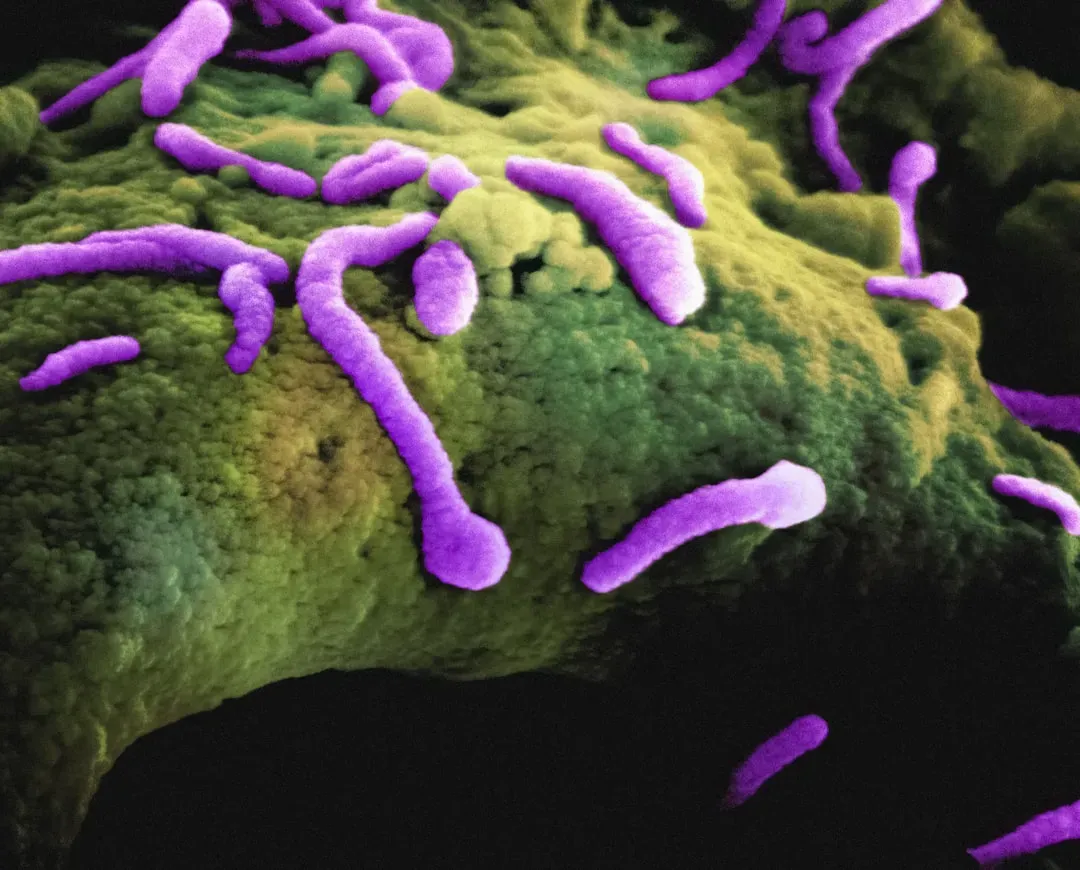
When you picture a habitable environment, you probably imagine something mild and comfortable – blue skies, liquid water, and a pleasant temperature. The oldest lineages of life laugh at that idea. Many of the most ancient microbes on Earth, often grouped under the broad label of archaea or extremophiles, thrive in places you’d consider utterly unlivable: scalding hot springs, highly acidic pools, deep-sea hydrothermal vents, or briny, hypersalty lakes.
These organisms do not just barely survive; they flourish by using bizarre chemistries to harvest energy from sulfur, methane, or metal-rich fluids. When you see images of colorful hot springs or black smoker vents on the seafloor, you are looking at neighborhoods where some of the oldest styles of life still carry on. Realizing this changes your sense of what “habitable” really means. It suggests that if life could take hold in such brutal conditions here, it might be able to do the same on other worlds that look hostile at first glance.
You Can Still Find Microbial Life Deep Inside Ancient Rocks
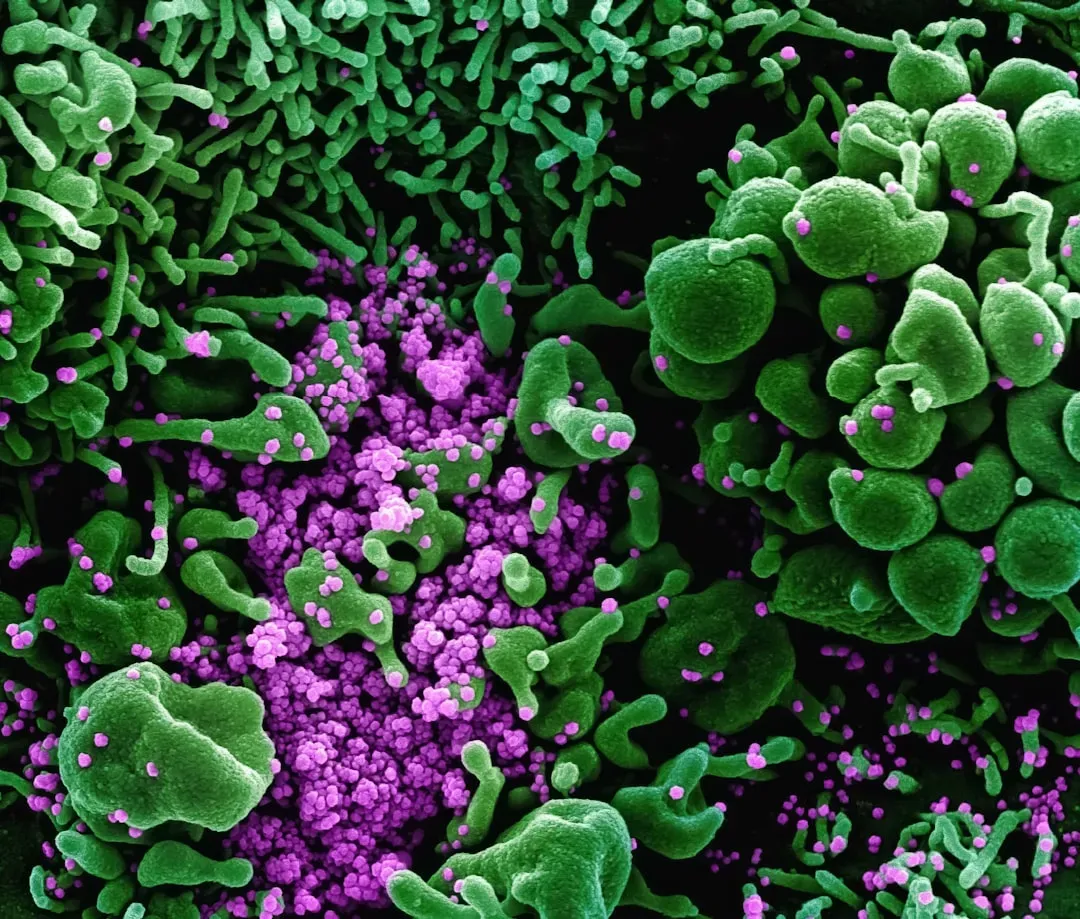
If you think life is limited to the surface – soil, oceans, forests – you’re missing an entire hidden world. Scientists have discovered vast communities of microbes living deep within Earth’s crust, tucked into tiny pores and fractures in ancient rocks. These deep-dwelling organisms can survive at high pressures and temperatures, often with very little energy or nutrients, sometimes cycling so slowly that individual cells may persist for astonishingly long periods.
For you, it means that the story of life is not just written across the surface of the planet but also buried inside it, like a secret chapter. Some of these deep biosphere microbes appear to be descendants of very ancient lineages, clinging to environments that have remained relatively stable for geological time spans. When you picture Earth as a living planet, you’re not just thinking of forests and oceans anymore; you’re recognizing that even the rocks beneath your feet may be quietly alive.
Ancient Microbes Helped Create the Minerals and Rocks You Walk On
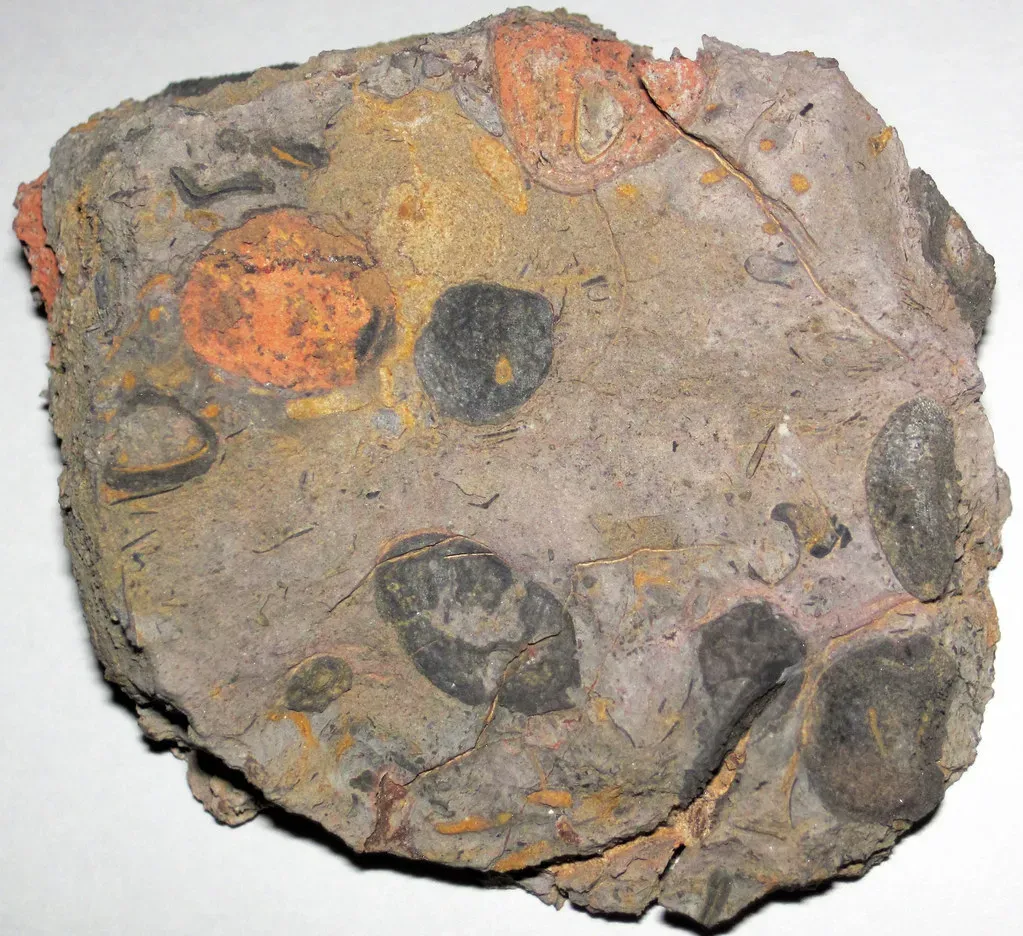
You might assume that rocks are purely physical objects shaped by heat, pressure, and time, but some of them also carry the fingerprints of ancient life. Early microbes, especially those involved in photosynthesis or chemical reactions with metals and sulfur, played a crucial role in forming many of the minerals you see today. For example, large deposits of iron-rich rocks record a time when oxygen from microbial activity reacted with dissolved iron in ancient oceans and caused it to precipitate out.
When you look at banded iron formations or certain sedimentary rocks, you are not just looking at geology; you’re looking at a fossilized dialogue between life and the planet. Over billions of years, these interactions reshaped Earth’s crust, oceans, and atmosphere. Without these microscopic mineral craftsmen, the surface you consider solid and familiar would look and behave very differently. In a way, the ground beneath you is partly a monument built by microbes.
The Oldest Life Forms Might Not Have Needed Sunlight at All
![The Oldest Life Forms Might Not Have Needed Sunlight at All ([1], CC BY 4.0)](https://nvmwebsites-budwg5g9avh3epea.z03.azurefd.net/dinoworld/b8b6e6f72a1cc9d4529eb5055c197424.webp)
You grow up with the idea that sunlight is the ultimate source of energy for life, but some of Earth’s most ancient ecosystems may have relied entirely on chemical energy instead. In places like deep-sea hydrothermal vents, where no sunlight ever reaches, microbes can use energy from reactions involving hydrogen, sulfur, or other chemicals spewing from the seafloor. These chemotrophic communities show that life does not need a bright, warm sun to get started or to thrive.
For you, this opens a huge mental door when you think about where life might exist, both in Earth’s past and beyond it. If early life could survive around hot vents on the ocean floor, it suggests that similar habitats on icy moons or other planets – where oceans may be hidden under thick crusts of ice – could also host living communities. The idea that life’s oldest strategies might be independent of sunlight makes the universe feel a little more crowded and a lot more interesting.
Some Ancient Lineages Are Still in Your Body Right Now
It is easy to think of ancient life as something locked in fossils or living far away in hot springs and deep-sea vents, but part of that ancient legacy is riding around with you every day. Your body is home to trillions of microbes – bacteria, archaea, and other microorganisms – that belong to lineages stretching far back into deep time. While they have evolved and diversified, many of their core biochemical tricks are very similar to what early microbes developed billions of years ago.
Every time you digest food, fight off infections, or even produce certain vitamins, you’re relying on partners whose ancestors were here long before yours. You are not just a human; you are a walking ecosystem, a blend of modern animal cells and ancient microbial expertise. Realizing this can shift how you see yourself – from a standalone individual to a cooperative project built on the oldest survival strategies Earth ever came up with.
The Oldest Life Forms Keep Redefining What “Possible” Means
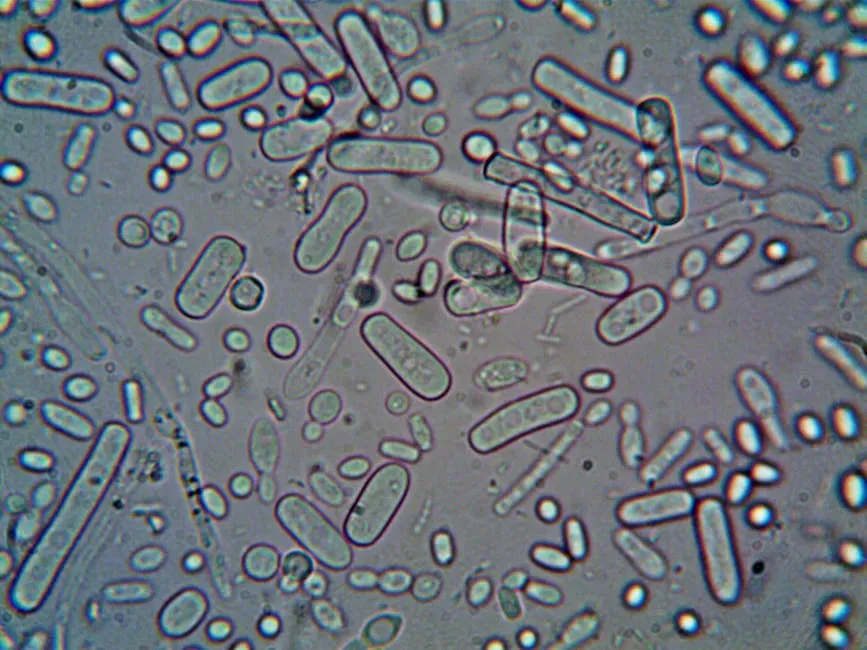
Every time researchers think they have mapped out the limits of life, a new discovery stretches those boundaries again. Microbes surviving in deep ice, in radioactive waste, in super-salty lakes, or in rocks deep underground keep reminding you that life is far more resilient and adaptable than your intuition suggests. Many of these hardy organisms belong to lineages that trace back toward the earliest branches on the tree of life, carrying with them lessons about how flexible biology can be.
For you, this constant redefinition of what is possible does more than just satisfy curiosity. It influences how you search for life on other planets, how you think about climate resilience, and even how you design new technologies inspired by biological toughness. The oldest life forms on Earth are like living test cases, proving again and again that survival can take forms you would never predict. When you pay attention to them, you realize that your imagination, not biology, is often the limiting factor.
Conclusion: You’re Living in a World Built by the Smallest Survivors
When you step back and look at the big picture, you see that your modern world is not just a random snapshot in time – it is the product of billions of years of microscopic persistence. Ancient microbes oxygenated the air you breathe, shaped the minerals beneath your feet, and carved out strange, extreme habitats that still challenge your understanding of life. Even your own body carries echoes of those first survival strategies, quietly running in the background while you go about your day.
By recognizing how deeply these oldest life forms have shaped your planet, you start to appreciate that humans are not the main event but the latest experiment in a very long series. The real miracle is not that complex creatures like you exist, but that simple, tiny cells learned to endure nearly everything the universe threw at them. The next time you look at a rock, a hot spring, or even your own reflection, will you see the hidden history of ancient life looking back at you?