You have probably seen images of towering skeletons online or heard stories about ancient races of giants that once walked the earth. Maybe a part of you wants it to be true, because it feels like a door into a stranger, more magical version of history. At the same time, you might wonder what real scientists and historians actually say when you strip away all the drama and clickbait. That tension between wonder and evidence is exactly where this topic gets fascinating.
When you look closely, the idea of giants forces you to ask a deeper question: how do you decide what is true about the distant past? You are dealing with myths, misinterpreted bones, hoaxes, and genuine medical conditions all thrown into the same conversation. In this article, you will walk through the major types of “evidence” for giants, what holds up, what falls apart, and where a few real giants actually do show up in the historical and scientific record.
Why Stories Of Giants Are So Deeply Appealing
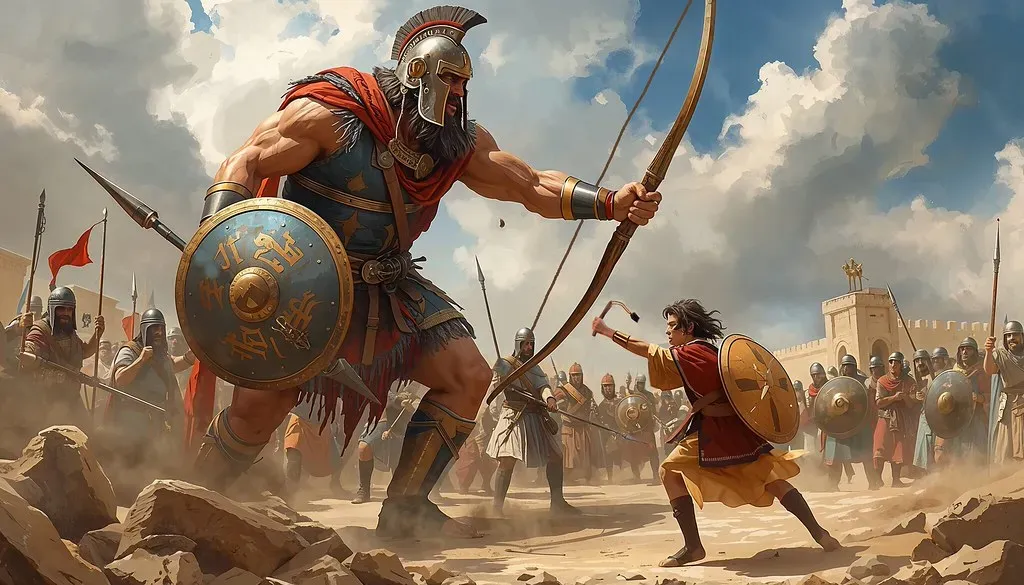
If you are honest, the idea of giants taps straight into your sense of awe. You imagine people towering twice your height, swinging huge weapons, building massive monuments, and instantly the world feels bigger and stranger than your everyday life. Stories of giants give you a powerful feeling that ancient times were wilder, that maybe your ancestors lived side by side with beings that would terrify you on sight. That emotional pull matters, because it explains why giant legends refuse to die even when evidence is thin.
Giants also serve a psychological purpose in a lot of cultures. When you hear tales of enormous enemies, heroic ancestors, or fallen titans, you are really being handed a way to think about power, fear, and limits. In some myths, giants represent chaos that needs to be tamed; in others, they are tragic figures brought down by their own size. Once you see that, you start to realize that “giants” are often more about what people feel than what they actually saw walking around in the real world.
Giants In Ancient Texts: Myth, Metaphor, Or History?
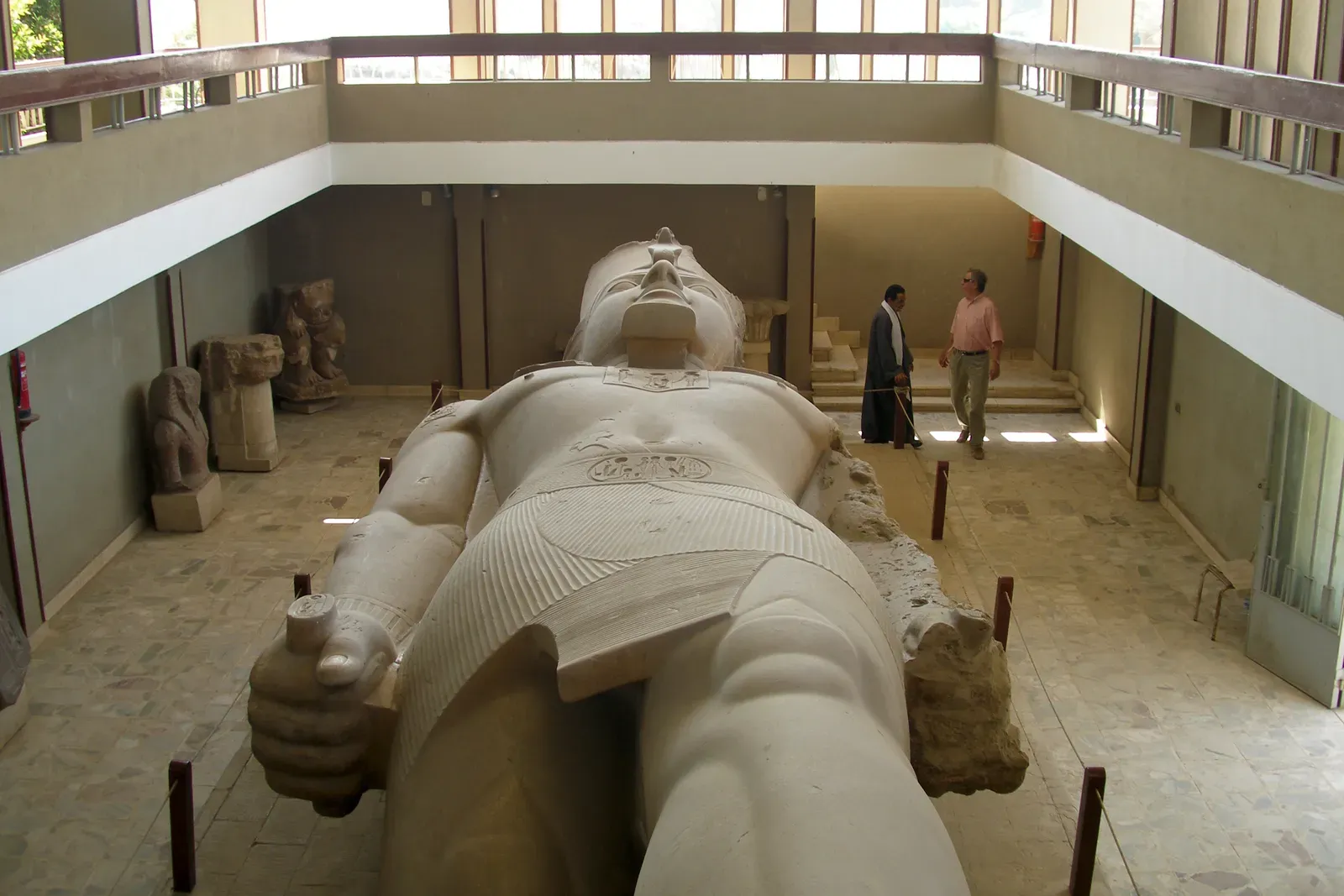
When you dig into ancient writings, you find giants everywhere: huge warriors, monstrous clans, and towering heroes that normal humans cannot beat without help. You might be tempted to read those passages like news reports from the distant past, as if a scribe was quietly documenting an actual twelve-foot neighbor. But you also know that the same texts talk about talking animals, world-destroying floods, and other clearly symbolic stories, so taking every giant literally puts you on shaky ground fast.
Instead, you can read many of these giants the way you read modern fantasy or epic movies: as exaggerated versions of real fears and real enemies. A tribe that felt terrifyingly strong might be remembered as physically gigantic; a legendary warrior might “grow” with every retelling until listeners feel the impossibility of matching their strength. When you keep that in mind, a pattern appears: giants in texts are usually doing story work first, and only maybe hinting at unusual real people somewhere underneath.
What Real Human Biology Allows: How Tall Can You Actually Get?

To figure out whether true giants could have existed, you have to look at what your body can realistically handle. Human height is limited by bones, muscles, joints, and even blood pressure. If you simply scaled a normal person up to twice the height, their weight would increase far faster than the strength of their skeleton, and their knees and spine would be in constant danger of collapse. Physics quietly sets some hard boundaries on just how gigantic a human can be before everyday movement becomes nearly impossible.
Modern medicine gives you real examples of people who push those limits. In rare cases of extreme growth conditions, some individuals have approached or slightly exceeded heights that feel nearly unbelievable when you see the photos. But these people typically face intense health problems: joint pain, nerve compression, heart strain, and shortened life expectancy. That tells you something important. You can have very tall individuals, but a stable population of truly gigantic, healthy adults roaming the earth generation after generation does not fit what you know about biology.
Fossils, Bones, And Hoaxes: Sorting Photos From Reality

If you have spent any time online, you have probably seen those viral images of massive human skeletons being unearthed at archaeological digs. At first glance, they can hit you like a shock: proof at last that giants were real and scientists have been hiding it. But when you look closer, you start to notice odd shadows, inconsistent proportions, or that the “dig site” mysteriously cannot be traced back to a real museum, university, or excavation report. Many of these pictures have been digitally edited, sometimes as jokes, sometimes specifically to fool you.
When actual archaeologists and paleontologists find large bones, they catalog them carefully, compare them with known species, and publish the results. What they consistently uncover are huge animals, not humans: mammoths, mastodons, giant ground sloths, and dinosaurs. It is easy for an untrained eye to see a large femur or skull fragment and assume it belonged to a person, especially if you already want giants to be true. Once you bring in specialists, though, those supposed giant-human remains almost always shrink, figuratively speaking, into something much less sensational.
Misidentified Bones: When Ancient Animals Turn Into Human Giants
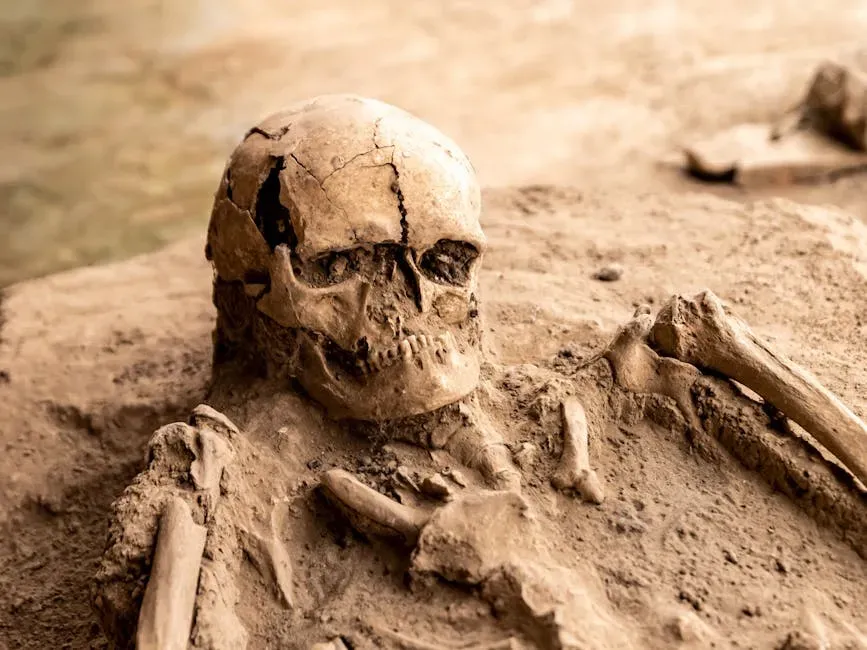
If you lived centuries ago and stumbled across a massive bone sticking out of a hillside, you would reach for the closest story you had to make sense of it. Without knowledge of extinct species, your mind might jump straight to legendary warriors or creatures from sacred tales. That human habit of filling gaps with familiar stories goes a long way toward explaining why giant legends often show up in places rich with large fossil deposits. You are seeing ancient people’s best guesses with the tools they had at the time.
Some of the most convincing “giant” remains in older reports probably came from animals like mammoths or large prehistoric mammals. Their bones can easily be misread as oversized human parts when you do not know the full skeleton layout. Even today, people occasionally post photos of large bones online claiming they are from humans, only for experts to identify them as belonging to known animals. Once you accept how easy it is to misinterpret a single bone, the supposed physical evidence for ancient human giants gets far less solid.
Real Giants: Gigantism, Tall Populations, And Historical Records

Even though you do not find evidence for entire races of towering giants, you absolutely do find real individuals who were extraordinarily tall by any standard. Medical conditions that affect growth hormones can push someone’s height far beyond what you are used to seeing, and historical accounts describe people who inspired both fascination and fear because of their size. Many of them struggled with health issues, but their presence alone would have made a strong impression on anyone who met them, especially in eras with little scientific understanding.
On top of that, you do see populations where the average height was or is notably higher than surrounding groups. Nutrition, genetics, and environment all feed into how tall a population tends to be. If a small community produced several unusually tall individuals across a few generations, that could easily evolve into tales of a “giant people” over time. In that sense, the seeds of giant legends might come from real height extremes, then get stretched, dramatized, and mythologized until they barely resemble the original humans who started the stories.
Conspiracies And Cover-Ups: Are Giants Being Hidden From You?
Once you start reading about giants online, you run into the idea that museums and governments are supposedly hiding the truth. The story usually goes like this: enormous skeletons are found, quietly taken away, and then “lost” so that mainstream science can protect some fragile narrative. On the surface, that can sound thrilling and rebellious, like you are in on a secret that experts do not want you to know. But if you step back, you have to ask what it would actually take to hide hundreds or thousands of giant skeletons worldwide for generations.
Real scientific work is messy, competitive, and full of people eager to make a name for themselves by publishing anything genuinely shocking. If an archaeologist uncovered a fully verified, clearly human skeleton twice the height of an average person, it would be one of the biggest discoveries in history, not something to quietly throw away. Scientists fight for groundbreaking data; they do not usually bury it. When you factor in all the independent museums, universities, and countries that would need to cooperate in a cover-up, the conspiracy starts to look far less believable than the simpler explanation: most “giant” finds do not survive expert scrutiny.
How To Think Critically About Giant Claims Going Forward

At this point, you might feel torn between your love for giant stories and your growing sense that hard evidence just is not there for an ancient race of massive humans. That tension is useful, because it gives you a chance to practice critical thinking instead of just picking a side based on emotion. Next time you see a headline or video claiming that giants have been proven real, you can pause and ask a few key questions: where did the bones go, who examined them, and is there a clear scientific record you can actually check?
You can also train yourself to notice when a claim depends entirely on a single blurry photo, a vague anecdote, or a promise that “they” do not want you to know the truth. The more a story leans on mystery instead of verifiable details, the more you should hold it loosely. That does not mean you have to abandon your sense of wonder; it just means you put your wonder on top of a solid foundation instead of sand. When you do that, you keep your curiosity alive without letting yourself be pushed around by every dramatic claim that pops up in your feed.
In the end, the evidence does not support the idea that entire civilizations of impossibly tall humans once dominated the earth. What you do see are scattered real giants in the medical sense, tall populations here and there, misread animal fossils, and powerful stories that grew bigger every time someone retold them. The myths of giants still have value, but more as mirrors reflecting human hopes and fears than as literal historical records.
You are allowed to love the legends while still insisting on good evidence, and that balance might be the most grown-up way to approach the whole topic. So the next time someone asks you whether giants really existed, you can smile, share what you have learned, and maybe turn the question back on them: given everything you now know, what do you think actually walked this earth?