You live in a world built on the ruins of a lost empire. Long before humans, before cities, before even grass-covered plains, dinosaurs dominated the planet for an almost unimaginable stretch of time. Yet somehow, the small, soft, mostly nocturnal mammals lurking in the shadows ended up inheriting the Earth instead of them.
When you look at the story closely, it’s not just about one group being stronger or fiercer. It’s about timing, luck, catastrophic change, and the quiet power of staying flexible. As you walk through this story, you’ll see how dinosaurs grabbed the spotlight first, why they kept it for so long, and how mammals – your distant relatives – won the longest game of all.
The Age When Dinosaurs Took Over Your Planet
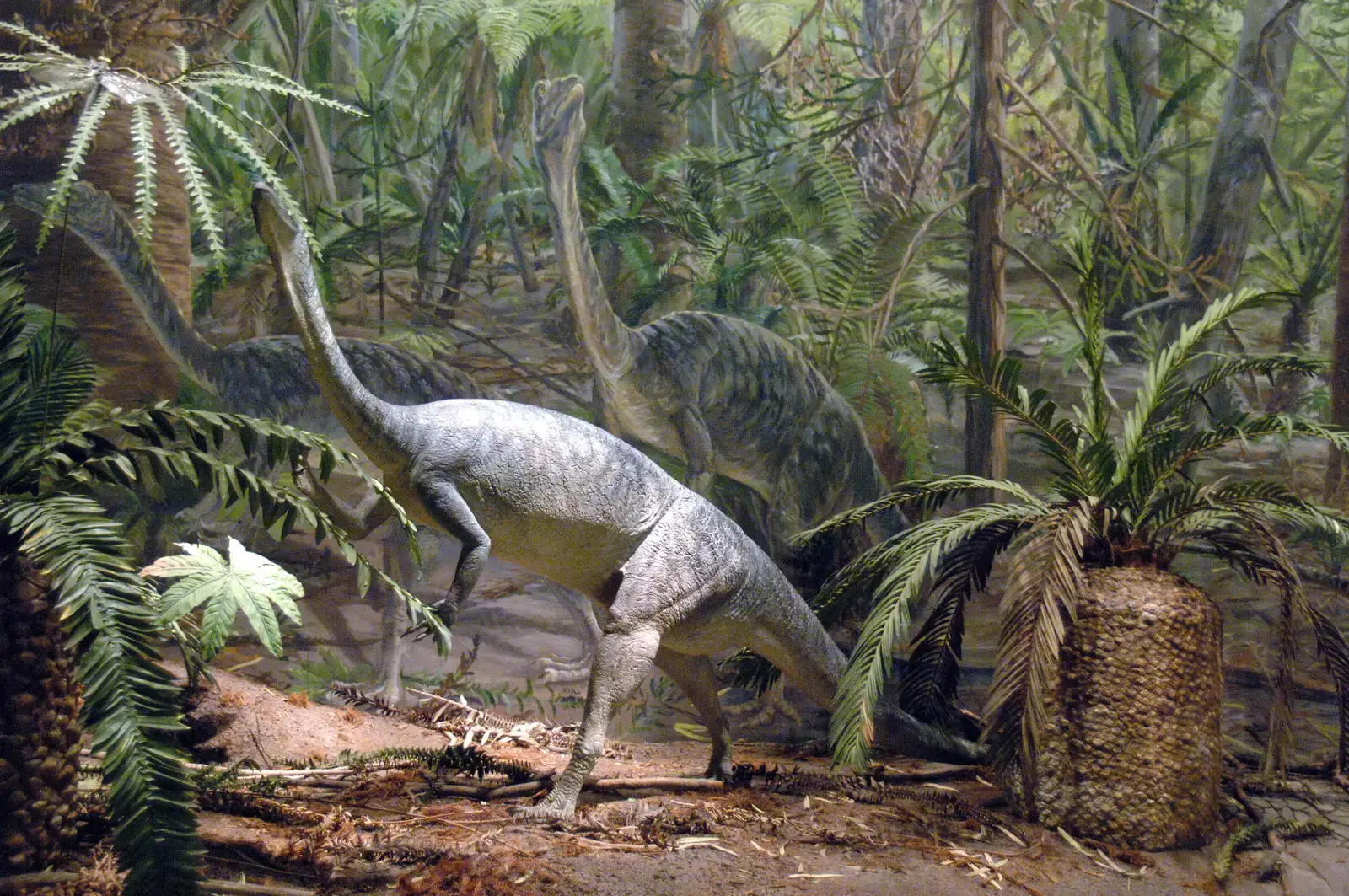
If you could step out of a time machine roughly two hundred thirty million years ago, you’d find a world where dinosaurs were not yet kings. They started as just one group among many strange reptiles roaming a hot, mostly forested supercontinent called Pangaea. Over millions of years, some early dinosaurs became faster, more upright, and better at using their powerful hind limbs, and that gave them a huge edge in hunting and moving across vast landscapes.
As climates shifted and ecosystems reorganized, you’d watch dinosaurs spread into almost every major land habitat. Some grew into massive long‑necked plant eaters, others became terrifying predators with serrated teeth, and many evolved light skeletons and strong muscles that made them agile and efficient. Bit by bit, other reptile groups faded from the center of the stage, and dinosaurs became the default large animals on land. You could say they did not just survive change – they rode it to the top.
How Dinosaurs Dominated Land, Sea, and Sky
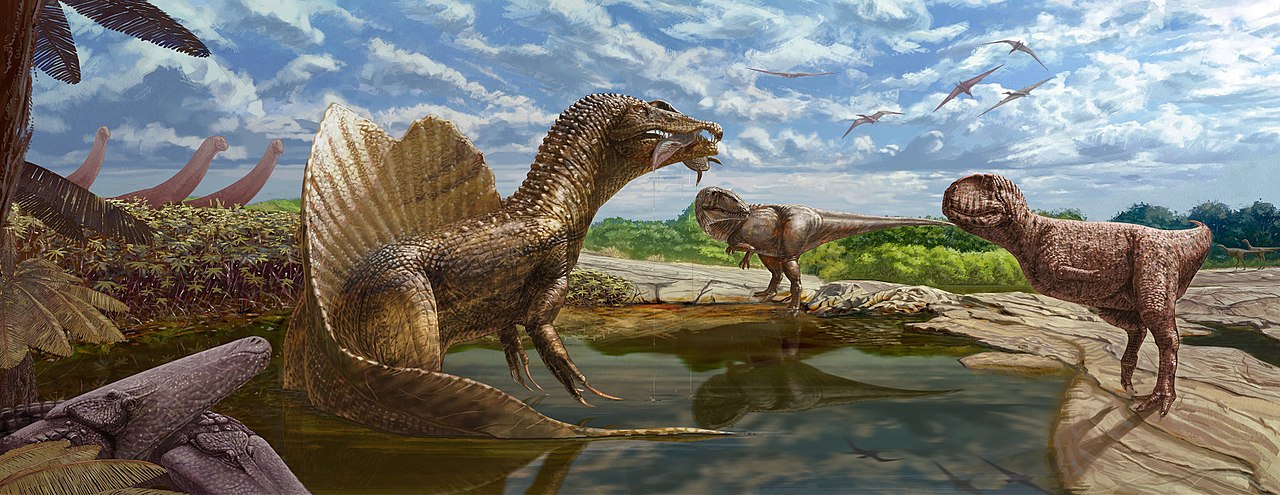
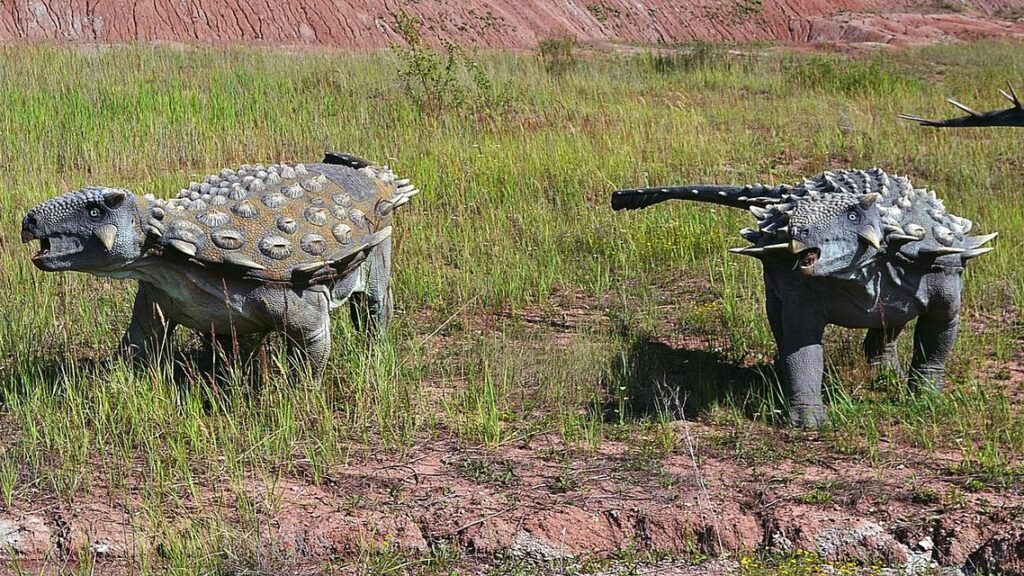
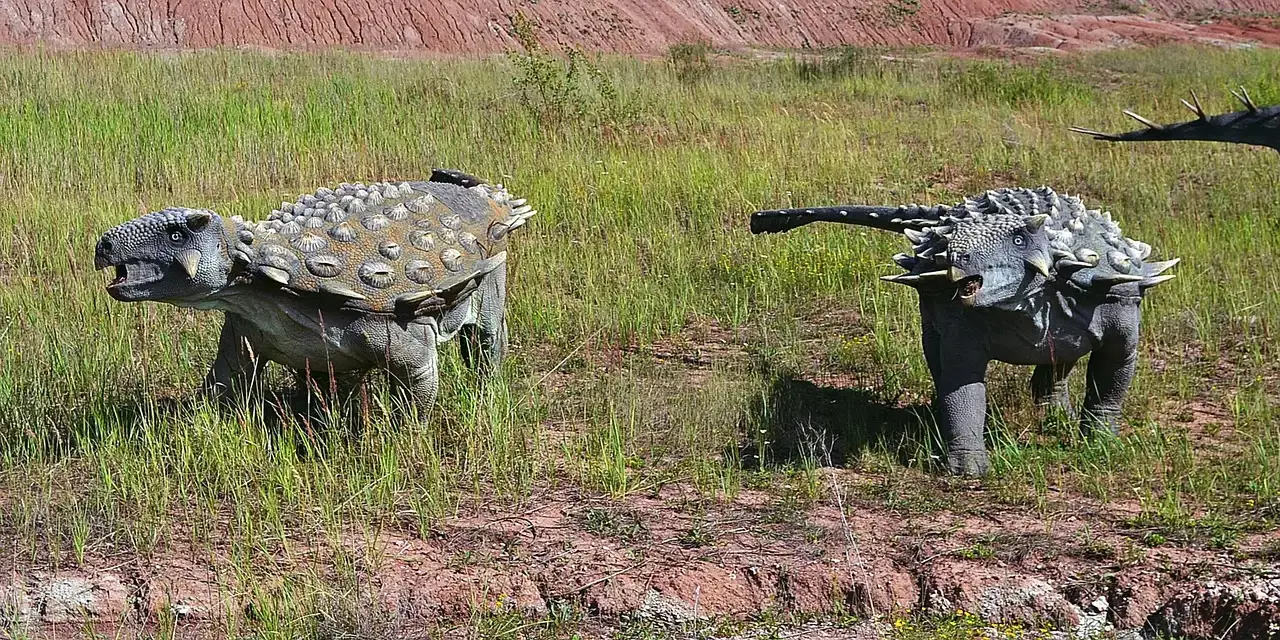
Once dinosaurs got going, their ability to diversify is what really would have stunned you. On land, you’d see them fill almost every role: towering browsers stripping leaves from tall trees, armor‑plated tanks defending against attacks, and swift, bird‑like hunters racing after prey. Their bodies were like biological toolkits – skulls, teeth, limbs, and tails could be reshaped over time into whatever each environment demanded.
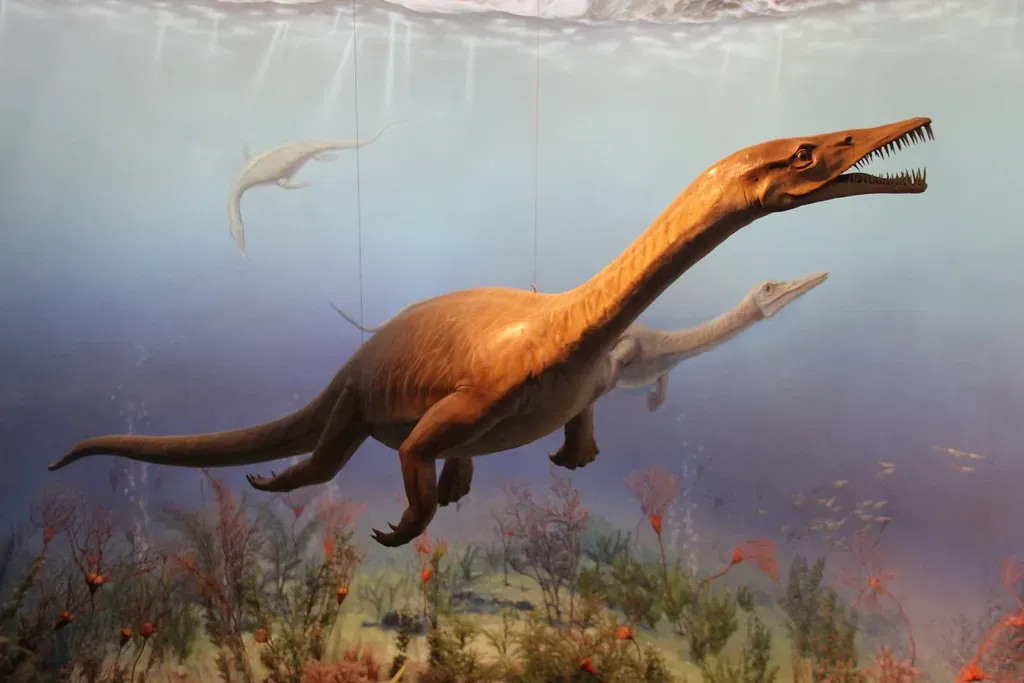
Even beyond the land, their broader family line pushed into new frontiers. Huge marine reptiles took over the seas, and small feathered dinosaurs eventually took to the air, leading to the birds you see around you today. To you, it might feel as if the whole planet had a dinosaur accent. For tens of millions of years, if you were large and living on land, odds are you were a dinosaur or directly dealing with one.
The Small, Shy Mammals Living in Dinosaur Shadows
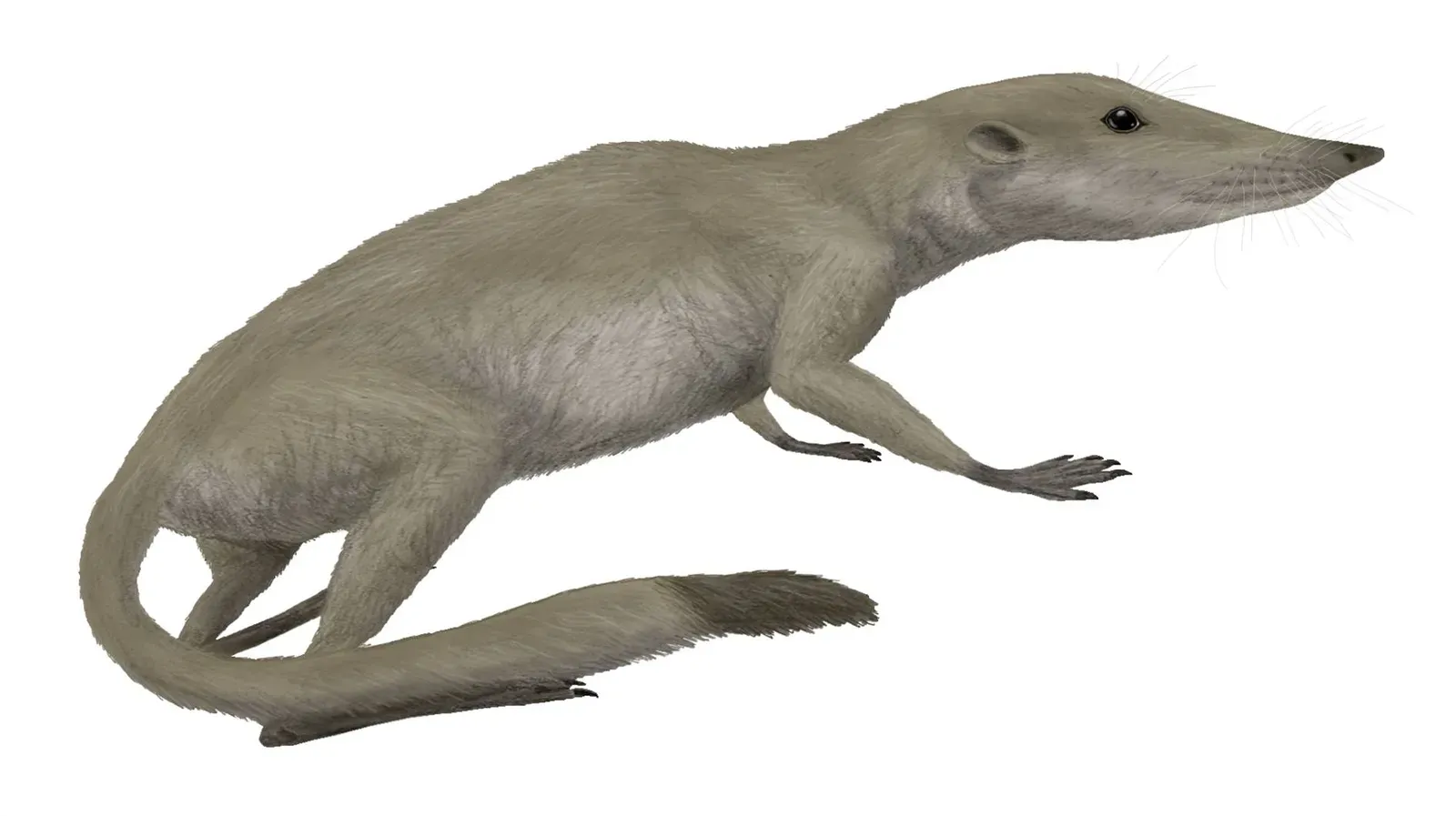
While dinosaurs thundered across floodplains and forests, mammals were there too – but you probably would have missed them. Early mammals were mostly small, often shrew‑like creatures that hugged the undergrowth, climbed in the dark, and hunted insects or nibbled plants at night. Living under dinosaur rule meant you kept your profile low or you ended up as someone’s snack.
But that quiet life came with hidden advantages. You would see mammals experimenting with traits that seemed minor at the time: more complex teeth for chewing, better hearing in the dark, and warm‑blooded bodies that allowed them to stay active at night or in cooler places. They were not trying to outmuscle dinosaurs; they were slipping into tiny, overlooked corners of the ecosystem, building skills that did not look impressive – until the world suddenly changed.
Warm Blood, Fur, and the Power of Staying Flexible
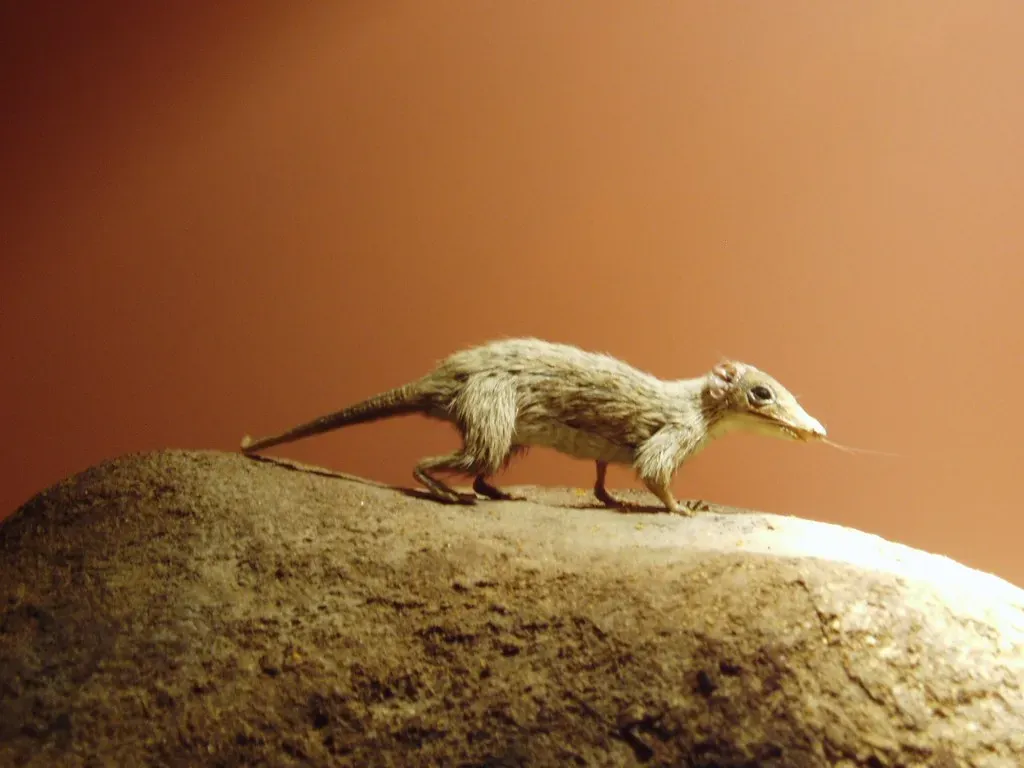
If you compare a typical dinosaur and an early mammal, you notice something striking about the mammal side of your family tree. You rely on internal temperature control, fur, and high‑energy metabolisms to keep going in the cold or the dark. Early mammals were already leaning into that lifestyle: they were warm‑blooded, covered in fur, and ate higher‑energy food they could chew with specialized teeth, giving them more options when conditions got rough.
Those traits cost a lot of energy, but they buy you flexibility. When you are warm‑blooded, you do not have to wait for the sun to get moving. When you have fur, you can live in cooler, more seasonal climates. When you have complex teeth, you can eat a wider variety of foods. In a stable world, that may not make you ruler. In a world flipped upside down by disaster, it can be the difference between fading out and holding on just long enough.
The Day the Dinosaurs’ Luck Finally Ran Out
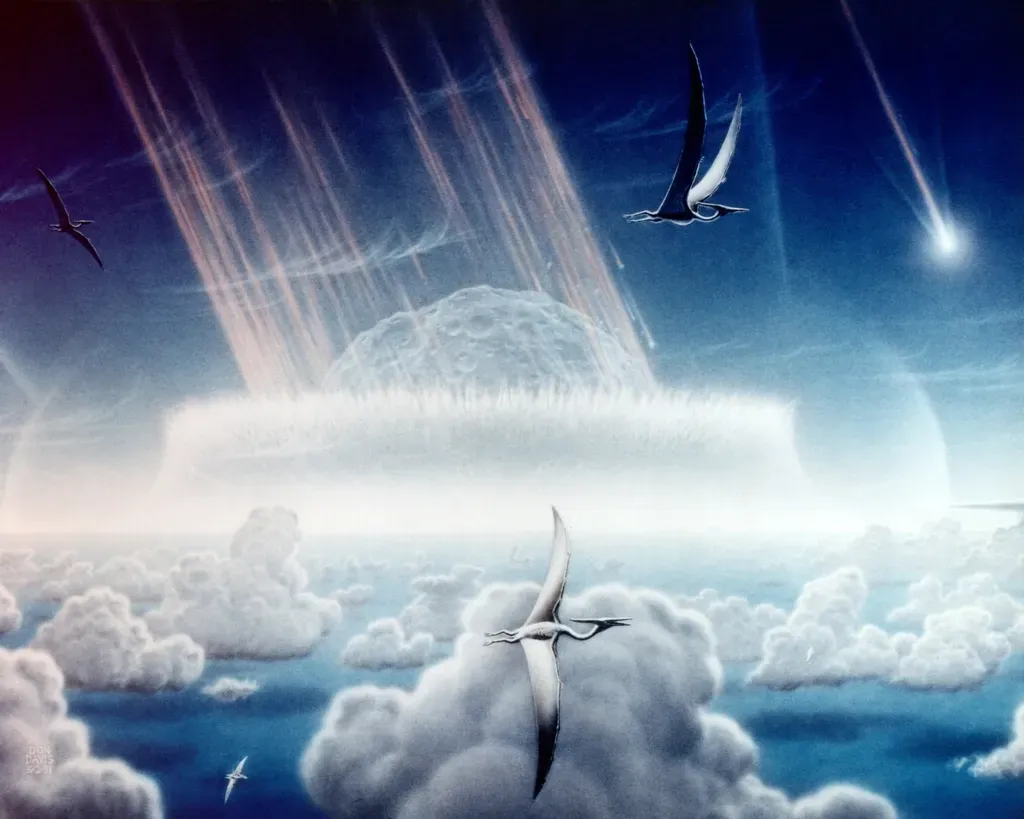
For all their power, dinosaurs were still at the mercy of chance. About sixty‑six million years ago, you would have looked up to see what was essentially a mountain from space slamming into what is now the Yucatán Peninsula. The impact unleashed energy greater than countless nuclear bombs, throwing dust and vapor high into the atmosphere and plunging the world into a harsh, short‑term darkness and cold.
In that kind of catastrophe, being big suddenly became a curse. Large dinosaurs needed plenty of food and stable ecosystems, and both collapsed. Plants died back, food chains broke, and many of the animals that defined the age simply could not adapt quickly enough. Birds, the only dinosaurs that truly made it through, survived in smaller, more adaptable forms. But if you zoom out, that moment was not just about death; it was about clearing space. When the dust settled, a new kind of creature was ready to step forward: the mammal.
How Mammals Turned Disaster into a Fresh Start

After the asteroid impact, your planet did not magically become friendly to mammals overnight. It was a scarred, unstable world. But you, as a small, warm‑blooded, fur‑covered generalist, would have had a better shot than a giant reptile that needed endless foliage or herds of prey. Mammals could hide in burrows, feed on insects, seeds, and carrion, and reproduce relatively quickly, rebuilding populations while other groups were still reeling.
With the giant dinosaurs gone from most land ecosystems, new opportunities opened up. Over millions of years, mammals expanded in size and form: some returned to the water and evolved into whales, others took to the trees, and many became grazing and browsing herbivores on open ground. One line of tree‑dwelling mammals eventually gave rise to primates, and much later, to you. The traits that once seemed like survival hacks in a dinosaur‑ruled world now became the foundation for a whole new age.
Why You Owe Your Existence to Both Winners and Losers
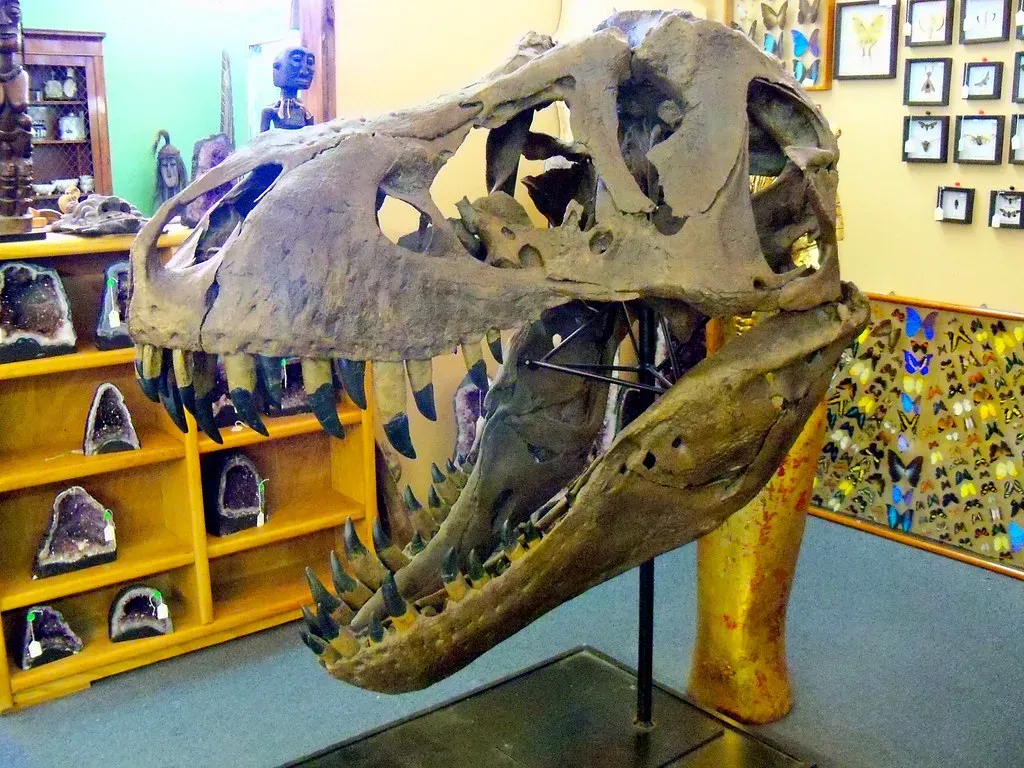
When you trace your story back, you do not just come from triumphant survivors; you also come from everything that was lost. Without dinosaurs ruling first, the ecosystems that shaped early mammals would have looked very different. Dinosaurs forced your ancestors into the margins, and those pressures encouraged the evolution of traits – like nocturnal habits, keen senses, and flexible diets – that would later prove invaluable.
You also owe your existence to an asteroid that, from your perspective, hit at exactly the wrong place and exactly the right time. If dinosaur diversity had looked different, or if the impact had been smaller or somewhere else, the world might have stayed a dinosaur planet. Instead, you live in a mammal‑dominated era, walking through forests and cities built on deep time decisions that no one planned and no one controlled.
What This Deep-Time Rivalry Says About Your Future
When you think about dinosaurs and mammals, it is tempting to turn the story into a simple lesson about strength, intelligence, or destiny. But what this tale really shows you is that dominance is temporary, and life is messier and more improvisational than any neat narrative. Dinosaurs did not lose because they were weak or foolish; they lost because the world changed faster than they could respond, while mammals happened to be better equipped for that particular crisis.
In your own time, you are now the dominant large animal on Earth, reshaping climates and ecosystems in ways that echo past upheavals. The difference is that you are aware of it. The long arc from dinosaur rule to mammal victory is a reminder that no group stays on top forever, and that flexibility, diversity, and humility may matter more than size or raw power. If you were to step back millions of years from now, what kind of survivor would you want your species to be remembered as?
In the end, dinosaurs ruled first because they were brilliantly adapted to their world, and mammals won because they could bend without breaking when the world shattered. You carry that legacy in every bone, every breath, every step you take on ground once shaken by giant feet. Knowing that, how does it change the way you think about your place in the story of life on Earth?