
You probably think of creativity as painting a picture, writing a song, or dreaming up a new business idea. But your distant ancestors were already being wildly inventive long before there were canvases, guitars, or laptops. The first sparks of human creativity appeared in small, fragile ways: a scratch on a rock that meant something, a tool shaped with a bit more care, a pattern of beads that said, in its own quiet language, “I am here, and I matter.”
When you zoom out over the last few hundred thousand years, you start to see a powerful story emerging. Humans did not wake up one day suddenly “creative.” Instead, you see a slow build: from survival-focused tinkering to symbolic art, from simple tools to shared stories. As you walk through these , you’re not just learning about ancient people – you’re learning about the roots of your own imagination and why your brain is wired to make, imagine, and transform the world around you.
When a Rock Becomes an Idea: The Birth of Early Tools
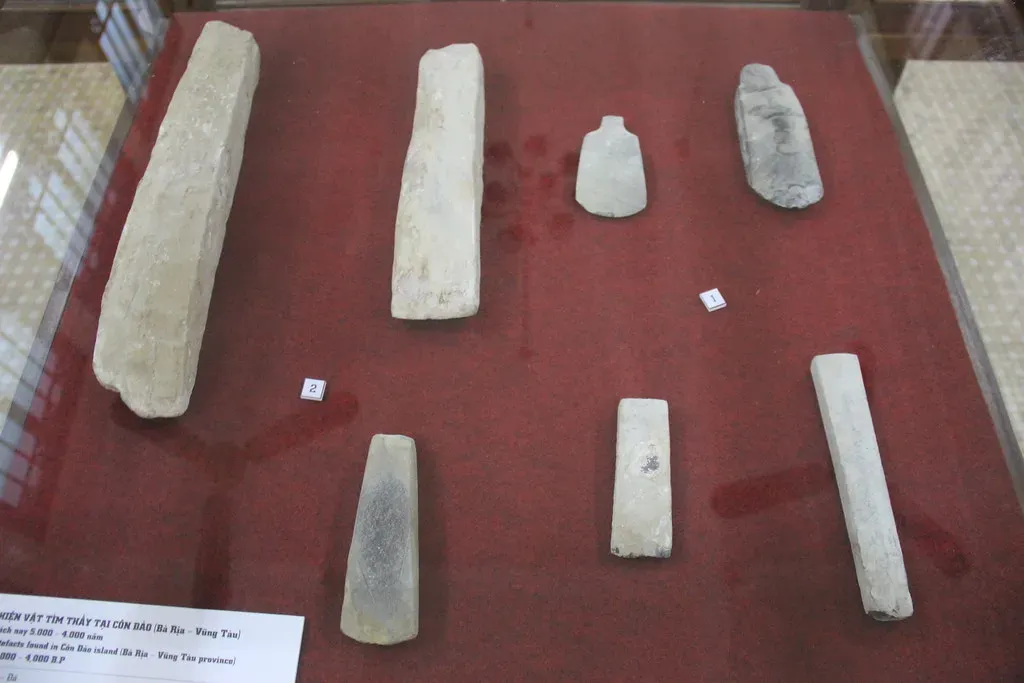
Imagine holding a rough stone in your hand and realizing you can change it – chip it, shape it, sharpen it – to make your life easier. That moment, repeated by countless early humans, is one of the clearest first signs of creativity. You are not just reacting to the world; you’re reshaping it on purpose. Early stone tools, like simple chopping tools and hand axes, show that someone had to picture a final form in their mind and then act step by step to get there.
When you look at these ancient tools, you can see the difference between a random broken rock and a deliberately shaped piece. The edges are sharpened in a specific way, the shape fits better in a hand, and over time the designs become more refined and more symmetrical. That tells you something important: early humans were not only solving problems; they were experimenting, improving, and building on previous ideas. You do the same thing today when you tweak a recipe, rearrange your room, or refine a sketch – your brain follows a creative pattern that goes all the way back to those first stone shapers.
Colors on Stone and Skin: Your Ancestors Start Making Art
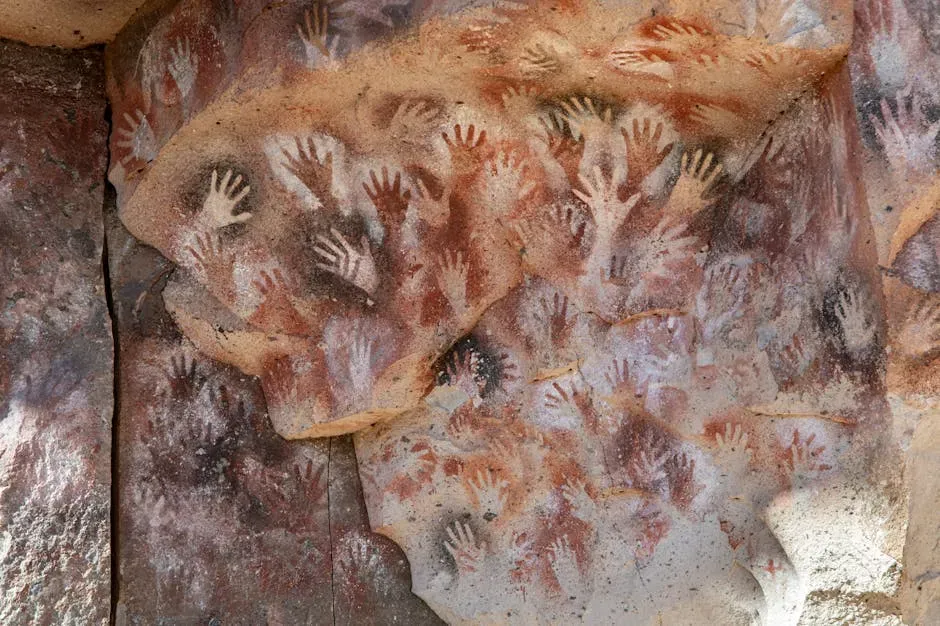
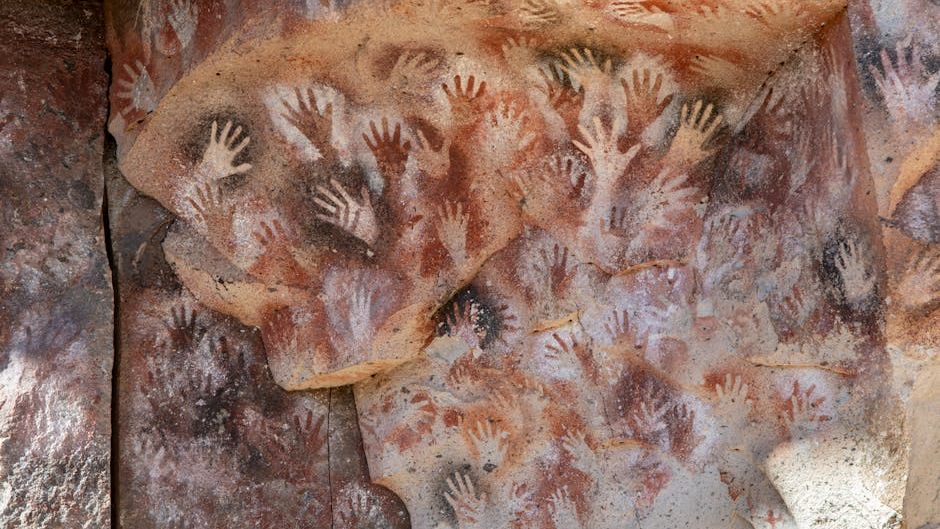
At some point, survival alone stopped being enough. You start to see signs that your ancestors wanted to decorate, to mark, to beautify. They ground minerals like ochre into pigments and used them to color objects, bodies, and – eventually – cave walls. When you see ancient handprints, dots, or simple shapes painted deep in caves, you’re looking at one of the earliest moments where humans used creativity to make something that was not strictly practical but deeply meaningful.
Think about what it takes to do that. You first have to notice that a certain rock produces a rich color. Then you have to experiment with grinding it, mixing it, applying it to surfaces. You might test it on your own skin or on another object, just to see how it looks. That curiosity and playfulness are at the heart of your creativity today too. When you experiment with makeup, doodle absentmindedly, or choose colors for your living space, you’re tapping into the same basic drive: the urge to leave a visible trace of your ideas in the world.
Scratches That Speak: Symbols, Marks, and Hidden Meanings
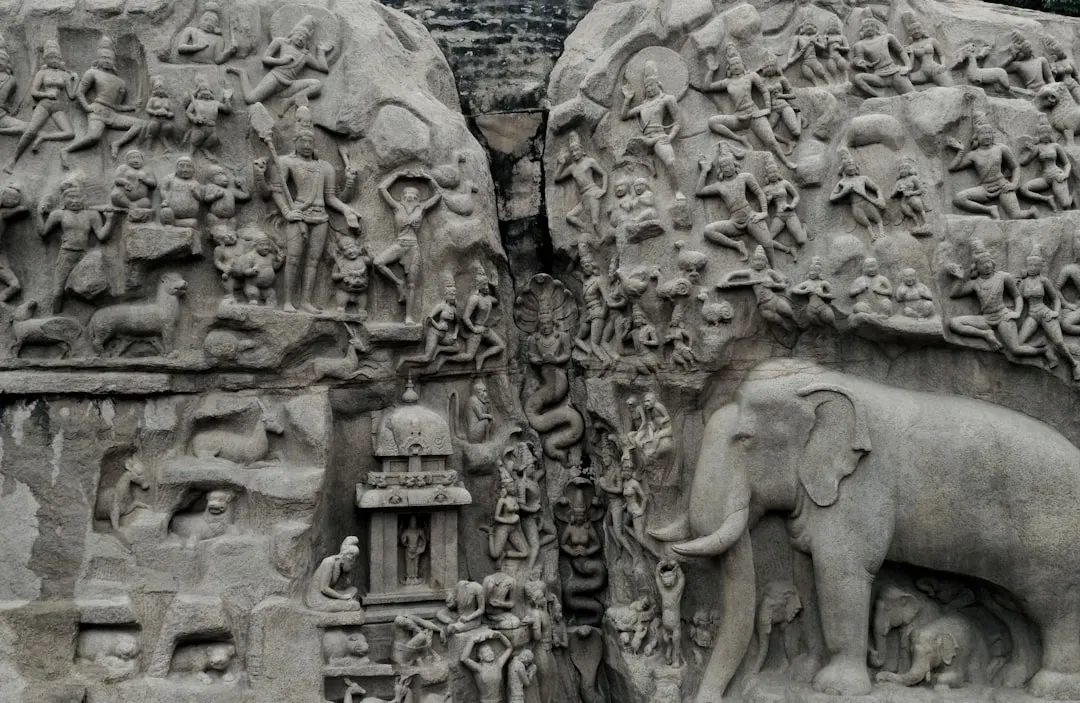
Long before there were full-blown writing systems, your ancestors were already carving lines, patterns, and shapes into bones, shells, and stones. These little marks might look simple at first, but they hint at a huge leap in thinking: the move from doing and seeing to symbolizing. When you carve a repeated pattern or a deliberate series of marks, you’re treating the world like a canvas for ideas that exist in your mind, not just in front of your eyes.
You may never know exactly what every ancient mark meant, but the habit itself is revealing. Maybe the lines tracked days, seasons, or successful hunts; maybe they represented personal identity, belonging, or status. Either way, those scratches show that your ancestors were trying to capture something abstract in physical form. Whenever you jot down a note, use a calendar, invent a logo, or even create a personal symbol only you understand, you’re participating in that same creative ability – to let a mark stand for a thought.
Dressing to Express: Ornaments, Style, and Early Identity
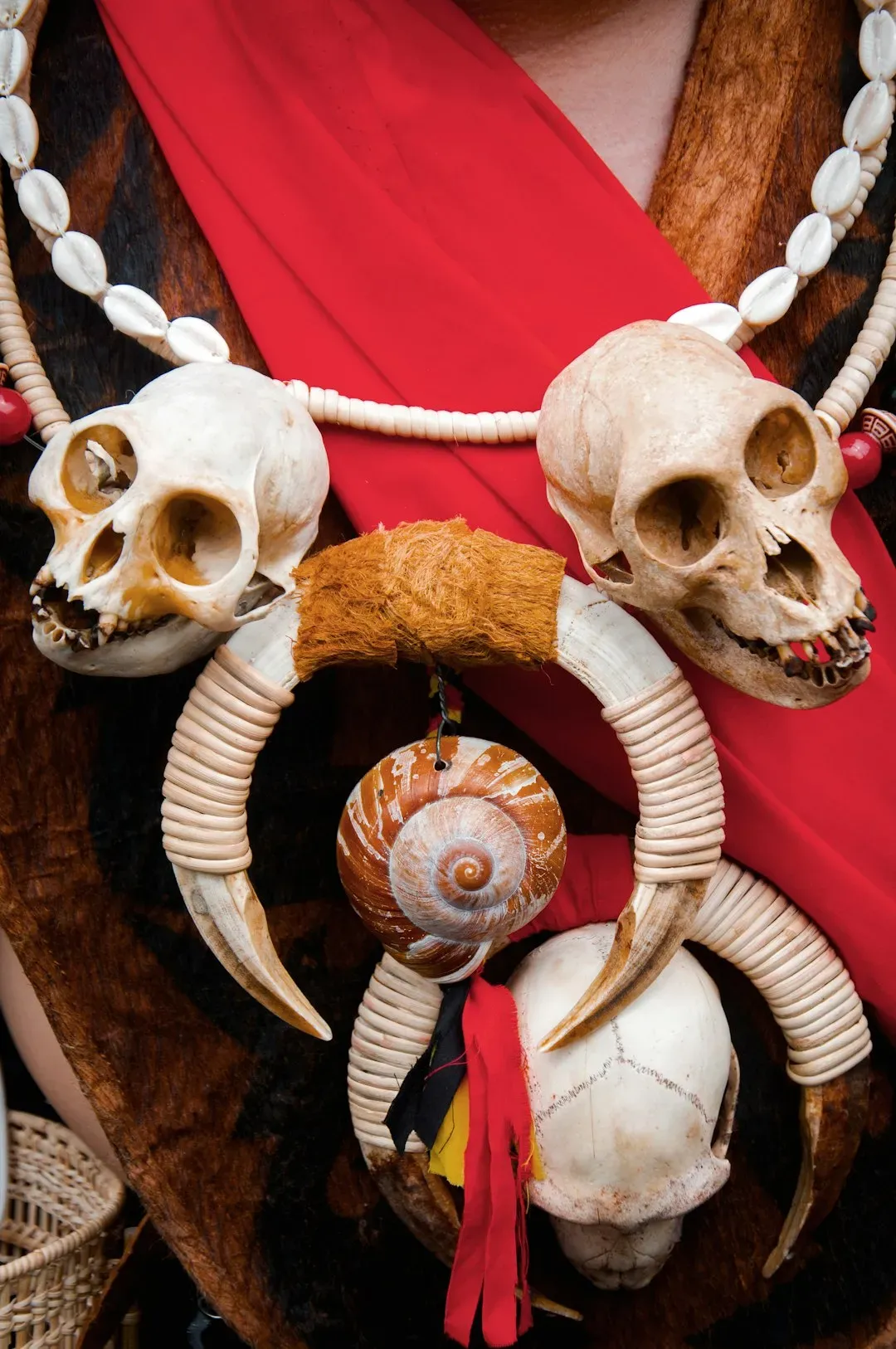
At some point, humans stopped being satisfied with just staying alive and started asking a new question: who am I, and how do I show it? You see this in the earliest personal ornaments – things like beads, pierced shells, or animal teeth worn as necklaces, bracelets, or decorations. These were not tools for cutting or hunting; they were tools for expressing. When you choose to wear or display something simply because it looks beautiful, powerful, or special to you, you are practicing creativity in a deeply human way.
Think about the decisions behind each ornament: which materials to use, how to shape them, how to string them together, and when to wear them. Those choices suggest that your ancestors cared about social signals and personal style. Maybe the adornments showed group identity, personal achievements, or attraction. Today, you do something very similar every time you pick out clothes, jewelry, hair color, or even a phone case. You are constantly crafting a visual story about yourself, just like early humans once did with shells and bone.
Caves as Canvases: Stories in Shadows and Light
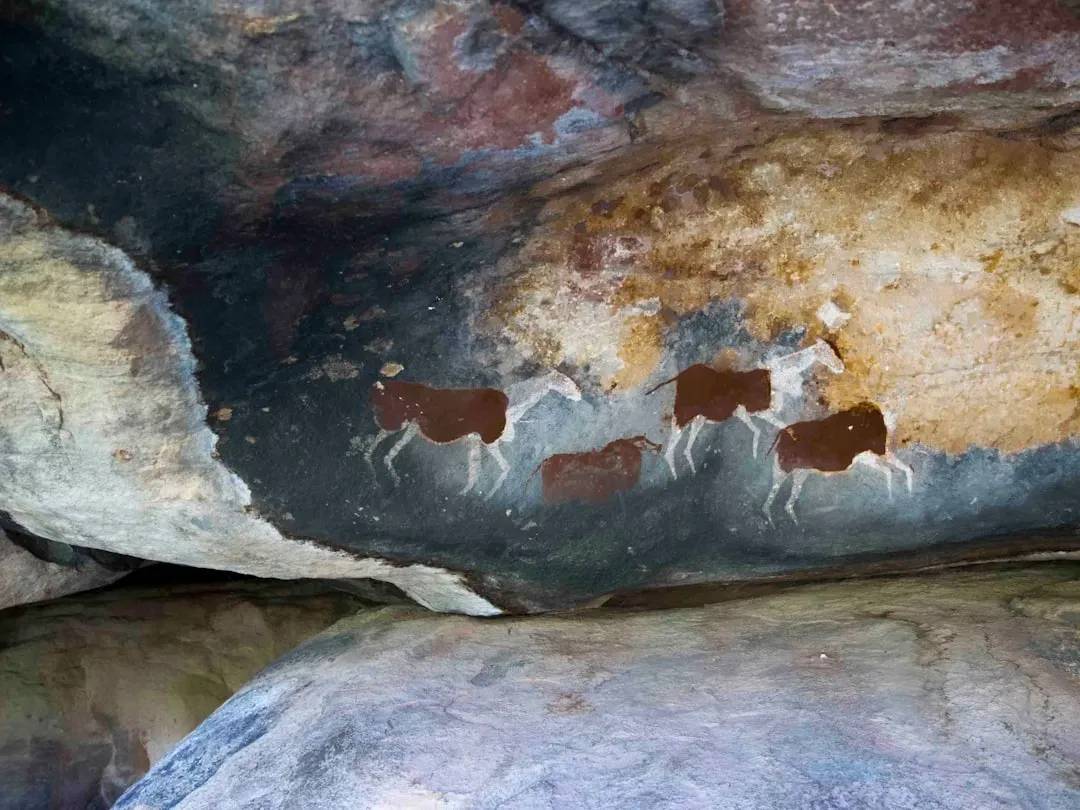
Some of the most striking early signs of creativity are the paintings deep inside caves: animals in motion, abstract signs, hand stencils, and layered images built over generations. These were not casual doodles. People had to bring light into dark spaces, prepare pigments, choose surfaces, and decide what to depict. When you stand in front of those images in your mind, you can almost feel their intention: to record, to communicate, to connect with something larger than the everyday struggle.
When you create or enjoy visual art today, you’re stepping into the same very old habit of turning experience into images and stories. Maybe those cave paintings captured important animals, hunting scenes, or spiritual beliefs. Maybe they were early attempts to explain the world or to pass on knowledge from one group to another. Any time you grab a camera, sketch something that happened to you, or fill a page with shapes and patterns, you are echoing that decision to treat the world not just as a place to survive, but as a stage for imagination.
Sharing Stories Around the Fire: Imagination in Speech
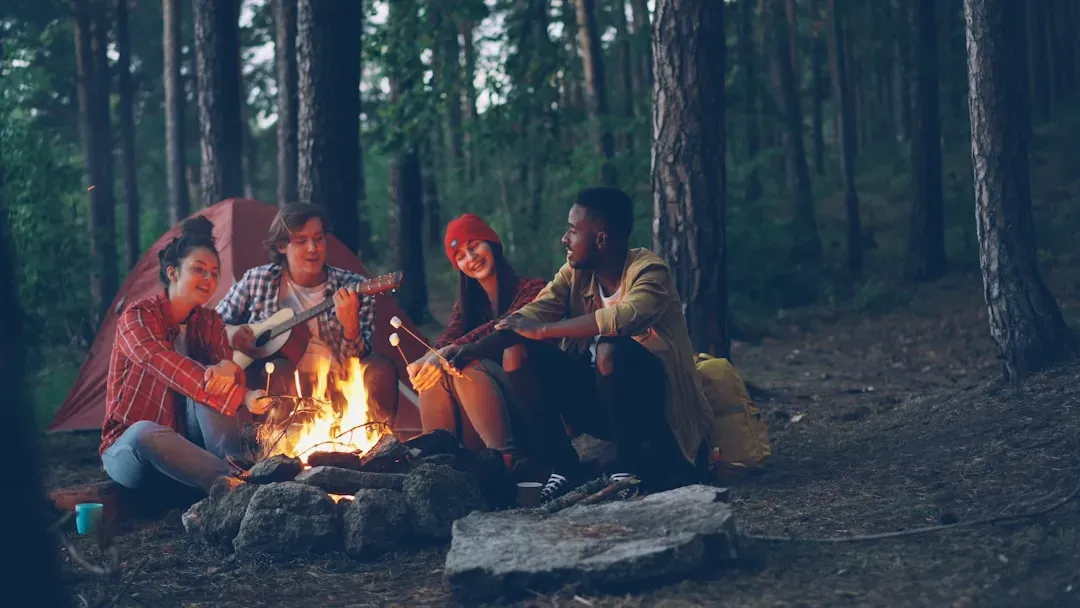
Even before people wrote anything down, they were talking – a lot. Language itself is one of the most powerful creative tools your species ever developed. With it, your ancestors could share what they saw, imagine what might happen, describe what did not exist yet, and build shared beliefs. Picture a group gathered around a fire, telling stories of distant places, dangerous animals, or legendary ancestors. In those moments, creativity moved from objects and images into pure imagination carried by words.
You still live inside that creative tradition every day. When you exaggerate a funny story, brainstorm a wild idea with a friend, or tell a child a bedtime tale, you’re doing exactly what early humans did: bending reality in your mind and inviting others into that world. This ability to tell, reshape, and pass on stories helped your ancestors cooperate, plan ahead, and hold on to knowledge. In your own life, it’s the same force that drives you to write messages, share jokes, dream about the future, and find meaning in what happens to you.
Play, Curiosity, and the Childlike Roots of Your Creativity

If you watch children play, you can see raw creativity in its purest form: pretending a stick is a sword, turning a rock into a magical treasure, inventing rules for imaginary games. Your early ancestors almost certainly did something similar. Through play, they could experiment safely with tools, roles, and new ideas. They could pretend to hunt, act out conflicts, or imitate adults, all while stretching their imagination further than the immediate demands of survival.
As an adult, you might think you’ve outgrown that kind of play, but your brain never really stops working that way. You still use playful thinking when you daydream, improvise, or test out new hobbies without knowing where they will lead. That curiosity is not a luxury or a childish distraction; it is the engine that powered human creativity from the very beginning. Every time you let yourself explore for the sake of exploring – tinkering with a new app, learning a skill, or just wondering “what if?” – you are keeping that ancient, creative spark alive.
From Survival to Self-Expression: What Early Creativity Means for You
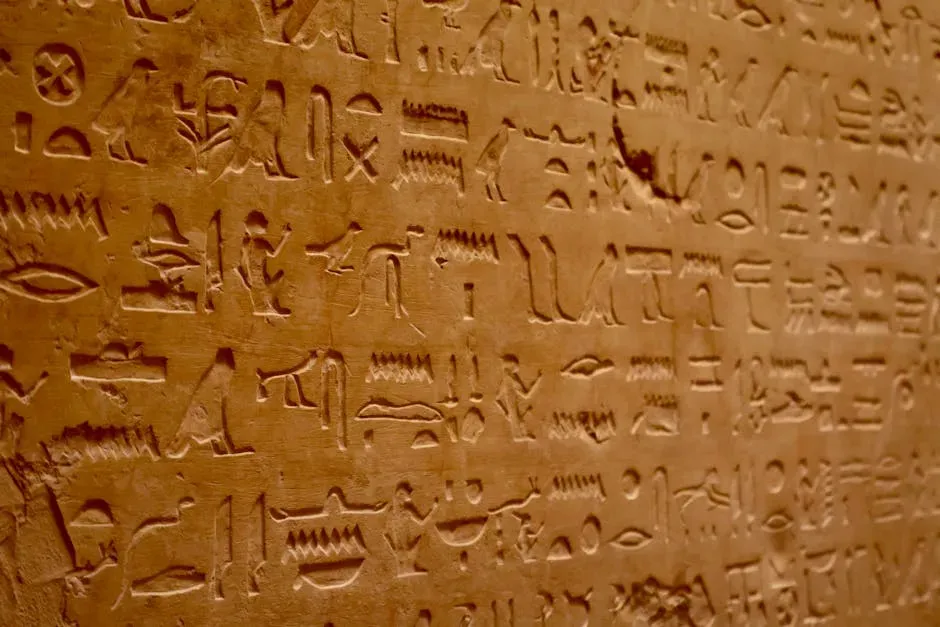
When you put all these early signs together – tools, pigments, marks, ornaments, paintings, stories, and play – you start to see a clear pattern. Your ancestors were never just reacting to the world; they were constantly reimagining it. They did not only want to eat and stay warm. They wanted to belong, to be seen, to remember, to hope, and to transform their surroundings into something that reflected their inner life. That shift from simply surviving to deeply expressing is one of the defining features of being human.
You inherit that entire history in your own everyday creativity. You might not carve bones or paint cave walls, but you design your digital spaces, adjust your personal style, shape your home, and tell your own stories. Whenever you feel that urge to make something – whether it is a sketch, a recipe, a playlist, or a new way of doing your work – you are touching the same ancient impulse that once guided a hand across stone or a voice in the firelight. Realizing that can change how you see yourself: not as someone who “maybe” is creative, but as someone built from the very beginning to imagine and create.
Conclusion: The Ancient Spark You Still Carry
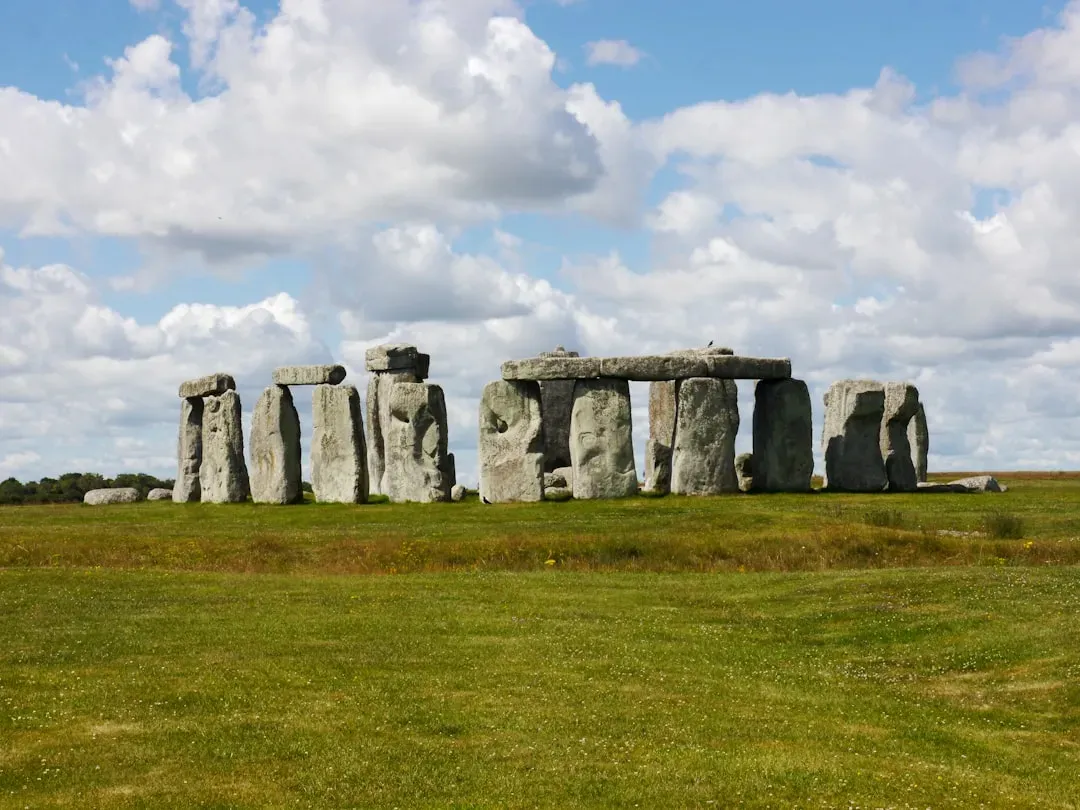
did not arrive in a sudden burst of genius; it grew slowly, one experiment and one small risk at a time. A chipped rock, a red stain on stone, a carved pattern, a string of beads, a painted animal, a campfire story – each of these was a step in learning how to turn inner thoughts into outer reality. When you recognize those first signs of creativity, you are really recognizing the long, unbroken thread that leads straight to you. You are part of a story that began when someone, long ago, decided that the world could be different because of what lived in their mind.
The next time you hesitate and tell yourself you are not a creative person, remember how deep your creative roots go. They reach back to the very first humans who dared to experiment, decorate, and dream beyond what they could touch. You do not need a perfect plan, a fancy title, or anyone’s permission to join them; you only need to notice that familiar itch to make or change something, and follow it. So, the real question is not whether you are creative, but what you are going to do with that ancient spark you already carry.