You use language so effortlessly that it is easy to forget how strange it really is. At some point in a very distant past, your ancestors had no words at all – only gestures, cries, and shared glances. Then, slowly, something changed. Sounds began to carry shared meaning, ideas started to travel from one mind to another, and eventually, the conversations you have today became possible.
When you trace that story back, you are not just learning about language; you are learning about what made you human. The emergence of speech is tangled up with cooperation, emotion, survival, and even the way your brain is wired. You will not get a neat, single origin story – scientists are honest about how uncertain the details still are – but you can see powerful clues that show how your ancestors might have taken the first steps from silence to speech.
From Calls and Gestures to Shared Meaning
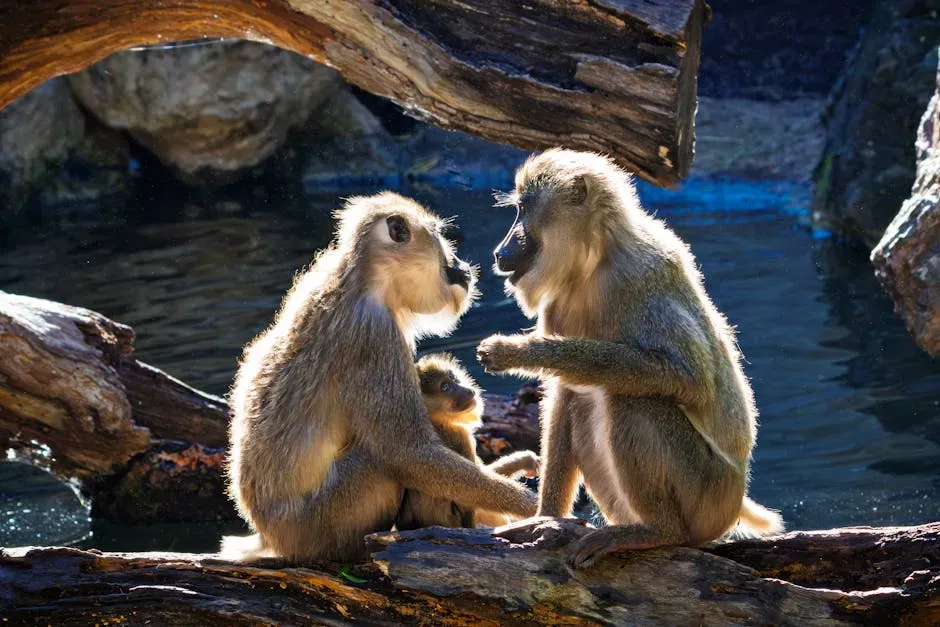
Imagine yourself in a landscape full of predators, where a wrong move can get you killed. Before words, you would have relied on alarm calls, facial expressions, and pointing to warn others or coordinate a hunt. Many animals still do this: monkeys have different calls for different predators, and apes use rich gestures to request food, play, or grooming. You are not starting from zero; your species inherits a deep primate toolkit for sound and gesture that already carries basic meaning.
As your early ancestors began living in larger, more complex groups, those rough signals would not have been enough. You needed more nuance than a simple danger call or a basic signal for food. You had to coordinate long-term plans, calm conflicts, and teach skills like tool-making or tracking. Out of this pressure, you can picture calls and gestures becoming more flexible, gradually turning into a shared code – a system where a particular sound regularly meant a specific thing and everyone around you understood it that way.
The Social Brain: Why Talking Helped You Survive
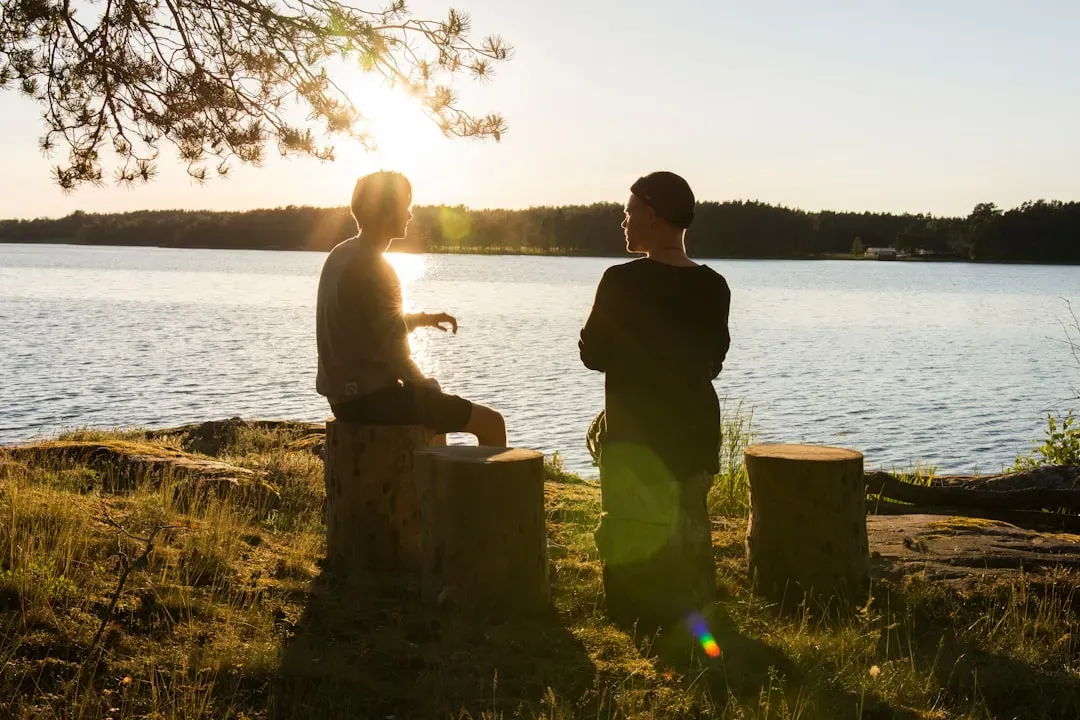
If you look at your brain today, it is unusually tuned for relationships. You track alliances, loyalties, reputations, and unspoken rules almost without thinking. One strong view in evolutionary science is that language emerged because your ancestors needed a better way to manage increasingly complicated social lives. When groups grew larger, it became harder to keep trust and cooperation alive using grooming and direct contact alone. Talking, in this view, became a kind of “social glue.”
Think about how you use language now: you gossip, you share stories, you smooth over tension, you signal who is “in” and who is “out.” In your distant past, this social power would have had real survival value. Being good with words could help you avoid fights, gain allies, and pass on your genes. Over many generations, brains that were slightly better at handling sound, memory, and social reasoning may have been favored, nudging your lineage toward more sophisticated language skills.
How Your Brain Became a Language Machine
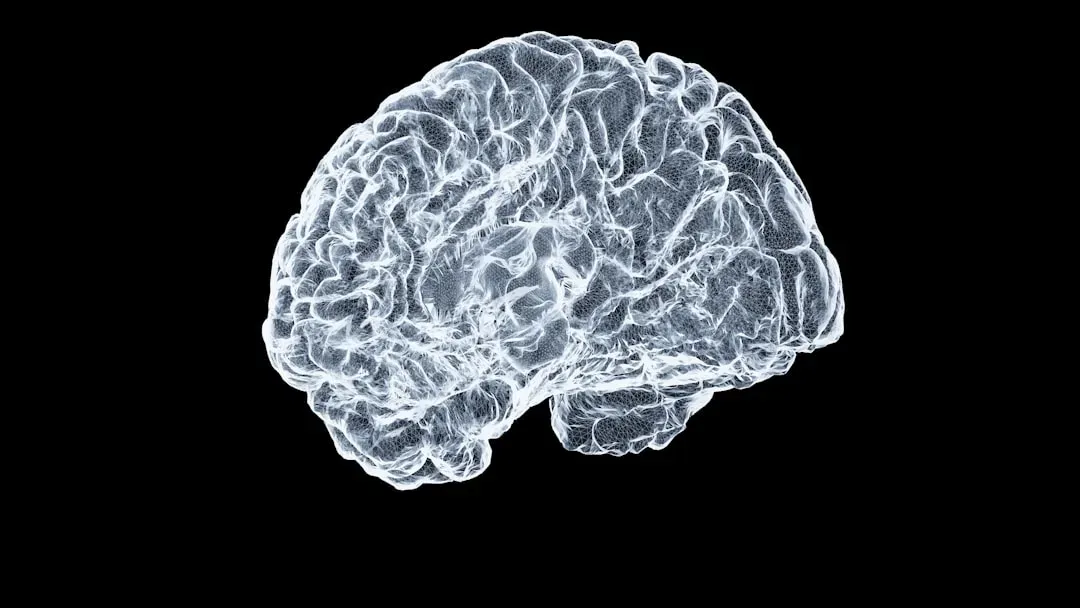
When you speak or listen, your brain lights up in a network of areas working together, not in one magic “language spot.” But certain regions, especially in the left side of your brain, are consistently key. If you damage parts near your left frontal and temporal lobes, you may still think clearly but struggle to form or understand sentences. That pattern suggests that as your ancestors evolved, these regions were gradually repurposed and fine-tuned for the demands of language.
At the same time, your brain did not evolve language from scratch. It re-used older systems that were already good at pattern recognition, motor control, and social understanding. You can see hints of this when you learn new words as a child, linking sounds to actions, objects, and emotions. Over evolutionary time, your ancestors’ brains became faster at absorbing these links, better at parsing sound streams, and more capable of holding complex structures in working memory, making longer, more precise utterances possible.
Breath, Voice, and the Risky Redesign of the Throat
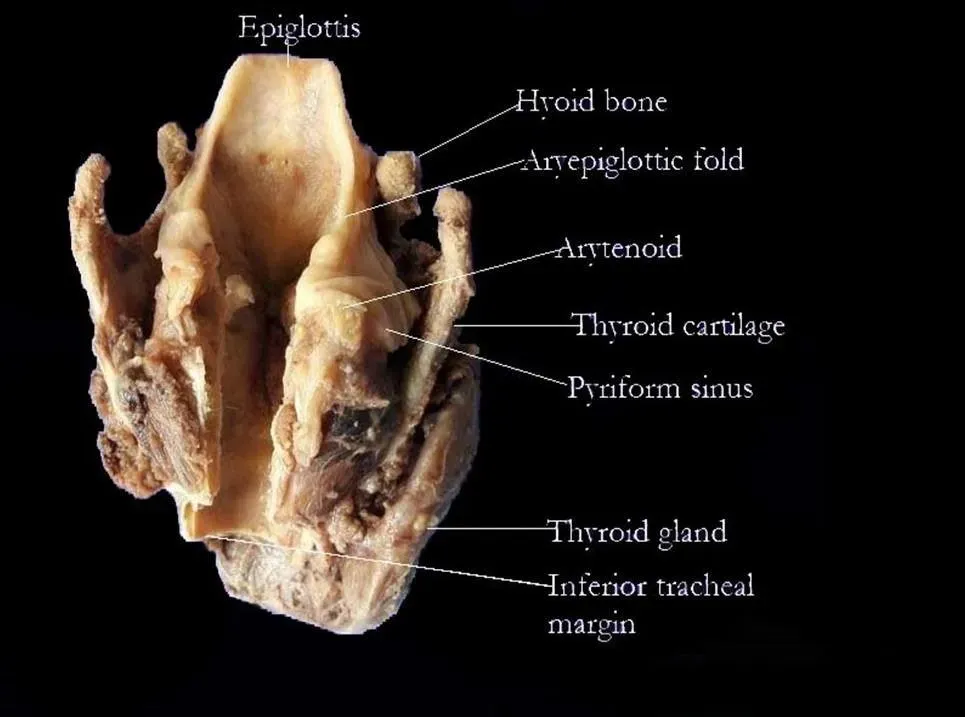
You do not usually think about your throat when you talk, but its design tells a dramatic story. Compared to other primates, your larynx (voice box) sits lower, and your tongue has more room to move and shape sounds. This configuration gives you a much wider range of vowels and consonant-like noises than a chimpanzee can produce. The trade-off, though, is serious: you are at a much greater risk of choking because your airway and food passage cross paths.
For this risky redesign to stick, it had to bring real benefits. Being able to produce more distinct sounds made it easier for your ancestors to build a large set of contrasting words. Instead of relying mostly on pitch or volume differences, you could now combine many distinct sound units into a rich vocabulary. That physical flexibility did not create language by itself, but it opened the door for spoken words to become a powerful and precise tool for communication.
Did Language Begin with Hands, Voice, or Both?
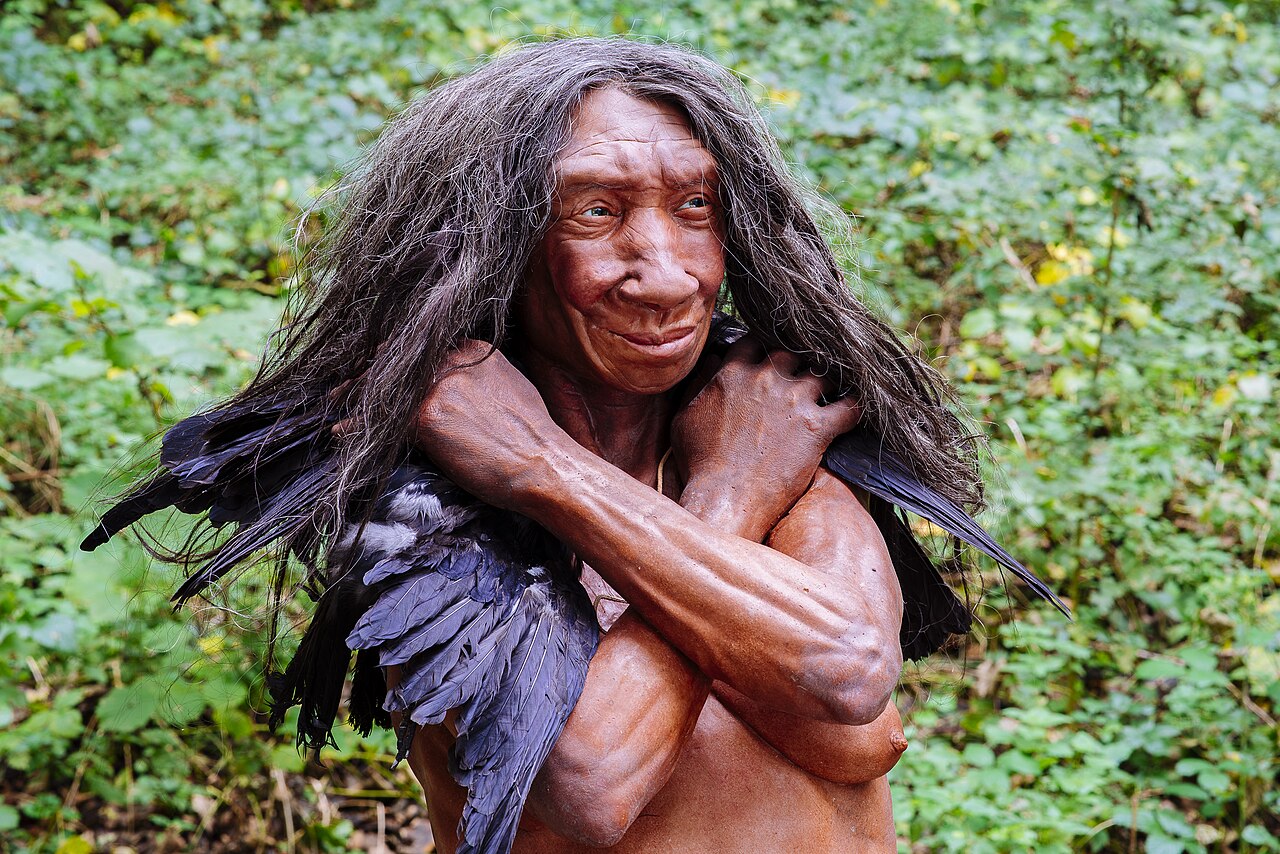
If you watch yourself talk, you probably do not stay still: your hands move, your face changes, your body leans in or away. This close tie between gesture and speech has led some researchers to argue that language began in the hands. In this view, your early ancestors used increasingly complex gestures to communicate, and only later did the voice take over as the main channel once vocal control improved. Modern sign languages, which can be just as rich and subtle as spoken languages, show you that full language is possible entirely in the visual-manual channel.
Others think voice and gesture evolved together, each reinforcing the other. That would make sense for you as well: you still rely heavily on both. Even when you are on the phone, you may catch yourself gesturing as if the other person can see you. No matter which route was primary, the key takeaway for you is that language is not just about sounds; it is about linking a whole body of expressive tools – hands, face, posture, and voice – into a single, shared system of meaning.
From Single Calls to Structured Sentences

However language started, it did not jump overnight from simple cries to complex grammar. You can imagine an early stage where your ancestors used individual vocal signals for highly important meanings – maybe specific foods, locations, or actions. Over time, these might have been combined in loose sequences, like stacking beads on a string: two or three signals in a row could convey richer information than one on its own. This kind of proto-syntax would have been messy and inconsistent at first, but it set the stage for structure.
As generations passed, the order and combination of these signals would have become more regular because regularity makes communication more reliable. If everyone around you tends to put sounds in the same order to express “who did what to whom,” your brain can start predicting patterns, shortening learning time for children and reducing misunderstandings. Eventually, you arrive at what you now take for granted: sentences where small changes in word order or endings can flip the entire meaning, all governed by rules you mostly follow without conscious effort.
Children as Windows into Language Origins

Today, if you watch how children learn to speak, you get rare insight into how language might have grown in your species. A child starts with babbling, then single words, then short two-word strings that slowly lengthen and grow more complex. No one hands them a grammar manual; they pull patterns from the speech around them with astonishing speed. This natural progression from simple to complex echoes, in a very compressed form, the long path your ancestors may have taken over millennia.
You also see how powerful the drive to communicate is. Even children who are not exposed to a full language sometimes create their own systems of signs or gestures to share meaning. And when groups of children are raised with a mix of broken or limited input, they can collectively turn that raw material into a more systematic language. That creative push toward structure and shared rules suggests that your brain is not a passive receiver; it is an active builder of language, just as your ancestors’ brains must have been during the earliest stages.
What Archaeology and Genetics Can (and Cannot) Tell You

Because language does not fossilize, you have to infer its origins from indirect clues. When you find complex tools, art, or burial practices in the archaeological record, you are probably looking at behaviors that would have been almost impossible without some kind of advanced communication. Coordinating group hunts, passing on detailed craft techniques, or maintaining shared myths and rituals all hint that language-like systems were already in place by the time those artifacts were created.
On the genetic side, you can look at changes linked to brain development, vocal control, and social cognition in your lineage compared with other primates. Some genes are known to play roles in speech and language abilities, and certain variants seem more common in humans than in other species. But you should be cautious here: there is no single “language gene,” and you cannot point to a precise mutation and say that is when talking began. The picture you get is of many small shifts, in anatomy, brain wiring, and social life, gradually converging to make language not only possible but almost inevitable for your species.
Why the Story of Language Origins Still Matters to You

When you step back and look at all these threads – social pressure, brain changes, vocal anatomy, gesture, child development – you see that language is not a luxury add-on. It is tightly woven into what allowed your ancestors to survive, cooperate, and eventually build the worlds you now live in. Understanding where it came from helps you reframe ordinary conversations as something extraordinary: each word you say is the end result of countless generations of trial and error.
This perspective can also shift how you treat the languages and dialects around you. If language was your ancestors’ most powerful survival tool, then every language today carries a piece of that hard-won history. When you learn a new language, tell a story, or even argue with someone, you are participating in an ancient experiment that started long before anyone had words for it. The next time you open your mouth to speak, you might quietly wonder: if your early human relatives could hear you now, would they recognize the deep, shared impulse behind your every sentence?
In the end, you do not get a single, neat origin moment for language, and that is probably the most honest answer you can accept. What you do get is a slow, intertwined evolution of body, brain, and society that turned raw cries and gestures into the powerful, subtle speech you use every day. Knowing that, how differently will you listen to your own words the next time you tell a story, share a secret, or simply say hello?