You usually imagine the Ice Age as a frozen wasteland: mammoths slogging through blizzards, saber-toothed cats stalking in the dark, and humans just barely hanging on. But if you zoom in on Ice Age America, you see something far more interesting. You see people adapting with incredible creativity, reading the land like a book, and turning a harsh continent into a place they could actually call home.
As you trace those ancient footsteps, you start to realize this is not just about the distant past. The choices made in Ice Age America shaped how you live today: what you eat, how you travel, how you think about family, and even how you respond to crisis. In a very real way, you’re still living with the echoes of those decisions, carved into landscapes, cultures, and your own instincts for survival and belonging.
The Frozen Gateway: How You First Reached the Americas
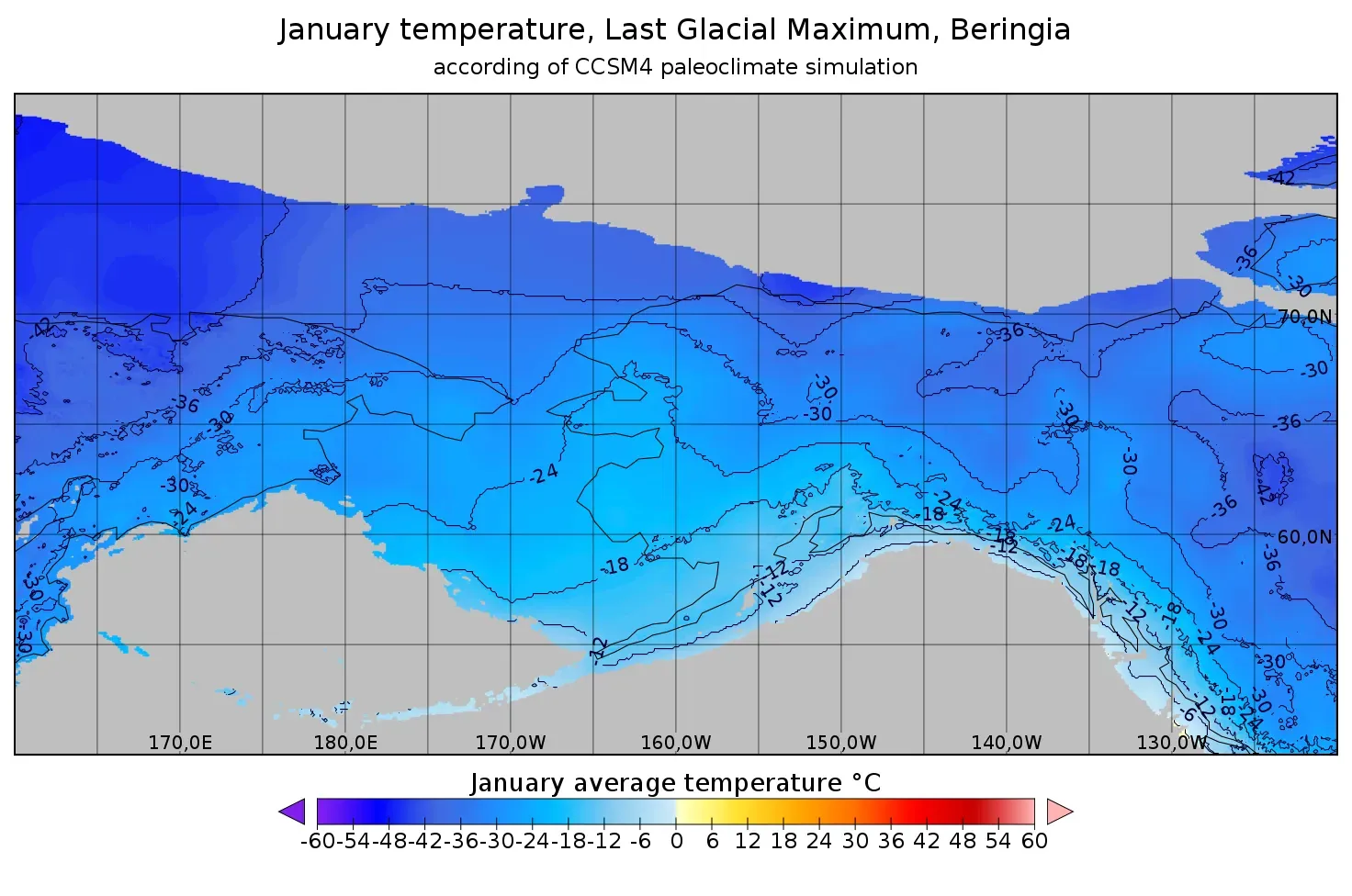
Picture yourself standing at the edge of a continent that technically doesn’t exist anymore. During the Ice Age, so much water was locked up in glaciers that sea levels dropped, exposing a vast land bridge between Siberia and Alaska that you now call Beringia. Instead of open ocean, you’d see rolling grasslands, patches of shrubs, and herds of animals moving across a cold but livable corridor of land and shallow coastal plains.
You likely did not rush across this bridge in a single wave. For a long time, you and your ancestors may have lingered in Beringia, hunting bison and mammoth, fishing along rivers, and waiting for the massive ice sheets to retreat. Once they did, new routes opened into the heart of North America, and you followed animal migrations south, step by step, over generations. The Ice Age did not just block your path; it created a temporary highway that allowed you to enter an entirely new world.
Glaciers as Architects: Shaping the Land You Walked
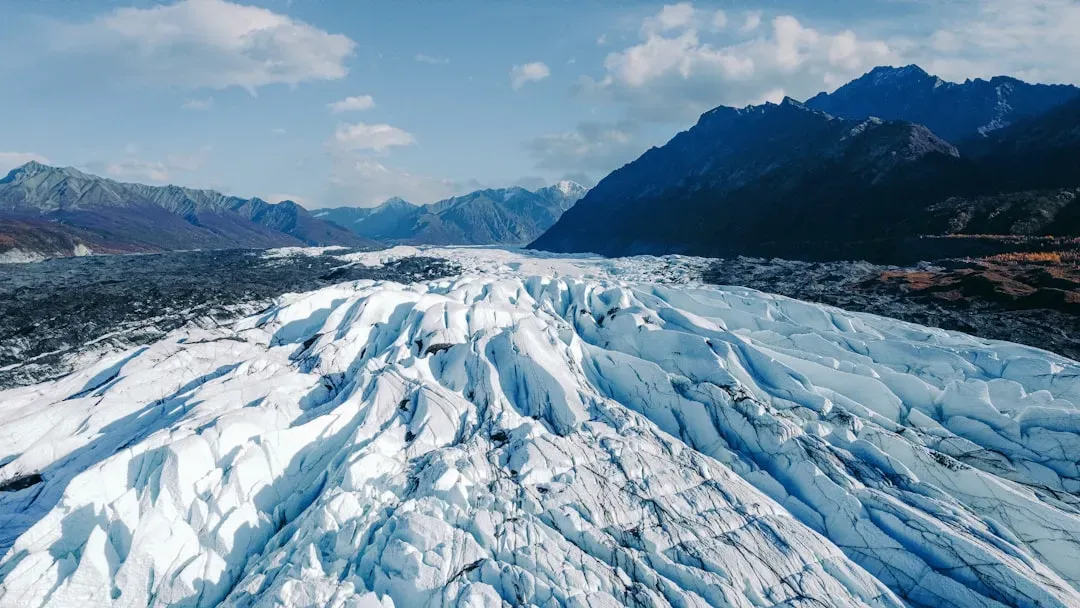
When you think about how you move through a landscape, you might picture roads, rivers, hills, and valleys. During the Ice Age, glaciers were the master builders that shaped almost everything you would have seen. Thick ice sheets bulldozed rock and soil, carving out basins that later became the Great Lakes and scouring valleys that funneled wind, water, and migrating herds. As the ice melted, enormous floods roared across the land, rearranging river systems and leaving behind rich sediments.
For you as an early human, this meant you were not just wandering randomly; you were navigating a terrain heavily engineered by ice. Glacial valleys became natural travel corridors. Newly formed lakes drew in animals and birds, turning their shorelines into hunting hot spots. Fertile floodplains created by melting ice supported grasses and shrubs that fed the very animals you depended on. Without those glaciers, your pathways through Ice Age America – and the places you chose to settle – would have looked completely different.
Megafauna Neighbors: Living Beside Giants
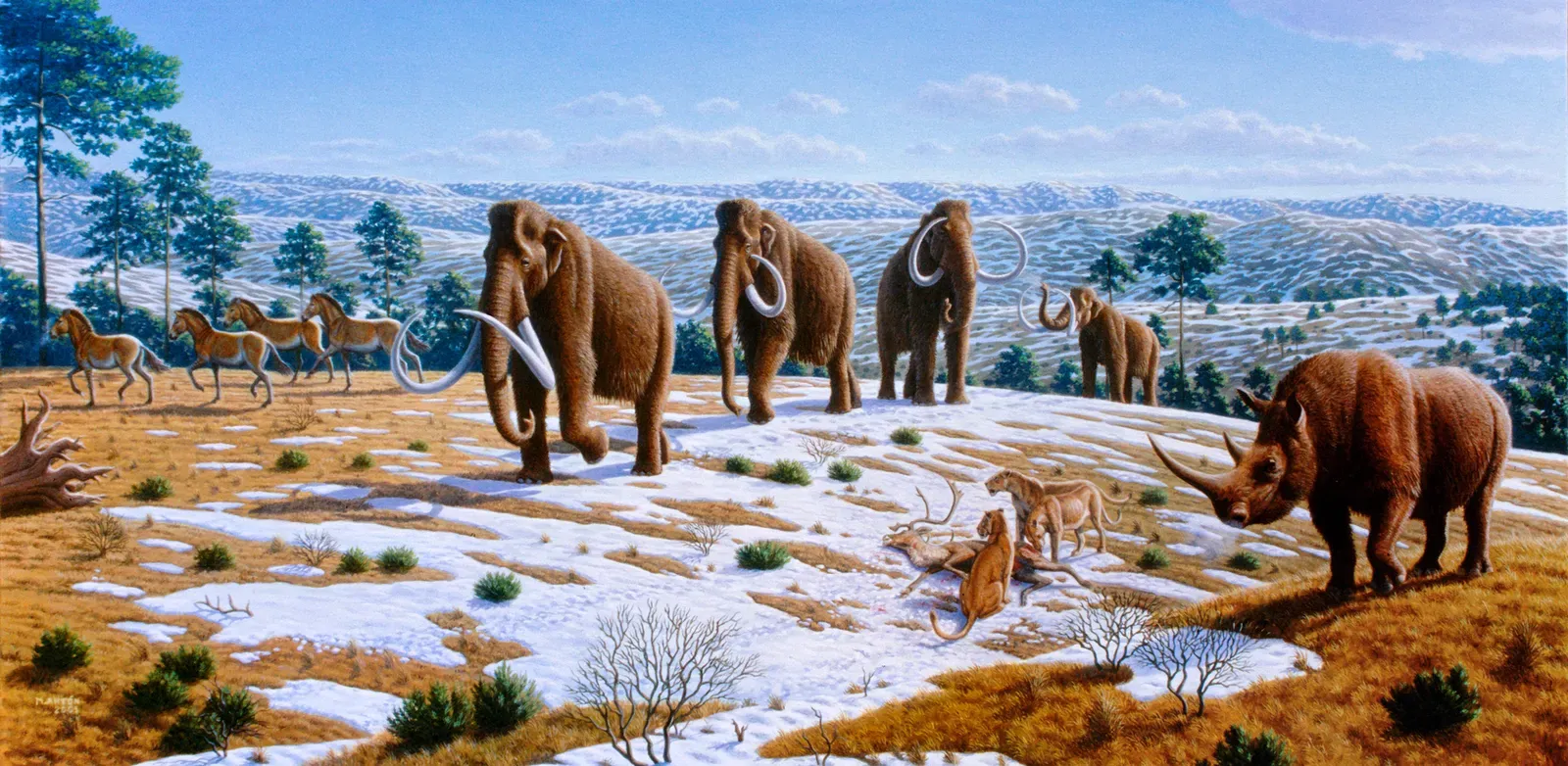
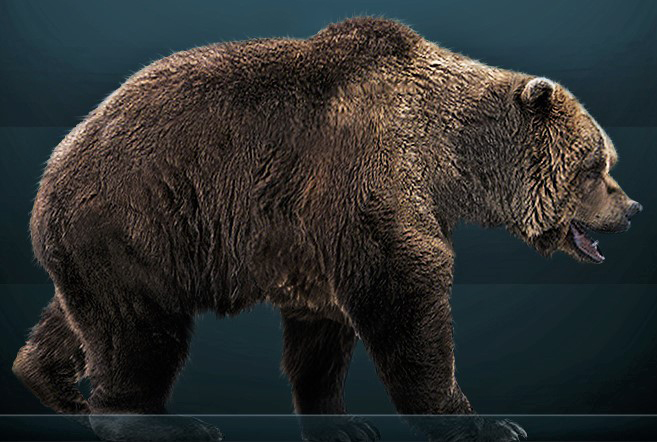
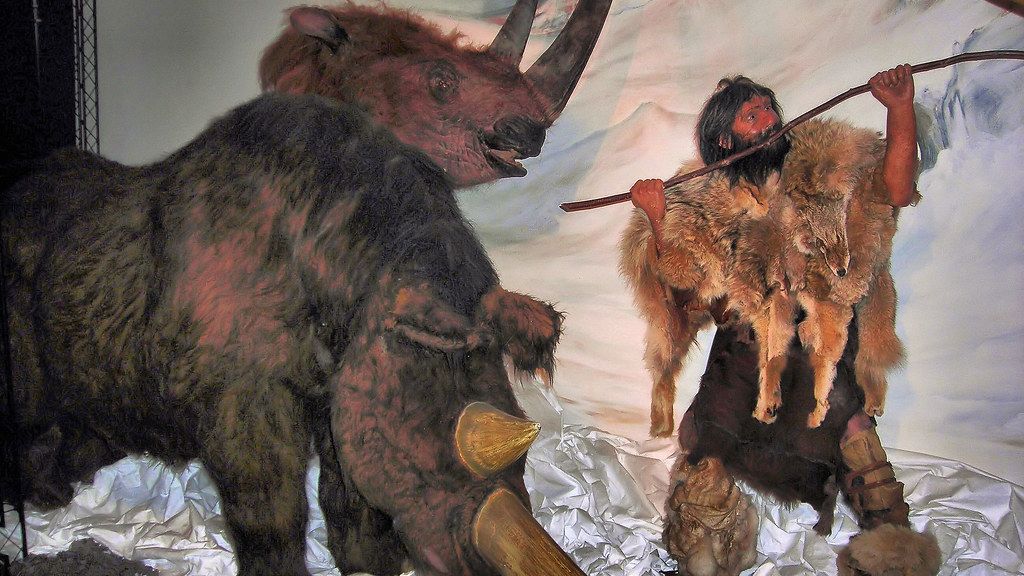
Imagine stepping out of your shelter and seeing a scene that feels almost mythical to you now: towering mammoths, massive ground sloths taller than a person, armored glyptodons like walking boulders, and fierce saber-toothed cats lurking at the edges of herds. In Ice Age America, you did not live alone. You shared the land with giants, and your survival often depended on how well you understood their behavior, movements, and weaknesses.
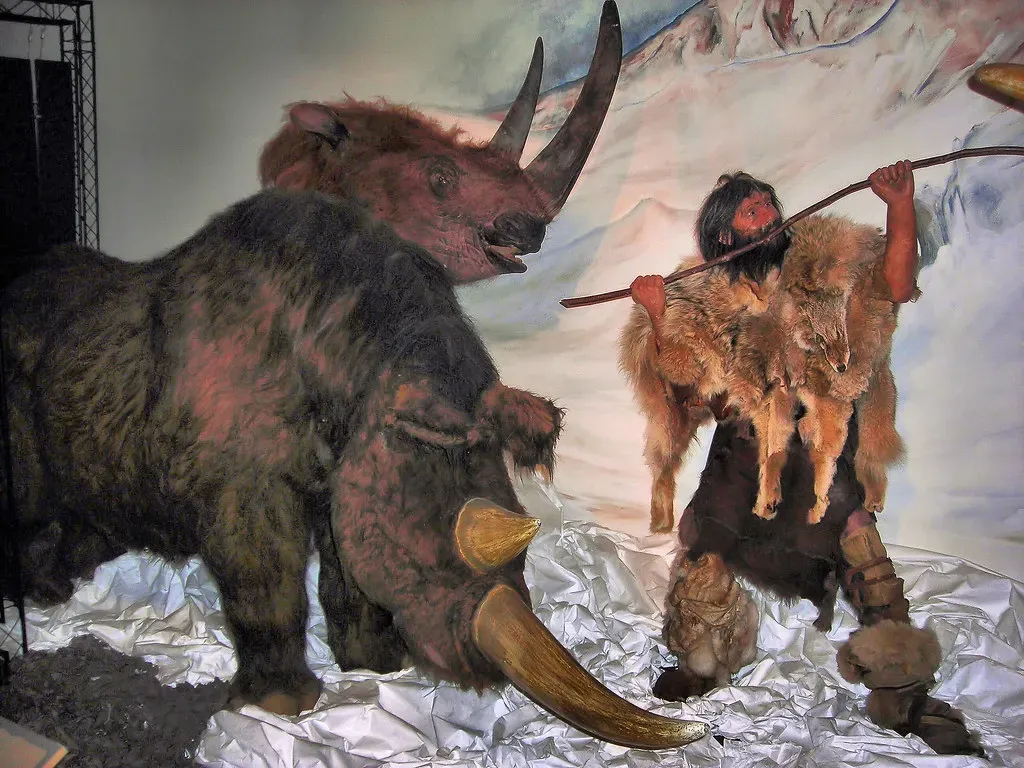
Hunting the largest animals was both an opportunity and a risk. A successful mammoth hunt could feed your group for days or weeks, but getting close enough with stone-tipped spears and darts meant serious danger. You had to coordinate with others, predict where the herds would move, and sometimes use the landscape itself – cliffs, bogs, or narrow passes – to your advantage. Your relationship with those animals was not just about hunting; you were constantly learning from them, tracking them, and adjusting to their disappearance when some of these giants eventually died out.
Surviving the Cold: How You Turned Harsh Climates into Home
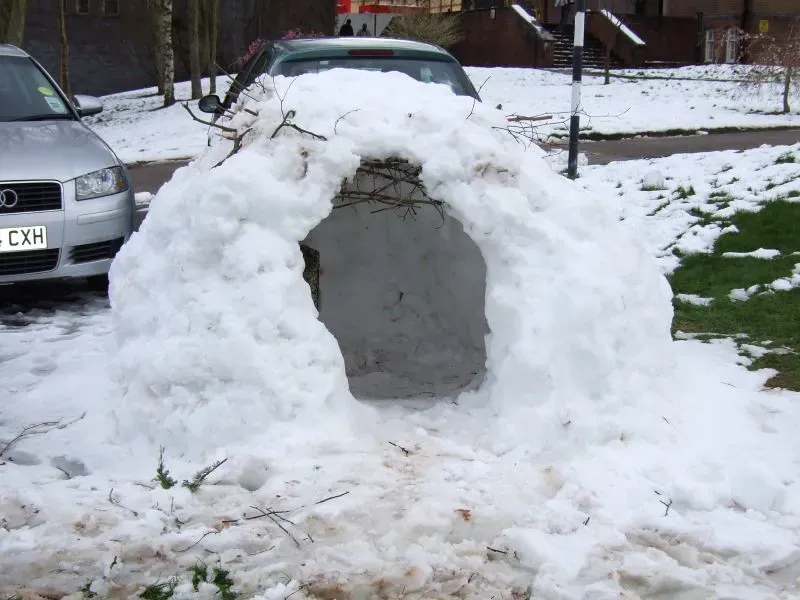
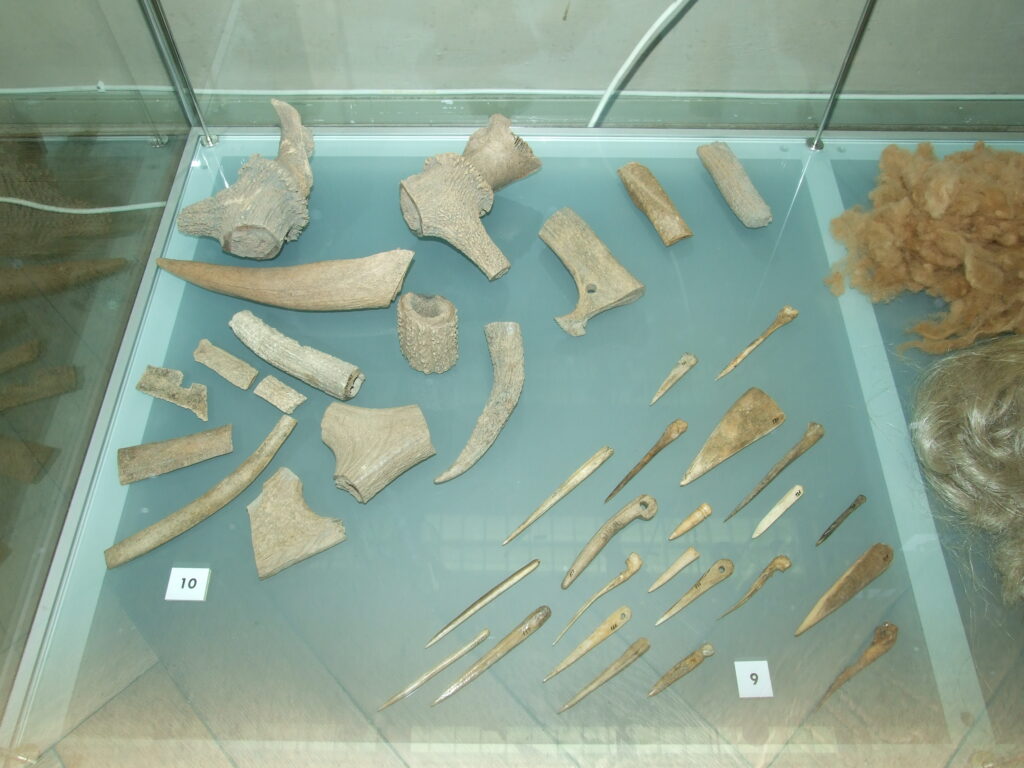
To live in Ice Age America, you had to become a specialist in cold. You learned to use layered clothing made from hides and furs, stitched together with bone needles and plant fibers. You built shelters that made sense for the materials around you, whether that meant snow houses in the far north, semi-subterranean homes dug into the earth, or windbreaks made from mammoth bones and hides on treeless plains. Every choice you made about shelter and clothing was a small experiment in engineering and comfort.
Your daily life was shaped by seasonality in a way that can be hard to grasp now. Winters were long and punishing; summers could be short and intense. You stored food when you could, dried meat and fish, and learned where to find edible plants that only appeared for a brief window each year. The cold taught you discipline and planning. It forced you to think months ahead, to read subtle changes in weather and animal behavior, and to treat warmth not as a luxury but as a resource you had to actively create and protect.
Tools, Weapons, and Ingenuity Forged in Ice
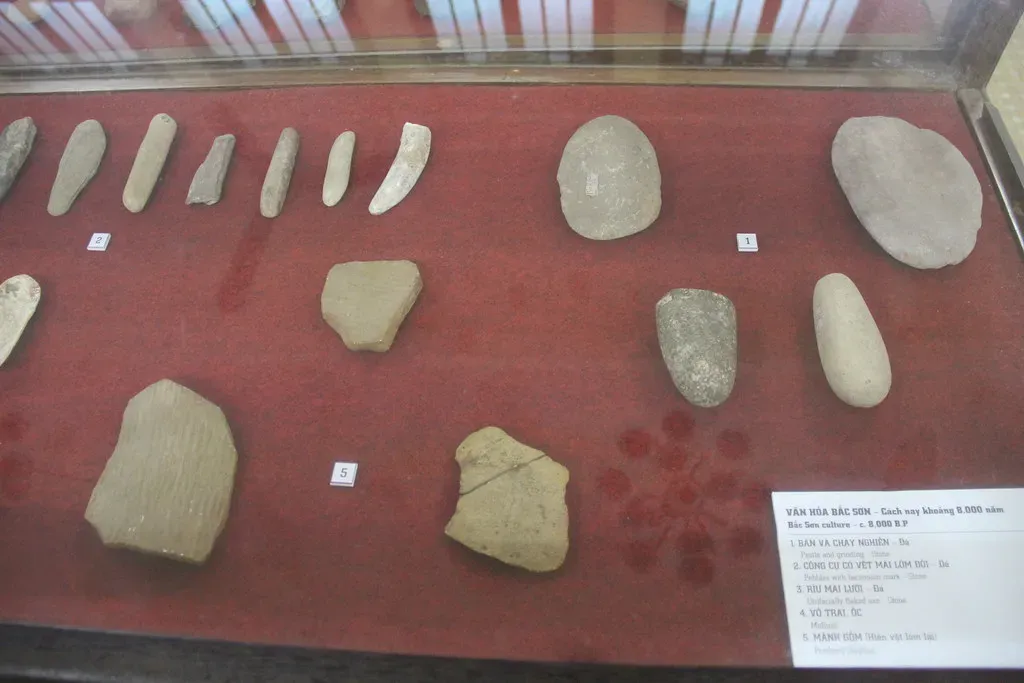
In a world where a single mistake could cost you your life, your tools were not optional extras; they were extensions of your body and mind. Ice Age America pushed you to refine stone technology into sharper, more durable points and blades. You learned to shape spear tips, knives, and scrapers from high-quality stone that you sometimes carried or traded across long distances because you knew it was too valuable to leave behind. Your toolkit told your story: what you hunted, how you butchered, how you built.
You also did something more subtle: you merged technology with strategy. You did not just throw spears harder; you redesigned hunting by inventing spear-throwers and, eventually, more complex projectiles. You experimented with composite tools – wood, bone, sinew, and stone combined into a single object. These innovations were not random; they were your response to massive animals, wide-open spaces, and unforgiving weather. The Ice Age forced you to innovate or fail, and you responded with quiet, relentless creativity.
Following the Herds: Migration, Routes, and Early Networks
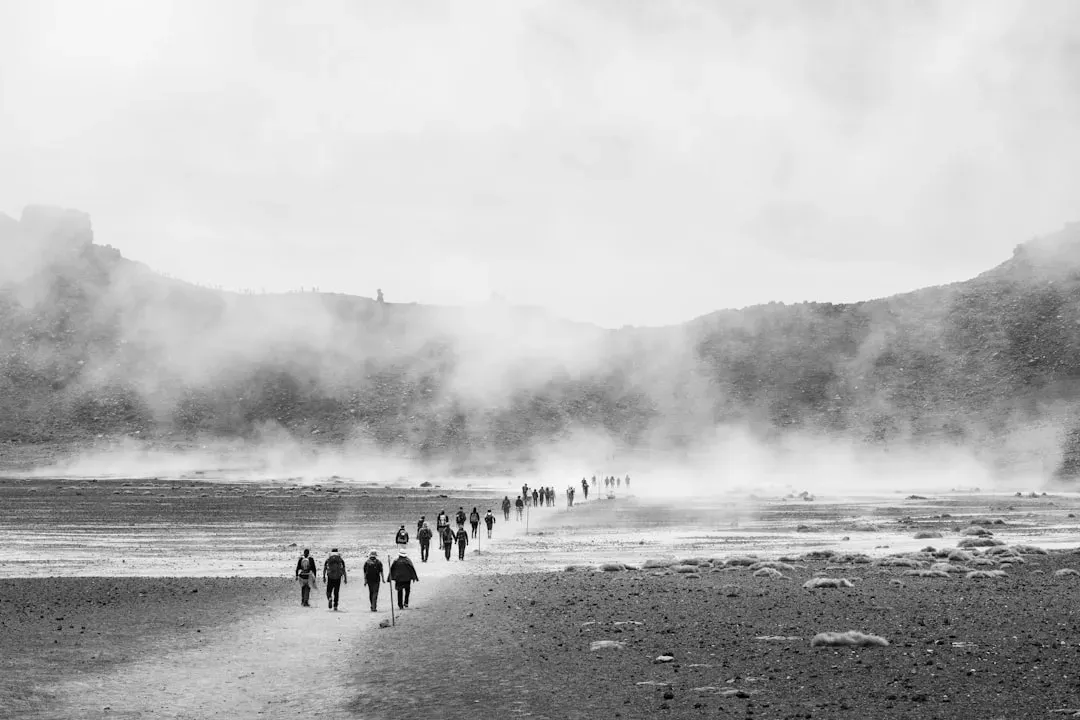
If you want to understand how you spread across Ice Age America, you have to think like both a hunter and a geographer. You followed animals, water, and seasons, but you also learned the contours of the land and repeated routes that worked. Over time, game trails, river valleys, and passes between ice sheets turned into your pathways. You probably did not think of them as roads, yet those repeated movements laid down invisible lines across the continent.
As different groups moved, they did not just pass through empty space. You would have run into other bands of people, exchanged knowledge, mates, and materials, and perhaps contested or shared especially rich hunting grounds. In this way, the Ice Age landscape nudged you toward early networks of contact. The land itself – its bottlenecks, resources, and seasonal shifts – pushed you to cooperate sometimes and compete at others. Your migrations were not simple one-way journeys; they were dynamic patterns that created a connected human presence across a vast, icy land.
Stories in the Ice: How the Past Still Shapes You Today
Even if you never think about the Ice Age, it has quietly shaped the world you move through every day. The locations of many modern cities, farms, and transportation routes still echo those ancient glacial valleys, river systems, and fertile plains. You build highways where animals and people once traveled. You plant crops where glacial soils left behind rich earth. You live around lakes and rivers carved or redirected by ice that melted thousands of years ago.
On a deeper level, you still carry the legacy of those in how you respond to challenge and uncertainty. They learned to read subtle signs in weather, skies, and animal behavior; you now read data, forecasts, and maps, but the underlying instinct to anticipate change feels very similar. When you adapt to climate shifts, technological disruption, or new environments, you are walking a path they started. Their story in Ice Age America is not finished history; it is a long-running experiment in resilience that you are still part of, even if you rarely notice it.
In the end, Ice Age America was not just a backdrop of snow and ice; it was an active force that molded how you moved, hunted, built, and thought. The land bridge you crossed, the glaciers that carved your routes, the giants you hunted, and the tools you crafted all nudged you toward becoming a more adaptable, inventive version of yourself. When you look at a map today or step outside into a winter morning, you are seeing the faint outline of a world they survived and reshaped. So the next time you shiver in the cold or marvel at a wide open landscape, will you catch yourself wondering how you would have fared if you had to carve out a life in Ice Age America too?