
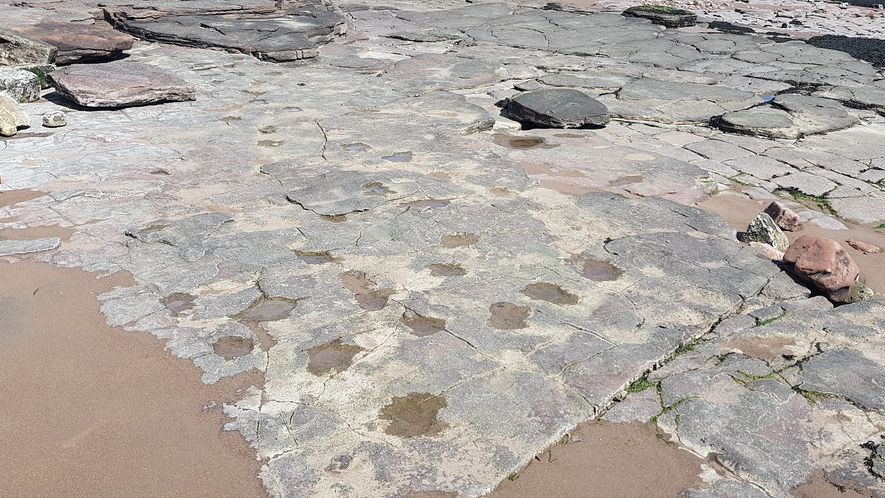
If you’ve ever stared at a dinosaur skeleton in a museum and thought, “I wish I could see where this actually came from,” you’re not alone. There’s something almost electric about standing on the same ground where ancient creatures once roamed, and in the United States, you can do exactly that in more places than you might think.
On my first visit to a real fossil quarry, I remember looking down at fragments in the rock and realizing I was literally seeing a moment from over a hundred million years ago, frozen in front of me. That feeling never really goes away, and the five sites you’re about to discover are some of the best places in the country to chase it. Each one gives you a different way to experience dinosaurs and other ancient life up close, not just behind glass.
Dinosaur National Monument (Colorado & Utah) – A Cliff Packed With Dinosaur Bones
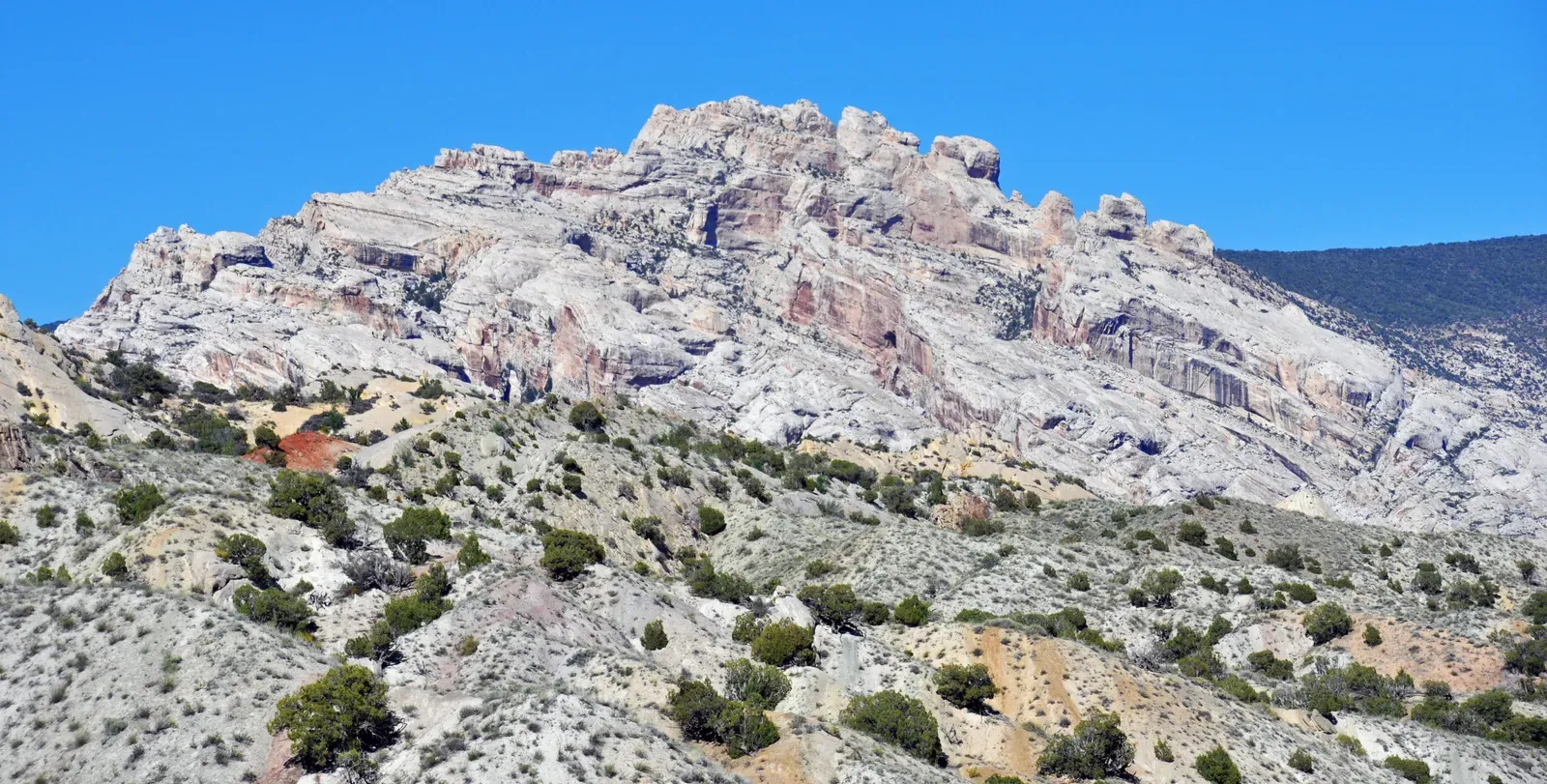
Imagine walking up to a rock wall and realizing you’re looking at hundreds of real dinosaur bones still embedded exactly where they were discovered. At Dinosaur National Monument, on the Colorado–Utah border, you get that jolt the moment you step into the Quarry Exhibit Hall. A towering cliff face of Jurassic bones, from creatures like Allosaurus, Diplodocus, and Stegosaurus, stretches in front of you, and you can trace entire skeletons with your eyes, vertebra by vertebra.
You’re not just seeing a few fossils; you’re looking at part of an ancient river deposit where carcasses piled up roughly about one hundred fifty million years ago. You can stand inches from skulls and limb bones, sometimes even spotting tooth marks and other clues to how these animals lived and died. Outside the quarry, you can hike trails that lead past more fossil-bearing rock layers, petroglyphs carved by Indigenous peoples, and sweeping canyon views that remind you just how long Earth has been busy reshaping itself. If you’ve only ever seen fossils in museum cases, this place feels like someone took the back wall off the exhibit and invited you behind the scenes.
Badlands National Park (South Dakota) – Ancient Bones in an Alien Landscape
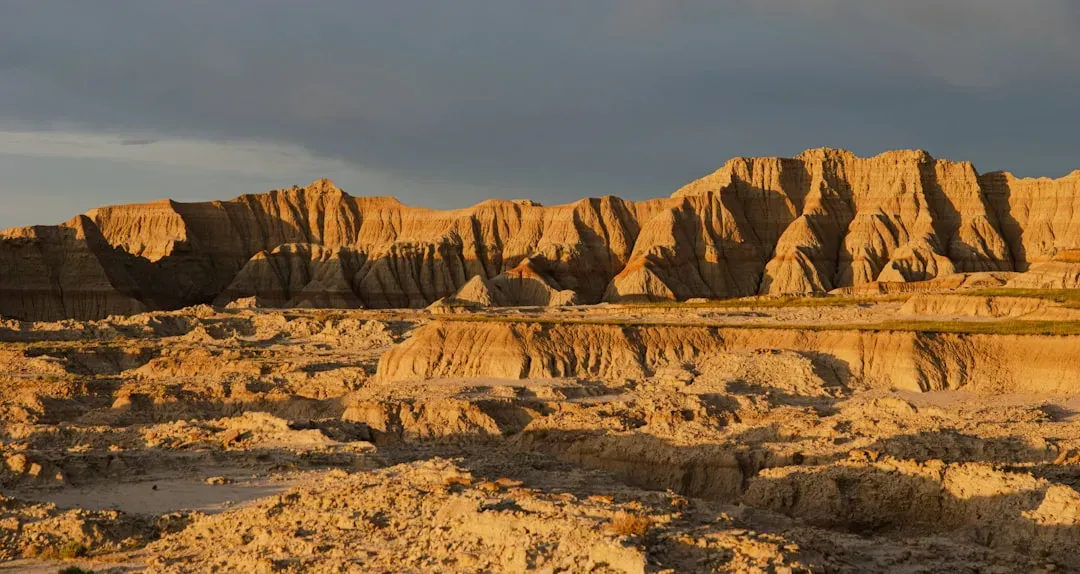
When you first drive into Badlands National Park, you might feel like you’ve landed on another planet. Jagged ridges, striped buttes, and eroded pinnacles stretch in all directions, and then you learn that many of these layers are loaded with fossils. Although the park is more famous for later mammals such as ancient horses, rhinos, and saber-toothed relatives, the broader Badlands region and surrounding formations are part of a fossil-rich story that includes dinosaurs in nearby strata and sites.
What makes the Badlands especially magical is how exposed the rocks are. Wind and rain constantly peel away thin layers, revealing new fossil fragments every year. You’re not allowed to collect, but as you hike marked trails, you’re walking through sediments that have produced some of the most important fossil mammal records in North America, and which sit not far in time from the last dinosaurs and the great extinction event. The visitor centers and exhibits help you connect the dots so you can picture the dinosaurs that once lived not far from the region, and see how life rebounded afterward. It is like reading the epilogue to the dinosaur era, written in stone right beneath your boots.
Dinosaur Ridge (Colorado) – A Fossil-Rich Roadside Hike Near Denver
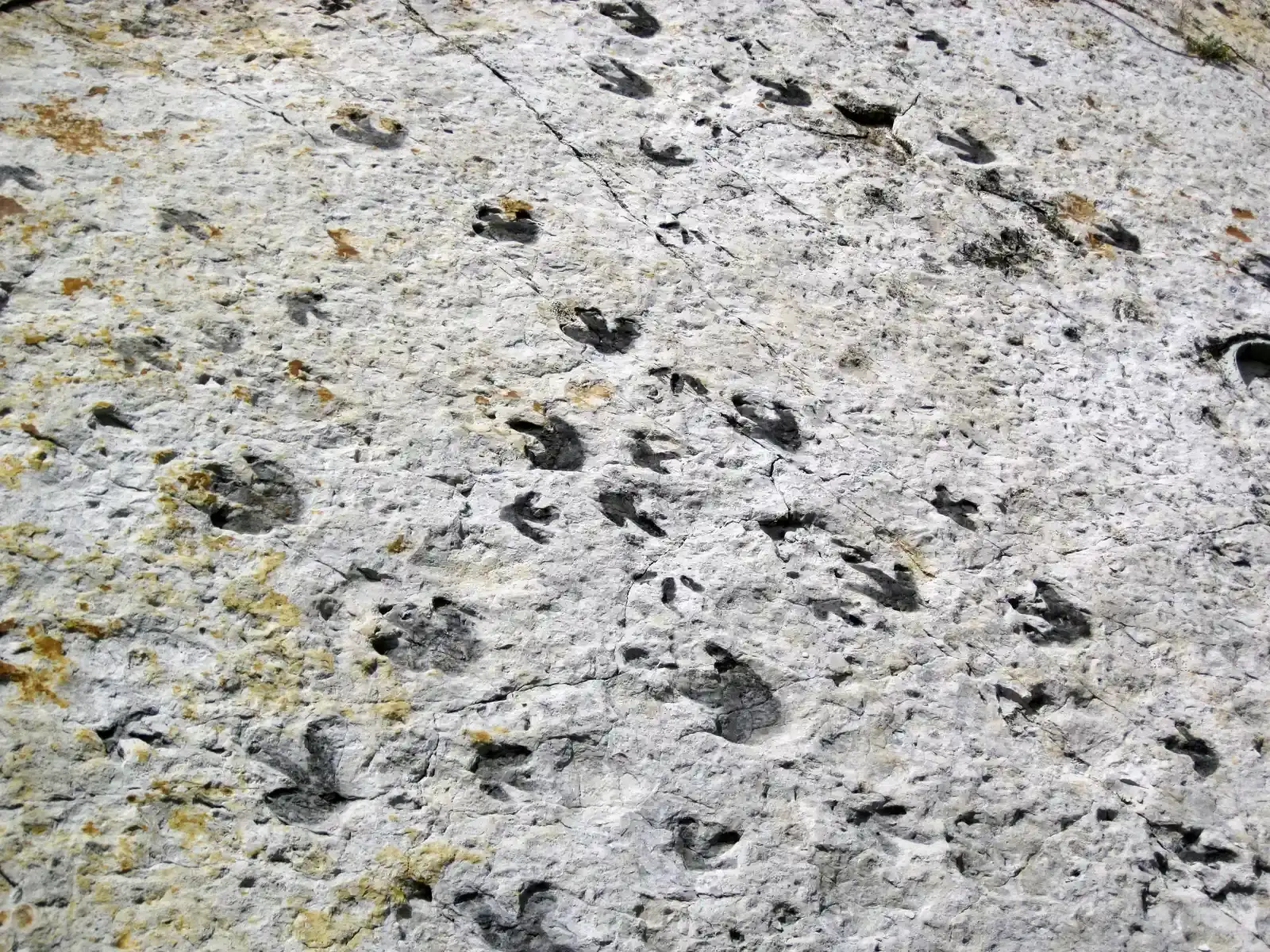
Just outside Denver, you can park your car, walk up a hillside, and suddenly find yourself face-to-face with dinosaur footprints, bones, and even ripple marks from long-vanished shorelines. Dinosaur Ridge is a classic field site where some of the first famous dinosaur fossils in the United States were documented in the late nineteenth century. Today, you can hike or take a guided shuttle tour along the ridge and stop at multiple fossil points right beside the road.
As you move from sign to sign, you see trackways from duck-billed dinosaurs, three-toed carnivores, and giant plant-eaters, as well as exposed bones and ancient environments frozen in stone. The ridge captures a time when this area was a coastal plain and shallow sea, not the dry, suburban front range you see now. Because it is so close to a major city, you can easily fit it into a day trip and still walk away feeling like you’ve spent time in the field. For a dinosaur enthusiast, it is one of those rare places where you can have breakfast downtown and be staring at real fossils in the rock before lunch.
Florissant Fossil Beds National Monument (Colorado) – Exquisite Detail from a Lost Lake
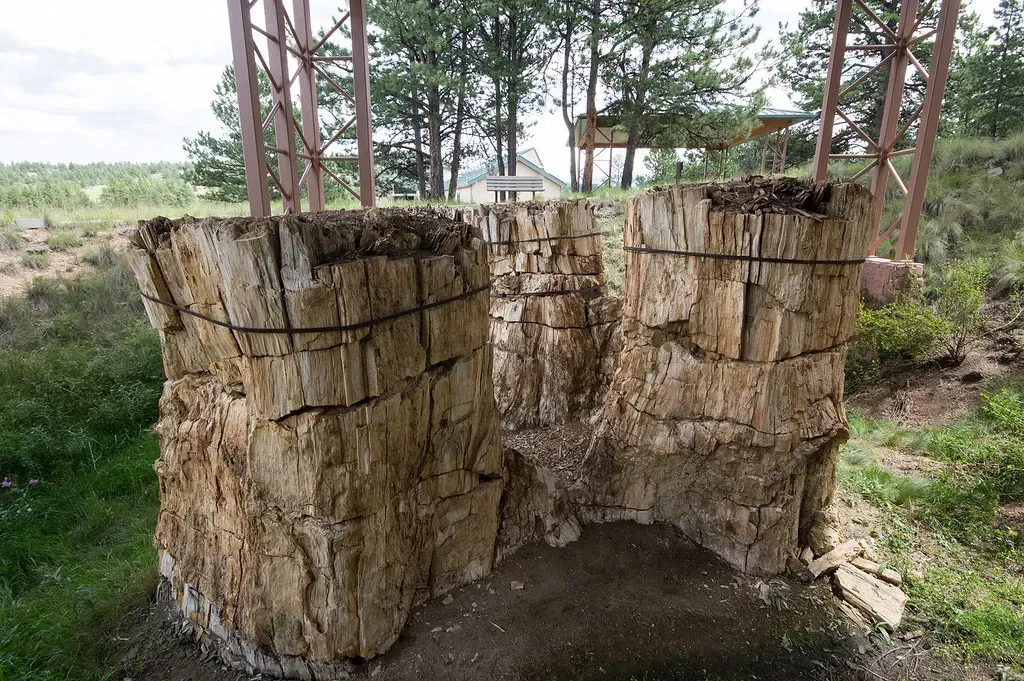
Florissant Fossil Beds is not a dinosaur site in the strict sense, but if you love ancient life, you should not skip it. Instead of towering skeletons, you get incredibly detailed fossils of insects, leaves, fish, and other organisms from a lake environment that existed long after the dinosaurs vanished. Many of the fossils are so fine-grained that you can see delicate wing veins or the shape of individual leaf teeth, giving you a window into life from tens of millions of years ago.
You also get to walk among huge petrified tree stumps that once belonged to redwood relatives, some of them wider than a car. The combination of fossil beds and preserved stumps helps you picture an entire ecosystem: towering trees along a lake, volcanic ash falling into the water, and plants and animals being buried and preserved with remarkable precision. Even though you are technically visiting the age after the dinosaurs, you are still tracing the deep story of how life recovered and diversified. If you care about the full arc of prehistoric life, this place adds crucial chapters to your mental field guide.
Fossil Butte National Monument (Wyoming) – A Fossil Lake Frozen in Time
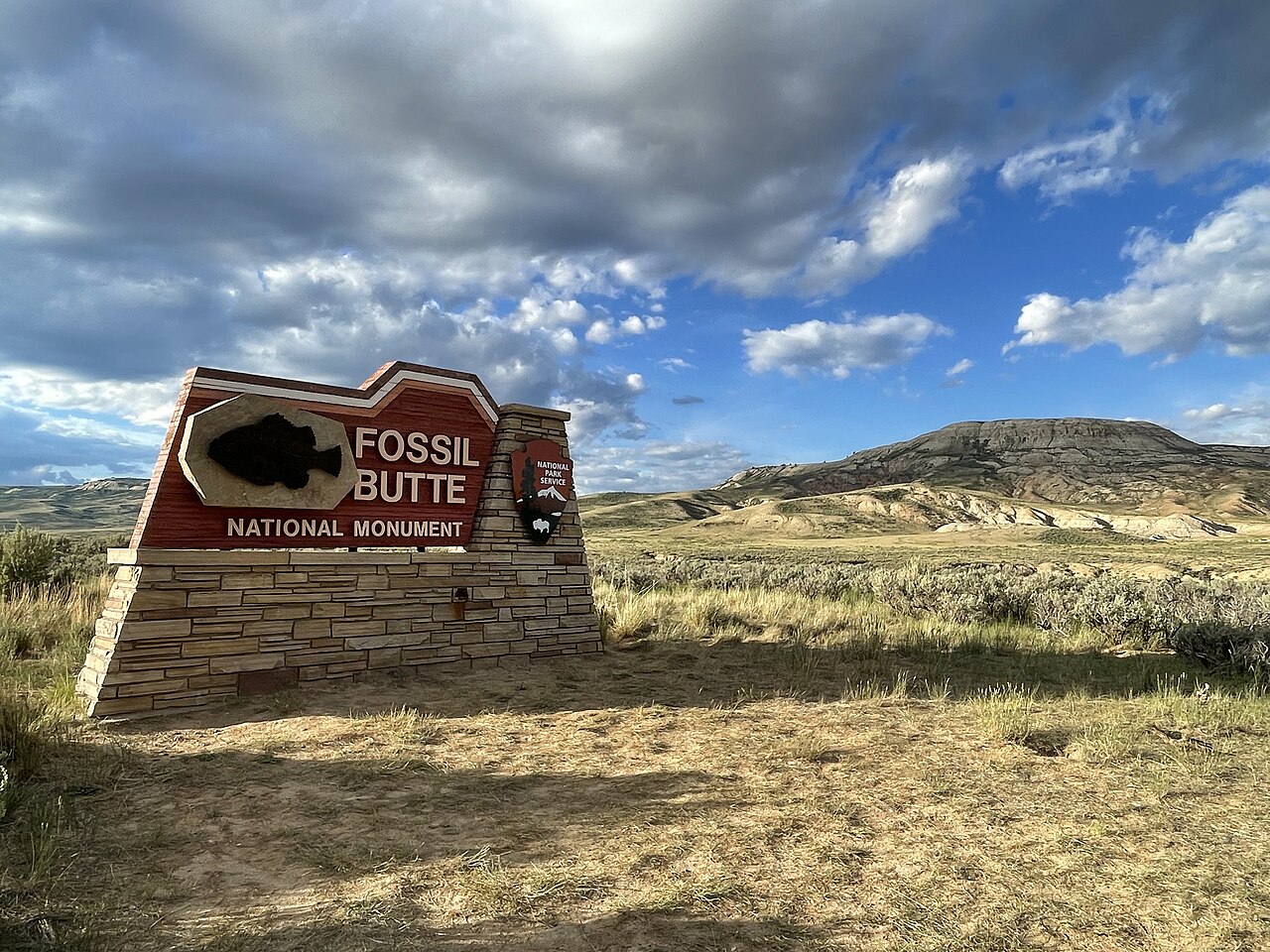
At Fossil Butte National Monument in Wyoming, you trade dinosaurs for one of the most beautifully preserved fossil lake ecosystems on the planet. Here, layers of fine-grained limestone hold thousands of fossil fish, birds, insects, plants, and even early mammals from an ancient lake that existed long after the age of dinosaurs. Many specimens are so sharply preserved that you can see fin rays, scales, and the outlines of soft tissues that usually vanish with time.
When you hike the trails or explore the exhibits, you are essentially walking around the edge of a vanished lake whose inhabitants are still lying quietly in the rock. The visitor center showcases spectacular specimens collected from the region, and some nearby private quarries (outside the monument boundaries) even allow fee digs where you can split rocks and sometimes find your own fish fossils to take home. Even though you will not see Tyrannosaurus or Triceratops here, you get something just as powerful: a complete snapshot of a day-to-day ancient ecosystem. For a dinosaur enthusiast, it is a reminder that the story of prehistoric life did not end with them; it just changed cast and kept going.
Conclusion: Stepping Into Deep Time, One Site at a Time
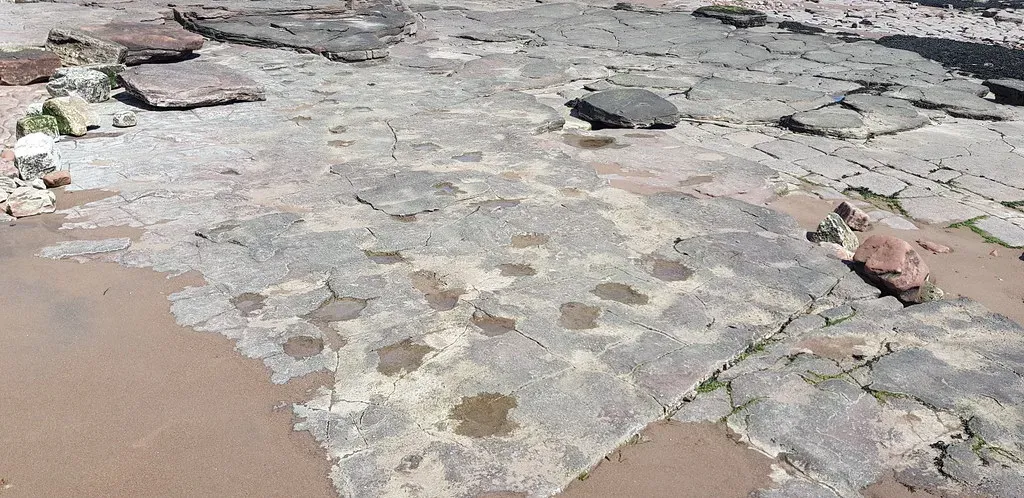
When you string these sites together in your mind, you start to feel how layered Earth’s history really is. Dinosaur National Monument and Dinosaur Ridge drop you into the heart of the Jurassic and Cretaceous, where giant reptiles ruled land and shorelines. Dinosaur Valley State Park lets you follow their literal footsteps, while places like Badlands, Florissant, and Fossil Butte show you what came after, as new species filled the gaps left by extinction and turned the planet into something both familiar and strange.
If you visit even one of these places, you’ll probably find yourself thinking differently the next time you see a fossil in a museum case. Instead of a dusty relic, you will picture the cliff it came from, the trail you hiked, and the sky you stood under while you imagined a very different world. These sites are not just stops on a map; they are portals into deep time that you can walk into with a good pair of shoes and a curious mind. Which one are you going to step through first?