You live in a world built on metal, but it is easy to forget that for most of human history, people had to make do with stone, bone, and a little soft copper or bronze. When iron arrived, it was like someone had secretly turned the difficulty setting of civilization down a notch. Suddenly, tools were tougher, weapons were deadlier, and entire landscapes could be reshaped in ways your Stone Age ancestors could never have imagined.
The Iron Age was not just about swapping one metal for another. It brought a cascade of innovations that changed how you farm, fight, travel, and even organize your societies. In many ways, you are still living in the long shadow of those breakthroughs. Let’s walk through five of the most important Iron Age inventions and see how each one quietly rewired the future you now take for granted.
1. Iron Smelting Furnaces: Turning Rock Into Power
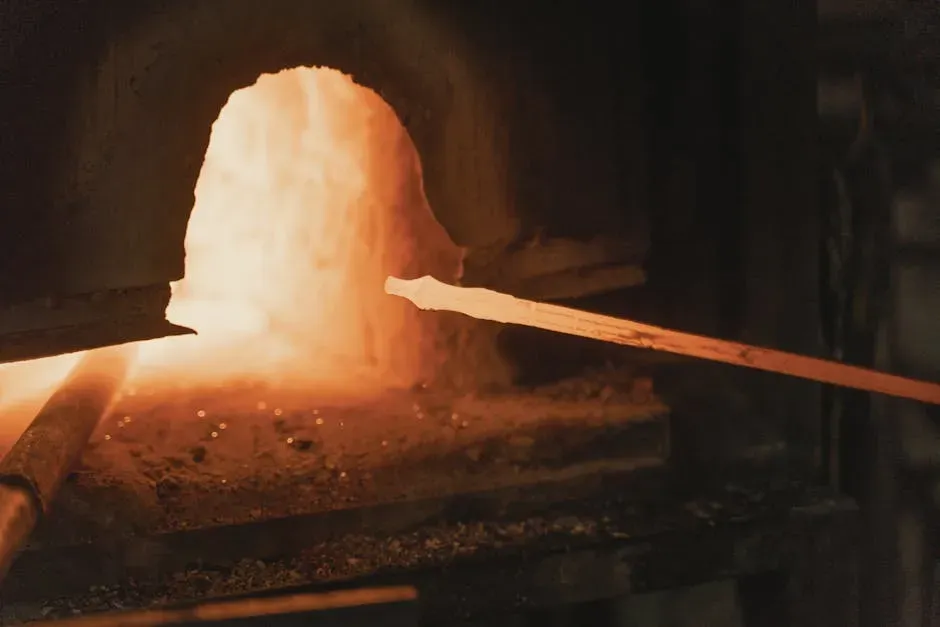
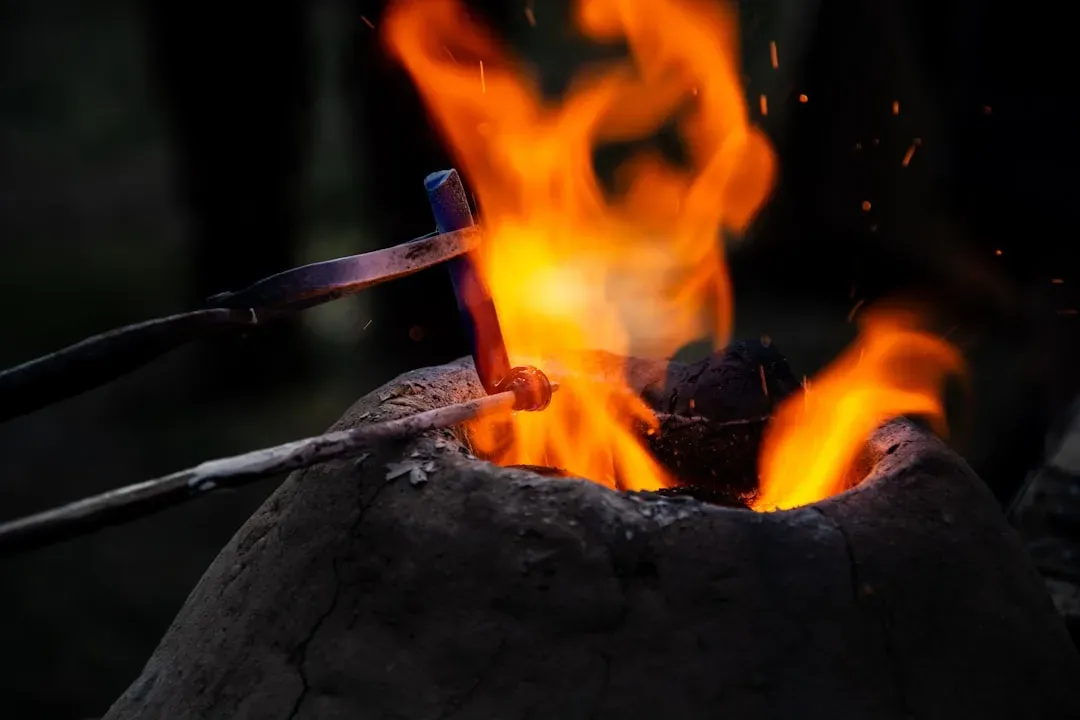
If you had walked into an early Iron Age village at night, you might have seen a strange glow on the edge of town: a furnace roaring like a trapped storm, villagers feeding it with charcoal and fist-sized chunks of reddish ore. That scene is where the real revolution began. Iron does not come ready to use; you have to wrestle it from rock using intense, controlled heat, and that meant building furnaces capable of reaching temperatures far higher than anything your Stone Age predecessors could manage.
As you master iron smelting, you are not just extracting metal; you are learning to command fire, air, and chemistry in a new way. You blow air into the furnace with bellows, raise the temperature high enough to reduce the ore, and end up with a spongy mass of iron you can hammer and refine. Once your community can do this repeatedly, you are no longer limited by rare, expensive bronze that depends on distant tin trade routes. You have a metal that is tougher, more abundant, and ready to transform almost every tool and weapon you know.
2. Iron Weapons and Armor: Redefining Warfare and Power
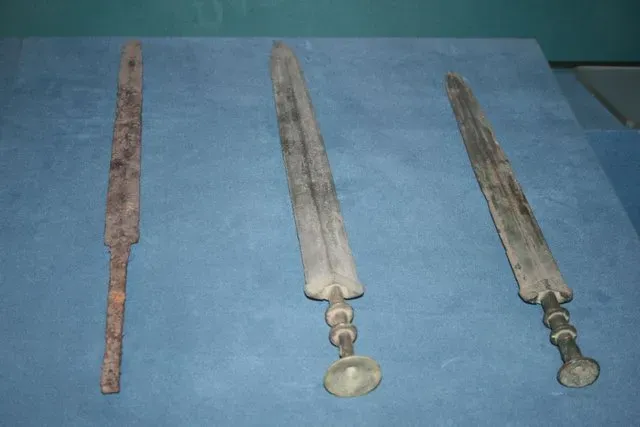
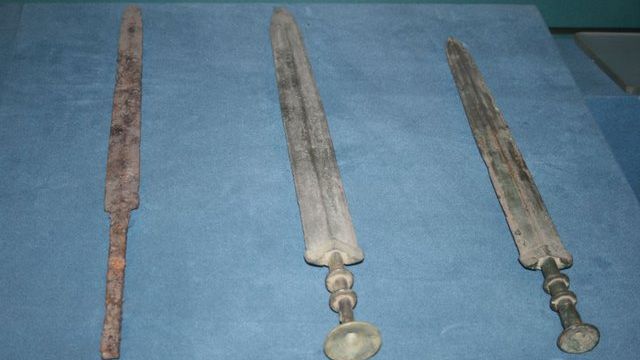
Once you can shape iron, the first thing you are likely to improve is your ability to defend yourself – or to take what others have. Iron weapons changed the balance of power in brutal, decisive ways. Spears, swords, arrowheads, and axe heads made from iron tend to hold an edge better and bend less than their bronze or stone counterparts. In a clash between warriors using iron gear and those stuck with older materials, the result feels almost unfair.
Iron armor and shields also shift how you think about battle. You can reinforce helmets, strengthen shield rims, and eventually craft mail or scale armor that gives you a real chance of walking away from combat. Warfare stops being a rare, ceremonial clash of elite bronze-equipped nobles and becomes something that larger groups can sustain. That, in turn, encourages the rise of bigger armies, stronger states, and more centralized authority, because whoever controls the production and distribution of iron weapons ends up controlling you.
3. Iron Ploughs and Agricultural Tools: Feeding More People Than Ever
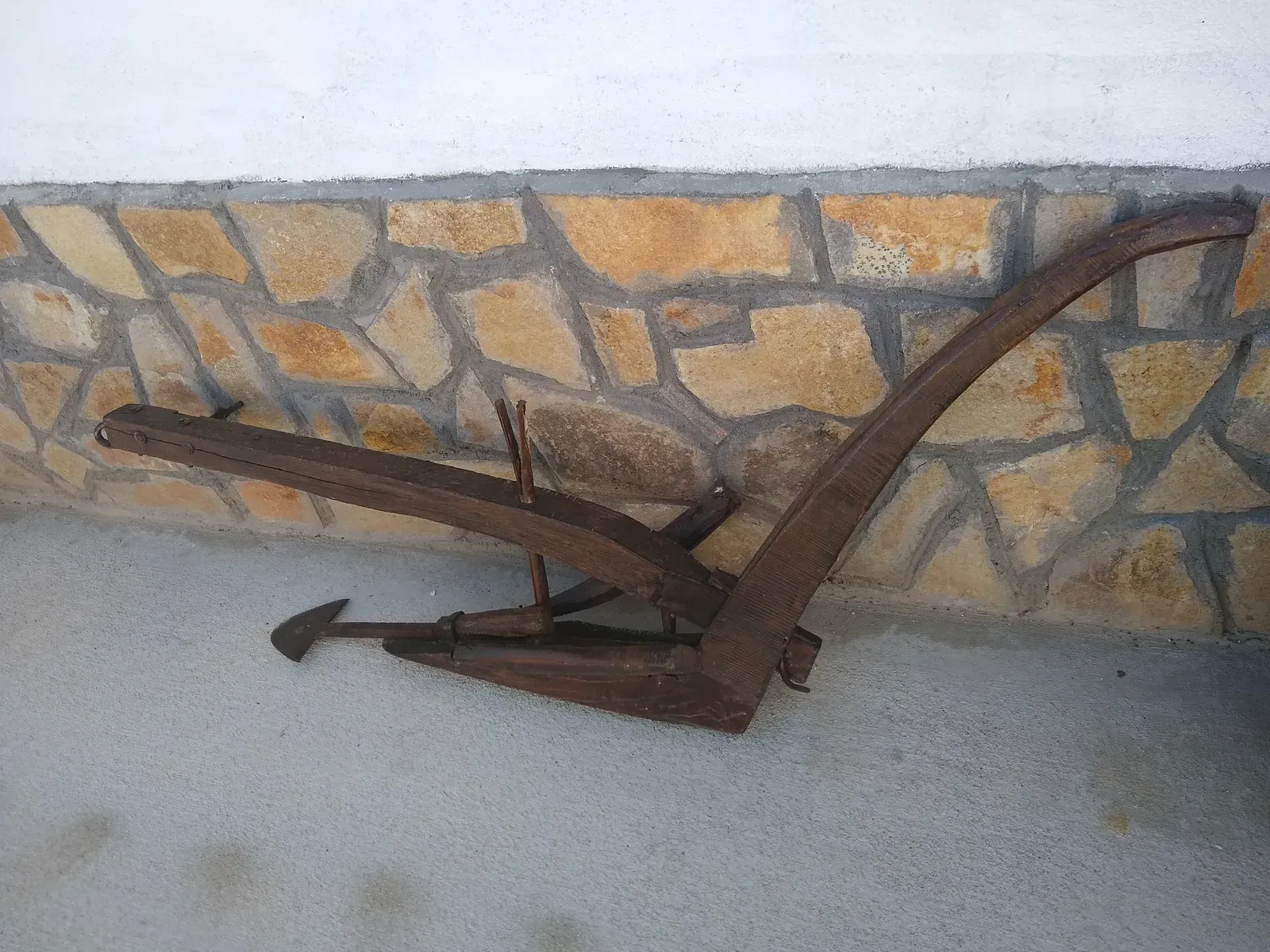
It is tempting to focus only on the drama of war, but the quiet revolution in your fields is even more important. Picture yourself trying to plough heavy, clay-rich soil with a wooden or simple bronze tip; it is slow, exhausting work, and you cannot cultivate very large areas. When you attach an iron cutting edge to your plough, something almost magical happens: the blade bites deeper, breaks up tougher ground, and stays sharp longer, even under relentless use.
This means you can bring new lands under cultivation, including areas that were previously too hard to farm efficiently. You can produce more grain, support more livestock, and feed a population that might grow far beyond what a Stone or Bronze Age village could sustain. With better iron sickles, hoes, and knives, harvesting and maintaining crops becomes faster and more reliable. Over time, surplus food lets your society support specialists: metalworkers, builders, traders, and leaders. In other words, iron in the fields gives you the calories to fuel everything else civilization wants to become.
4. Iron Nails, Fasteners, and Construction Tools: Building Bigger and Stronger
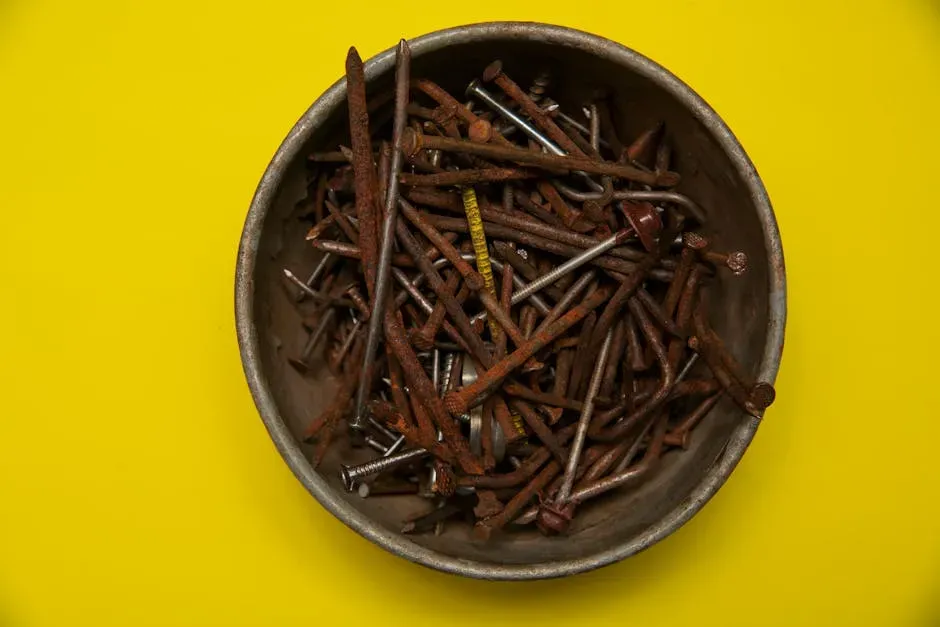
Imagine trying to build a large wooden structure, like a bridge or a multi-story building, using only wooden pegs and raw fiber bindings. You can do it, but it is fiddly, slow, and less stable than you would like, especially when exposed to wind, weight, and weather. Once you have iron nails, clamps, and brackets, construction becomes more secure and more ambitious. You can join beams tightly, reinforce joints, and repair damaged parts far more easily.
Add iron chisels, saws, and hammers to your toolkit, and you suddenly have the ability to work stone and timber with a level of precision and durability that changes the skyline around you. Fortifications grow taller and tougher, storage buildings for grain and goods get stronger, and bridges last longer across rivers that once cut communities off from each other. With every iron nail you drive and every iron tool you swing, you are literally nailing your civilization together in a more permanent way.
As trade expands, iron gives you the tools to build and maintain better ships and carts as well. Iron fittings on wheels, axles, and hulls mean fewer breakdowns and safer journeys. That helps you move goods, ideas, and people over longer distances, knitting regions into wider economic and cultural networks. What starts as a small piece of metal in a beam ends up as a force that stretches your world.
5. Iron for Everyday Tools: Transforming Daily Life and Work
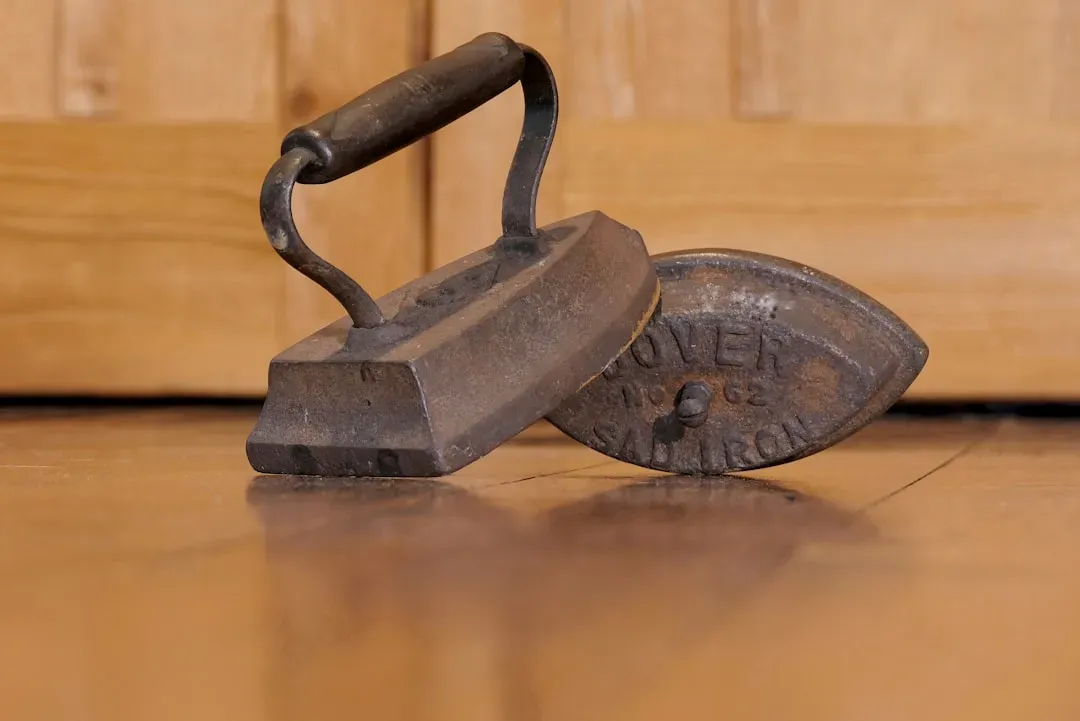
It is easy to focus on the grand stuff – empires, armies, giant buildings – but the Iron Age also shows up in your hands in dozens of small, practical ways. Think about using a sturdy iron knife in the kitchen, an iron adze to shape wood, or iron shears to cut cloth or wool. Each of these tools does not just make a task a bit easier; it changes how many tasks you can do in a day, how precise you can be, and how long your tools last before failing you.
When you have access to reliable, affordable iron tools, your entire rhythm of life speeds up and smooths out. Craftspeople can specialize more deeply because their tools let them work finer details in wood, leather, fabric, and stone. Farmers, builders, and artisans all gain an edge – literally and figuratively – that compounds over generations. In a way, the true magic of the Iron Age for you is not only in giant leaps but in a thousand small improvements: doors that hang straighter, fields that get weeded faster, clothes that are cut more neatly, and repairs that actually hold.
6. Iron as a Catalyst for Trade, Ideas, and Social Change
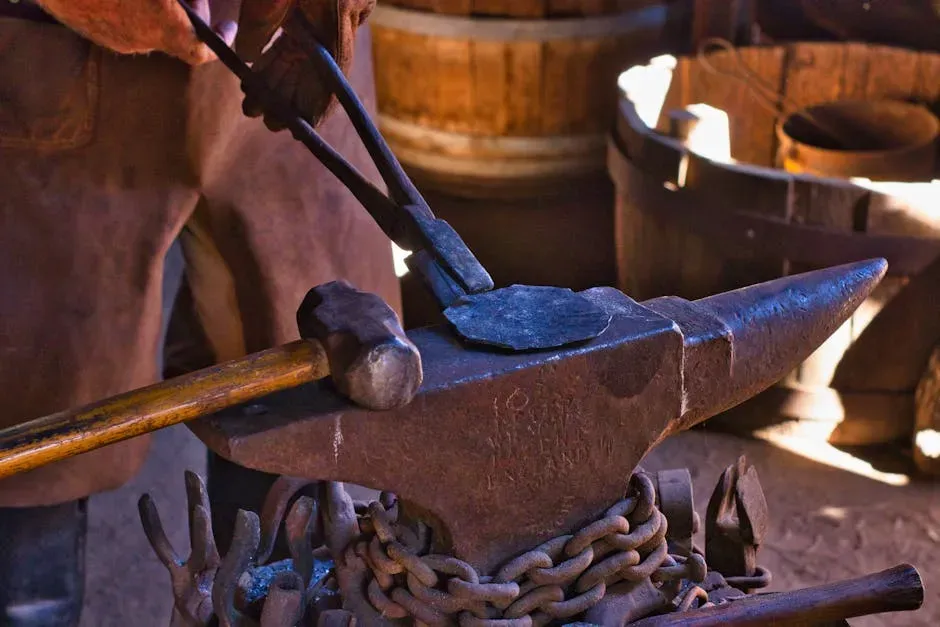
As ironworking spreads, you start to see its ripple effects far beyond the forge or the battlefield. Regions rich in iron ore and charcoal fuel become centers of production, drawing traders, migrants, and sometimes invaders. If you live in such a region, you suddenly find yourself plugged into wider trade networks, swapping iron tools and weapons for grain, textiles, animals, or luxury goods. Roads improve, markets grow, and your world feels less isolated than it did before.
This flow of goods also carries ideas. Techniques for smelting, forging, and hardening iron pass from one culture to another, and those who adapt them best often rise in power and influence. Social hierarchies shift as well: those who control iron resources and skilled smiths can gain status and wealth, while older elites who depended on bronze monopolies lose their edge. Over time, iron acts like a quiet disruptor, pushing societies to reorganize, innovate, and sometimes clash in new ways. You are watching a technology that does not just give you better tools, but forces you to rethink who holds power and why.
Conclusion: Living in the Long Shadow of Iron
When you look around at the modern world – skyscrapers with steel frames, cars with iron engines, ships, rails, machinery – it is tempting to think of the Iron Age as something safely buried in the past. But the core leap that people made back then still underpins your daily life: the decision to pull a stubborn metal from stone, shape it with fire, and let it reshape everything else. Iron smelting, stronger weapons, efficient farming tools, durable construction hardware, and everyday implements were not just upgrades; they were turning points that allowed larger, more complex societies like yours to exist at all.
If you trace your phone, your home, your food, and your cities back through history, you keep bumping into those early furnaces, anvils, and iron tools. The Iron Age did not end so much as it evolved into the industrial and digital ages you now inhabit. So next time you hold something as ordinary as a screwdriver, a kitchen knife, or a spade, you are really holding a piece of that ancient revolution in your hand. Did you expect so much of your life to rest on the choices people made when they first learned to tame iron?