
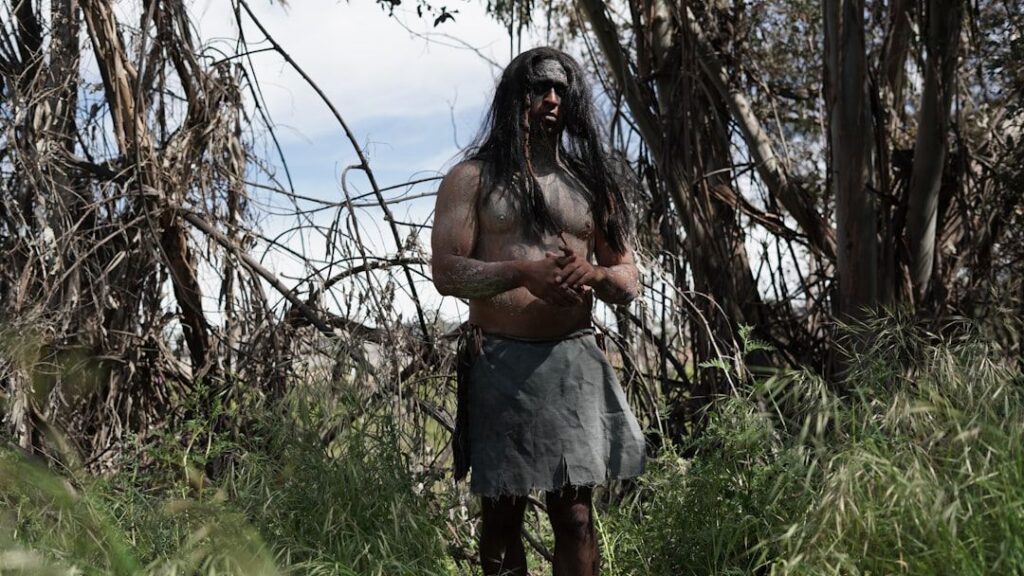
If you could step into the mind of an early human, what would you actually find there? Not the movie version with grunting cavemen, but the real inner world of a person who lived tens of thousands of years ago, staring at the same moon you see today. You will probably never know for sure, but over the last century researchers have tried to piece together clues from bones, tools, cave art, and living cultures to build bold theories about prehistoric consciousness.
As you read these ideas, you’ll notice something unsettling: many of them turn the usual story of “primitive to advanced” completely upside down. Instead of seeing early humans as half-awake animals slowly becoming like you, several theories suggest they may have experienced reality in ways you can hardly imagine – more dreamlike, more collective, more enchanted. You are not just looking backward in time; you are also holding up a strange mirror to your own mind and asking how much of your inner life is truly modern at all.
The Bicameral Mind: Did Early Humans Hear Voices Instead of Thoughts?
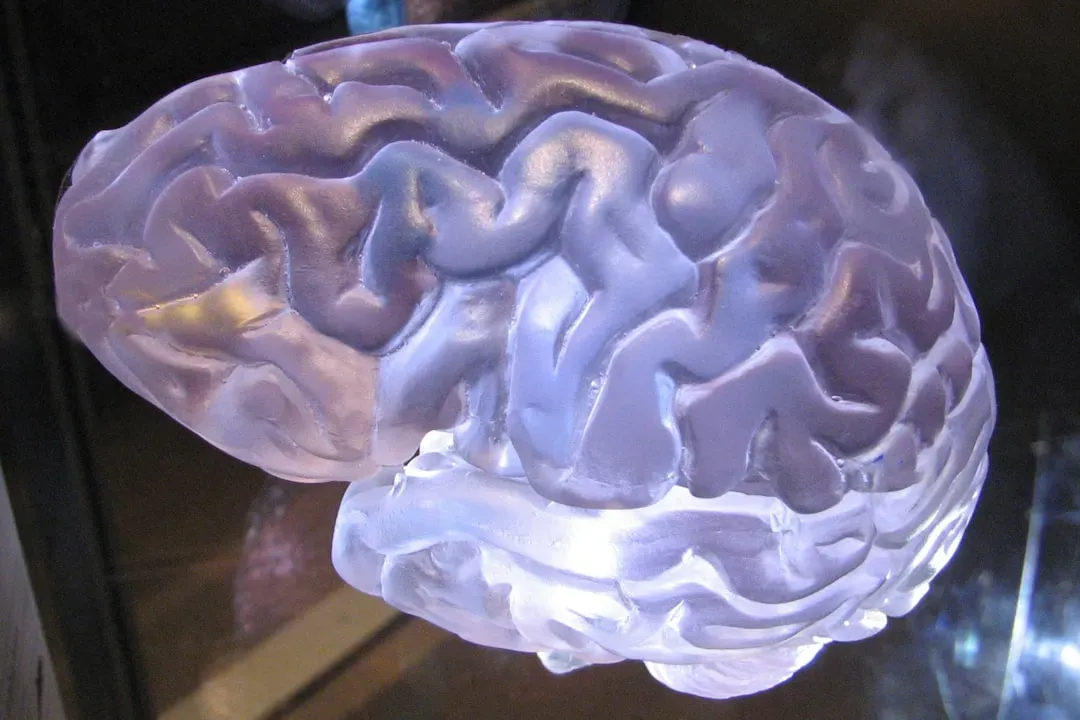
Imagine that instead of an inner monologue, you heard a commanding voice as clearly as if someone were standing behind you. According to the “bicameral mind” theory, early humans may not have experienced consciousness as you do, with a unified “I” narrating life. Instead, one side of the brain may have generated auditory hallucinations interpreted as the voices of gods, ancestors, or leaders, guiding behavior when situations became stressful or confusing. You would not be silently debating a decision; you would be obeying what sounded like an external authority.
When you look at some early myths and religious texts, you see stories where people do not describe rich inner reflections but rather unquestioned instructions from divine figures. Supporters of this theory argue that as societies became more complex and unpredictable, this voice-based system broke down, pushing humans toward a new kind of self-awareness. In that shift, you might have gone from hearing orders to hearing your own thoughts. Even if this dramatic picture is debated today, it forces you to question how fixed your sense of “normal” inner experience really is.
Mythic Consciousness: When Stories Were More Real Than Objects
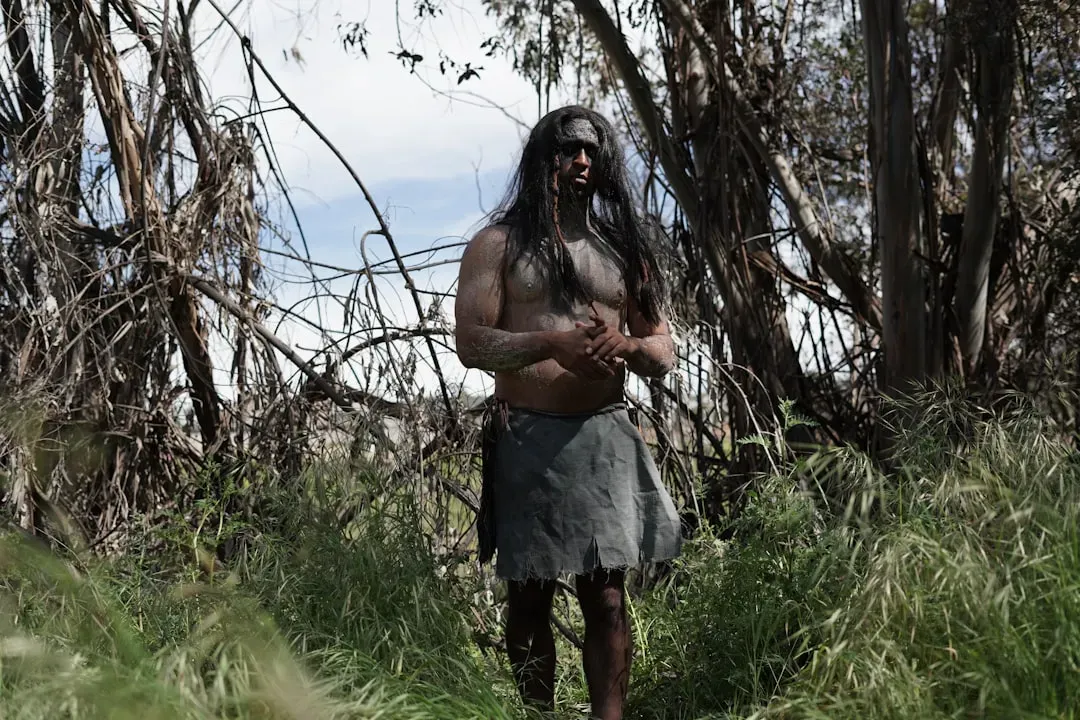
Think about the last time you lost yourself in a story – maybe a movie or a novel that made you forget where you were. Now imagine that, for early humans, that mythic mode was not an escape but the default state of mind. Some anthropologists suggest that prehistoric people may have lived in a world where stories, symbols, and rituals felt more real than physical objects. If you were there, you might not separate the tale of a spirit animal from the animal itself; they would blend into a single meaningful reality.
In this kind of consciousness, you would understand your life mainly through narrative patterns – heroes and tricksters, cycles of death and rebirth, sacred journeys marked in the landscape. Instead of seeing a river as just water flowing downhill, you might feel it as an ancestor, a pathway, and a moral teacher all at once. This does not mean you would be irrational; you would be rational inside a story-shaped world. When you see how strongly myths still influence modern politics, advertising, and identity, you start to realize that your own mind might not be so far from that prehistoric narrative universe.
Animism: A World Where Everything Around You Is Alive
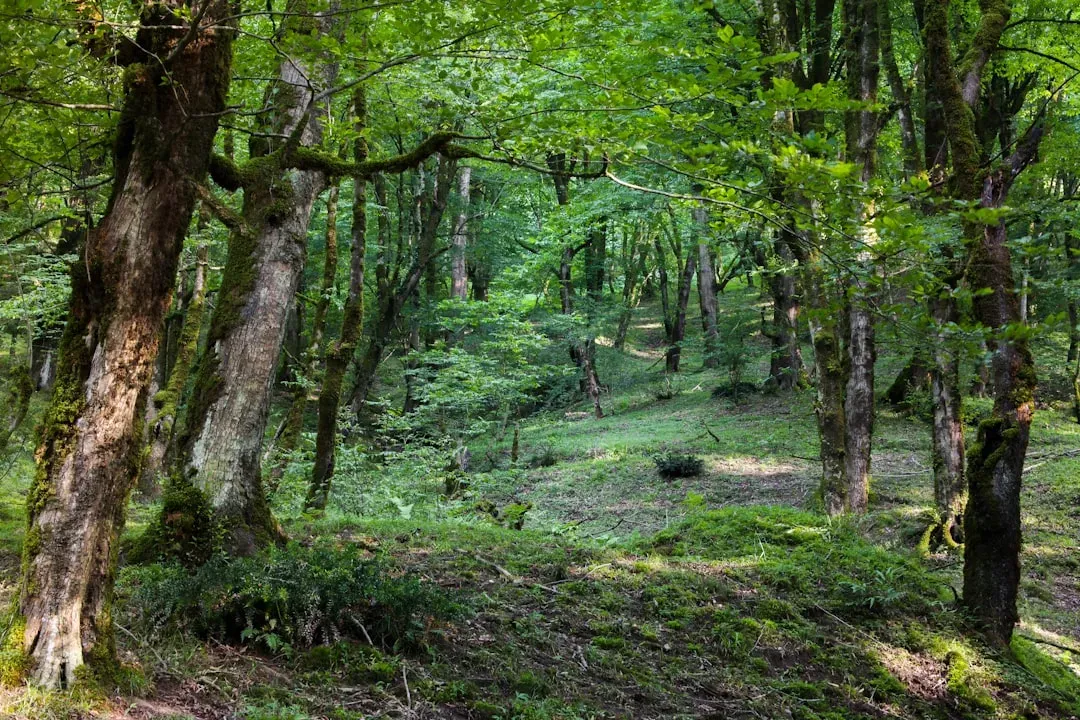
Picture walking through a forest where you don’t feel alone for a single second – not because other people are nearby, but because you sense awareness in every direction. Many researchers think early humans lived in a deeply animistic mindset, feeling that animals, trees, rivers, rocks, and even weather had their own kind of personhood. If you were raised in that world, talking to a mountain or thanking a hunted animal would not be metaphorical; you would feel like you were in a relationship with a responsive being.
This worldview changes your consciousness in a very practical way. You would pay close attention to subtle signs in your surroundings, not just to survive but to maintain respectful ties with the environment. Your sense of “self” would likely extend past your skin, blending into the land and the animals that fed you. When you notice how many modern people describe nature as calming or spiritually moving, you might be glimpsing a faint echo of this animistic awareness that once shaped nearly every waking moment of human life.
Dream-Driven Minds: Night Visions as a Daily Operating System
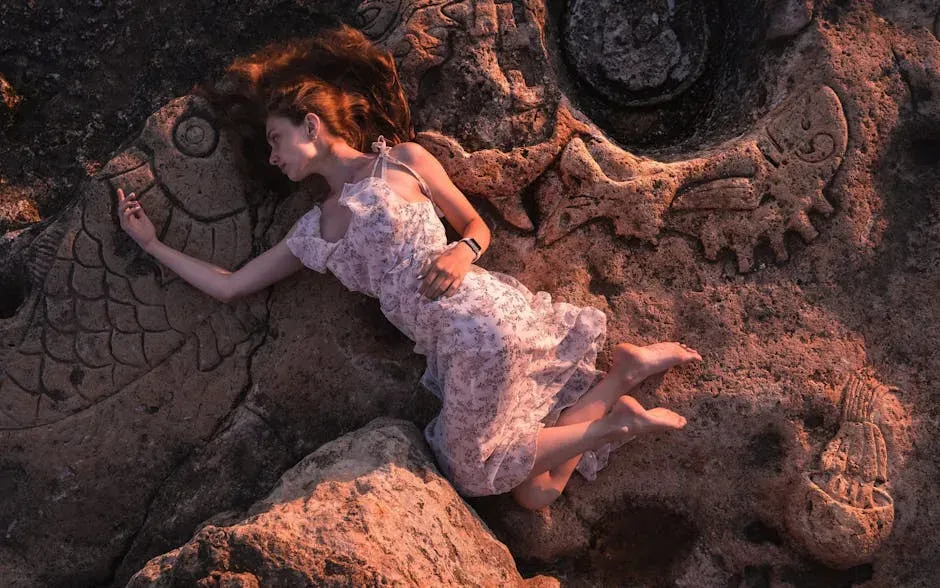
Today you might treat your dreams as random noise, maybe interesting but rarely decisive. In many traditional societies, though, dreams guide real-life choices: where to hunt, whom to marry, when to travel, how to heal. It is very likely that prehistoric humans leaned even more heavily on dream states, treating them as a central channel of knowledge. If you were living then, you might go to sleep hoping for guidance and wake up feeling you had received instructions, warnings, or blessings that you were obliged to follow.
This dream-centered consciousness blurs the line between night and day in your experience. You might retell dreams around the fire, weave them into myths, and mark them on cave walls as powerful events as important as anything that happened while awake. Some researchers see similarities between certain ancient artworks and the bizarre, fluid imagery you recognize from your own dreams. That suggests your prehistoric ancestors may have leaned into the dreamlike texture of the mind instead of compartmentalizing it the way you often do.
Shamanic States: Consciousness Expanded Through Trance

Across many early cultures, you find specialist figures who enter altered states to heal, communicate with spirits, or find lost game. You would probably call them shamans today, and they offer a strong clue that prehistoric people actively explored and manipulated consciousness. If you lived in a small band, you might watch one of these figures drum, sing, dance, fast, or use plant substances until they entered a trance that felt like traveling to another realm. For the community, this would not be theater; it would be a vital technology for survival and meaning.
When you take this seriously, you start to see early human consciousness not as dull and limited but as flexible and experimental. People were willing to push their minds to extremes of pain, exhaustion, ecstasy, and vision to solve problems and make sense of suffering. You can think of this as a prehistoric version of neuroscience, except the laboratory was the body and the equipment was rhythm, deprivation, and ritual. Even now, when people seek intense spiritual or psychedelic experiences, they may be following pathways that were already well worn tens of thousands of years ago.
Symbol Explosion: When Your Brain Started Thinking in Pure Abstractions
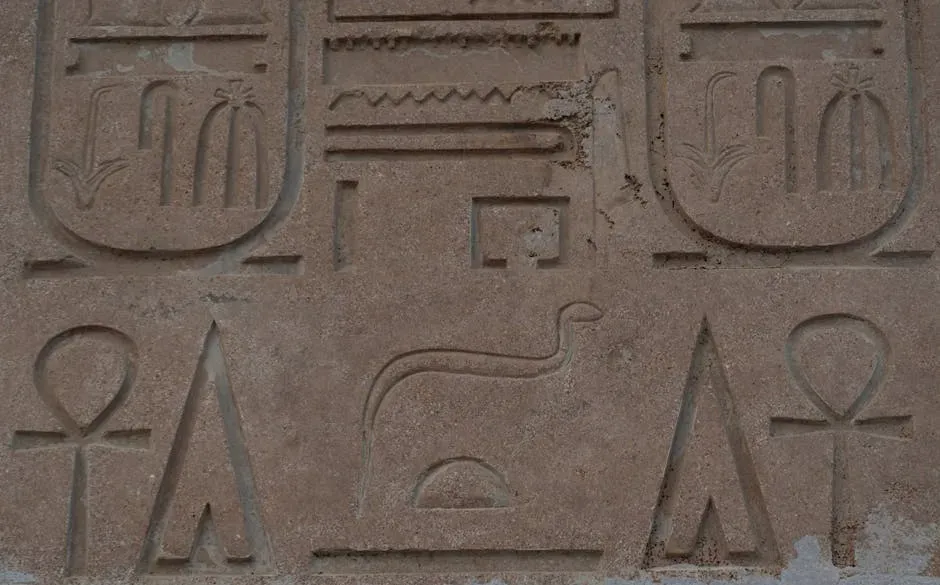
At some point in prehistory, humans began carving abstract shapes, making ornaments, and painting complex scenes far beyond practical needs. When you see early beads, geometric engravings, and symbolic carvings, you are looking at an explosion of inner life made visible. Your ancestors were not just reacting to the environment; they were playing with categories, identities, and meanings that existed only in the mind. If you had lived then, you might suddenly find yourself belonging to a clan signified by a particular shape or color, carrying your group’s meaning on your body.
This shift toward symbolic thinking changes how you experience yourself from the inside. You can now imagine social roles, spiritual ranks, and invisible bonds that do not physically exist but feel completely real. You would start to navigate a world thick with signs: markings on a rock that say “we were here,” patterns on a tool that say “I made this.” Once that door to abstraction opens, your mind can build things like law, money, nations, and gods. You are still living inside that symbolic storm today every time you care about a logo, a flag, or a digital avatar.
Cave Art as Consciousness Engineering, Not Decoration
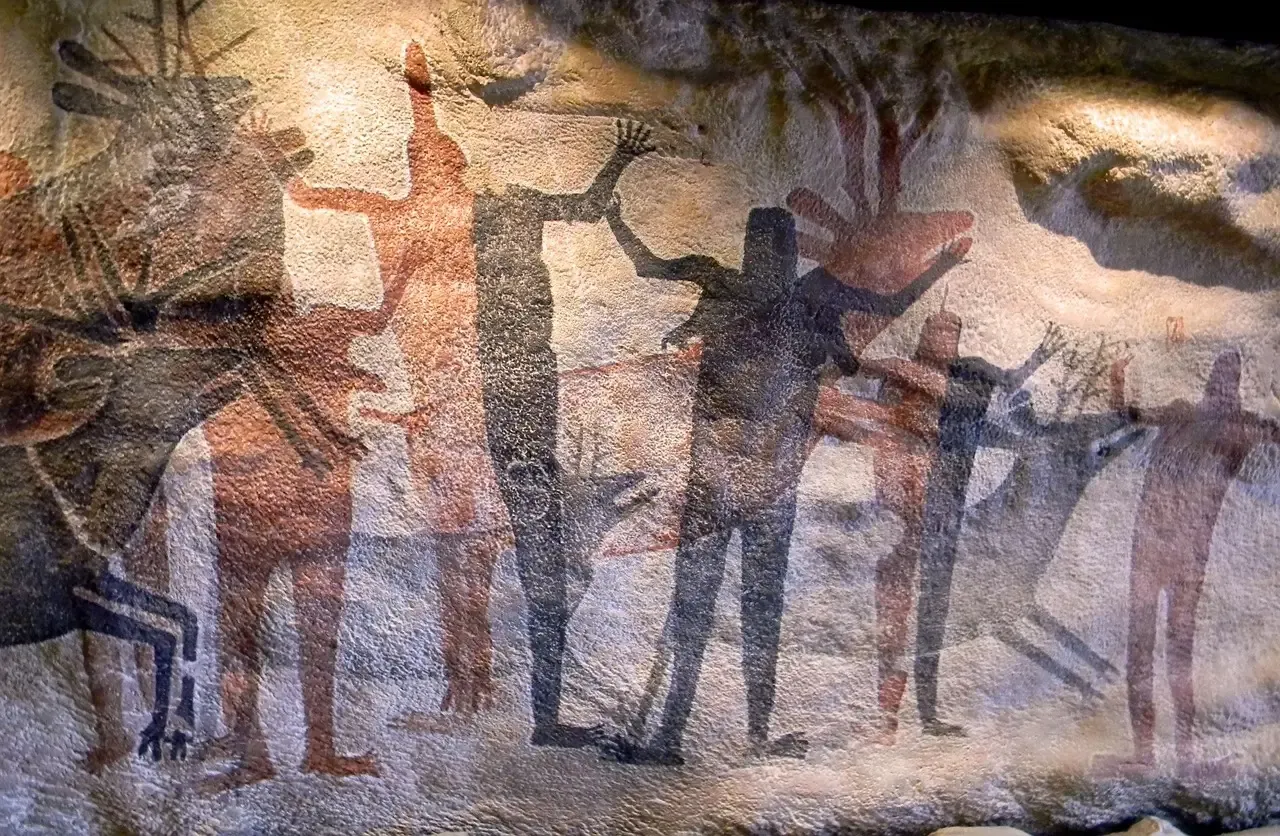
When you look at prehistoric cave paintings, it is tempting to see them as early attempts at art in the modern sense. But some researchers argue that these images were part of deliberate consciousness engineering, not just decoration. If you were a participant, you might enter a dark, echoing cave, lit only by flickering torches, and watch animals, handprints, and abstract signs appear on the walls in places where sound and shadow played strange tricks. The entire setting would nudge your mind toward a heightened, otherworldly state.
In that environment, the images would not be passive objects but active tools. You might use them to rehearse hunts, call on spiritual allies, or step into a story that linked your group to powerful forces in the landscape. The cave itself could feel like a living being, its narrow passages a kind of symbolic birth canal, its chambers like the inside of a cosmic body. When you think of modern museums and movie theaters as calm, well-lit spaces, you can feel how different your mental experience would be in those deep, resonant, painted caves.
Collective Mind: Consciousness Spread Across the Group
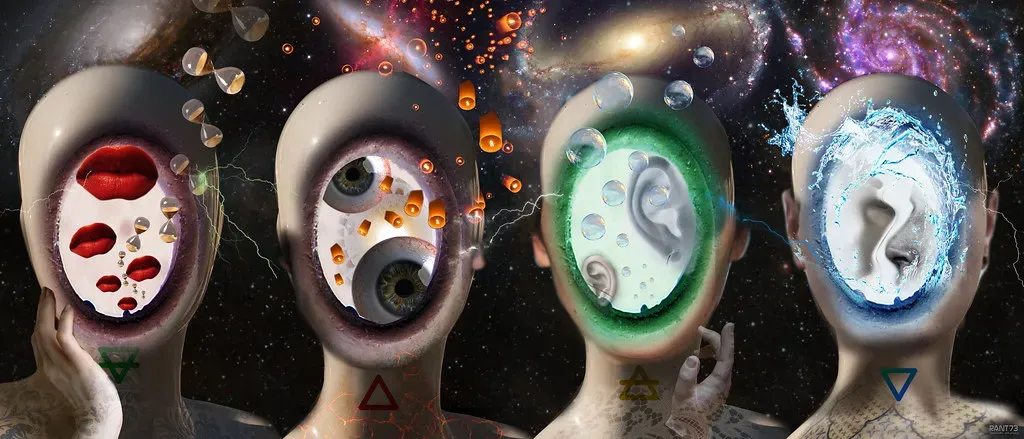
Because you are used to thinking of yourself as an individual, you might assume prehistoric people did the same. Yet the evidence of tight-knit bands, shared child-rearing, and communal decision-making suggests a more collective sense of mind. If you lived in a group of a few dozen people who did almost everything together, you might feel your identity rooted in “we” far more than in “I.” Your memories, skills, and stories would be constantly reinforced and corrected by others, almost like a shared mental server you all accessed.
This kind of group-based consciousness shapes how you think and feel. Instead of asking, “What do I want?” you would instinctively ask, “What keeps us safe and respected?” Your fears and hopes would be tuned to the group’s status, not just your own. You might sense others’ moods so closely that your nervous system reacted before you had words for it. When you look at how modern people still form intense crowds, fandoms, and online communities, you can see that your brain remains deeply wired for this older, more collective mode of being.
Time-Bending Minds: Living in Cycles, Not Straight Lines
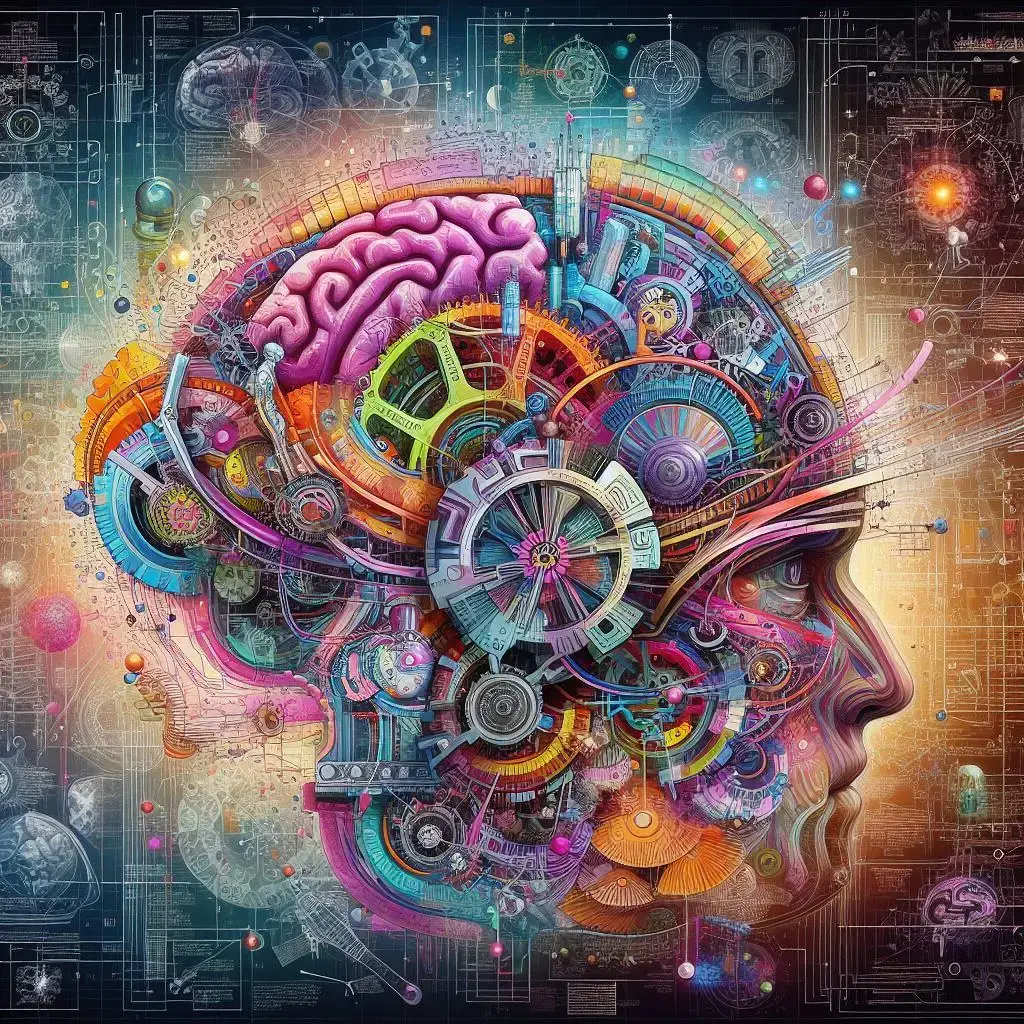
You probably picture time as a straight line, marching from past to future, but early humans may have experienced it much more as a loop. The seasons, animal migrations, plant cycles, and phases of the moon repeated over and over, shaping a sense of time that was circular and rhythmic. If you were raised in that rhythm, you might feel that you were reenacting past events more than leaving them behind. An annual hunt or ritual would not be a new event but a return to the same sacred moment you shared with ancestors.
This cyclical consciousness affects how you face death, success, and failure. Rather than seeing everything as a one-time chance, you might trust that opportunities and patterns will come back around. You might feel less urgency to rush toward some distant future and more responsibility to keep the cycle unbroken. When you notice how comforting routines, holidays, and anniversaries still feel to you, you are touching the same mental tendency that once organized almost every part of prehistoric life.
Language as a Mind Upgrade: When Words Rewired Your Inner World
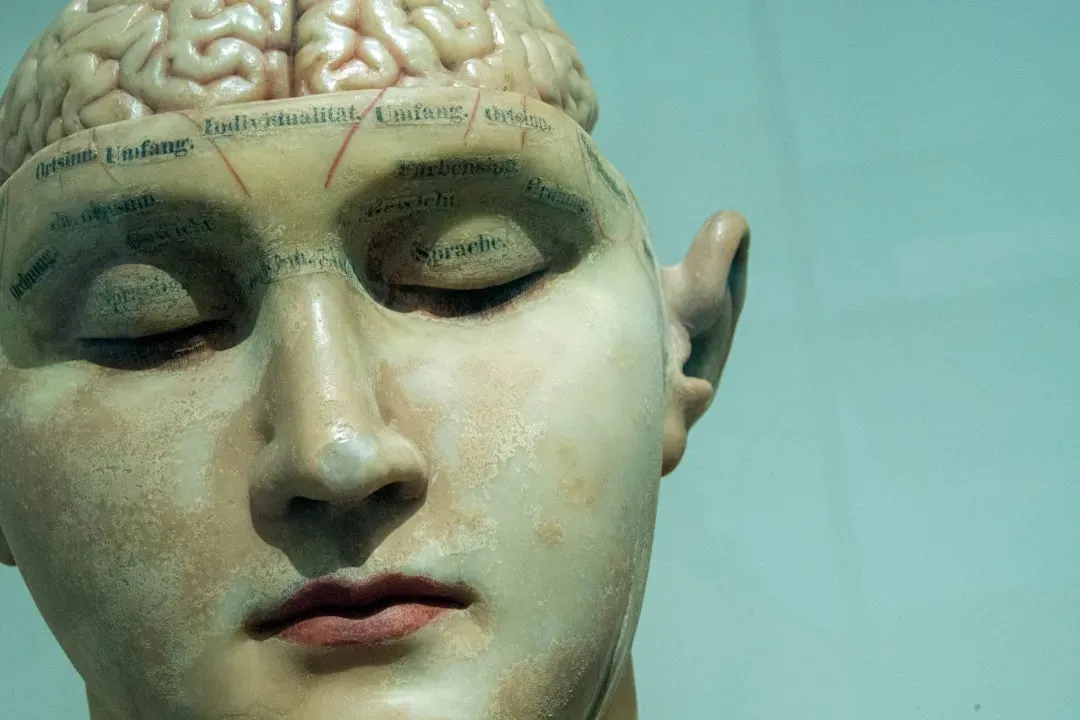
At some unknown point, your ancestors stepped across a line where sounds became flexible, shared symbols – what you now call language. This was not just a better way to shout warnings; it was a full upgrade of consciousness. If you were there as language really took off, you would suddenly be able to tell stories about the distant past, imagine futures that had never happened, and label invisible things like emotions and intentions. Your inner world would gain new structure as you borrowed words from others to name your own thoughts.
With language, you could also start talking to yourself silently, building that inner voice you now take for granted. You might replay arguments, rehearse plans, and narrate your life even when you were alone. Over time, that self-talk could give you a stronger sense of a continuous “you” stretching from childhood into old age. When you imagine a time before this rich language, you glimpse a mind more anchored in the present moment, less tangled in verbal loops. Once that verbal switch flipped, though, human consciousness could never really go back.
Emotional Intelligence in Harsh Environments: Feeling as Survival Tech
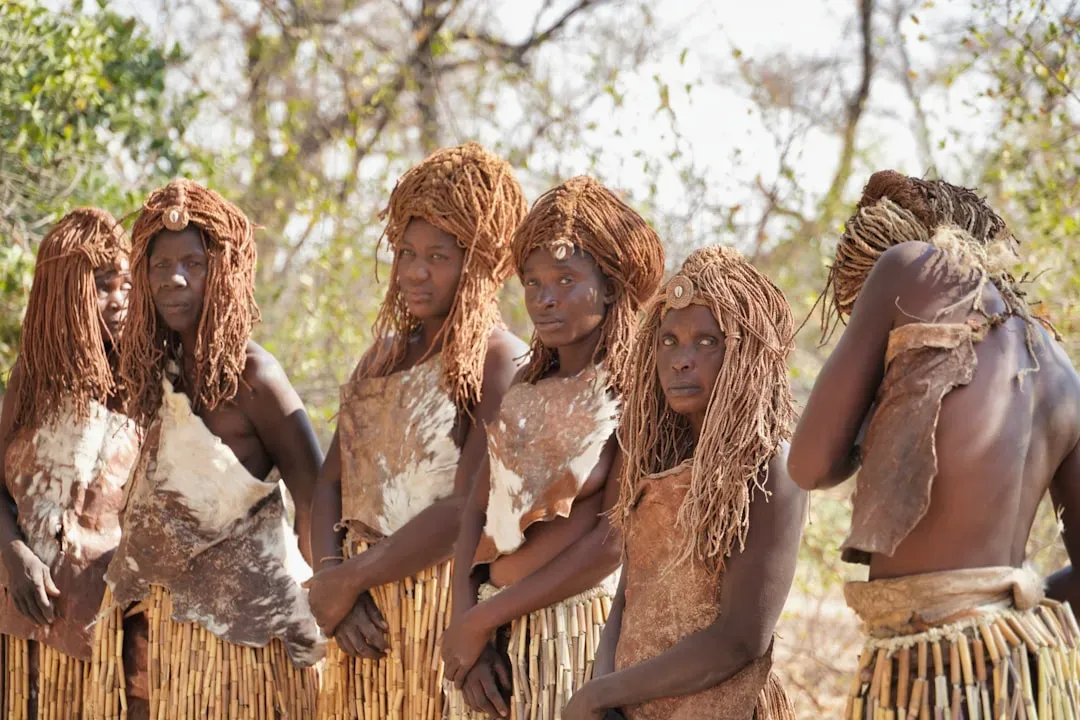
It is easy to assume that prehistoric life was all about brute strength and quick reflexes, but emotional intelligence may have been just as important. If you were trying to survive in a small band, you needed to read faces, sense tensions, and repair conflicts before they turned violent or split the group. Your consciousness would constantly scan not just for predators but for subtle shifts in mood, loyalty, and trust. In that environment, being oblivious to others’ feelings could be as dangerous as failing to notice a storm.
That emotional tuning shapes your own inner life. You would feel guilt, shame, pride, and gratitude not as abstract moral concepts but as intense physical states that kept relationships intact. When a hunt failed, you might carry heavy responsibility; when the group shared food, you might feel deep safety and belonging. Modern science now points out how tightly social pain and physical pain overlap in the brain, suggesting that your ancestors’ emotional lives were not weak or secondary. Instead, their feelings were a finely calibrated survival system you still rely on every day.
Conclusion: Seeing Your Own Mind in the Shadows of the Past

When you trace these theories – voice-hearing minds, animistic worlds, dream-driven choices, collective identities – you are not just speculating about distant ancestors. You are also mapping the hidden layers of your own consciousness. Pieces of each prehistoric mode still live in you: the pull of ritual, the enchantment of nature, the power of stories, the grip of group belonging. You may wrap them in smartphones and modern language, but the underlying brain is built on very old foundations.
The truth is, you will probably never know exactly what it felt like to stand in a Pleistocene valley and look up at a night sky untouched by cities. Yet by taking these ideas seriously, you loosen your grip on the assumption that your current way of thinking is the only way a human mind can be. You start to imagine that consciousness is not a finished product but an evolving landscape you are still exploring. When you look at your own thoughts today, can you sense those ancient echoes humming quietly underneath?