You live in a country where entire lost worlds are still locked inside hillsides, desert mesas, and quiet ranch land. Beneath your feet, there are ancient lakes stuffed with fossil fish, fern-covered Jurassic floodplains, and the very last days of the non-avian dinosaurs frozen in stone. If you love fossils, the United States is basically an open-air time machine – you just have to know where to step into it.
In this guide, you’re going to walk through ten of the most astounding fossil locations in the US, the kinds of places professional paleontologists dream about and serious amateurs build whole road trips around. Some are classic dinosaur graveyards, others are quiet, almost unimpressive landscapes hiding mind-blowing microfossils in delicate shale. You’ll see where you can actually collect specimens, where you’re limited to looking with your eyes, and what kind of deep-time stories each site whispers if you’re paying attention.
1. Hell Creek Formation, Montana & The Dakotas – Standing In The Last Days Of The Dinosaurs
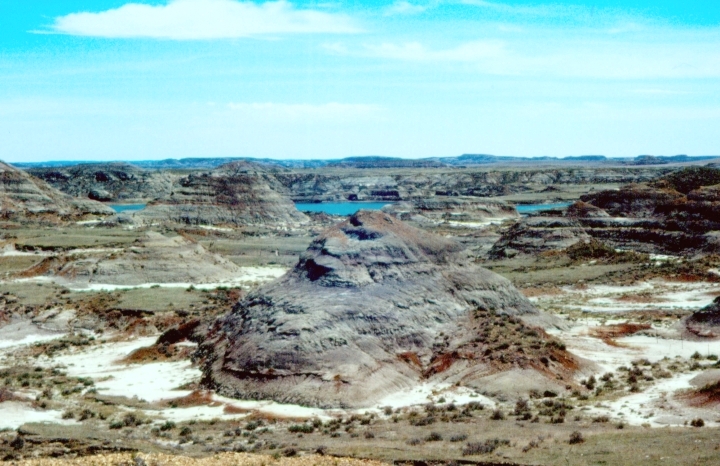
If you’ve ever wanted to stand in the landscape of Tyrannosaurus rex, Triceratops, and duck-billed Edmontosaurus, you head for the Hell Creek Formation. Stretching across parts of Montana, North Dakota, South Dakota, and Wyoming, this formation preserves the very end of the Cretaceous and the razor-thin boundary where the non-avian dinosaurs vanish from the record. You’re quite literally walking through the final chapters before the asteroid impact that reshaped life on Earth.
What makes Hell Creek so intoxicating for paleontologists is not just the celebrity dinosaurs; it’s the ecosystem-level detail. You find everything from microscopic pollen grains and charred plant fragments to crocodiles, turtles, small mammals, and giant dinosaurs, letting you reconstruct entire food webs and forest structures. In some localities, you can even see that famous iridium-rich boundary layer that marks the impact event, a thin line in the rock that divides “dinosaur world” from the mammal-dominated Cenozoic. When you stand in a Hell Creek arroyo, you’re not just fossil hunting – you’re eavesdropping on the moment history changed.
2. Morrison Formation, Colorado, Utah & Beyond – The Jurassic Dinosaur Bonanza
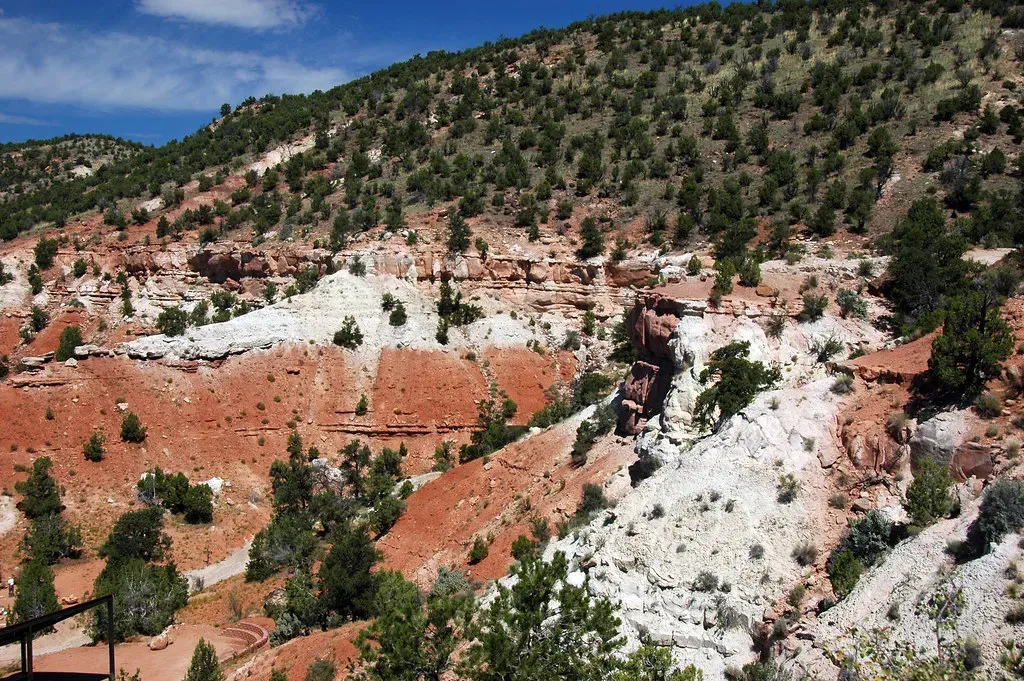
When you picture those long-necked Jurassic giants marching across lush floodplains, you’re basically imagining the Morrison Formation. Spanning much of the western US – from New Mexico and Colorado up through Utah, Wyoming, and into surrounding states – this Late Jurassic rock unit is the single richest source of North American dinosaur fossils ever found. Here you meet icons like Allosaurus, Stegosaurus, Diplodocus, Apatosaurus, and a whole cast of sauropods, predators, and smaller ornithopods.
What makes the Morrison so magical for you as a fossil fan is its combination of quantity and variety. You’re not looking at just one or two star species; you’re seeing complex communities preserved in ancient river channels, muddy floodplains, and seasonal ponds. Tracksites capture footprints and even “brontosaur bulges,” subtle deformations in the rock left by heavy sauropods trudging through soft sediment. Stand along a ridge at a famous quarry, and you can almost feel the weight of those herds weaving through Jurassic forests, leaving bones and tracks behind like breadcrumbs through time.
3. Dinosaur National Monument, Colorado & Utah – A Cliff Face Packed With Bones
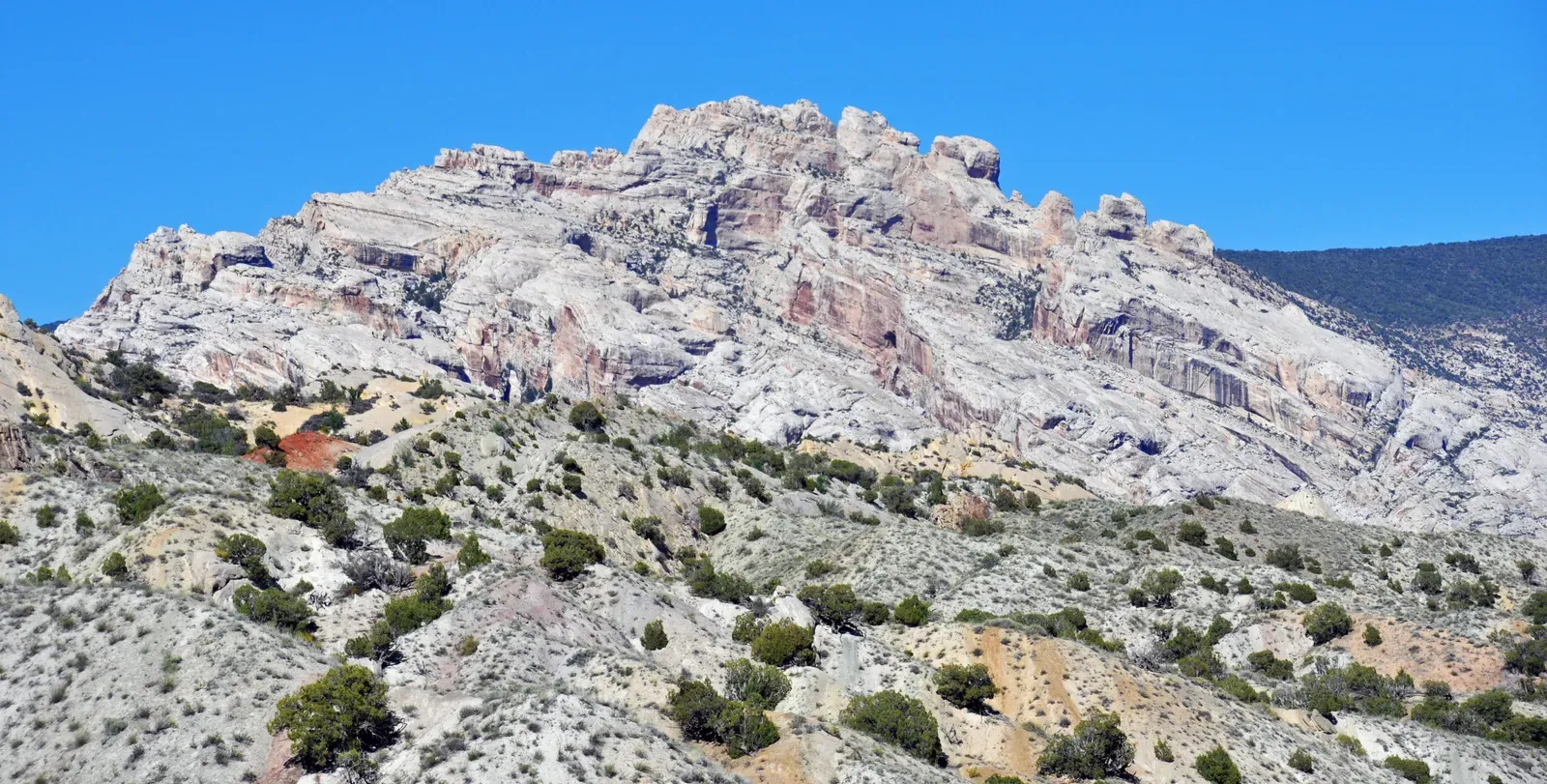
If you crave that jaw-dropping, in-your-face fossil experience, Dinosaur National Monument delivers it the second you walk into the Quarry Exhibit Hall. Here, a steep rock wall is absolutely packed with dinosaur bones from the Morrison Formation, left exactly where they were found and protected behind glass. You can literally put your hand inches away from the articulated neck of a sauropod or the tail vertebrae of a Jurassic giant and trace their shapes along the rock.
Beyond that iconic wall, the monument offers you something subtler but just as powerful: a landscape-scale lesson in how fossils end up where they do. As you hike the canyons and look at the layered sandstones and mudstones, you see former river channels, point bars, and floodplain deposits. These are the traps where dinosaur carcasses washed in, disarticulated, and finally turned to stone. By the time you leave, you don’t just know that fossils are there – you understand why this particular bend in an ancient river became a Jurassic bonebed.
4. Florissant Fossil Beds National Monument, Colorado – A Buried Lake Of Insects And Giant Stumps
If you think fossils are only about dinosaurs and big bones, Florissant Fossil Beds in central Colorado will completely reset your expectations. Here, the stars of the show are paper-thin shales preserving thousands of incredibly detailed fossil leaves, flowers, seeds, and insects from about thirty-four million years ago. You can see the delicate veins of a leaf or the segmented legs of a tiny fly, frozen like pressed plants in a book of stone.
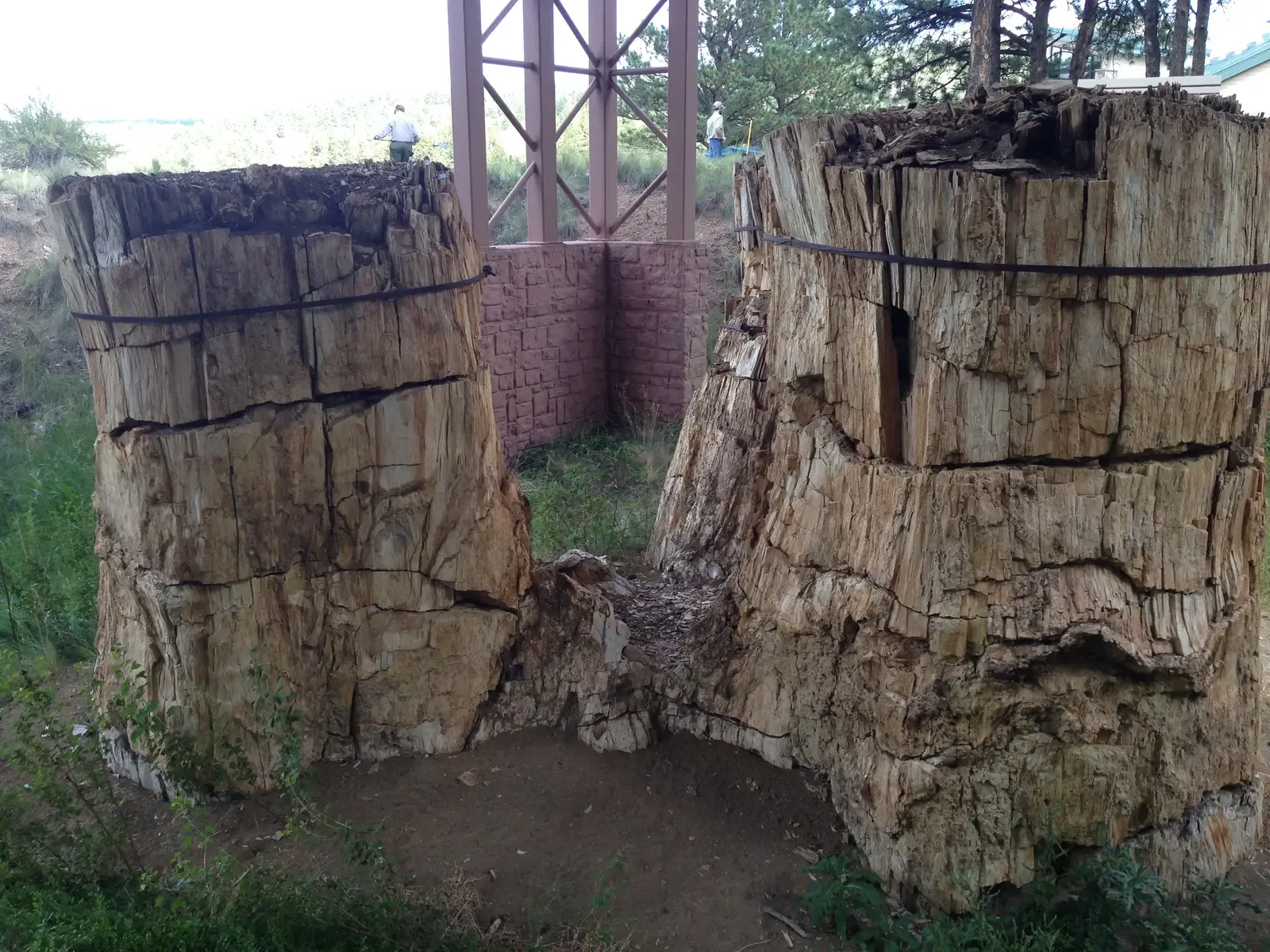
At the same time, the site hits you with something huge and visceral: enormous petrified redwood stumps, some up to several meters across, rising from the ground like the ghosts of a drowned forest. This was once a lake valley overshadowed by colossal redwoods, then catastrophically smothered by volcanic ash and mudflows. When you walk between those stumps and then look down at wafer-thin shales packed with beetles, ants, and fossilized pine needles, you feel an entire ancient ecosystem compressed into one haunted meadow.
5. Green River Formation, Wyoming, Utah & Colorado – Fossil Fish And A Perfect Eocene Lake
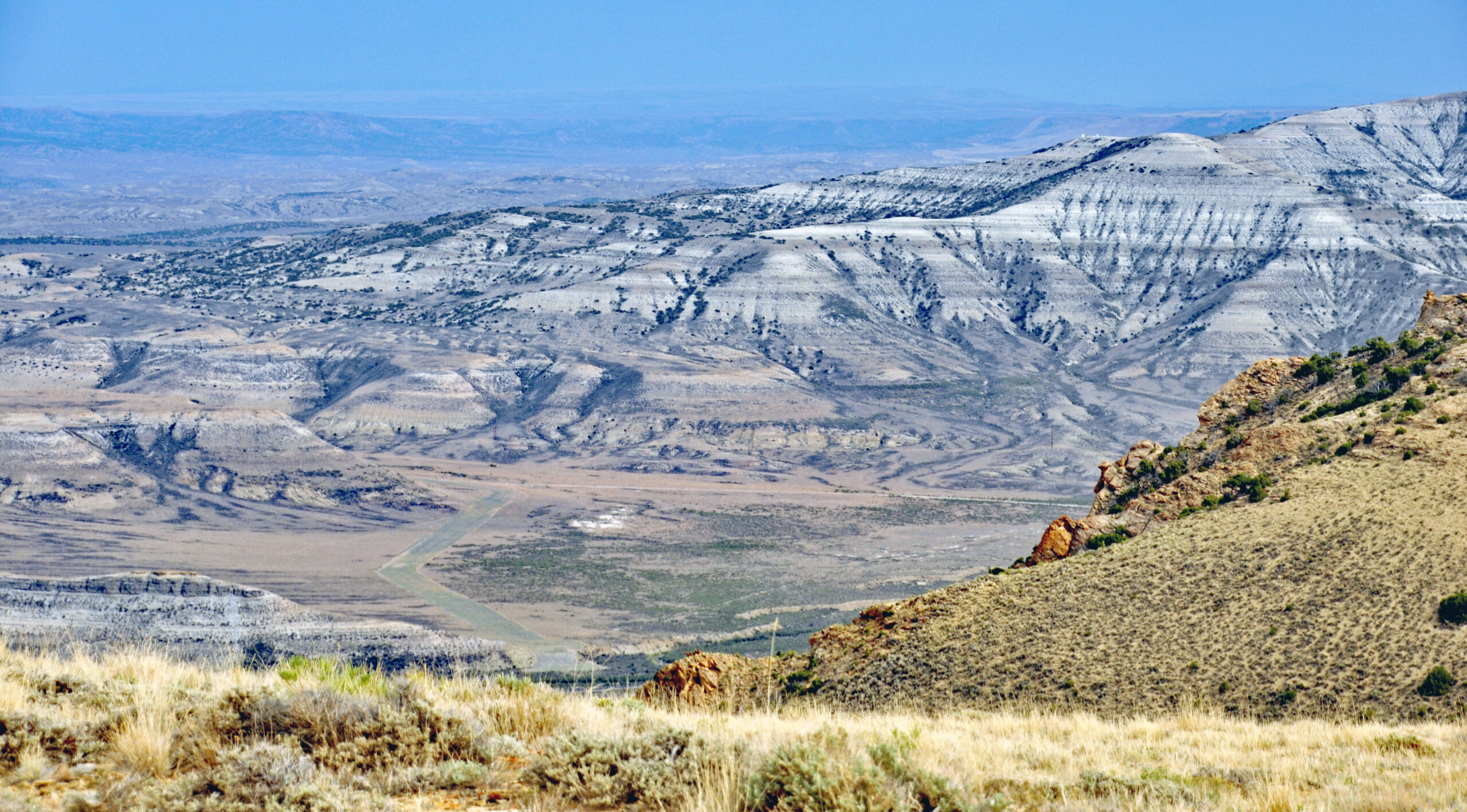
If you’ve ever seen a beautifully preserved fossil fish slab hanging on a wall, there’s a good chance it came from the Green River Formation. These lake deposits from roughly fifty million years ago, spread across parts of Wyoming, Utah, and Colorado, are legendary for their abundance and quality of preservation. In some layers, fish like Knightia and Diplomystus appear in such numbers that the rock feels like a fossil tapestry, each skeleton laid out with fins, vertebrae, and even outline details intact.
But as you look closer, you realize this is far more than a fish factory. The formation captures whole freshwater communities: turtles, gar, stingrays, birds, and occasional mammals, along with plant remains that sketch out the lakeside vegetation. Some beds, especially the so-called lagerstätten horizons, preserve delicate structures like soft tissues, insect wings, and fine bone details. When you handle a Green River slab, you’re holding a perfect snapshot of an Eocene lake day, as if someone hit pause on the ecosystem and swapped water for limestone.
6. John Day Fossil Beds, Oregon – Watching Mammal Evolution In Real Time
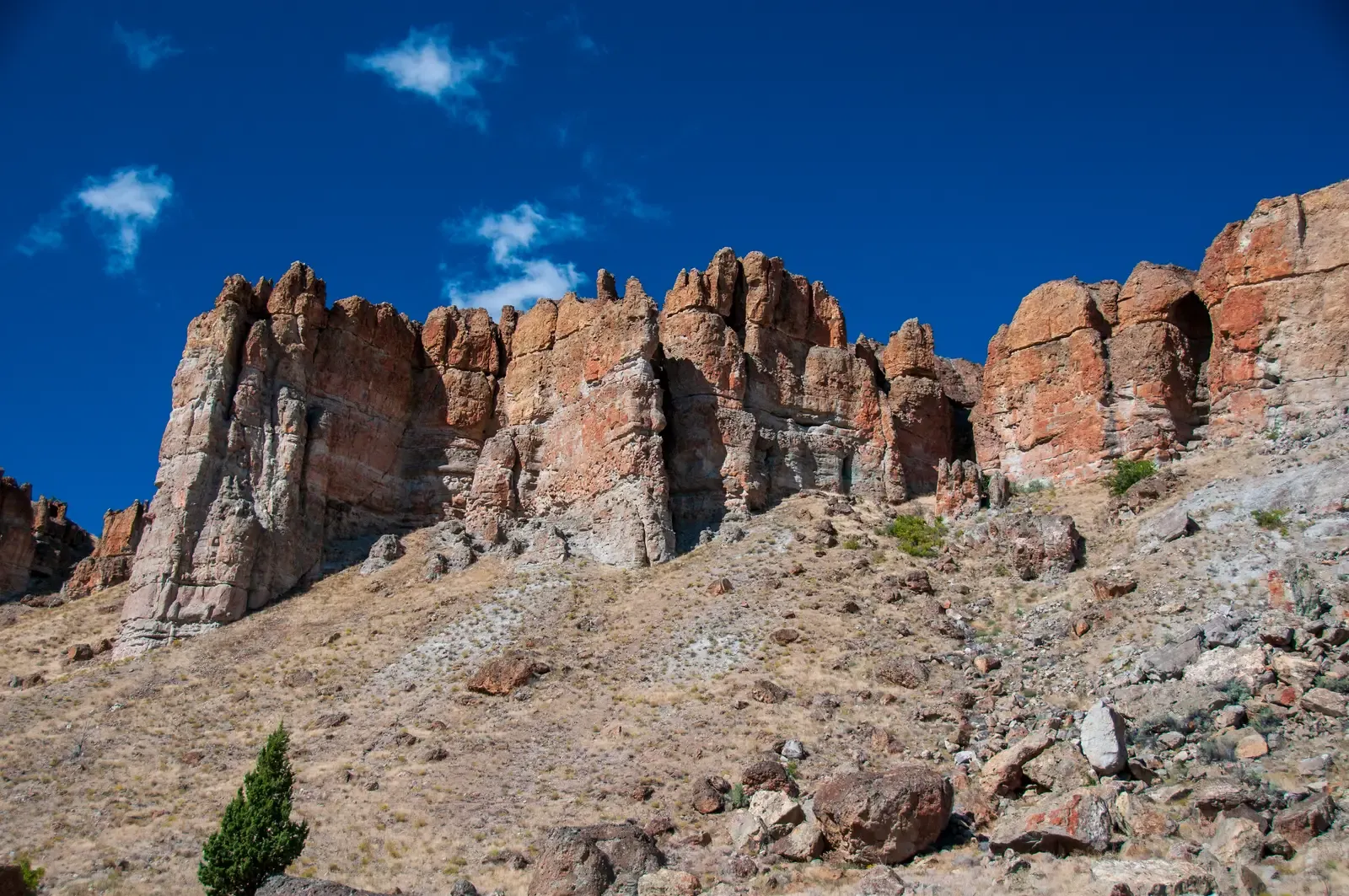
Head to eastern Oregon and you trade dinosaur drama for a slow-burn epic of mammal evolution at John Day Fossil Beds National Monument. Layered badlands in shades of green, tan, red, and buff record tens of millions of years of changing climates and communities. As you move up through the sequence – from older Bridge Creek assemblages to younger Turtle Cove and beyond – you literally walk through a time-lapse of plant and mammal turnover.
Here, you meet ancient horses with three toes, strange horned mammals, nimble carnivores, and early relatives of modern groups, all preserved in volcanic ash-rich sediments. You also see how forests shift with climate: cool, wet ecosystems give way to more open, dry-adapted vegetation. For you as a fossil enthusiast, John Day is less about one blockbuster species and more about pattern recognition; you start to notice how lineages appear, diversify, and vanish, like chapters in a long-running family saga written in multicolored hills.
7. Hagerman Fossil Beds, Idaho – The “Horse Quarry” And A River Of Bones
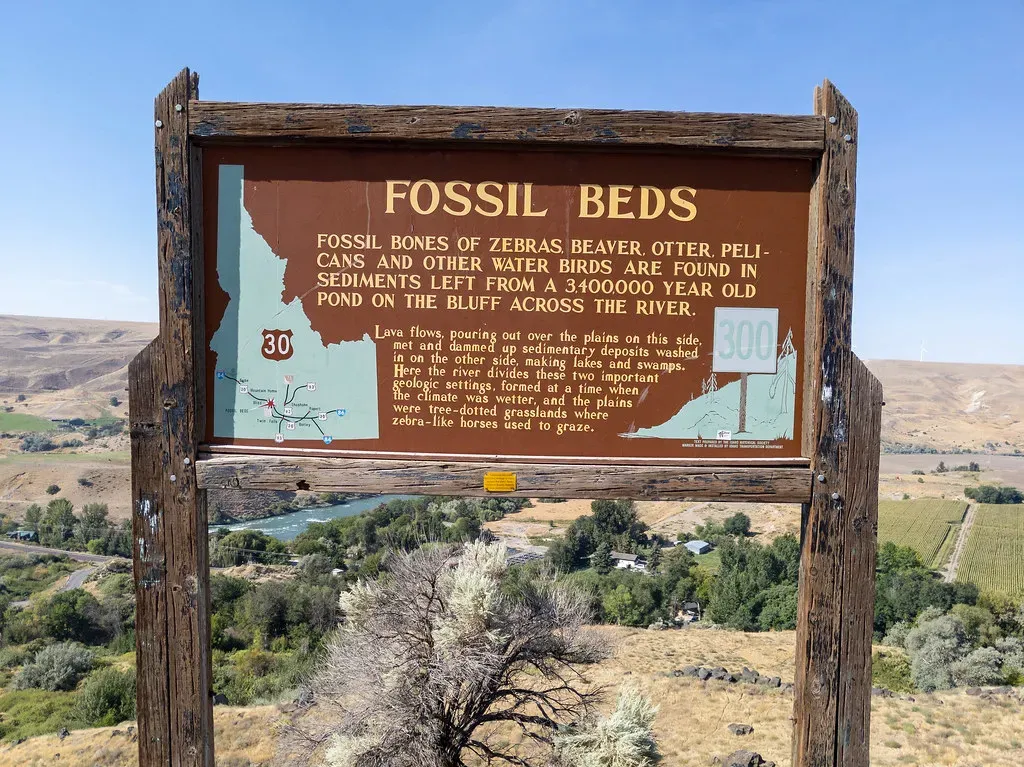
At Hagerman Fossil Beds National Monument in Idaho, you’re dropped into an incredibly rich Pliocene river landscape from about three to four million years ago. The site is world-famous for Hagerman horses, an extinct species closely related to modern zebras, whose bones show up by the hundreds. In certain layers, you find multiple individuals together, likely representing herds that died near river crossings or watering holes and were quickly buried by sediment.
But as you explore further, you see that Hagerman is much more than a horse story. You encounter camels, mastodons, saber-toothed cats, beavers, otters, birds, and freshwater fish, all stacked in fine-grained deposits laid down by an ancient branch of the Snake River. It feels like someone froze a living savanna-wetland mosaic in place, then slowly sculpted it into bluffs along the modern river. For you, standing on those bluffs and looking out over today’s water, it’s hard not to imagine ghost herds moving through the same valley on a warmer, wilder day.
8. Fossil Butte (Green River Fossil Lake), Wyoming – The Finest Fish Slabs You’ll Ever See
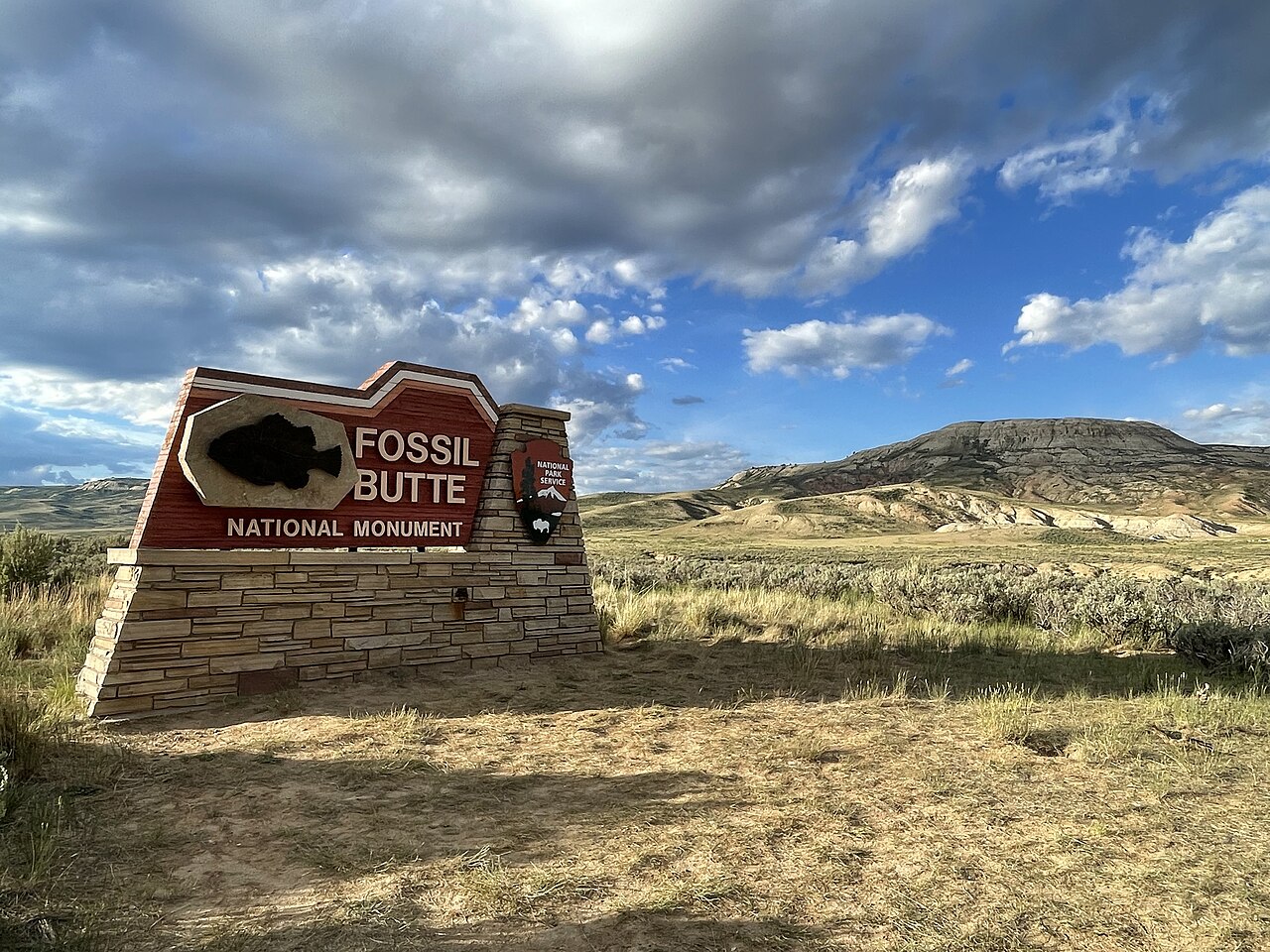
Although part of the broader Green River story, Fossil Butte National Monument in southwestern Wyoming deserves its own place on your list. This is where you find the famed Fossil Lake deposits, with layers so packed with exquisitely preserved fish that some paleontologists call it the best Cenozoic lake record in North America. In certain beds, you see whole schools of fish that died together, their bodies settling gently onto the lake floor to be sealed in fine carbonate mud.
As you tour the visitor center or hike to outcrops, you realize how exceptional the preservation really is. Fish show scales, fin rays, and clear skeletal outlines, while nearby you may see bats, birds, turtles, and insects caught in the same fine-grained trap. The chemistry of the lake, combined with oxygen-poor bottom waters and rapid sedimentation, turned Fossil Lake into a natural archive. When you study a slab from Fossil Butte, it feels like leafing through pages of an Eocene field journal, each fossil another note about how life actually looked and moved.
9. Badlands National Park, South Dakota – Oligocene Mammals In A Sea Of Eroding Hills
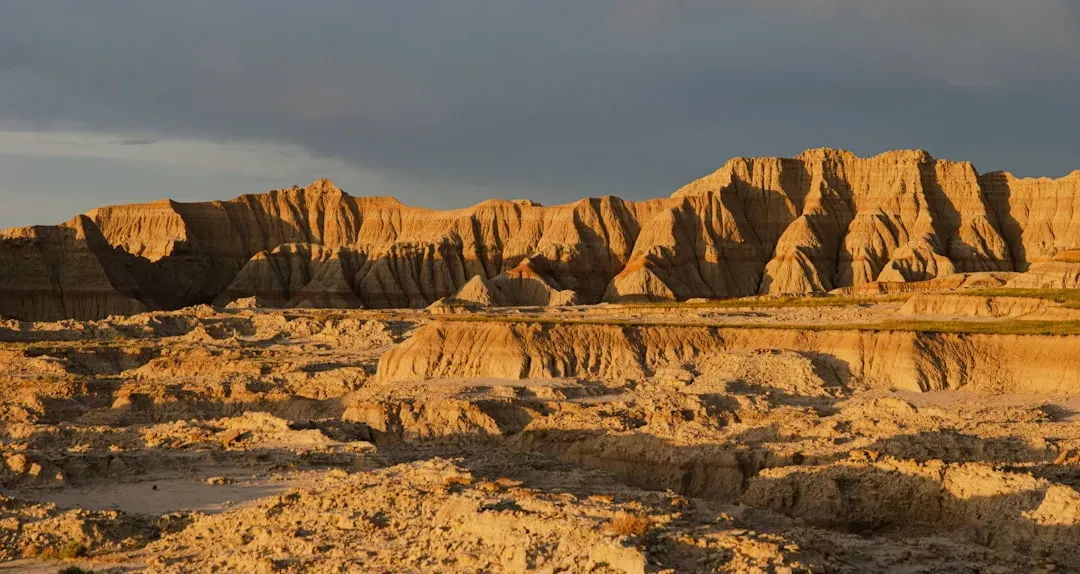
When you first see the Badlands, you might just think “alien landscape” – jagged ridges, sharp gullies, and layered buttes stretching to the horizon. But as you get closer, you realize these Oligocene sediments are absolutely loaded with mammal fossils. Here you walk into a world that existed roughly twenty to thirty million years ago, filled with early horses, rhinoceros-like brontotheres and later relatives, nimravids (often nicknamed false saber-toothed cats), and a range of other hoofed mammals and predators.
What makes the Badlands addictive for fossil-minded visitors is the combination of exposure and erosion. The soft sediments are constantly being carved by wind and water, continually revealing new bone fragments and skeletons near the surface. You can’t legally collect inside the park, but you can train your eye to spot fossil bone from a distance, noticing color and texture differences in the rock. Once you tune in, every little wash and gully looks like a puzzle begging you to piece together the remains of a long-vanished grassland community.
10. The La Brea Tar Pits, California – Ice Age Traps In The Middle Of A City
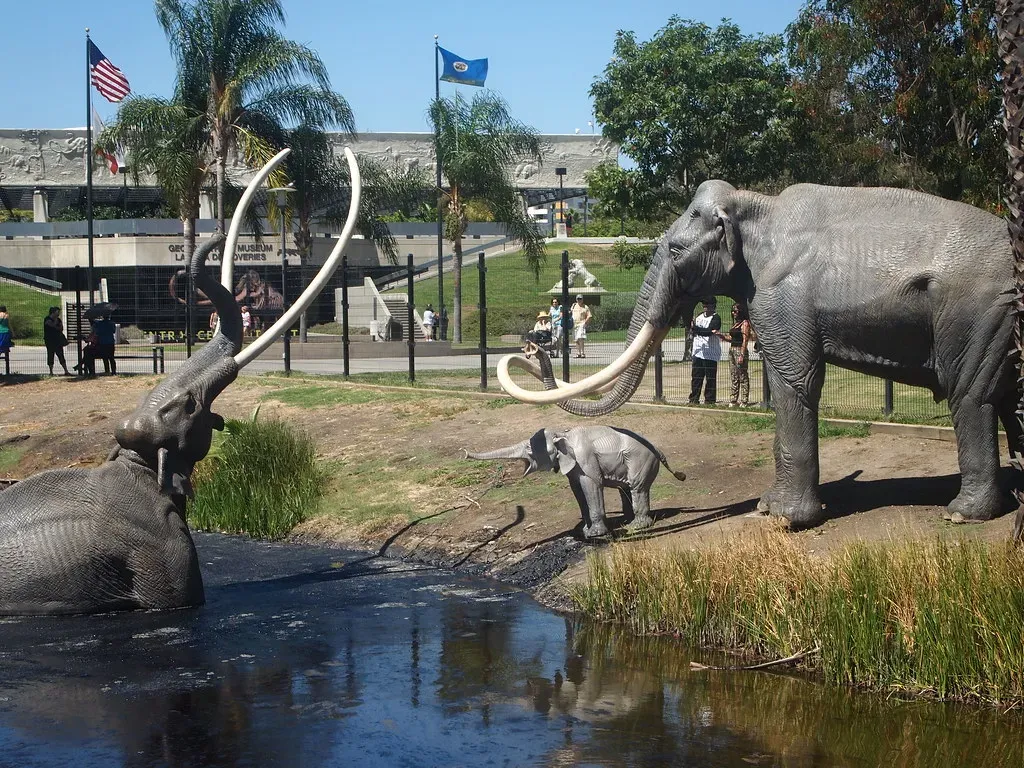
Few fossil localities feel as surreal to visit as the La Brea Tar Pits, because you are literally standing in the middle of Los Angeles while looking straight into the Ice Age. Here, natural asphalt seeps trapped animals over tens of thousands of years, preserving bones in sticky, bacteria-resistant tar. As a result, you get staggering numbers of saber-toothed cats, dire wolves, mammoths, ground sloths, and birds, often with their bones stained a deep, glossy brown.
For you, the power of La Brea is the forensic level of detail it provides. The site preserves not just big charismatic mammals, but small creatures too: rodents, lizards, insects, plant fragments, and even microfossils like pollen. This density of information lets researchers reconstruct everything from predator-prey dynamics to past climate and vegetation around Los Angeles during the last glacial cycles. When you look from bubbling asphalt pits to city traffic beyond the fence, you feel an almost dizzying overlap of timelines – ancient and modern Los Angeles sharing the same coordinates.
Conclusion: Stepping Into Deep Time, One Outcrop At A Time
When you step back and look at these ten sites together, you see more than a list of “cool fossil spots.” You see a stitched-together biography of North America: Jurassic river valleys full of sauropods, Cretaceous floodplains trampled by Tyrannosaurus, Eocene lakes brimming with fish, and Ice Age valleys where saber-toothed cats stalked horses and mammoths. Each location offers you a different chapter, a different cast, and a different style of preservation, from delicate insect wings in Colorado shale to massive bison skulls drawn from sticky asphalt in downtown Los Angeles.
What makes these places so astounding is that they’re not sealed away in arcane textbooks – you can actually go there, stand on the outcrops, and read the rocks for yourself. Whether you’re a professional paleontologist, a serious amateur with a rock hammer, or just someone who gets goosebumps thinking about deep time, these landscapes invite you to listen closely to very old stories. So the real question is: the next time you hit the road, which ancient world are you going to step into first?