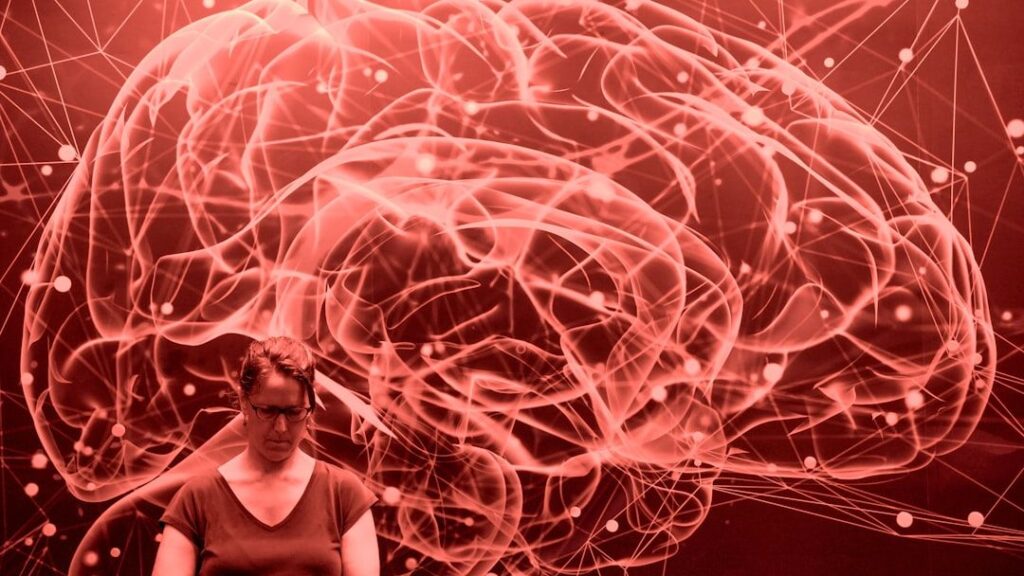
You carry around the most complex object known in the universe: the human brain. But at some point in deep time, your ancestors did not think the way you do now. There was a moment, stretched over millions of years, when simple nervous systems slowly turned into minds that could remember, imagine, and eventually wonder who they were in the first place.
When you ask when consciousness began, you are really asking when experience itself flickered on: when there was a “someone” inside, not just a collection of reflexes. Science cannot point to a single day on the prehistoric calendar when that happened, but you can trace a trail of clues in fossils, brain anatomy, tools, and behavior. If you follow those clues carefully, you start to see how your own inner life might be the latest chapter in a very long, very strange story.
The First Sparks: From Nerve Nets to Feeling Something
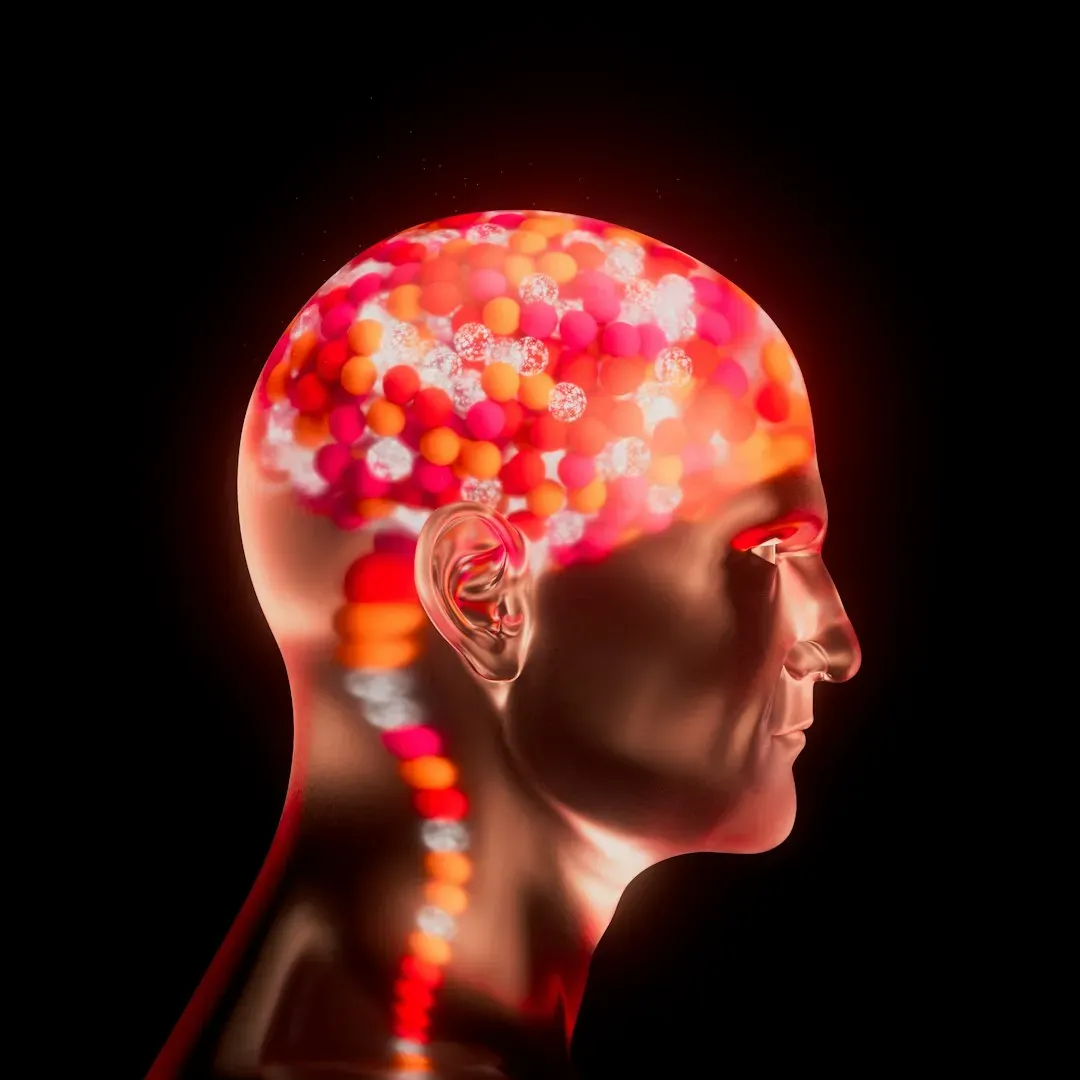
If you roll the clock back over half a billion years, you would not find anything like a human mind, but you would already see the first whispers of it. Simple animals in the ancient oceans, with only scattered cells that sensed light or touch, were already doing something crucial: they were reacting to the world in flexible ways, not just dissolving when hit or drifting aimlessly. That kind of coordinated response is the raw material from which consciousness could eventually emerge.
You can imagine those first nerve nets as the simplest “control rooms,” stitching together inputs from the environment to guide useful actions. At first, this probably did not feel like anything in the sense you know it. Still, every new layer of coordination – turning toward food, pulling away from danger, navigating gradients of light or chemicals – made it more plausible that, at some point, there would be something it was like to be that creature. You are inheriting a nervous system that has been iterating on this basic challenge for hundreds of millions of years.
Brains Get Bigger: Why Size and Structure Started to Matter
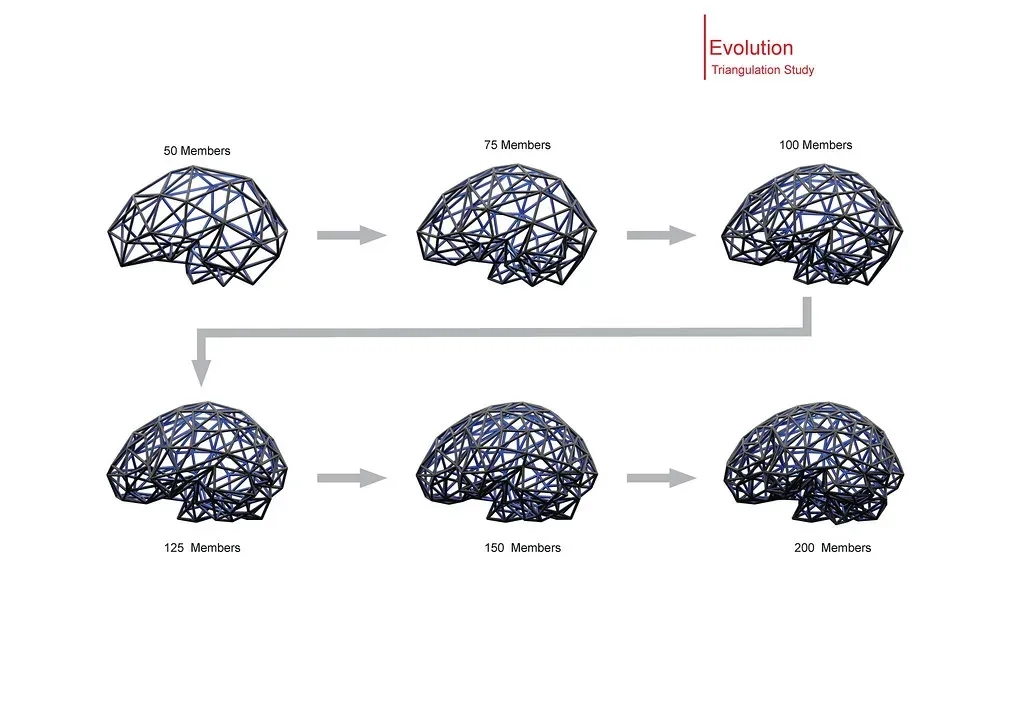
As you move forward through evolutionary time, you see some lineages trading simple nerve nets for centralized brains. Fish, reptiles, and early mammals show a clear trend: more neurons, more specialized regions, and more complex behaviors. You can think of this as upgrading from a single-room cabin to a sprawling house with dozens of interconnected rooms, hallways, and shared spaces.
In your case, that “house” became the mammalian brain, and then the primate brain, and eventually the human brain with its massively expanded cortex. Size by itself does not guarantee consciousness, but a bigger, better-connected brain can integrate more information at once, track more relationships, and support more flexible strategies. The more layers your ancestors added – for vision, planning, memory, and social understanding – the more realistic it became that a rich, unified inner life would appear.
From Instinct to Imagination: When Behavior Turned Flexible
One of your best windows into the rise of consciousness is behavior. When you see an animal doing the same rigid thing every time, you suspect simple reflexes. When you see it pause, explore, and choose among options, you start to suspect some kind of inner assessment. Early mammals and birds already show problem-solving, play, and exploration that go beyond pure instinct, hinting that something more than automatic scripts is running the show.
As primates emerged, that flexibility cranked up even more. You inherit a lineage where individuals could experiment, learn from mistakes, and adjust to new conditions, not just follow hard-wired patterns. Once you can imagine alternatives and rehearse them in your mind before acting, consciousness stops being a luxury and becomes a major survival tool. Every time your ancestors chose a new path instead of blindly repeating the old one, they leaned a little further into mental life as you know it.
Seeing Yourself: The Strange Power of Self-Awareness

At some point, consciousness in your lineage stopped being just a stream of experiences and started including a sense of “me.” You do not just see a tree; you know that you are the one seeing it. This self-awareness is not a trivial upgrade. It lets you plan for your own future, understand that others see you, and imagine how your actions might look from the outside. That’s an enormous advantage in complex social worlds.
You can see early hints of this in animals that pass simple versions of mirror tests, recognize their own bodies, or seem to understand that others have different perspectives. While these tests do not perfectly capture consciousness, they suggest a continuum: as brains handle more social complexity, they lean harder on internal models of self and others. You stand near the top of that curve, constantly modeling who you are, what you want, and how you appear – often without even realizing you are doing it.
Language and Culture: When Minds Started Talking to Each Other

If you are looking for a turning point that truly transforms consciousness, the emergence of language and culture is hard to beat. Once your ancestors could reliably share information, stories, and instructions, minds stopped evolving in isolation and started co-evolving with each other. You did not just inherit genes; you inherited tools, myths, customs, and techniques for thinking that no single brain could invent alone.
Language lets you name your own inner states, compare them with others, and reflect on them together. Culture passes down ways of paying attention, of valuing, of explaining the world, which all shape what your consciousness even notices. The stories you tell yourself about who you are, what matters, and what is possible are built on this deep cultural scaffolding, reaching back to the first humans who sat around fires and tried to make sense of births, deaths, dreams, and storms.
Fire, Tools, and Symbols: Practical Steps Toward Abstract Thought
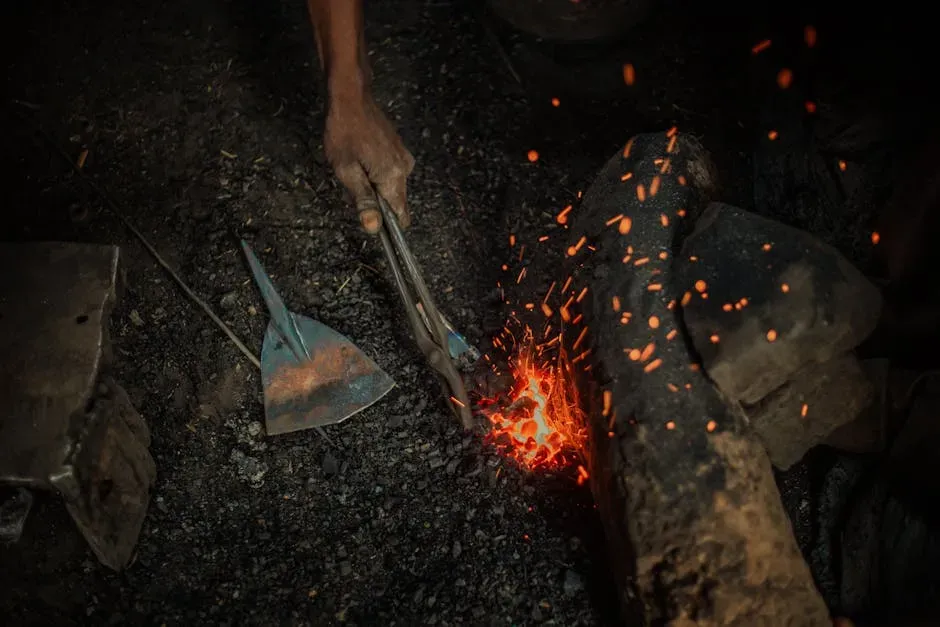
You might think of fire-making or stone tools as simple survival tricks, but they also tell you something about how your ancestors were thinking. To control fire, you have to anticipate, store, and share a dangerous yet useful resource. To shape stone tools, you need to imagine a future function and carve your way backward from that mental image to the present. These acts stretch your mind beyond the immediate here-and-now.
When you add symbolic behavior – markings on cave walls, beads, burial practices – you see a further step. Now your ancestors are making things that stand for something else: a hunt, a spirit, a social role, a memory. Once your world is full of symbols, your consciousness does not just ride along with events; it can wander through imagined spaces, track invisible meanings, and revisit the past or project into the future. That is a different kind of mind than one that only reacts to what it can directly sense.
The Neanderthal Question: Were You Alone in Mental Life?
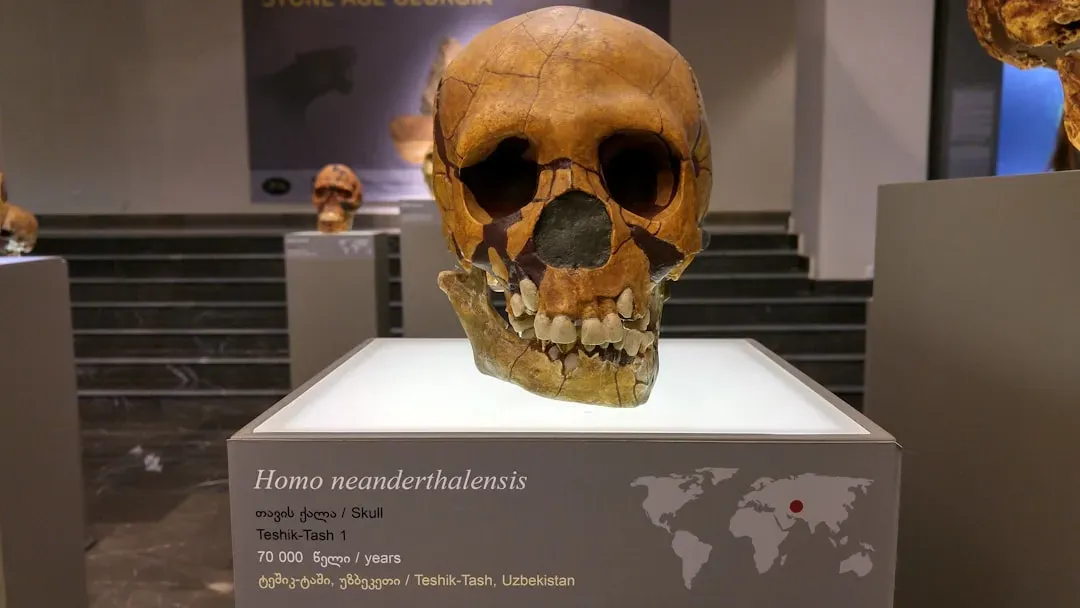
You may be tempted to draw a hard line that puts fully fledged consciousness only in your own species, but the evidence nudges you toward a messier picture. It looks more like a branching family tree where several cousins explored similar mental territory. If that is right, your consciousness is not a singular miracle but one expression of a broader evolutionary pattern, where different hominin groups tinkered with similar capacities for memory, planning, art, and perhaps even grief and ritual.
No Single Moment: Why Consciousness Is a Gradual Emergence
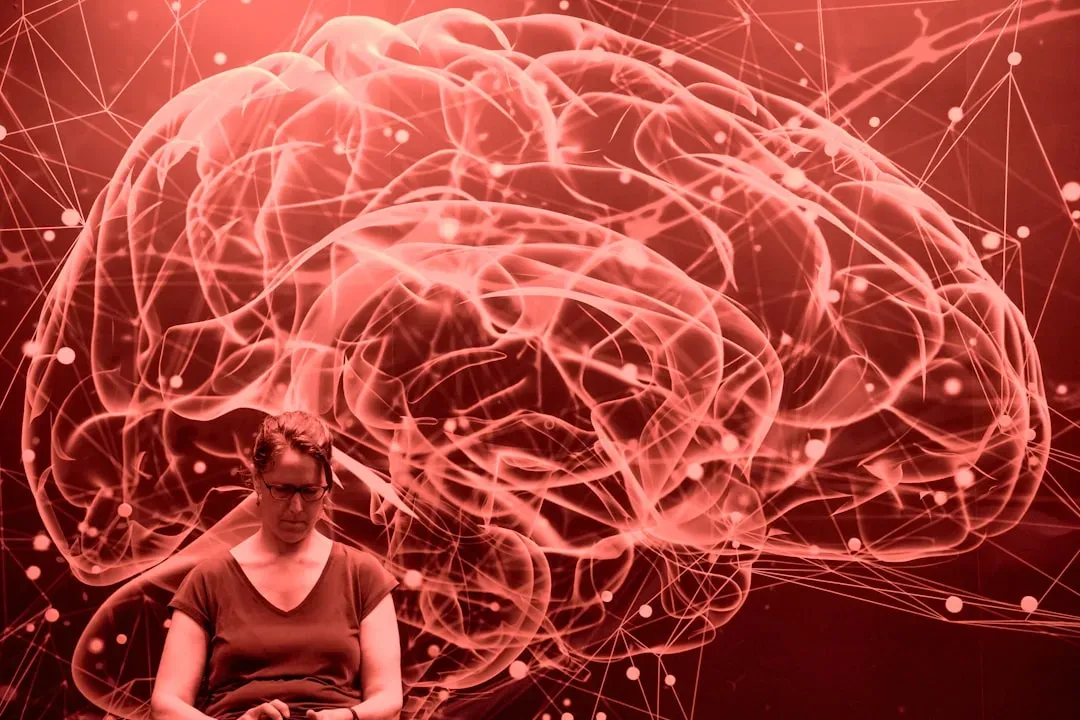
It is natural to want a clear answer: a specific time when your ancestors woke up and became conscious in the way you are today. The frustrating and humbling truth is that evolution does not work that way. There is no sharp border where yesterday’s creatures were mindless and today’s suddenly have inner lives. Instead, you are dealing with a long, overlapping gradient of increasing complexity, flexibility, and self-reflection.
That does not mean the question is meaningless. It means you have to reframe it. Instead of asking for a single birthday for consciousness, you ask when certain key ingredients became robust: integrated brains, flexible learning, self-awareness, language, culture, symbolism. When you look at it that way, you see your own mind as part of a slow bloom, not a sudden spark – a bloom that is still unfolding as you build technologies, institutions, and ideas that reshape how you experience being you.
Conclusion: Your Mind as the Latest Chapter in an Ancient Story
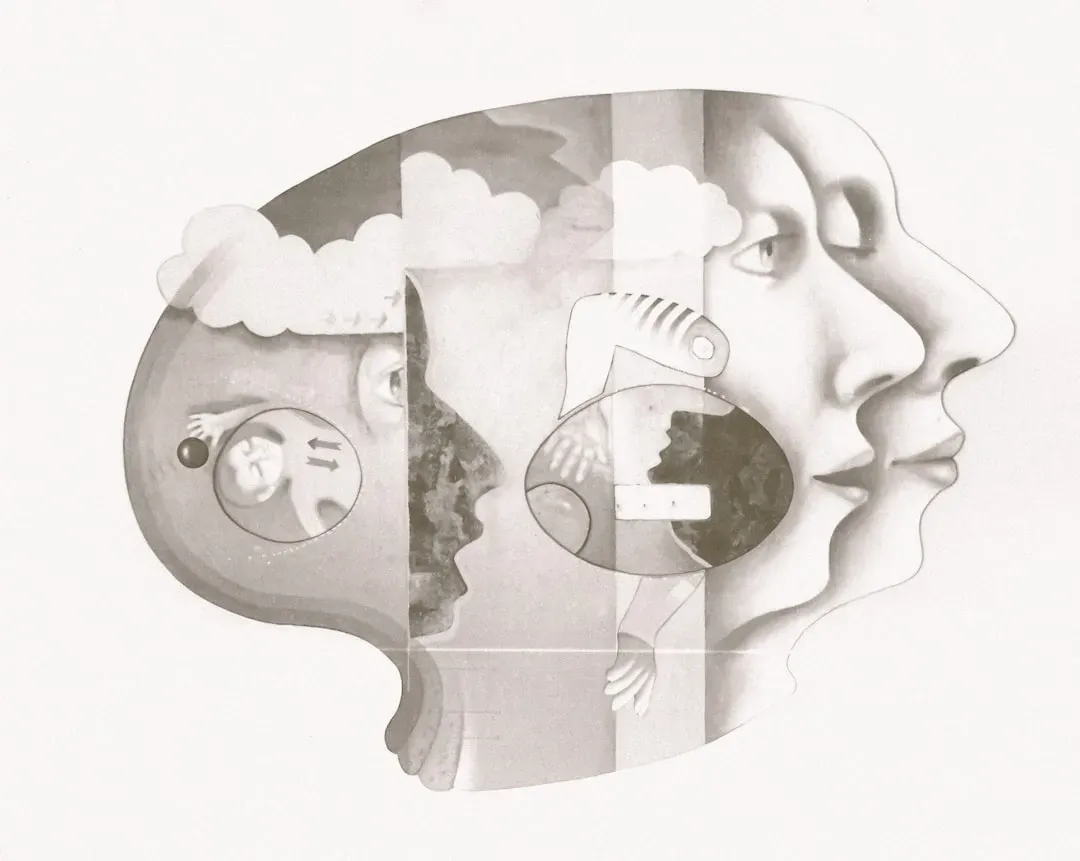
When you sit quietly and notice your own thoughts drifting by, it is easy to treat that experience as something separate from the rest of nature. But your consciousness is not an exception to evolution; it is one of its most intricate achievements. Every flicker of awareness you feel has roots in ancient nerve nets, expanding brains, social struggles, symbols carved on stone, and stories whispered in the dark.
You may never pin down the exact moment when consciousness began, but you can see how your own mind is deeply continuous with what came before, and also strangely new. The real mystery is not only when the human mind began to evolve, but what you are going to do with it now that you know it is the latest chapter in a very long tale. If your awareness is the outcome of countless small changes over unimaginable time, what kind of ancestor do you want to be for the minds that come after you?