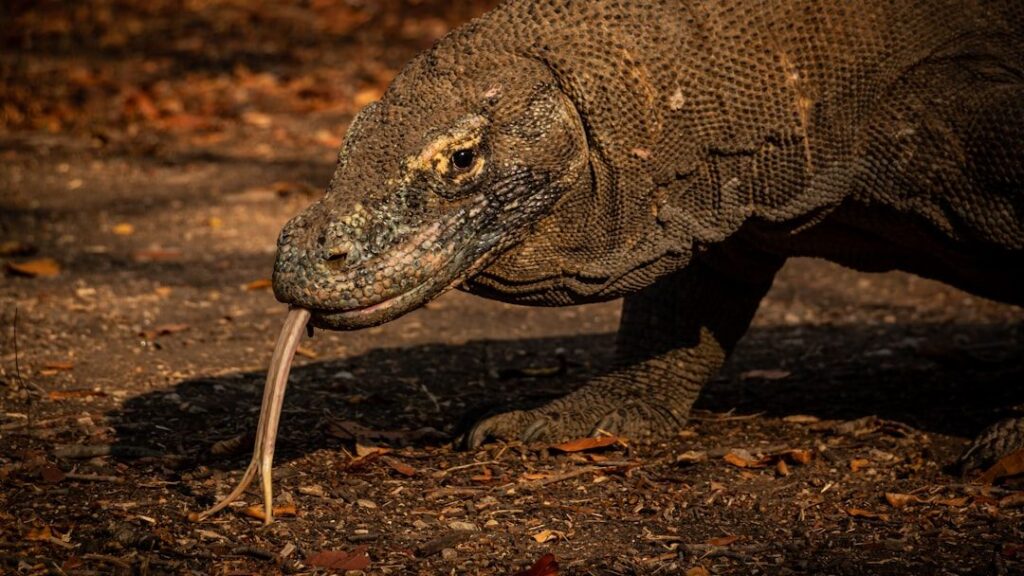
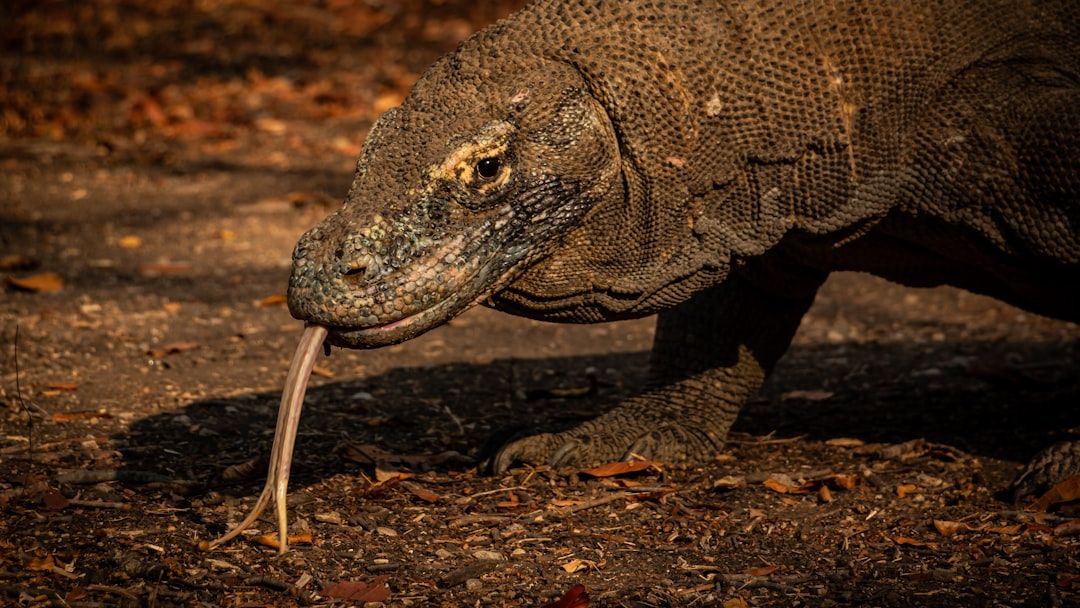
Indonesia busts wildlife trafficking ring targeting Komodo dragons – Image for illustrative purposes only (Image credits: Unsplash)
Indonesia – Police dismantled a sophisticated wildlife trafficking operation that shipped at least 17 juvenile Komodo dragons from remote islands to Thailand over more than a year. Authorities arrested 11 suspects linked to the syndicate, which preyed on the world’s largest lizard species, an endangered icon native to Indonesia. The group’s latest attempt in February met swift intervention, preventing three more dragons from reaching black-market buyers.
Elaborate Concealment Tactics Foiled by Alert Investigators
Officers uncovered the traffickers’ primary smuggling method during the February raid. Suspects hid baby and juvenile Komodo dragons inside short segments of plastic piping to evade detection at checkpoints and borders. This low-tech yet effective technique allowed the group to transport the reptiles undetected for months.
The network operated from January 2025 through February 2026, moving lizards across diverse terrains. Police detailed how the syndicate coordinated sea voyages, air flights, road trips, and even rail lines to ferry the animals from their origin points to international markets. Their persistence highlighted the challenges of policing Indonesia’s vast archipelago.
Targeting Flores: A Hotspot Outside Protected Zones
The traffickers zeroed in on the Pota area within Flores Island’s East Manggarai district. This region hosts an estimated 700 Komodo dragons living beyond the boundaries of the official national park, making them easier targets for poachers. Unlike the heavily guarded core habitats, these peripheral populations faced less routine surveillance.
Buyers in Pota reportedly paid 5.5 million rupiah, or roughly $320, for each young dragon. The animals then journeyed to Java and Sumatra islands as intermediate stops before crossing into Thailand. Authorities emphasized that Komodo dragons, known scientifically as Varanus komodoensis, remain strictly protected under Indonesian law due to their vulnerable status.
Black Market Profits Soar from Island to Overseas
Once in Java, the dragons fetched prices nearly six times their purchase cost, reflecting rising demand among collectors and exotic pet enthusiasts. By the time they arrived in Thailand, each lizard commanded up to $29,000 on illicit markets. This massive markup underscored the syndicate’s profitability and the global allure of the species.
The operation extended beyond Komodos to other endemic Indonesian wildlife, though details on additional species remained limited in the announcement. Police issued their statement on April 16, with further reporting from Mongabay Indonesia the following day. The bust disrupted a chain that exploited multiple transport modes for maximum evasion.
Implications for Komodo Conservation Efforts
Indonesia’s success in this case demonstrated improved coordination among law enforcement agencies. The arrests severed a key supply line to international buyers, potentially easing pressure on wild populations. Yet experts noted that trafficking networks often adapt quickly, requiring sustained vigilance.
As home to the only remaining Komodo dragons worldwide, Indonesia continues to bolster protections. This incident served as a stark reminder of the threats facing even iconic species outside formal reserves. Authorities now aim to expand patrols in areas like Pota to prevent future incursions.