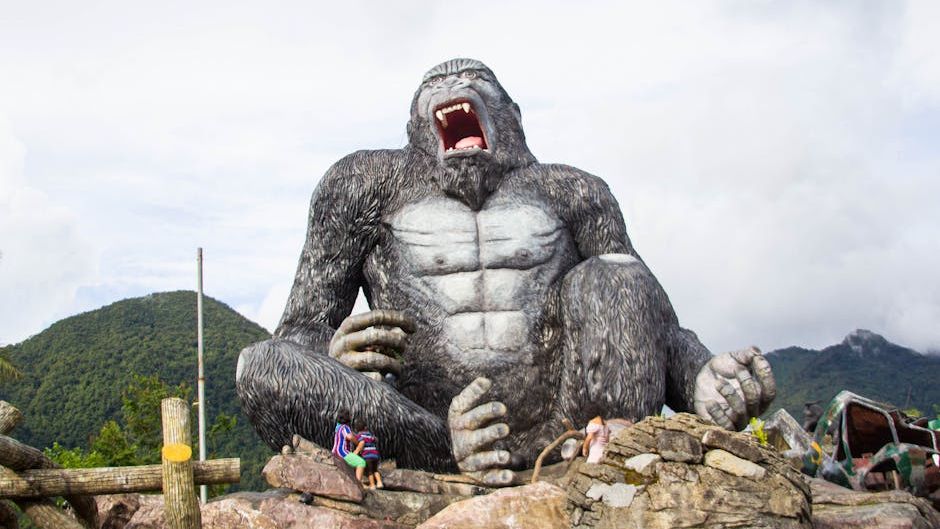
You grow up with the image of King Kong as a wild fantasy: a skyscraper‑sized ape clinging to towers and swatting planes from the sky. But when you start looking into the fossil record, you discover something surprising: giant apes and oversized primates were not just movie monsters, they were once very real parts of Earth’s ecosystems. They did not climb New York buildings, but they did tower over you in ways that would have felt just as intimidating face to face.
As you explore what science has uncovered so far, you find a story that is stranger and more complex than fiction. You meet apes that weighed as much as a small car, giant lemurs that lived alongside early humans, and monkeys that pushed the limits of what you think a primate can be. And just as fascinating as their size is the question that quietly nags at you: why did they vanish, and what does that disappearance say about the world you live in now?
Meet Gigantopithecus: The Closest Thing to a Real King Kong
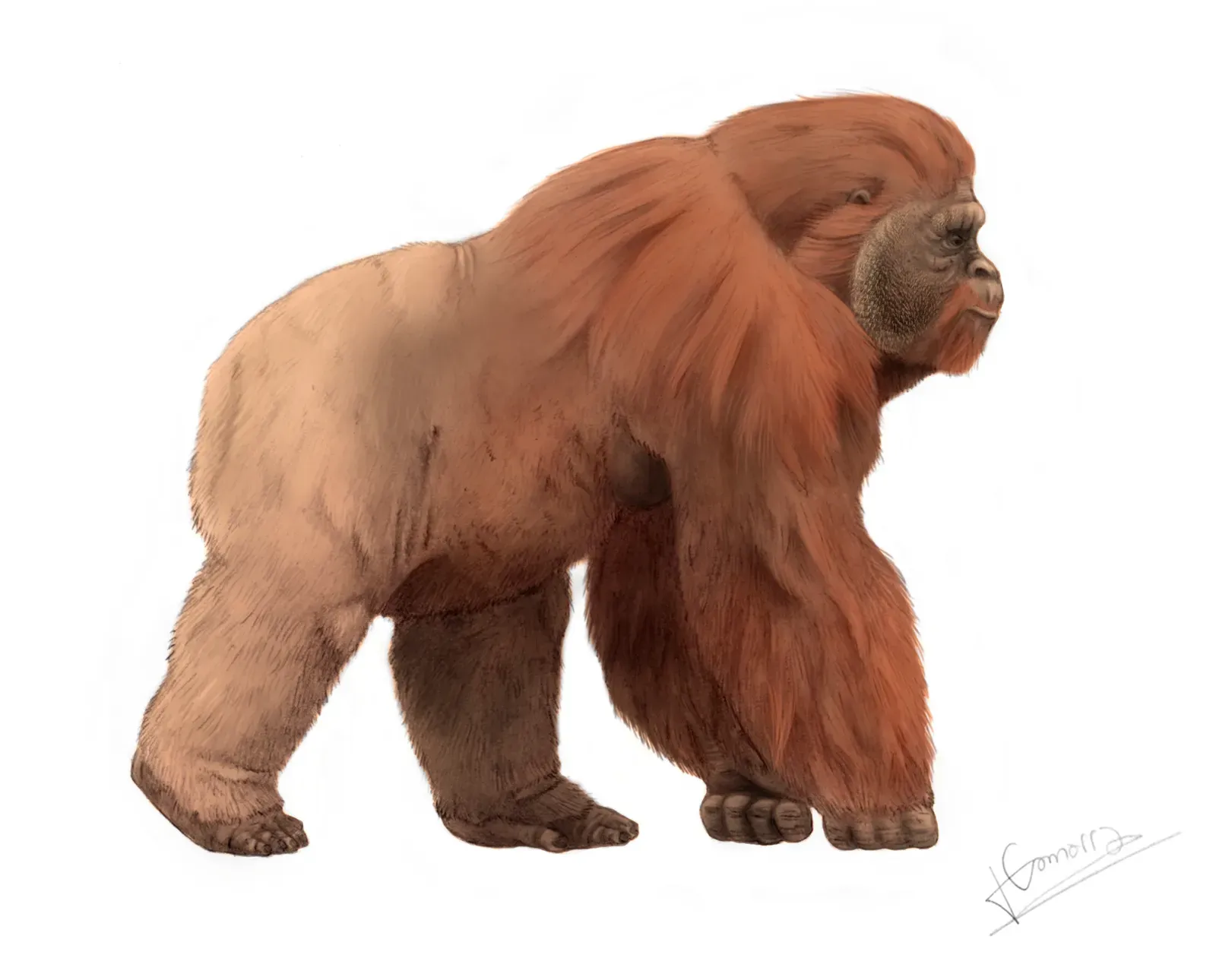
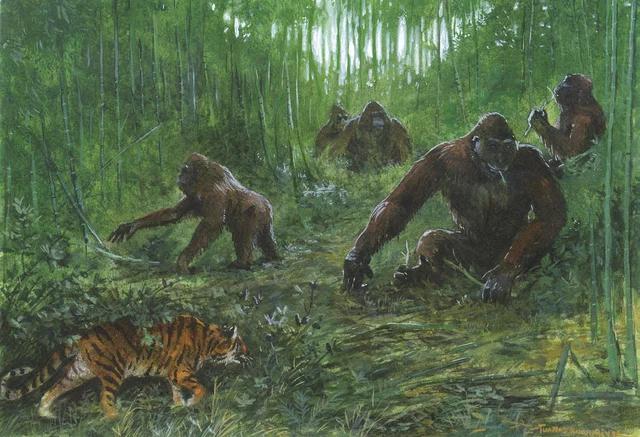
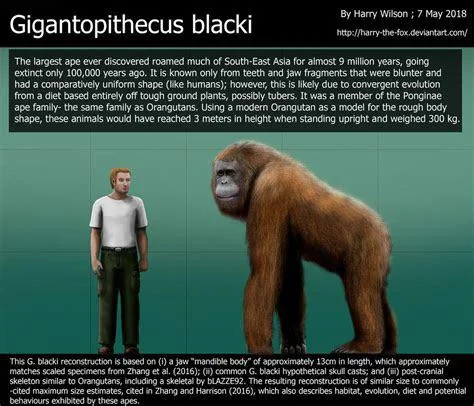
If you want to meet the closest thing science has to a real King Kong, you start with Gigantopithecus. You never get a full skeleton, only fossilized teeth and parts of jaws dug out of caves in China, Vietnam, and Thailand, but those fragments are enough to tell you this ape was huge. Based on the size and thickness of the jaws and molars, researchers estimate that an adult male could have stood around three meters tall if it reared up and weighed several hundred kilograms, easily dwarfing you and any modern great ape.
When you picture it, you probably imagine a towering, roaring beast, but the real animal was almost certainly more low‑key and specialized. Its massive molars and thick enamel suggest you would have seen it calmly chewing hard, fibrous foods like bamboo, tough fruits, or nuts rather than hunting anything down. You would not have found it leaping across city skylines; you would have found it deep in subtropical or tropical forests, moving through dense vegetation, more like an oversized, secretive forest giant than a rampaging movie monster.
How Scientists Reconstruct a Giant from Just Teeth and Bones
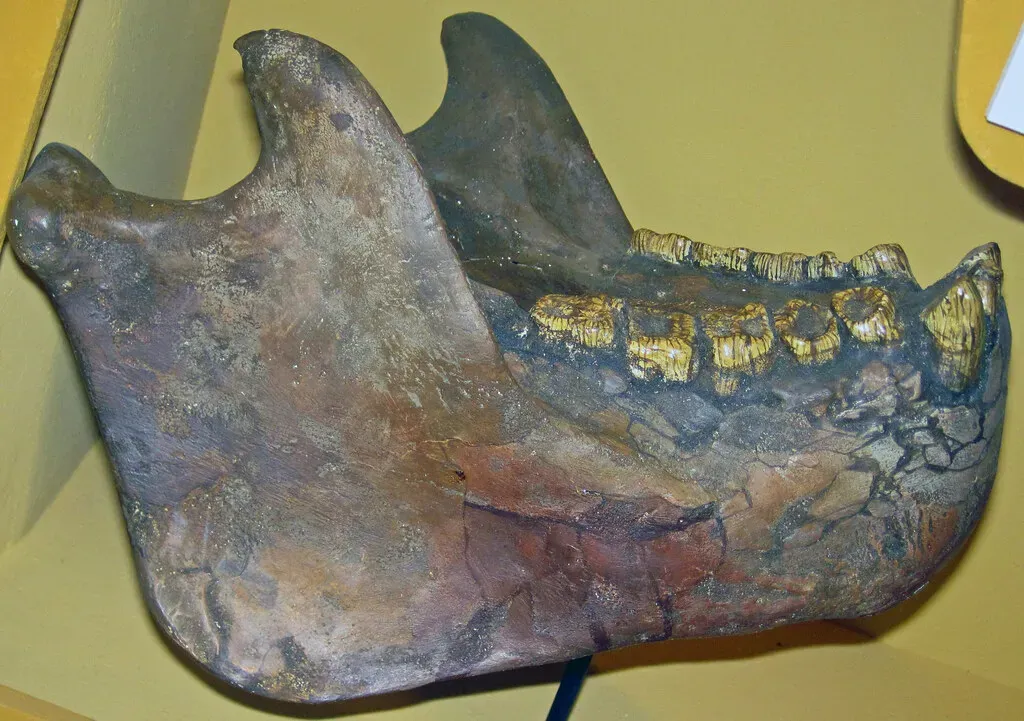
When you hear that an entire species like Gigantopithecus is known mostly from teeth and jawbones, it might feel like guesswork, but the way scientists extract information from those fossils is surprisingly methodical. If you look closely at the teeth, you see patterns of wear, thickness of enamel, and microscopic scratches that hint at what kinds of food the animal was biting, grinding, or cracking. Even the chemistry locked inside the enamel can tell you whether the ape lived mostly in closed forests or more open habitats, by reflecting what kinds of plants entered its food chain.
To estimate size and shape, researchers compare those fossil jaws to living apes, scaling up based on known relationships between tooth dimensions and body mass. You are basically watching a forensic reconstruction unfold: each measurement, each comparison, and each tiny piece of bone helps fill in the outline of a creature that no human has ever seen alive. You never get a perfect, photograph‑level image, but you do get a scientifically grounded silhouette, and that is enough for you to say with confidence that this was not just a big ape, it was a true giant by any primate standard.
Giant Lemurs of Madagascar: The Lost Primates You Never Hear About
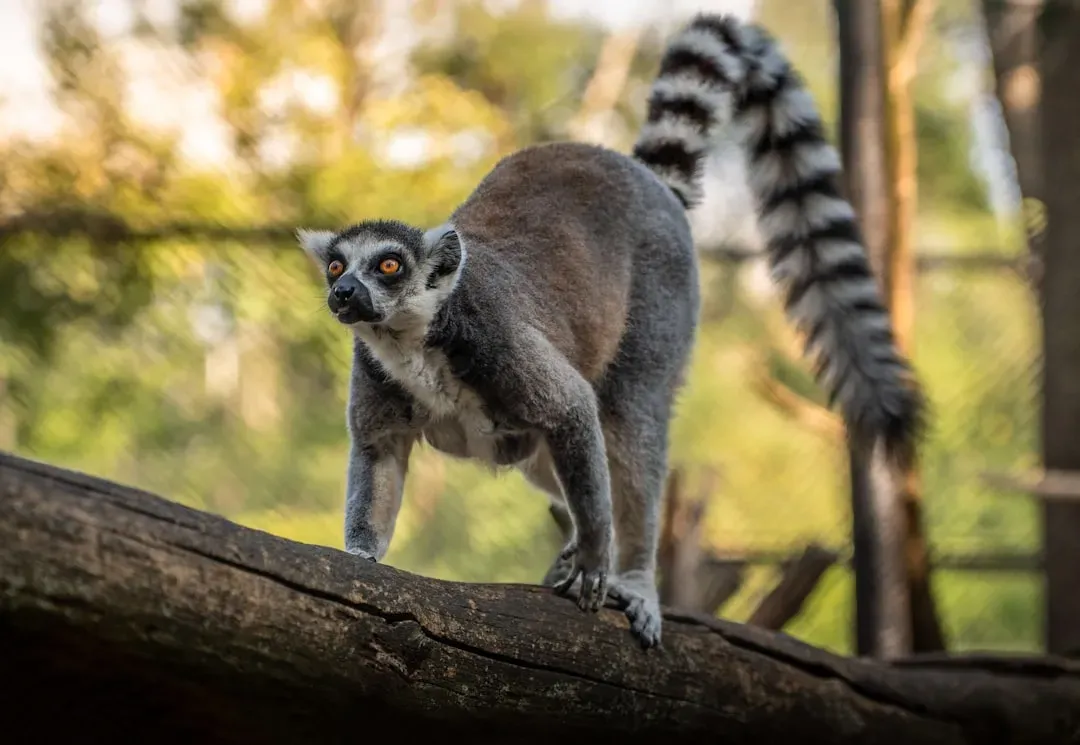
When you think of giant primates, your mind probably jumps to apes, but if you shift your gaze to Madagascar, you uncover an entire cast of oversized lemurs that vanished only in the relatively recent past. You meet species that could weigh as much as a large dog, with robust limbs and unusual skulls, some adapted for slow climbing, others for powerful chewing. If you walked through Madagascar’s forests a few thousand years ago, you might have seen lemurs bigger than you are used to now, moving slowly through the trees or even spending time on the ground, reshaping the ecosystem as they fed on fruits, leaves, and seeds.
These giant lemurs disappeared after humans arrived on the island, likely due to a mix of hunting and habitat changes. When you realize how recent that extinction is, it feels strangely personal, as if you just missed meeting them by a thin margin of time. Today, the lemurs you see are smaller and more vulnerable, and the ghosts of their giant relatives hang in the background, reminding you that primate diversity once stretched far beyond what you see in modern wildlife documentaries. In a way, Madagascar gives you a snapshot of what can vanish in just a few centuries of human pressure.
Colossal Monkeys and Heavyweight Baboons of the Past
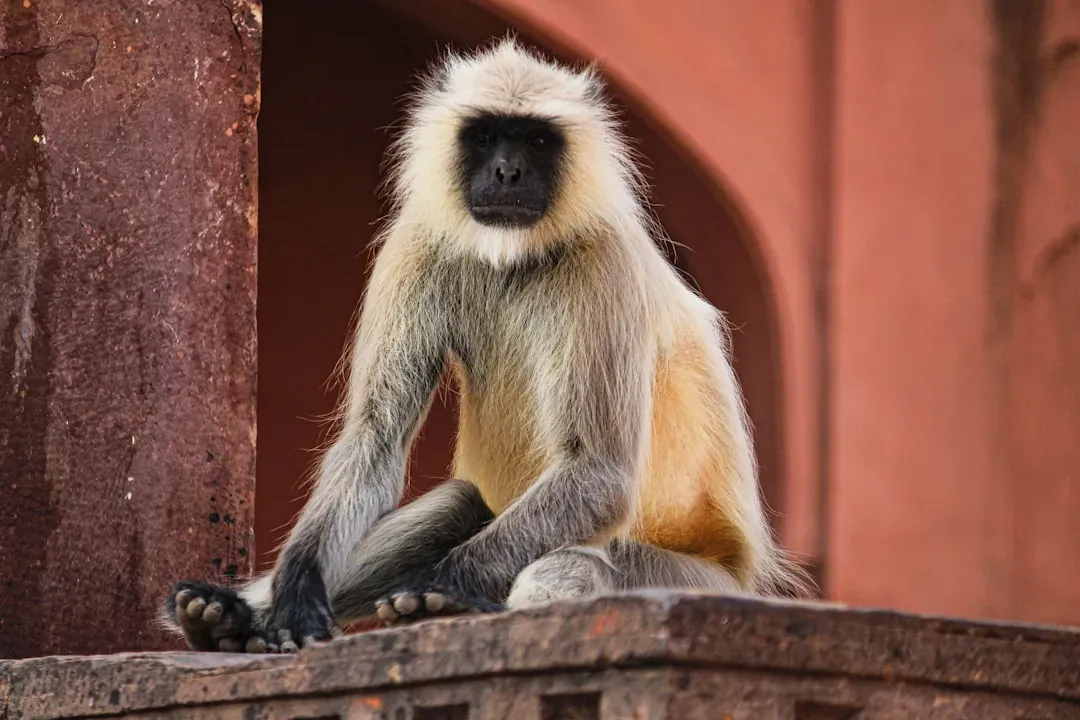
Apes and lemurs are not the only primates that tested the upper limits of body size; some ancient monkeys pushed those boundaries too. When you look into the fossil record, you find species of baboon‑like primates that were bulkier and more powerful than the ones you see on African savannas today. Some of these relatives had large jaws, thick bones, and muscular builds that would have made them intimidating presences in their environments, especially when living in groups, as many monkeys do.
In parts of South America, you also find extinct monkeys that reached impressive sizes for tree‑dwellers, with strong limbs that let them navigate branches despite their weight. As you imagine them moving through the canopy, you realize size is not just about looking impressive; it is a delicate trade‑off. Being bigger gives you advantages, like scaring off predators or holding territory, but it also means you need more food, more stable habitats, and more time to grow and reproduce. When climates shift or forests shrink, those trade‑offs suddenly become deadly liabilities.
Why Giant Primates Disappeared While You’re Still Here
When you look across all these examples – Gigantopithecus in Asia, giant lemurs in Madagascar, heavyweight monkeys in Africa and the Americas – you start to notice a pattern. The largest primates seem to vanish as environments change and as humans (or human ancestors) expand their range. If you are a huge animal that relies on specific forests or slow‑growing food sources, even moderate habitat loss hits you harder than it would a smaller, more flexible species. Combine that with hunting pressure, and your survival odds drop quickly.
Unlike a movie, there is no single dramatic showdown between humans and a giant ape at the top of a skyscraper. Instead, you get a long, quiet squeeze: forests get thinner, food becomes patchier, and generations of giants struggle to find enough to eat or safe places to live. Meanwhile, humans thrive by being adaptable, social, and resourceful, able to eat a wide variety of foods and reshape landscapes to suit their needs. In that slow, uneven competition, you can see why the giants fade away while your own lineage persists and spreads.
Could a Giant Ape Like King Kong Ever Really Exist?
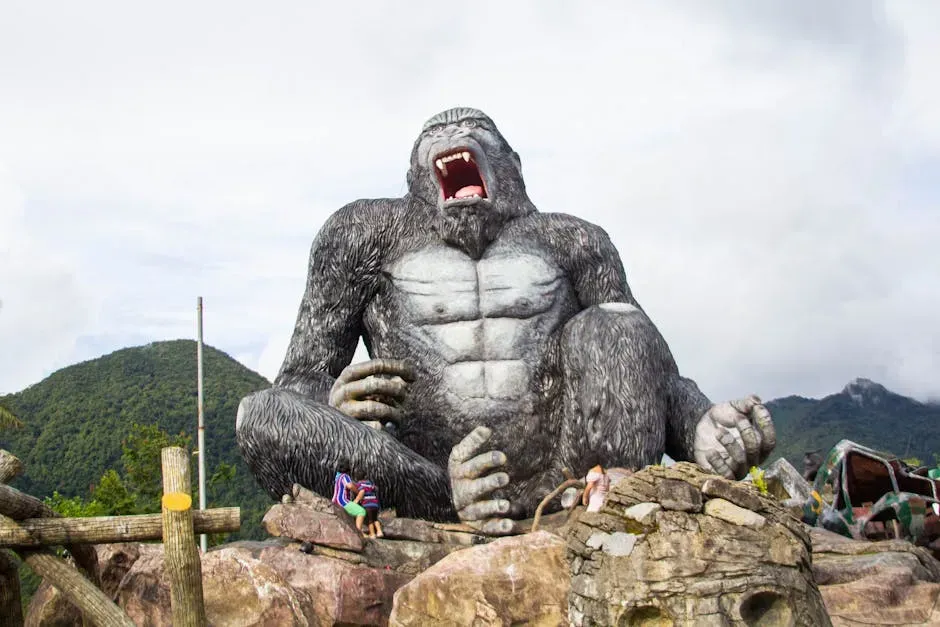
When you ask yourself whether a creature like the King Kong from the movies could exist in real life, it helps to think like a biomechanic. As primates get larger, their bones and muscles have to work against gravity in a much more demanding way, and there are hard physical limits to how big a land animal can get while still moving efficiently. You can see this in how real giants like elephants are built: thick legs, slow movements, and careful energy use, nothing like the nimble, building‑climbing ape you see on screen.
Even Gigantopithecus, as big as it was, would have been constrained by these same physical rules. If you tried to scale an ape up to the size you see in films, you would run into problems with bone strength, blood pressure, heat loss, and sheer food requirements. You would need an absurd amount of calories every day just to keep such an animal alive, and no real ecosystem could support that for long. So while you can absolutely say that nature has produced impressively large primates, you also have to admit that the cinematic King Kong sits comfortably in the realm of imagination, not biology.
What Giant Primates Teach You About Evolution and Survival
When you step back from the fossils and ask what these giant primates really mean, you start to see them as experiments in evolution. Nature tried out different shapes and sizes, pushing primates into roles usually held by large herbivores or powerful omnivores. Some of those experiments worked for a while, long enough to leave bones in caves and sediments, but they did not last through the constant shuffle of climate shifts, habitat changes, and the arrival of clever, tool‑using humans like you.
These vanished giants also remind you that being the biggest is not the same as being the most successful. In the long run, survival favors flexibility, cooperation, and the ability to adapt quickly rather than sheer size. When you look at your own species, you see that success resting more on brains and social skills than on physical power. The real lesson behind the so‑called King Kong of prehistory is not that you should fear giant apes, but that you should pay attention to how fragile specialized, oversized creatures can be in a world that never stops changing.
How You Can Still Walk in the Shadows of Prehistoric Giants Today
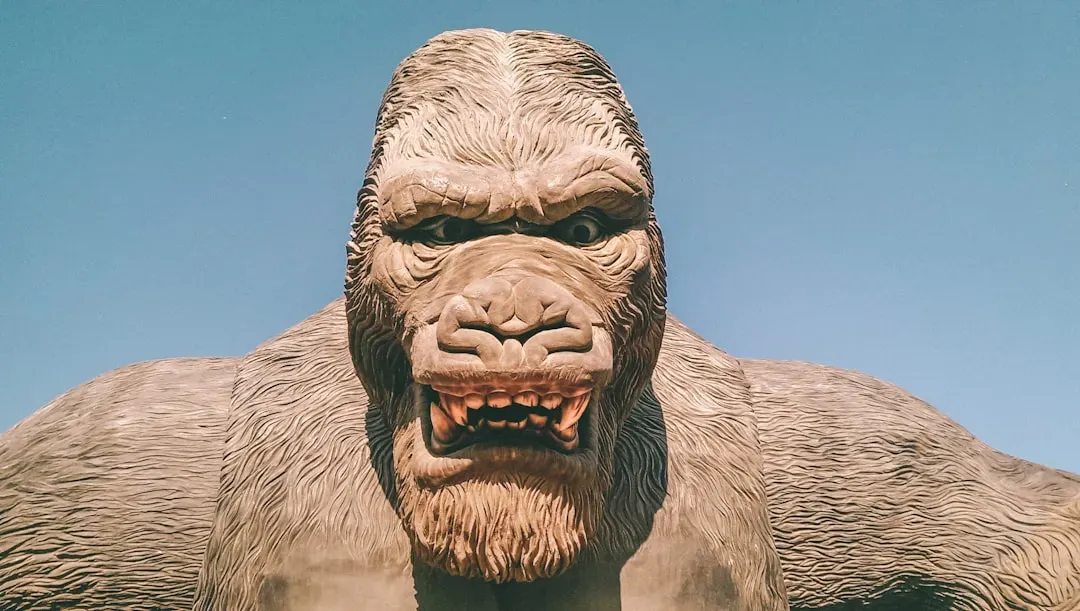
Even though you will never see Gigantopithecus or a giant lemur alive, you can still get surprisingly close to their world. When you walk through a dense bamboo forest in parts of Asia, you are stepping into the kind of habitat that may once have fed a towering ape. When you visit Madagascar and watch modern lemurs leap and call from the trees, you are seeing the last survivors of a branch of primates that used to include genuine heavyweights. Fossil sites, museum exhibits, and digital reconstructions let you piece together those lost worlds in your mind.
At the same time, you have a chance to do something the people who lived alongside giant primates never did: you can choose to protect their smaller, living relatives. By supporting habitat conservation, being thoughtful about what you consume, and valuing biodiversity beyond just the most charismatic animals, you help make sure today’s primates do not follow their giant cousins into oblivion. In a sense, every forest you help preserve and every species you help safeguard becomes a quiet tribute to the enormous, vanished figures that once walked the planet. You might not get to meet a real‑life King Kong, but you can make sure the story of primates does not end with the word extinction.
When you put all these threads together – the towering apes, the giant lemurs, the heavyweight monkeys, and the reasons they disappeared – you end up with a story that is less about monsters and more about vulnerability. You learn that even the most impressive bodies can fail when the world shifts too fast, and that your own survival depends on how wisely you treat the ecosystems you still share with other primates. Maybe the real power of the King Kong myth is not the fear of a giant ape, but the reminder that humans and other primates are connected more deeply than you first realize. Knowing that, what kind of ancestor do you want to be for whatever life comes after you?