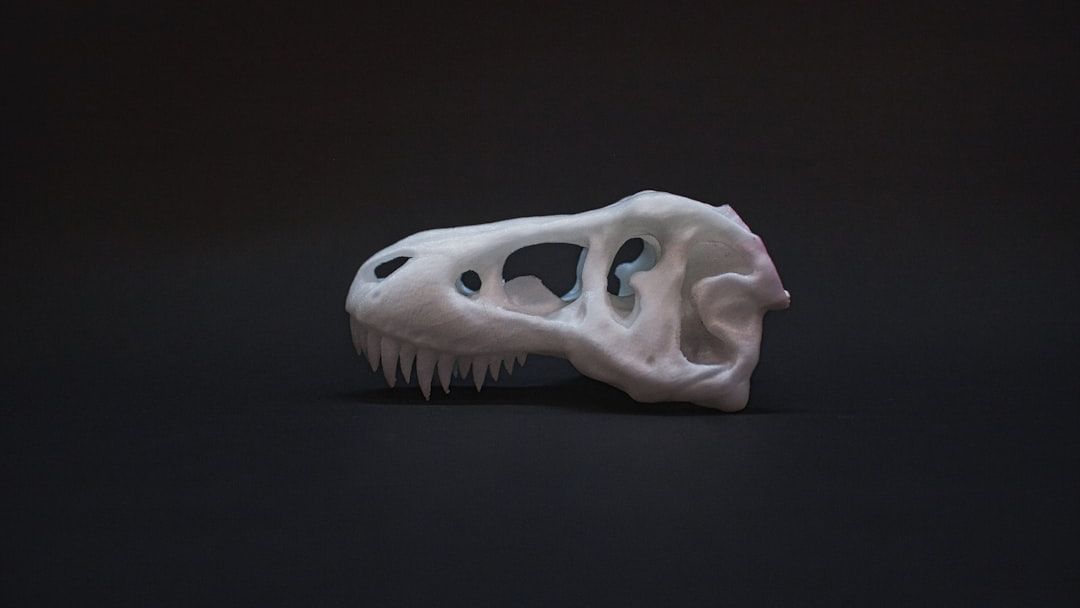
Scientists believe birds’ skulls hold clues to inner lives of long-extinct dinosaurs – Image for illustrative purposes only (Image credits: Unsplash)
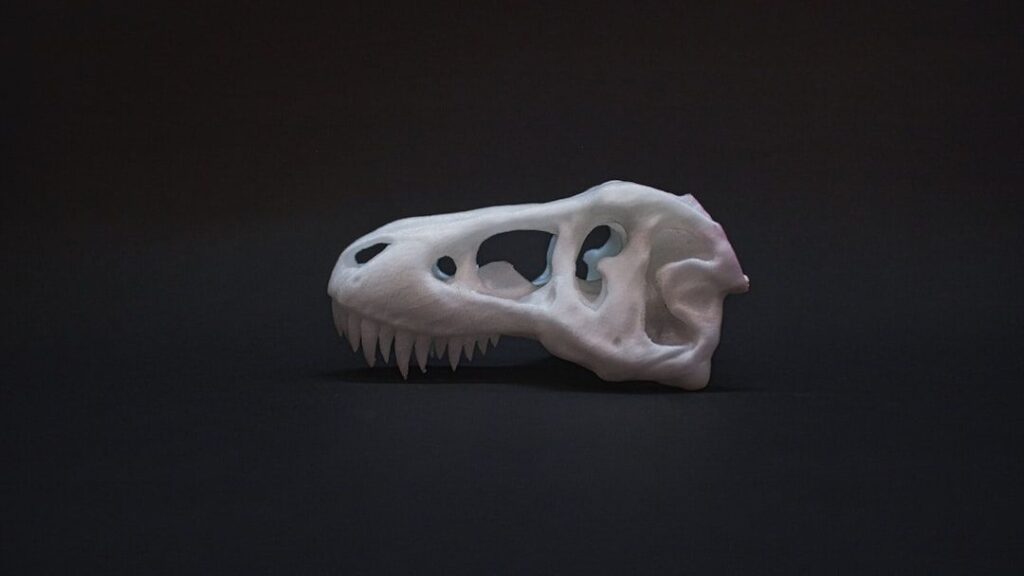
Picture a Tyrannosaurus rex not just as a ferocious predator, but as a creature capable of complex thoughts. Researchers now explore whether the skulls of modern birds hold physical markers that hint at such abilities in their long-gone relatives. This approach promises to bridge the gap between fossil bones and the inner experiences of dinosaurs.[1]
Birds Display Surprisingly Advanced Traits
Certain bird species demonstrate behaviors once thought exclusive to more advanced animals. They fashion and employ tools, anticipate future needs, and exhibit rudimentary empathy. Laboratory experiments even indicate that emus perceive when fellow birds encounter distinct situations.[1]
These observations challenge simplistic views of avian intelligence. Scientists documented such capabilities through controlled tests, revealing patterns that extend beyond instinct. The findings raise questions about how far back these traits trace in evolutionary history.
Prof Steve Brusatte, a palaeontologist at the University of Edinburgh, highlighted the implications. He noted that birds represent true dinosaurs, survivors of the mass extinction 66 million years ago. Their living presence offers a unique lens for studying extinct kin.[1]
Skulls as Windows to the Brain
Brusatte leads an international team investigating skull structures for behavioral clues. The group seeks distinctive brain features linked to known avian abilities. Such markers could predict similar capacities in fossils with high confidence.
“We can’t put T rex through those tests,” Brusatte explained. “But if there are some distinctive features of the brain that maybe tell you with 95% confidence that the animal with that kind of brain is capable of that kind of behaviour today, then we can at least make predictions about these fossils.”[1]
This method remains exploratory. Researchers also examine shared behaviors across modern species for additional evidence. Success here would transform how palaeontologists interpret ancient minds.
A Gradual Path from Theropods to Avians
Birds descended from small theropod dinosaurs, cousins of Velociraptor. Evolution proceeded gradually via natural selection, not sudden leaps. Features like feathers first served insulation, later adapting for display and eventual flight.
Wings emerged as modified arm structures, providing lift without initial flight intent. Early birds varied widely, some retaining teeth, claws, or tails. A diverse array fluttered above giants like T rex and Triceratops until catastrophe struck.
Most perished in the asteroid impact. Modern-style birds endured thanks to robust flight, swift maturation, and versatile diets. Toothless beaks allowed seed consumption amid barren landscapes.[1]
Fearsome Legacies and Genetic Ties
Post-extinction evolution produced terror birds, towering predators rivaling T rex. These South American stalkers reached 10 feet, boasting massive heads, sharp beaks, and deadly claws. “This was basically T rex reincarnated,” Brusatte described.[1]
- Archaeopteryx: 150-million-year-old fossil pivotal to evolution theory.
- Demon Ducks: Giant flightless species whose eggs fed early Australians.
- Hoatzin: Modern leaf-eater with belching habits and punk-like chicks.
Genetic evidence reinforces the link. Quail embryos mirror T rex hip structures. Manipulating chicken genes induces tooth growth, underscoring shared heritage.
Lessons for Today and Tomorrow
Brusatte detailed these connections in his book, The Story of Birds. He expressed concern over current threats to avian populations, including flu, habitat loss, and collisions. Yet optimism prevails.
Birds prove resilient adapters, repopulating swiftly after crises. Their asteroid survival exemplifies this trait. Future skull studies may not only illuminate the past but affirm birds’ enduring dinosaur legacy.
As research advances, humanity gains deeper insight into intelligence’s origins. This pursuit reminds us that the line between predator and survivor blurs across millions of years.