You are living on the end result of a four‑and‑a‑half‑billion‑year experiment that started with almost nothing: just thin, cold dust and gas drifting between the stars. When you look up at the night sky, it is easy to see the Moon, the planets, maybe even the Milky Way, and forget that all of it was once invisible, microscopic grains floating in near‑empty space. Yet every rock, ocean, cloud, and cell in your body traces back to that ancient dust, reshaped by gravity, collisions, and time on a scale your brain can barely hold.
If you could rewind the clock far enough, you would not recognize your solar system at all. There would be no Sun, no planets, and no comforting pattern of familiar constellations. Instead, you would find a dark, sprawling cloud of gas and dust, gently tumbling in the vastness. In this article, you will walk step by step through how that cold cloud lit up as a star, how dust turned into worlds, and how the chaos of early collisions eventually gave you the quiet, stable solar system you depend on today.
From Quiet Cloud to Cosmic Collapse
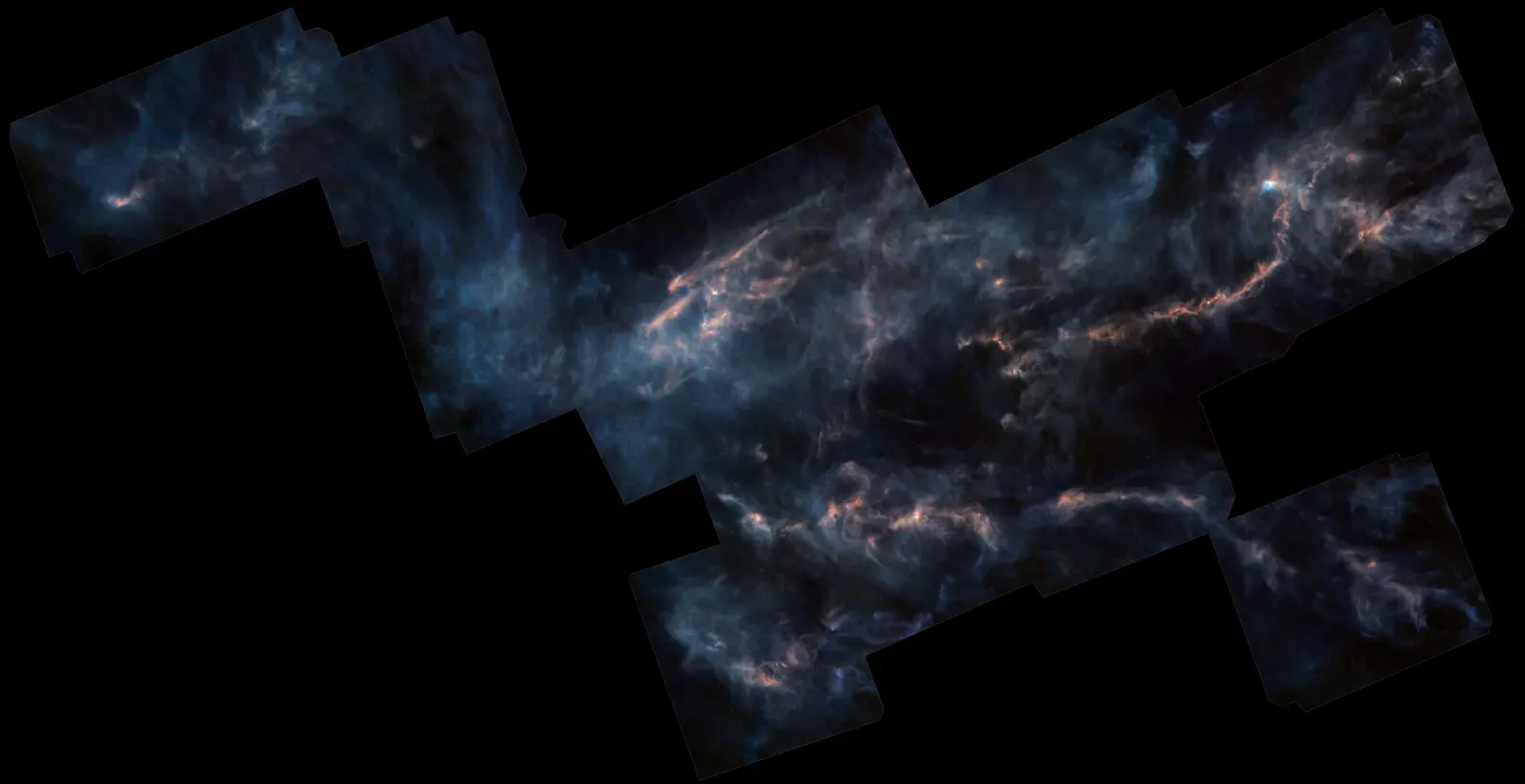
Long before your Sun ever shone, the material that would become your solar system was part of a giant molecular cloud: a cold, dense region of gas and dust drifting in one arm of the Milky Way. You can picture it like a dark, ghostly fog stretching for light‑years, made mostly of hydrogen gas with a sprinkling of heavier elements and dust grains the size of smoke particles. You would not see much with your eyes there; these clouds often block the starlight behind them, which is why they appear as dark patches in telescope images.
The calm did not last forever. A nearby supernova or the slow tug of gravity from the surrounding galaxy likely disturbed a small region of this cloud, causing it to start collapsing under its own weight. Once that collapse began, gravity acted like a runaway slide: as the gas and dust fell inward, it got denser, pulled in more material, and sped up. If you could stand inside that region – ignoring the fact that you would not survive – you would feel nothing, but on astronomical scales you would be watching the first heartbeat of your solar system.
The Birth of a Star at the Center
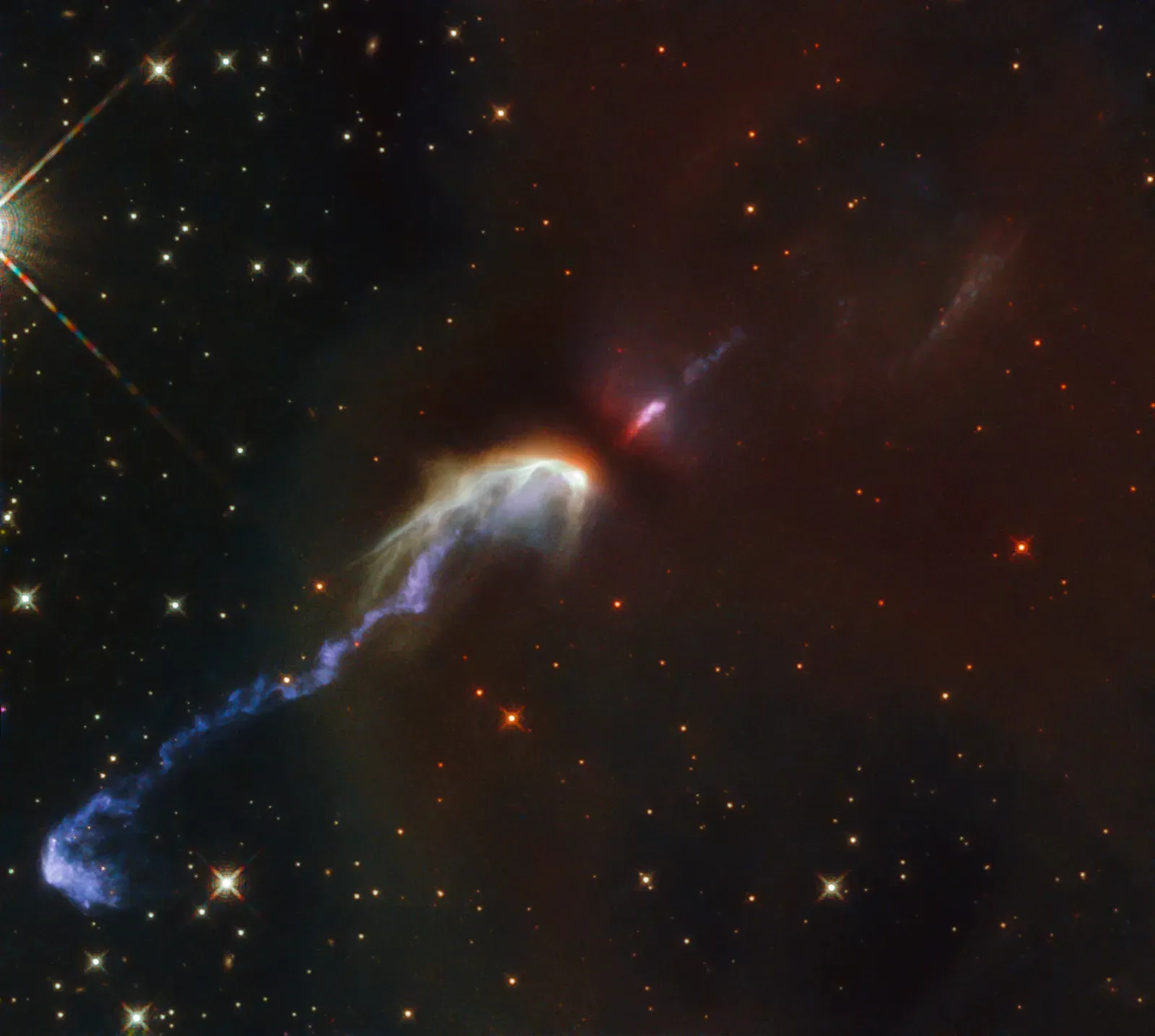
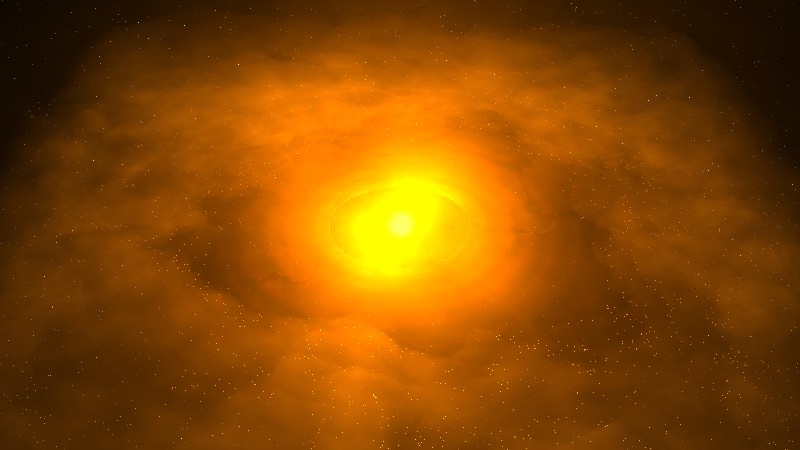
As the collapsing region shrank, it started to spin faster, just like a figure skater pulling in their arms. In the middle, where most of the mass was gathering, you would find a growing ball of hot, dense gas called a protostar. At this stage, your future Sun was not yet a true star; it glowed dimly in infrared light from the heat of falling matter, but its core had not reached the temperatures needed for nuclear fusion. You would see a thick cocoon of dust and gas hiding that fledgling star from direct view.
Over time, more and more material spiraled inward, slamming into the protostar and heating it further. As the temperature and pressure at the core climbed, hydrogen atoms were squeezed so tightly that they fused into helium, releasing enormous amounts of energy. When that process switched on steadily, your Sun officially arrived. At that moment, you would say the solar system had crossed a critical threshold: the central engine was now powerful enough to shine, blow out strong solar winds, and start reshaping the disk of dust and gas around it.
Spinning Disk of Dust: The Solar Nebula
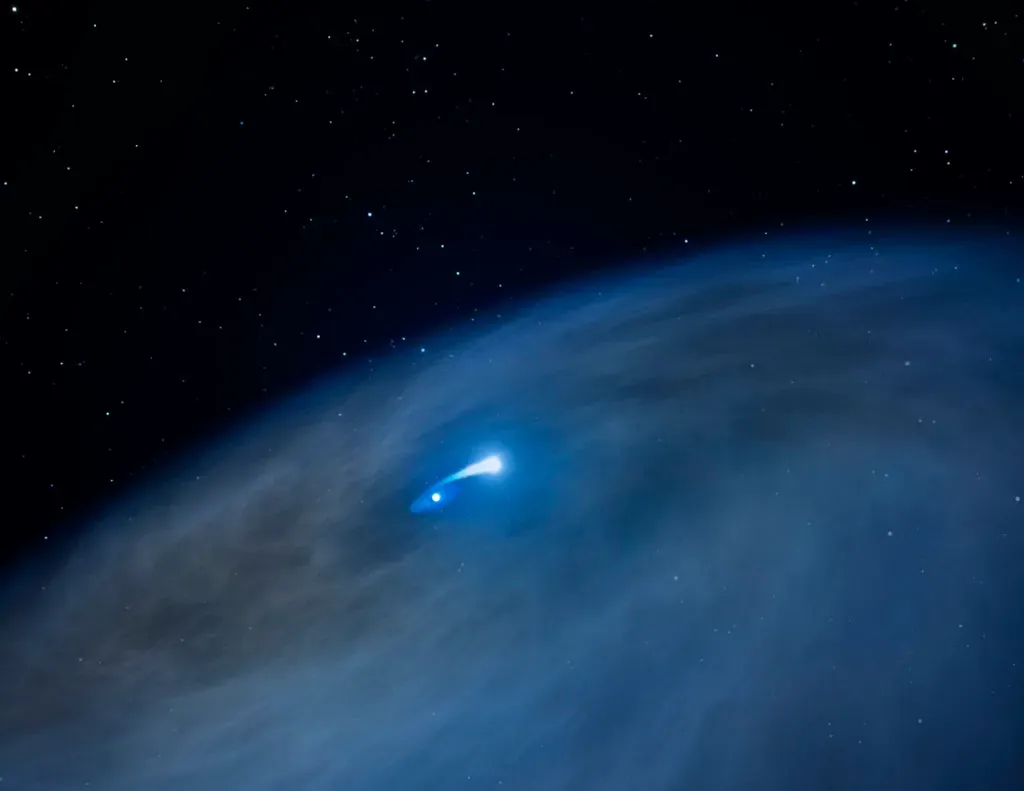
While the Sun was taking shape in the center, the rest of the collapsing cloud did not fall straight in; it flattened into a wide, thin spinning disk called the solar nebula. You can imagine this like pizza dough being spun in the air – gravity pulls everything inward, but the rotation spreads it into a disk. In this disk, gas and tiny dust grains orbited the young Sun in nearly circular paths, bumping, drifting, and sometimes clumping together. If you could see it up close, it would look hazy and bright in places, with darker lanes where dust was thicker.
This disk was your planet factory. Closer to the Sun, temperatures were so high that only metals and rocky materials could stay solid, while water and other ices existed only as vapor. Farther out, the environment cooled enough that ices could freeze and survive. This simple temperature gradient quietly decided the broad layout of your solar system: small rocky worlds in the inner regions, gas and ice giants out beyond a certain distance, and a scattered band of icy leftovers even farther away.
Dust Grains to Pebbles: The First Tiny Steps
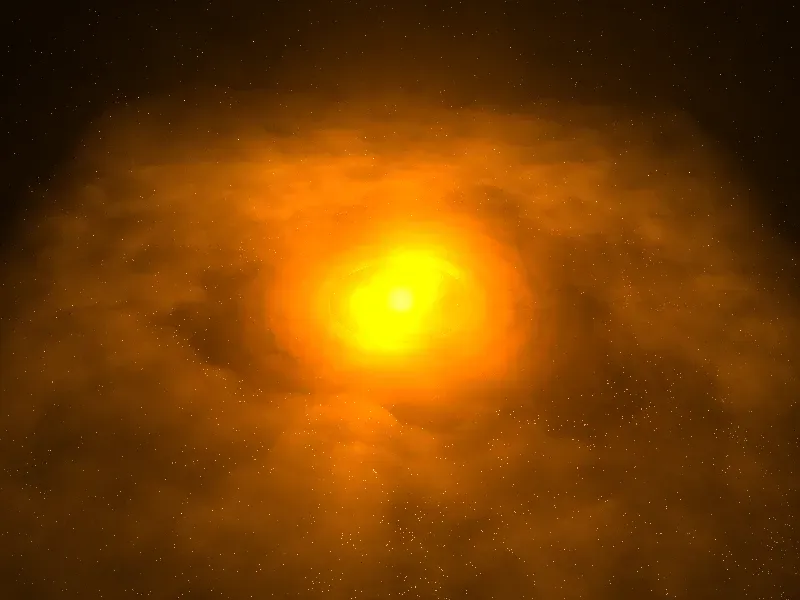
At first, the disk was full of grains so small you would have trouble seeing them individually, even if you held them in your hand. Yet in that swirling environment, you would have seen a constant subtle rain of collisions: grains sticking together, bouncing apart, or chipping off fragments. Electrostatic forces – basically, tiny static cling – helped some grains stick when they met gently. Over thousands to millions of years, these dust grains grew into larger clumps: first fluffy aggregates, then sturdier pebbles and boulder‑sized chunks.
You might think that pebbles in a gas disk would simply orbit forever, but the gas actually created a drag force that slowed them down slightly. That drag caused pebbles to spiral inward toward the Sun, like dust falling through water, which could have doomed them. Instead, in some regions, this flow made concentrations of pebbles pile up and trigger a rapid gravitational collapse. In those spots, you effectively jumped from pebble swarms to objects kilometers across, called planetesimals, a crucial bridge between dust and fully formed planets.
Planetesimals: When Gravity Starts to Matter
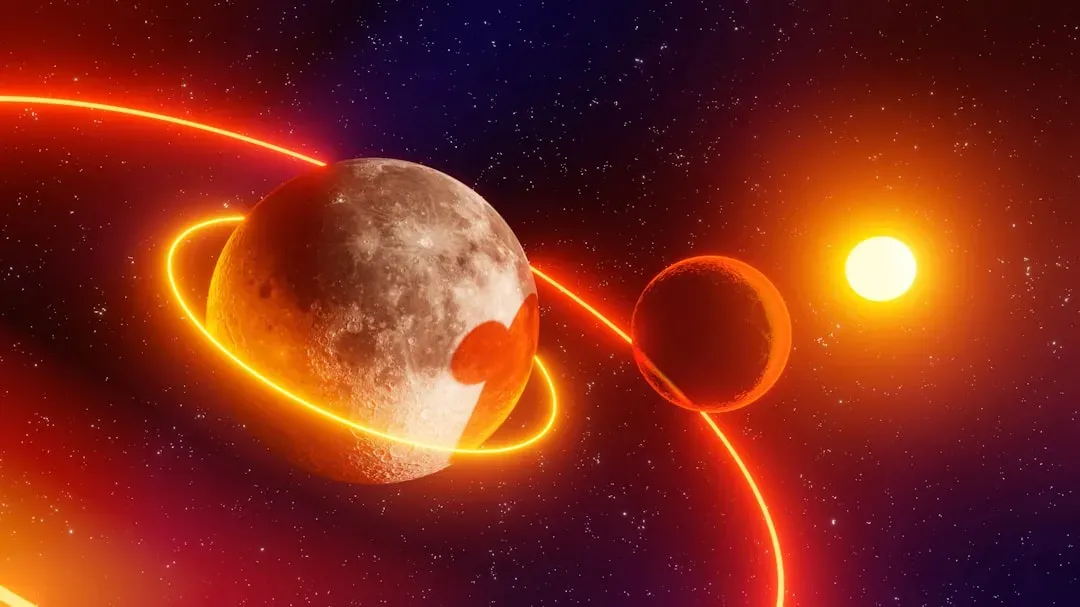
Once objects reached sizes of a few kilometers or more, their own gravity became strong enough to noticeably affect their surroundings. If you were sitting on the surface of one of these young planetesimals, you would see a sky full of rocks on crossing orbits, some whizzing past at terrifying speeds, others gently drifting by. Occasionally, one of those bodies would collide with your world, merging if the impact was slow enough or blasting out craters and debris if it was fast. Each successful merger made your home a little larger and a little more influential gravitationally.
This stage of the solar system’s life was unbelievably violent compared with the calm you experience today. You would have watched countless collisions as planetesimals smashed together, sometimes shattering, sometimes sticking. Over time, the biggest winners grew faster than the rest, because a larger body has more gravitational pull and thus more chances to sweep up neighbors. These growing bodies, sometimes called planetary embryos, marked the shift from a swarm of small rubble piles to a set of dominating building blocks that would become full‑sized planets.
Building the Inner Rocky Planets
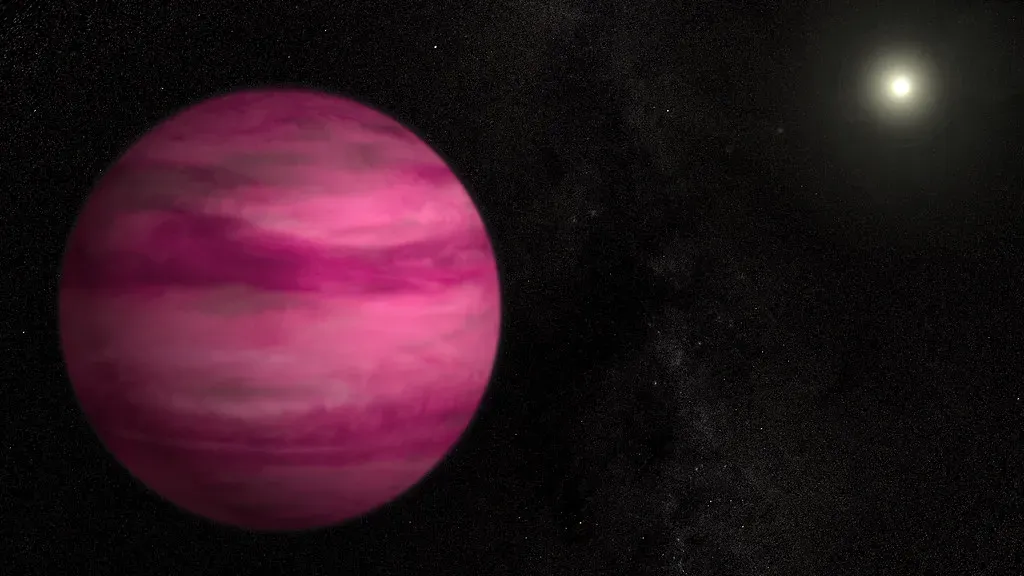
In the inner solar system, where you live, only rocky and metallic material could survive the heat of the young Sun. That meant you had far less solid material to work with than the outer regions, where ices could join the mix. Planetary embryos here slammed into each other again and again, gradually merging into fewer, larger worlds. If you watched Earth’s formation from a safe distance, you would have seen a series of giant impacts, each one temporarily turning its surface into a global magma ocean, erasing old craters and reshaping the planet again.
One of the most dramatic events in this inner region was the collision that likely formed your Moon. A Mars‑sized body is thought to have hit the early Earth, ejecting a huge amount of molten rock into orbit, which later coalesced into the Moon you see today. Even after the main assembly phase calmed down, leftover debris continued to pelt the young rocky planets, leaving scars that you can still see as craters on Mercury, Mars, and your own Moon. The inner solar system gradually shifted from chaos to stability as most of the dangerous impactors were either swept up or thrown out.
Farther from the Sun, beyond the region where rock‑only planets dominate, things played out differently. There, the temperature was low enough for water and other ices to remain solid, adding a lot more mass to the pool of available material. Growing planetary cores in this outer region could become several times more massive than Earth much more quickly. Once these cores reached a critical size, their gravity was strong enough to capture enormous envelopes of hydrogen and helium gas from the surrounding disk. That is how you ended up with gas giants like Jupiter and Saturn, and ice giants like Uranus and Neptune, towering compared to your home planet.
These giants did more than simply sit where they formed. Their gravity stirred up the disk and sculpted the orbits of countless smaller objects. Evidence suggests that the giant planets may have migrated from their original positions, moving inward or outward as they traded momentum with the gas and planetesimals around them. As they did, they scattered many icy bodies into distant, elongated orbits, planting the seeds of the Kuiper Belt and distant reservoirs of comets that still drop visitors into the inner solar system today.
Clearing the Leftovers: Asteroids, Comets, and Craters
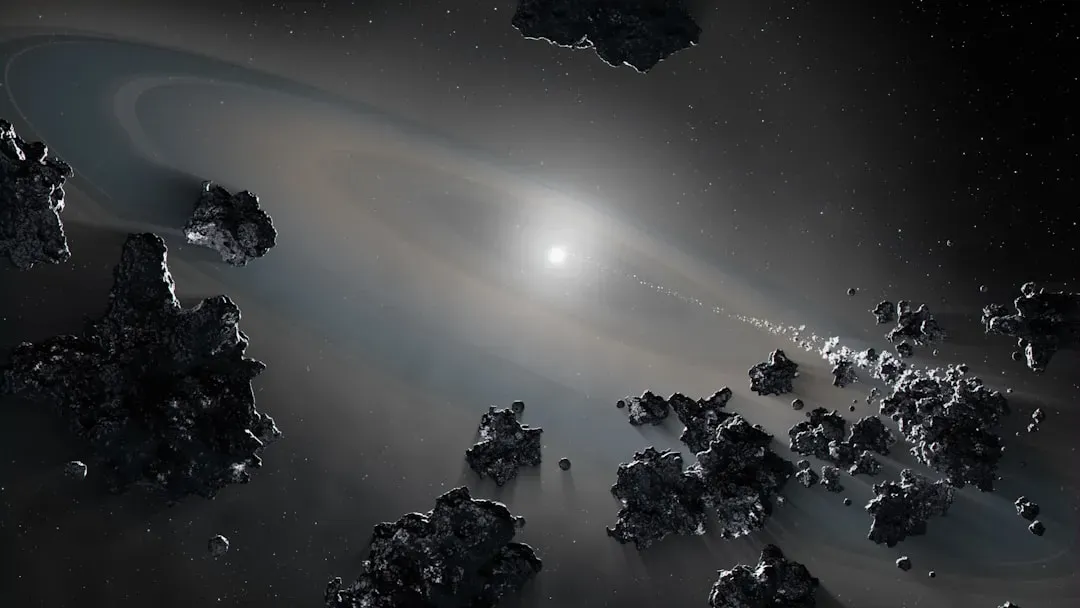
Even after the major planets had mostly formed, your solar system was still cluttered with leftovers. Asteroids, comets, and smaller fragments raced around on unstable paths, ready to smash into planets or be ejected altogether. You can see this past mess written on the battered surfaces of the Moon, Mercury, and many moons of the outer planets, where huge impact basins and overlapping craters record a time when heavy bombardment was normal. Earth went through the same punishment, but erosion, plate tectonics, and volcanism have erased many of those ancient scars from view.
Some of these leftover bodies settled into more stable regions, creating the asteroid belt between Mars and Jupiter and the icy Kuiper Belt beyond Neptune. Others hung around on elongated, tilted orbits, occasionally diving into the inner solar system as comets with spectacular tails. Over hundreds of millions of years, gravitational interactions with the planets gradually cleared most of the debris. What you see now – a relatively clean, well‑ordered set of orbits – is the result of a long, slow “cleanup” phase, like a workshop finally swept after a frantic building project.
From Fire and Ice to a Habitable Earth
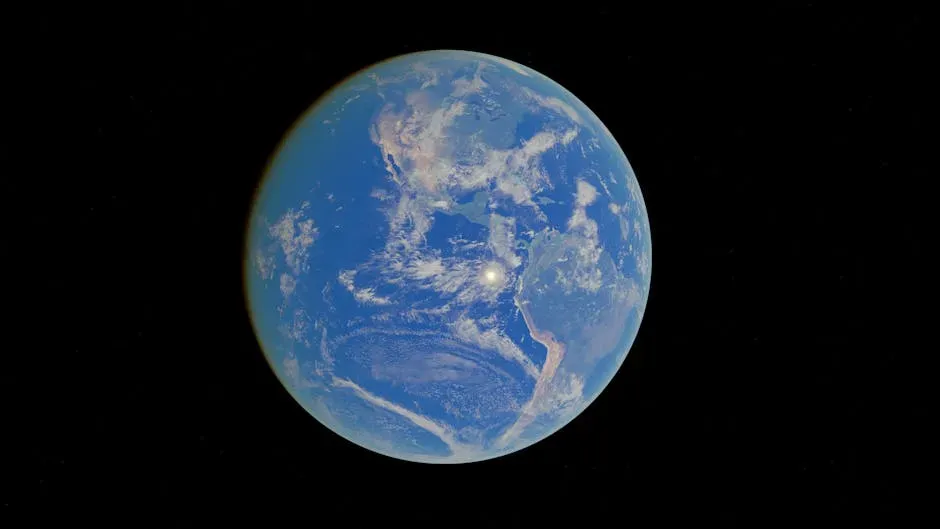
In its early days, Earth was nothing like the blue, life‑filled world you know. Imagine a surface of molten rock, with a choking atmosphere of volcanic gases and frequent impacts that could vaporize oceans in an instant. Over time, the planet cooled enough for a solid crust to form and for liquid water to begin pooling on the surface. Some of that water likely came from volcanic outgassing, and some may have been delivered by icy bodies from the outer solar system. Each impact that did not completely sterilize the surface also brought new ingredients for chemistry.
As conditions stabilized, Earth’s unique combination of size, distance from the Sun, magnetic field, and active geology created a long‑lasting habitable zone on its own surface. You ended up with liquid oceans, a protective atmosphere, and a climate that – despite dramatic swings – stayed within a range where complex chemistry could thrive. Eventually, those conditions led to the first simple life, and later to the staggering biodiversity you see now. When you step outside and take a breath, you are literally sampling air that is partly shaped by ancient life, riding on a planet forged from dust and sustained by a star that formed in that same collapse.
Your Place in an Ongoing Cosmic Story
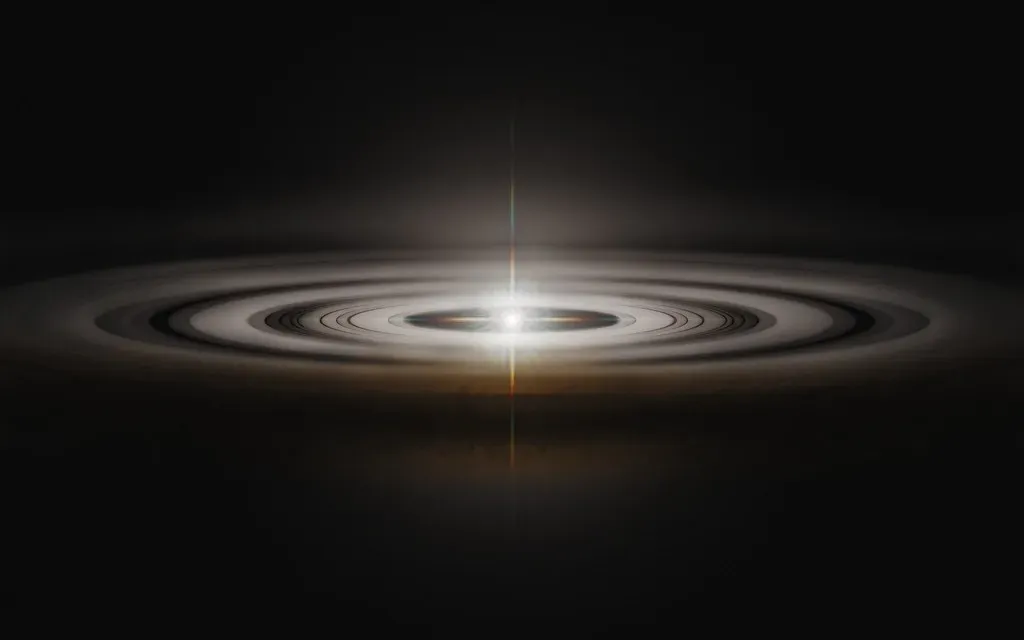
When you zoom out, your solar system is not an isolated miracle but part of a larger cosmic pattern. Astronomers have now observed many young stars surrounded by dusty disks, which are snapshots of other planetary systems in the making. You can think of those disks as echoes of your own past: swirling, dusty rings where new planets are growing and colliding right now. By studying them with powerful telescopes, you are effectively watching other versions of your solar system’s childhood play out across the galaxy.
You also know that the story is not finished. Your Sun will continue to shine for billions of years before eventually evolving into a red giant and then a white dwarf, changing the solar system yet again. In the meantime, planets will keep orbiting, comets will still fall inward, and tiny dust grains from shattered asteroids will continue to drift through space. When you look up at the night sky, you are not just seeing distant lights; you are seeing evidence that the transformation from dust to worlds is a natural, ongoing process, and that your own existence is one chapter in a much bigger cosmic evolution.
In the end, the journey from cosmic dust to solar system is both brutally physical and quietly poetic. Forces like gravity, pressure, and radiation worked blindly over immense spans of time, yet they sculpted a system in which you can stand on a small rocky world, feel sunlight on your skin, and ask how it all began. Every handful of soil, every drop of water, and every cell in your body is made of atoms that once floated as anonymous particles in a cold, dark cloud. The next time you see a dusty beam of light through a window, will you picture the start of another solar system hiding in that glow – or maybe the distant memory of your own?