You probably grew up thinking of dinosaurs stomping around on land, but the skies of the Jurassic told a completely different story. Long before birds and bats ruled the air, strange winged reptiles called pterosaurs were already soaring over seas, forests, and lagoons, turning the sky into their own hunting ground.
When you look closer at these early flyers, you discover that almost everything about them defies your expectations. They were not dinosaurs, they were not birds, and they were far more diverse and sophisticated than most people realize. As you walk through these five facts, you’ll find yourself picturing the Jurassic world in a new way – one where the air is just as dramatic, dangerous, and alive as the land below.
1. You Are Not Looking at Dinosaurs When You Picture Early Flying Reptiles
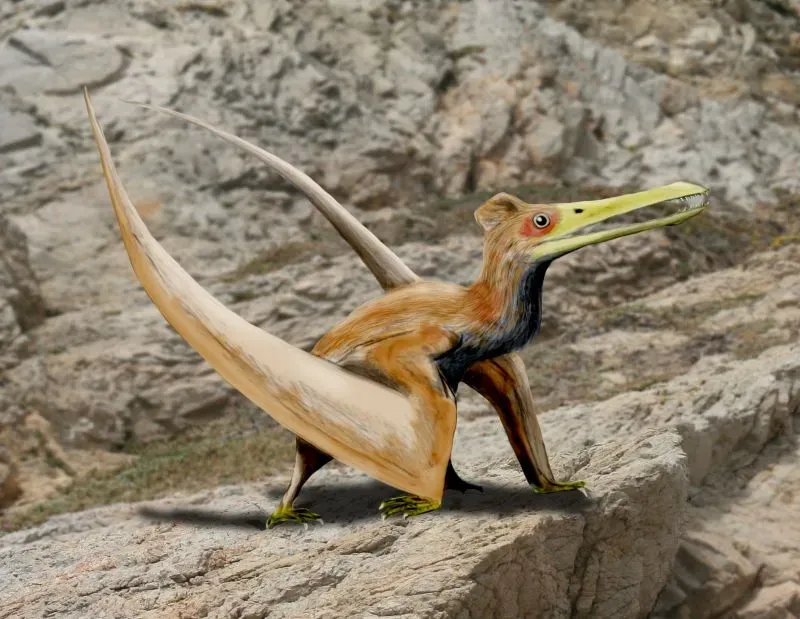
When you imagine the first flying reptiles of the Jurassic, it is tempting to lump them in with dinosaurs, but you’re actually dealing with a separate branch of the reptile family tree. Pterosaurs belonged to their own group, closer to dinosaurs than to modern lizards, but still distinct enough that you should think of them as cousins rather than siblings. If you were standing in a Jurassic landscape, you would see dinosaurs on the ground and pterosaurs in the air, sharing the same world but following very different evolutionary paths.
This distinction matters because it helps you understand why their bodies look so unusual compared to the reptiles you know today. Instead of the heavy, pillar-like legs of a big dinosaur, a pterosaur gave you a lean, lightweight frame built for flight. Its bones were hollow, its torso compact, and its head surprisingly large, all working together as a design that was about staying aloft rather than simply staying upright. Once you see them as their own kind of animal, you stop trying to fit them into the dinosaur box and start appreciating how weird and specialized they really were.
2. You Would Have Seen Wings Built Around a Single Elongated Finger
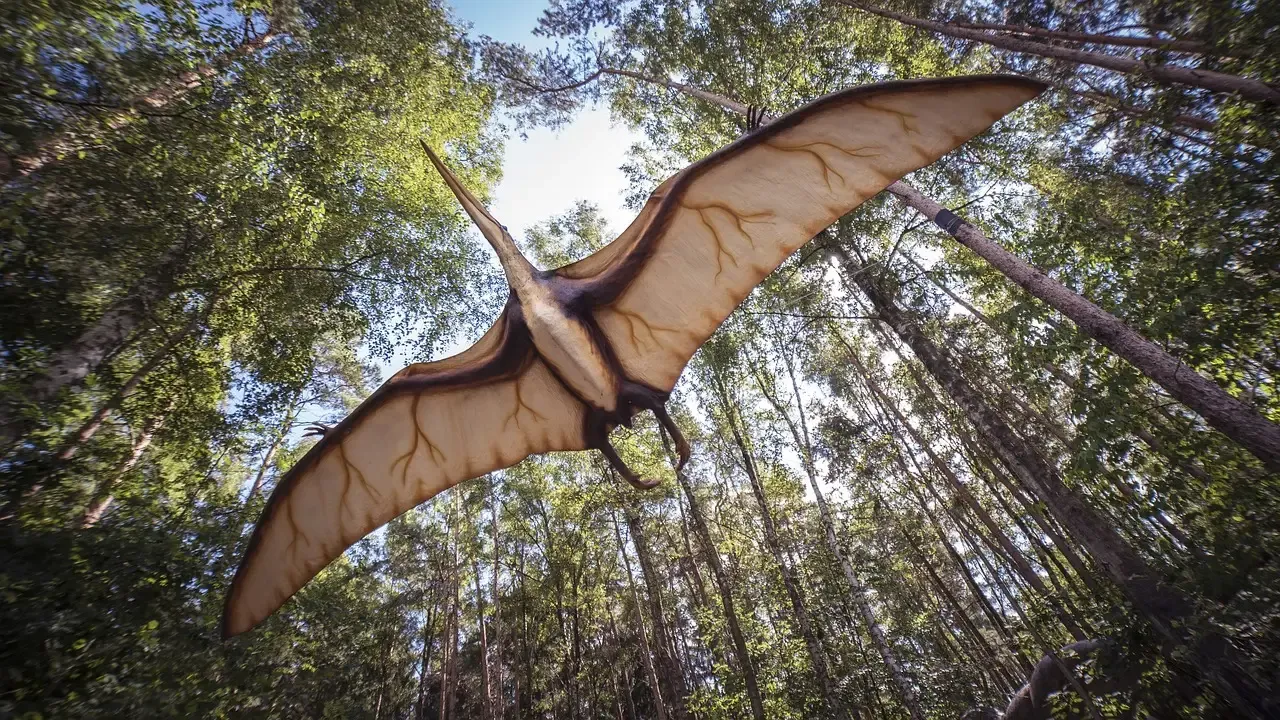
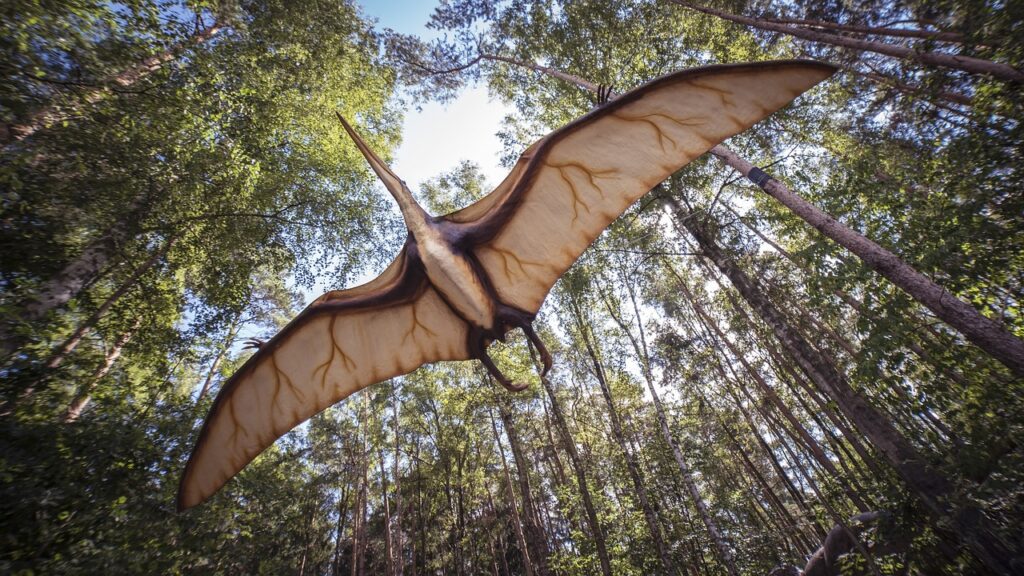
If you could walk up to a Jurassic pterosaur and gently unfold its wing, you’d discover something that feels almost alien: the wing is basically an enormous, skin-covered membrane stretched from its body to the tip of one massively elongated fourth finger. Instead of feathers like a bird or a web of fingers like a bat, you’d find a single, dominant “wing finger” doing most of the work. This design gave the wing a smooth, sweeping shape, more like a living sail than a rigid airplane wing.
At the same time, you’d notice that this membrane did not just hang loosely. Inside it, you would find a network of fibers and support structures that helped the wing keep its shape in the air. The membrane attached along the body and often down toward the hind limb, allowing the animal to fine-tune its wing shape the way you might adjust a kite in the wind. Once you picture that in your mind, you can almost feel how each flap, twist, and angle change let the pterosaur ride air currents with impressive control.
3. You Are Looking at Some of the Earliest Known Powered Fliers on Earth
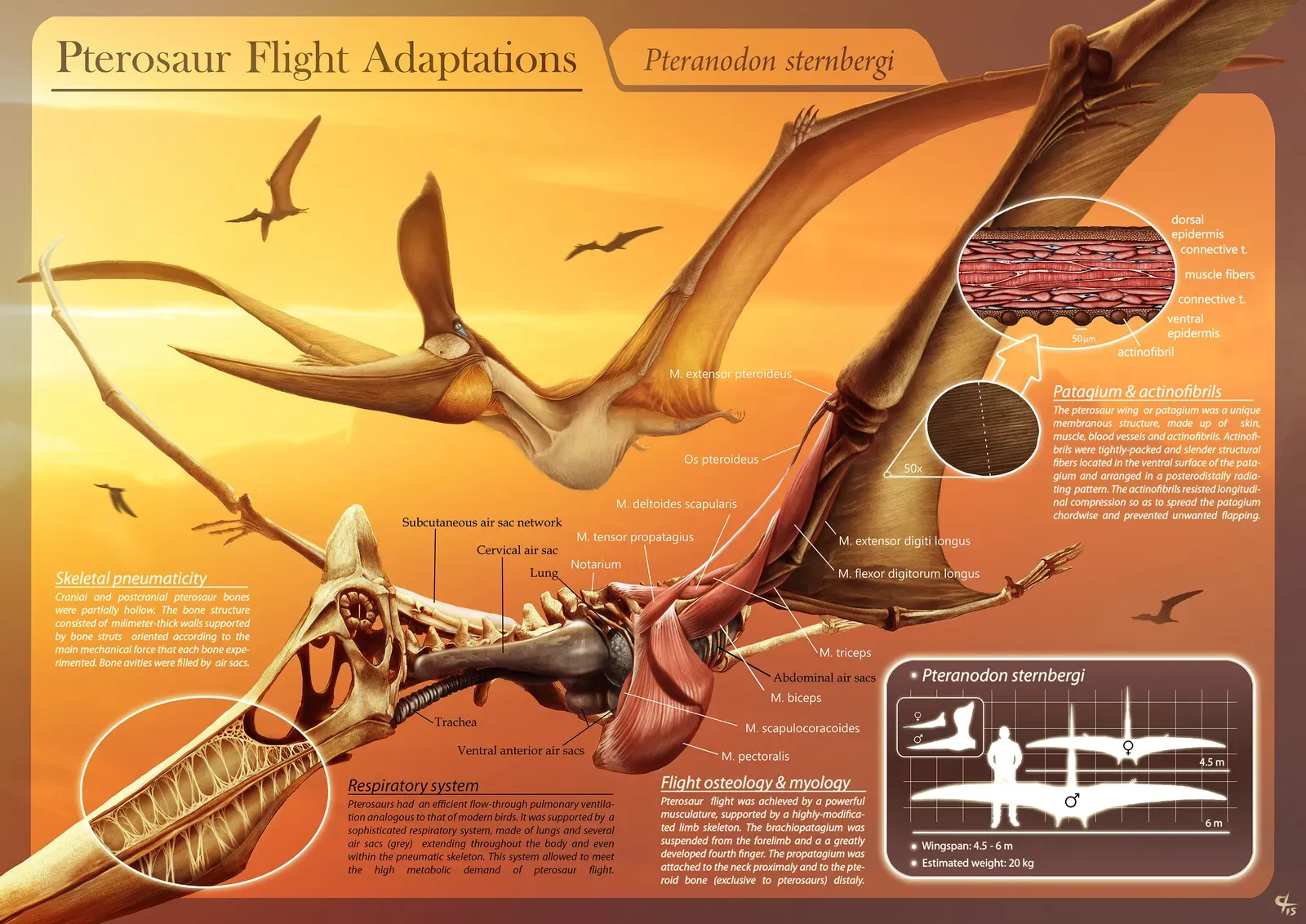
When you think about the history of flight, you probably jump straight to birds, but pterosaurs beat them into the sky by tens of millions of years. By the time the Jurassic Period arrived, these early flying reptiles were already capable of powered flapping flight, not just simple gliding. If you were watching a Jurassic coastline at dusk, you might see them launching from cliffs, flapping strongly, then gliding effortlessly over the waves in search of fish or other prey.
This kind of flight did not come cheaply; it demanded a whole suite of specialized features that you can spot if you look carefully. Light, hollow bones reduced weight without sacrificing strength, while expanded chest muscles anchored to a strong breastbone gave them the power stroke they needed. Their lungs and metabolism had to support sustained activity in the air, turning them into efficient flying machines at a time when most animals were still stuck on the ground. When you realize this, you start to see pterosaurs as early pioneers, testing what vertebrate flight could become long before birds took their turn.
4. You Would Have Noticed Fur-Like Covering, Not Bare Reptile Skin
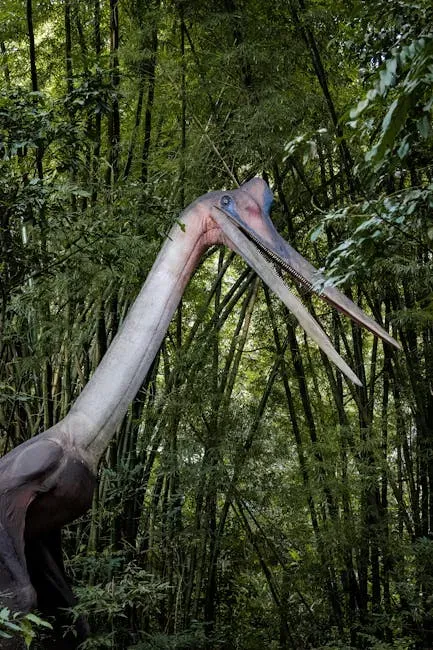
If you assume that early flying reptiles looked like scaly, naked lizards with wings, your mental picture is selling them short. Fossil impressions show that many pterosaurs were covered in a kind of hair-like or fur-like coating, often called pycnofibers, giving them a fuzzy appearance rather than a slick, reptilian one. If you reached out to touch one, it might feel more like stroking a thinly furred animal than a cold, smooth reptile, which immediately changes how you imagine them gliding through chilly Jurassic air.
This fuzz tells you something important about how these animals lived. A coat like that helps retain body heat, hinting that pterosaurs may have had relatively active, warm-running metabolisms rather than the slow, sluggish style you associate with many modern reptiles. You can imagine a small Jurassic pterosaur waking before dawn, fluffing that coat to keep warm, and taking off into cool morning air to catch insects or fish while the world is still quiet. Suddenly, they feel less like monsters and more like energetic, specialized creatures fine-tuned for life in the sky.
When you picture the first flying reptiles of the Jurassic, you might imagine just one or two similar creatures circling above, but the reality is far richer. Even by this stage in their history, pterosaurs had already split into different shapes and sizes, from small, agile insect hunters to larger fish-eaters with long jaws and impressive wingspans. If you stood at a Jurassic lagoon, you might see tiny forms darting like swallows near the water and bigger shadows cruising higher up, all playing different roles in the same ecosystem.
This variety shows you that pterosaurs were not just a one-off experiment in flight; they were a successful, evolving group constantly testing new body plans. Some had long, narrow wings built for soaring, while others carried broader wings suitable for quick, maneuverable flaps over cluttered coastal or forest landscapes. When you follow that diversity forward in time, you see how it set the stage for even more extreme forms later in the Mesozoic, including giants with wingspans that rival small airplanes. The Jurassic forms are like the early chapters of an increasingly bold story written in bone and sky.
5. You Are Seeing a World Where Takeoff Happened on All Fours
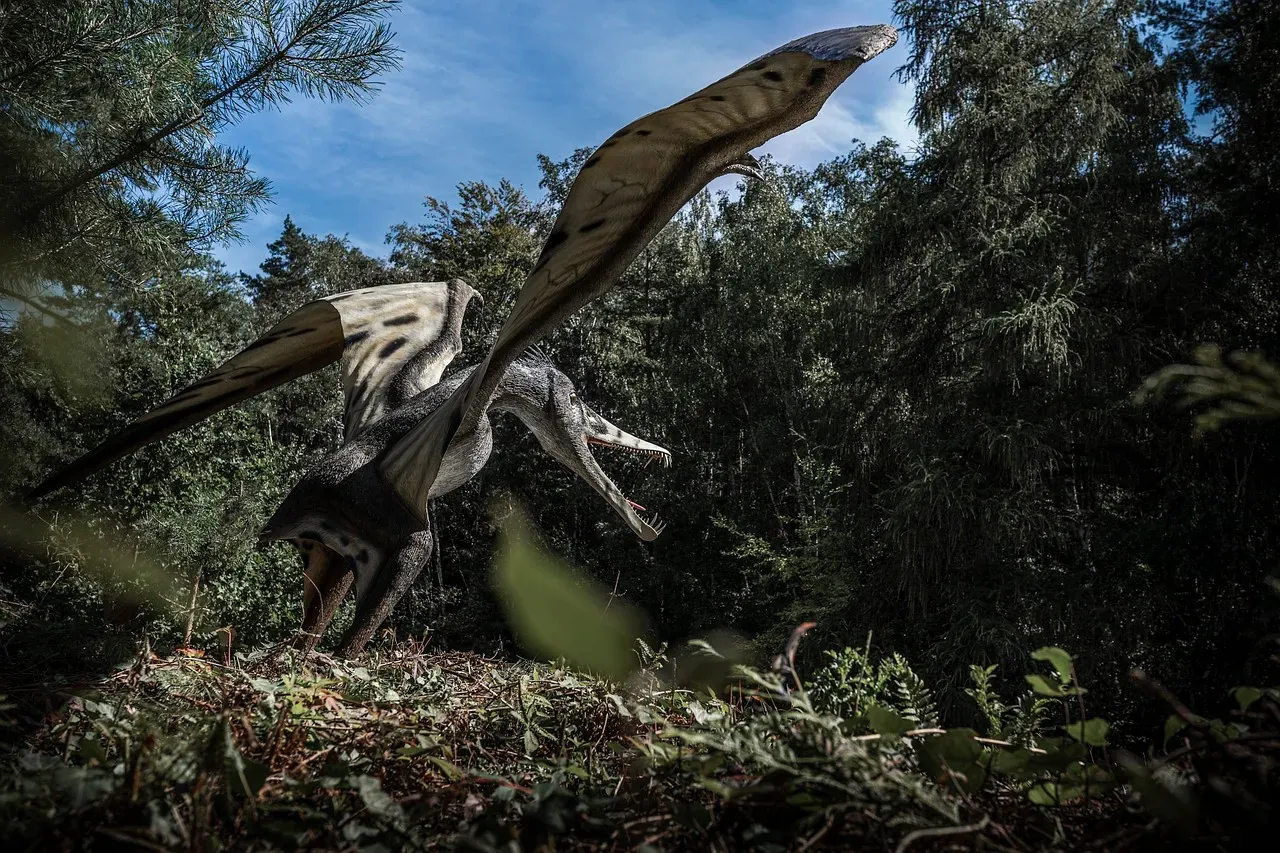
One of the most surprising things you learn about early flying reptiles is how they likely launched themselves into the air. Instead of taking off like birds on two legs, many pterosaurs seem to have used all four limbs in a powerful, coordinated push, a bit like a specialized vault. If you could watch one up close, you might see it crouch, then spring forward and upward using both its hind legs and its strong, wing-bearing forelimbs to fling its body into flight in a single, explosive motion.
This four-limbed launch tells you their wings were not just for gliding; they were muscular, weight-bearing structures integrated into how the whole animal moved. Trackways preserved in ancient sediments show pterosaurs walking on all fours, with their wing fingers folded up and the other fingers touching the ground, almost like an odd mix of bat and quadrupedal mammal. From that stance, a sudden, synchronized burst from all limbs would give them the speed they needed to grab the air and turn a leap into a controlled climb. Once you imagine that, you never look at these animals as clumsy sky-lizards again; you see them as confident athletes of the air.
Conclusion: You Are Sharing the Sky With Ghosts of a Much Older Flight Experiment
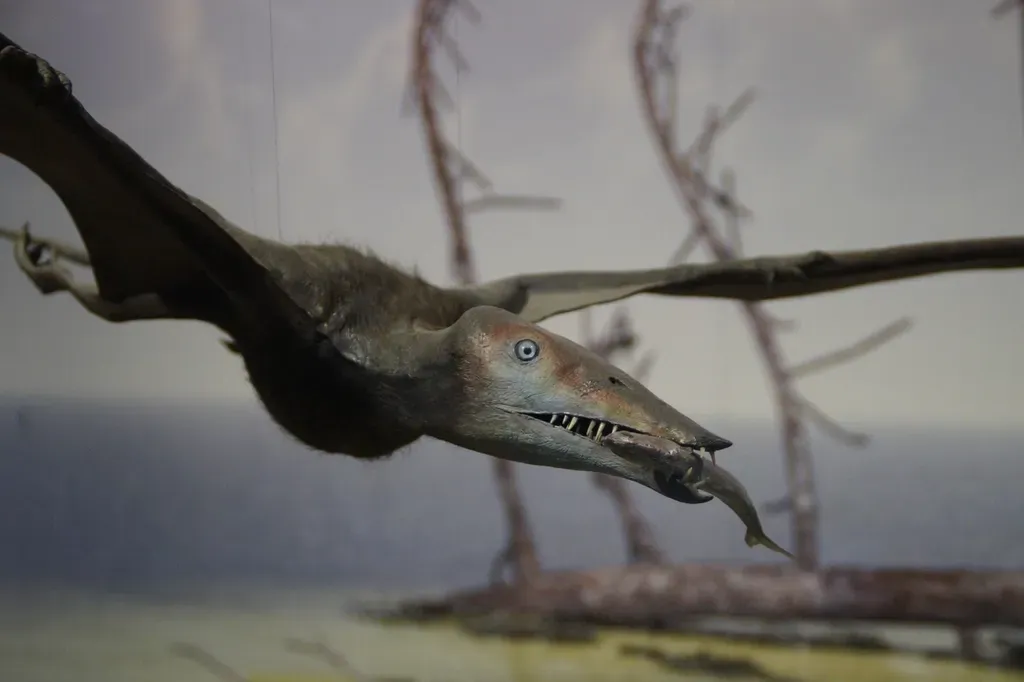
When you step back and put all of this together, you realize that the first flying reptiles of the Jurassic were not just background characters in the age of dinosaurs. They were pioneers with wings stretched over a single finger, fuzzy bodies warmed against the chill, and muscular frames built for powerful four-limbed launches into the sky. They claimed the air long before birds, proving that vertebrate flight was possible and opening up entire ecosystems above the ground that had never been used before.
The next time you watch a bird wheel overhead or a bat flicker past at dusk, you can picture those ancient pterosaurs as distant, vanished cousins in the long story of flight. You are living in a world where the sky still matters just as much as the land, shaped in part by creatures that vanished millions of years ago but left their ideas written into evolution. Knowing that, how differently do you see the empty blue above you now?