You might think real dinosaur enthusiasts are the people who can rattle off long Latin names or debate for hours about the difference between two similar-looking theropods. But a genuine love for dinosaurs often shows up in quieter, more personal ways that you barely notice. It sneaks into your hobbies, the way you talk, the shows you binge, and even how you travel, long before you ever call yourself a fan.
As you read through these signs, you may catch yourself nodding along and realizing you care about dinosaurs more than you ever admitted. That hidden fascination is powerful, because it is really about curiosity, imagination, and the urge to understand a world that disappeared millions of years before you were born. By the end, you might discover that you did not just like dinosaurs as a kid – you never actually grew out of them.
1. You Still Feel a Childlike Thrill When You See a Dinosaur Skeleton
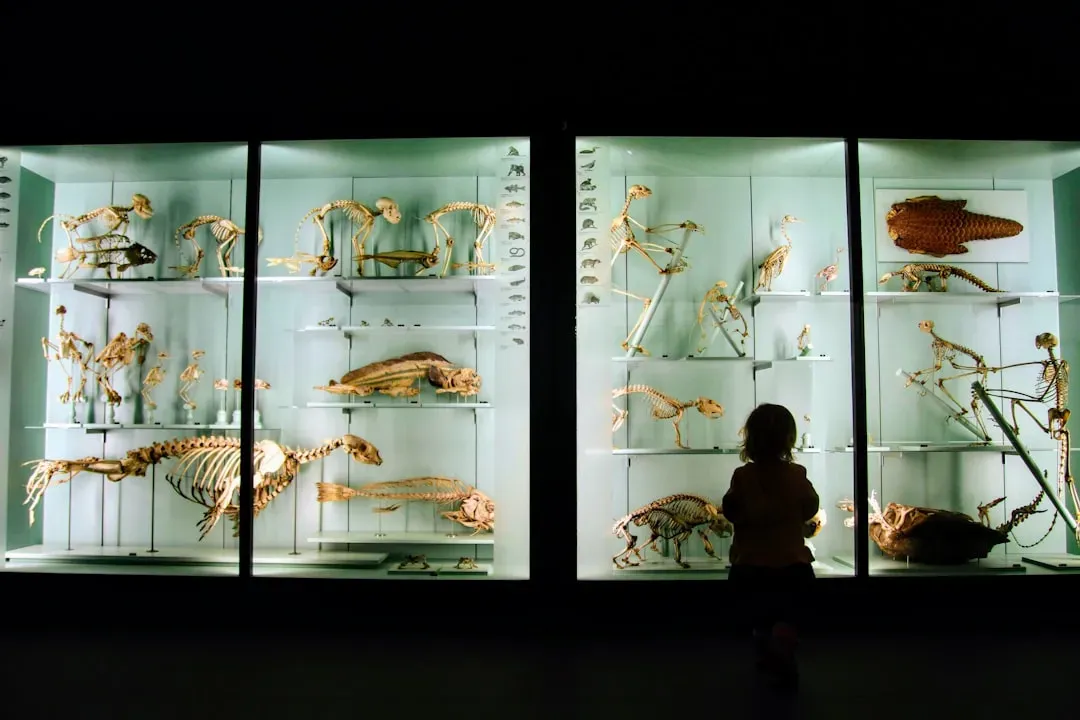
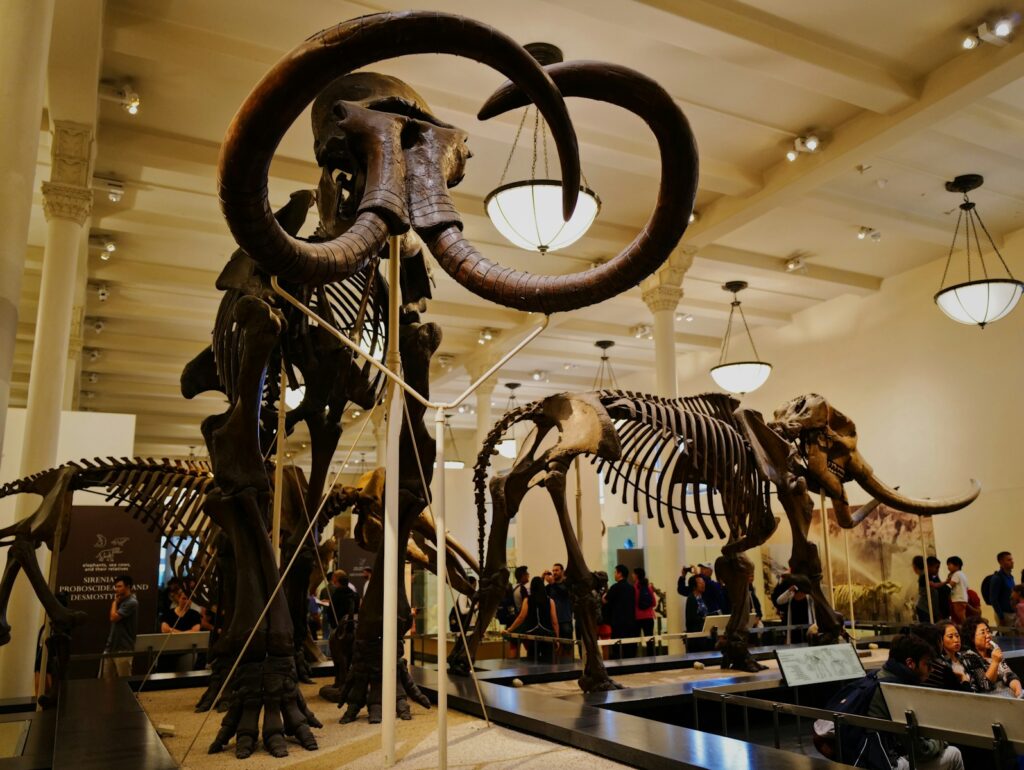
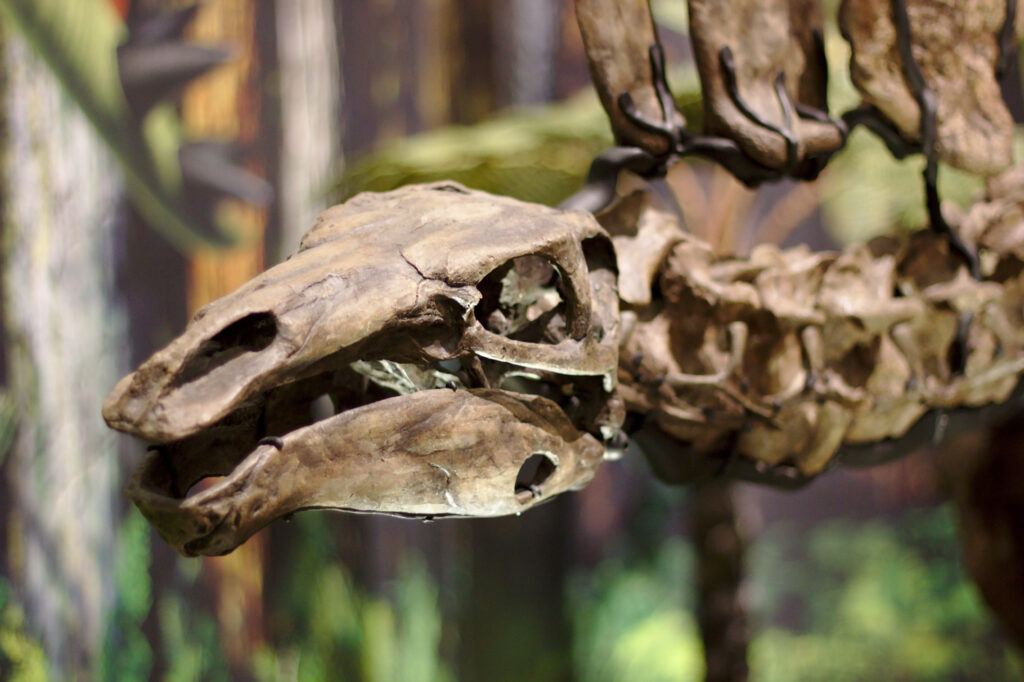
When you walk into a museum and a towering skeleton greets you, you do not just think it looks interesting – you feel a small jolt in your chest. Your eyes probably jump from the skull to the tail, trying to imagine this massive creature moving, breathing, and thundering across ancient landscapes. You may tell yourself you are just there for a casual visit, but your feet slow down in front of the dinosaur hall and suddenly you are not in a rush anymore.
You also tend to remember those skeletons vividly, almost like you remember a concert or a big trip. Years later, you can still picture the curve of a long sauropod neck or the claws on a predatory dinosaur’s hands. If you have ever caught yourself taking way too many photos of a single skeleton, or circling back for one last look before leaving, you are not just mildly interested – you are emotionally invested.
2. You Casually Know the Difference Between a Dinosaur and “Just a Big Reptile”
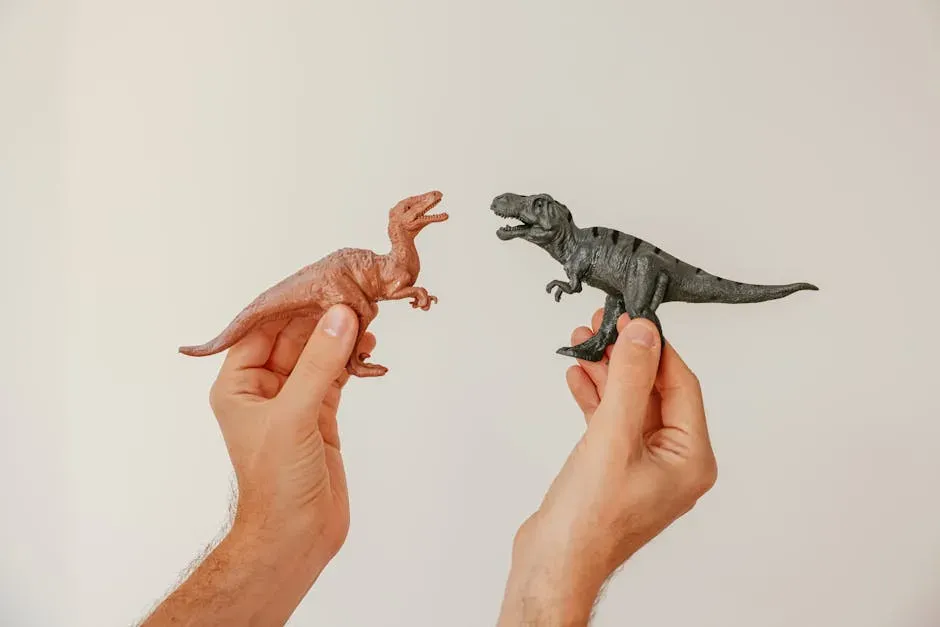
If someone points at a prehistoric creature and says it is a dinosaur, your brain automatically checks the mental list: upright legs or sprawling legs, hips like a lizard or a bird, lived on land or in the ocean. You may not have every scientific detail memorized, but you know that marine reptiles like plesiosaurs and flying reptiles like pterosaurs are not actually dinosaurs, and that alone puts you ahead of most people. You find it oddly satisfying to sort animals into their proper groups, even if you never say it out loud.
You probably also notice when movies or shows lump every ancient creature into the same dinosaur bucket. When you hear a line that calls a giant flying reptile a dinosaur, a little part of you winces. You do not always correct people, but inside you care about getting it right because it feels like respecting what these animals really were. That quiet attention to detail is exactly how a true enthusiast thinks.
3. You Keep Stumbling Into Dinosaur Content Without Really Trying
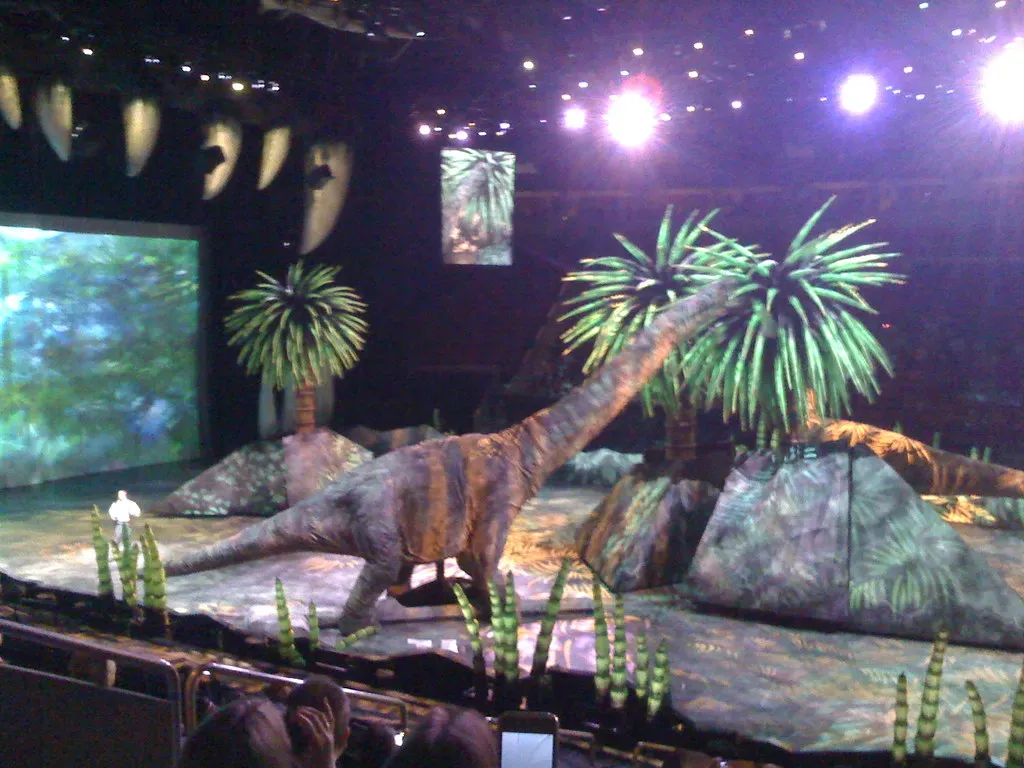
When you scroll through video platforms or social media, dinosaur clips mysteriously grab your attention. A new documentary, a quick explanation of how feathers evolved, or a short animation of a T. rex hunting pops up in your feed, and you find yourself tapping on it without much thought. Before you know it, you have fallen into a rabbit hole of fossil digs, paleoart, and breakdowns of popular dinosaur scenes from movies.
This is not an accident; your curiosity has been steering the algorithm for years. You may tell yourself it is just background noise or something to watch while you eat, but you remember the coolest facts, like how some dinosaurs likely had complex feathers or built nests and cared for their young. When dinosaur videos consistently win your attention over countless other topics, you are not just browsing – you are feeding a real interest.
4. You Use Dinosaurs as a Mental Time Machine
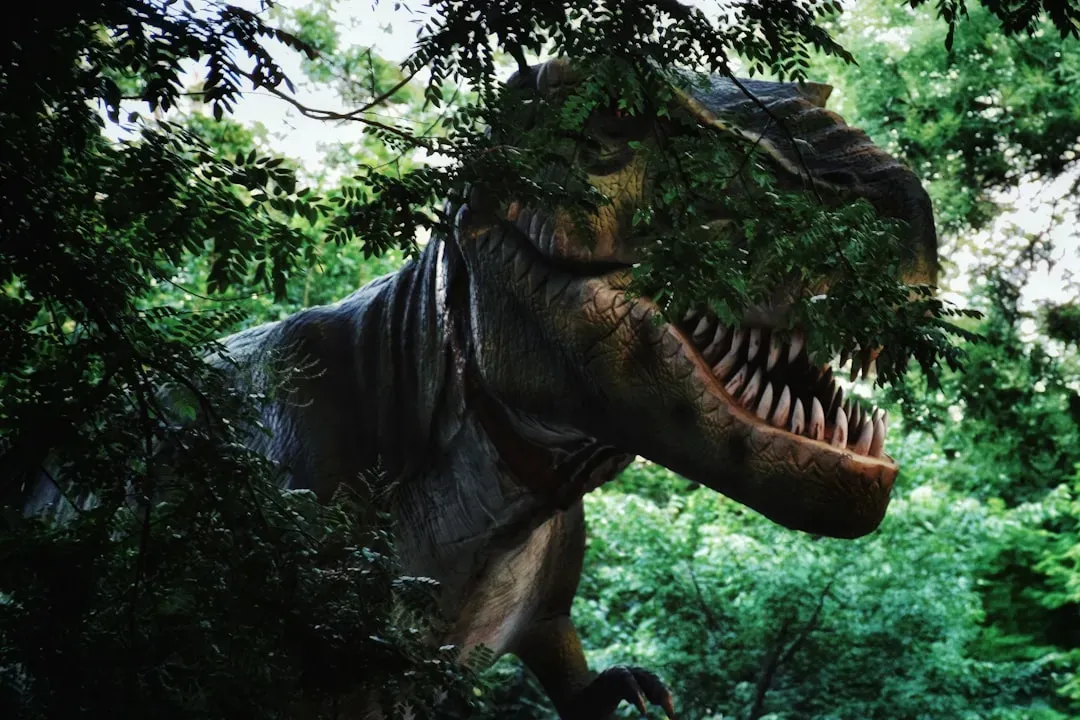
Whenever you hear about millions of years ago, your mind does not go blank – you start building a scene. You picture forests of strange plants, heavy-footed herbivores moving like living tanks, and sharp-eyed predators watching from the edges. For you, dinosaurs are not just bones in rock; they are the anchors that make deep time feel real and almost touchable. You use them as a way to imagine how utterly different Earth used to be.
You may even catch yourself doing this in everyday life. A rocky cliff becomes more interesting if you imagine ancient creatures walking where you stand. A news story about fossils found in some remote desert makes that place feel immediately vivid in your head. When dinosaurs help you mentally travel to worlds that no human ever saw, you are doing exactly what paleontologists and science communicators hope people will do: you are using your imagination as a scientific tool.
5. You Notice When Movies Get Dinosaurs “Wrong”… and You Care
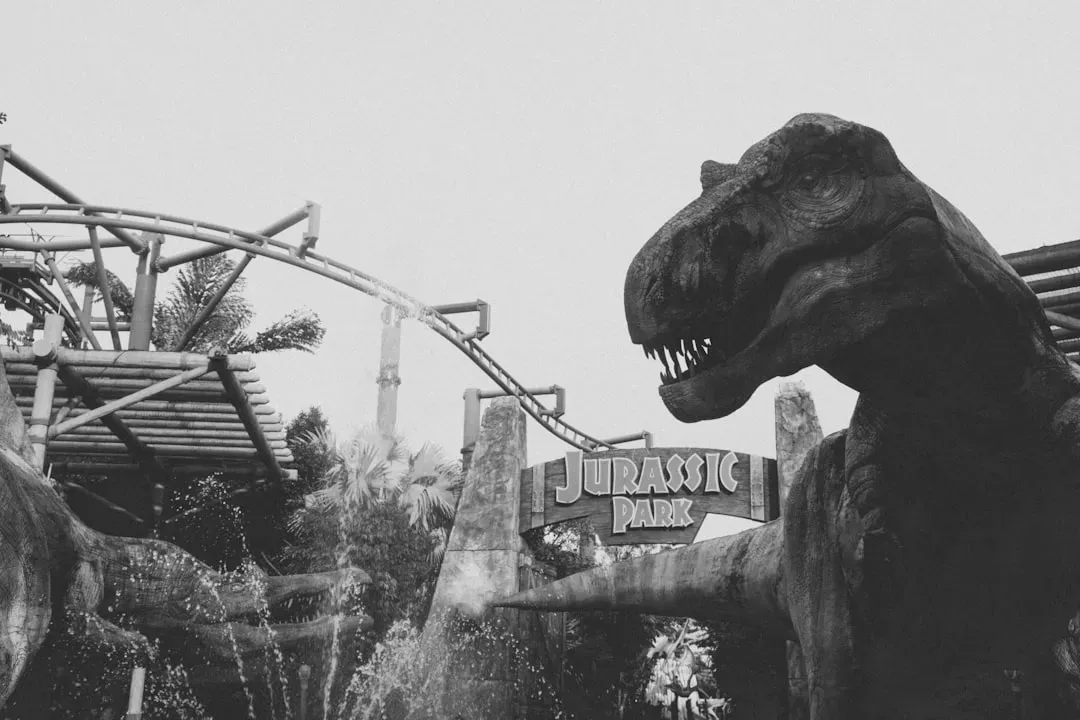
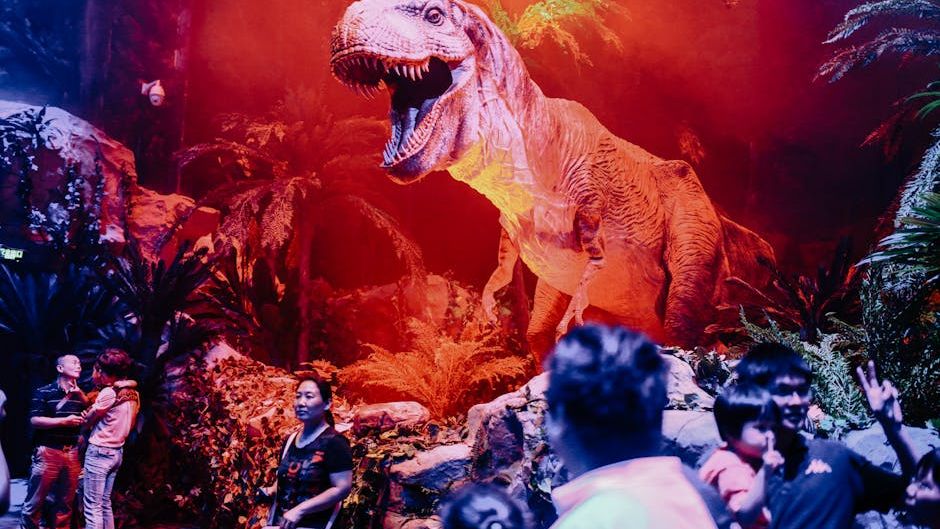
When you watch dinosaur movies, you are not just there for the explosions and the roaring; your brain is secretly doing a science check. You notice when an animal drags its tail in a way we now know is wrong, or when a species appears in the wrong period altogether. Maybe you do not pause the film to lecture everyone, but you do feel a little tug of frustration, the same way a musician winces at a badly played note.
At the same time, when a show makes the effort to get details closer to current science, you feel a rush of respect. Feathers on certain theropods, more realistic movement, animals that behave less like movie monsters and more like real animals – those choices matter to you. That emotional reaction, both positive and negative, shows that you are following the science enough to care when it is honored or ignored.
6. You Have Strong Opinions About Your “Favorite Dinosaur”
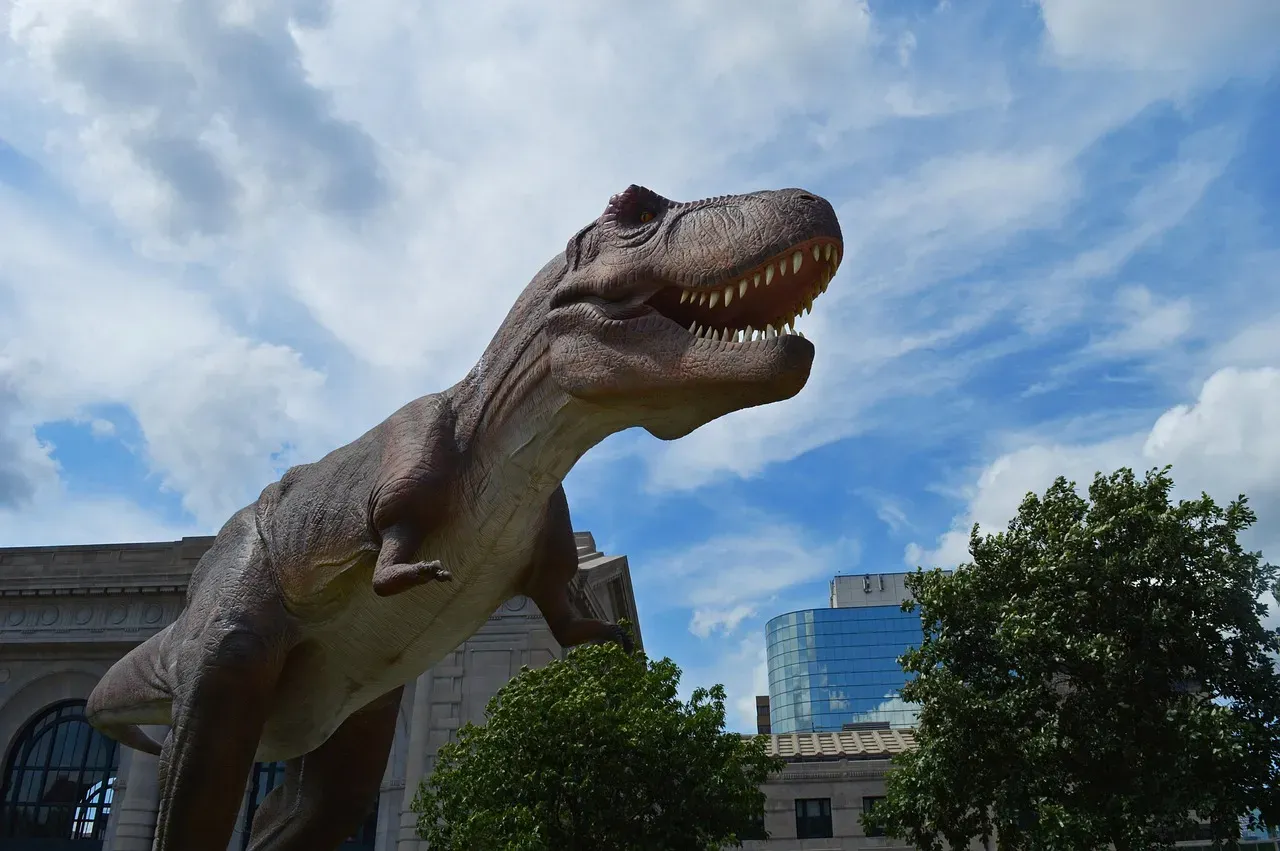
If someone asks for your favorite dinosaur, you do not have to think very long. Maybe you go for a classic like Tyrannosaurus because you love its sheer power, or maybe you pick something more offbeat, like a duck-billed herbivore with a strange crest or a heavily armored dinosaur that looks like a living tank. Whatever your choice, you almost always have a reason that is more than just the way it looks. It might be about its intelligence, its role in its ecosystem, or some detail you learned that stuck with you.
You may even catch yourself defending your favorite in casual debates or feeling oddly pleased when it appears in a documentary or video game. That small flicker of pride is a clear sign that you have built a personal connection with a creature that has been extinct for tens of millions of years. It is like having a favorite sports team that never plays anymore, but still matters deeply to you.
7. You Daydream About Visiting Fossil Sites and Dinosaur Museums
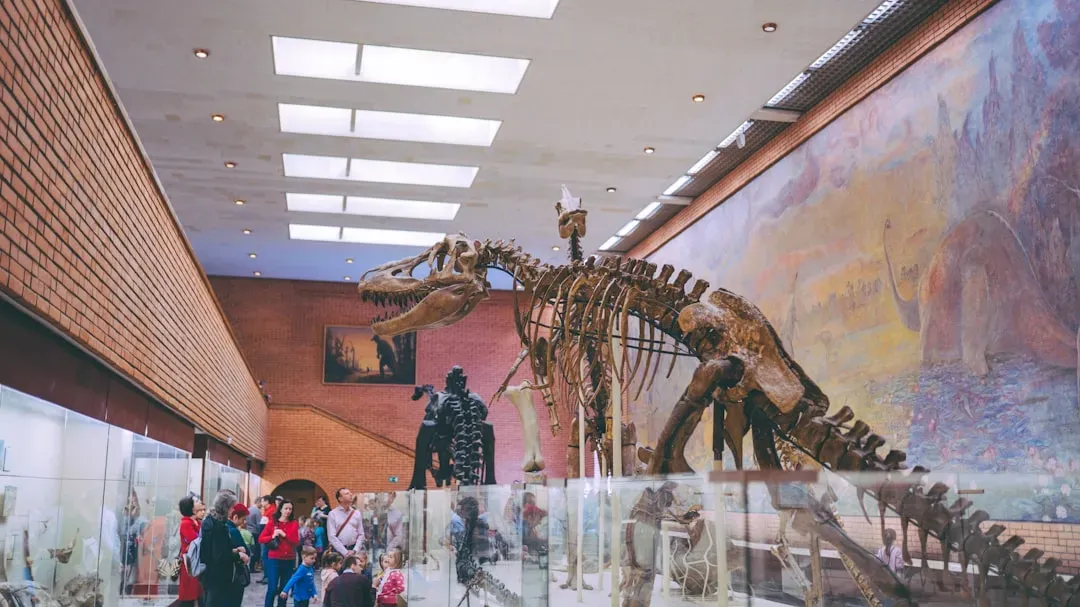
When you think about dream trips, beaches and big cities might come to mind, but dinosaur destinations quietly sneak onto the list too. You might imagine walking through a famous museum hall packed with skeletons, or standing at the edge of a real fossil quarry where bones are still being uncovered from the rock. Even if you have never been, you know the names of a few legendary spots and feel a twinge of envy when you see photos from them.
When you do end up near any place with fossils or dinosaur exhibits, you feel a pull that is different from regular sightseeing. You might rearrange your day just to carve out an hour at a small local museum, or happily drive a bit farther to see a well-known skeleton on display. That willingness to go out of your way, to trade convenience for the thrill of standing near ancient bones, is exactly how a quiet hobby turns into a true passion.
8. You See Dinosaurs as Real Animals, Not Just Monsters
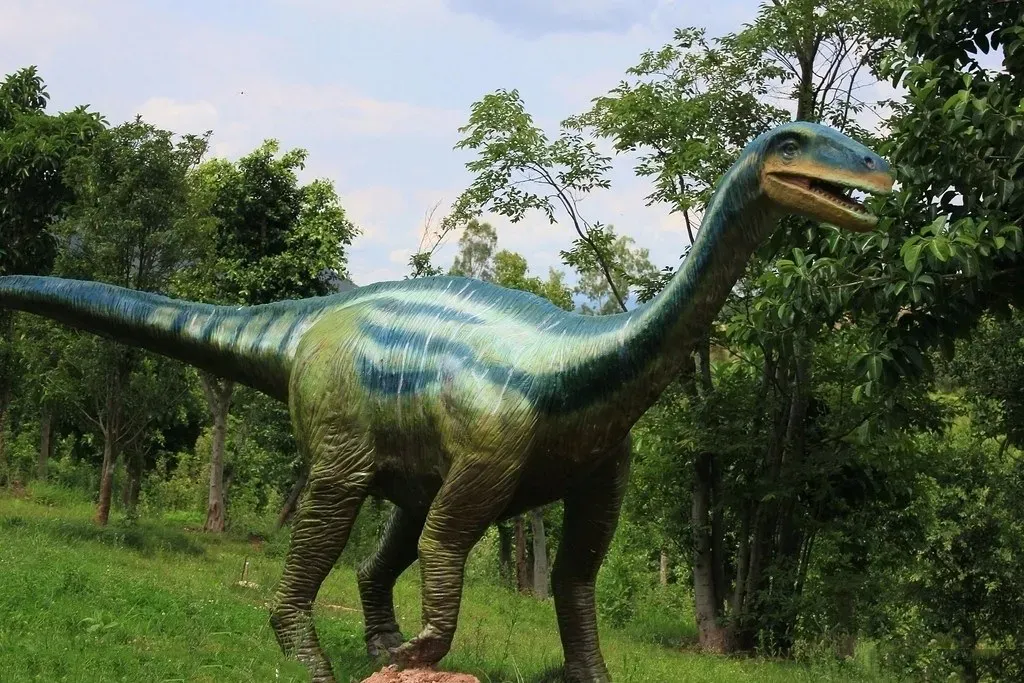
More than anything, you do not think of dinosaurs only as fearsome movie creatures; you see them as real animals that once lived, ate, migrated, nested, and struggled to survive. You imagine them caring for their young, interacting in groups, and fitting into complex ecosystems just like modern animals do. That shift – seeing them as living beings instead of just decorations for action scenes – shows a deeper layer of respect and curiosity.
Because of that, you tend to be interested in how scientists actually learn about them: the clues in bone texture, the patterns in fossilized footprints, the rare traces of feathers or skin impressions. You care about how paleontologists piece together behavior, color, and even sounds from fragmentary evidence. When you find yourself rooting for more research, more discoveries, and more accurate reconstructions, you are not just a casual observer anymore – you are thinking like a genuine dinosaur enthusiast.
Conclusion: Owning Your Inner Dinosaur Enthusiast
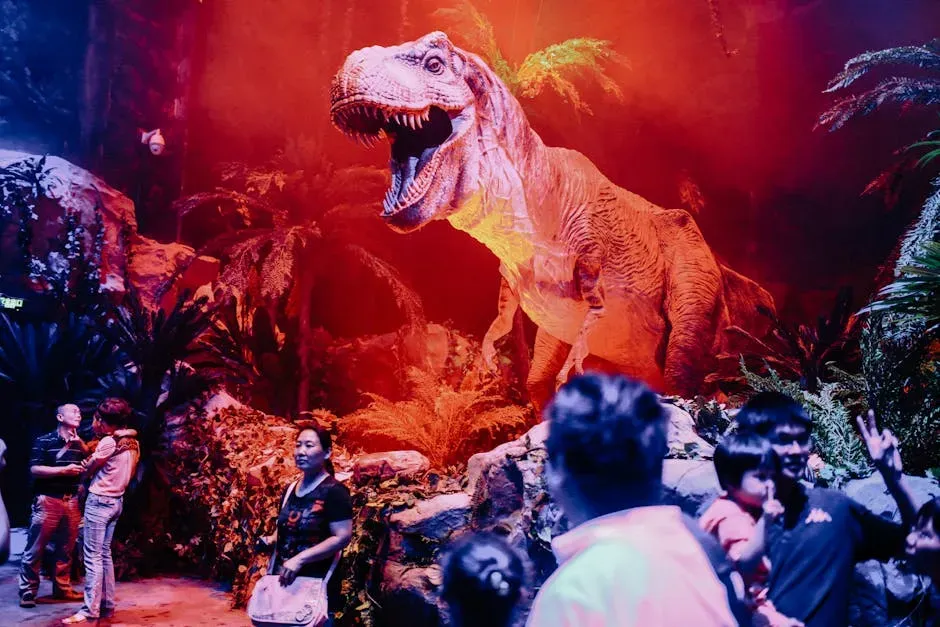
If several of these signs felt uncomfortably familiar, you are probably more than just casually interested in dinosaurs – you are quietly, genuinely enthusiastic about them. You use them to travel through time in your mind, you notice when they are misrepresented, and you feel a spark of joy when you see their bones, art, or stories. That is not a childish phase that you forgot to outgrow; it is a deep curiosity about life, change, and the history of Earth itself.
The good news is that you do not need a degree or a perfect memory for scientific names to embrace that part of yourself. You only need to keep following your curiosity: watch that next documentary, read that article, visit that museum, or even sketch your favorite dinosaur on a scrap of paper. After all, if creatures that vanished tens of millions of years ago can still move you today, is that not a sign you are exactly the kind of enthusiast the world needs more of?