
You probably grew up picturing dinosaurs as huge, lonely monsters stomping around on their own. But when you start looking at the fossils a little closer, a very different picture appears: nests, eggs, babies that clearly stayed in one place, even whole groups of youngsters huddled together. You start to realize you are not just looking at bones; you are looking at family scenes frozen in stone. Today, when you ask whether dinosaurs had families, you are really asking whether they protected eggs, raised young, and lived in stable social groups the way many birds and mammals do. The surprising answer from modern research is that some of them clearly did, some clearly did not, and for many others, you are stuck with educated guesses. Once you see how scientists piece this together, you will never look at a dinosaur skeleton the same way again.
The Fossil Clues That Dinosaurs Cared for Their Young
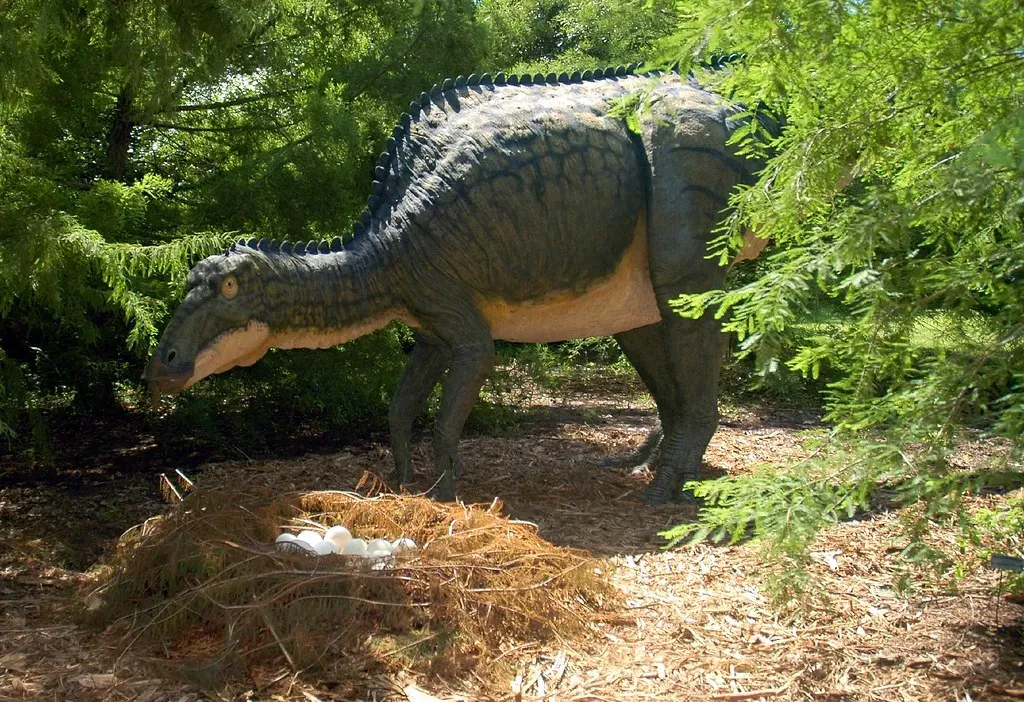
To understand whether dinosaurs had families, you first have to look for the same clues you see in living animals that care for their young: nests, brooding parents, and babies that clearly did not just run off on their own. In the rock record, that means fossilized egg clutches, organized nesting sites, and skeletons of adults and juveniles preserved together in patterns that scream “this wasn’t random.” When you see an adult dinosaur sitting squarely on top of a ring of eggs, in almost exactly the posture of a nesting bird, it is hard not to think of a parent staying put, guarding a future brood.
Over the past few decades, paleontologists have uncovered multiple examples of this kind of evidence. You have dinosaurs like oviraptorids found fossilized in a classic brooding pose over nests, suggesting they stayed with their eggs instead of just burying them and walking away. You also have sites where many nests appear close together, forming something like a rookery, which hints that some species returned to the same place to lay eggs and may have nested in loose colonies. Taken together, these finds push you toward the idea that at least some dinosaurs behaved more like attentive bird parents than indifferent reptiles.
Nests, Nurseries, and the “Good Mother Lizard”
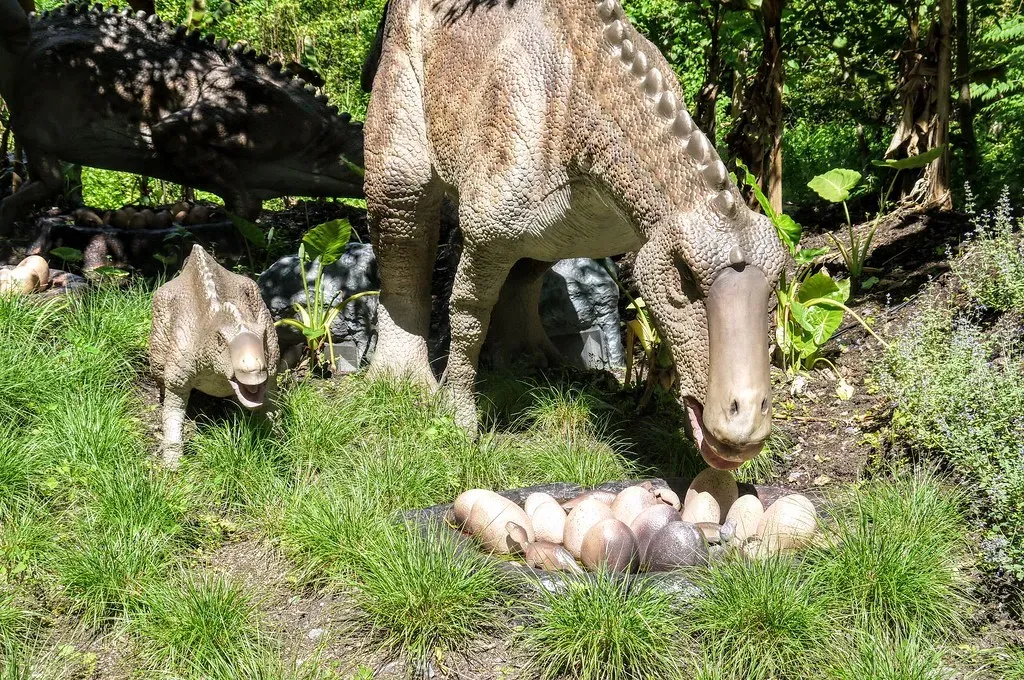
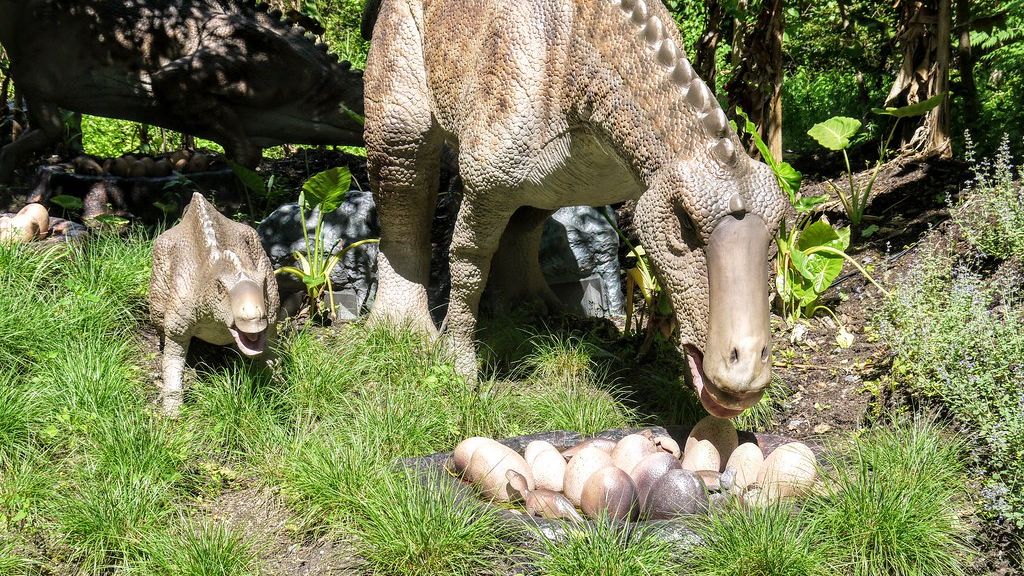
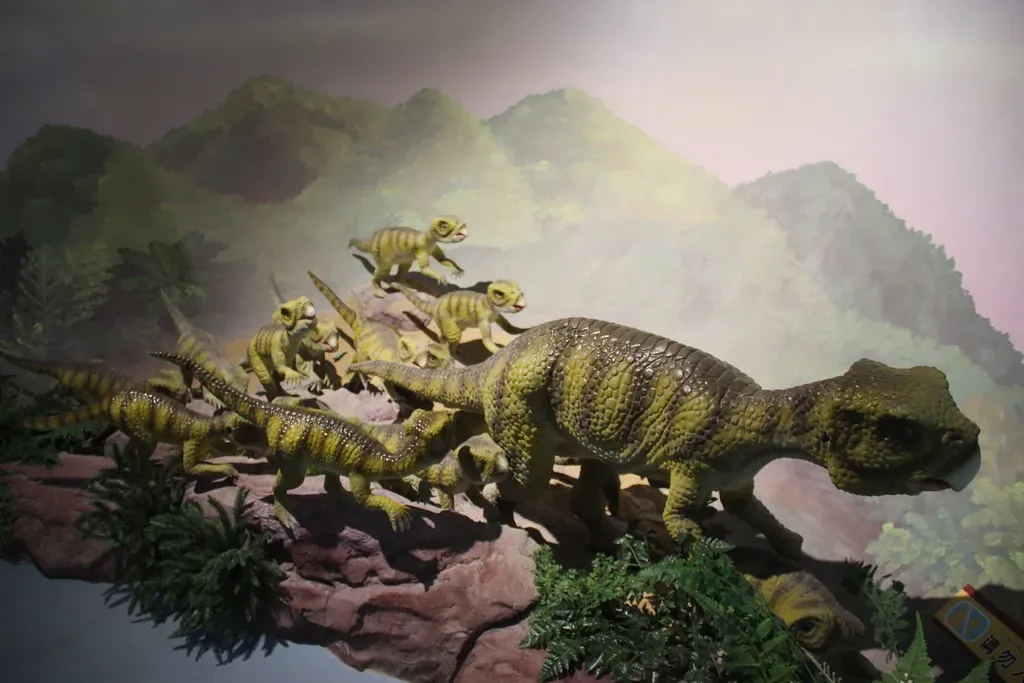
If you want one dinosaur that forced scientists to rethink the cold, uncaring monster stereotype, you should look at Maiasaura, whose name literally translates to “good mother lizard.” In Montana, researchers found entire nesting grounds where these duck‑billed dinosaurs built bowl‑shaped nests, laid eggs in clusters, and left behind the tiny skeletons of hatchlings. The babies’ leg bones were not strong enough for serious walking, but their upper bodies were better developed, which suggests they mostly stayed in the nest and probably relied on adults to bring food.
When you stand back and picture that, you are almost imagining something like a seabird colony: adults coming and going, chicks waiting in the nest, the same area reused season after season. You even see crushed eggshells and layered nests that suggest repeated nesting at the same site, a bit like a family neighborhood that kept getting rebuilt. This kind of fossil evidence does not just hint at parental care; it points toward organized nurseries where young dinosaurs spent their early weeks or months under at least some form of protection.
Brooding Dinosaurs: From Egg-Eaters to Egg-Guardians
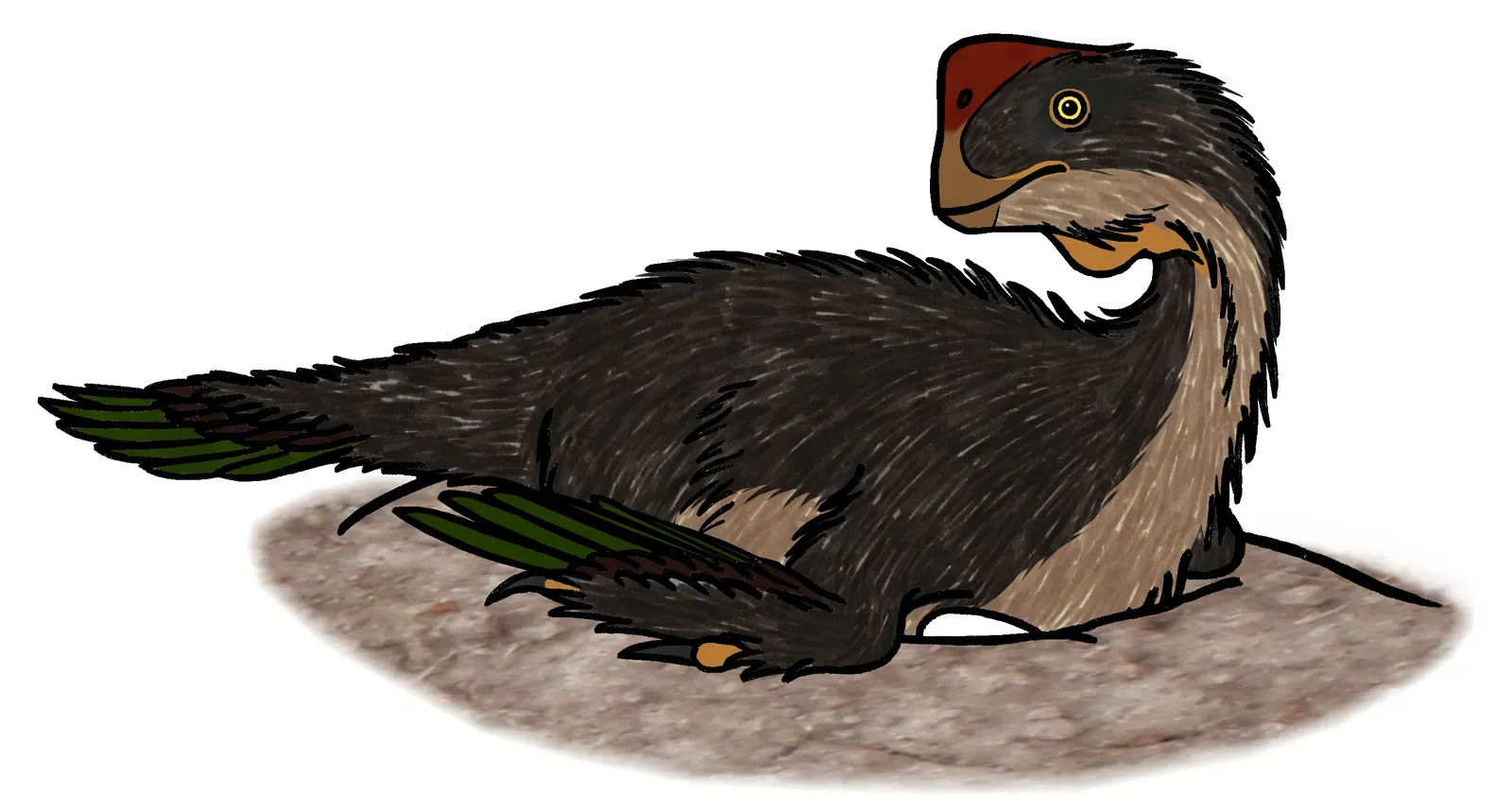
For a long time, some dinosaurs like Oviraptor got unfairly branded as egg thieves simply because early fossils showed them near nests. Once more complete specimens turned up, you could suddenly see the full picture: adults crouched directly over circular clutches of eggs, arms spread and ribs splayed in a wide, sheltering pose that looks eerily similar to a hen covering her eggs. Instead of catching an egg‑stealer in the act, you were probably catching a parent that died while brooding.
When you compare these fossils to modern birds, the parallels become hard to ignore. Many bird species sit tight on their clutches for long stretches, carefully regulating temperature and guarding against predators, and the brooding posture is remarkably consistent. In some dinosaur nests, you even see eggs arranged in precise patterns, suggesting the adult regularly repositioned them or laid them in a deliberate way. While you cannot watch the behavior directly, you are looking at snapshots that strongly suggest you are dealing with animals that invested real time and energy into their offspring before they ever hatched.
Herds, Age-Groups, and Extended Dinosaur “Communities”
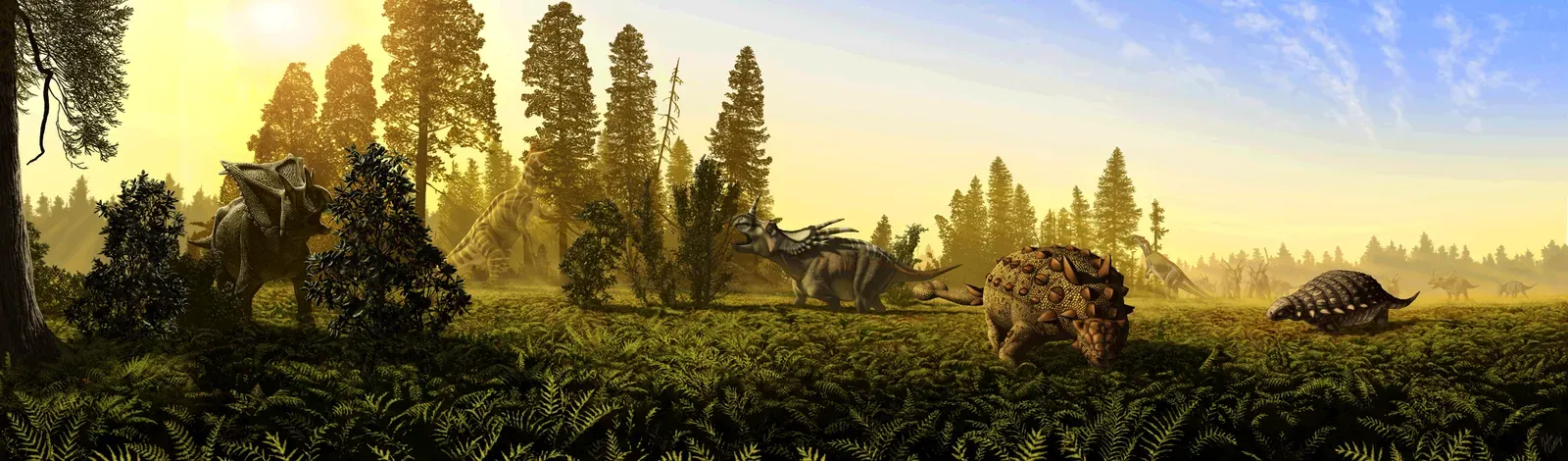
Families are not just about parents and babies; they are also about how youngsters mix with each other and with adults. When you look at certain fossil sites, you see clear signs that some dinosaurs did not live as isolated individuals but as part of larger groups with structure and rules. For example, scientists have uncovered mass bone beds where dozens of dinosaurs from the same species died together, ranging from eggs and hatchlings to teenagers and adults. In some cases, the juveniles are clustered together while the older animals form separate groups, hinting at age‑segregated herds.
In one striking early Jurassic site, you can trace eggs, hatchlings, young juveniles, and adults of a sauropodomorph all preserved in the same area, but not jumbled randomly. The youngest animals seem to have moved and died together, suggesting they formed “kid groups” much like adolescent animals today. Adults may have ranged more widely but still gathered in the same general region. You are essentially looking at a dinosaur community where life stages had different roles and probably different risks, and where survival depended at least partly on moving with peers or kin rather than living alone.
Who Did the Parenting – Moms, Dads, or Both?
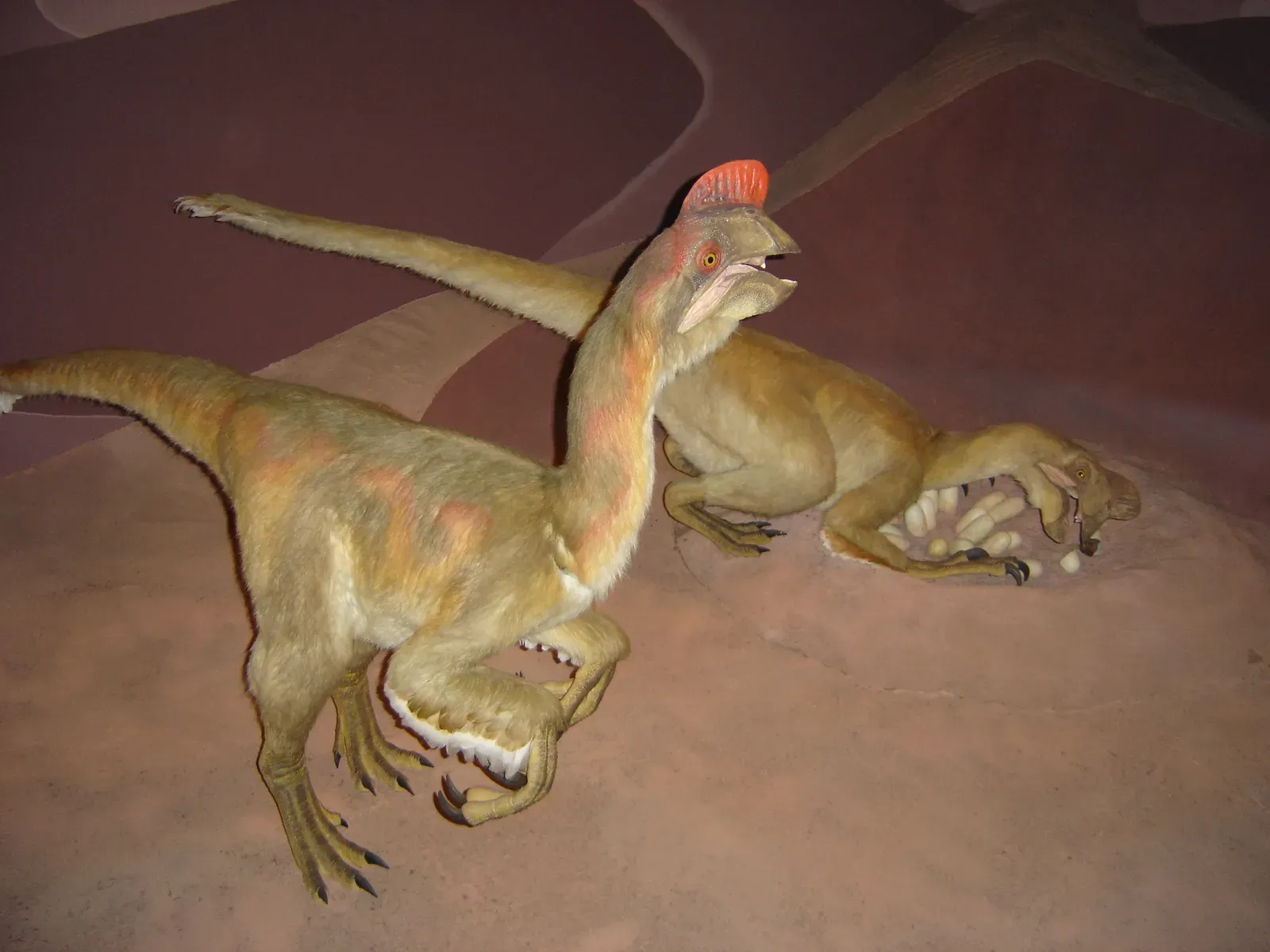
Once you accept that some dinosaurs cared for their young, you run into a more delicate question: who did the work? In living birds, you see almost every possible system – sometimes the female does most of the brooding, sometimes the male, sometimes both parents take turns. A few dinosaur nests with adults preserved on top of eggs have been analyzed in detail to figure out whether you are looking at males or females, often by examining bone tissue that is associated with egg‑laying in birds. In some cases, the evidence leans toward males doing most of the sitting, which is a twist you might not expect.
However, the deeper scientists dig into this, the more you realize how careful you need to be. Some early ideas about father‑only care may have leaned too heavily on simple comparisons with modern birds and on small data sets. Later studies have suggested that trying to read exact family roles from fossil nests and clutch sizes is harder than it first looked. For now, if you want to stay honest, you have to say this: some dinosaurs clearly guarded and brooded eggs, but whether that job usually fell to mothers, fathers, or both likely varied from group to group, and you simply do not have enough rock‑solid evidence to map out detailed family roles for every species.
Not Every Dinosaur Was a Devoted Parent
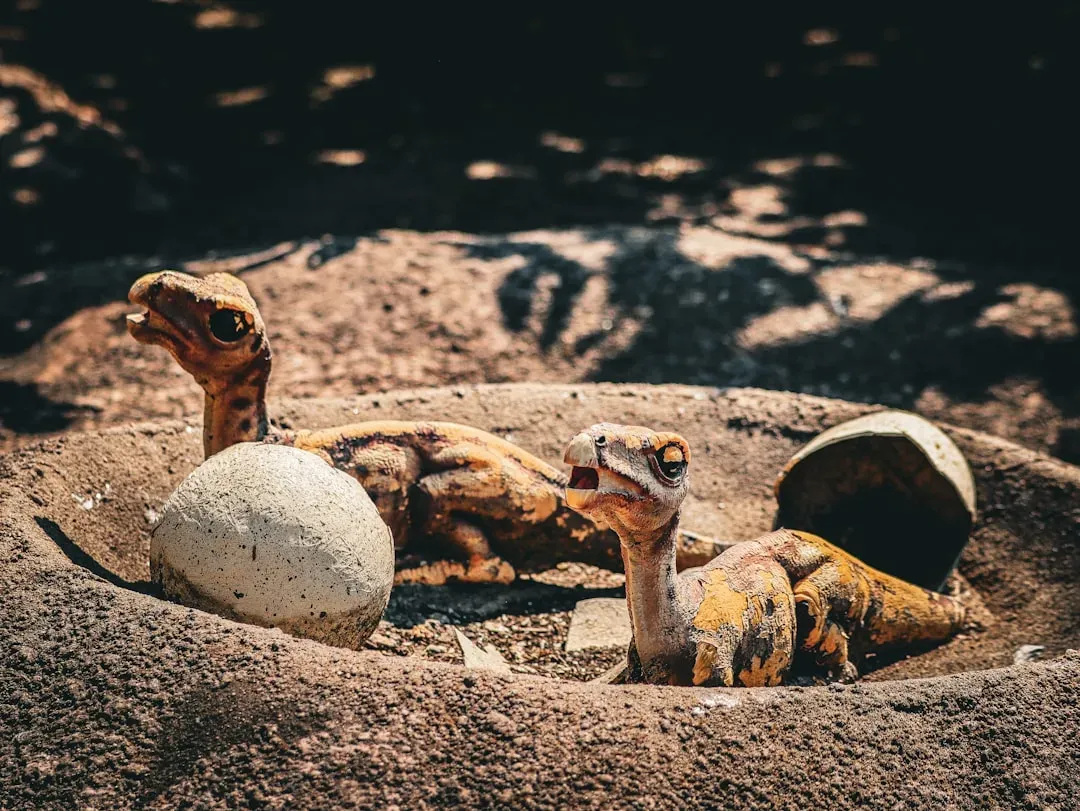
It is tempting to swing from one extreme to the other – from imagining dinosaurs as totally uncaring to picturing them all as tender parents. The truth sits somewhere in between. When you look at enormous sauropods that laid many eggs in shallow excavations or buried nests, with hatchlings that seem well‑developed at birth, it becomes quite reasonable to think that some species offered only brief or limited care, if any, after laying. In these cases, sheer numbers of eggs might have been their main strategy, much like modern sea turtles or some fish that flood the environment with offspring and leave survival to chance.
You also see egg arrangements and nesting styles in some dinosaur groups that look more like what you find in reptiles that do not stick around for long once the eggs are covered. Some embryos and hatchlings show strong limb development, suggesting that they could move independently almost immediately after hatching. When you put those clues together, you have to accept that dinosaur parenting probably ranged from intensive brooding and feeding in some species to almost complete independence right out of the egg in others. In other words, you are not looking at one dinosaur family model but a spectrum of strategies shaped by body size, environment, and evolutionary history.
What Mixed Herds and Trackways Tell You About Social Bonds
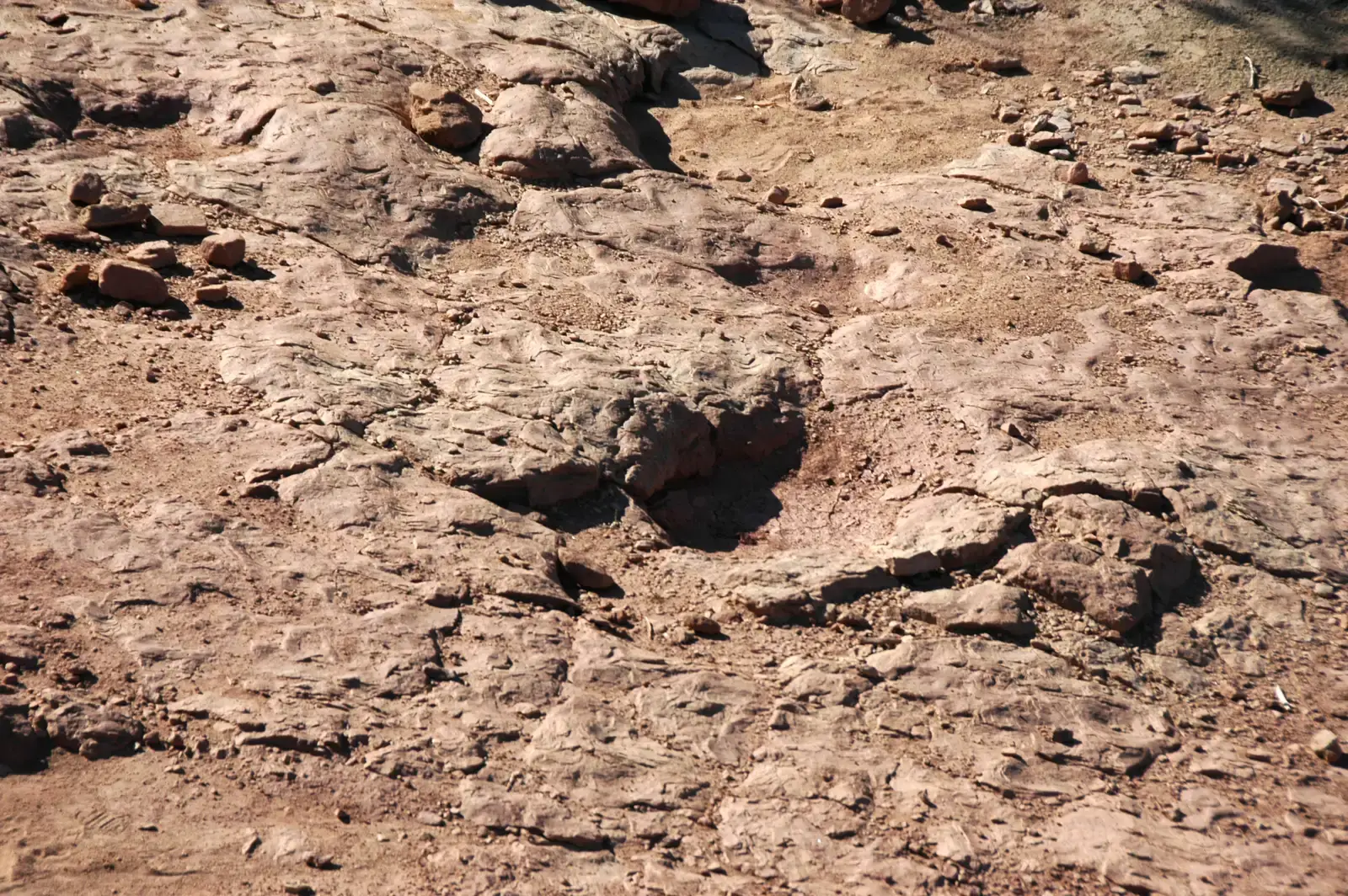
One of the most exciting newer angles on dinosaur “family life” comes from trackways – fossil footprints laid down as animals walked over soft ground. When you follow miles of tracks and notice that different species were moving side by side in the same direction at the same time, you start to suspect some kind of mixed‑species herding. Recent discoveries have turned up exactly that: trail networks where plant‑eating dinosaurs of different types seem to have travelled together, much like modern wildebeest and zebras that form loose, mutually beneficial herds.
These mixed movements matter because they suggest that some dinosaurs did not just bump into each other occasionally; they may have coordinated travel and foraging in ways that improved safety and access to food. Within such groups, juveniles likely benefited the most from the extra eyes and bodies around them, whether or not the adults were direct relatives. If you imagine growing up as a young dinosaur in such a herd, your “family” would not have been just your parents and siblings, but a shifting community of other youngsters and adults that formed a moving buffer against a dangerous world.
What This All Means for How You Picture Dinosaur Families
When you pull all of these threads together – brooding adults on nests, organized nurseries, age‑segregated herds, mixed‑species travel, and independent hatchlings – you end up with a more complicated but far richer picture of dinosaur family life. You can say with confidence that some dinosaurs formed real family units and invested heavily in a small number of offspring, while others leaned on quantity over care. You also see strong hints that social behavior, from herding to nesting colonies, was not rare or exceptional but a core part of life for many species.
At the same time, you have to be honest about the limits: fossils are snapshots, not videos, and you will probably never know exactly how it felt to be a dinosaur parent guarding a nest or a youngster following a herd. What you can do, though, is shift your mental image away from lonely monsters and toward a spectrum of lives that sometimes look surprisingly familiar. The next time you stand in front of a dinosaur skeleton, you might ask yourself: was this animal ever part of a close‑knit brood, a noisy nursery, or a sprawling herd – and what kind of family would you have had if you were born in its world?