You live in a country where the ground beneath your feet is not just dirt and rock, but a library of ancient worlds layered on top of one another. When you start to look at America through its fossils, you stop thinking in decades or even centuries and begin thinking in millions and billions of years. Suddenly, a road cut becomes a time window, a canyon wall becomes a calendar, and a dusty museum drawer might hold the remains of a creature that lived long before plants ever shaded the land.
In this , you are not just reading about the past, you are walking through it. From rocks older than any known life, to the first microbial traces, to early animals swimming in vanished seas, you get to follow the trail of the oldest fossils found on what is now American soil. As you move backward through time, your daily sense of “old” quietly collapses, and a new, almost dizzying scale of history takes its place.
Stepping Into Deep Time: How You Measure “Oldest”
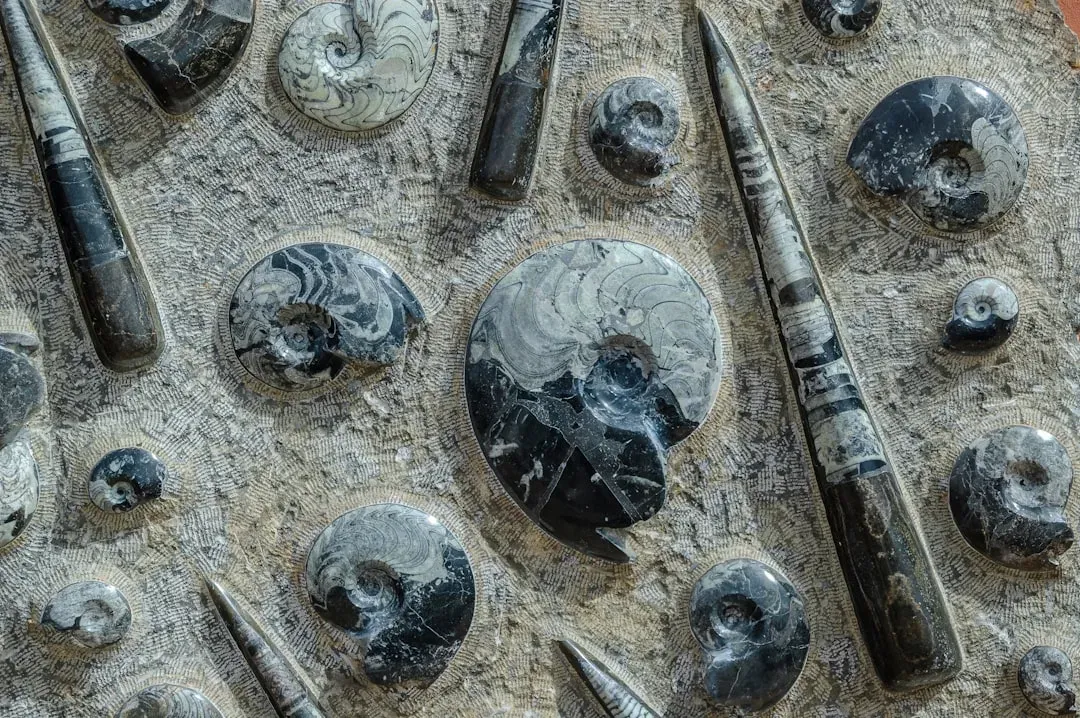
You might assume it’s easy to say what the “oldest fossils in America” are, but once you look closely, you find it’s actually a careful balancing act between evidence and interpretation. You have to distinguish between truly ancient life, the rocks that preserve it, and the methods you use to date those rocks. Radiometric dating, which measures the decay of radioactive elements in minerals, lets you place a rough time stamp on many formations, but you still have to decide whether a particular structure is genuinely biological or just a quirky pattern made by chemistry.
When you hear claims about fossils that are more than three billion years old, you quickly learn to ask a few questions: what kind of rock are they in, how were they analyzed, and do multiple teams agree on the interpretation? Some early “microfossils” have been reclassified as non-biological as new techniques came along, so you’re always working with probabilities rather than certainty. As you explore America’s oldest fossils, you are really exploring your best current picture of early life on this continent, knowing that new discoveries could sharpen or shift that picture at any time.
The Hadean and Early Archean: Before Fossils, Just Clues
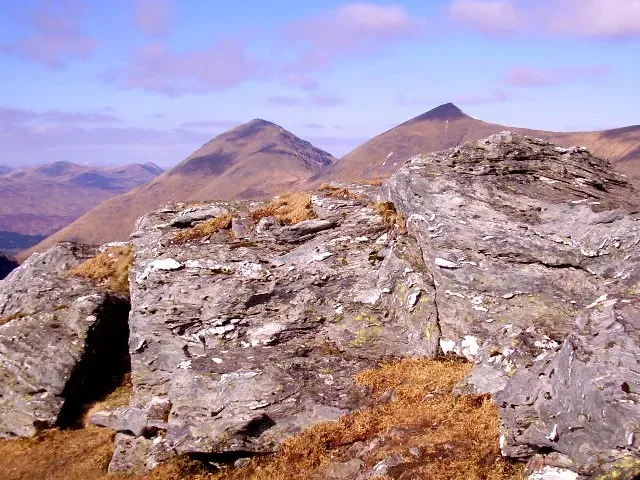
When you go looking for the very beginning of Earth’s story in North America, you run into a stark reality: the oldest rocks here are so ancient and so altered that they preserve no clear fossils at all. In parts of Minnesota, Wisconsin, and the Canadian Shield right across the border, you can find rocks that formed more than three and a half to about four billion years ago. By the time you see them at the surface today, they have been cooked, squeezed, and recycled so many times that any delicate traces of early life would have been destroyed.
Still, you do not walk away empty-handed from these realms of stone. In some of these ancient rocks, you can detect subtle chemical signatures, such as specific ratios of carbon isotopes, that hint at early biological activity even if you can’t see recognizable cells or structures. It’s a bit like entering a burned library and finding only traces of ink on charred pages: you can’t read the words, but you sense that writing was once there. In this earliest chapter, you glimpse a world where oceans, crust, and atmosphere were changing fast, setting the stage for the first life that you might one day recognize as fossils.
Stromatolites and Microbial Mats: America’s Primeval Builders
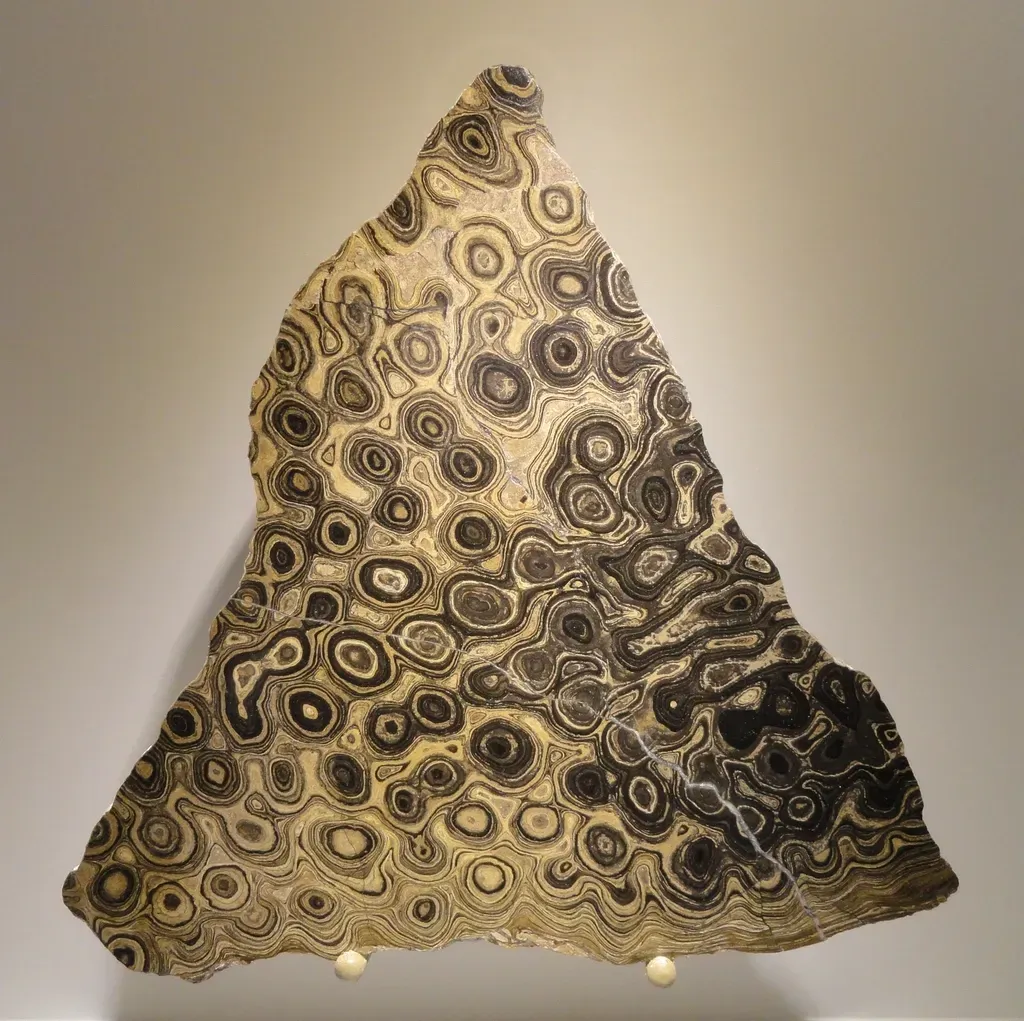
When life finally becomes visible to you in the rock record of what is now the United States, it usually appears in the form of stromatolites – layered mounds built by communities of microbes, often cyanobacteria. In places like the 2.5 to roughly 3‑billion‑year‑old rocks of the Lake Superior region and the ancient belts of Wyoming and Montana, you can find dome-shaped or wavy laminated structures that formed as sticky microbial mats trapped sediment, layer after layer. You are not seeing individual cells, but you can see the architecture built by countless tiny organisms living together.
Standing in front of a stromatolite outcrop, you are looking at the work of microbial communities that once played a major role in shaping Earth’s atmosphere, slowly pumping out oxygen over unimaginably long spans of time. You can even visit modern stromatolites in places like Shark Bay in Australia or certain hypersaline ponds and realize that these ancient structures and living ones are cousins in spirit. When you compare the two, it becomes easier for you to believe that those ancient layered mounds in American rocks really did grow under the influence of microbes, and that these fossils connect you directly to some of the oldest visible ecosystems on the planet.
Isotopic Ghosts: Carbon Clues to Ancient Life
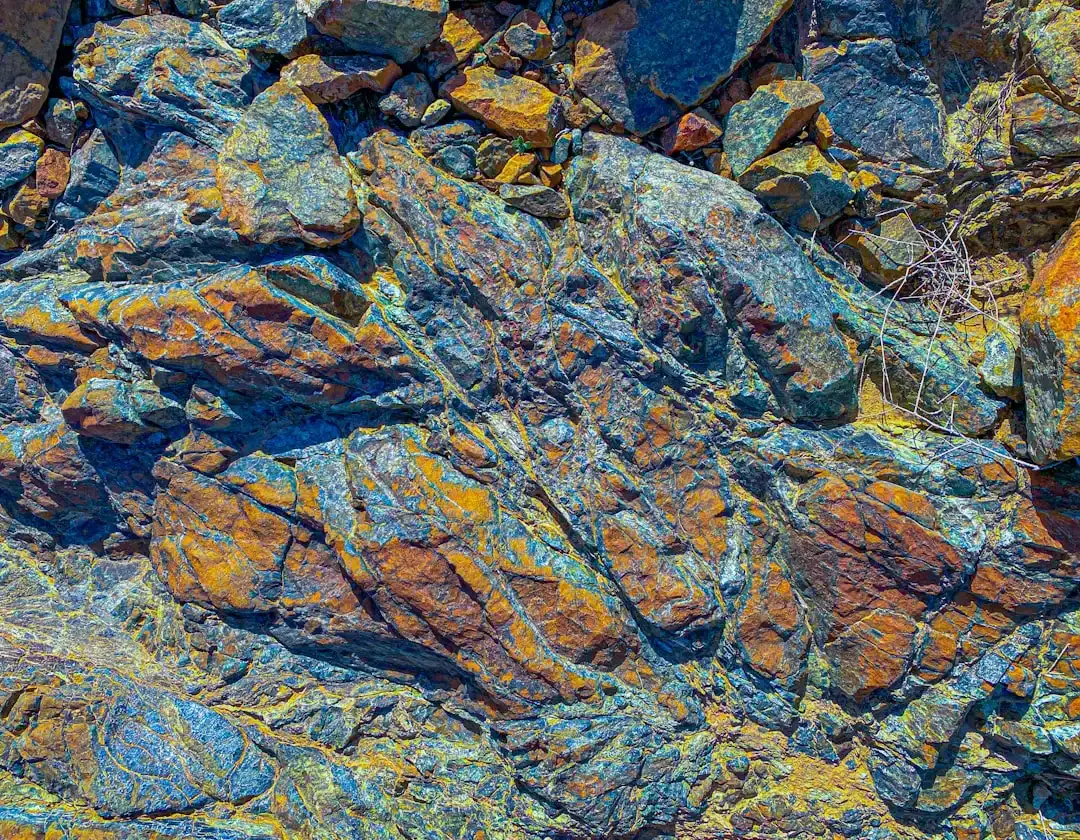
Some of the oldest hints of life in American rocks are not shapes you can see but subtle patterns in the chemistry, especially in carbon. Living things tend to favor the lighter form of carbon, and when you analyze ancient sediments from parts of North America, you sometimes find that the ratio of light to heavy carbon looks more like something life would produce than something created by purely inorganic processes. When you see this kind of signal in rocks more than three billion years old, your mind jumps to the possibility that early microbes were already thriving here.
You do have to treat these signals with caution, because high heat, metamorphism, and unusual chemical reactions can also alter carbon ratios in ways that mimic biology. To strengthen your case, you look for consistent patterns across different rock layers, multiple locations, and independent tests. If the same kind of carbon signature appears again and again in ancient sediments that were once part of the seafloor, you gain more confidence that you’re hearing the faint echo of microbial life. In these cases, you are essentially reading the ghost of life in the periodic table, long after any physical fossils have vanished.
Early Eukaryotes and Microscopic Worlds in Proterozoic Seas
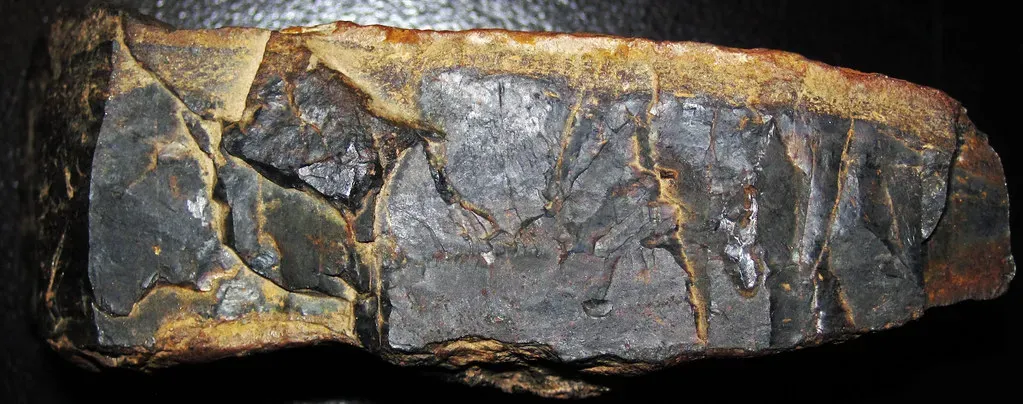
As you move forward into the Proterozoic Eon, roughly between two and one billion years ago, the fossil story in America becomes a bit more recognizable, even if it still demands a microscope. In certain shales and fine-grained rocks across states like North Dakota, Montana, and Arizona, you can find microfossils that look like cysts or resting stages of single-celled eukaryotes, organisms with more complex internal structures than bacteria. These microfossils are tiny, but their size, shape, and wall textures suggest that early algae and other protists were already part of ancient food webs in American seas.
When you examine these fossils, you realize you’re looking at some of the earliest steps toward the kind of complex life you know today. Eukaryotes brought innovations like sexual reproduction, more flexible metabolisms, and the ability to grow larger than typical bacteria. Even though you see only spheres and filaments, you’re peeking into ecosystems where predators, prey, and photosynthesizers were already interacting in ways that would eventually pave the path toward multicellular plants and animals. These microscopic worlds remind you that big evolutionary turning points often start at a scale you can barely see.
Multicellular Experiments: Soft-Bodied Life Before Shells
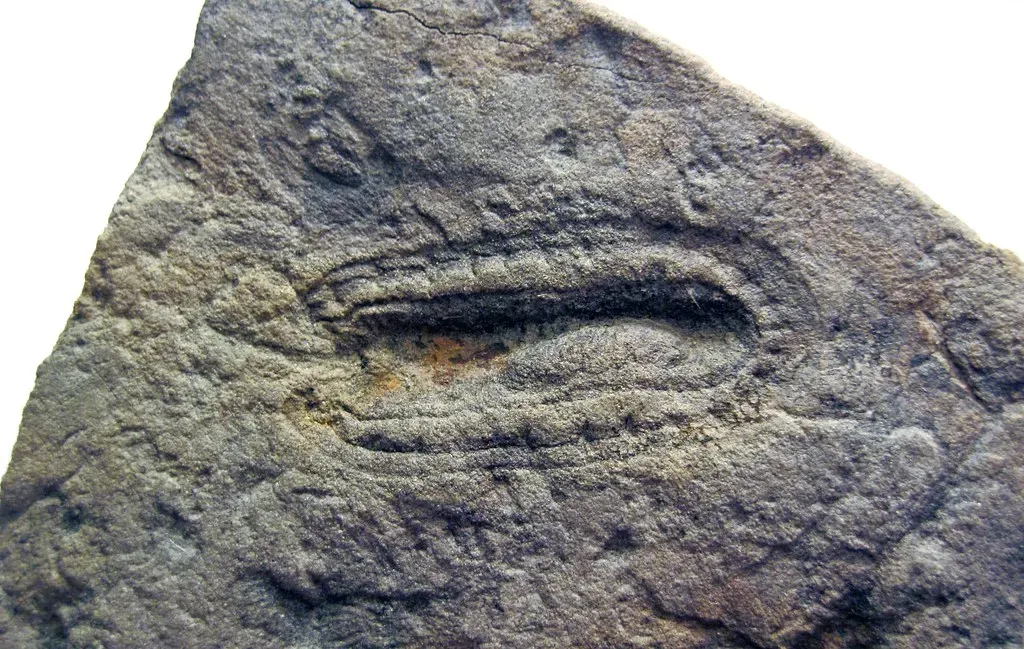
When you think of fossils, you might picture hard shells and bones, but some of the most intriguing early multicellular fossils in North America come from soft-bodied organisms preserved in exceptional conditions. In late Precambrian and earliest Cambrian rocks of places like Nevada and the Grand Canyon region, you can find bedding planes that preserve faint impressions of fronds, discs, or quilted forms that may represent early multicellular life. These fossils are often subtle and patchy, but when you trace them carefully, you’re seeing experiments in body plans that came before the familiar explosion of shelly animals.
These soft-bodied forms lived in shallow seas where fine sediments could bury them quickly, creating natural casts and molds. Because they lack hard parts, you have to rely on the outlines and surface patterns to infer how they lived – whether they anchored to the seafloor, lay on the sediment, or perhaps filtered food from gentle currents. As you study these fossils, you sense that life was testing out new ways of building bodies, stretching beyond simple colonies and thin films into more elaborate structures. Even if you cannot place every fossil into a neat modern group, you can feel the momentum toward the complex animal ecosystems that would soon transform Earth’s oceans.
The Cambrian Explosion in America: A New Kind of Fossil Record
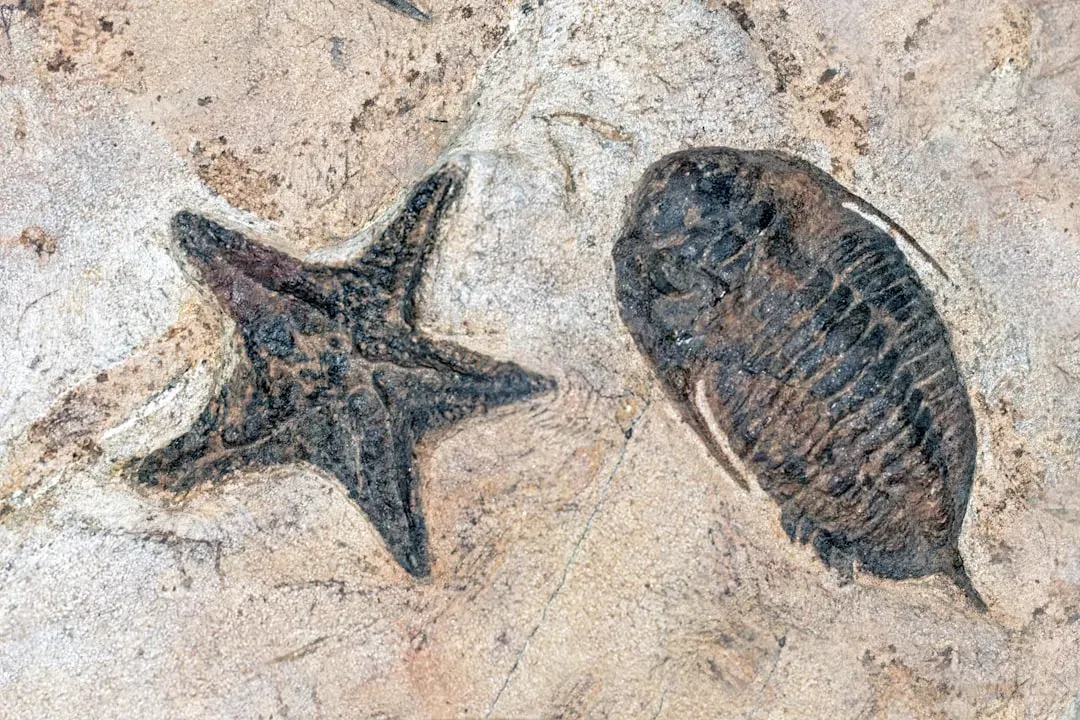
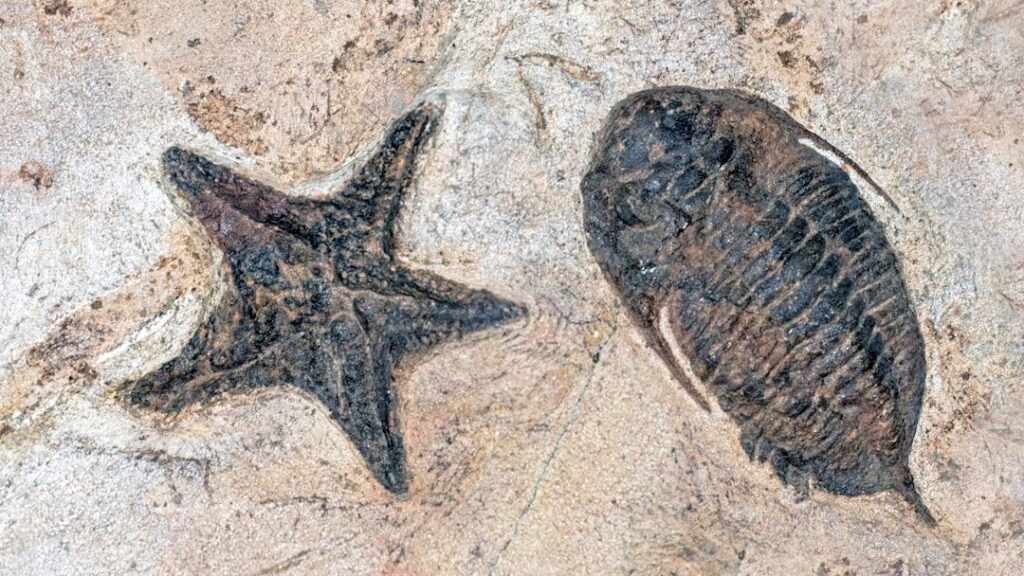
Once you step into the Cambrian Period, roughly around five hundred and forty to five hundred million years ago, the fossil record in America suddenly becomes crowded, detailed, and almost overwhelming. In formations like the Burgess Shale’s counterparts across the border and the Cambrian rocks of states such as Utah and Nevada, you encounter trilobites, brachiopods, early arthropods, sponges, and a whole parade of strange creatures with spines, plates, and complex eyes. For the first time in your journey, you can look at a rock face and immediately recognize that it once held a thriving community of animals.
These Cambrian fossils are not the oldest in America, but they are a striking turning point that helps you appreciate how sparse the earlier record really is. Once animals begin to build hard shells and exoskeletons, preservation becomes much more common, so your view of life suddenly sharpens. You go from chasing ambiguous chemical traces and faint microbial structures to examining articulated skeletons and well-defined body plans. This contrast reminds you that the absence of older fossils does not mean life was absent, only that early life left a subtler, harder-to-capture footprint in the rocks.
Where You Can See Deep Time for Yourself
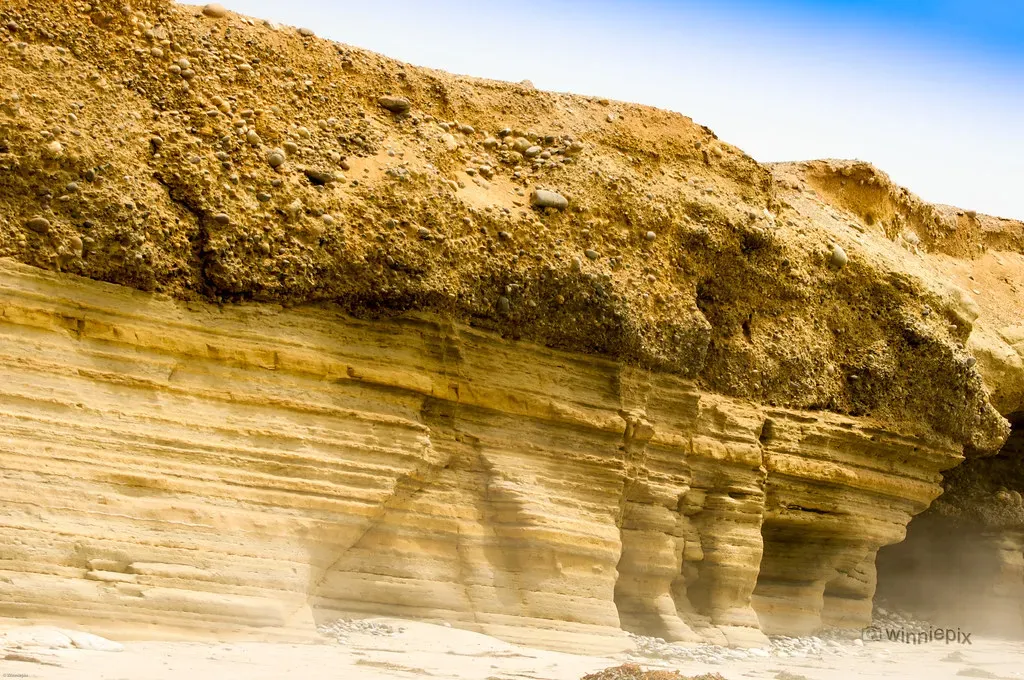
It’s one thing to read about ancient fossils, and another to stand where they were found and feel deep time under your boots. Around the United States, you can visit outcrops, road cuts, and national parks where the rocks themselves tell parts of this story. In some areas of the Lake Superior region, Wyoming, and the Grand Canyon, you can see ancient layers that formed in Precambrian seas, even if the fossils within them are mostly microscopic or preserved as chemical signatures. When you visit, you may not spot microbes with your naked eye, but you can still learn how to read the rocks like pages in a book.
Museums across the country also help you bridge the gap between abstract numbers and tangible reality. Collections that include stromatolites, Proterozoic microfossils, and early Cambrian animals let you see real specimens that span billions of years. When you walk from one display case to another, you are walking across vast stretches of time, sometimes skipping hundreds of millions of years between a few steps. If you take the time to really absorb that scale, you come away with a different sense of your own place in Earth’s history, and a deeper respect for the fragile record that allows you to reconstruct it at all.
As you finish this journey into America’s oldest fossils, you may feel both humbled and energized. Humbled, because you realize that nearly all of human history occupies only a vanishingly thin line at the end of an unimaginably long timeline. Energized, because you see how much remains to be discovered, reinterpreted, and understood in the rocks that surround you.
The next time you pass a canyon wall, a quarry, or even a stretch of blasted highway, you can remind yourself that, somewhere in those layers, there may be traces of ancient seas, microbial cities, and experiments in life that shaped the world you know. If you had to guess, how many hidden stories beneath your feet are still waiting for you and others to learn how to read them?