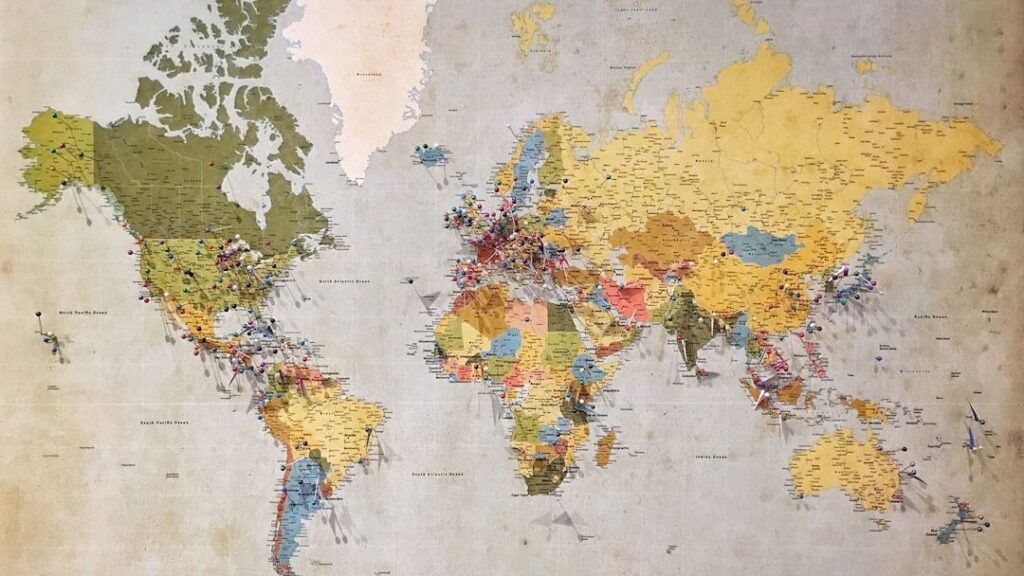
When you look at a world map, it feels oddly permanent, as if the shapes of the continents were always meant to be that way. But if you could rewind time a few billion years, you would not even recognize your own planet’s surface. The continents you stand on today are just the latest version of a long, restless story of collisions, breakups, mountain building, and destruction deep inside Earth.
In this article, you’ll walk step by step through that story: from a young, hellishly hot Earth with no true continents, to the patchwork of moving plates that keeps reshaping the globe beneath your feet. You will see how rocks act a bit like slow-motion taffy, how oceans come and go, and why your home continent has probably been part of more than one “supercontinent” already. By the end, you may never look at a world map as a static picture again.
The Fiery Beginning: When Solid Ground Was Almost Impossible
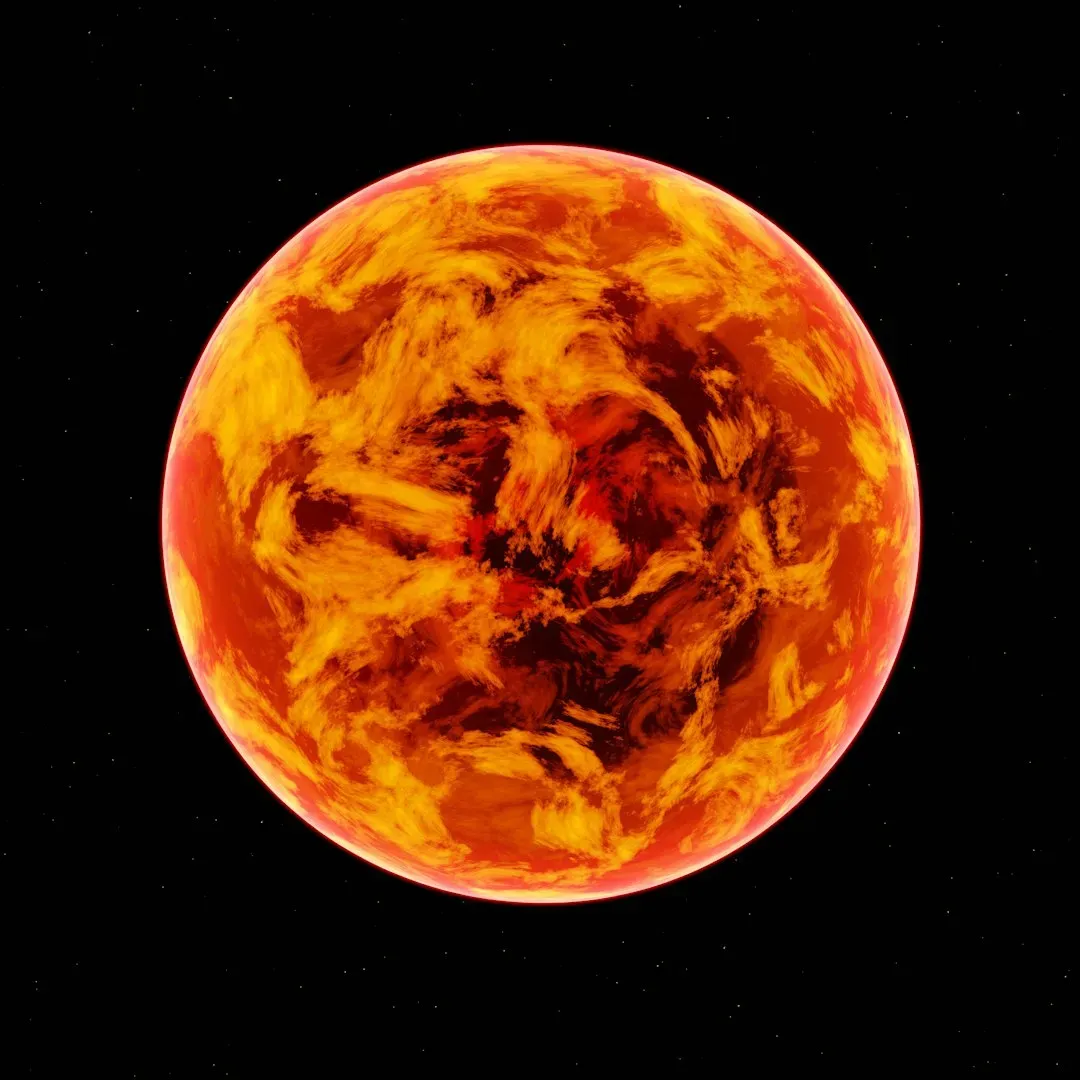
Imagine standing above Earth just after it formed more than four and a half billion years ago; you would see a glowing, bruised world hammered by space debris, with oceans of magma instead of blue water. At that time, the crust was thin, unstable, and constantly recycled back into the molten interior, so any early “proto-continents” were probably small, fragile, and short‑lived. You would have found it hard to define what a continent even was, because nothing stayed solid at the surface for long.
As the planet slowly cooled, the outer layer began to thicken, like the skin forming on top of hot soup left to sit. Bits of rock enriched in lighter elements such as silicon and aluminum started to float higher and resist sinking, giving rise to the first continental seeds. These early patches of thicker, lighter crust did not yet look like the continents you know, but they laid the groundwork by surviving longer than everything around them. Little by little, survival turned into growth, and those first scattered “islands” of stability became the ancestors of today’s landmasses.
Building the First Continents: From Island Arcs to Ancient Cores
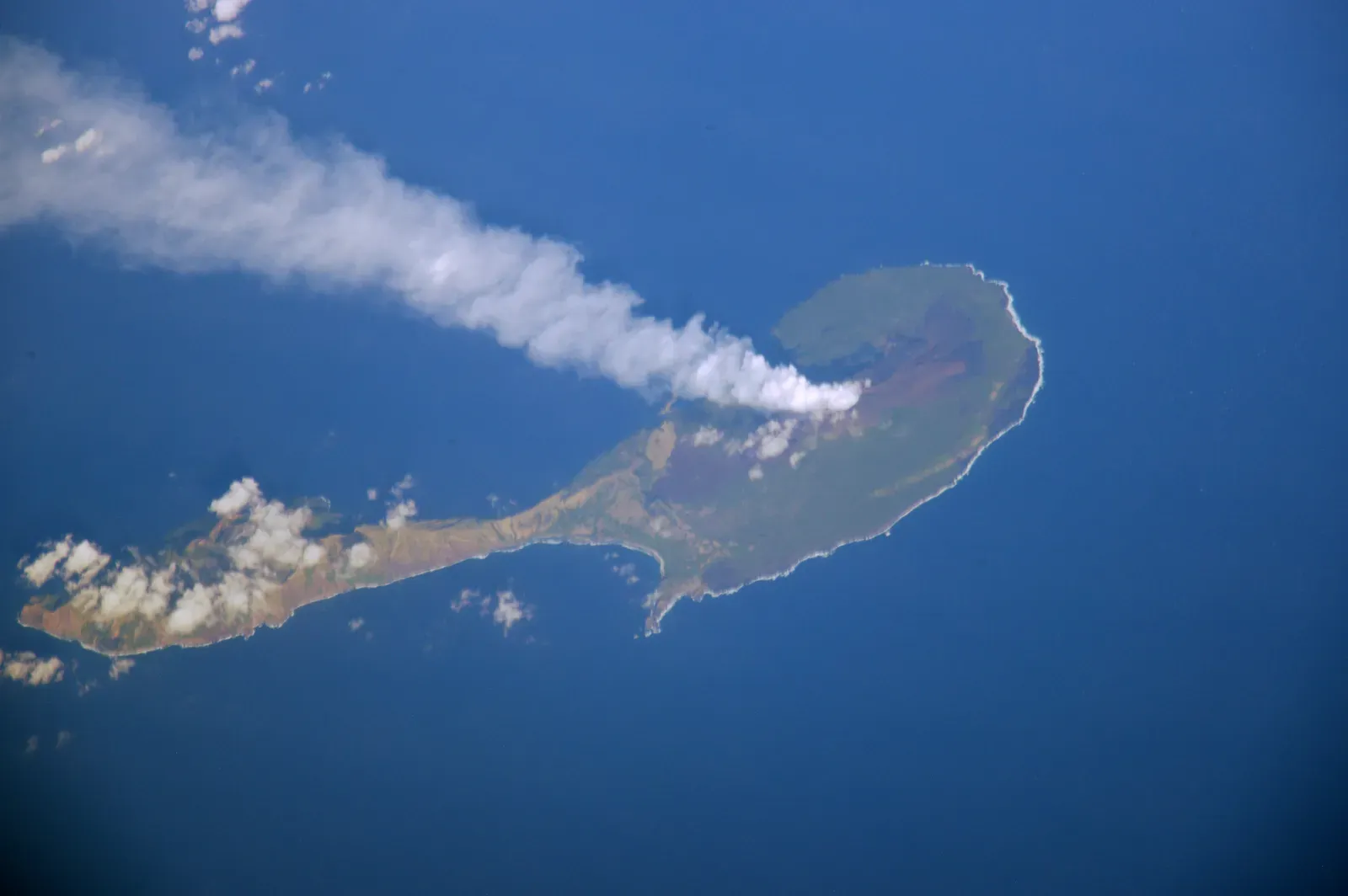
To see how the first stable continents grew, picture endless chains of volcanic islands above subduction zones, like modern-day Japan or the Aleutian Islands, but spread more widely across the young Earth. As oceanic plates dove down, they melted and fed volcanoes, which piled up layer after layer of new crust. When these island chains collided and welded together, they created thicker, tougher blocks of rock that could better resist being dragged back into the deep mantle.
Over hundreds of millions of years, these collisions stitched together hard kernels of continental crust called cratons, which you can think of as the ancient hearts of continents. You still stand on some of these cratons today in places like central Canada, western Australia, and parts of Africa, where very old rocks are exposed at the surface. These cratons are unusually thick and buoyant, extending deep into the mantle like the wide base of an iceberg that keeps the tip afloat. Because they are so tough and light, they tend to survive while thinner crust around them gets broken, recycled, or built anew.
Ocean Crust vs. Continental Crust: Why Some Rock Floats and Some Sinks
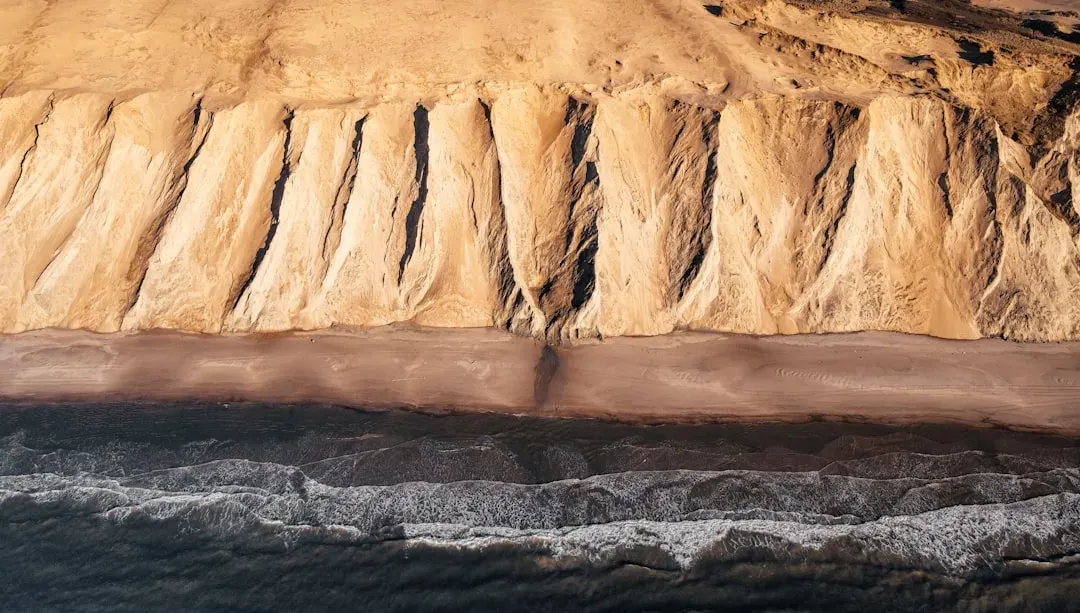
You can better understand why continents last if you compare them to the crust under the oceans. Oceanic crust is usually thinner and made of denser rock, similar to basalt, so it behaves more like a heavy raft that eventually sinks at subduction zones. Continental crust is thicker, lighter, and often rich in minerals like quartz and feldspar, so it rides higher on the mantle, like a fat, foam board floating on water. This basic density difference is why continents are so stubborn about staying at the surface.
Over time, oceanic crust is created at mid‑ocean ridges and destroyed at subduction zones in a kind of conveyor belt, while continental crust mostly gets reworked, thickened, and remodeled but not entirely wiped out. That is why the oldest oceanic crust on Earth is relatively young compared to the oldest continental rocks you can find. You are essentially walking around on a slowly evolving archive, while the ocean floor is a more rapidly erased chalkboard. Continents change shape, split, and collide, but their deepest roots often endure for billions of years.
Supercontinents: When All Land Comes Together
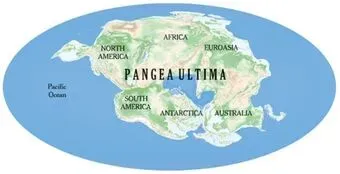
One of the strangest ideas you encounter in Earth science is that continents repeatedly gather into giant supercontinents and then tear themselves apart again. You may have heard of Pangaea, the supercontinent that existed a few hundred million years ago, but it was not the first. Earlier in Earth’s history, there were older supercontinents such as Rodinia and an even earlier one often referred to as Nuna or Columbia, each rearranging land, oceans, and climates on a global scale.
When you picture a supercontinent, imagine nearly all of Earth’s major landmasses jammed together into a single, sprawling block of crust. This massive configuration changes how heat escapes from the mantle, how ocean currents flow, and even how life evolves by merging once‑separate ecosystems. Over tens or hundreds of millions of years, stresses build within that oversized landmass until it eventually rips apart, sending pieces drifting away as new oceans open between them. In a sense, every continent you know today carries scars and memories of being part of more than one global reunion.
Pangaea and Plate Tectonics: Bringing the Map to Life
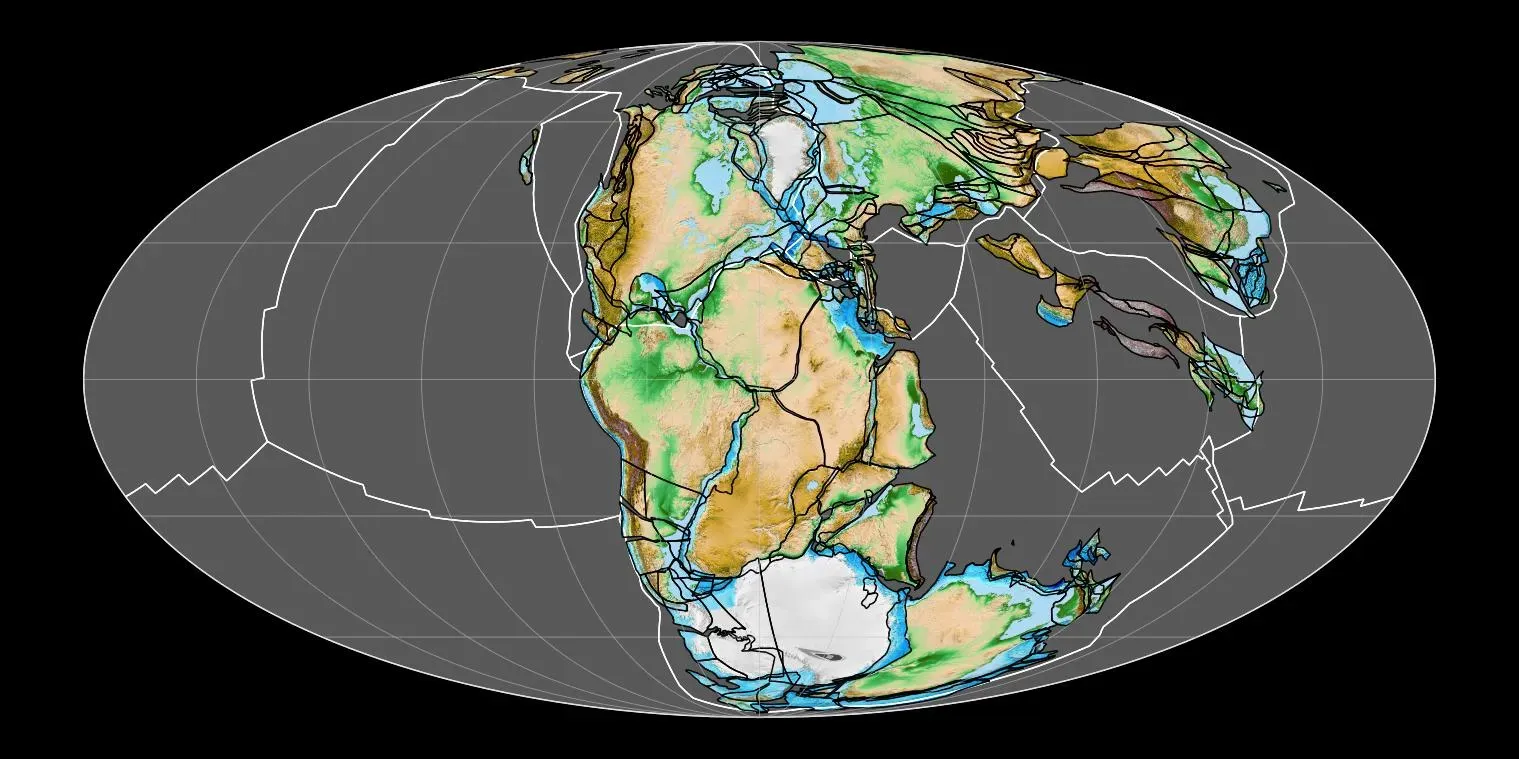
If you slide the continents on a globe back in time, you can literally fit pieces together, with the coastlines of South America and Africa nestling almost like puzzle parts. That visual match, alongside evidence from fossils and rock layers, helped scientists realize that continents are not fixed; they ride on rigid plates that slowly creep across Earth’s surface. This understanding is what you know as plate tectonics, and it turns the world map from a static picture into a living, moving system.
During the time of Pangaea, many of the land animals and plants you read about in books were distributed across a single huge landmass, crossing what are now oceans. When Pangaea began to split, those drifting fragments carried their unique cargo of life with them, which is one reason you find related fossils on continents now separated by wide seas. Today, you can still see the legacy of plate motion in the way the Atlantic Ocean continues to widen and the Pacific slowly shrinks. If you give the current plates enough time, they will eventually meet again and build a new supercontinent in the far future.
Mountains, Rifts, and Collisions: How Continents Keep Changing
Continents are not just drifting rafts; they constantly warp, crack, and crumple as plates interact. When two continents collide, neither one wants to easily sink because both are relatively light and thick, so they instead wrinkle upward to form huge mountain belts. You can see the result of one such collision in the Himalaya, where the Indian plate has been bulldozing into Eurasia and lifting rock miles into the sky. If you ever hike in an old mountain belt, you are literally walking on the remains of ancient plate collisions.
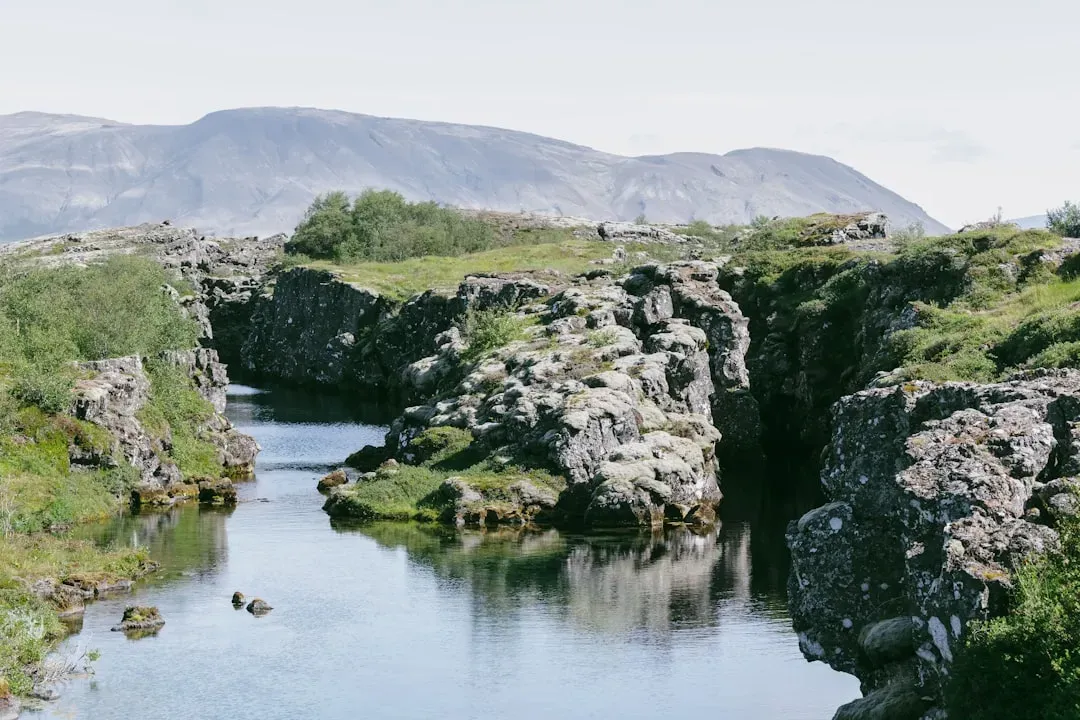
On the other hand, where a continent starts to pull apart, the crust stretches and thins, forming rift valleys that can later become new ocean basins. You can think of this like gently pulling apart a piece of bread: first cracks open, then gaps widen, and eventually you could pour “water” into the space between. Places like the East African Rift show you a modern example of a continent in the early stages of tearing itself into pieces. Over vast timescales, such rifts may grow into full oceans, sending once‑connected regions drifting to opposite sides of the globe.
Reading the Rocks: How You Reconstruct Ancient Worlds
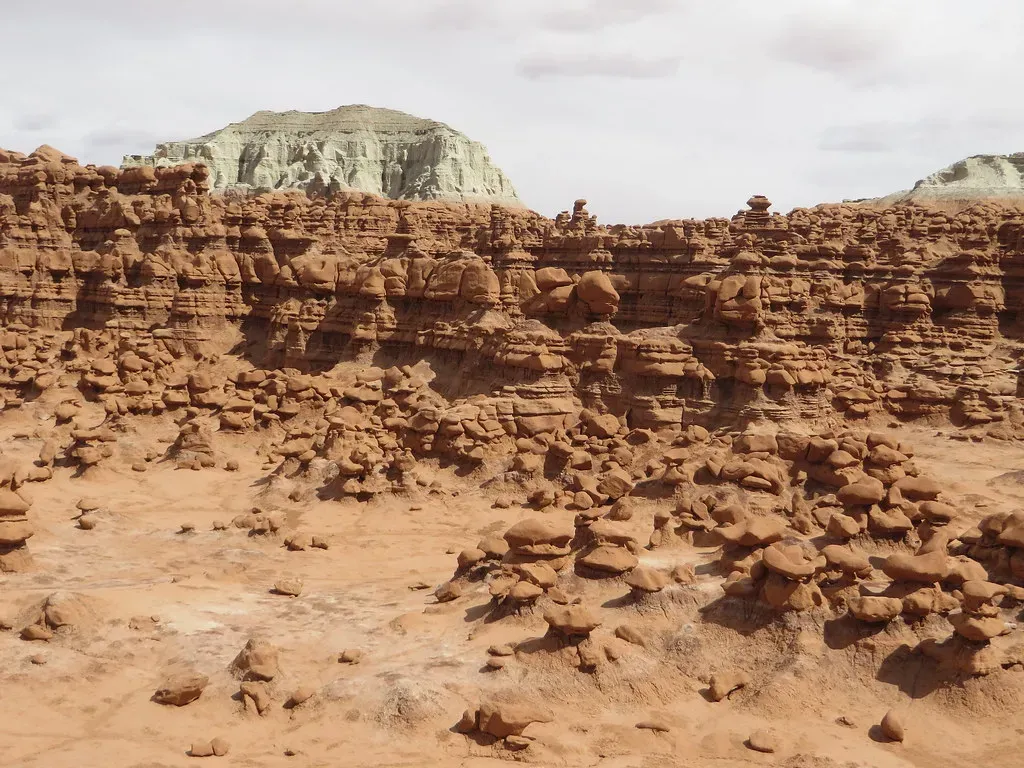
Even though you cannot travel back in time, you can still reconstruct the story of moving continents by learning to read the rocks beneath your feet. Certain minerals form only under specific pressures, temperatures, or chemical conditions, so they act like small time‑stamped clues. When you find the same types of rocks and fossils on widely separated continents, you can infer that those lands were once joined. The orientation of magnetic minerals in ancient rocks also records the direction of Earth’s magnetic field at the time they formed, helping you track how continents have wandered over the poles and equator.
Geologists also use radiometric dating to measure the ages of rocks with surprising precision, giving you a rough timeline for events like collisions, eruptions, or rifting. By combining these different types of evidence, you can build maps of past Earth that look wildly different from anything you see today. It is a bit like reconstructing a shredded document: no single scrap tells you the whole story, but together they reveal patterns that gradually make sense. When you realize how much can be recovered from old, battered rocks, the ground you walk on starts to feel more like a history book than just a solid surface.
The Future of the Continents: Your Moving Planet
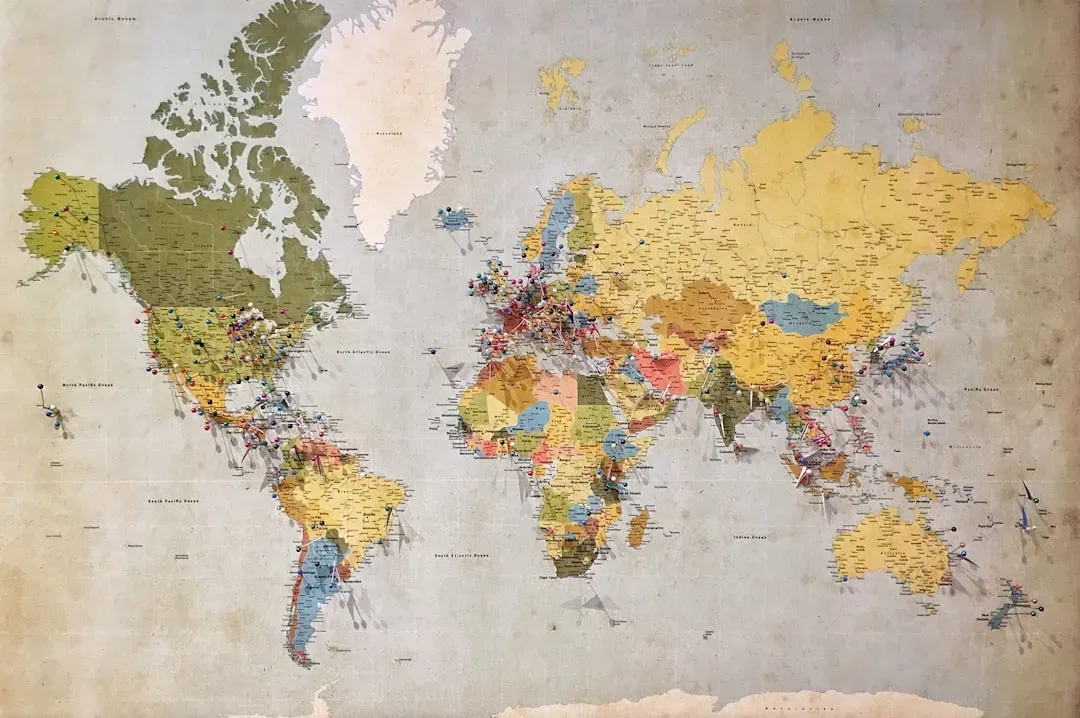
Right now, you live at just one snapshot in a long movie of shifting land and sea. The same forces that built ancient cratons, merged supercontinents, and tore Pangaea apart are still active today, sliding plates past each other by a few centimeters each year. That motion sounds tiny, but over tens of millions of years it adds up to full ocean widths. If you could see a time‑lapse of the next few hundred million years, you would likely watch the Atlantic change shape, the continents re‑cluster, and new mountain ranges rise where today there may be only plains or coastlines.
Different scientific models offer possible future supercontinent scenarios, with names that hint at their imagined layouts, but they all agree on one basic point: the map you know is temporary. Where you now see familiar boundaries, future generations might find a central landmass stretching from pole to pole or a giant continent mostly clustered around today’s Northern Hemisphere. The details remain uncertain, but the overall lesson for you is clear: Earth’s surface is not finished evolving. You are simply lucky enough to witness one chapter in a story that began long before humans and will continue long after.
When you step back and think about it, continents are not just shapes on a classroom globe; they are the visible expression of deep, relentless activity inside your planet. The crust beneath your feet has been cooked, crushed, stretched, drowned, and resurrected more times than you can easily imagine, yet it still manages to support oceans, life, and entire civilizations. If you could follow a single grain of sand back through its history, you might trace it through vanished mountain chains, long‑lost beaches, and ancient supercontinents now torn apart. Knowing that, does your everyday world feel a little less still and a lot more alive than you expected?