If you could step into a time machine and dive into the oceans of hundreds of millions of years ago, you probably would not recognize a single thing around you. Instead of dolphins and tuna, you’d be surrounded by nightmare armor-fish, spiraling shells the size of cars, and squid-like hunters with jaws like bolt cutters. The prehistoric ocean was less like a relaxing beach vacation and more like a surreal, alien battlefield where evolution kept trying bizarre experiments just to see what would survive.
As you explore these ancient seas, you start to notice something even more unsettling: the water holds secrets you still have not fully uncovered. Fossils tease you with half-told stories, strange tooth marks, and bones scattered in layers of rock. You know enough to be amazed, but not enough to stop wondering what lurked in the darkness between the facts. That’s where the real magic of prehistoric ocean life lives: in the boundary between what you can prove and what you can only imagine.
1. The First “Monsters” Lived In A World With Almost No Land Life
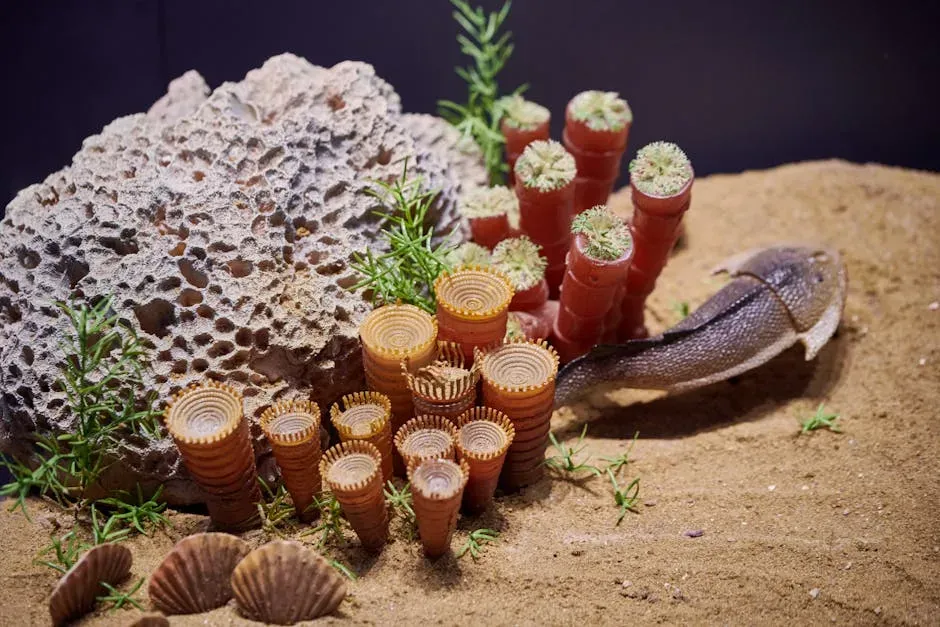
When you picture prehistoric life, you might jump straight to dinosaurs trampling through forests, but the real action started in the oceans long before that. If you travel back more than five hundred million years, you’re in a world where land is basically a barren wasteland and the ocean is already bursting with weird, complex creatures. You’d see some of the first animals with hard shells and armor, which suddenly made biting and crushing a new evolutionary game.
In this early ocean, you are not just swimming among simple blobs; you’re watching a biological arms race unfold in slow motion. As soon as one creature evolves a shell, another develops better claws, spines, or teeth to crack it. You’re seeing the roots of what you now think of as “predator” and “prey” for the very first time. The surprising part is that all of this drama is happening while the land above you is almost completely empty, waiting its turn.
2. Some Ancient Fish Were More Heavily Armored Than Modern Tanks
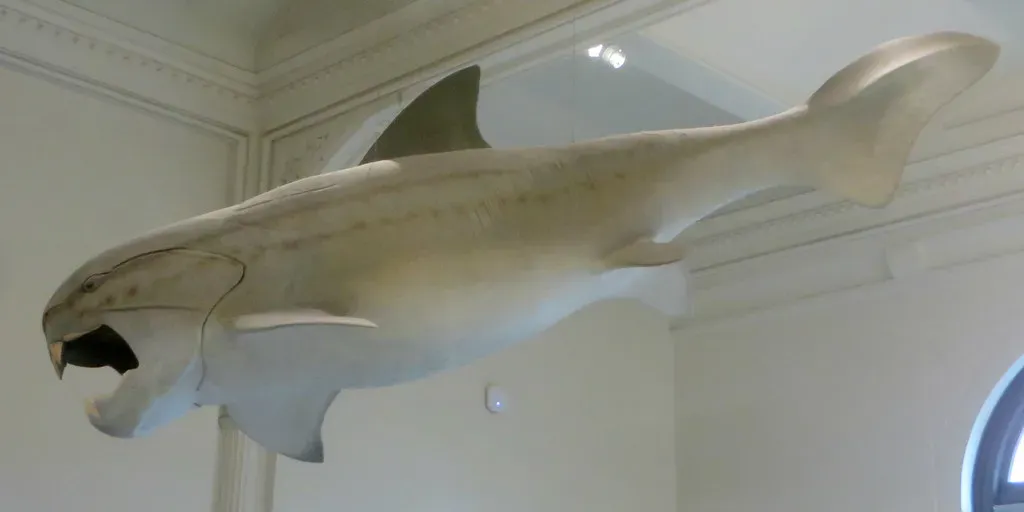
If you met Dunkleosteus in the water, you would probably never forget it – assuming you survived. This prehistoric fish, which lived roughly in the Late Devonian period, grew as long as a small bus and carried heavy plates of bone over its head and shoulders like natural armor. Instead of typical teeth, it had sharp bony edges that acted like giant shears, able to slice through flesh and bone with terrifying force.
When you imagine swimming near this thing, you can almost hear the crunch of its jaws echo through the water. You are not dealing with a sleek shark; you’re dealing with something closer to a swimming melee weapon. Fossil studies suggest it could bite with a force you’d associate with large modern predators, making you realize that the idea of “extreme bite power” is not just a modern shark specialty. Here, in this armored fish, you see a very early example of how far evolution will push raw destructive power when the ocean becomes a battlefield.
3. The Largest Animals That Ever Lived Were Ocean Giants
When you think of the word “giant,” you might picture sauropod dinosaurs reaching for treetops, but the true heavyweight champion of size is in the ocean. You share your planet today with blue whales that can stretch longer than a basketball court and weigh more than any known dinosaur. That simple fact should shift how you see the ocean: it still hosts the most massive life forms that have ever existed.
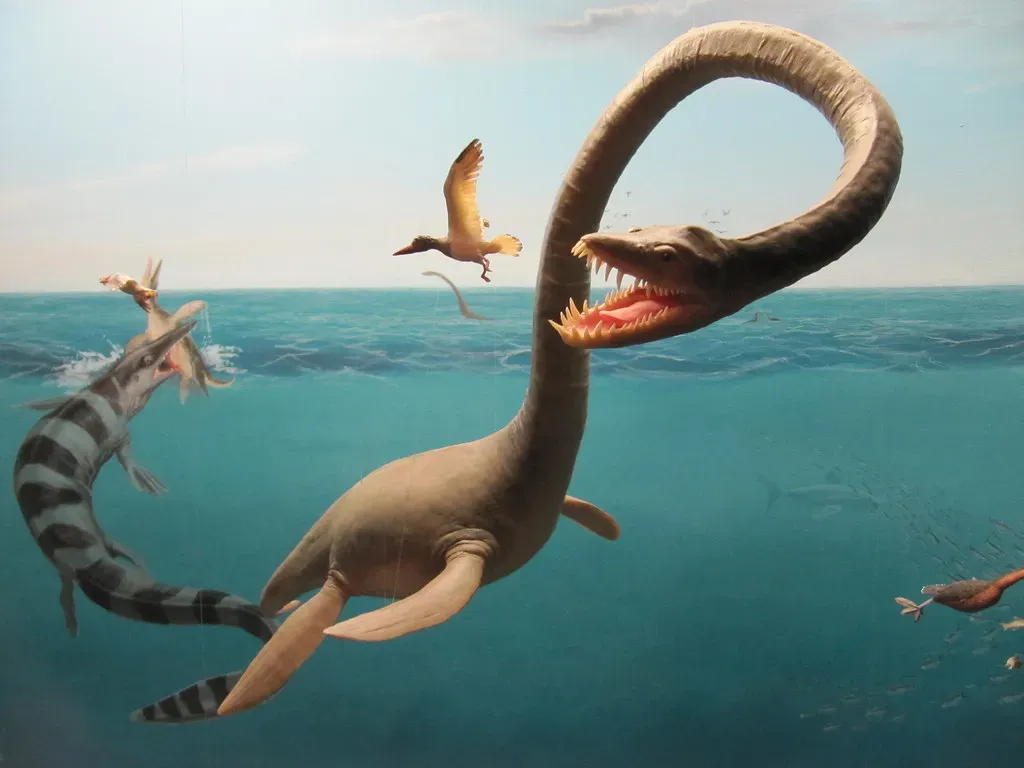
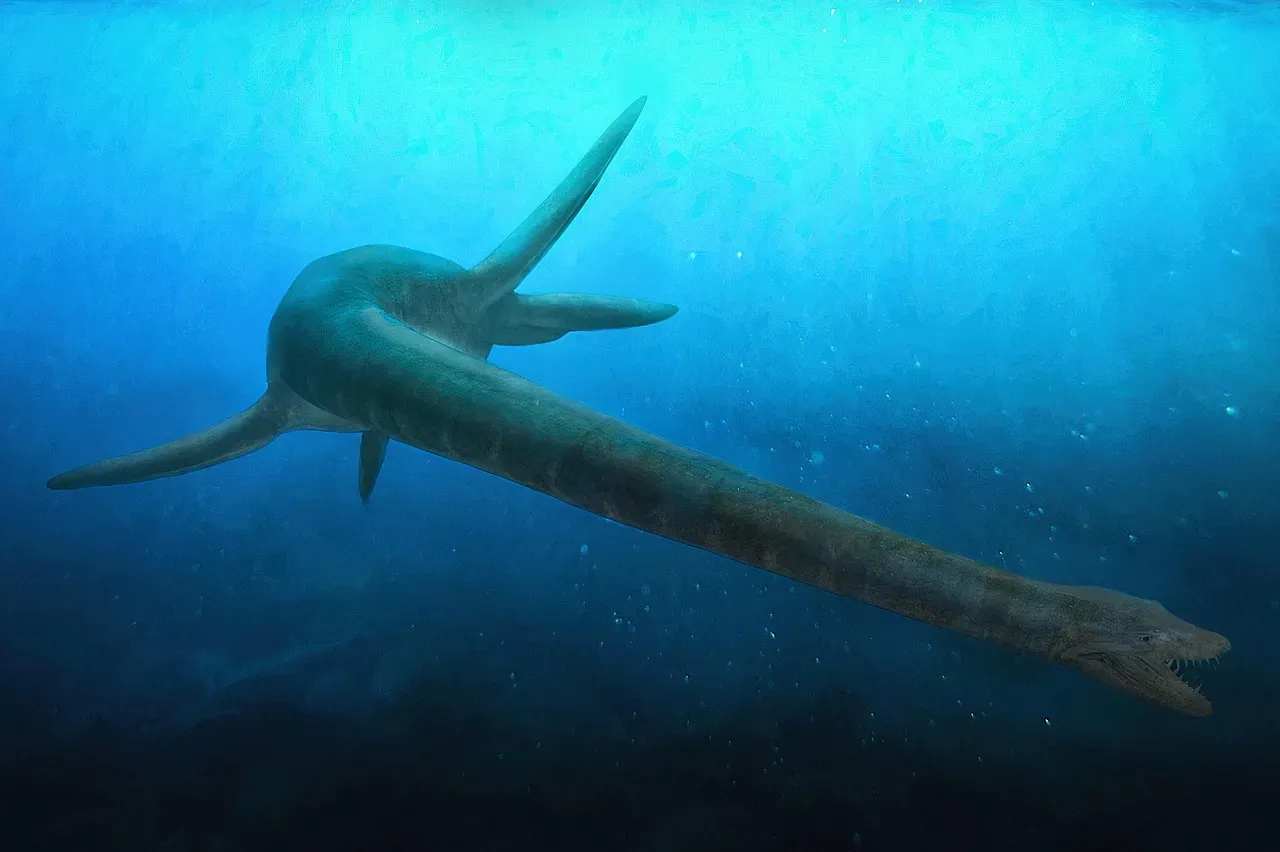
Now imagine rolling the clock back to prehistoric seas, where giant marine reptiles, huge sharks, and massive filter feeders also roamed the water. Even if some of those ancient creatures were smaller than today’s blue whales, they still turned the ocean into a realm of giants you’d feel tiny inside. From colossal long-necked plesiosaurs to enormous early whales, you would feel like a kayaker drifting between slow-moving submarines. The scale of life at sea has repeatedly pushed the limits of what a body can be and still move, breathe, and eat.
4. Megalodon Was Not Just A Bigger Shark – It Ruled An Entire Food Web
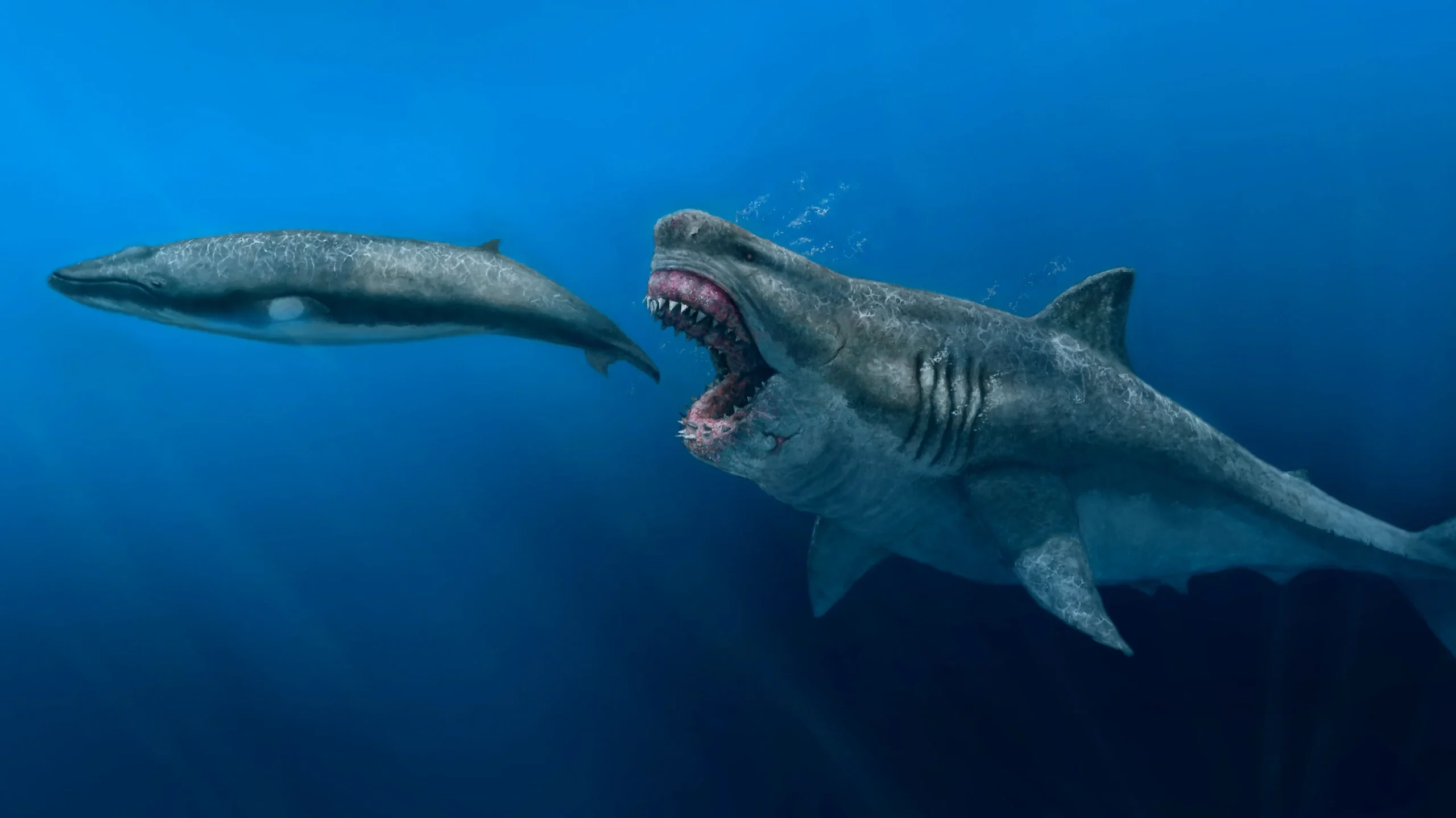
You have probably seen the name Megalodon thrown around like it was just an oversized great white, but that does not really do it justice. You’re talking about a shark that may have reached lengths longer than many city buses and carried jaws wide enough for you to stand inside with room to spare. Its teeth, some as big as your hand, are scattered across beaches and seafloors, silent reminders of a predator that hunted whales instead of fish.
When you picture Megalodon hunting, you’re watching something that controlled its environment in a way very few animals ever have. You might see it targeting the fatty, energy-rich parts of early whales, changing how whale populations and even ocean ecosystems were structured. Its disappearance several million years ago did not just remove a big shark from the map; it probably reshaped entire food webs. You are looking at an example of how a single gigantic predator can influence everything around it, top to bottom.
5. Some Marine Reptiles Gave Birth In The Water Like Whales Do Today
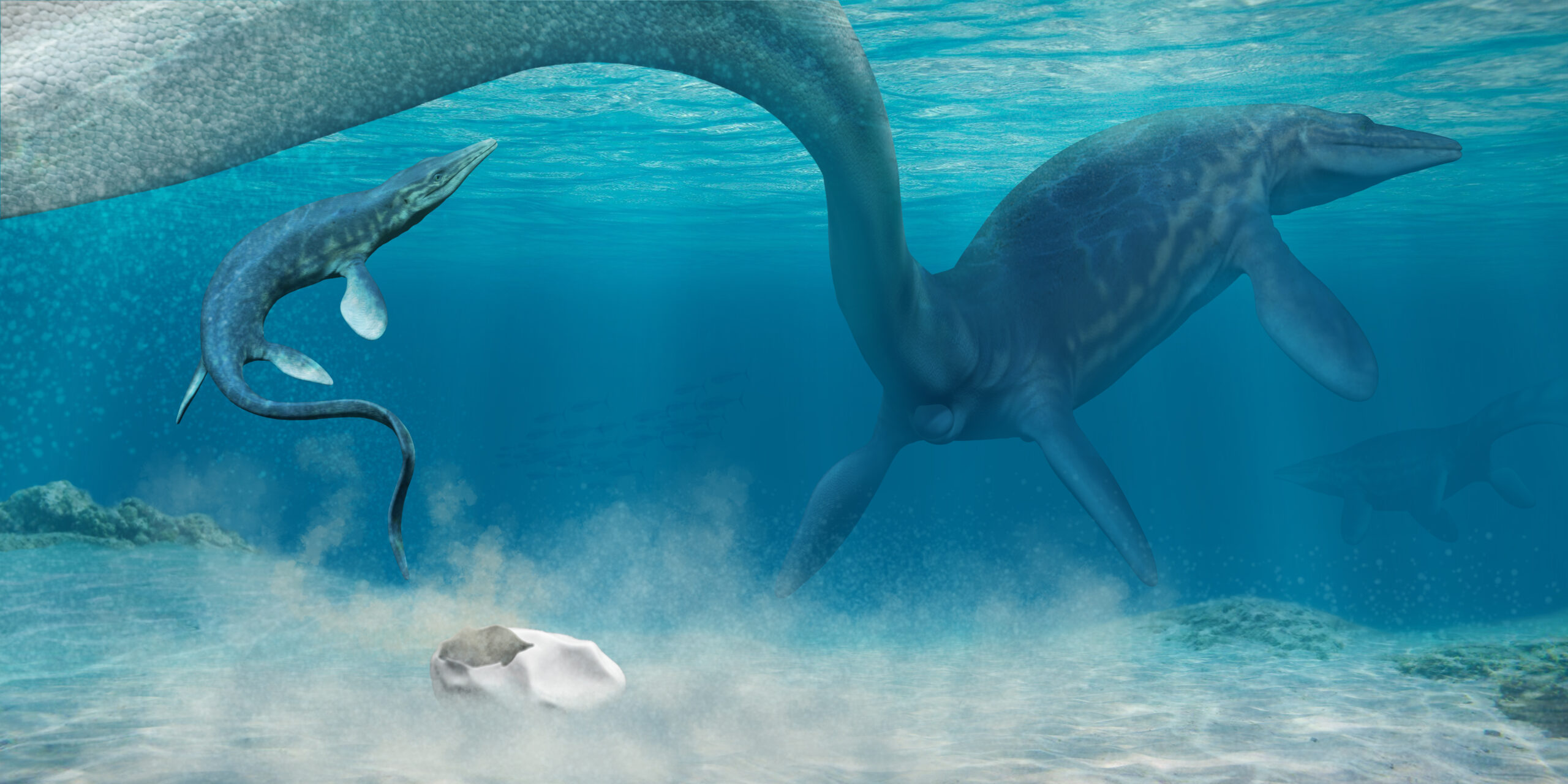
It is easy to assume that anything reptilian had to drag itself onto a beach to lay eggs, but you would be wrong if you applied that rule to many prehistoric marine reptiles. When you look at certain fossils of creatures like ichthyosaurs, you sometimes find tiny skeletons preserved inside the body cavity or even halfway out, frozen in the act of birth. That tells you something remarkable: these animals were giving live birth in the water, not laying eggs on land.
Once you realize this, you start seeing them less like crocodiles and more like a strange blend of reptiles and dolphins in behavior. You imagine a pregnant ichthyosaur rising toward the surface, giving birth to a fully formed, swimming baby that has to fend for itself almost immediately. This shift to live birth lets these creatures spend their entire lives in the ocean, never needing to crawl onto a beach. In that decision, you see a powerful commitment to the sea, similar to what you see in modern whales and dolphins.
6. Ancient Cephalopods Were The Original Tentacled Terrors
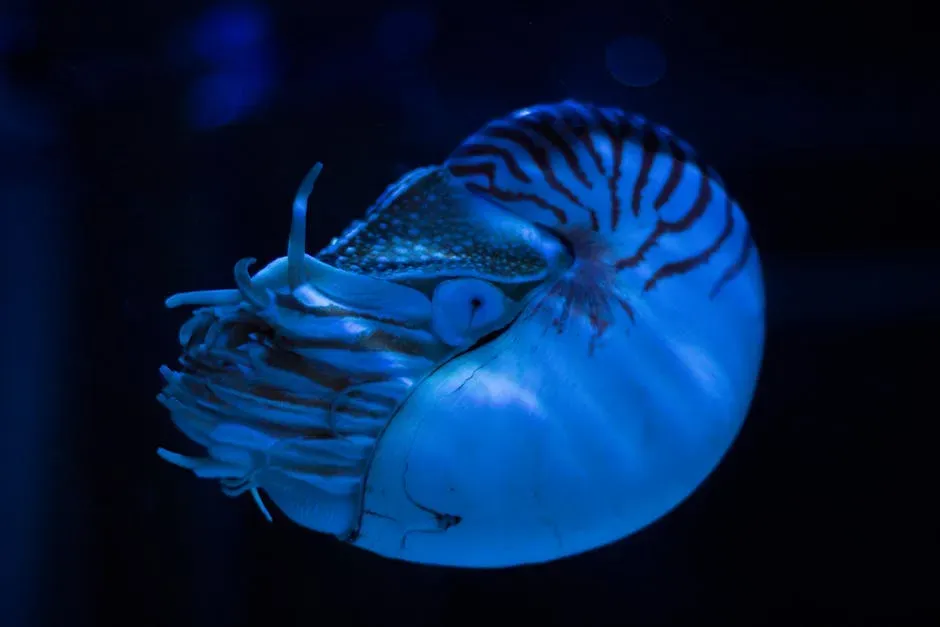
Long before you had giant squids lurking in the deep, you had prehistoric cephalopods ruling the water column in their own strange way. Many of them had long, straight or tightly coiled shells, some reaching lengths that would make you feel like a tiny scuba diver next to a train car. Inside that shell lived a squid-like body with tentacles that could grab and manipulate prey, making these animals surprisingly versatile hunters.
As you drift past a fossil-rich ancient seafloor in your imagination, you can almost see these shelled cephalopods cruising like slow, silent torpedoes. Some may have floated motionless, using gas-filled chambers in their shells to adjust buoyancy, then striking when prey came near. Others likely actively swam, tentacles fanning out like a living net. When you look at their modern relatives – squids, octopuses, and cuttlefish – you’re really seeing the surviving branch of a much older, once-dominant group of ocean experimenters.
7. The Oceans Survived Multiple Mass Extinctions – But Barely
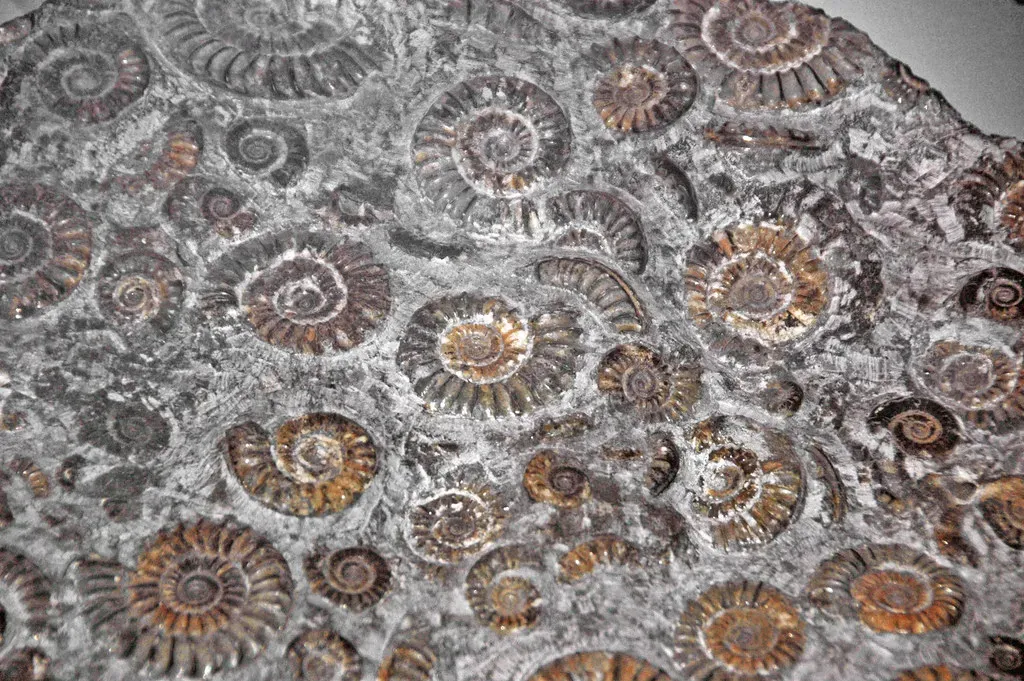
You may think of the ocean as stable and eternal, but prehistoric history shows you just how fragile it can be. Over the last hundreds of millions of years, the planet went through several mass extinction events where a huge chunk of marine species vanished in a relatively short geological time. At the end of the Permian period, for example, most marine life disappeared, leaving the seas eerily quiet compared to the bustling ecosystems they once were.
When you picture this, you’re staring at empty coral reefs, ghostly shells, and entire groups of animals that never return. But if you fast-forward a few million years, new life has started to spread again, filling the empty roles left behind. Fish diversify, corals reappear in new forms, and predators reinvent themselves. You’re watching the ocean reset and reboot multiple times, reminding you that what feels permanent today is really just one temporary chapter in a long, turbulent story.
8. Fossil Lagerstätten Give You “Time-Capsule” Snapshots Of Ancient Seas
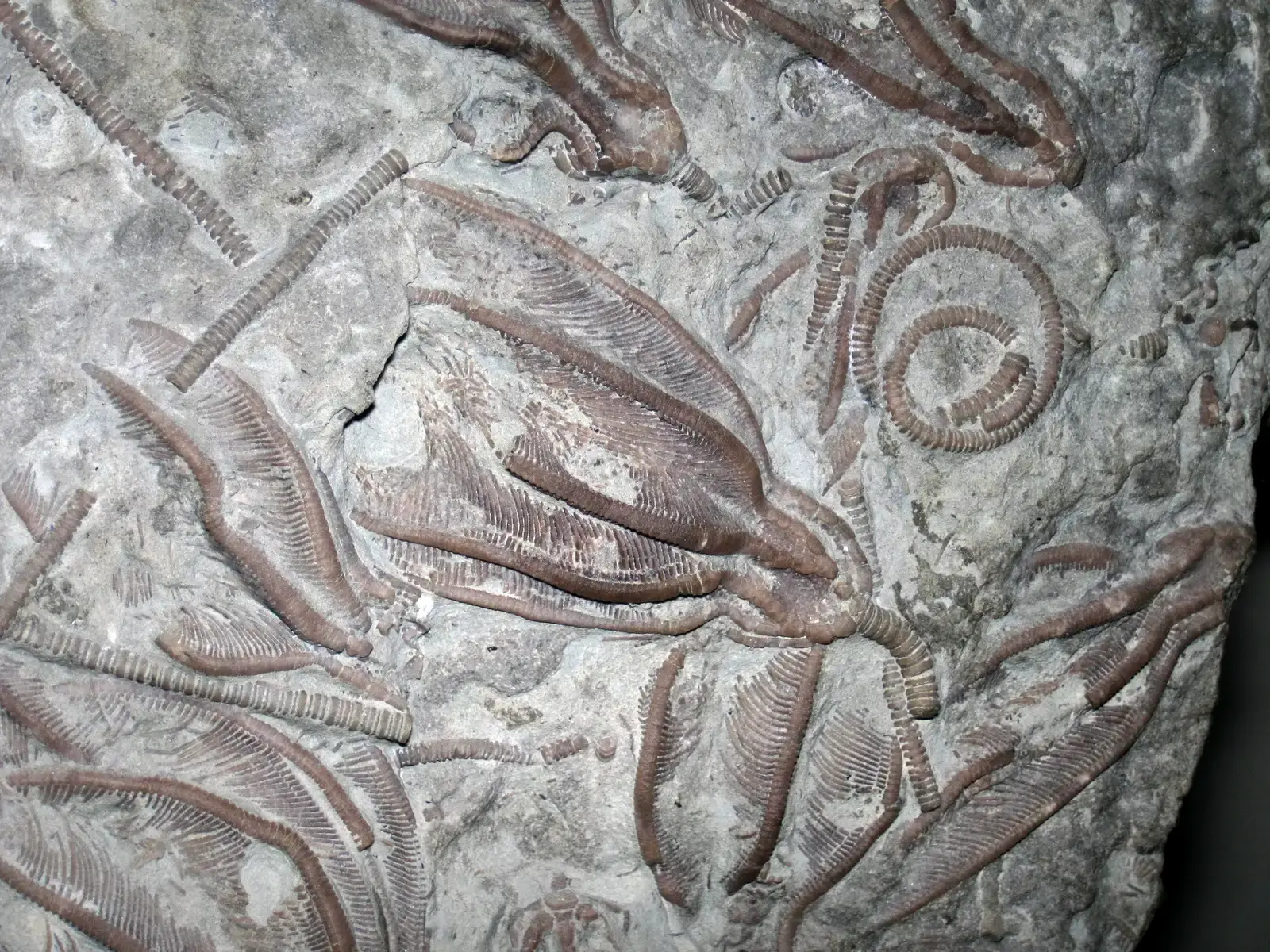
Most of the time, fossils only tell you part of the story: a tooth here, a shell there, maybe a scattered skeleton if you are lucky. But every so often, you discover a place where conditions were perfect for preserving fine details, down to soft tissues, stomach contents, or delicate fins. These rare sites, known as exceptional fossil deposits, act like time capsules that let you peek into entire ancient ecosystems at once.
When you look at slabs of rock from these locations, you’re not just seeing isolated animals; you’re seeing how they lived together. You might find fish frozen mid-swim, jellyfish imprinted like ghostly disk shapes, or small creatures preserved in such detail that you can make out their eyes or internal organs. Suddenly, your mental picture of prehistoric ocean life sharpens dramatically. You are no longer guessing what things might have looked like; you are reading a snapshot of a vanished world, pressed flat in stone.
9. Many “Sea Monsters” Were Air-Breathers, Not Fish
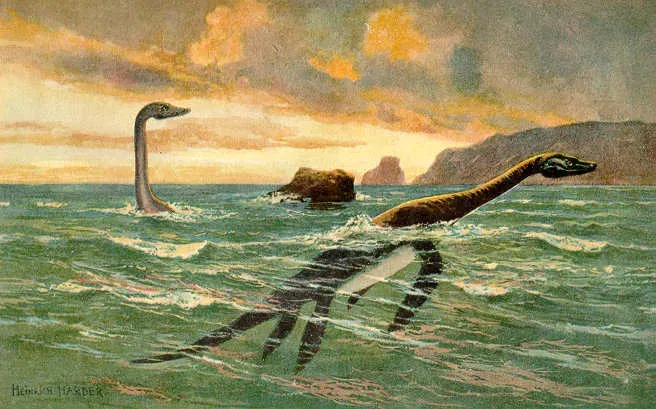
When you first see illustrations of marine reptiles like plesiosaurs, mosasaurs, or pliosaurs, you might instinctively lump them in with giant fish. But if you followed one to the surface, you would watch it break the water to breathe air, more like a modern seal or whale than a shark. These animals used flippers, not fins, and many of them bore live young or relied on air in ways that tie them closer to life on land.
Once you realize this, the prehistoric sea starts to look layered in a new way. You have true fish and sharks filling one part of the puzzle, while these air-breathing reptiles cruise the upper levels as fast, agile predators. Some hunted along coastlines, others ventured into deeper open water, but all of them had to juggle hunting with regular trips to the surface. You’re watching a world where the boundary between land and sea is constantly being tested and blurred by animals pushing in both directions.
10. Huge Mysteries Still Lurk In The Gaps Of The Fossil Record
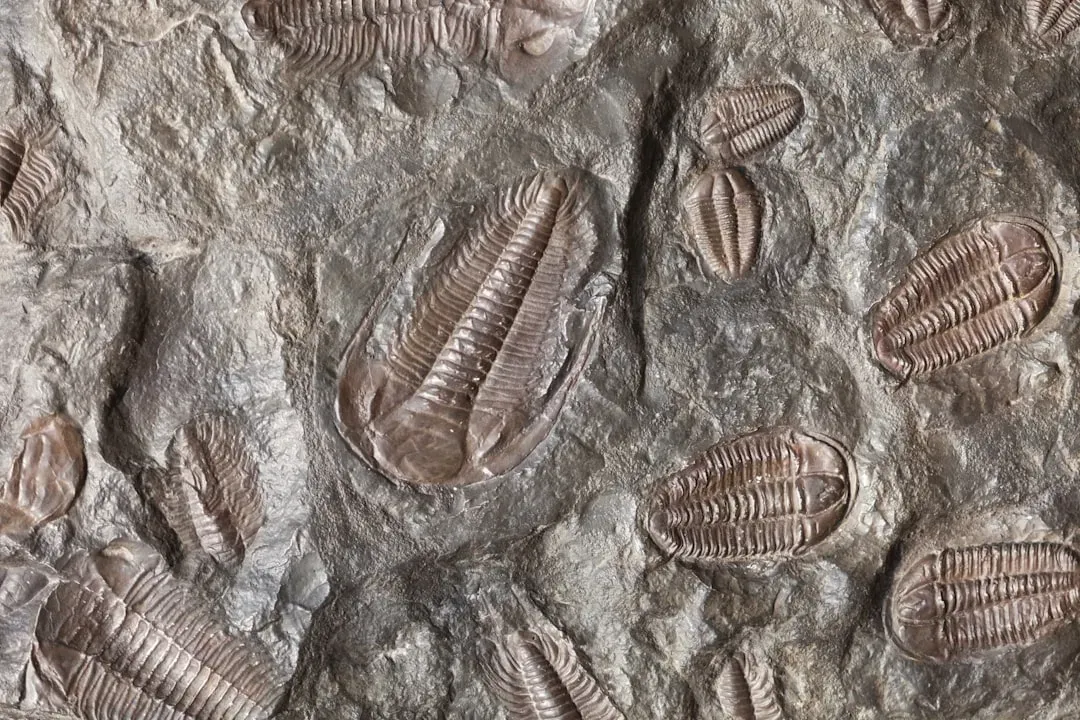
For all the impressive fossils you can hold in your hand, you are still working with a painfully incomplete archive of ancient life. Most creatures that ever lived never fossilized at all, and even when they did, their remains might have eroded away long before you arrived. Whole lineages may have risen and fallen in the oceans, leaving behind almost nothing you can recognize today. That is a humbling thought when you start feeling like you know the full story.
You see clues that hint at missing monsters and strange behaviors: tooth marks on bones from predators you cannot identify, mysterious bite patterns on shells, or deep-sea sediments that suggest large animals were living far below the sunlight. You also know that soft-bodied creatures, deep ocean dwellers, and tiny fragile animals are less likely to leave clear traces. So when you stare out at the modern ocean, you’re not just seeing what is here now; you’re also looking at the stage where countless vanished creatures once swam in total darkness to you. The biggest mystery may be this: how much of that world will you ever truly recover?
Conclusion: The Ancient Ocean Is Still Whispering To You
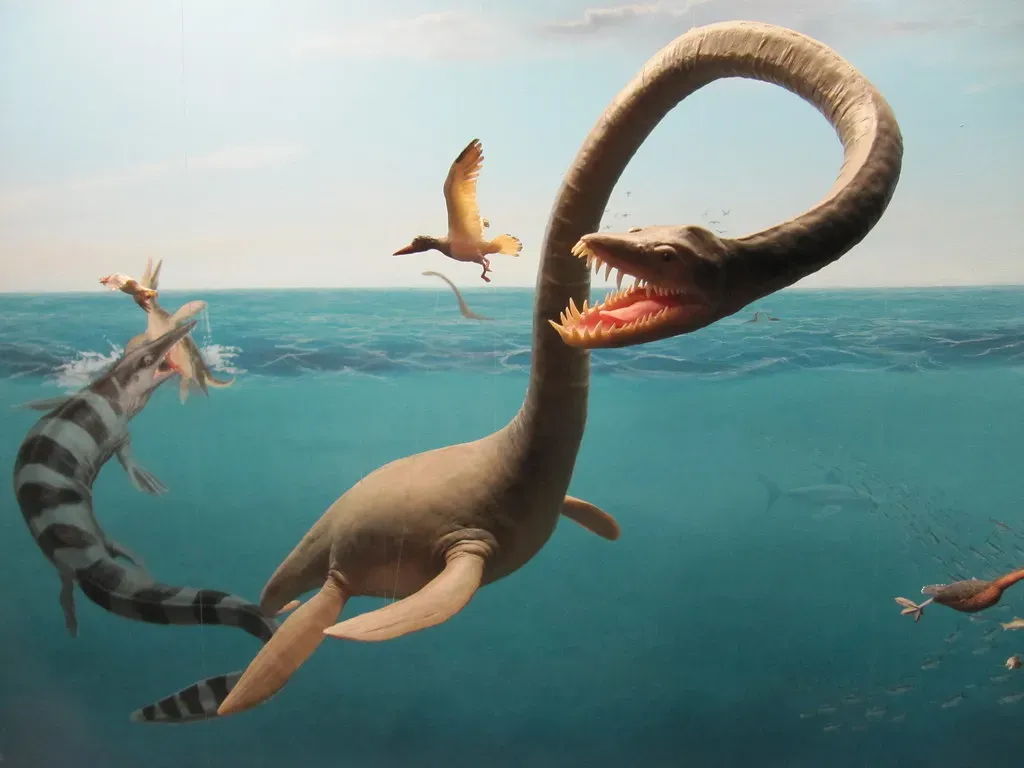
When you step back from all of this, you realize that the prehistoric ocean is not just a museum of strange creatures; it is a mirror that shows you how wild and experimental life on Earth can be. You see armor-plated fish, live-bearing reptiles, supersized sharks, and tentacled hunters, all rising and falling through cycles of disaster and recovery. The waves you watch today are rolling over the graves of entire worlds you barely understand, and yet pieces of those worlds still swim beside you in the form of whales, sharks, squids, and corals.
If you let that sink in, your next trip to the beach feels different. You are not just looking at blue water and gentle waves, you are standing at the edge of the oldest, most dramatic stage life has ever had. Somewhere beneath the surface, the descendants of ancient survivors are still playing out the same struggle for food, safety, and space that began hundreds of millions of years ago. So the next time you see the horizon over the sea, you might find yourself wondering: how much of that ancient story is still hidden out there, waiting for you to uncover it?