You probably know the celebrity dinosaurs already: Tyrannosaurus, Triceratops, maybe Velociraptor. But the real story of ancient Earth was held together by a quieter cast of characters you almost never see on T‑shirts. These were the ecosystem engineers, the long-distance commuters, the soil makers, and the herd builders that made it possible for the famous predators and giants to exist in the first place.
When you start looking at these lesser-known dinosaurs, you see something surprising: ancient ecosystems worked a lot like modern ones. For every apex predator, there were many more plant eaters, specialists, and weird in‑between creatures quietly doing the hard ecological work. As you walk through these eight unsung heroes, you’ll not only meet some strange animals, you’ll also get a clearer sense of how life on Earth actually holds itself together – then and now.
1. Hypsilophodon: The Nervous Gardener of the Cretaceous
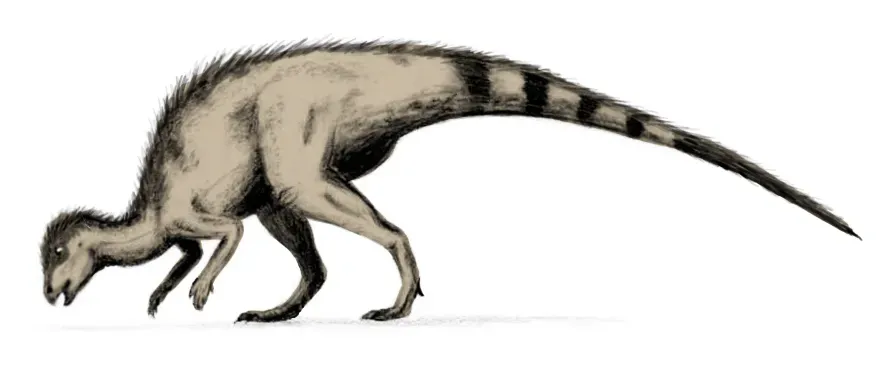
You can think of Hypsilophodon as the small, fast, slightly anxious gardener of its world. You would have seen it darting through undergrowth in what is now Europe, only about the size of a large dog, built for speed and constant vigilance. Instead of giant horns or massive claws, it relied on sharp senses and quick legs, probably living in groups and staying close to vegetation where it could vanishingly disappear if danger appeared.
Ecologically, you’d recognize Hypsilophodon as something like a mix between a gazelle and a rabbit: always nibbling, always watching, always ready to sprint. By constantly feeding on low plants, it likely helped prune vegetation, encouraging new growth and shaping plant communities without ever “meaning” to. In doing that, it turned leaves into energy that then flowed up the food chain to predators, scavengers, and even decomposers. You might be tempted to overlook a little dinosaur like this, but you’re really looking at one of the basic engines that kept the whole ecosystem running.
2. Iguanodon: The Original Multi-Tool Herbivore
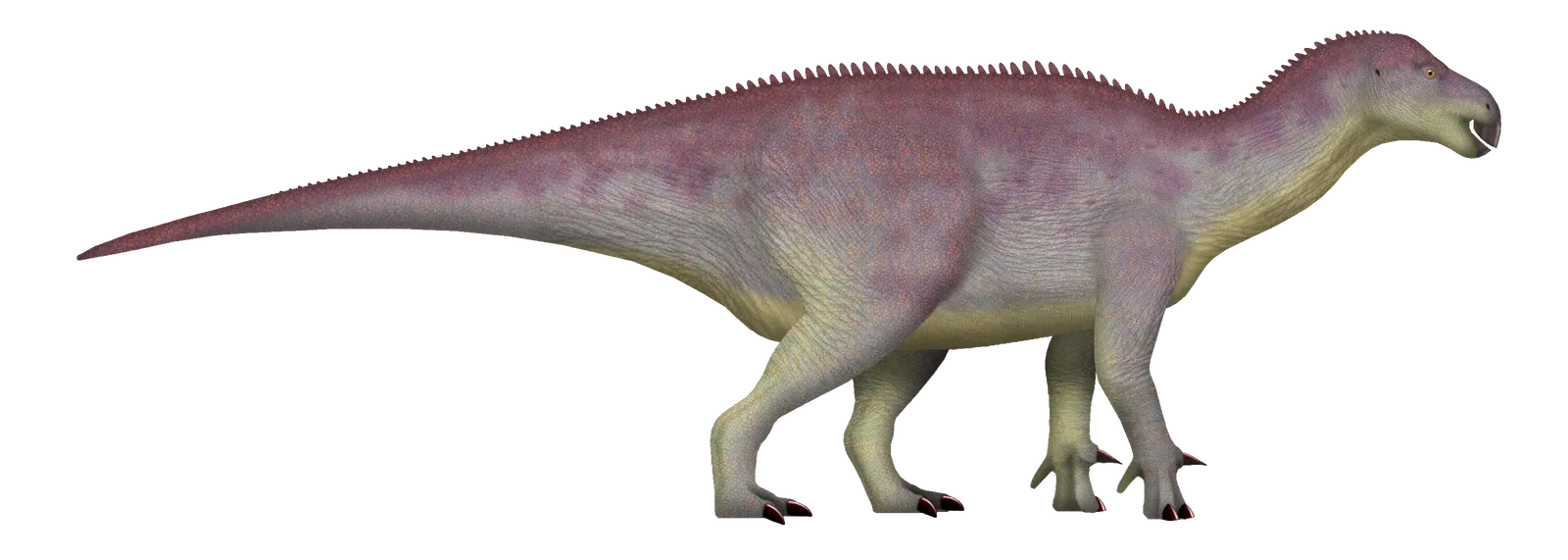
When you meet Iguanodon, you’re not looking at a niche specialist; you’re looking at one of the first truly successful “generalist” large herbivores. You’d see a hefty animal as long as a bus, with strong hind legs, the option to walk on all fours, and a beak and battery of grinding teeth designed to tackle a wide range of plants. It’s not as flashy as a Triceratops, but in its own time, Iguanodon was everywhere across what is now Europe and beyond.
From your perspective, that adaptability matters more than any dramatic battle scene. A dinosaur like Iguanodon could exploit different plant types and heights, move across varied landscapes, and likely live in herds that reshaped vegetation on a large scale. By cropping and trampling vast areas, it would have opened spaces for new plants, influenced where forests versus open areas formed, and created pathways and clearings that other animals, smaller dinosaurs, and early mammals could use. You’re seeing an ecosystem shaper, not just a big plant eater.
3. Maiasaura: The Dedicated Parent That Built Dinosaur Suburbs
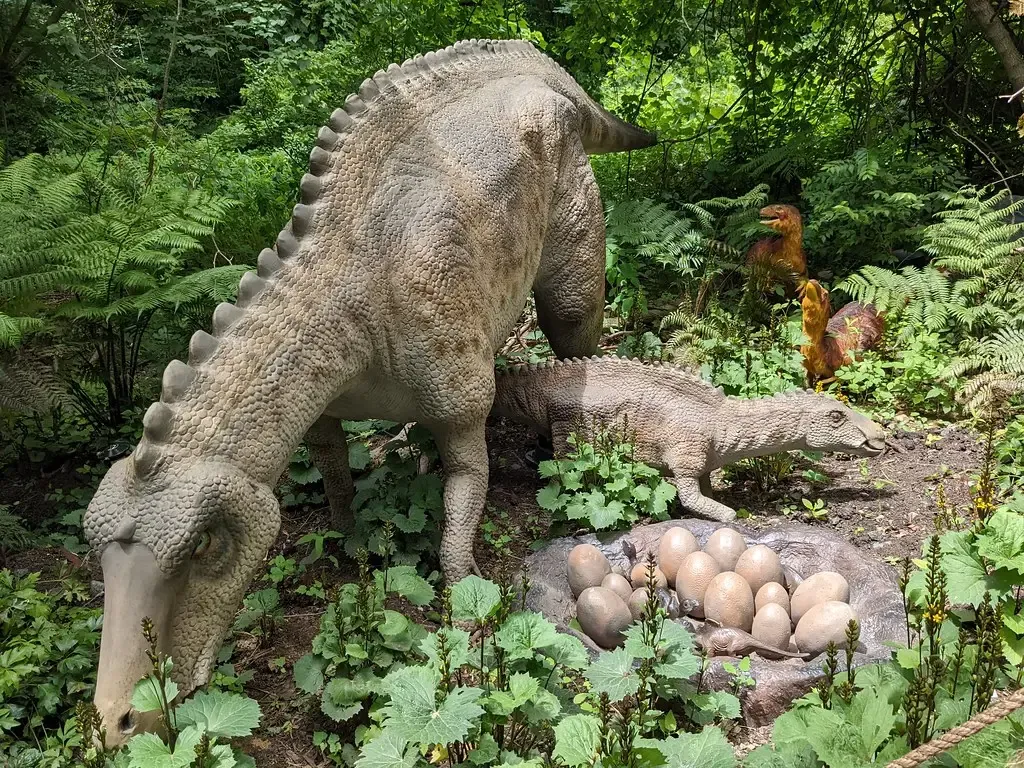
If you walked into a Maiasaura nesting ground, you might feel like you’d stepped into a prehistoric suburb. You’d see rows of nests, each one carefully arranged, filled with eggs or hatchlings, all clustered together in what looks like a noisy neighborhood. Evidence from fossils suggests that this dinosaur cared for its young, bringing food back to the nest and protecting them as they grew, rather than just abandoning the eggs and wandering off.
For an ecosystem, that kind of parenting changes everything. When you have colonies of nesting herbivores returning to the same sites year after year, they churn up soil, enrich it with nutrients, and reshape entire patches of landscape. You get concentrated areas of dung, trampled ground, and leftover food that feed insects, microbes, and scavengers. In other words, Maiasaura did not just raise babies; it unintentionally built ecological hotspots where life of all kinds could thrive, much like seabird colonies do today.
4. Stegosaurus: The Walking Solar Panel and Plant Pruner
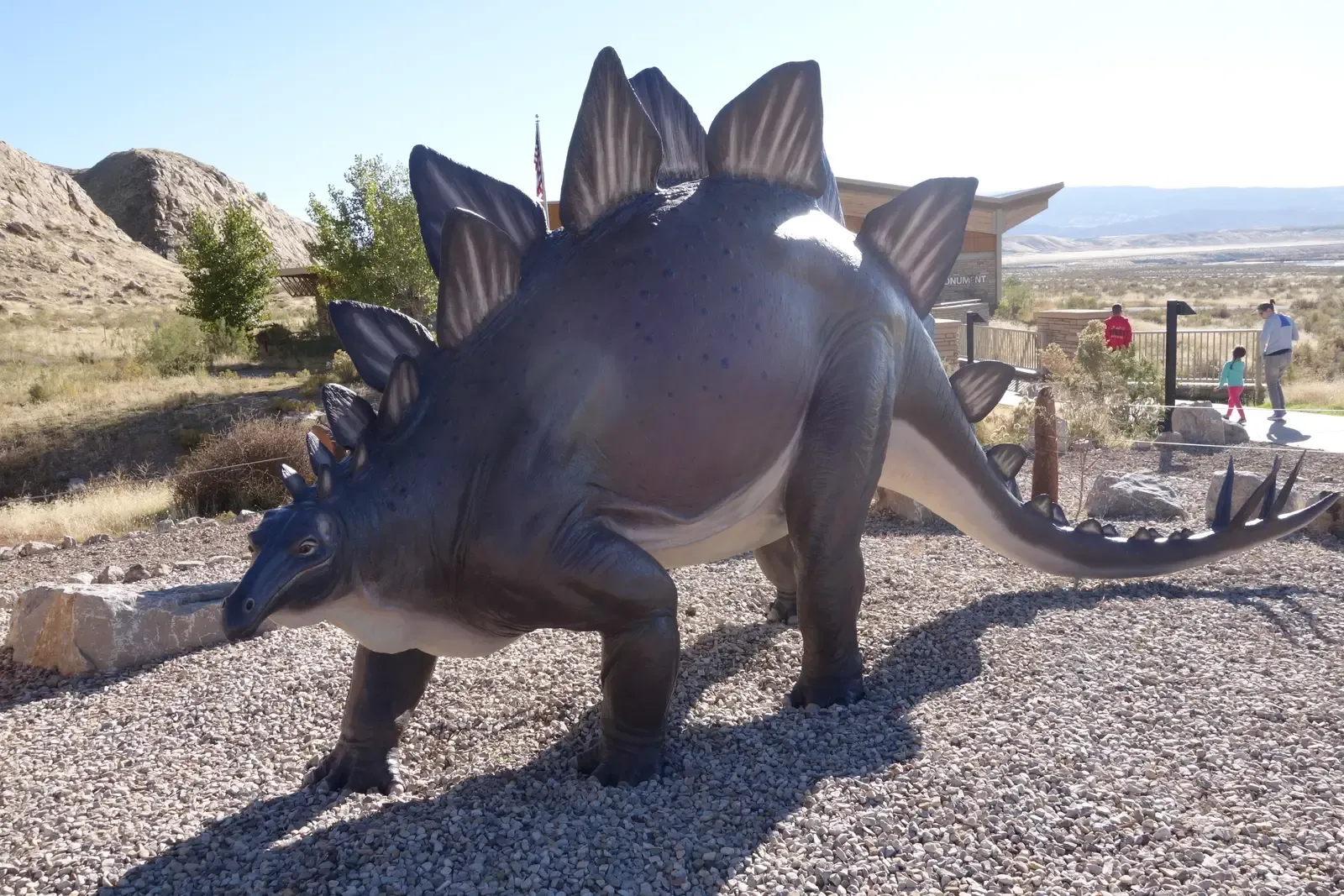
Stegosaurus may look familiar, but you’re usually told about it as a visual oddity instead of an ecological player. When you picture it moving slowly through Late Jurassic woodlands, with its double row of plates and spiked tail, you might assume it was just a passive background character. But if you watch more closely, you’re really looking at a large, selective browser that specialized in mid-height vegetation and low shrubs, snipping plants that taller sauropods might ignore.
By feeding at that level, you can imagine Stegosaurus working like a living hedge trimmer. It would have helped control certain plant types while leaving others to flourish, subtly steering which species dominated in different patches of forest. Its massive body and constant movement would also have broken branches, opened light gaps, and stirred up soil, fostering new growth. On top of that, the sheer volume of plant material passing through its digestive system helped cycle nutrients, much like large elephants and rhinos do in modern savannas.
5. Plateosaurus: The Early Giant That Tested the Limits
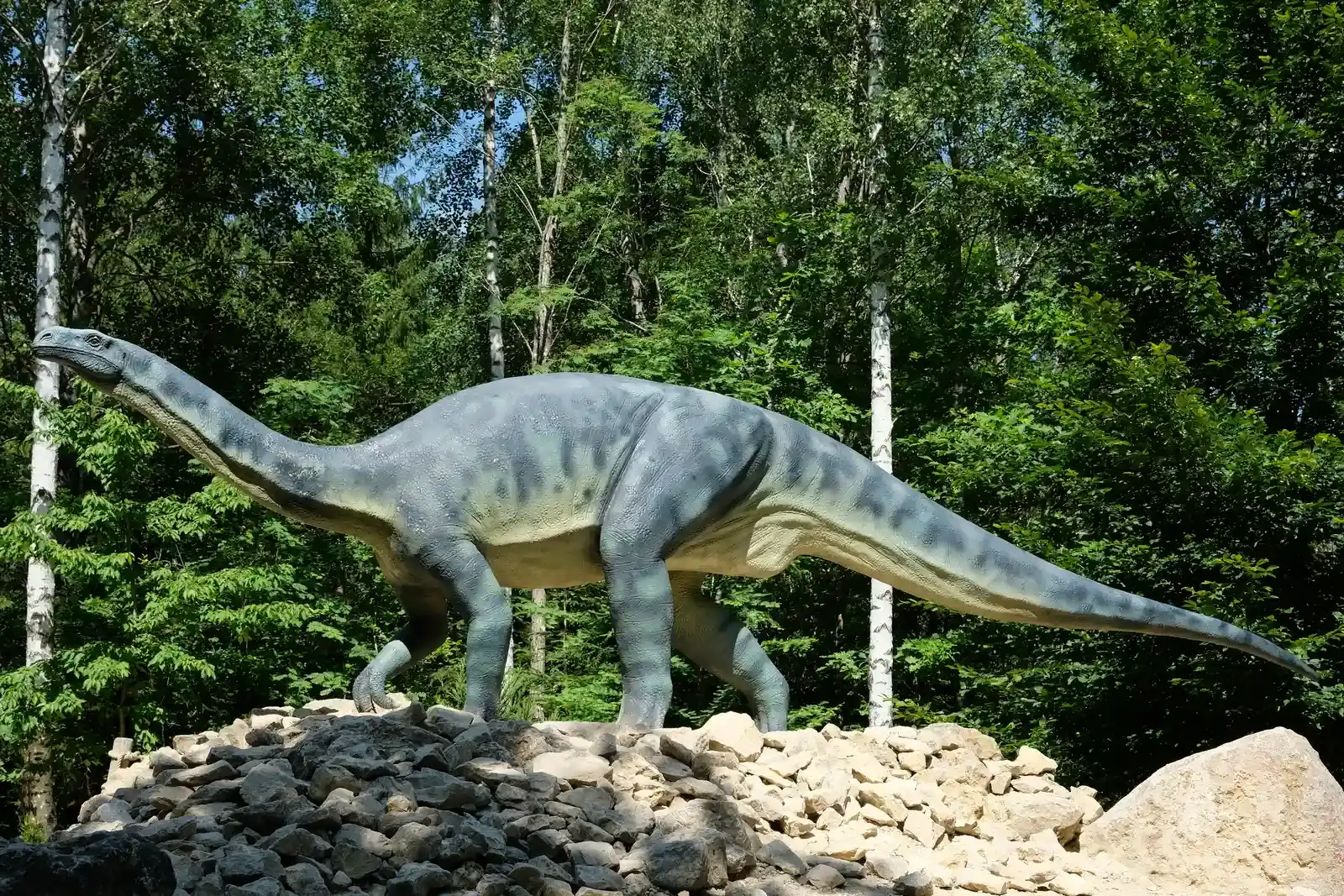
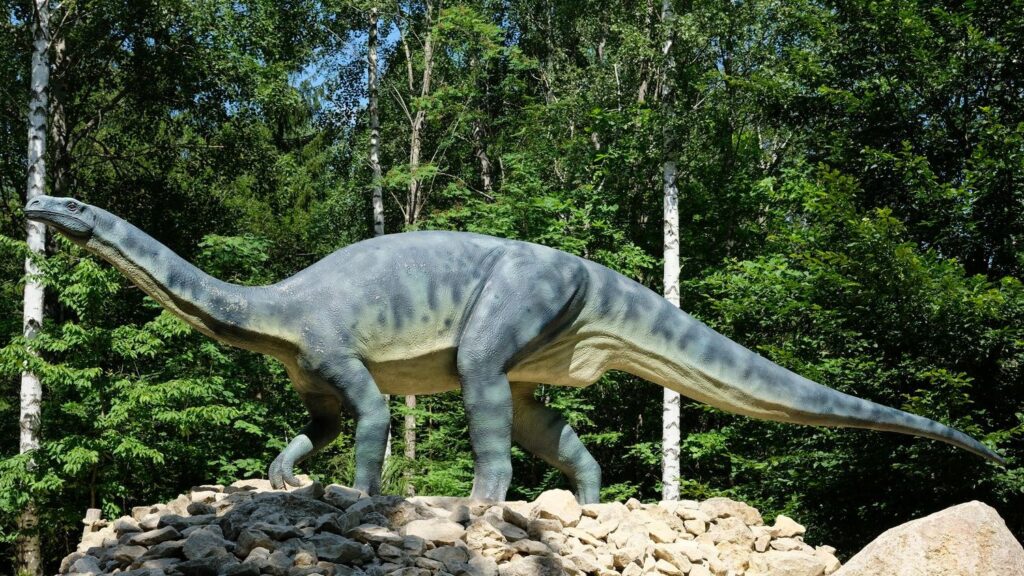
When you encounter Plateosaurus, you’re stepping back to an earlier chapter, long before the truly enormous sauropods ruled the scene. You’d be looking at one of the first big herbivorous dinosaurs, living in the Late Triassic, an era when ecosystems were still figuring out what large-bodied plant eaters could be. Plateosaurus was flexible in posture, capable of walking on two or four legs, and it occupied a size range that pushed what the landscape had previously supported.
From your ecosystem point of view, Plateosaurus was an experiment in scaling up. By becoming large, it could reach higher plants, travel farther, and process more vegetation than smaller reptiles and early dinosaurs. That shift likely nudged plant communities to adapt, favoring species that could withstand heavy browsing or grow faster after being eaten. You can see it as a prototype for later giants: by testing the limits of size and diet, Plateosaurus helped set the stage for the colossal sauropods that would later dominate many Jurassic landscapes.
6. Compsognathus: The Tiny Predator That Kept Things in Check
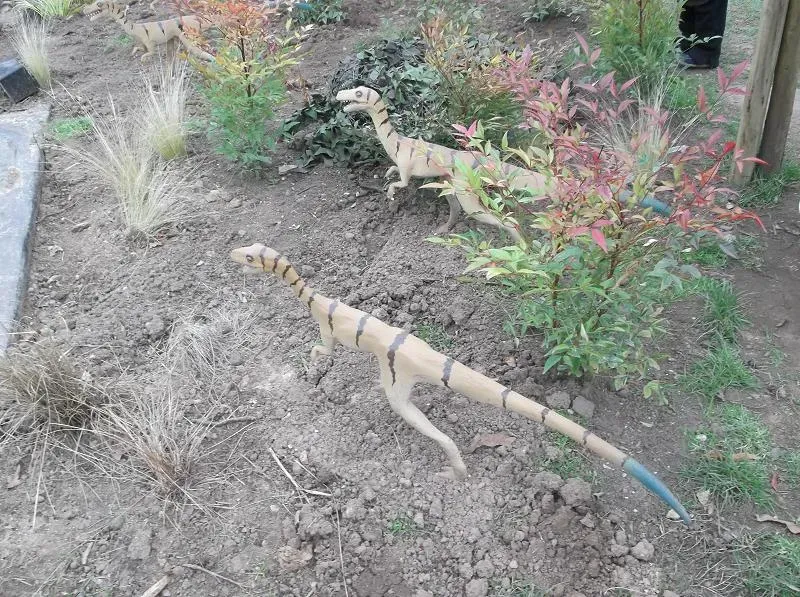
At first glance, Compsognathus might remind you of a chicken-sized, feather-light hunter scurrying through underbrush. You’d see a small, agile predator, not a dramatic movie monster, probably chasing insects, small lizards, and tiny mammals rather than tackling big game. Its size made it vulnerable, but also let it slip into nooks, burrows, and dense plants where larger predators couldn’t easily go.
In ecological terms, you can treat Compsognathus as part of the cleanup crew and population control team. By preying on small animals, it helped prevent explosive booms of certain species that might otherwise overgraze or damage vegetation. That kind of subtle regulation keeps energy flowing smoothly through food webs and stops ecosystems from tipping out of balance. Just as foxes, small cats, and owls quietly hold together many modern environments, Compsognathus and its relatives helped maintain the fine-grained stability of Jurassic communities.
7. Ankylosaurus: The Living Tank That Reshaped the Ground
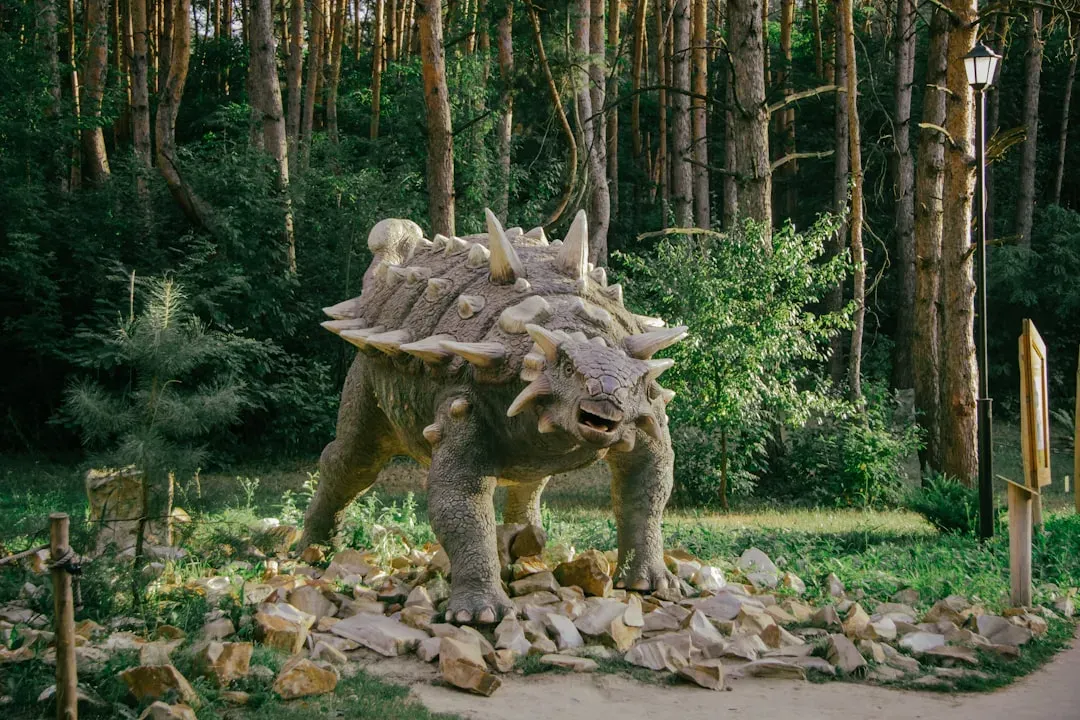
When you imagine Ankylosaurus, you probably picture armor and that famous clubbed tail, but if you stood near one in life, you’d notice how close to the ground it lived. Its low, wide body and strong legs were matched with a beak and teeth suited to munching tough, low-growing plants. Moving slowly but steadily, it would have grazed across the landscape, bulldozing its way through dense vegetation that taller dinosaurs might simply step over.
From your viewpoint, this makes Ankylosaurus a specialist in managing ground-level plant communities. By focusing on low shrubs, ferns, and ground cover, it changed what grew where and how quickly plants recovered from being eaten. Its heavy body and armored skin also meant that every step compacted soil, broke branches, and created microhabitats for seeds to lodge and sprout. Even its waste would have been loaded with partially digested plant matter, feeding decomposers and returning nutrients to the soil. You’re not just looking at a tank; you’re looking at a slow-motion landscaping machine.
8. Gallimimus: The Long-Distance Runner of the Mesozoic
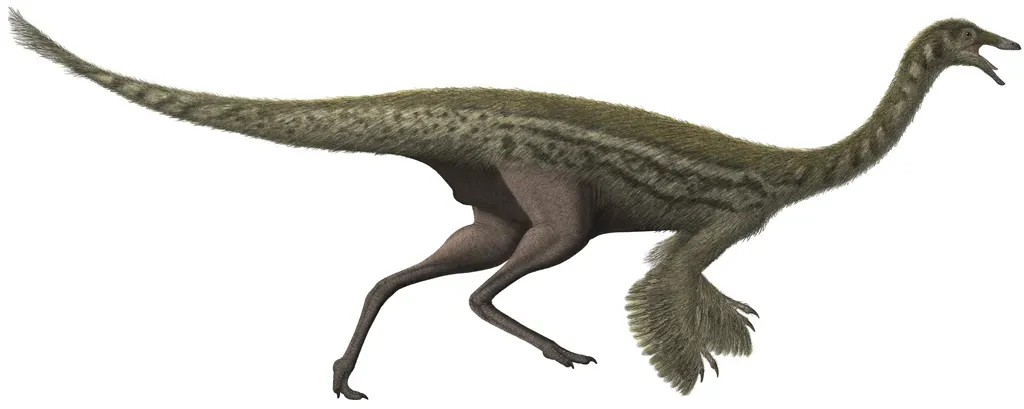
If you want to picture motion in a dinosaur ecosystem, Gallimimus is your go‑to image. You’d see a long-legged, ostrich-like animal built for speed, with a lightweight body and a toothless beak, racing across the Late Cretaceous plains of what is now Mongolia. Its exact diet is still debated, but it may have been an omnivore, grabbing plants, small animals, and maybe even eggs when the opportunity appeared.
For the ecosystem, that kind of speed and flexibility turns Gallimimus into a connector. By covering large distances, it could move nutrients, seeds, and even parasites between different parts of the landscape. It might have tracked seasonal resources, following rains or plant blooms, and in doing so, stitched together otherwise separate communities. You can think of it like a long-distance courier, constantly shuttling energy and life from one part of its world to another, and making the entire ecosystem more dynamic and interconnected.
When you step back from these eight dinosaurs, you start seeing ancient Earth less as a stage for a few dramatic predators and more as a woven network of roles, habits, and quiet labors. Each of these animals, from the tiny Compsognathus to the hulking Ankylosaurus, shaped plants, soils, and other animals simply by living their everyday lives. You’re not just learning about creatures long gone; you’re getting a mirror for how your own world still works, where humble species often matter more than the loud, famous ones. So next time you think about dinosaurs, will you picture only the stars, or will you remember the hidden workers that truly held their world together?