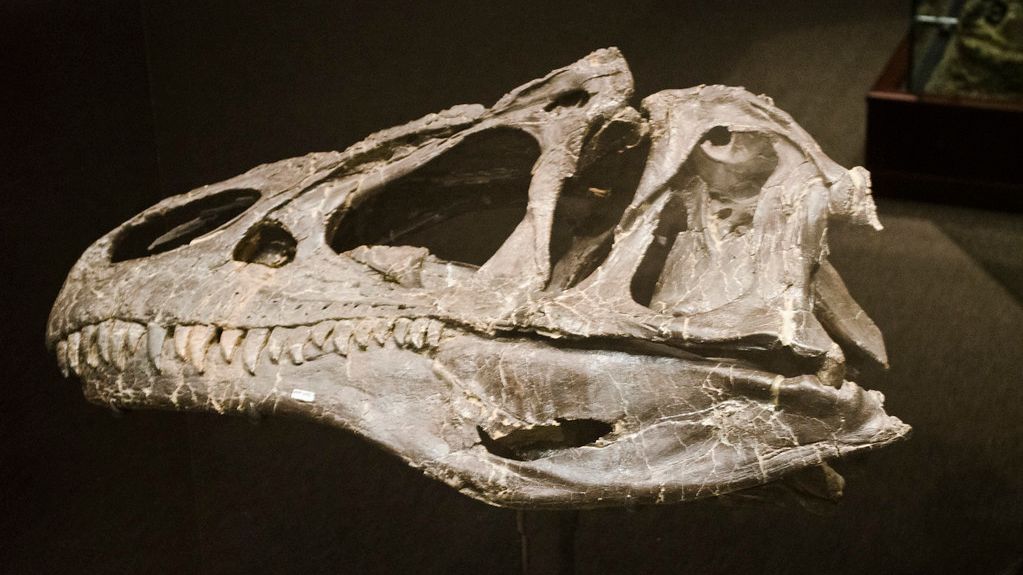
You probably grew up with the feeling that scientists have dinosaurs all figured out: they know what they looked like, how they moved, even how they died. But when you look closely at what fossils actually preserve, you bump into some big, frustrating gaps. Bones and a few impressions are all you really get, and that means the most interesting parts of dinosaur lives are often hidden in the shadows.
Once you realize how many things fossils cannot show you, dinosaurs become even more mysterious and strangely more real. You stop seeing them as perfect movie monsters and start seeing them as living animals with feelings, quirks, and daily struggles that you can only guess at. In a way, you’re standing outside a house at night, staring through a narrow lit window, knowing an entire world of stories is unfolding just out of sight.
1. What Dinosaurs Really Looked Like In Color
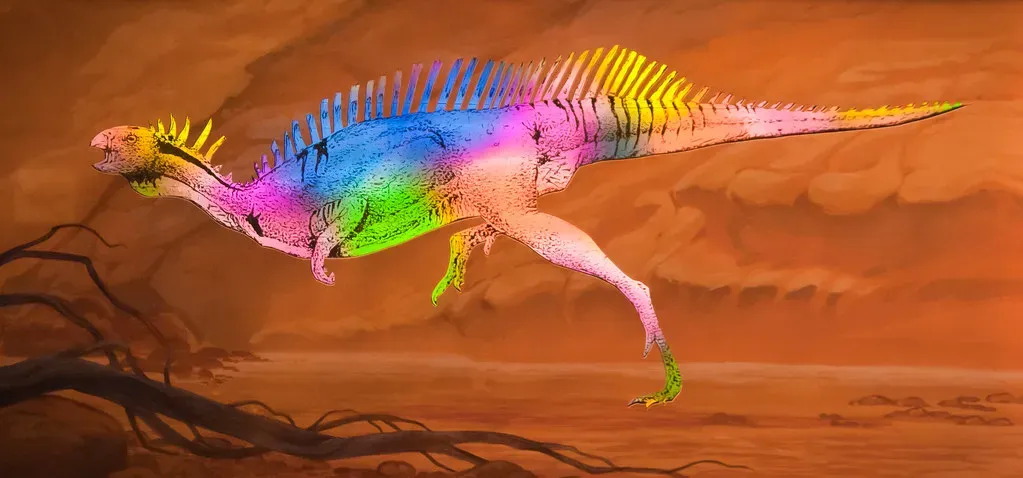
When you picture a dinosaur, you probably give it a color without even thinking about it: maybe a green T. rex or a stripy raptor. The awkward truth is that for most species, you have almost no idea what colors they actually were. Pigments and soft tissues decay quickly, and only in a few rare fossils do you see microscopic structures that hint at shades like black, reddish, or iridescent. Even then, you’re mostly working with small patches of preserved skin or feathers, not a full-body paint job.
This means that every dramatic pattern you see in artwork, games, or movies is basically an educated guess. You can draw clues from birds and reptiles alive today: bright colors for display, duller tones for camouflage, maybe speckles or stripes to break up outlines. But you do not know which dinosaur had what combination, or whether some species were shockingly vibrant while others were nearly invisible in their environment. The real dinosaur world might have looked more like a tropical bird show than a muddy gray swamp, and right now you simply cannot prove it either way.
2. The Sounds Dinosaurs Made
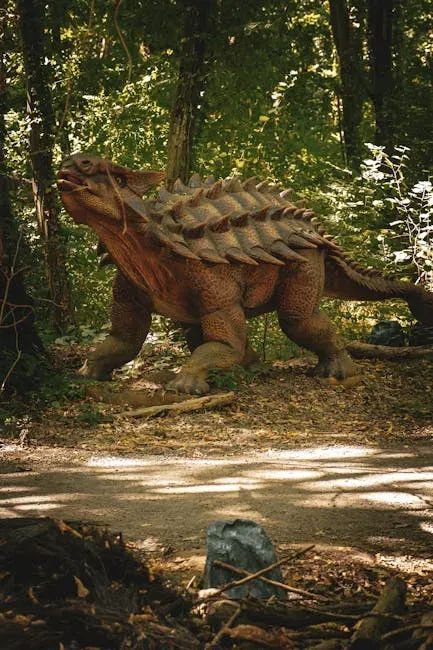
If you close your eyes and think about dinosaurs, you can almost hear them: roars echoing through jungles, deep calls vibrating in your chest. The fossil record, though, is nearly silent. Soft tissues that shape sound – like vocal cords, air sacs, and resonating chambers – rarely fossilize, so you mostly see empty skulls and rib cages. A few species show bony crests or hollow tubes that might have amplified calls, but you do not actually hear the call itself.
To guess their voices, you lean on modern relatives: birds and crocodiles. That could mean some dinosaurs hissed, growled, boomed, or made low-frequency calls you’d feel more than hear. Others might have been unexpectedly quiet, using body language or subtle sounds you wouldn’t pick up in a movie theater. The roar you’ve been trained to expect from a tyrannosaur is really just you filling in the silence with what feels right, not something fossils have ever directly told you.
3. How Much They Really Weighed
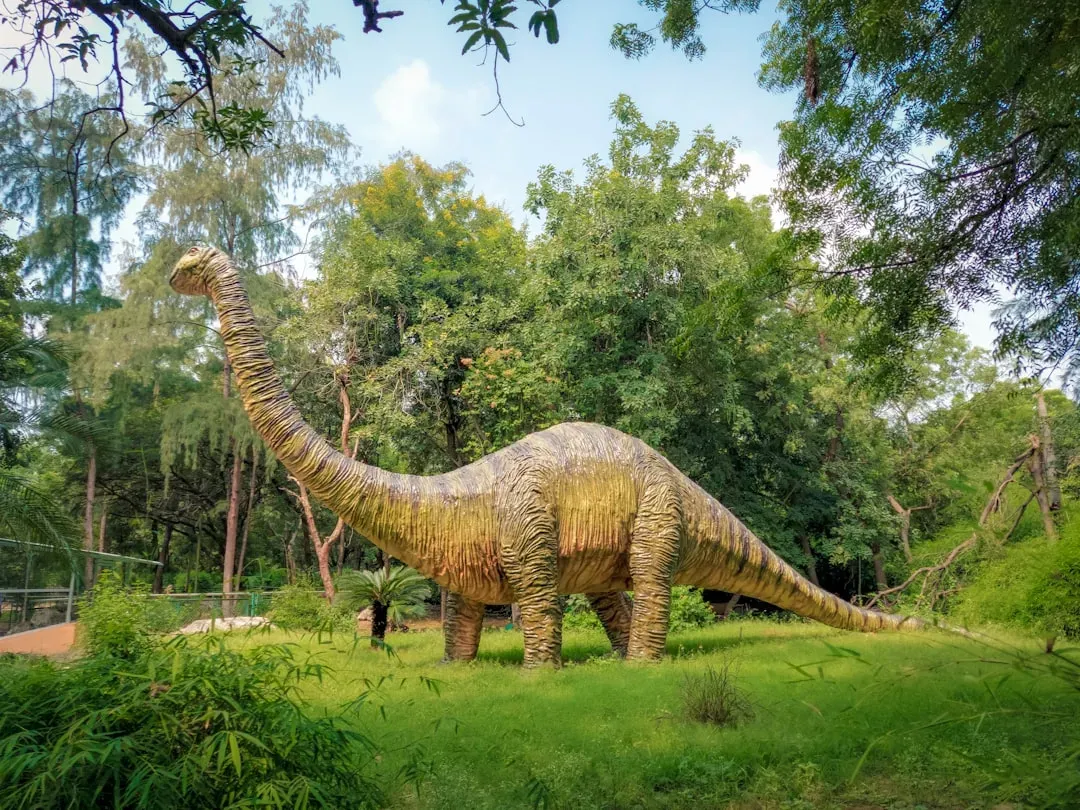
When you read that a sauropod weighed as much as several buses, you’re looking at a carefully crafted estimate, not a direct measurement. Bones can tell you the general size and proportions of an animal, but they do not tell you how thick the muscles were, how much fat the animal carried, or how dense the tissues were. Even small changes in assumed body shape can dramatically change the final weight estimate, especially for giants with necks the length of trucks.
Scientists use a few main tricks: scaling from limb bone thickness, creating digital 3D models and “filling” them with virtual flesh, and comparing with living animals like elephants or birds. But you still have a range, not a precise number. Some species might have been bulkier, others leaner, and that changes everything from how far they could walk to how fast they could run. The truth is, if you tried to order a custom-built life-sized dinosaur statue by weight, you’d be guessing within a pretty wide margin.
4. Their True Speed, Agility, and Athleticism
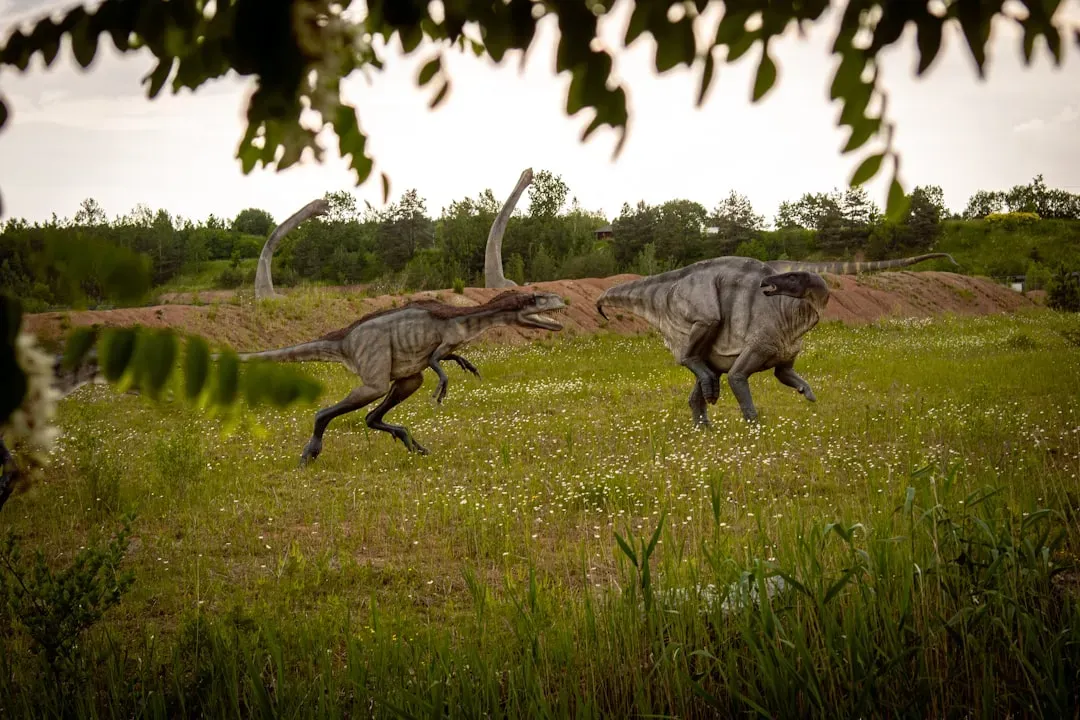
It’s tempting to imagine raptors as cheetah-fast sprinters and giant predators as unstoppable bulldozers. Fossils give you limb lengths, joint shapes, and sometimes even trackways, so you can try to reconstruct how fast a dinosaur might have moved. But muscles, tendons, and coordination – the real core of athletic performance – are mostly lost. You can model a range of speeds, but you rarely know where a particular species actually sat within that range.
Footprints can help, especially when you can measure stride length and estimate hip height, but you are still making assumptions about gait and behavior at that moment in time. A trackway might show a leisurely stroll, not a flat-out sprint. Modern animals also show you how tricky this is: creatures with similar body plans can move in surprisingly different ways. So every time you see a specific speed printed for a dinosaur, remember you’re looking at a thoughtful approximation, not a reading from a speed radar gun.
5. Complex Behaviors and Social Lives
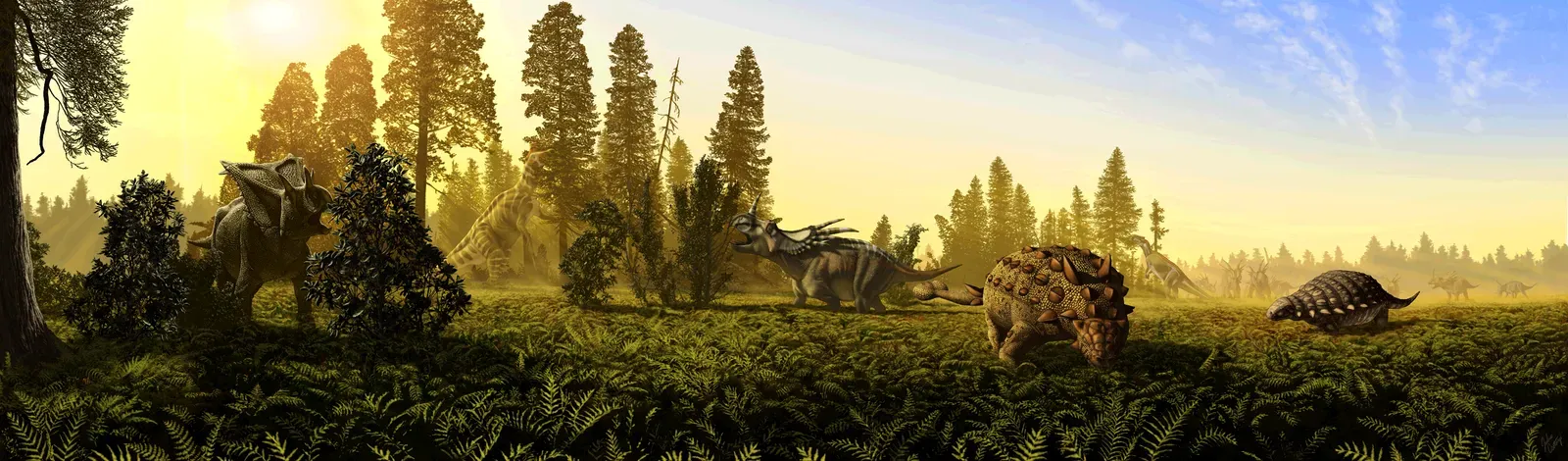
You can sometimes see hints of social behavior in fossils: groups of individuals buried together, nests clustered in colonies, or trackways that seem to move in parallel. These clues suggest herding, parenting, or group travel, but they don’t give you the full story. You don’t know who led the group, whether there were strict hierarchies, or how individuals negotiated conflict. The daily drama of dinosaur social life – alliances, rivalries, affection – is mostly invisible to you.
Modern animals show you just how rich behavior can be even when skeletons look similar. Two bird species with nearly identical bones can have totally different mating systems and social rules. Dinosaurs likely had their own traditions and social structures, shaped by intelligence, environment, and evolution. Fossils capture frozen moments, not long-running relationships, so when you imagine a herd of hadrosaurs or a pack of small theropods, you’re layering your knowledge of living animals over a silence in the rock.
6. How Intelligent Different Dinosaurs Actually Were
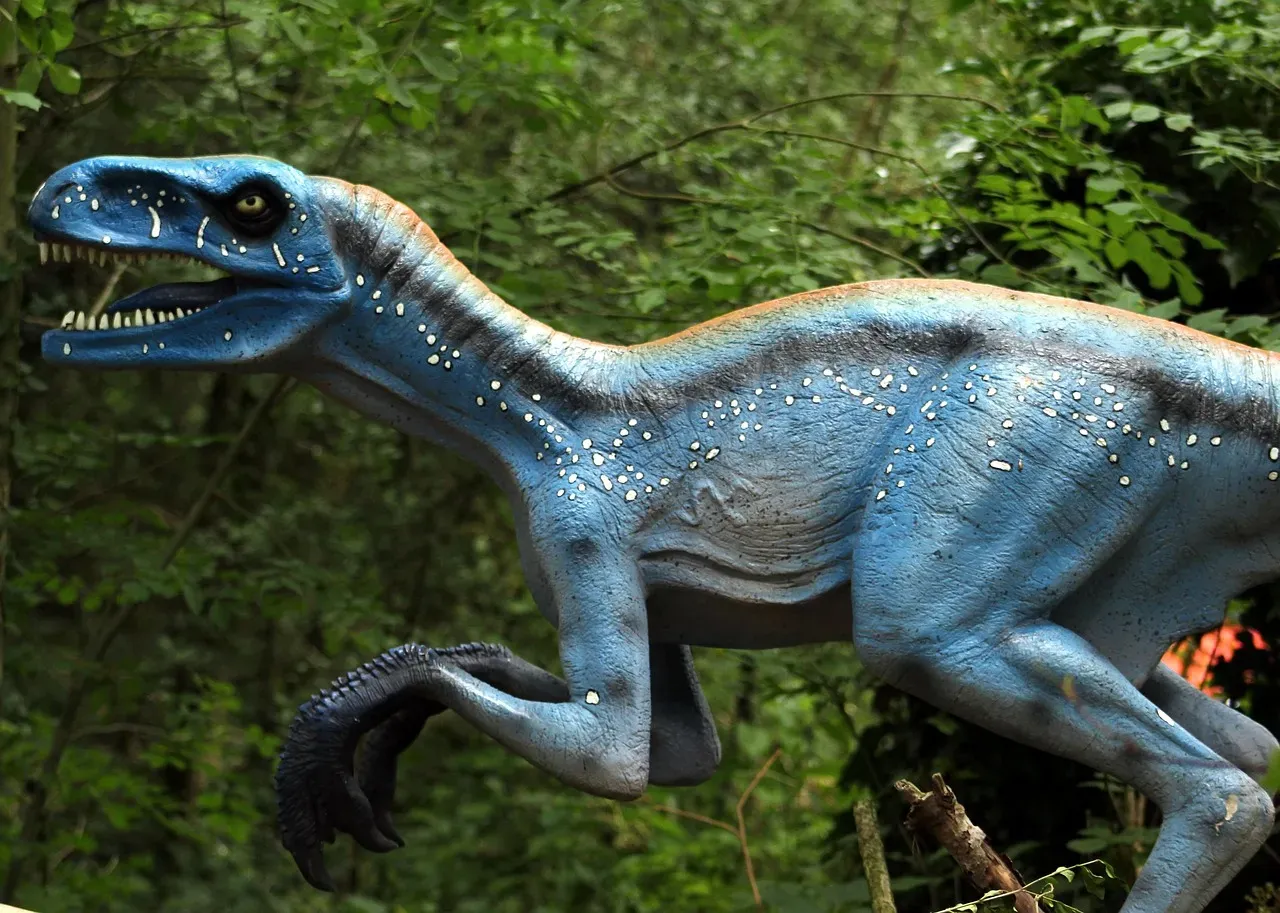
Braincases can sometimes tell you the rough shape and volume of a dinosaur’s brain, and that gives you a crude idea of potential intelligence. Smaller, simpler brains might mean basic behavior; larger, more complex ones might hint at problem-solving or advanced coordination. But you can’t see memories, learning, curiosity, or creativity in stone. You also cannot watch how a dinosaur responded to surprises, cooperated with others, or adapted to changing conditions.
Modern birds and crocodiles show you that brain size alone can be misleading. Some birds with relatively small brains pull off very sophisticated tasks, like tool use or complex vocal learning. Dinosaurs sit somewhere along this spectrum, but where exactly? You can guess that certain predators needed keen senses and planning, or that social herbivores had to remember landscapes and group members. Beyond that, you’re in a gray zone. You’ll likely never know which species were the sharp strategists and which were just getting by on instinct.
7. The Full Story of Their Parenting and Family Life
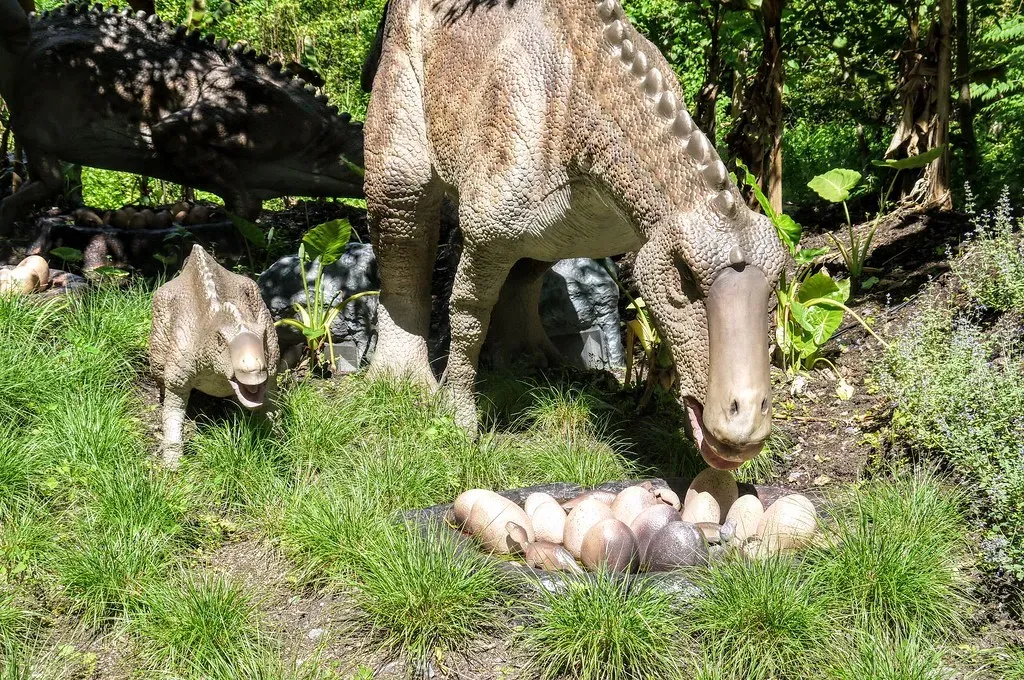
Nests, eggs, and rare fossils of adults near their young tell you that at least some dinosaurs cared for their offspring. You see arranged egg clutches, growth rings in bones showing rapid early growth, and small juveniles found close to larger individuals. These clues suggest brooding, guarding, or maybe feeding behaviors, but they stop short of giving you a detailed parenting manual. You don’t know how long care lasted, what the division of labor was between parents, or how many young usually survived.
Compare that with birds and crocodiles today: some are fiercely protective, others are almost hands-off. Some feed their young for weeks, others expect them to fend for themselves soon after hatching. Dinosaurs probably spanned a similar range, but your evidence is patchy. The softest, most emotional parts of their lives – their versions of nurturing, teaching, or loss – are the parts fossils are least equipped to preserve. You are left with suggestive snapshots, not a full family album.
8. Their Exact Diets and Favorite Foods
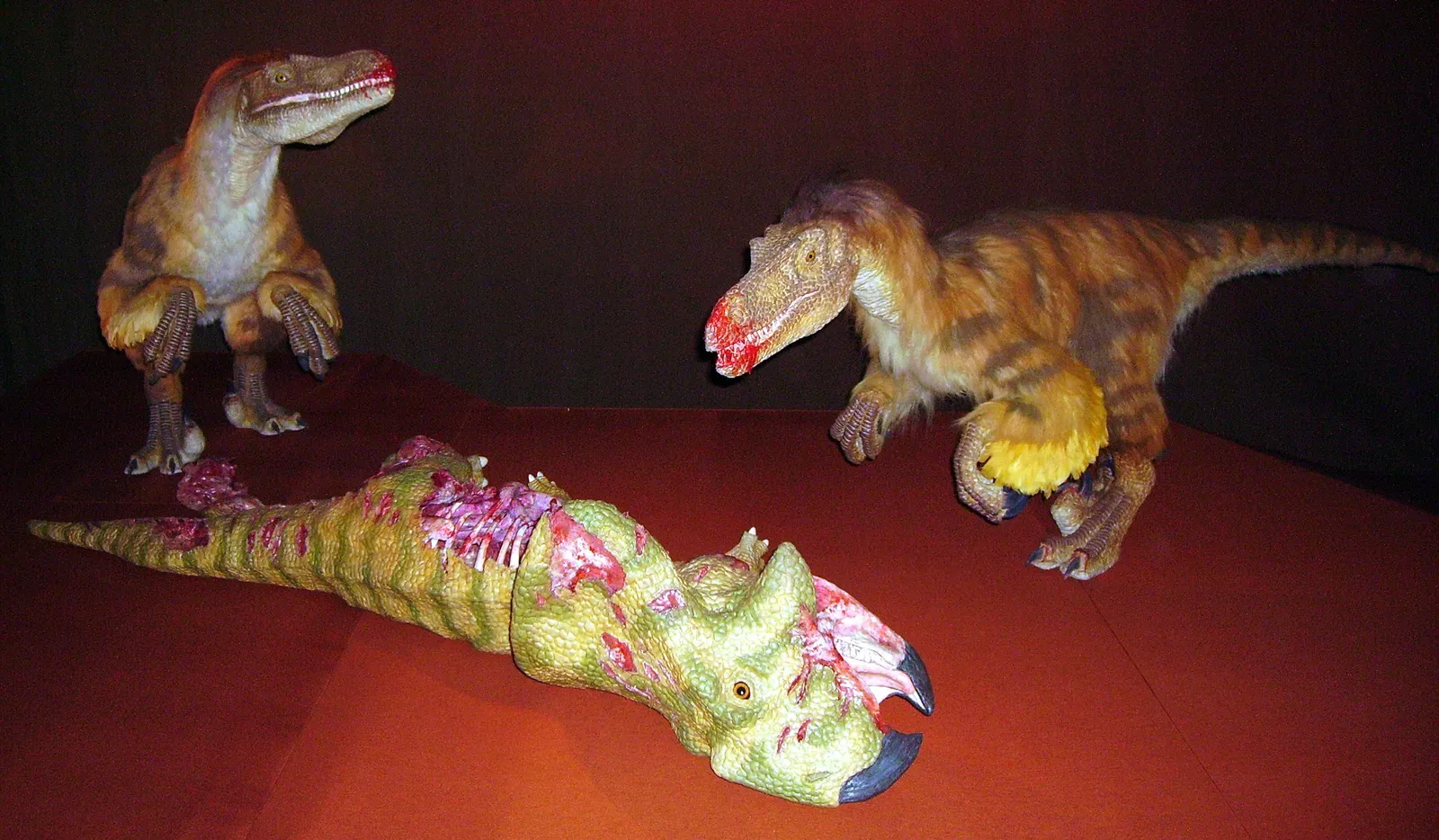
Teeth, jaws, and gut contents can give you solid hints about what dinosaurs ate, but only up to a point. Sharp, serrated teeth and forward-facing eyes usually signal a predator; flat grinding surfaces suggest a plant eater. Occasionally, you get lucky and find stomach contents or fossilized dung, which can show plant fragments, bone chips, or even whole smaller animals. Still, those are isolated meals, not a lifetime menu, and they might not represent everyday habits.
Modern animals remind you how flexible diet can be. Some predators scavenge when they can, some herbivores sneak in insects for extra protein, and many species switch diets with the seasons. Dinosaurs likely did the same, tuning their feeding to changing environments, migrations, and competition. Fossils give you the tools and sometimes a snapshot of use, but they do not reveal cravings, preferences, or opportunistic choices. You can say a species was mainly herbivorous or carnivorous, but you rarely know the full range of what it would have happily eaten if it had the chance.
9. Their Skin Textures, Feathers, and Soft Tissues
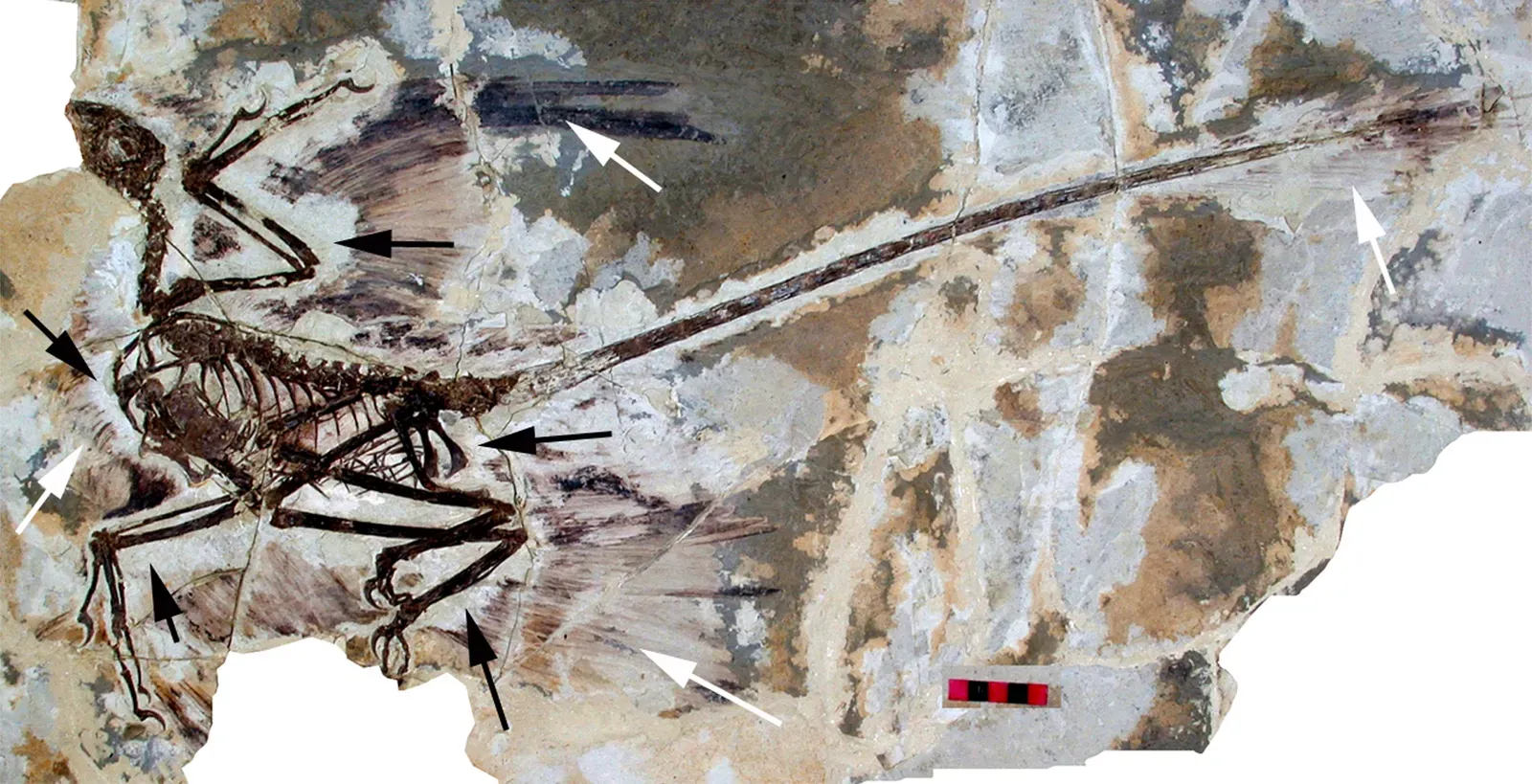
Every time you see a sleek, scaly dinosaur reconstruction, you’re looking at a mix of data and imagination. In some exceptional fossils, you can see impressions of scales, quills, or feathers, and those moments are gold. They tell you that certain groups had complex, fluffy coats or intricate scale patterns. But those discoveries are still relatively rare, and they cover only parts of the body for particular species. You do not have a complete soft-tissue catalog for most dinosaurs.
This gap opens the door to surprises. Over the last few decades, you’ve seen dinosaurs you once pictured as lizard-like get reimagined with full plumage. You may find yourself unlearning old images again in the future if new fossils show unexpected structures like elaborate crests, wattles, or display fans. Soft tissues also affect how an animal looks when it moves: muscles change the silhouette, and skin affects how light plays across the body. Without consistent soft-tissue preservation, you are always painting over a skeleton with your best, but incomplete, guess.
10. The Details of Their Mating Rituals and Displays
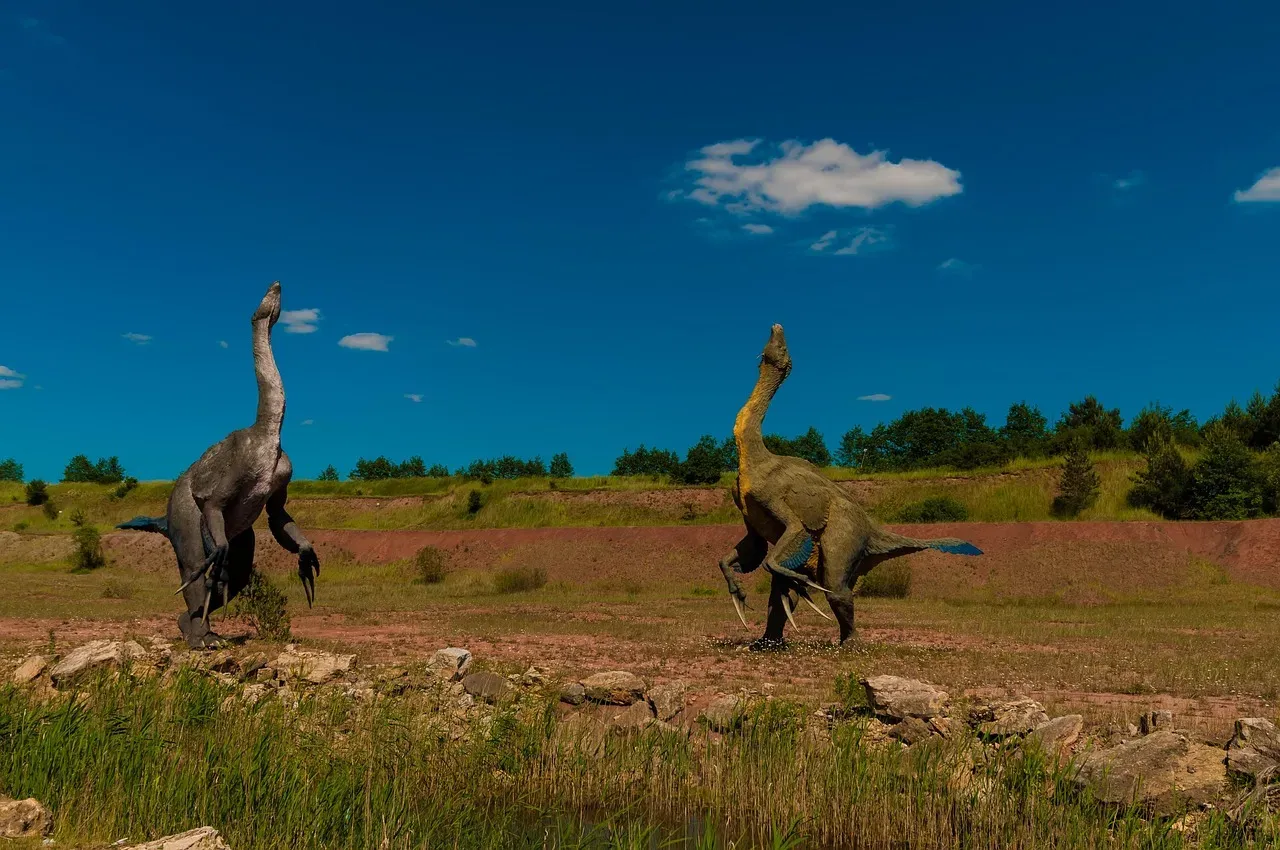
Elaborate horns, frills, crests, and plates make you suspect that many dinosaurs put a lot of effort into impressing each other. You see structures that seem too extravagant to be purely practical, and that points toward display, intimidation, or species recognition. But you never get to watch a courtship dance, a color change during breeding season, or the exact way these features were shown off. Fossils hold the hardware of display, not the behavior that went with it.
To fill the gap, you borrow from birds and other animals that use dance, sound, and color in complex mating rituals. You might imagine hadrosaurs trumpeting across floodplains or ceratopsians locking horns in dramatic contests, but those scenes are carefully built speculation. You do not know whether some species had quiet, subtle mating patterns while others were ridiculously theatrical. The real spectacle of dinosaur romance is still locked away in a past you can’t replay, leaving you with beautiful bones and unanswered questions.
11. How They Dealt With Injuries, Disease, and Pain
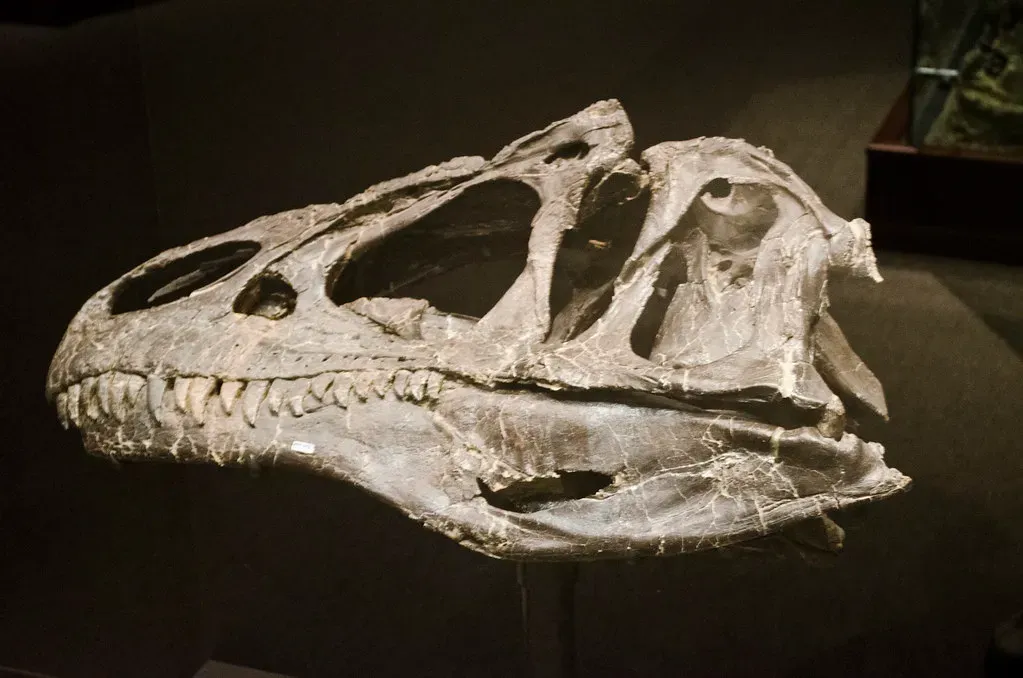
On some dinosaur bones, you can see bite marks that healed, fractures that fused back together, and lumpy growths that might be signs of infection or disease. These marks tell you that dinosaurs got hurt, got sick, and sometimes survived long enough to heal. But bones show you only the most serious or long-lasting issues. Soft-tissue injuries, short-term illnesses, and many parasites leave little or no permanent trace in the skeleton, so you miss most of the medical story.
You also do not really know how dinosaurs coped. Did they seek safer areas while injured, rely on a herd for protection, or simply push through until they dropped? How much chronic pain did some individuals live with, limping on damaged limbs or dealing with worn-out joints? If you look at animals today, the range is huge: some species hide weakness, others adjust their behavior for years. Fossils give you the scars but not the day-to-day experience of living with them, which is where most of the suffering and resilience actually played out.
12. Why Exactly They Went Extinct While Some Relatives Survived
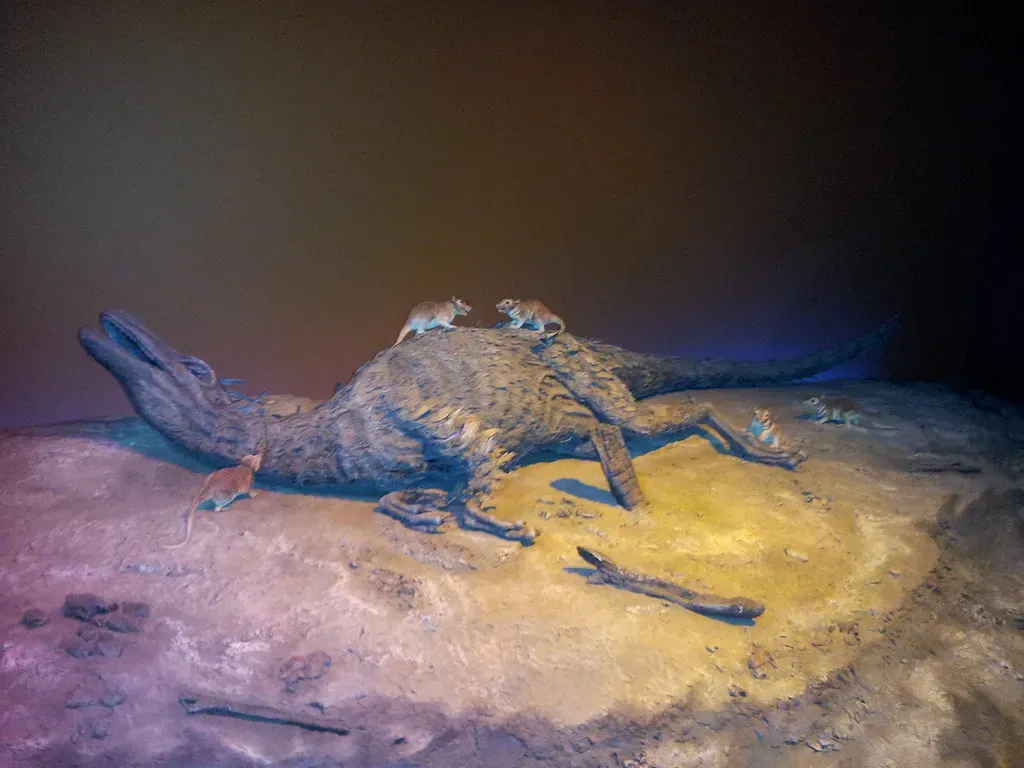
You know that a massive asteroid impact about sixty-six million years ago triggered catastrophic environmental changes, from global fires to a kind of nuclear winter. Many lines of evidence support this picture: a worldwide layer rich in asteroid-linked elements, shocked minerals, and a drastic shift in fossil assemblages. But when you ask why non-avian dinosaurs died out while some birds, mammals, crocodiles, and other groups scraped through, you hit a wall of partial answers. Body size, metabolism, diet, and reproduction all likely played roles, but no single factor fully explains the pattern.
This leaves you with a story that is strong in outline but messy in detail. Different dinosaur groups may have been vulnerable for different reasons: some too specialized in their diets, others too large to reproduce quickly enough, others simply unlucky in where they lived when disaster struck. You can build models and explore scenarios, but you cannot go back and watch who struggled first, who adapted for a while, and who almost made it but did not. Extinction, in this case, is a final fact with a partially hidden chain of causes, and you are still piecing those links together.
Conclusion: Living With the Unknown Dinosaurs
When you stack up all these mysteries, you see that your picture of dinosaurs is both powerful and incomplete. You know enough from fossils to recognize them as real, breathing animals that dominated their world for an astonishing length of time. Yet the things you most want to ask – what they sounded like, how they loved, what colors they wore, how they suffered and survived – sit just beyond the reach of stone. You are constantly walking a tightrope between evidence and imagination.
The good news is that this uncertainty does not make dinosaurs less fascinating; it makes them more so. Every new fossil discovery has the potential to rewrite something you thought you knew, the way feathered fossils once overturned old scaly stereotypes. As you follow the science, you are really following a long detective story with many chapters still missing. So the next time you see a dinosaur in a museum or on a screen, you might quietly ask yourself: how much of this is solid rock, and how much is the best guess your imagination can currently build?