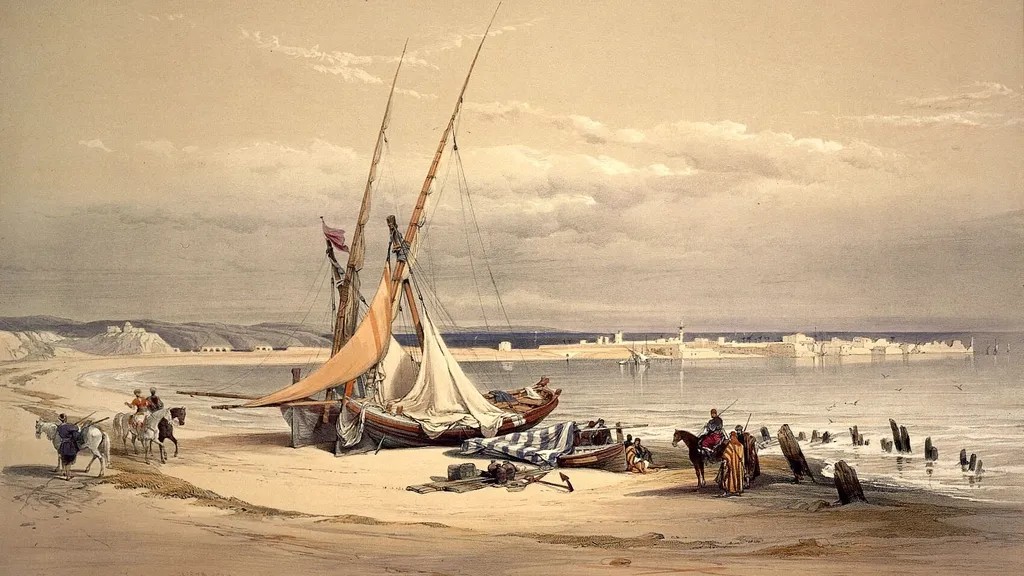
You probably imagine the first great explorers as armor-clad captains on wooden ships, but your true story at sea begins much earlier, with people lashing together logs and hollowing out tree trunks. Long before maps or compasses, you would have relied on the pull of the horizon, the feel of the wind, and the memory of those who sailed before you. The earliest boats were simple, almost fragile by modern standards, yet they carried humans into new worlds, across daunting stretches of water that must have seemed endless.
When you look at a modern ship or a sleek carbon-fiber yacht, it’s easy to underestimate the courage of the first mariners. They crossed open water without metal hulls, engines, or GPS, just intuition turned into tradition. As you trace their story, you see something familiar: the same urge you feel now to explore, to push boundaries, to see what lies beyond the line where the sea meets the sky. That is the real heart of how ancient mariners conquered the oceans – one risky crossing, one experimental boat, one bold decision at a time.
From Logs to Lashed Reeds: The Earliest Experiments in Staying Afloat
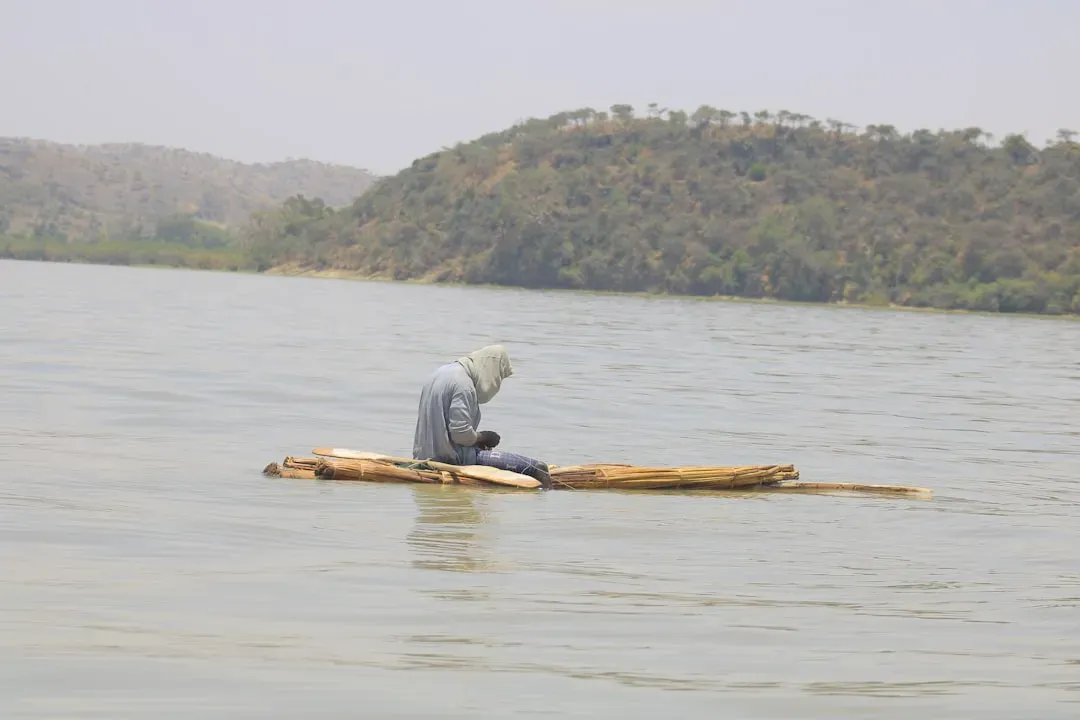
If you strip a boat down to its essence, you’re really just trying to answer one basic question: how do you keep your body and your stuff from sinking? The earliest answers you would’ve had at your disposal were whatever floated nearby – logs, bundles of reeds, or large pieces of bark. You can imagine yourself pushing out onto a calm river on a simple log, realizing that with the right balance and a stick to push, you suddenly control a new way of moving through the world.
Over time, you’d start tinkering. Instead of one log, you’d lash several together for stability, creating a simple raft that let you carry more people or heavier loads. If you lived near wetlands or river deltas, you might bundle reeds tightly into cigar-shaped floats, then tie several together to form a light, buoyant craft. These early designs were clumsy, but they taught you something priceless: with just a few natural materials and a bit of ingenuity, you could cheat gravity and glide over water instead of trudging around it.
Dugout Canoes: Turning Trees into Reliable Watercraft
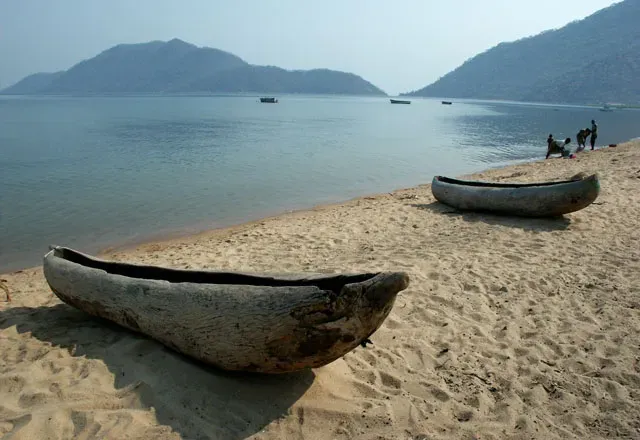
At some point, you would have realized that instead of piling materials on top of the water, you could carve something that rode in it, cutting through waves more smoothly. Enter the dugout canoe. You start with a thick tree trunk, maybe fallen after a storm, then slowly burn and scrape out the middle using stone tools and fire. It’s dirty, smoky work, but when you push that newly carved shape into the shallows, you feel a different kind of control – this is no longer just a floating log, it’s a vessel.
As you refine your technique, you learn to thin the sides without making them too fragile, to shape the ends so they ride over small waves instead of plowing straight through. In forested regions around the world, dugout canoes become your go‑to solution for fishing, river travel, and coastal journeys. They’re tough enough to bounce off rocks, nimble enough to steer with a paddle, and simple enough that small communities can build them with the tools at hand. In many ways, your dugout canoe is the first real hint that you’re not just surviving on the water – you’re learning to master it.
Rafts and Reed Boats: Crossing Bigger Waters with Simple Tech
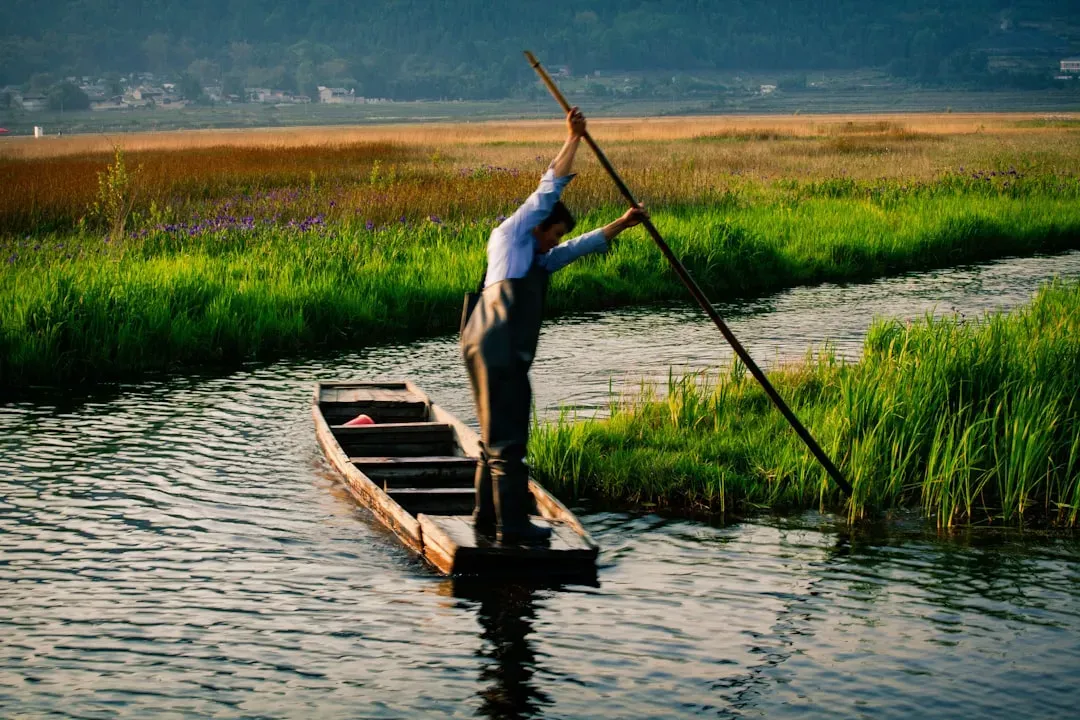
Once you’ve figured out how to move confidently along rivers and close to shore, the next temptation is obvious: that island you can just barely see in the distance, or that stretch of coastline across a wide strait. A simple log or narrow canoe might feel too risky, so you turn back to rafts and reed boats, this time with a new purpose: longer trips and heavier loads. By lashing logs more securely, adding crossbeams, and sometimes a raised platform, you build a stable, forgiving craft that can handle chop and small waves without flipping as easily.
If you live where reeds grow thick along lakes or river mouths, you can do something similar with plant material. You bind reeds into tight bundles, then curve and stack them into boat shapes that are surprisingly light for their size. These boats absorb water slowly but stay afloat as long as you keep them maintained and dried. On these rafts and reed boats, you can transport trade goods, animals, and entire families across distances that once cut communities off from one another. You’re still not roaming the wide open ocean, but you’re beginning to treat water barriers as negotiable, not absolute.
The Birth of Sailing: Letting the Wind Do the Hard Work
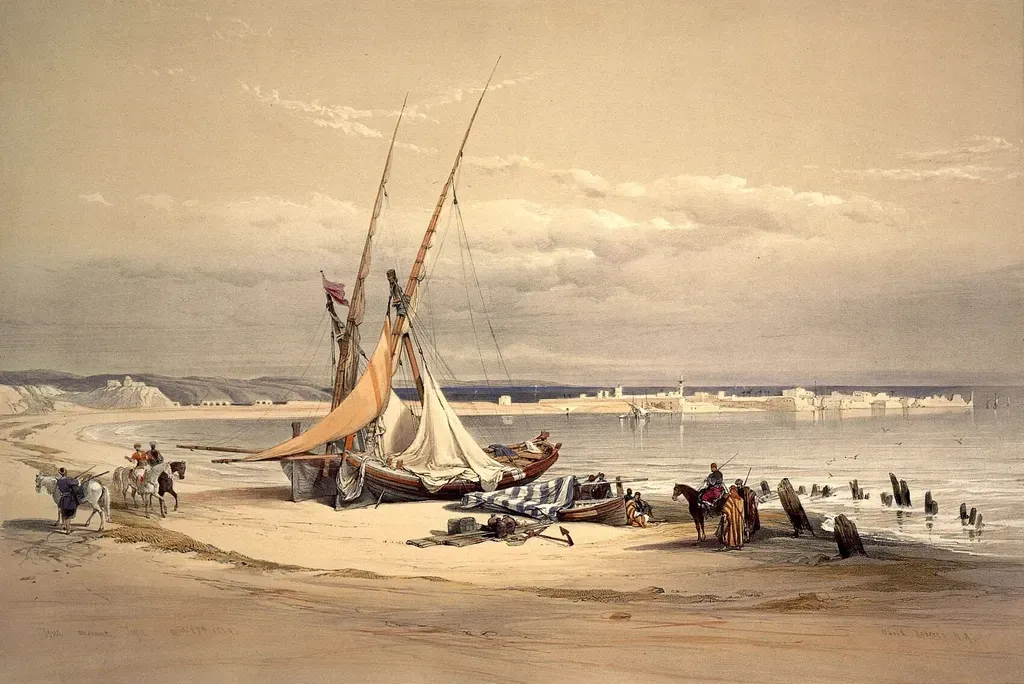
Paddling and poling can only get you so far before your shoulders protest and your speed hits a hard limit. At some point, you notice the obvious: wind pushes everything it touches – dust, leaves, even the surface of the water itself. If you stretch animal skins or woven cloth on a frame and stand it upright on your boat, suddenly the wind starts doing part of the work for you. The first sails were likely simple, square panels, but for you as an early mariner, they would have felt nothing short of magical.
With a sail, your world expands dramatically. Instead of hugging coastlines and paddling yourself tired, you can harness steady seasonal winds that blow in predictable directions. On large rivers, you might sail upstream against the current by catching a favorable breeze, then drift back down with your cargo. On open water, you learn to trim your sail and angle your boat to make the most of every gust. You still need paddles and poles, but now you’re cooperating with the elements instead of fighting them alone, turning the sky itself into part of your propulsion system.
Reading the Sea: Stars, Swell, and Signs of Land
Boat technology only takes you so far; at some point, your survival depends on what’s inside your head. If you set out from shore and the land disappears behind you, you’re suddenly in a world with no obvious landmarks. To navigate, you start paying ruthless attention to anything that stays reliable: the rising and setting points of the sun, the predictable paths of bright stars, the direction of prevailing winds, and the rhythm of ocean swells. Bit by bit, you turn the sky and sea into a living map that you can read without ink or paper.
You also learn to watch for subtler clues. A change in the color of the water might hint at shallower depths or an underwater reef. The presence of certain birds overhead can signal that land is not far away, since many species only fly a limited distance from shore. Drifting logs, floating plants, or even the smell of earth on the breeze help you guess where you are. Over generations, your community turns all these observations into shared knowledge – songs, stories, and rules of thumb – so even if you cannot see land, you can still steer toward it with surprising accuracy.
Risk, Courage, and the Leap to True Open-Ocean Voyages
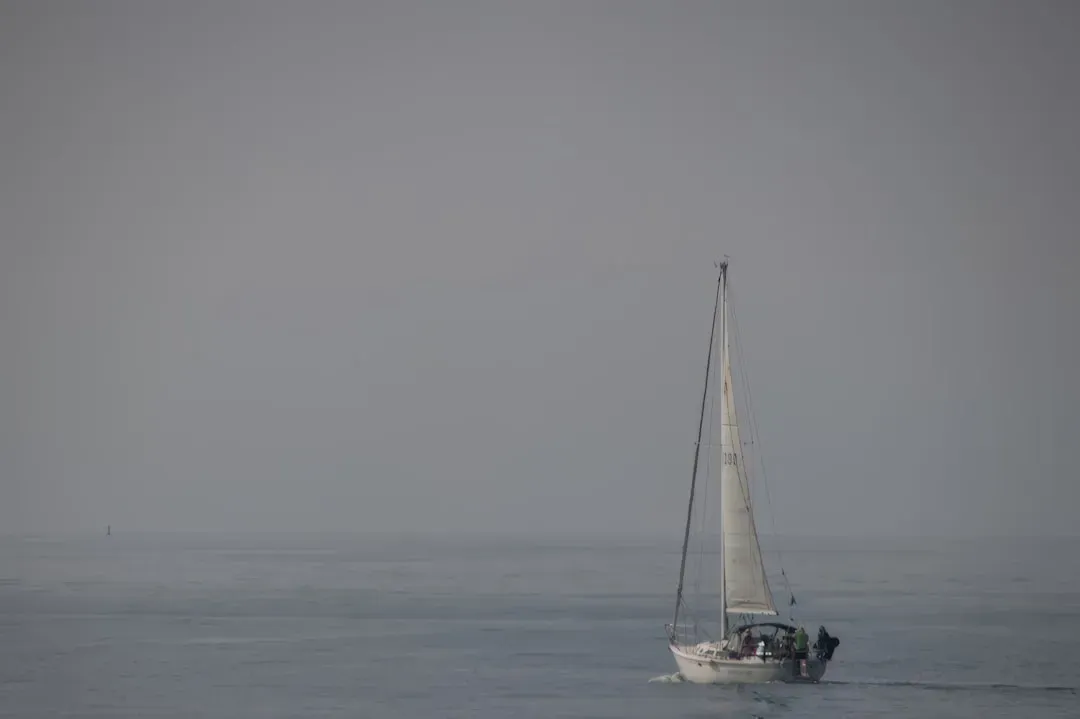
At some point, a day comes when you push off from shore knowing you will not see land again for many days, maybe weeks. That decision is the real turning point in how you conquer the open seas. You’re no longer just skimming across rivers or hopping between close islands; you’re trusting that your boat, your supplies, and your knowledge of winds and stars will sustain you across vast, empty spaces. From your perspective, the ocean is not just a route – it’s a test of nerve, preparation, and patience.
To survive, you plan obsessively. You pack dried food, water stored in pottery or skins, and tools to repair your boat mid‑voyage. You time your departure with the seasons, casting off when prevailing winds and currents align in your favor. Fear never really disappears – you feel it when the waves rise or the sky darkens – but you learn to live with it, to treat it as a reminder to respect the sea rather than avoid it. Every successful crossing strengthens your confidence and your culture’s stories, turning once‑impossible journeys into well‑trodden routes.
How Ancient Voyages Still Shape the Way You Sail Today
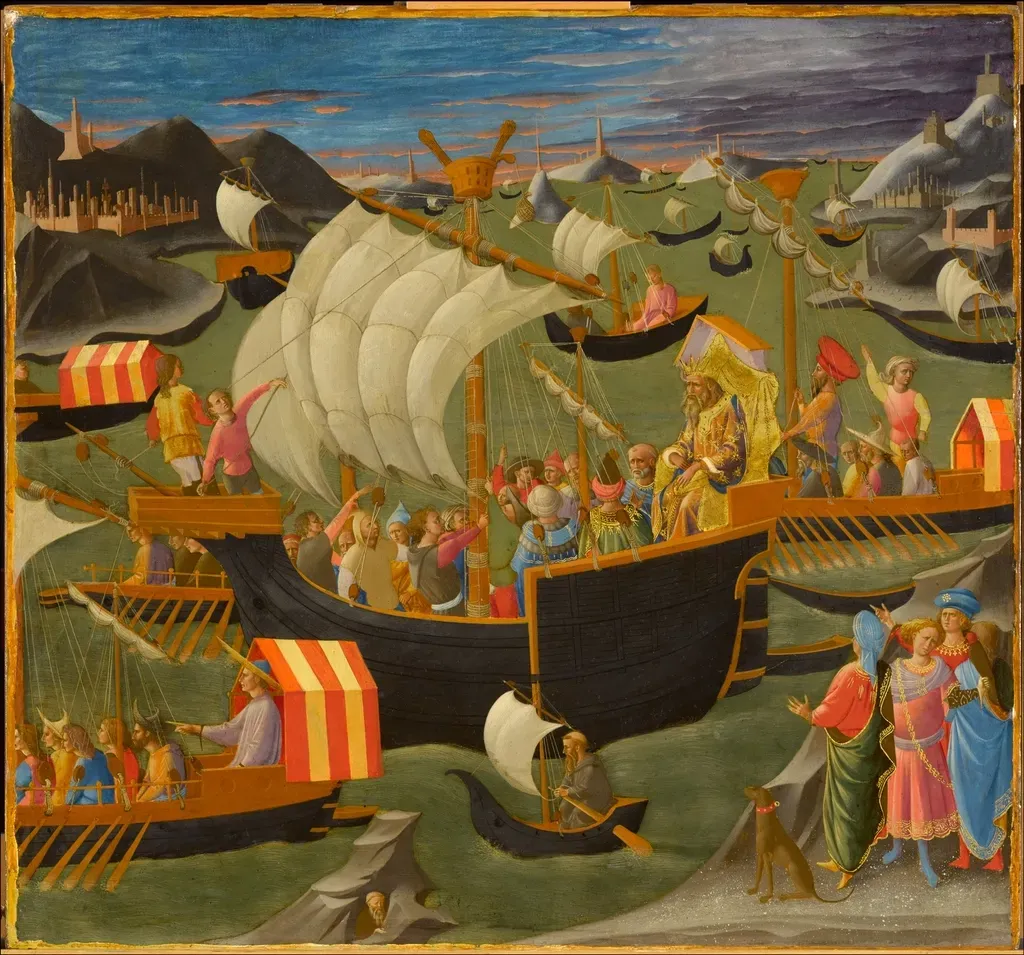
If you step onto a modern ship or even a small recreational sailboat, you’re still standing on the shoulders of those first experimenters. The sleek hull beneath your feet is a distant cousin of the dugout canoe, refined over millennia but still obeying the same physics. Your sails, no matter how advanced the fabric, are descendants of those early cloth or hide panels that first caught the wind. Even with radar and satellite navigation, you often still check the horizon, the wave pattern, and the sky exactly like an ancient mariner would have done.
What really carries over is the mindset. When you cross an ocean today – whether as a sailor, a passenger, or even just in your imagination – you’re participating in one of humanity’s oldest adventures. You might rely on screens instead of stars, but you still feel that mix of excitement and vulnerability when water surrounds you on all sides. In that sense, you’re not just reading about history; you’re part of the same long story of people who refused to let distance, fear, or uncertainty stop them from exploring new worlds.
In the end, the first boats were less about clever designs and more about a stubborn human impulse that you probably recognize in yourself: the need to know what lies beyond the edge of the familiar. From lashed reeds and dugout canoes to sail‑powered voyages across open oceans, every step rested on someone’s decision to push just a little farther than was comfortable. Today, you inherit that spirit every time you look at a map, board a ship, or even daydream about distant shores. So when you think about ancient mariners, you might ask yourself: if you had been there with only wood, reeds, and courage, would you have stepped into the boat?