
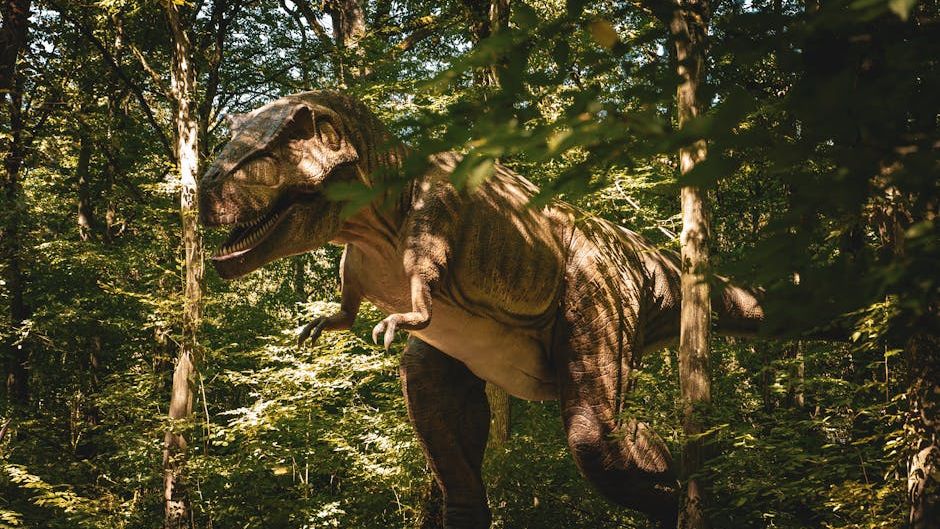
If you could step out of a time machine into the deep past, the first thing that would probably hit you is how alive everything feels. Prehistoric Earth was not just a world of giant dinosaurs stomping around; it was a collection of wildly different ecosystems, each humming with its own strange rules, surprising survivors, and brutal disasters. You would recognize some patterns from today, but much of it would feel like visiting another planet.
As you dig into what scientists have pieced together, you start to see a bigger story: life is unbelievably stubborn. Ecosystems collapsed, seas evaporated, continents smashed together, and yet forests regrew, reefs reappeared, and new creatures took over roles left empty by extinctions. When you learn how prehistoric ecosystems actually worked and how they bounced back, you stop seeing them as dusty museum displays and start seeing them as living experiments in survival that still echo in the world around you.
1. Prehistoric Forests Were Taller, Denser, and Sometimes Stranger Than Anything You’ve Seen
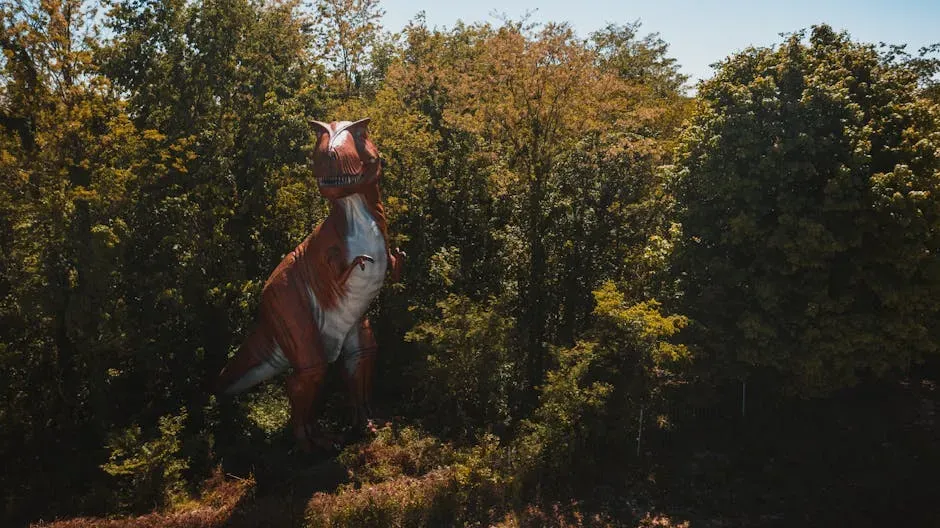
You probably picture prehistoric forests as dinosaur backdrops, but if you dropped into some of the earliest ones, you might not even recognize them as forests at all. In the Devonian and Carboniferous periods, long before dinosaurs, you’d walk through swampy lowlands filled with towering clubmosses, horsetails, and giant ferns that were more like living totem poles than modern trees. Many did not have true leaves or flowers like you’re used to; instead, they used spore-based reproduction and simple, scale-like foliage to capture light.
These forests were so dense and spread across such huge tropical belts that they transformed the planet’s atmosphere. When you hear that ancient plants pulled so much carbon dioxide out of the air that oxygen levels became higher than today, you start to understand why some insects could grow to absurd sizes. You are basically looking at an alien forest that is busy rewriting the rules of Earth’s climate, accidentally laying down the coal deposits that you now burn for energy. Next time you see a fern on your windowsill, you’re looking at one of the last small echoes of those primeval green skyscrapers.
2. Giant Insects Thrived Thanks to Supercharged Ancient Atmospheres
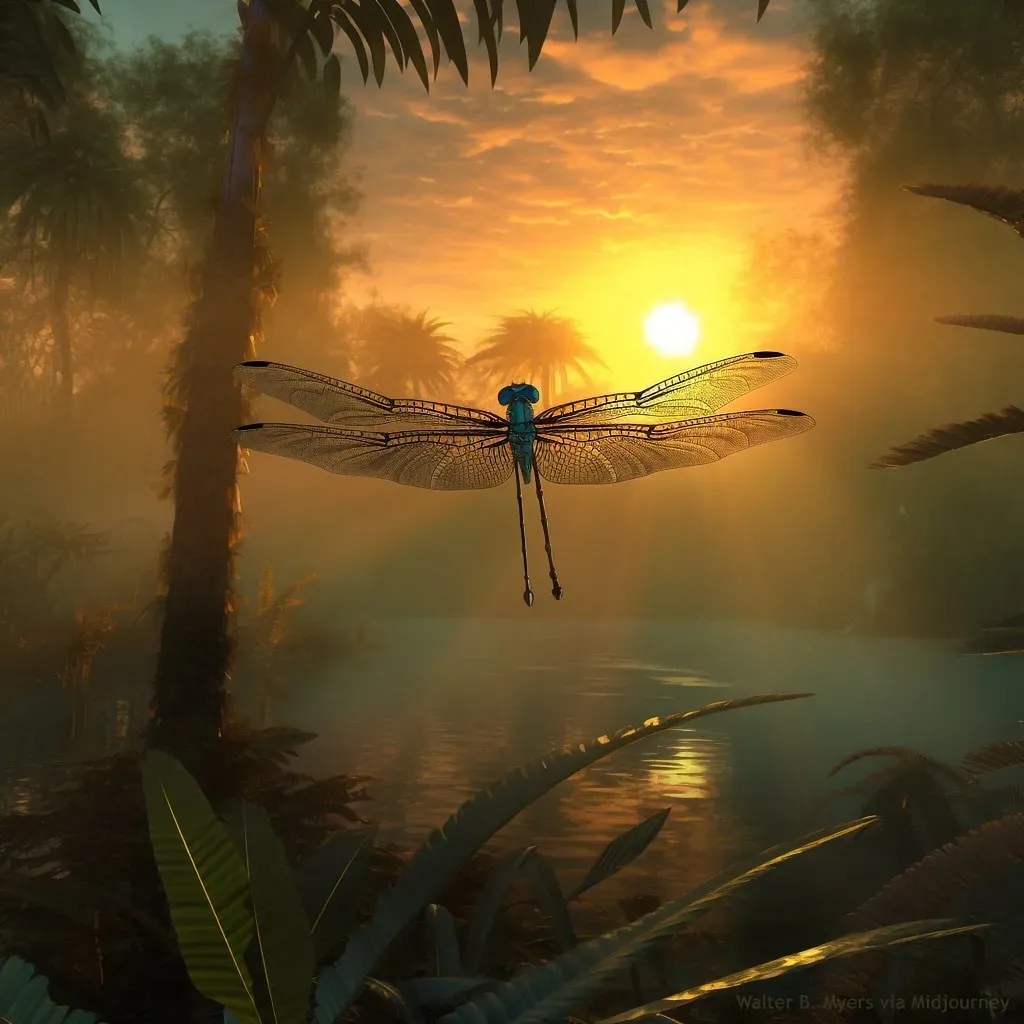
If you hate bugs, you would absolutely not want to live in the late Carboniferous. Imagine dragonflies with wingspans wider than your arm spread, millipedes as long as your couch, and other arthropods scaled up in ways that make your skin crawl. You might assume they became huge because everything was bigger back then, but the real secret seems to be in the air you would be breathing: oxygen levels that were significantly higher than today, making it easier for creatures with simple respiratory systems to grow large and still get enough oxygen.
Insects do not have lungs like you; they rely on tubes that let oxygen diffuse into their bodies, which usually limits their size. But when the air itself carries more oxygen, those limits stretch, and evolution happily tests how big an arthropod can get without suffocating. When massive coal-swam forests began to shrink and oxygen levels dropped, those supersized bugs lost their edge. As you look around today at relatively modest insects, you are seeing a world where the atmosphere has pulled the ladder up behind them.
3. Coral Reefs Have Collapsed and Rebuilt Themselves Multiple Times
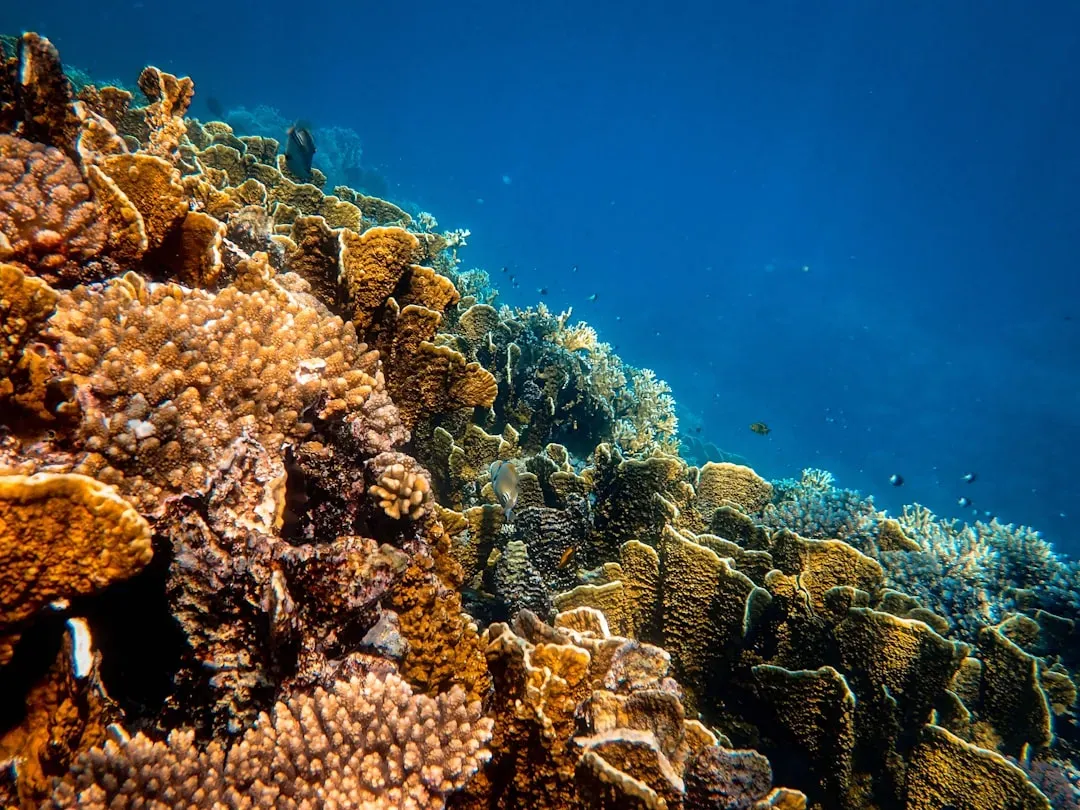
You might think of coral reefs as fragile, modern wonders on the verge of disappearing, and that is sadly true right now. But when you zoom out to prehistoric time, you see a different, more complicated picture: reefs have crashed, vanished, and been reborn again and again, often built by very different organisms. In the Paleozoic, for example, large reef systems could be built by strange sponge-like creatures and extinct coral groups that no longer exist, forming underwater cities for early fish and invertebrates.
Mass extinctions repeatedly wiped these reef builders out, sometimes leaving millions of years with hardly any true reefs at all. Yet when conditions stabilized, new groups – like the modern stony corals you know today – stepped in to rebuild the architecture of the oceans. When you snorkel over a reef now, you are enjoying just the latest version of a recurring theme: life using hard skeletons as scaffolding to create complex three-dimensional homes. It is a hopeful reminder that the reef-building strategy is resilient, but it also warns you that recovery after a crash can take far longer than a human civilization lasts.
4. After Mass Extinctions, Ecosystems Rebooted in Weird and Unstable Ways
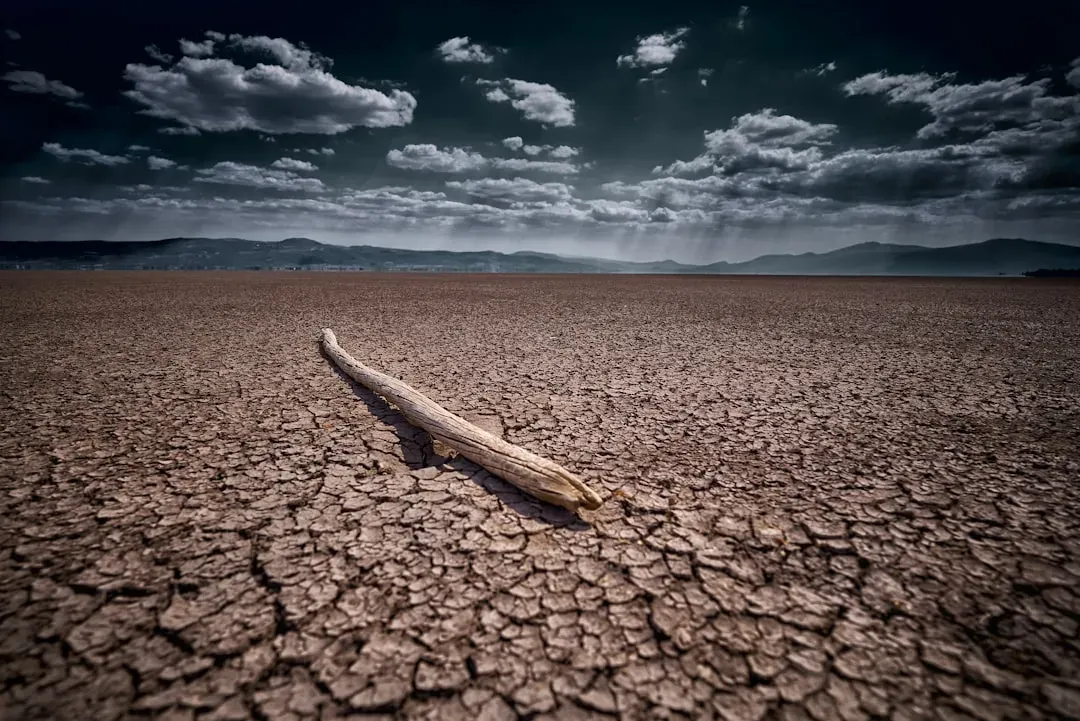
When you hear about a mass extinction, you might picture a sudden wipeout followed by business as usual, just with different animals. The reality is much messier and more unsettling. After the worst events, like the end-Permian extinction, ecosystems did not bounce back overnight; they limped, stuttered, and rebuilt themselves in stages that could take millions of years. You would see a world where food webs were thin, predators were scarce or oddly specialized, and the same few hardy species dominated huge areas.
As survivors spread and mutate, you’d watch new ecological roles slowly reappear: scavengers, ambush hunters, fast grazers, burrowers, reef builders. Early post-extinction communities often looked like experimental prototypes, with odd body plans and strange combinations of traits that later vanished once ecosystems became more crowded and competitive again. When you realize that stability is something that takes ages to rebuild, you also see how fragile your own systems are – and how long it might take for nature to truly recover from a crisis on the scale of what humans are creating now.
5. Dinosaurs Lived in Highly Structured, Complex Ecosystems – Not Just Monster Playgrounds
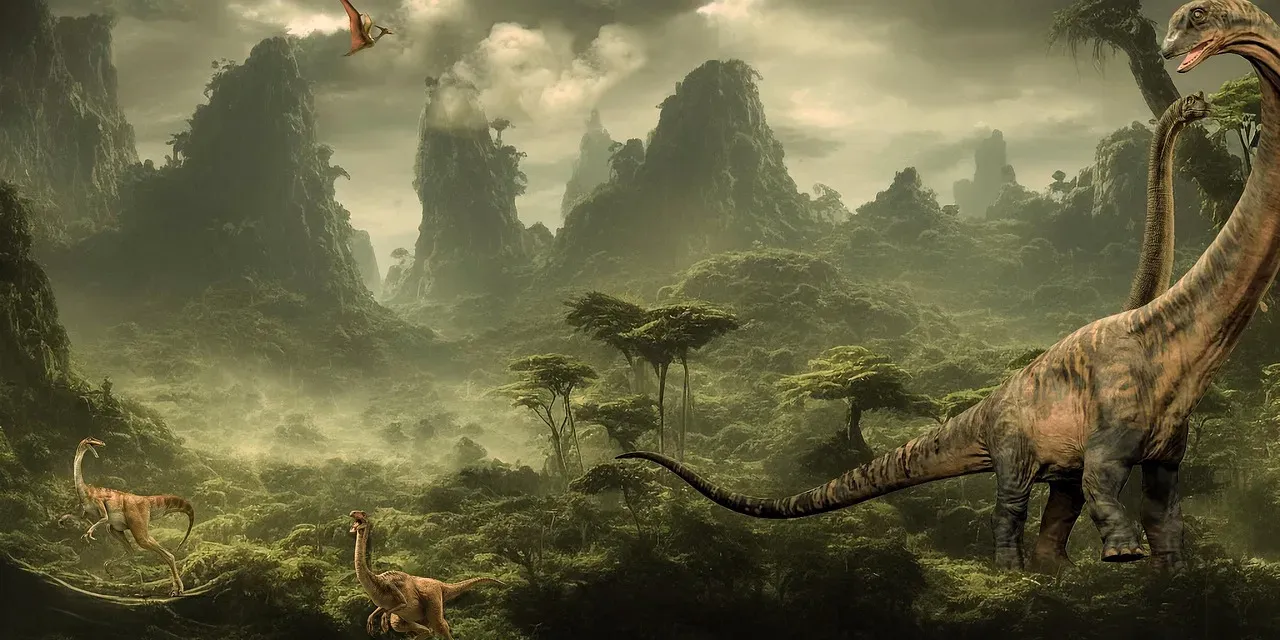
It is tempting to treat dinosaur worlds as simple: big predators, big plant-eaters, open plains, done. But if you dropped into a Late Jurassic floodplain or a Cretaceous forest, you would be walking into a finely layered ecosystem every bit as structured as a modern savanna or rainforest. Different herbivores specialized in different heights of vegetation, from low-browsing animals to long-necked giants stripping trees like living cranes. Predators filled different niches too: pack hunters, ambush stalkers, small agile omnivores cleaning up leftovers.
Below and around these giants, you’d find mammals the size of mice or badgers, burrowing, climbing, and hunting insects, alongside pterosaurs filling aerial roles that birds take today. In rivers and lakes, crocodile relatives, turtles, and fish carried on their own dramas largely unnoticed by the towering dinosaurs nearby. When you step back, you see that dinosaurs were not special because they broke ecological rules; they were special because they followed those rules so impressively that they dominated the land for tens of millions of years.
6. Early Mammals Quietly Explored Nighttime and Underground Worlds
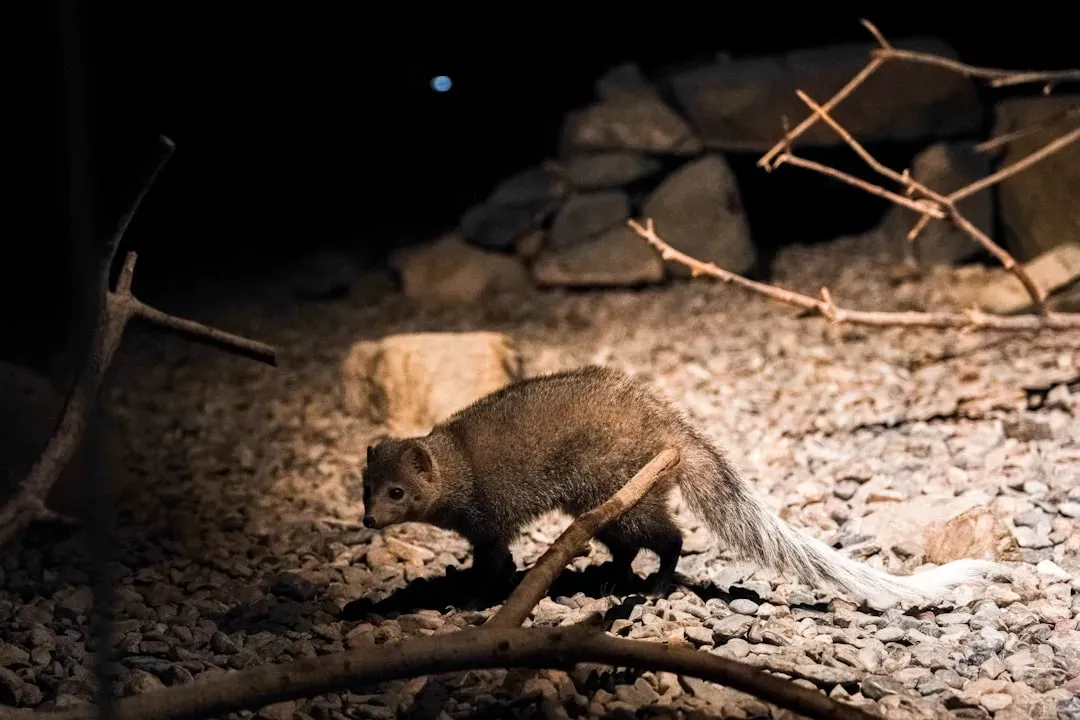
When you think of prehistoric mammals, you might picture tiny, shrew-like creatures hiding in the shadows of dinosaurs, just waiting for their chance. That is partly true, but if you look closer, you see a surprisingly creative set of strategies that let them carve out their own ecosystems within the dinosaur world. Many early mammals and their relatives seem adapted for nocturnal life, using the darkness as a refuge from giant daytime predators and competition. They developed keen senses of smell and hearing, and in some cases, early forms of gliding or climbing skills.
Others took to burrowing, turning the soil into a hidden ecosystem of tunnels, nests, and underground food stores, a bit like living in an ancient version of a subway system. These choices let them feed on insects, small reptiles, eggs, and plants without directly competing with the massive herbivores and carnivores above. When the non-avian dinosaurs disappeared, mammals were not starting from zero; you were looking at a group already packed with evolutionary experiments that could quickly expand into abandoned roles in forests, plains, rivers, and eventually the seas and skies.
7. Continental Drift Constantly Rewrote the Rules for Life
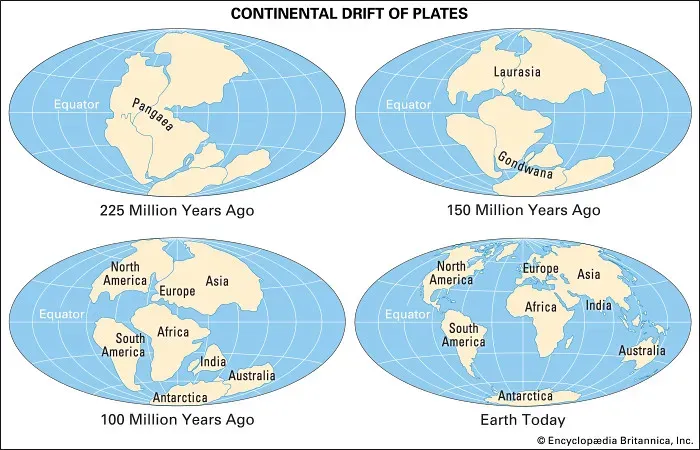
If you could watch a time-lapse of Earth’s continents, you would see them drift, collide, and break apart in slow-motion chaos. Every collision that formed a supercontinent and every rift that opened an ocean changed the game for prehistoric ecosystems. When landmasses smashed together into a supercontinent like Pangaea, you’d get vast interior regions with harsh, seasonal climates and fewer coastal environments, which reshaped where forests, deserts, and wetlands could flourish. Plants and animals that had evolved separately suddenly met, mingled, or competed, and some lines simply could not keep up.
Later, as continents split and drifted apart again, isolation kicked in. Populations that were once connected became stranded, evolving into distinct species as they adapted to new coastlines, mountains, and climates. You can still see the fingerprints of these ancient movements today in how certain animal and plant groups are clustered on particular continents. When you look at a world map now, you are really looking at the fossilized outcome of a long, slow shuffle that never stopped rearranging the stage beneath prehistoric ecosystems.
8. Ancient Oceans Hosted Ecosystems as Fierce and Varied as Any on Land
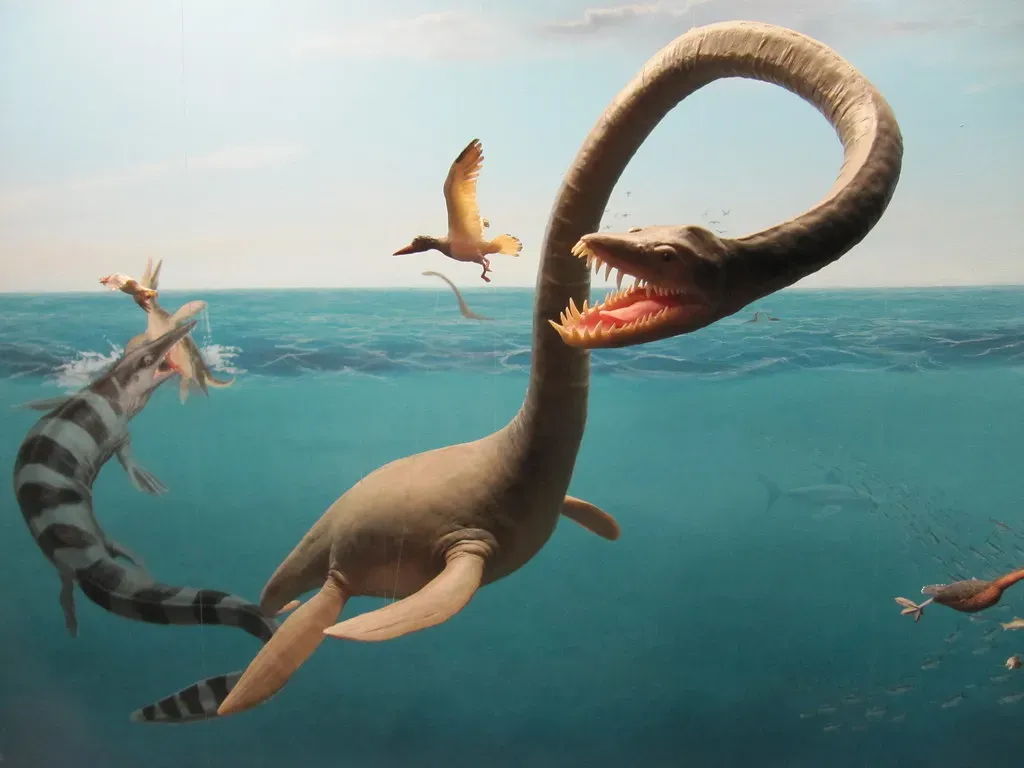
You might instinctively focus on dinosaurs and terrestrial life, but prehistoric seas were often where the most radical experiments were happening. In different eras, you’d find oceans ruled by armored fish, giant marine reptiles, ammonites with spiraled shells, and schools of early sharks testing out new hunting strategies. Coral-like reefs, seagrass meadows, and vast plankton blooms turned the water into layered ecosystems, with life packed from the sunlit surface down to gloomy depths where strange, soft-bodied creatures scavenged a constant rain of organic debris.
Predator-prey arms races in the oceans often pushed innovation: stronger jaws, faster swimming, better armor, sharper senses. These changes rippled through the food web, affecting everything from tiny filter feeders to apex hunters the size of buses. In many ways, if you want to understand how ecosystems can respond quickly to change, you look to the seas, where shifts in temperature, chemistry, and sea level repeatedly forced ancient communities to adapt or vanish. The shoreline that you walk along today is the temporary edge of a battlefield that has been active for hundreds of millions of years.
9. Plants and Fungi Formed Hidden Alliances That Powered Whole Ecosystems
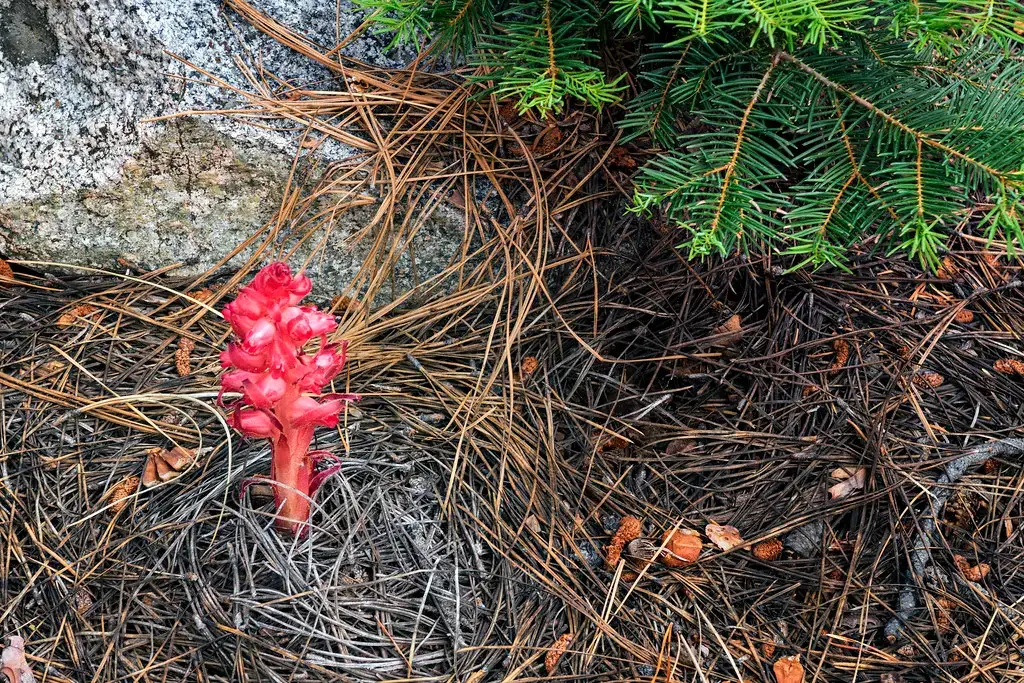
When you imagine prehistoric life, your eyes probably go straight to big animals, but the real powerhouses sat quietly in the soil and on roots. Long before animals roamed forests, plants and fungi formed underground partnerships that let them share nutrients and survive in poor, rocky ground. Fungal networks attached to early plant roots helped pull water and minerals from the soil in exchange for sugars the plants produced by photosynthesis. Without this collaboration, many early land plants would have struggled to gain a foothold on dry ground.
As forests and more complex plant communities spread, these fungal webs grew into something like living internet cables under the forest floor, moving nutrients and even helping seedlings establish in shady or stressful conditions. You do not see these alliances in fossil form easily, but modern studies of living plants and fungi strongly suggest that similar relationships were already running quietly in the background of prehistoric ecosystems. When you picture giant trees or lush fern forests, you should also imagine an invisible fungal support network, quietly keeping the whole system from collapsing.
10. Climate Swings Drove Ecosystems to Migrate, Shrink, and Transform
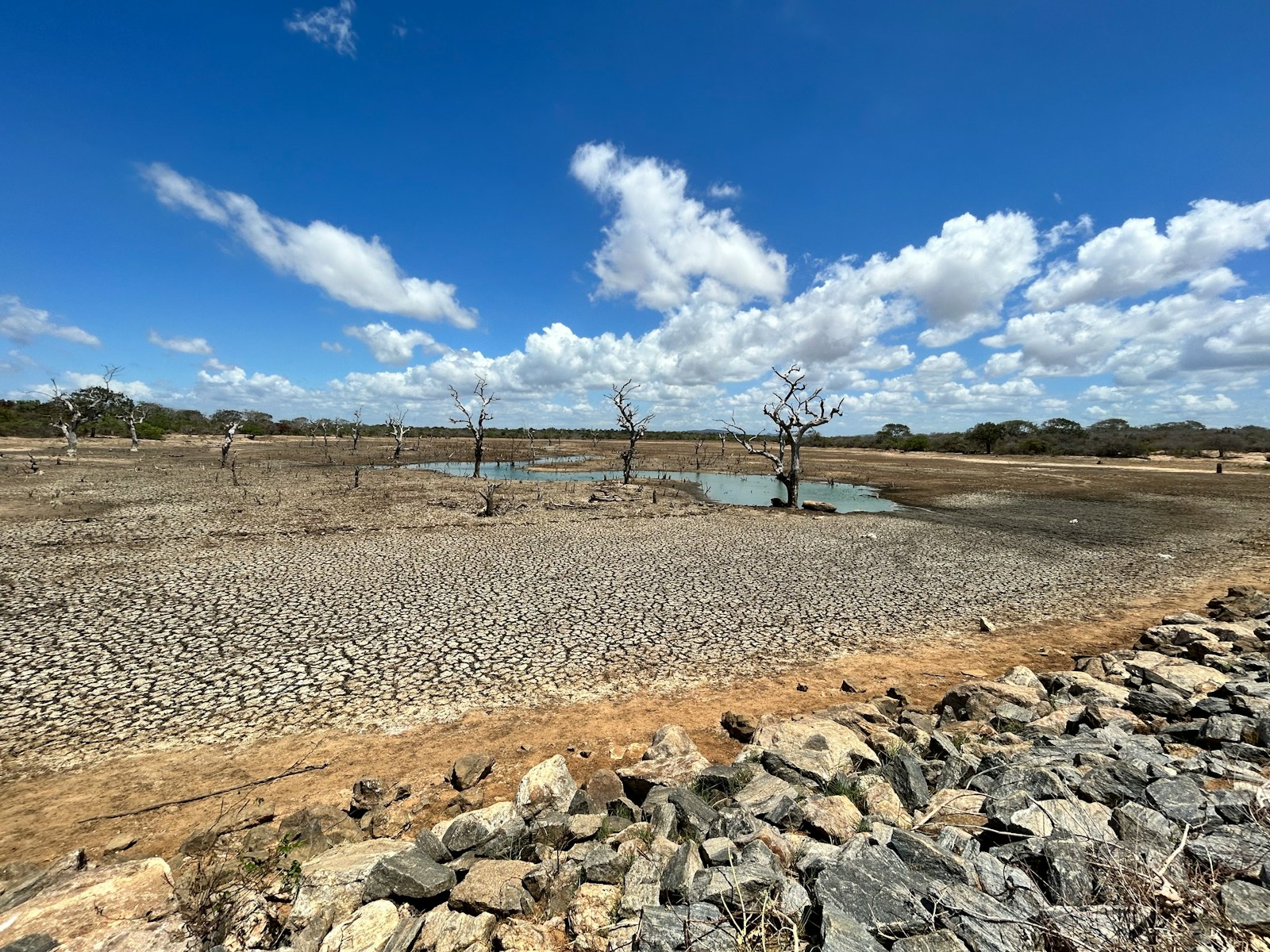
Prehistoric ecosystems never sat still, and climate was one of the main reasons. Over millions of years, Earth cycled through greenhouse periods with warm polar regions and lush high-latitude forests, and icehouse periods with expanding ice sheets and cooler global temperatures. When conditions warmed, forests and wetlands could push poleward and to higher elevations, opening up new habitats and migration routes. When things cooled, those same communities had to retreat, fragment, or adapt to drier, colder, or more seasonal conditions.
These shifts did not just move plants and animals around; they reshaped who dominated and who faded away. Some lineages thrived in stable, warm climates but faltered when seasons became more extreme, while others evolved traits – like efficient water use or better temperature tolerance – that gave them an edge in tougher conditions. When you look at a fossil record from different time slices, you are essentially scrolling through snapshots of communities that have been stretched, squeezed, and remixed by a climate system that never truly stops changing. It makes your modern worries about climate feel less like a new story and more like a rerun with higher stakes.
11. Life’s Ability to Recover Shows Both Deep Resilience and Hard Limits
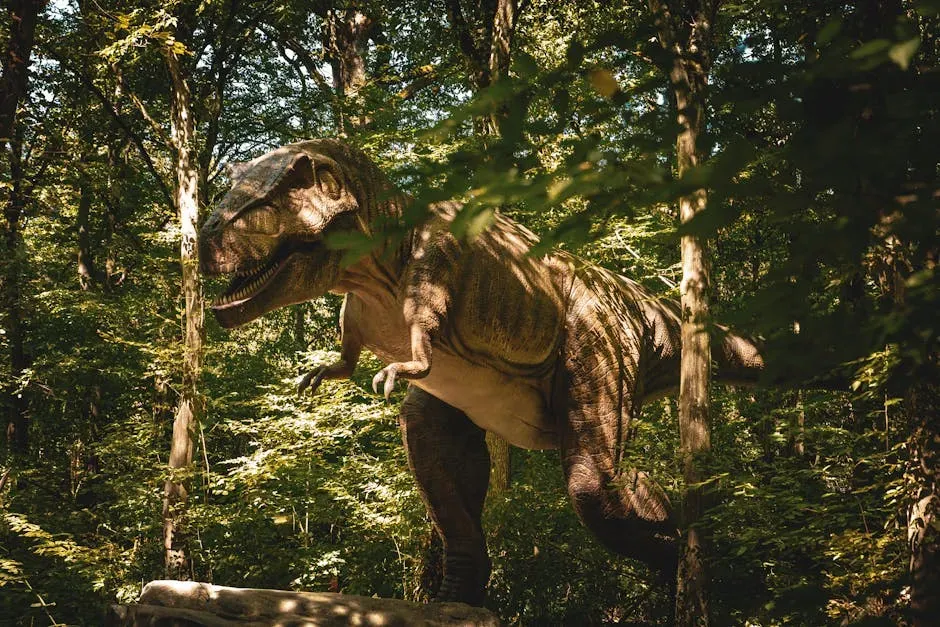
Perhaps the most amazing fact about prehistoric ecosystems is not a single creature or landscape but the pattern you see over and over again: collapse followed by renewal. After asteroid impacts, massive volcanic outpourings, and runaway climate shocks, life repeatedly looked close to failure. Yet survivors, often small, generalist, or simply lucky, managed to hang on and slowly rebuild food webs from the bottom up. Over time, these rebuilds produced ecosystems that were just as complex – and sometimes even more innovative – than what came before.
But that resilience came with a brutal catch: recovery times often stretched far beyond anything you could witness in a human lifetime, sometimes needing millions of years before biodiversity and complexity fully rebounded. When you realize that, you see a sobering contrast between geological patience and human impatience. The planet can eventually regenerate rich ecosystems after disaster, but nothing guarantees they will include the species, landscapes, or climates that you cherish now. Life will go on in some form; the real question is whether the version of Earth you know will still be recognizable in that future.
When you stitch all these threads together – towering swamp forests, giant insects, reef collapses, drifting continents, and quiet fungal alliances – you start to see prehistoric ecosystems not as static scenes, but as restless, improvising communities constantly responding to pressure. You are living in just one chapter of a very long experiment, benefiting from the groundwork laid by countless ancient worlds that rose, fell, and morphed into something new. The next time you walk through a forest or stand by the sea, will you still see only the present, or will you catch a glimpse of those vanished ecosystems humming just beneath the surface of your imagination?