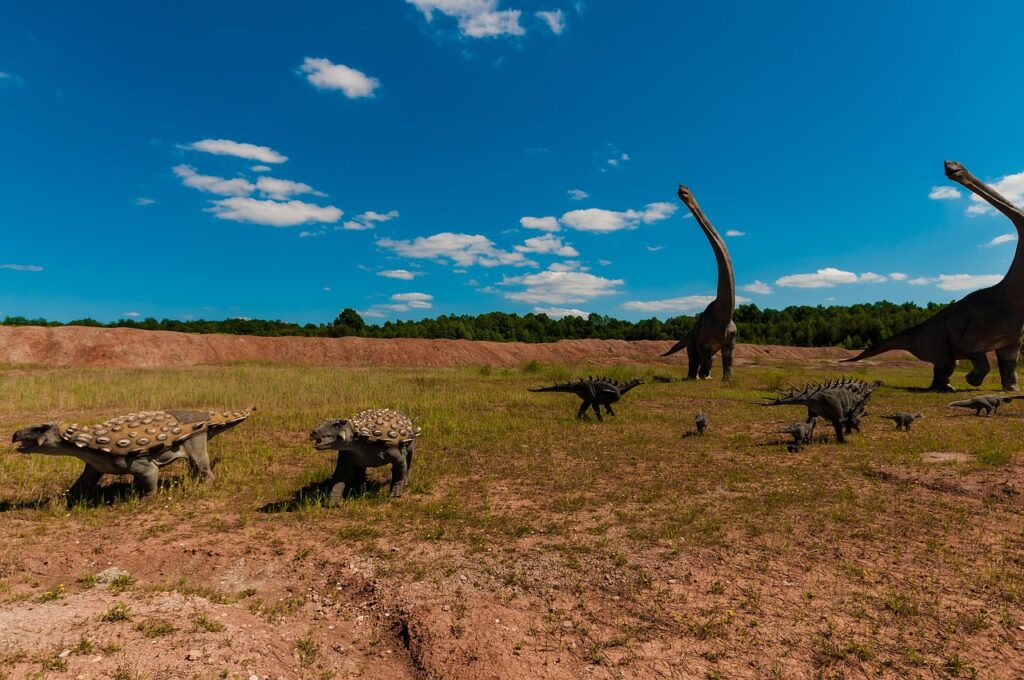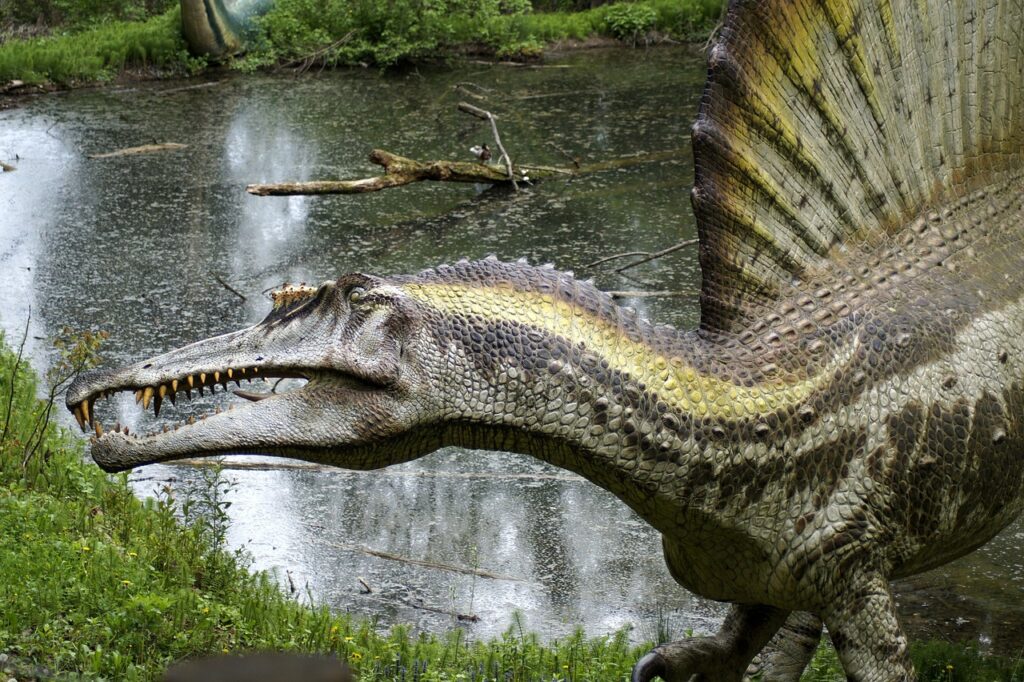
You’ve probably grown up with the image of dinosaurs as giant, lumbering reptiles with tiny brains and slower-than-slow thinking. But when you actually look at the science, a very different picture starts to appear. Some dinosaurs were problem-solvers, social strategists, and perhaps even capable of behaviors that would not look out of place in a modern rook or crow.
Once you step away from movie stereotypes and dig into fossils, trackways, and braincase scans, you start to see dinosaurs less as monsters and more as complex animals trying to survive in demanding worlds. You are not looking at mindless beasts; you are looking at creatures that hunted in teams, cared for their young, navigated enormous landscapes, and adapted as environments changed around them. Let’s walk through five moments where dinosaurs quietly prove they were far sharper than most people give them credit for.
1. When “Tiny-Brained” Dinosaurs Outsmarted Their Environments
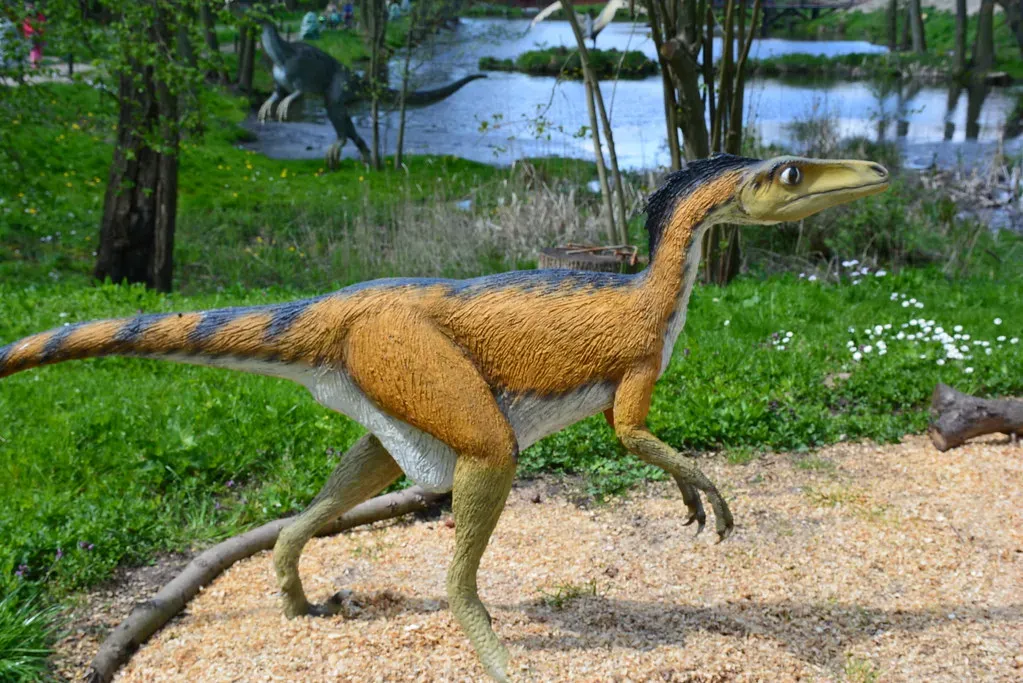
If you were to judge dinosaur intelligence purely by brain size, you’d underestimate them from the start. You’re used to thinking that a small brain means a simple mind, but in biology, brain efficiency and structure matter just as much as raw volume. Some predatory dinosaurs, especially smaller theropods, had relatively large brains compared with their body size, closer to what you’d expect in modern birds rather than in sluggish reptiles.
When scientists examine braincases with modern scanning techniques, they can see how different regions of the brain were developed. You learn that parts responsible for balance, coordination, and senses like vision and smell were often quite sophisticated. This suggests that many dinosaurs were not just wandering around randomly; they were processing complex sensory information, making quick decisions, and coordinating their movements in ways that demanded real mental agility.
2. The Hunters That Likely Worked in Teams
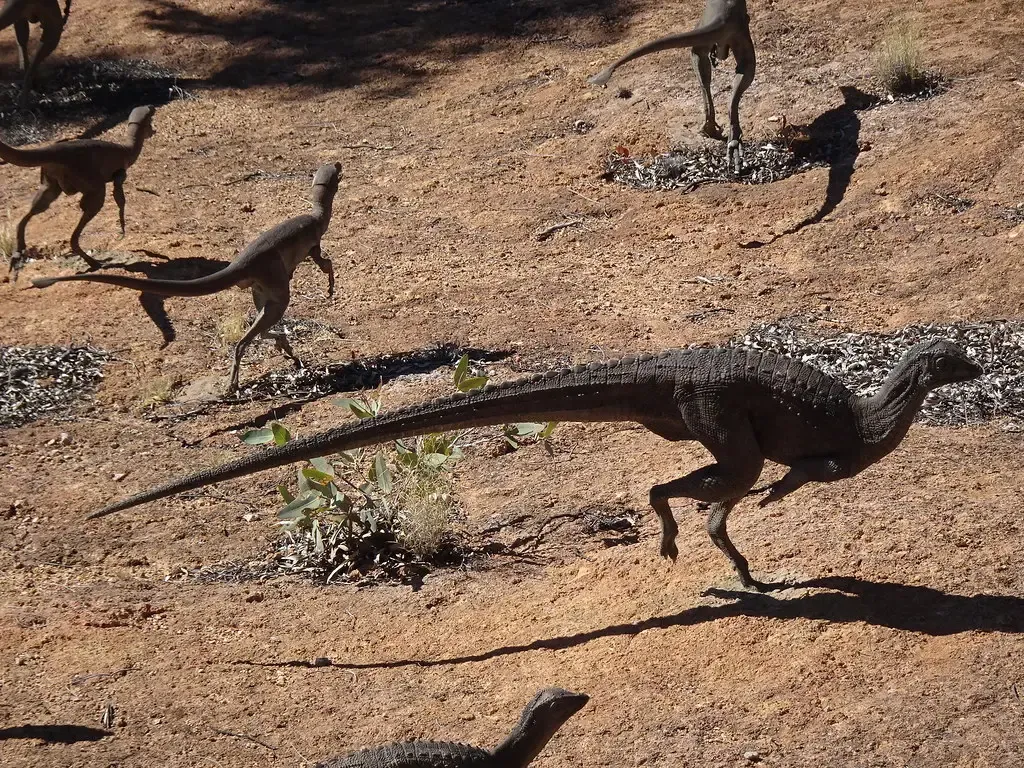
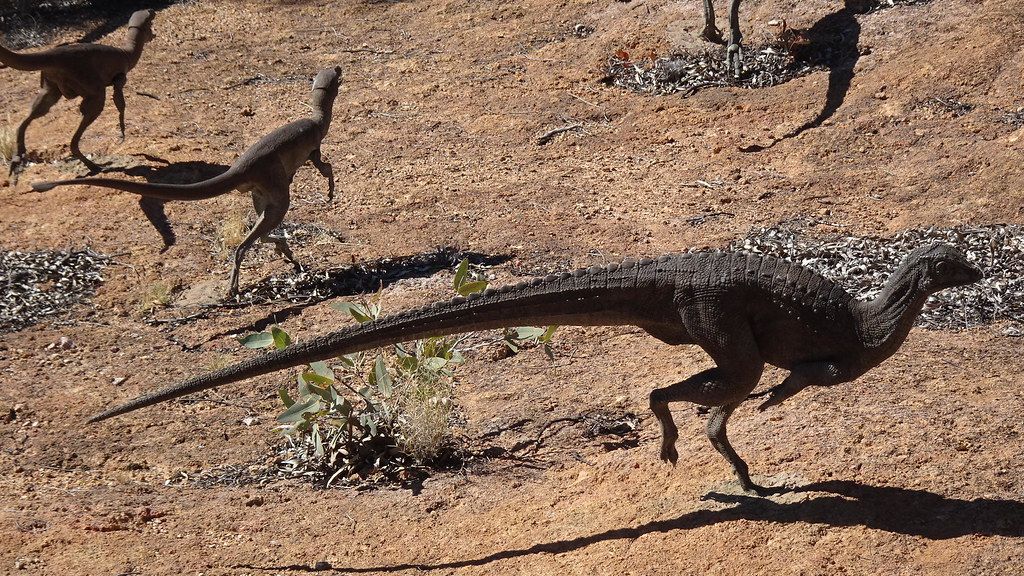
You might imagine a big predator like a tyrannosaur or a raptor hunting alone, but some fossil sites push you to consider something more coordinated. In a few places, you find multiple individuals of the same predatory species preserved together, or trackways where several animals of the same size and shape moved in the same direction at the same time. That kind of evidence hints that at least some meat-eating dinosaurs may have hunted or traveled in groups, the way wolves or lions sometimes do today.
To pull off team hunting, you need more than sharp teeth; you need timing, awareness of where your partners are, and the ability to react to changing situations without getting in each other’s way. That sort of cooperation demands a baseline of social intelligence. When you picture a pack of medium-sized theropods coordinating to harass, corner, or exhaust a larger prey animal, you are imagining a mental challenge that goes far beyond simple, solitary ambush behavior.
3. Parents That Protected, Fed, and Taught Their Young
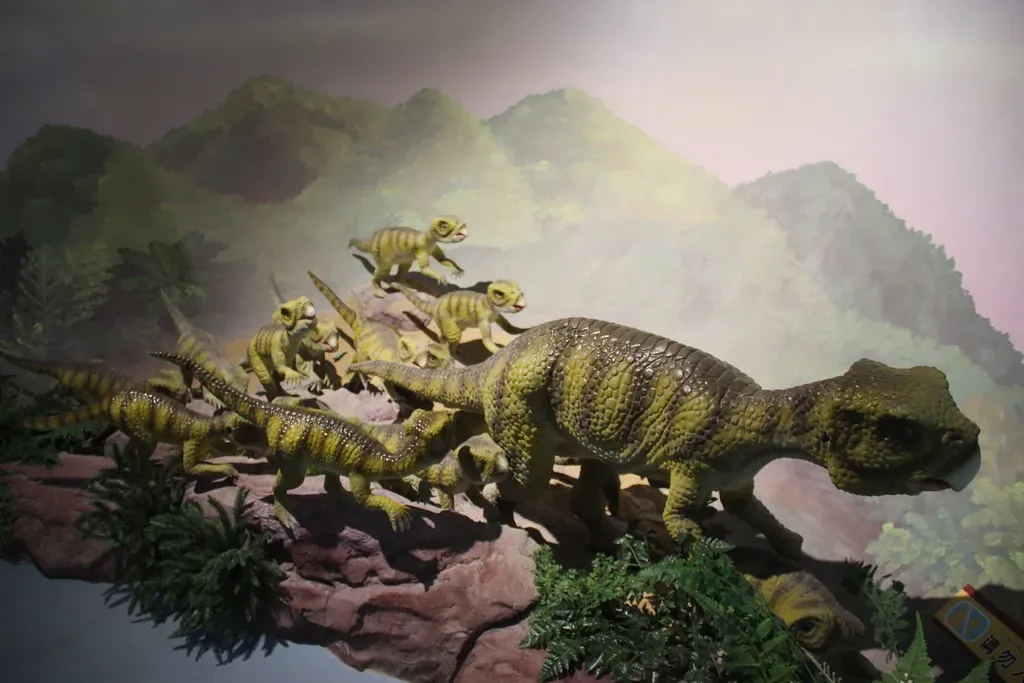
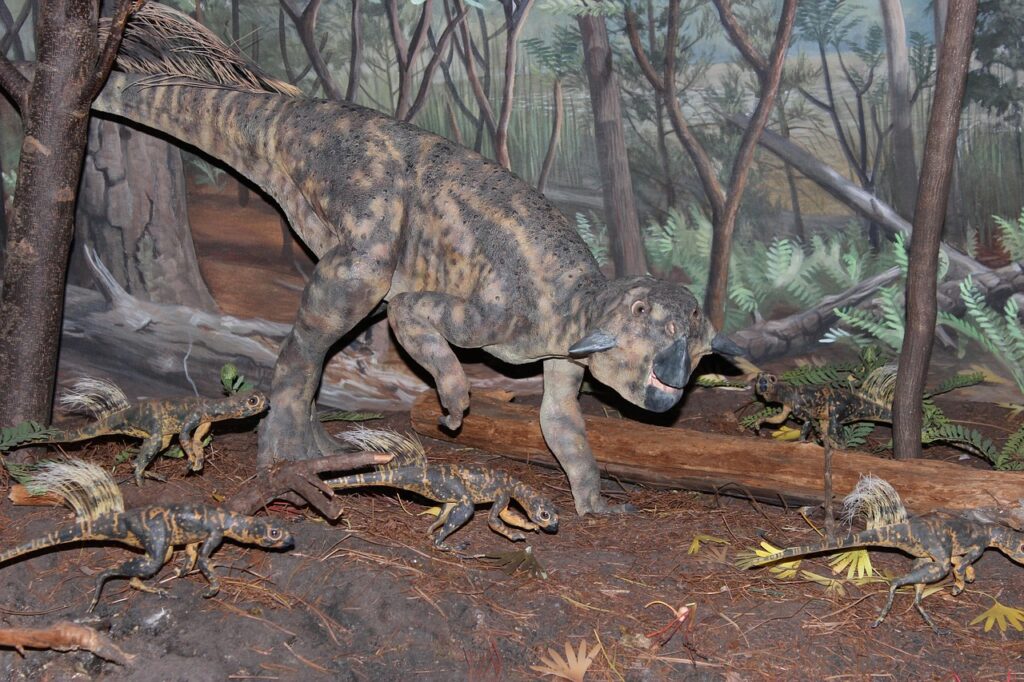
If you think of dinosaurs as cold, uncaring reptiles that laid eggs and walked away, fossil nests will surprise you. In some famous sites, you see carefully arranged nests with eggs in neat circles, sometimes with different sizes of juveniles preserved nearby. That layout gives you clues that these dinosaurs may have tended their nests, returned to the same sites, and even raised multiple generations there. A few skeletons are preserved in ways that look like adults were guarding eggs or sheltering young.
Caring for offspring over extended periods is a big mental and energetic investment, and it usually goes hand in hand with learning and social behavior. When you picture a herd of plant‑eating dinosaurs with adults surrounding the fragile juveniles, you can see how the young might have learned migration routes, safe feeding areas, and how to respond to danger by watching the adults. That kind of long-term parental care pushes dinosaurs into a category much closer to modern birds and mammals in terms of social complexity.
4. Herds That Navigated and Communicated Across Vast Landscapes
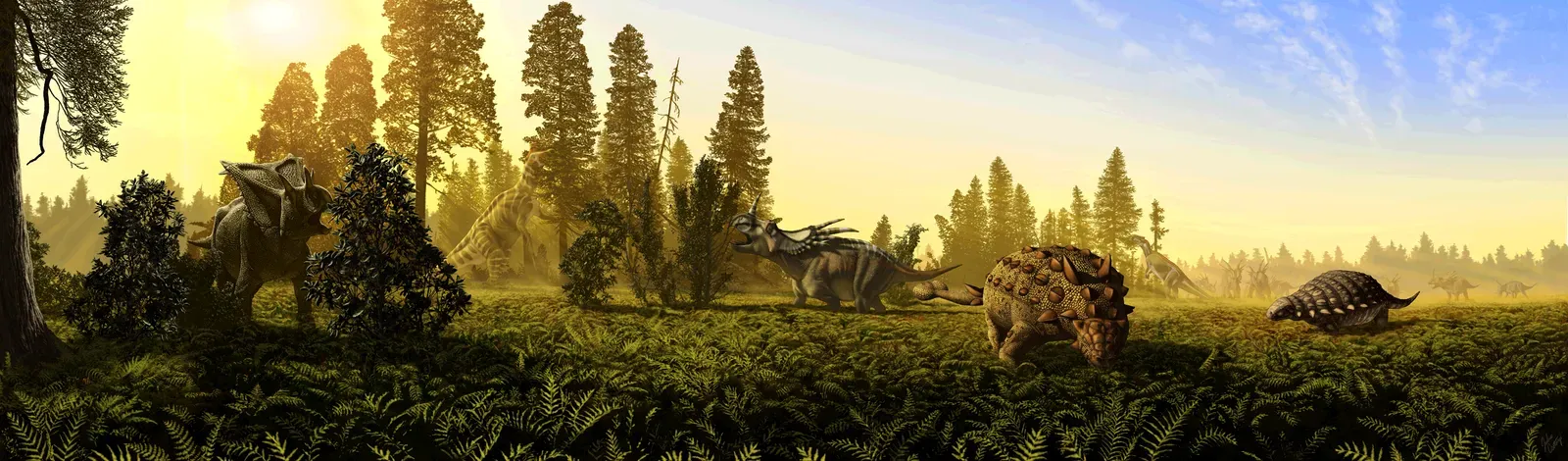
Think about what it takes to move in a herd without everything collapsing into chaos. Fossil trackways sometimes show dozens of footprints moving in parallel, with small and large individuals walking together at similar speeds. When you look at that kind of evidence, you’re seeing more than footprints; you’re seeing coordination, awareness of group members, and some form of communication that helped keep everyone together over long distances.
To migrate, avoid predators, and find food and water, herd-dwelling dinosaurs had to remember routes, recognize landmarks, and respond to subtle signals from others. You can imagine low rumbles, body language, or visual displays helping to keep the group organized. Even if you never know every detail, the very existence of structured herds tells you these animals were constantly making decisions: when to move, when to stay, who to follow, and how to protect the weakest members.
5. Feathered Dinosaurs That Behaved More Like Clever Birds Than Lizards
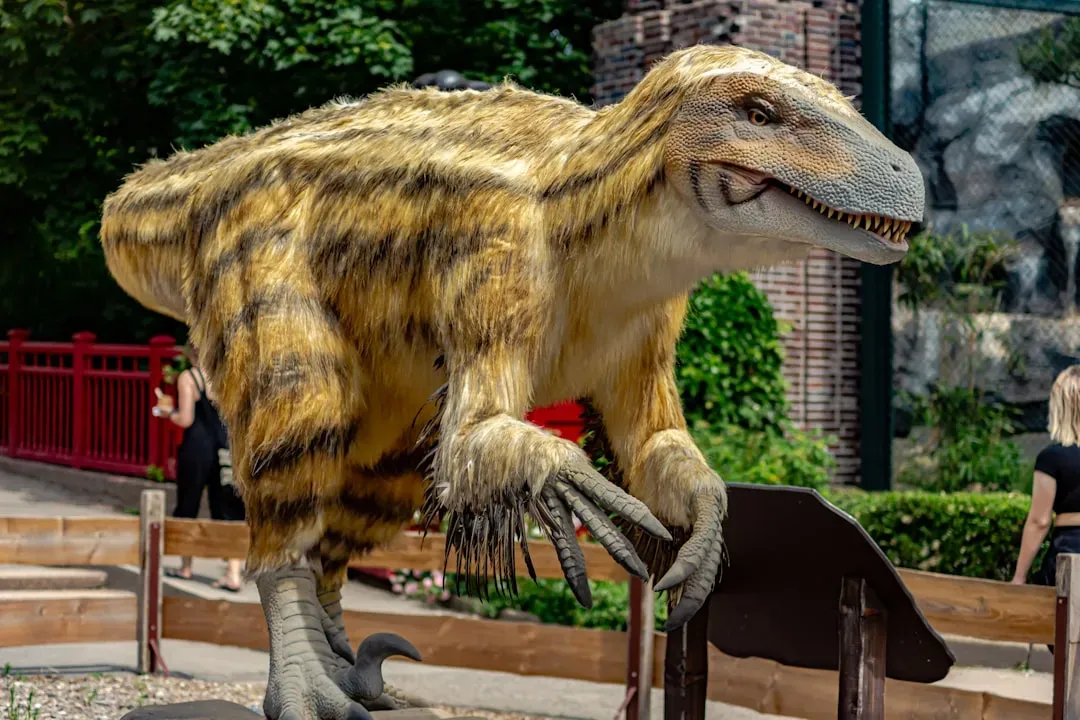
Once you learn that many dinosaurs, especially close relatives of birds, had feathers, your sense of their minds starts to shift. Feathers are not just for flight; they can be used for insulation, display, and communication. When you picture a feathered dinosaur fanning out a tail or raising a crest of colorful plumes, you are really picturing a social signal, something meant to attract mates, warn rivals, or reassure group members. That kind of signaling fits with a world of relationships, not just instinctive lunges.
Modern birds, which are living descendants of certain dinosaur lineages, show you how far this can go: tool use in crows, complex songs in songbirds, and long-term memory in parrots. You do not need to claim that every dinosaur was a genius to see the connection. By recognizing that some dinosaurs already shared the basic brain structures and sensory abilities that later birds refined, you’re admitting that at least part of the dinosaur world was already operating at a surprisingly high cognitive level.
6. Survivors and Experimenters in a Changing World
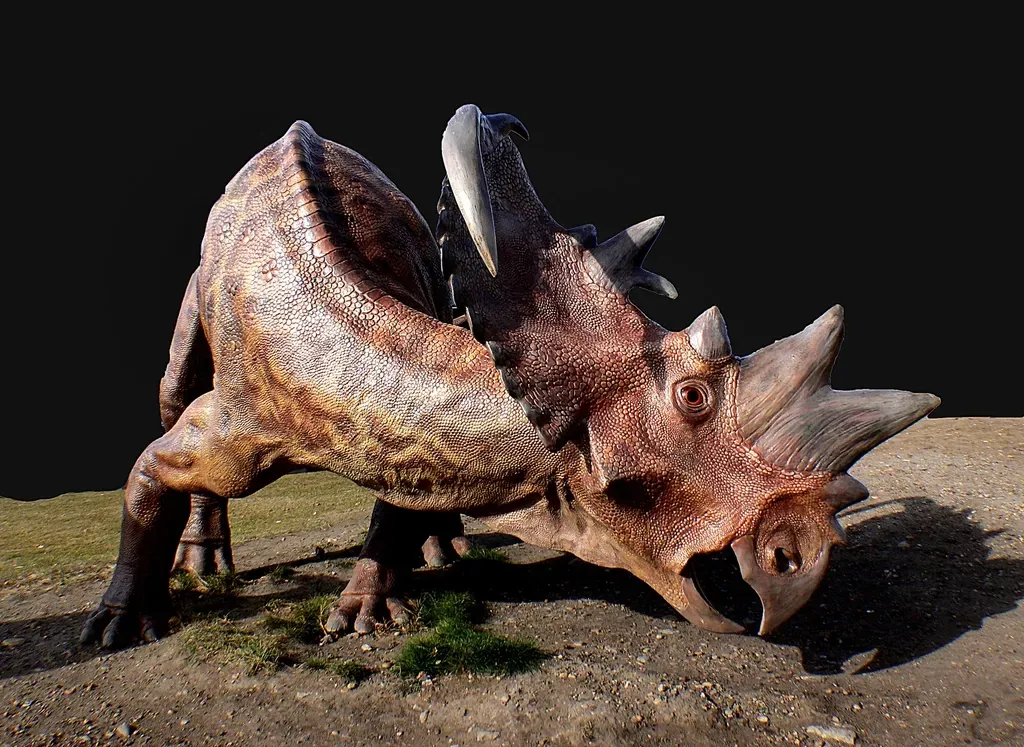
When you zoom out and look at the dinosaur era as a whole, you see animals that kept adapting to new conditions over tens of millions of years. Different groups experimented with new body shapes, diets, and behaviors: fast runners, powerful chewers, high browsers, deep‑forest dwellers. To thrive in those niches, each dinosaur species had to solve practical day‑to‑day problems, from how to find food in a drought to how to avoid newly evolved predators. That constant pressure rewards flexible, effective behavior, not mindless routine.
Most dinosaur species eventually disappeared, but one branch survived as modern birds, and that alone should make you rethink how limited you assume dinosaur minds were. You interact every day with pigeons that navigate cities, hawks that track moving prey from high above, or backyard birds that remember feeder locations year after year. When you realize these are living dinosaurs, you’re forced to accept that their ancestors were never as simple as the old stereotypes suggest. You are really looking at a long story of experimentation, learning, and survival, written in bone and feather.
In the end, dinosaurs were not the dim, clumsy monsters you were shown in outdated illustrations. They hunted together, raised families, moved in organized herds, and signaled to one another with feathers and body language, all while navigating dynamic and often harsh environments. You may never know exactly what it felt like to think with a dinosaur brain, but the more evidence you see, the harder it becomes to dismiss them as stupid.
Next time you watch a bird make a clever choice or recognize your presence, you are witnessing a tiny echo of that ancient intelligence. Dinosaurs were not just big; they were adaptable, social, and often surprisingly sharp, and that is part of what made them so successful for so long. Knowing that, do you still see them as mindless beasts, or do you now suspect there was a lot more going on behind those ancient eyes?