You live in a world ruled by mammals, so it is easy to forget that for well over a hundred million years, your distant ancestors were tiny, nervous shadows under the feet of dinosaurs. The story of how that changed is not just about a giant space rock and a bad day for dinosaurs; it is about how catastrophe reshaped the planet so completely that creatures like you could eventually appear. When you zoom out over deep time, the end of the dinosaurs stops feeling like just an extinction story and starts to look more like a brutal reset button.
As you trace that journey from small, shrew-like insect eaters to primates, then eventually to humans, you start to see patterns that echo in your own life: survival through flexibility, the power of staying small and adaptable, and the strange way disaster can open doors that never existed before. By the time you reach the end of this story, you may look at a fossil photo, a mouse in your kitchen, or even your own reflection a little differently, knowing that all of it is tied to a single world-changing moment sixty-six million years ago.
The World Before the Impact: Mammals in a Dinosaur’s Shadow
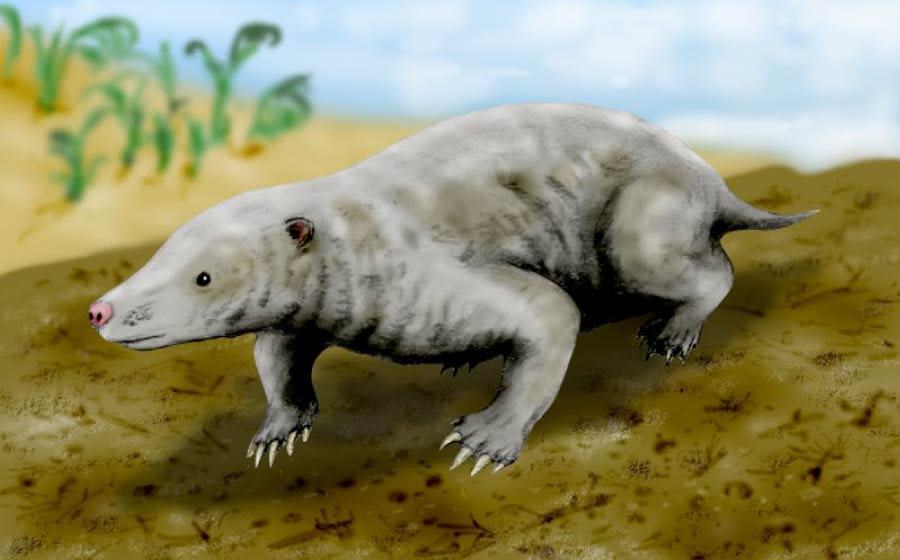
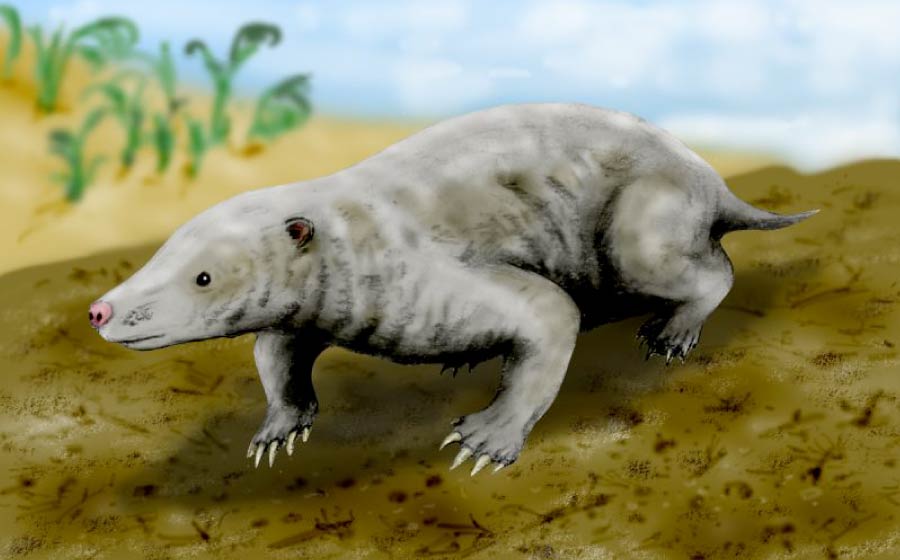
If you could walk around Earth in the late Cretaceous, you would feel like you had wandered onto an alien planet where you do not matter at all. Giant plant-eating dinosaurs browsed tree canopies, massive predators stalked them, and flying reptiles traced the sky; meanwhile, mammals like your ancestors mostly weighed less than a housecat, often closer to a mouse. You would probably never even notice them, because they hid in burrows, crevices, and undergrowth, mostly at night, staying out of the way of the reptilian giants that owned the daylight.
Yet those small mammals had an edge that did not look impressive at the time: they were flexible generalists. You would see them eating insects, seeds, small vertebrates, maybe even scavenging when they could, and spreading into many little ecological corners that dinosaurs did not fully occupy. Their bodies were already warm-blooded, with fur for insulation, decent hearing, and the beginnings of more complex brains. To you, they might look like unimportant background creatures, but they were quietly road-testing the traits that would later let mammals surge forward when the rules of the game suddenly changed.
The Day Everything Changed: Impact, Darkness, and Extinction
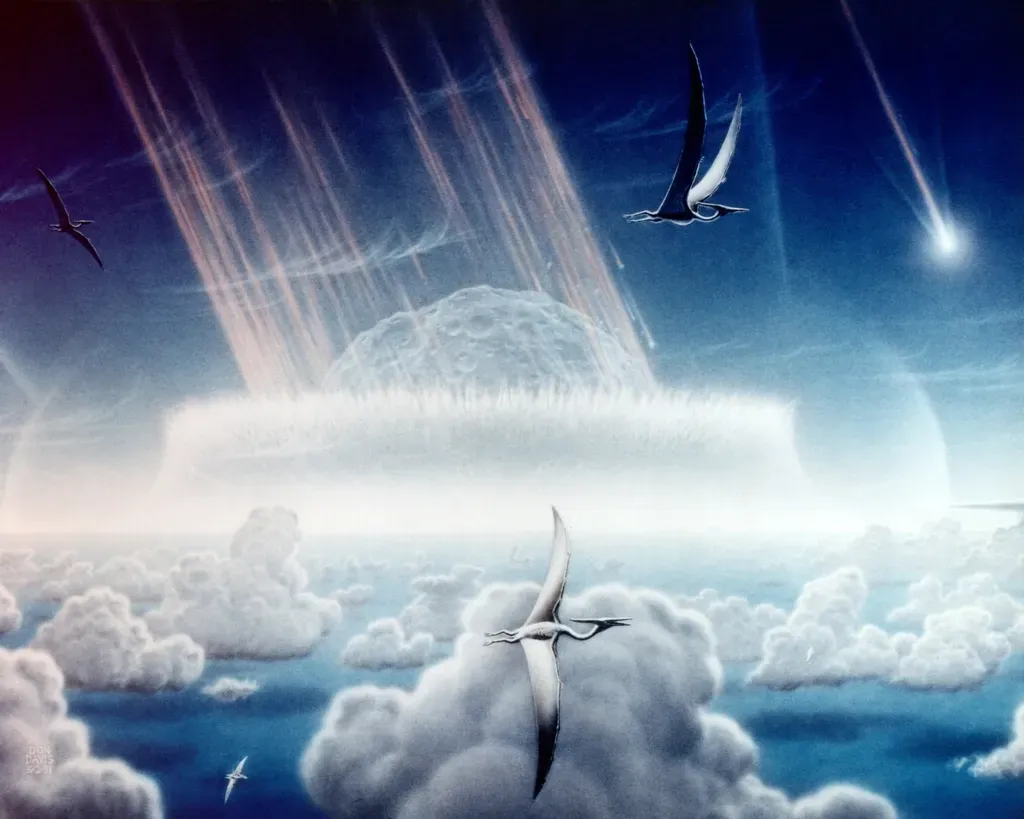
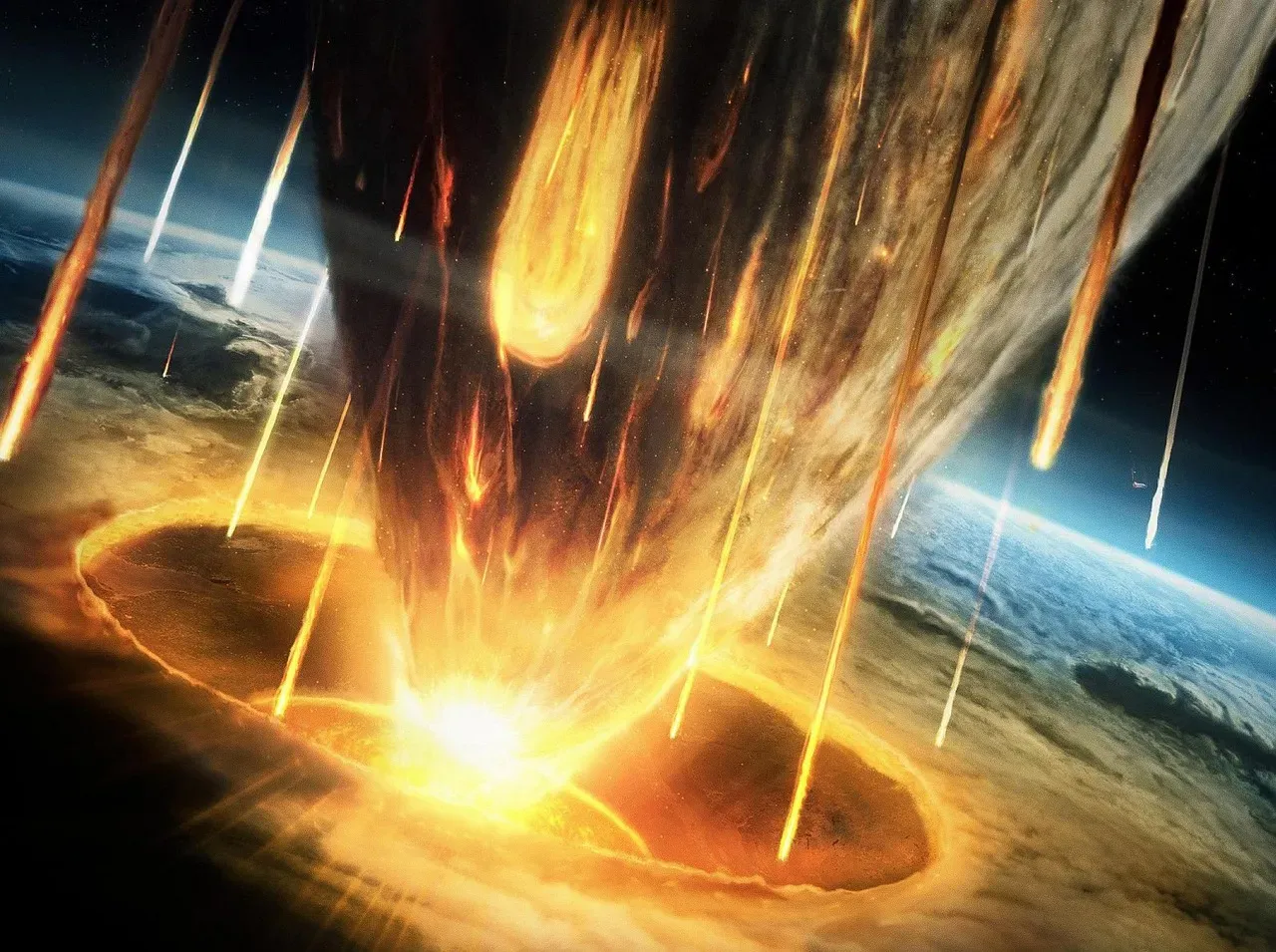
Now imagine you are standing near what is today the Yucatán Peninsula about sixty-six million years ago, and you see an object brighter than the sun streaking across the sky. In seconds, your world would be torn apart by the impact of a massive asteroid, triggering shockwaves, wildfires, and mega-tsunamis that would make every disaster movie you have ever seen look gentle. But the real killer for most species, especially the big dinosaurs, came after the blast: dust, soot, and aerosols choked the atmosphere, blocking sunlight and plunging the planet into a long, cold, dim period sometimes described as an impact winter.
For you, if you were a large, plant-eating dinosaur, this would be a death sentence, because the plants you depend on would wither as photosynthesis stalled. If you were a top predator dinosaur, your prey would vanish as plant eaters starved. But if you imagine yourself as a small mammal, the story is different: you can shelter in underground burrows, shift your diet toward seeds, insects, and anything still available, and ride out the chaos. The end-Cretaceous extinction wiped out roughly about three quarters of all species on Earth, including all non-bird dinosaurs, but it hit different groups unevenly – and mammals, by a mix of luck and biology, landed on the surviving side.
Why Mammals Survived When Dinosaurs Did Not
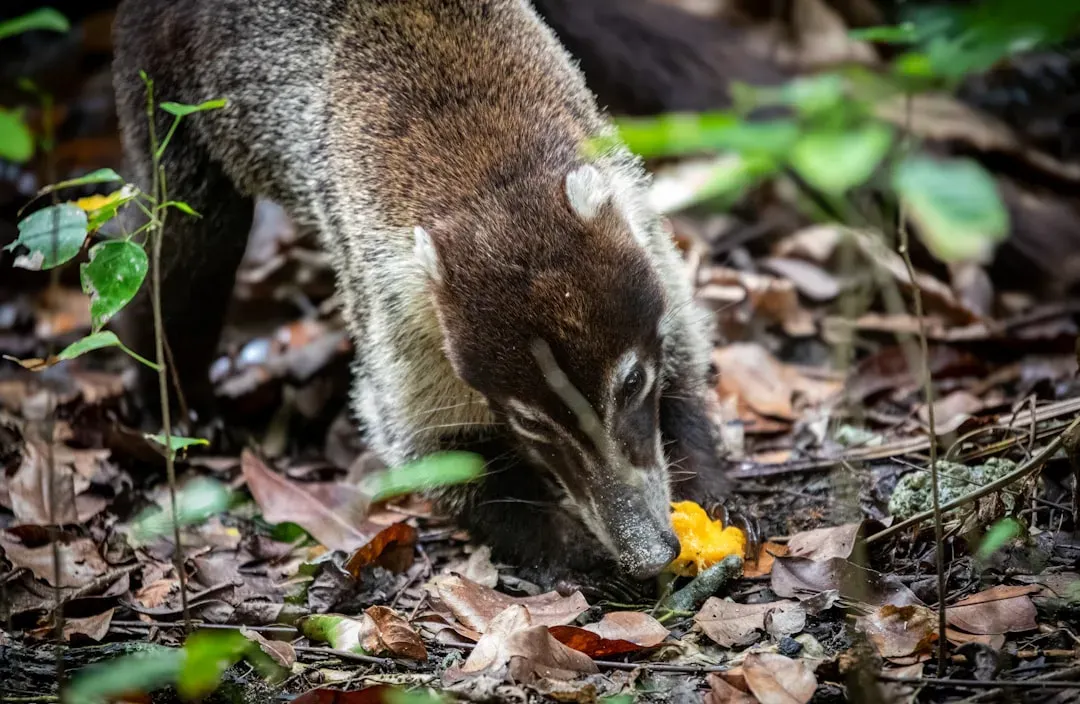
When you ask why mammals survived, you are really asking why certain lifestyles and body plans handled catastrophe better than others. As a small mammal, you would need less food than a multi-ton dinosaur, so short-term shortages would not kill you as fast. You could shelter in burrows, tree holes, or rock crevices to escape firestorms, temperature swings, and falling debris, while giant dinosaurs were stuck out in the open. Small body size may sound like a weakness to you, but under extreme stress, it becomes a huge survival asset.
You would also have another advantage: your diet could be incredibly flexible. Instead of depending on lush vegetation or large prey, you could switch to things that persisted in the darkened world, like insects, worms, fungi, and hardy seeds. Some mammals may have even gone partly nocturnal or crepuscular, making use of whatever scraps of light and safety they could find. When you combine that flexibility with warm-blooded physiology and fur that helps regulate temperature in a wildly unstable climate, you can see why mammals had a much better shot at hanging on while dinosaurs faded away.
The Empty World: New Ecological Vacancies After the Crash
Once the dust quite literally began to settle, you would find yourself on a quieter, emptier planet. With non-bird dinosaurs gone, whole ecosystems suddenly had vacant roles: large herbivores, apex predators, mid-sized omnivores, and everything in between were missing from many habitats. If you were a surviving mammal in that world, it would be like waking up in a city where almost everyone had vanished, and all the jobs, houses, and resources were just sitting there, waiting to be claimed. Evolution does not plan ahead, but it relentlessly fills gaps, and now there were more gaps than at almost any other time in Earth’s history.
In this open landscape, your descendants would start to diverge, generation after generation, as different populations explored different lifestyles. Some would grow larger to exploit new herbivore niches, feeding on leaves and shoots that no longer had massive dinosaurs competing for them. Others would become more efficient predators, chasing the smaller reptiles, birds, and surviving mammals that shared these changing ecosystems. If you could watch this play out on fast-forward, you would see a radiation of mammal forms branching out like the limbs of a tree, each one reaching for a different opportunity left behind by extinction.
From Tiny Creatures to Giants: Mammalian Experiments in Size and Shape
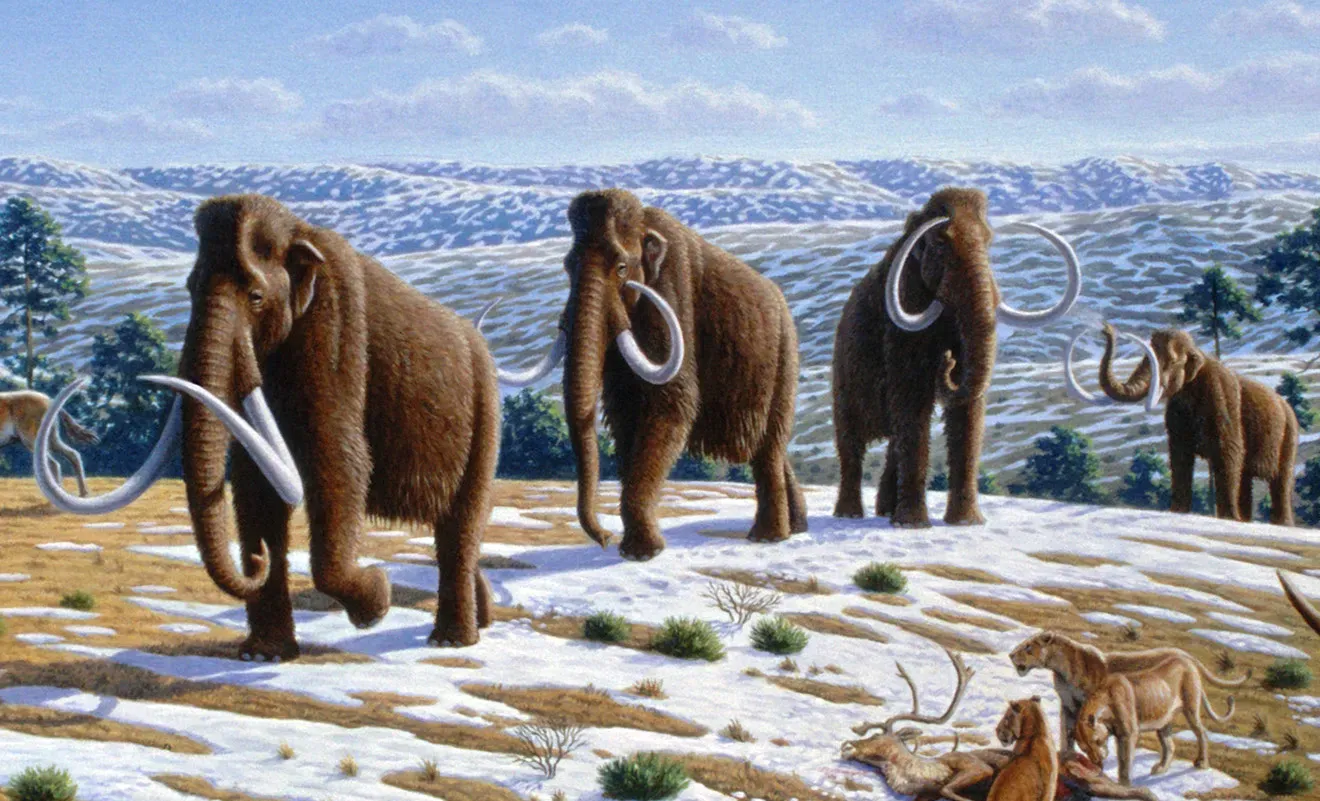
Over millions of years after the dinosaurs’ disappearance, you would see mammals go from mostly mouse-sized creatures to an astonishing array of bodies and lifestyles, some surprisingly huge. It might shock you to watch certain lineages swell in size until they rival, and in some cases surpass, the largest land mammals alive today. On ancient floodplains, you would see large herbivorous mammals browsing shrubs and trees, while in other regions, nimble carnivores stalked across open ground, filling predator roles once held by formidable dinosaur hunters. The planet slowly turned into a mammal-dominated stage, with new experiments in size unfolding in every corner.
You would also notice that mammals did not all converge on the same blueprint. In the oceans, some of your mammalian cousins slipped back into the water and eventually evolved into whales, dolphins, and other marine giants, trading legs for flippers and developing streamlined bodies. In forests, primate ancestors took to the trees, using grasping hands and better depth perception to navigate branches and fruits. On grasslands, hoofed mammals built speed and endurance to cope with open spaces and distant predators. If you imagine each lineage as a different path your own story could have taken, you can feel how wildly experimental evolution became once dinosaurs were no longer setting the rules.
Mammalian Superpowers: Brains, Parenting, and Night Life
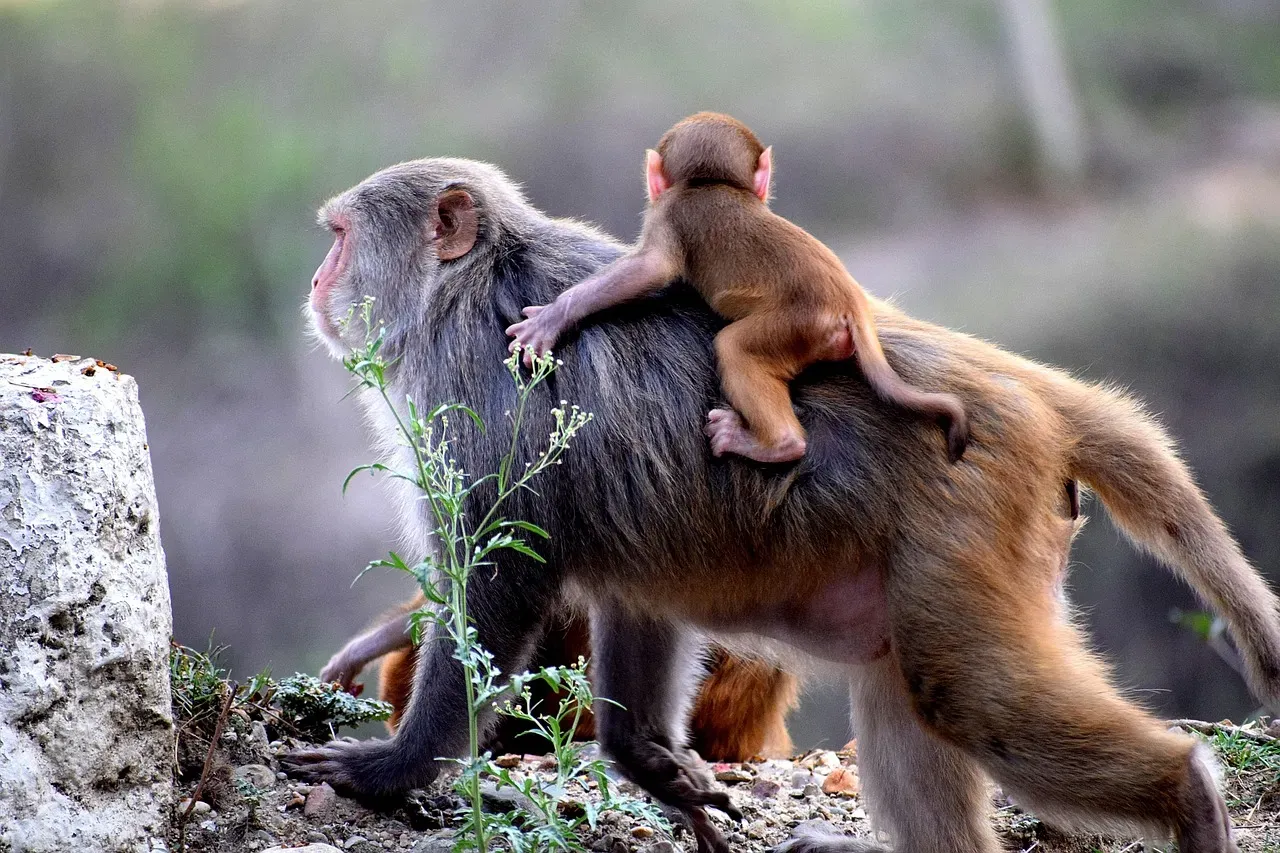
Even before dinosaurs vanished, mammals already had a few traits that set them apart, and as you move into the post-impact world, those features become real superpowers. Warm-blooded bodies let you function in a wider range of temperatures, so you do not have to wait for the sun like many reptiles; you can hunt, forage, or care for young even in cooler or darker conditions. Fur becomes more than just a covering – it is a portable blanket that lets you live in places with harsher seasons or chilly nights. When global conditions are unstable, staying active and functional despite cold snaps or shifts in climate gives you a serious edge.
Then there is the way you would raise your young. Mammals generally invest more time and energy into fewer offspring, often nursing them and protecting them through vulnerable early stages. This kind of intensive parenting allows more complex behaviors and learning to take root; young mammals can absorb survival skills from parents instead of relying only on instinct. Over millions of years, this style of reproduction supports the evolution of larger, more capable brains, especially in groups like primates. When you fast-forward to your own species, that mix of warm-blooded resilience, protective parenting, and sophisticated brains becomes the foundation for language, culture, and technology.
The Road to You: Primates and the Long Shadow of Dinosaur Extinction
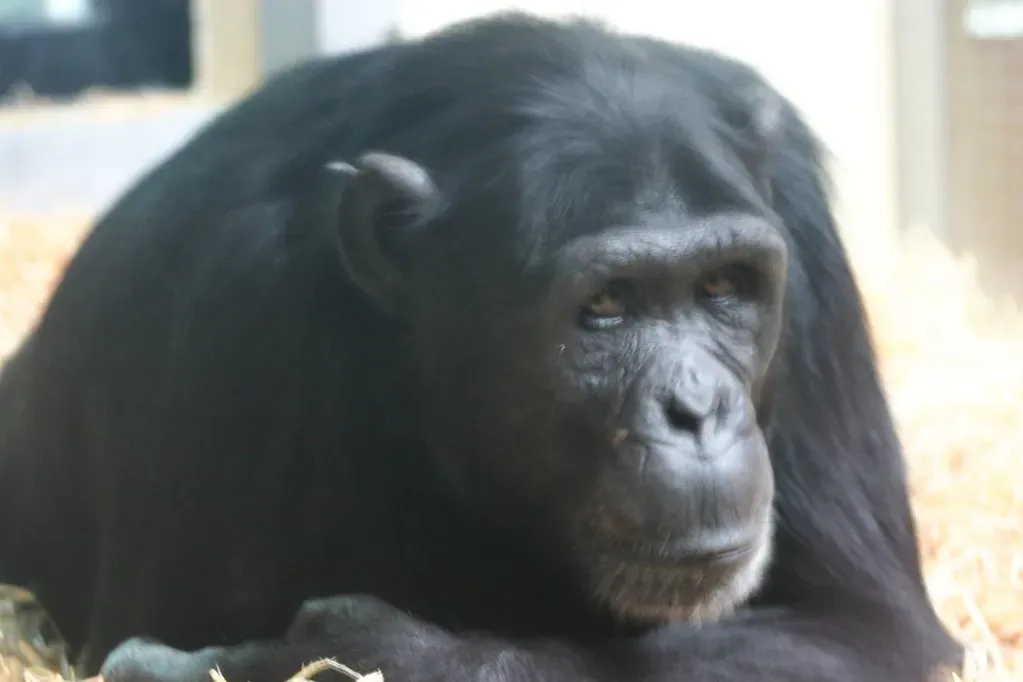
To connect this story to your own life, you have to follow one particular branch of the mammal family tree: the primates. After the impact, as forests recovered and flowering plants diversified, small tree-dwelling mammals with grasping hands, flexible limbs, and forward-facing eyes started to carve out a niche among branches and fruits. If you picture yourself as one of those early primates, you would rely heavily on vision, coordination, and social interaction to navigate complex three-dimensional environments. Those demands reward better brains and more flexible behavior, and over time, your lineage would become one of the most cognitively sophisticated in the mammal world.
From those early primates, lines eventually split into monkeys, apes, and, much later, your own species. None of that would have happened the way it did if giant dinosaurs had still ruled the forests and plains, shaping which plants grew where and which animals could safely exist in their shadows. The extinction reset the stage, and primates walked onto it as small, adaptable cast members who gradually took on starring roles. When you look in a mirror, you are seeing an animal whose entire evolutionary story is inseparable from that long-ago catastrophe. In a strange way, the asteroid that ended the age of dinosaurs also cleared a path that led directly to you reading these words.
How Catastrophe Shapes the Future: Lessons from the Mammal Takeover
Once you understand how the end of the dinosaurs opened doors for mammals, you start to see a broader pattern that goes beyond fossils and timelines. Mass extinctions are brutal, but they also reshuffle the deck in ways that create room for new ideas in the language of life. If you think about your own world, where humans are now driving rapid changes in climate and biodiversity, you can sense how powerful and dangerous that reshuffling can be. Life will almost certainly continue in some form, but which lineages rise or fall next will depend heavily on which traits handle the coming stress best.
This perspective can change how you think about responsibility. Just as the impact event unintentionally cleared the way for mammals, your species is unintentionally – or sometimes very intentionally – changing the future of evolution right now. When you alter habitats, release greenhouse gases, or drive species to extinction, you are nudging the evolutionary story toward new winners and losers. You might take some comfort in knowing life is resilient, but you also have to admit that the next big shift could unfold without you if you push things too far. The mammalian rise, including your own existence, is both a reminder of nature’s creativity and a warning about how sudden change can rewrite everything.
In the end, the fall of the dinosaurs and the rise of mammals is not just ancient history; it is a mirror held up to your own time. You live in the long shadow of an asteroid impact that wiped out giants and gave your tiny ancestors a chance to experiment, explore, and eventually think. Every heartbeat you feel and every thought you have is part of the legacy of that moment when the sky fell and the world reset. Knowing that, you might look at the night sky a little differently, or think twice about the changes your species is driving today. If one world-ending event cleared the way for you, what kind of world are you paving the way for next?