If you grew up imagining dinosaurs as lonely giants stomping around in isolation, you’re about to rethink that picture in a big way. Over the last few decades, fossil discoveries around the world have quietly rewritten what you thought you knew about how these animals lived, raised their young, and moved through their ancient landscapes.
Instead of mindless monsters, you now see a growing body of evidence that many dinosaurs were social, organized, and sometimes surprisingly caring. From trackways that show coordinated movement, to nesting grounds that look like ancient neighborhoods, you can literally read their social lives in stone. Once you start noticing these clues, it’s hard not to see dinosaurs as the complex, group-living animals they really were.
Reading Social Lives In Stone: How Fossils Reveal Behavior
You might think bones only tell you what a dinosaur looked like, but if you know what to look for, they also whisper how that animal lived. When you see clusters of fossils from many individuals of the same species in one place, you’re not just looking at a mass tragedy; you’re often looking at the frozen remains of a group that lived and moved together. The way bones are arranged, the ages of the individuals, and the surrounding sediments all help you piece together whether they died randomly or as a social unit.
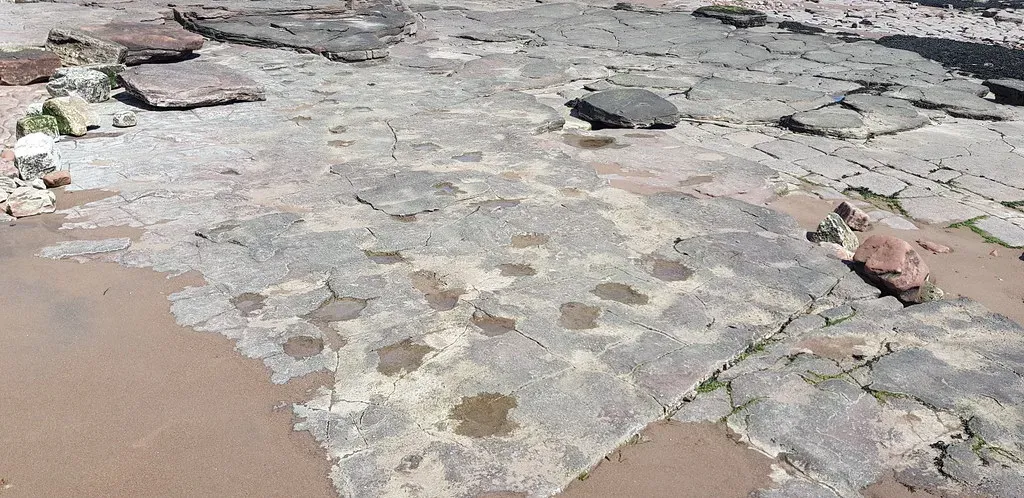
Trackways are another powerful window into behavior that you probably overlook at first glance. If you find multiple sets of footprints preserved in the same layer, heading in the same direction at similar speeds, you’re seeing evidence of coordinated movement, not a traffic jam separated by years. You can measure step length, spacing, and track size to figure out who was moving with whom, and even whether smaller animals stayed close to larger ones, hinting at group protection or family-style travel.
Trackways That Show Herds, Not Lone Wanderers

One of the most striking pieces of evidence you can hold onto is the discovery of long dinosaur trackways where dozens of individuals walked side by side. Instead of a solitary trail, you get parallel footprints that stay aligned over distance, which is exactly what you’d expect from a herd on the move. In some cases, the tracks of smaller individuals hug those of larger ones, suggesting that younger dinosaurs stayed close, maybe just like kids sticking near adults during a hike.
When you analyze these trackways carefully, you notice that the stride lengths and speeds match closely, which tells you these animals were not just randomly using the same route at different times. They were pacing one another, adjusting their speed to stay together. That kind of coordination hints at communication and awareness within the group, the same way a flock of birds or a herd of wildebeest seems to move as a unified body rather than a crowd of strangers.
Nesting Grounds That Look Like Dinosaur Neighborhoods
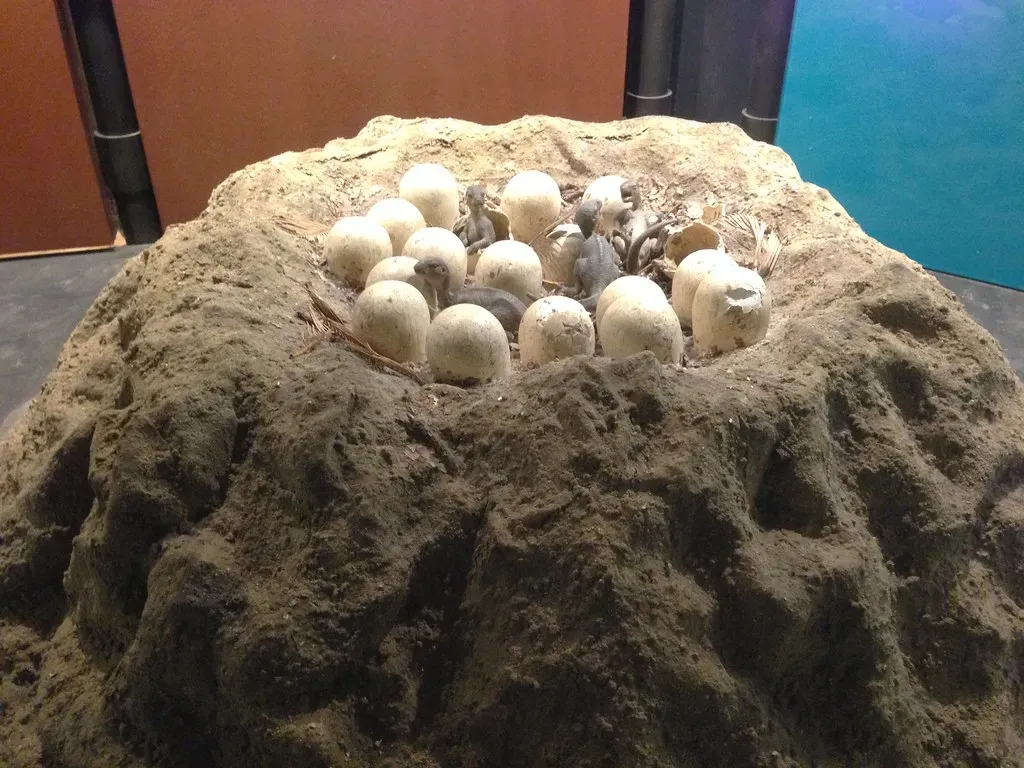
Fossilized nesting sites give you some of the most emotional evidence that dinosaurs were not indifferent to each other. In several places, paleontologists have uncovered large nesting grounds packed with dozens or even hundreds of nests, all from the same species and laid in neat, repeating patterns. When you see that kind of regular spacing, it suggests the animals returned to the same area repeatedly and tolerated one another at close distances, a lot like seabird colonies you might see on cliffs today.
Inside these nests, you often find eggs arranged carefully rather than scattered, which implies deliberate placement instead of random dropping. Sometimes, the sediment layers that cover these nests show signs of repeated use, meaning the dinosaurs came back season after season. When you imagine entire generations hatching, growing, and perhaps even returning to the same nesting ground, you start to see a long-term social structure instead of a one-time accident.
Evidence Of Parental Care: Eggs, Hatchlings, And Homebodies
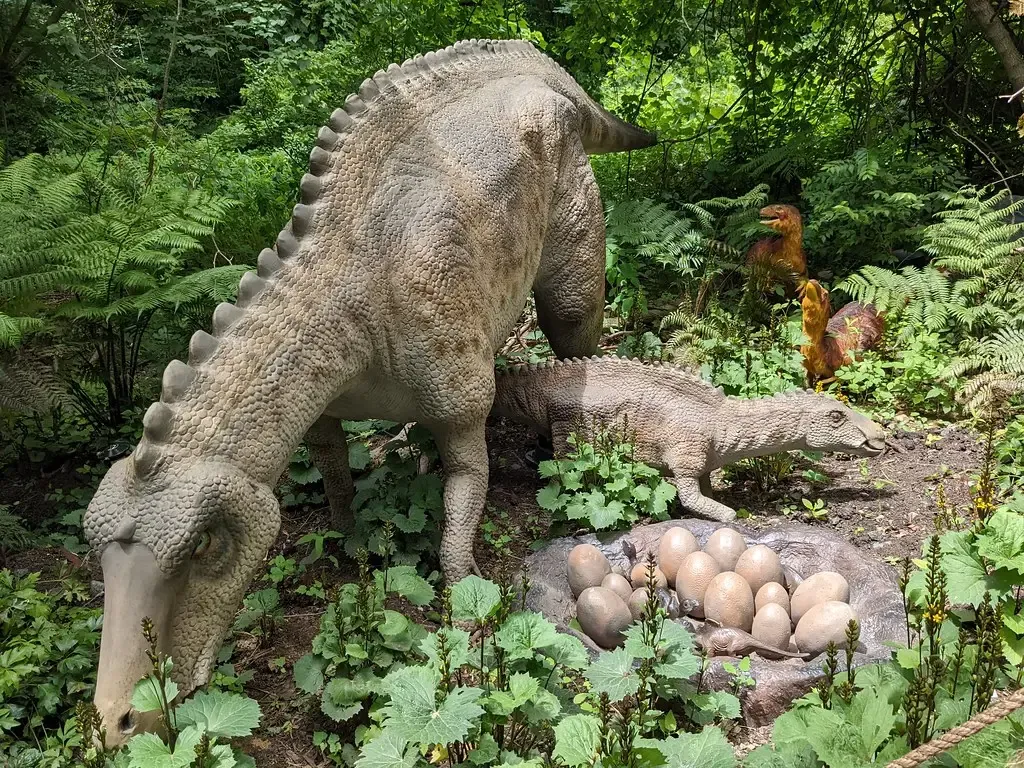
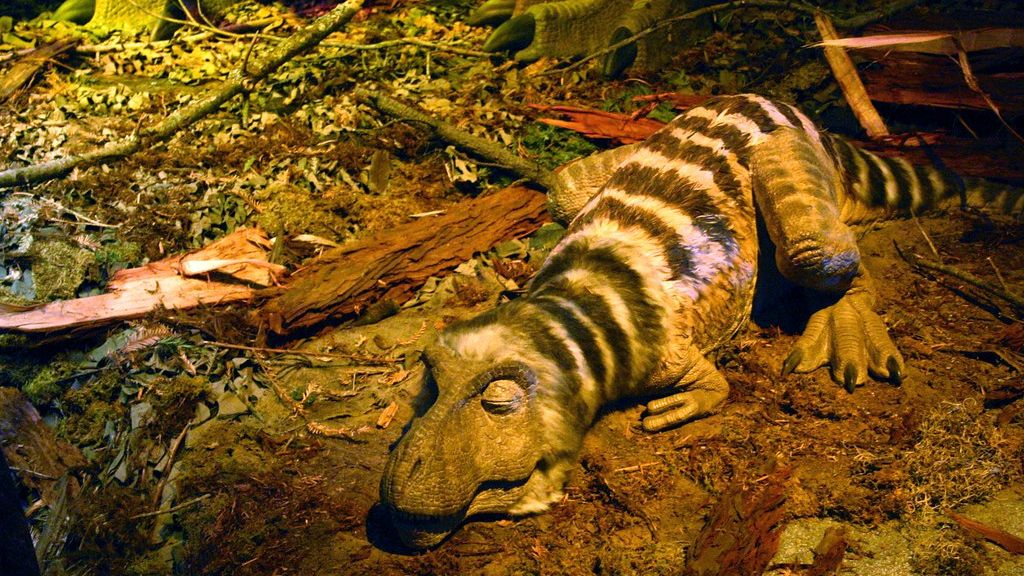
It’s one thing to find eggs, but it’s another to find skeletons of juveniles still clustered in or near nests. When you see multiple young individuals of similar age together, rather than scattered all over, it suggests they stayed in the nest or nearby for some time instead of wandering off immediately after hatching. In a few cases, you even find different growth stages in the same area, hinting that parents or older individuals might have stuck around while the young grew.
Bone studies add another layer to this picture. When you look at microscopic growth rings in juvenile bones, you can gauge how fast those animals were growing and how long they might have depended on protection or provisioning. If young dinosaurs grew relatively slowly, they likely needed more time under the care or at least within the safety of a group. That kind of extended vulnerability is hard to imagine without some form of social support, just as you’d expect from many bird and mammal species today.
Mixed-Age Bonebeds: Clues To Herd Structure And Roles
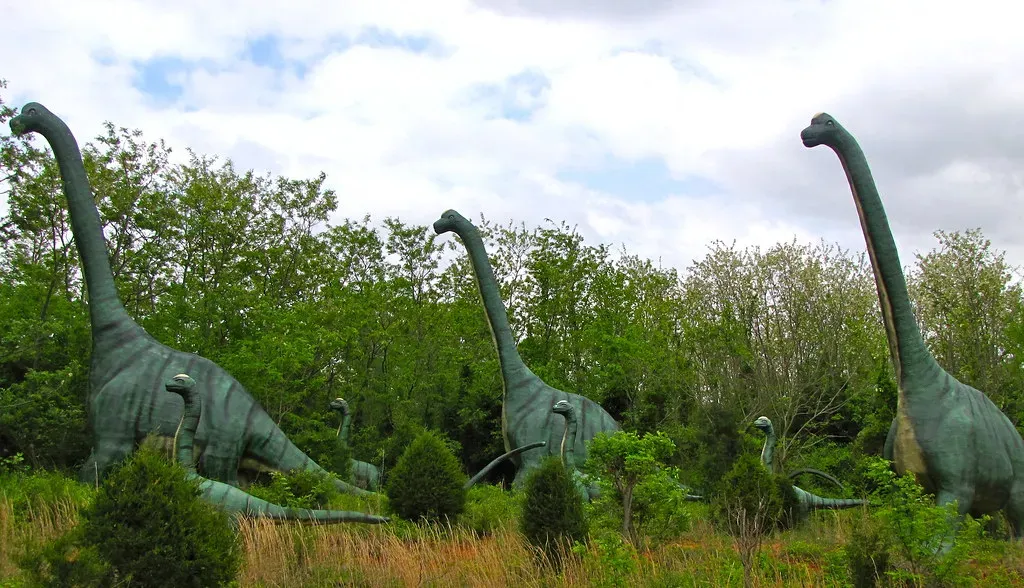
Large bonebeds where you find dinosaurs of multiple ages all jumbled together might sound chaotic, but for you they’re a gold mine of social information. When a fossil site preserves adults, subadults, and juveniles of the same species in one event, it suggests those animals died together as a group rather than drifting in over time. The age distribution can resemble a living herd, with a few large adults, plenty of prime-aged individuals, and a fair number of young ones mixed in.
If you compare different sites, you sometimes notice patterns where certain age classes dominate, hinting at specialized groupings like bachelor herds or nursery groups. While you have to be careful not to over-interpret, the recurring appearance of mixed-age assemblages points toward stable social structures, not random crowding. It’s similar to how a snapshot of a modern bison herd would show you big bulls, nursing calves, and mid-sized teens all sharing the same patch of prairie.
Crests, Horns, And Frills: Built-In Tools For Social Signals
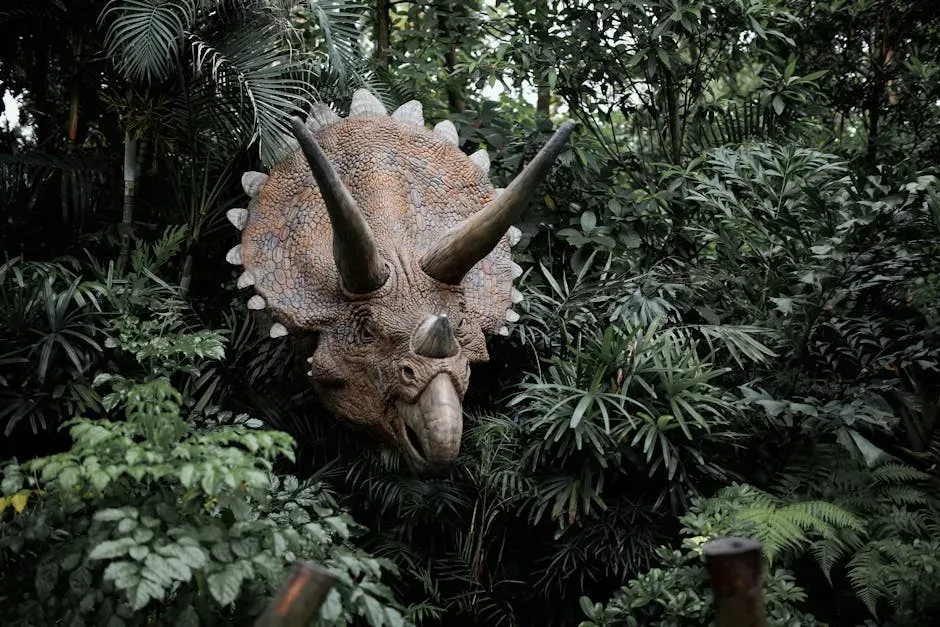
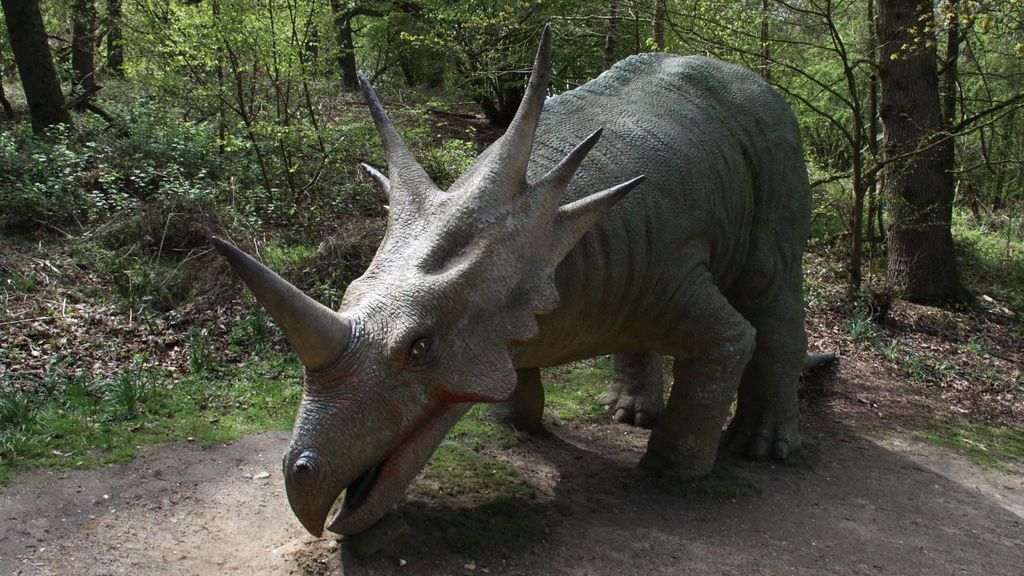
When you look at the dramatic crests, horns, and frills on some dinosaurs, it’s tempting to assume they’re only for fighting or defense, but social signaling is often a better fit. Many of these structures are too fragile or oddly shaped to be practical weapons, yet they are visually striking and sometimes highly variable between species. You can think of them more like flags, billboards, or musical instruments than like spears or shields, designed to be seen and maybe even heard.
In some species, these display structures become more prominent as the animal matures, which is exactly what you’d expect if they were used for mate attraction or dominance displays. Subtle differences in shape and size could have helped individuals recognize members of their own species and even distinguish males from females. Just as antlers in deer or bright plumage in birds play complex social roles today, these elaborate dinosaur ornaments likely helped organize their social lives, from courtship to rivalry to group cohesion.
Small-Brained, But Not Simple: What Dinosaur Minds Could Do
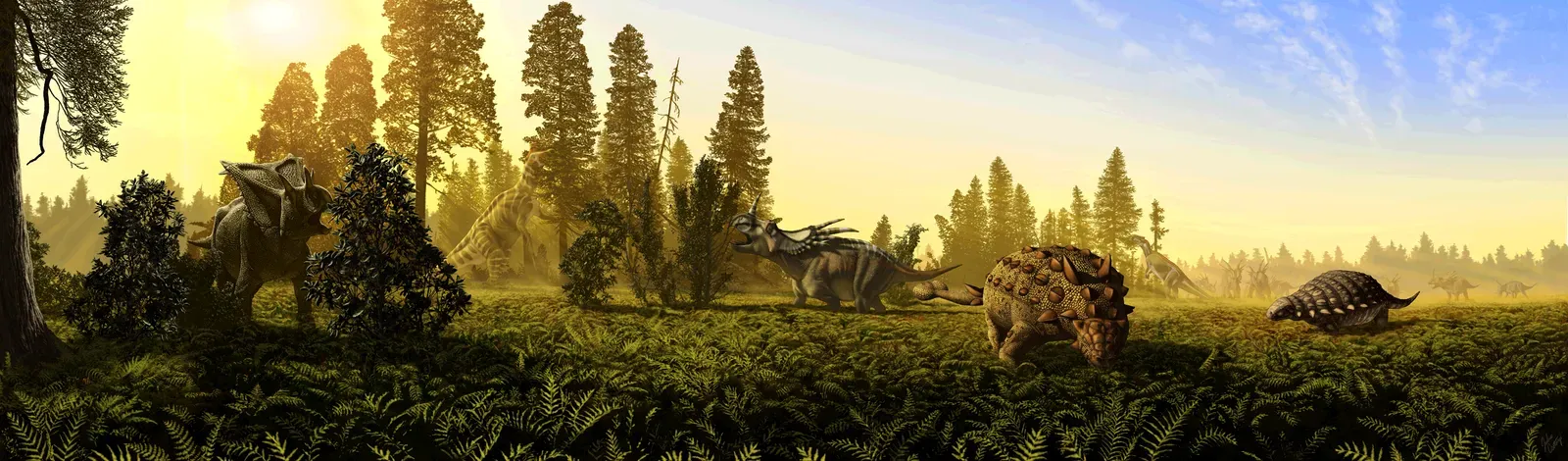
You’ve probably been told that dinosaurs had tiny brains and therefore must have been dumb and antisocial, but brain size alone does not tell the whole story. When you compare brain shape and certain regions to those of modern reptiles and birds, you find capacities for vision, balance, and coordination that fit well with herd movement and social awareness. Many dinosaurs also had keen senses, which would be wasteful if they lived completely solitary, uncoordinated lives.
Modern animals show you that complex social behavior can arise in species you might not think of as intellectual giants at all. Crocodiles guard nests and call to their young, and many birds form intricate flocks and family groups, despite having small brains by human standards. When you place dinosaurs within that broader evolutionary context, it becomes much more reasonable to imagine them coordinating in herds, recognizing individuals, and responding to social cues, even without human-like intelligence.
From Reptiles To Birds: Evolutionary Links In Social Behavior
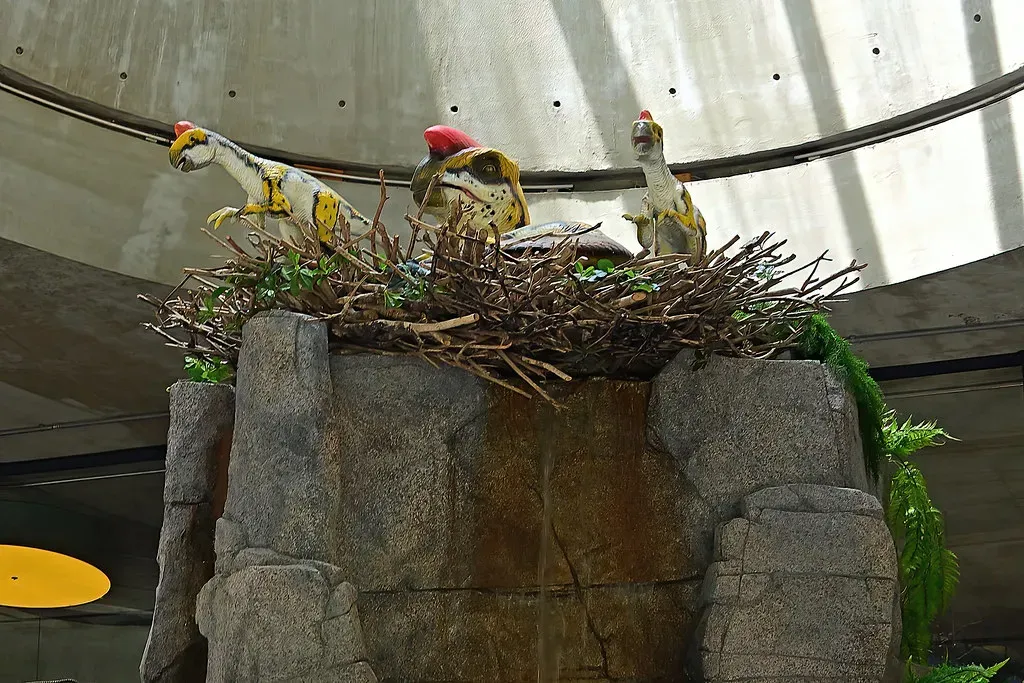
To understand dinosaur social lives, you can look at their closest living relatives: birds and crocodilians. Many bird species form lifelong pairs, cooperative flocks, and tightly knit colonies, while crocodilians defend nests and respond to the calls of their hatchlings. These behaviors give you a living template for what might have been possible, or even common, in at least some dinosaur lineages. Evolution rarely invents complex behavior from scratch if simpler ancestral patterns can be elaborated.
Fossil evidence of feathers, brooding postures, and avian-style growth in some dinosaurs reinforces this connection. When you see a dinosaur preserved in a pose that resembles a bird sitting on a nest, or when you find feather impressions that suggest insulation and display, you’re watching the deep roots of behaviors you already recognize in modern wildlife. That continuity across millions of years makes dinosaur social behavior feel less like wild speculation and more like an extension of patterns you can still observe today.
Why Dinosaur Social Lives Change How You See The Past
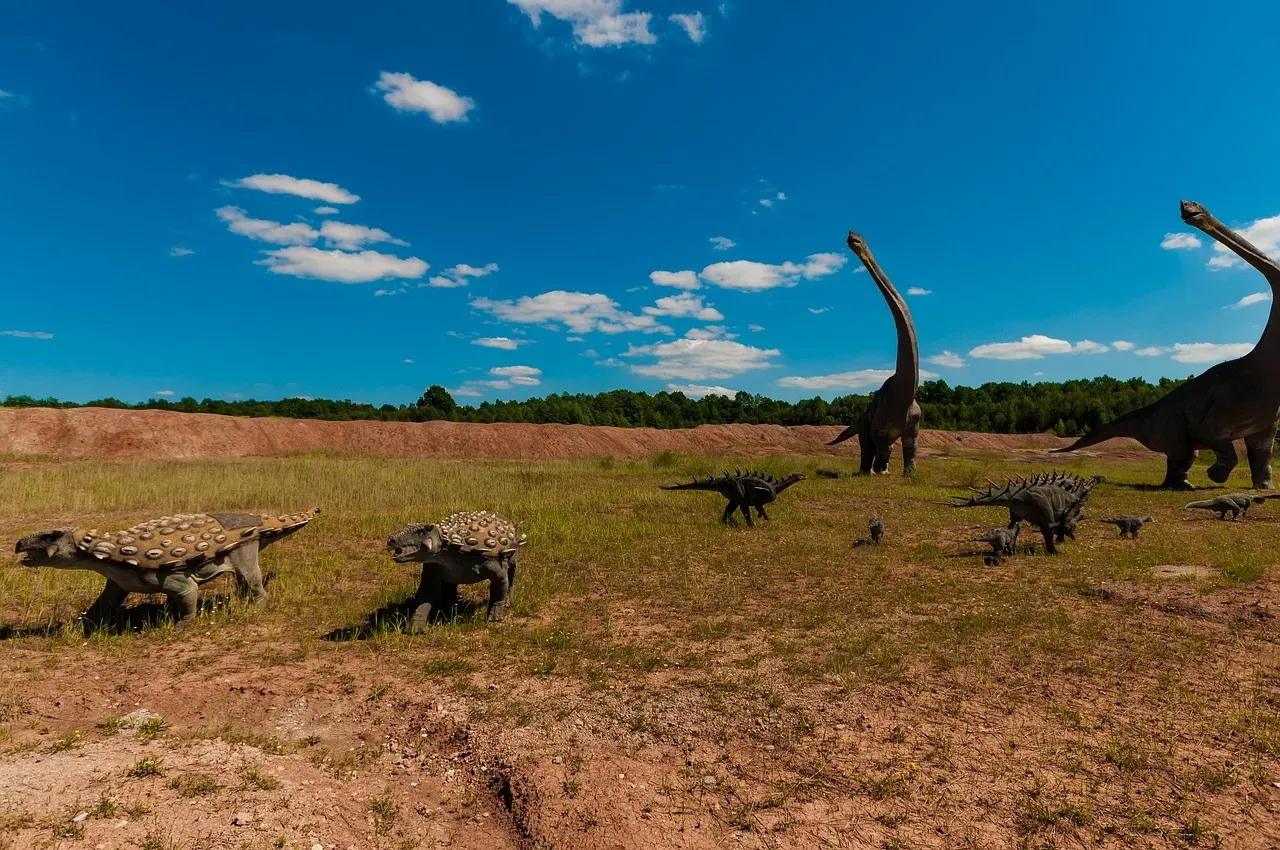
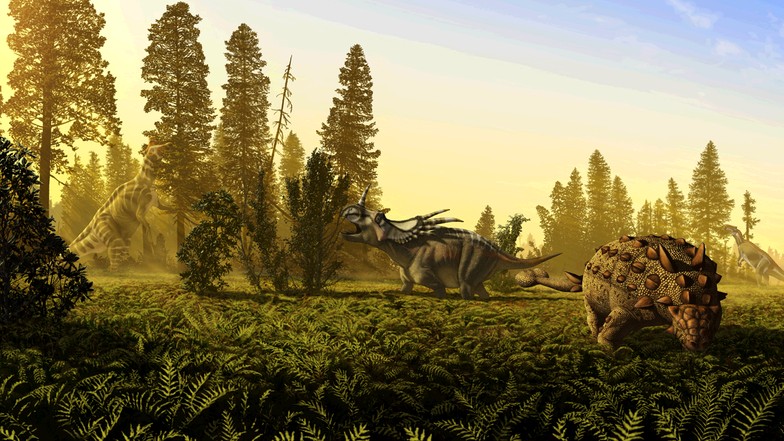
Once you accept that many dinosaurs lived in herds, nested in colonies, and possibly cared for their young, the Mesozoic world stops feeling like a monster movie and starts feeling like a real ecosystem. Instead of scattered giants stomping around alone, you picture noisy nesting grounds, migratory herds crossing floodplains, and youngsters trying to stay close to adults as predators lurk at the edges. That image is messier, richer, and far more relatable than the old stereotype of solitary brutes.
This shift matters because it changes how you think about evolution and about your place in nature. Complex social behavior is not some exclusive hallmark of mammals or humans; it appears again and again across very different groups when conditions favor it. By recognizing that dinosaurs likely spoke a rich social language of movement, displays, and group living, you end up feeling less like an exception and more like one branch on a very old tree of social life.
In the end, the fossils you might have once seen as lifeless museum pieces turn out to be snapshots of bustling communities frozen in deep time. Trackways, nests, bonebeds, and bizarre ornaments all point in the same direction: many dinosaurs organized their lives around one another in surprisingly complex ways. The next time you see a skeleton posed alone on a pedestal, you can mentally place it back into its crowd, its herd, its nesting colony, where it truly belonged. Does that change how you picture the age of dinosaurs now?