If you picture dinosaurs stomping through a mostly empty, fern-covered world, you’re selling their world short. The more scientists dig, the more it looks like dinosaurs lived in ecosystems that were as complex, noisy, and crowded as any modern rainforest or coral reef. You are not just looking at a few giant reptiles wandering around; you’re looking at entire living networks woven together in ways we’re only starting to understand.
As you explore what their world was really like, you start to see something surprising: dinosaurs were just one piece of a much bigger puzzle. You had forests that rival today’s tropics, tiny mammals sneaking underfoot, insects reshaping landscapes, and oceans filled with strange, powerful predators. When you zoom out and see the full picture, the dinosaur age stops feeling like a distant, primitive past and starts looking like an alternative version of Earth that was every bit as alive as the one you know.
The Dinosaur World Was Not Empty, It Was Crowded
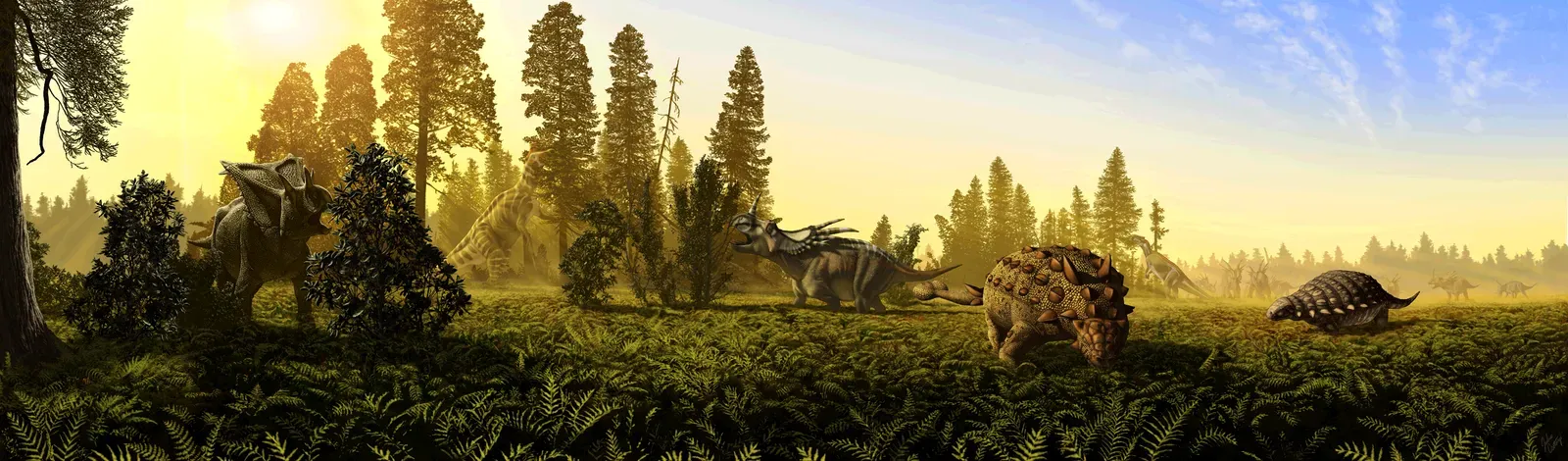
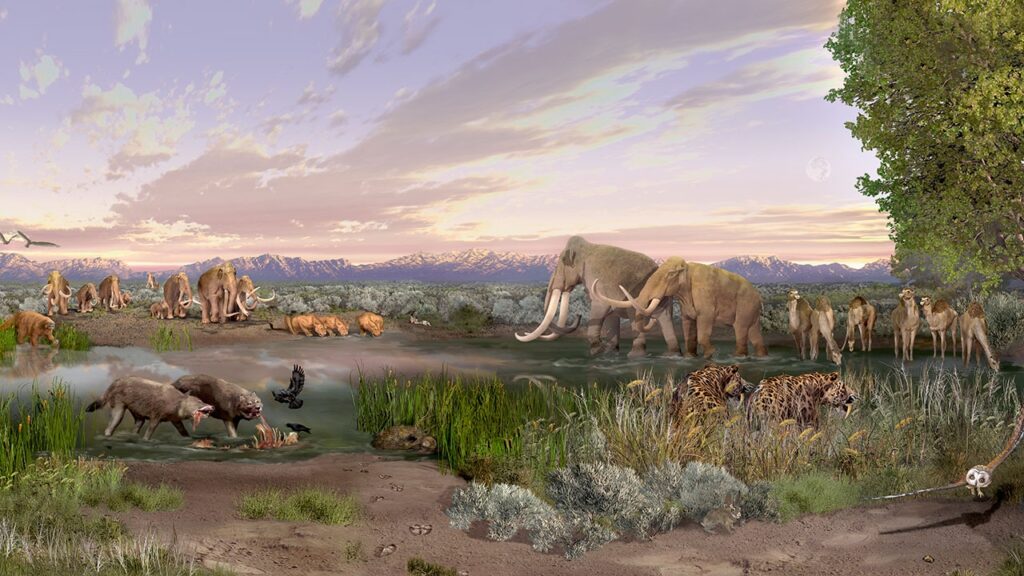
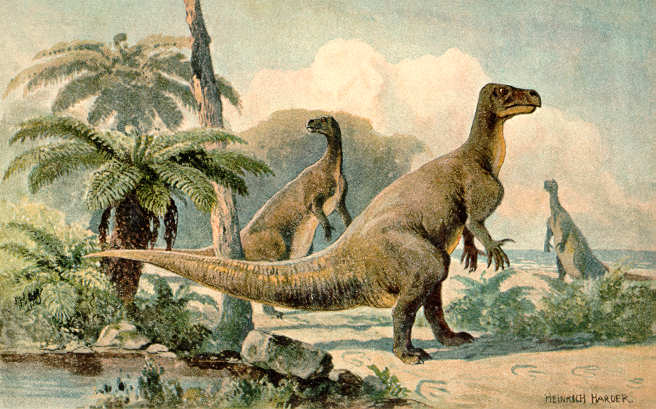
You might have grown up with images of a lone Tyrannosaurus wandering across a bare plain, but the fossil record tells you a totally different story. Many famous dinosaur sites are packed with remains of multiple species living side by side, from giant plant-eaters to nimble predators, along with turtles, crocodiles, early mammals, amphibians, and birds. When you imagine the Late Cretaceous, you’re closer to the mark if you think of something like the African savanna or Amazon basin – busy, layered, and full of life competing and cooperating at the same time.
In some places, you see evidence that dozens of dinosaur species shared the same general region, each carving out a slightly different lifestyle so they could coexist. Some had tall necks to reach high foliage, others had beaks perfect for low vegetation, and still others specialized in seeds or tougher plants. If you were standing there, you wouldn’t see a simple food chain; you’d see a web, where a change in one species – plant or animal – could ripple through the entire ecosystem, just like it does today.
Plants Built the Stage: From Fern Fields to Flowering Forests
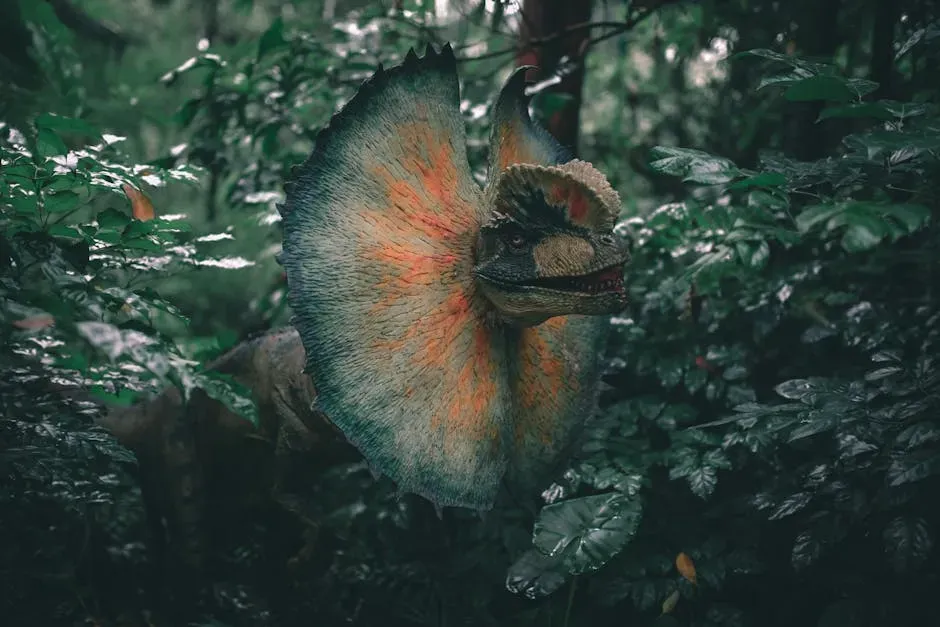
To really understand how rich these ecosystems were, you have to start with the plants under your feet and above your head. Early in the age of dinosaurs, ferns, horsetails, and conifer trees dominated, forming dense forests and swampy lowlands that would have felt humid, dark, and lush if you walked through them. As time went on, flowering plants exploded onto the scene, adding new colors, scents, fruits, and seeds, and reshaping what dinosaurs ate and where they could live.
Flowering plants did more than just pretty up the landscape; they cranked up the complexity of the entire food web. When you add fruits, nectar, and more varied leaves to the environment, you give animals new reasons to specialize. Some herbivorous dinosaurs may have preferred softer flowering plants, while others stuck with tougher conifers and cycads. In turn, predators had to adapt to track this patchwork of plant communities, hunting different prey in forests, floodplains, or open woodlands. The plant world was not a static backdrop – it was a moving, evolving stage that forced everything else to keep up.
Herbivores Shaped the Landscape Like Living Bulldozers
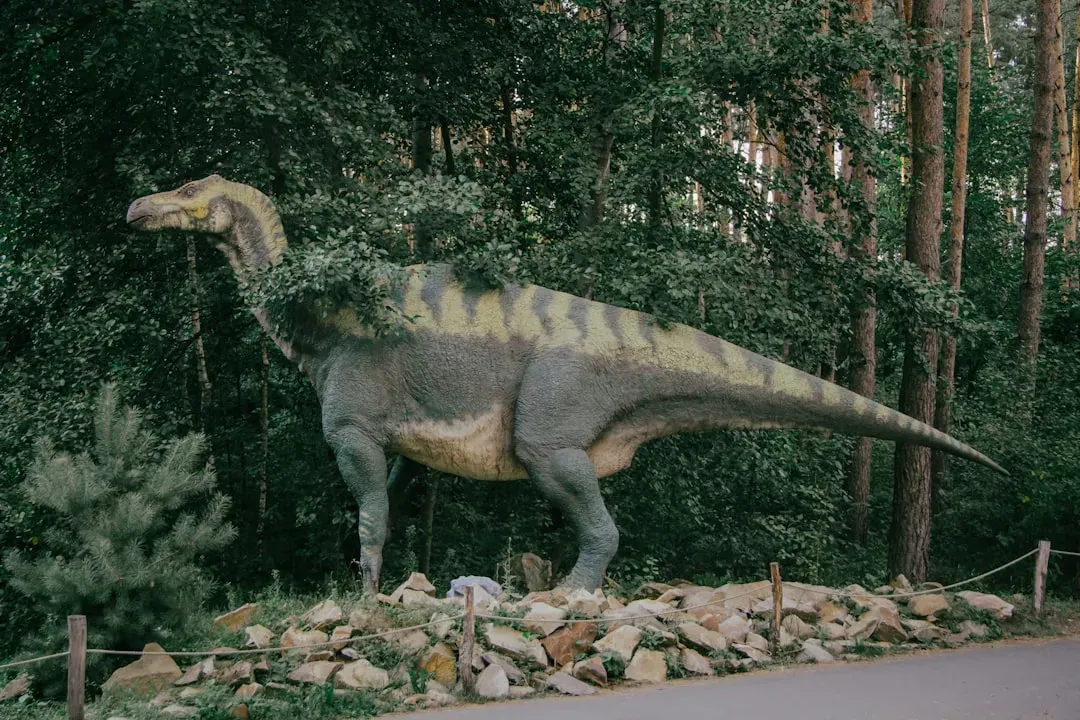
When you picture massive sauropods or herds of horned dinosaurs, you might just see big eaters, but in reality, they were also big engineers. Just like elephants today, large herbivorous dinosaurs would have trampled paths, opened up forests, and stirred up soil simply by moving and feeding. Every bite, every footstep, every broken branch helped sculpt the environment, turning dense vegetation into mosaics of open spaces, regrowing plants, and sheltered patches.
You can think of these herbivores as living bulldozers and lawn mowers combined, constantly editing the landscape around them. Their grazing and browsing likely influenced which plants thrived, where floodplains stayed open, and even how often wildfires burned. Behind them, dung fed insects and fertilized the soil, which in turn supported new plant growth. When you zoom out, you see that they weren’t just using the ecosystem – they were actively creating and maintaining it, the way bison or wildebeest do in modern grasslands.
Predators, Scavengers, and the Invisible Cleanup Crew
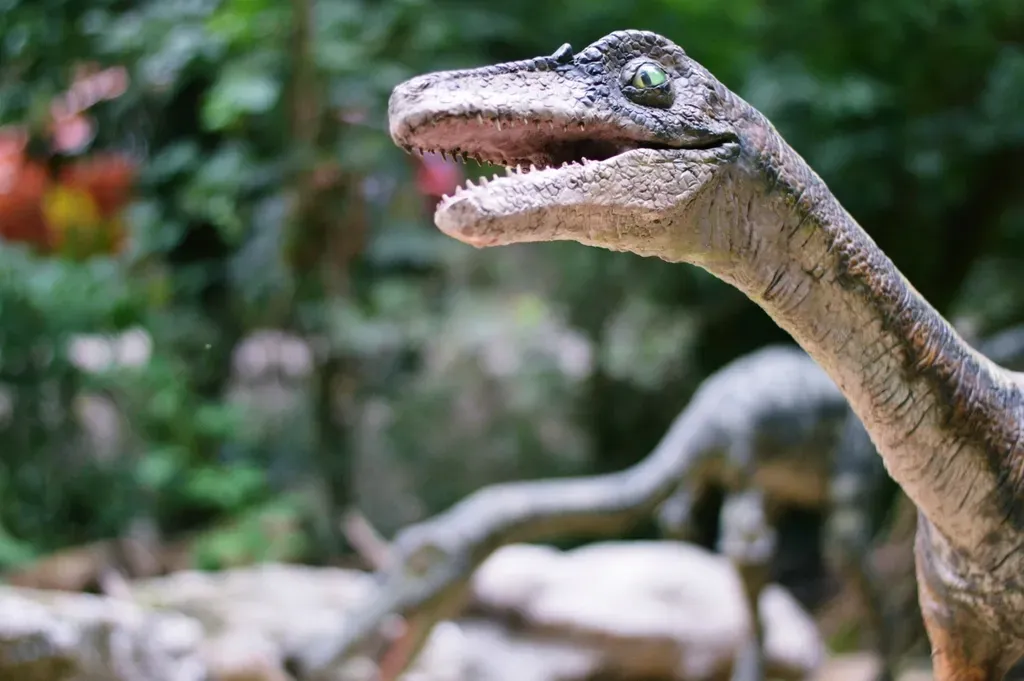
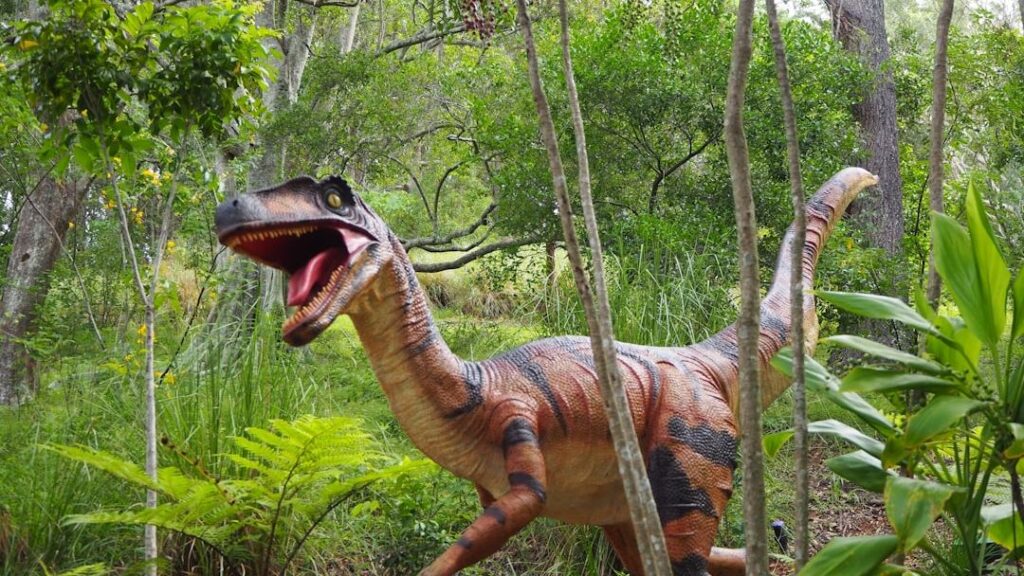
For every giant plant-eater, you had a whole cast of meat-eaters making a living in surprisingly different ways. Some predators were sprinting specialists, built to chase quick prey, while others relied on ambush, hiding among trees or in river margins. Then you had smaller hunters going after insects, lizards, and early mammals. On top of that, scavengers – both large and small – would have flocked to carcasses, competing fiercely for every scrap of meat, bone, and marrow.
Below that visible drama, you had an entire invisible cleanup crew keeping the system running. Insects, bacteria, and fungi broke down dead plants and animals, returning nutrients to the soil so new life could grow. If you could fast-forward a year on a dinosaur carcass, you’d watch it go from a feast for big predators to a resource for beetles, worms, microbes, and plants. This recycling loop is what keeps ecosystems alive over the long term, and it was just as vital in the Mesozoic as it is in your backyard today.
Small Creatures You Rarely Hear About Were Everywhere
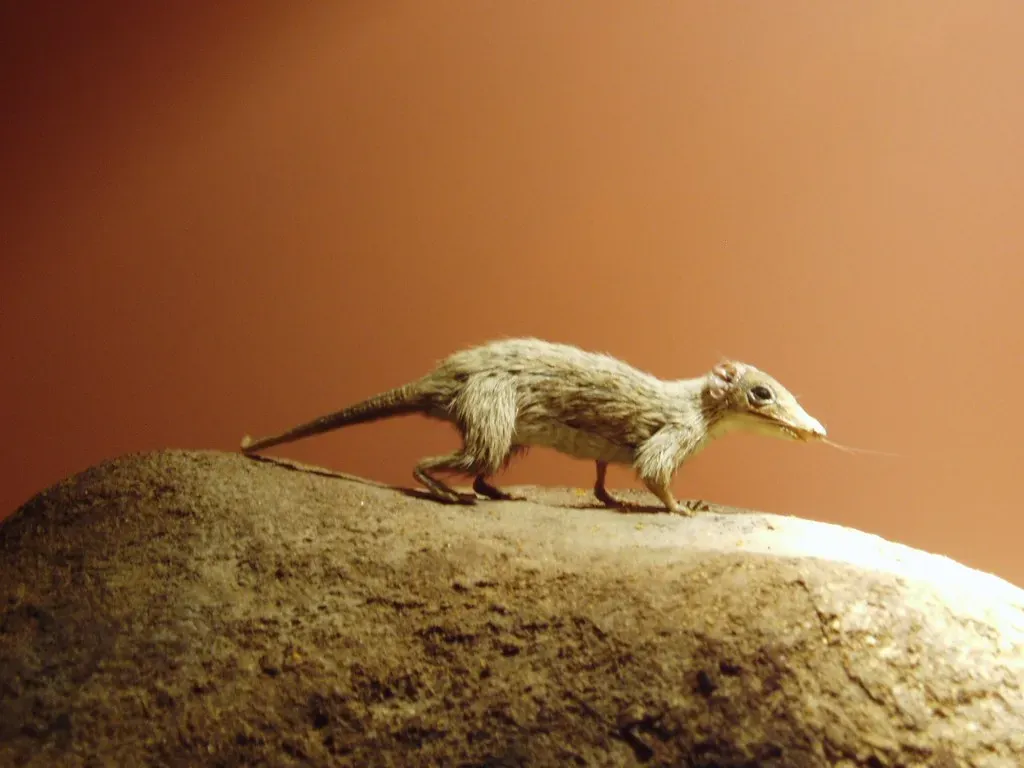
When you think about the dinosaur age, your mind probably jumps straight to the giants, but the world they lived in was dominated in numbers by small, often fragile creatures. Early mammals scurried through undergrowth, climbed trees, or burrowed underground, feeding on insects, seeds, and maybe even small reptiles or dinosaur eggs. Lizards, frogs, salamanders, snakes, and countless invertebrates filled in the gaps, turning leaf litter, riverbanks, and forest floors into buzzing, rustling micro-worlds.
These small animals may not get the spotlight, but they’re the reason those ecosystems worked. They controlled insect populations, spread seeds, recycled nutrients, and served as prey for mid-sized predators and young dinosaurs. If you walked through a Late Jurassic forest and somehow ignored the dinosaurs, you’d still be surrounded by chirping, croaking, rustling life at every step. The richness of that small-scale activity is what made the larger, more dramatic dinosaur stories possible.
Oceans and Rivers Were Just as Wild as the Land
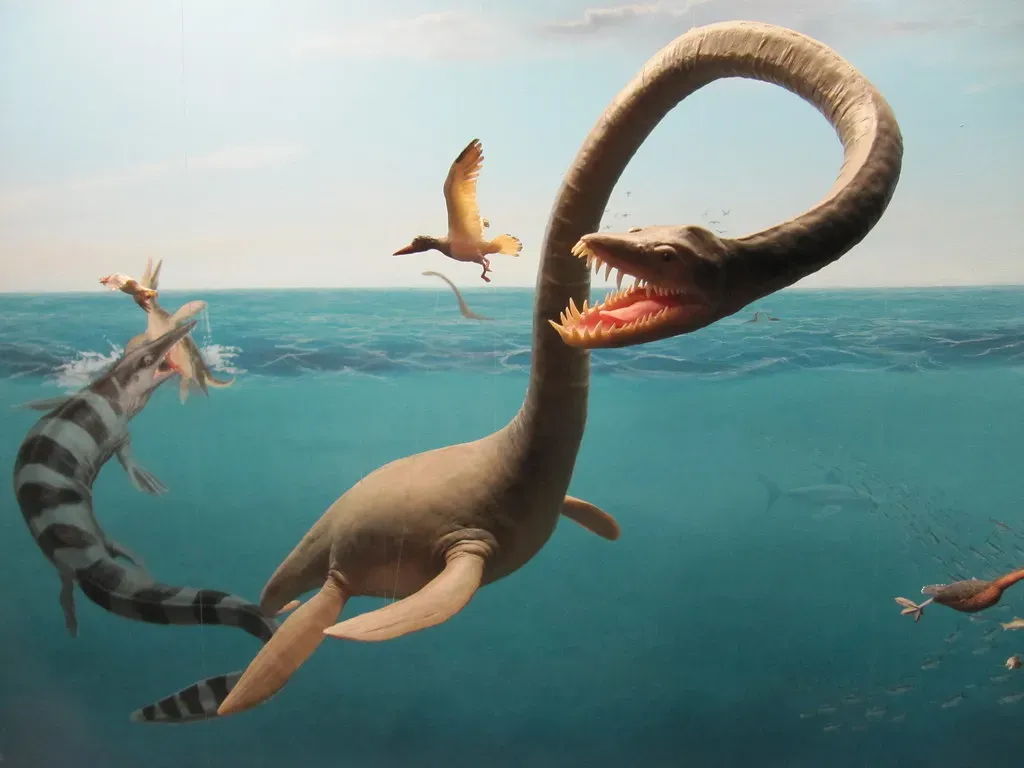
It’s easy to focus on land dinosaurs, but if you dipped a toe into a Cretaceous sea or river, you’d be stepping into another incredibly rich world. In the oceans, huge marine reptiles, large fish, sharks, and squid-like creatures patrolled above reefs and seafloors teeming with invertebrates. Plankton-filled waters supported entire food webs, just as they do now, and coastal regions likely buzzed with life where land and sea collided.
In rivers and lakes, crocodile relatives, turtles, fish, and amphibians formed their own layered communities. These freshwater systems were crucial lifelines for many dinosaurs, providing water, food, and migration routes. If you were standing on a riverbank in the age of dinosaurs, you’d see not just a watering hole, but a busy intersection where land animals, flying reptiles, and aquatic life constantly overlapped. The richness of dinosaur ecosystems was not limited to forests and plains; it extended wherever water carved its path.
Climate, Continents, and Constant Change
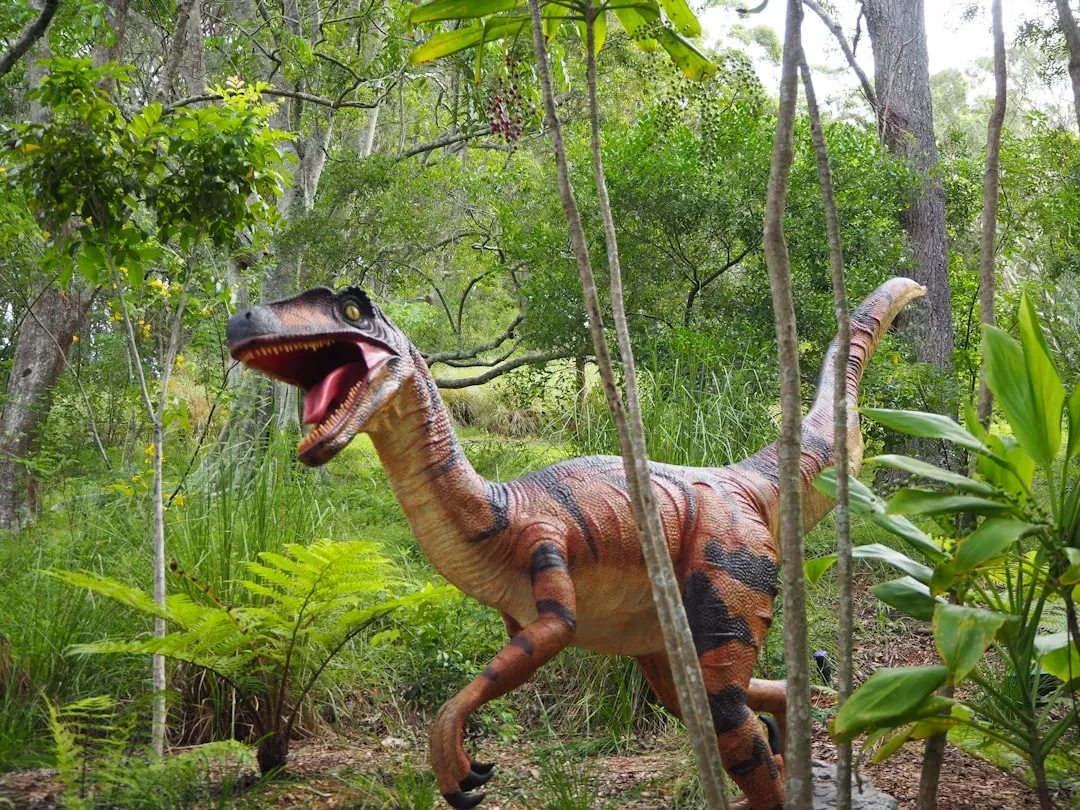
One of the wildest things you realize when you look closely is that dinosaur ecosystems never stood still. Continents were drifting apart, mountain ranges were rising, sea levels were changing, and climates swung between warmer and cooler periods. All of that reshaped habitats again and again, forcing plants and animals to move, adapt, or vanish. Instead of a single “dinosaur world,” you actually have many different worlds spread across millions of years and changing landscapes.
As landmasses split, populations that were once connected became isolated, and that isolation helped drive new species to evolve. Dinosaurs that thrived in lush, coastal plains might struggle if the climate dried out or forests shrank. When you look at it this way, the richness of their ecosystems is not just about how many species there were at any one time, but how fluid and dynamic everything was. You are seeing a planet in motion, with life constantly rewriting the rules to keep up.
What This Changes About How You See Dinosaurs
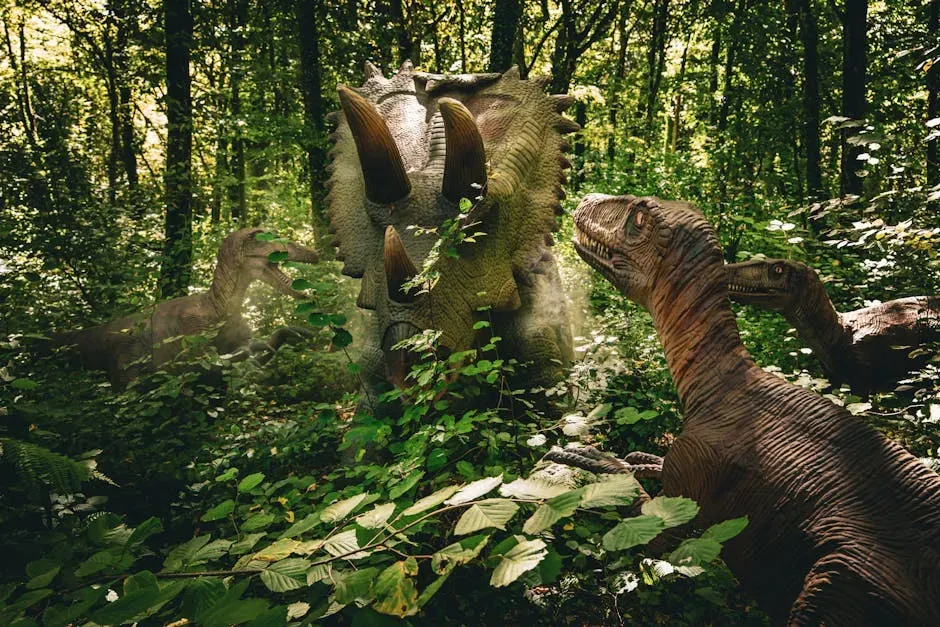
Once you grasp how rich and complex dinosaur ecosystems really were, it completely changes how you see these animals. They’re no longer just oversized curiosities from a simpler time; they become active players in intricate, evolving worlds that feel surprisingly familiar. You can compare a sauropod reshaping a forest to an elephant today, or a pack of small predatory dinosaurs to a modern group of wolves or wild dogs. The details are different, but the underlying logic of life – competition, cooperation, adaptation – feels the same.
It also shifts how you think about your own place in Earth’s story. The world you live in is just the latest chapter in a very long book of complex ecosystems rising, changing, and sometimes collapsing. When you look at a forest, reef, or wetland today, you’re seeing the same kind of richness that once surrounded the dinosaurs, built on the same basic rules of energy, nutrients, and relationships. That realization can be strangely humbling and deeply inspiring at the same time.
In the end, dinosaurs did not just survive in their environments – they helped build and maintain ecosystems that were far richer than older, outdated images ever suggested. When you imagine their world with all the plants, insects, mammals, marine life, and shifting climates included, you see a living Earth that is every bit as complex as the one outside your window. It leaves you with a simple but powerful thought: if the past was this rich and surprising, how much more is there still left for you to discover about the worlds that came before yours?