You probably grew up picturing dinosaurs as rulers of fixed territories, stomping around the same valley or swamp their whole lives. But newer research is quietly rewriting that picture, and it is far more dramatic than most movies ever show you. Instead of being tied to one patch of land, many dinosaurs seem to have treated entire continents like seasonal homes, moving hundreds or even thousands of miles in search of food, water, and better weather.
When you look at the latest fossil and geology work side by side, a pattern starts to jump out: repeated routes, shared species across huge distances, and evidence that some dinosaur herds behaved more like modern caribou or wildebeest than giant, lazy reptiles. You are not just talking about a few wandering animals getting lost. You are looking at regular, repeated migrations that reshaped ecosystems and even the evolution of species over millions of years.
Why Scientists Now Think Dinosaurs Were Long-Distance Travelers
If you had asked paleontologists a few decades ago whether dinosaurs regularly crossed continents, you would have heard a lot of skeptical answers. Dinosaurs were often imagined as lumbering, cold-blooded beasts that could not handle the physical demands of long-distance journeys. But as you look at newer evidence from bone structures, growth patterns, and trackways, you see animals that were more active, more bird-like, and much better equipped for endurance than older textbooks suggested.
When you follow this shift in thinking, you notice that it is not based on a single flashy discovery, but on many small pieces of data that line up. Bone histology shows you fast growth and active metabolisms, climate reconstructions show strong seasonal swings, and fossil distributions reveal the same species showing up in places that would have been far apart, even when landmasses were connected. Put that all together, and you start to see migration not as a rare behavior but as a practical survival strategy for many dinosaur groups.
Fossil Footprints And Bone Beds That Hint At Massive Herd Movements
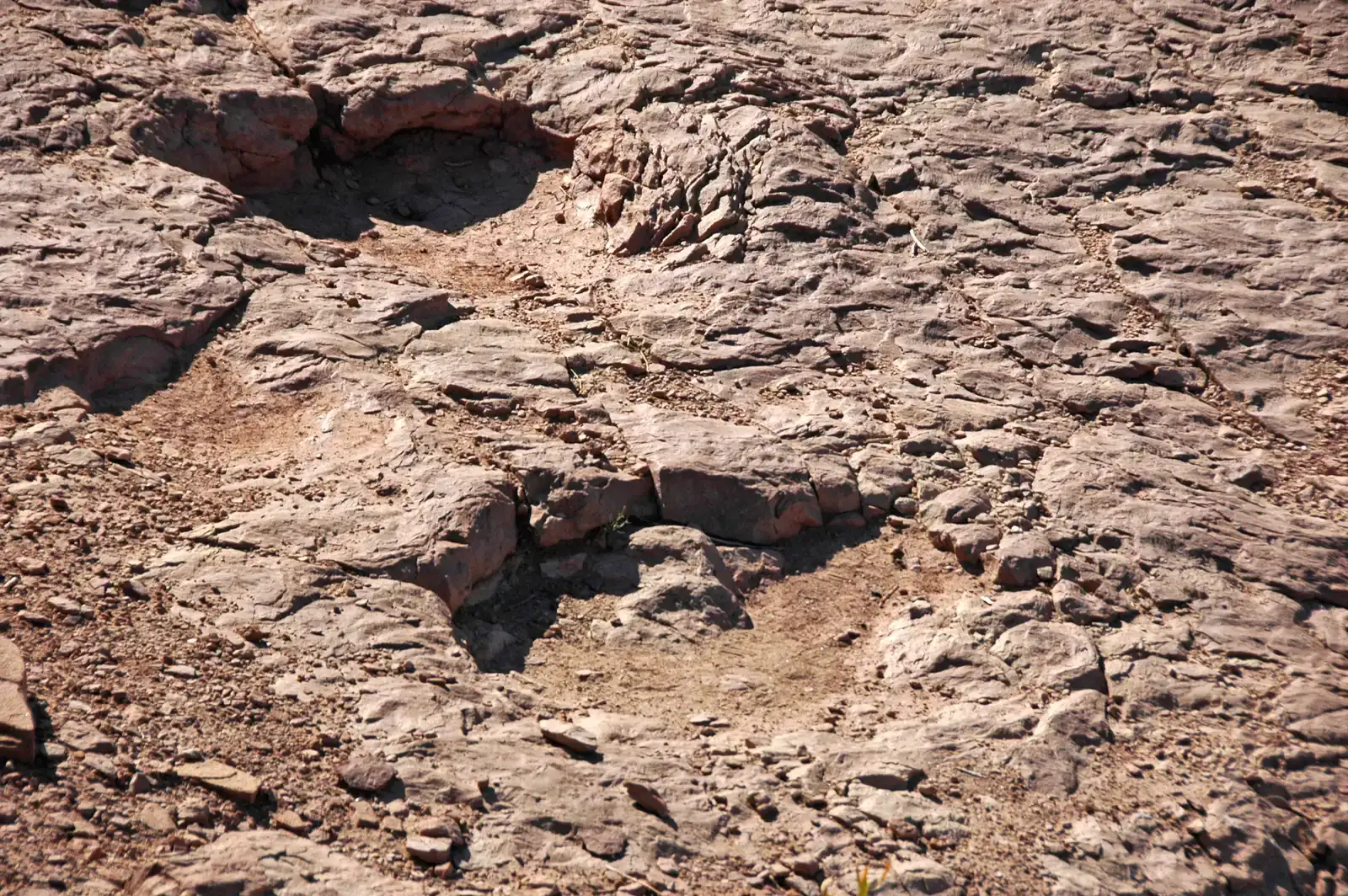
One of the most striking clues you can see with your own eyes comes from dinosaur trackways stretching across ancient landscapes. When you look at sites where hundreds of footprints all point in the same direction, often in parallel lines and similar stride lengths, it is hard not to picture an enormous herd on the move. These are not random, scattered prints from a few animals wandering around; they read more like traffic lines on an ancient highway.
You also find bone beds where individuals of the same species died together in large numbers, sometimes in layers that suggest repeated events. When these mass death sites line up with what would have been river crossings, floodplains, or drought-prone areas, it becomes easier to imagine herds pushing through risky terrain during seasonal journeys. You may never see the migration happen in real time, but the fossil record leaves you enough of a trail to reconstruct a story of movement, crowding, stress, and survival on a huge scale.
How Ancient Climate And Seasons Pushed Dinosaurs To Migrate
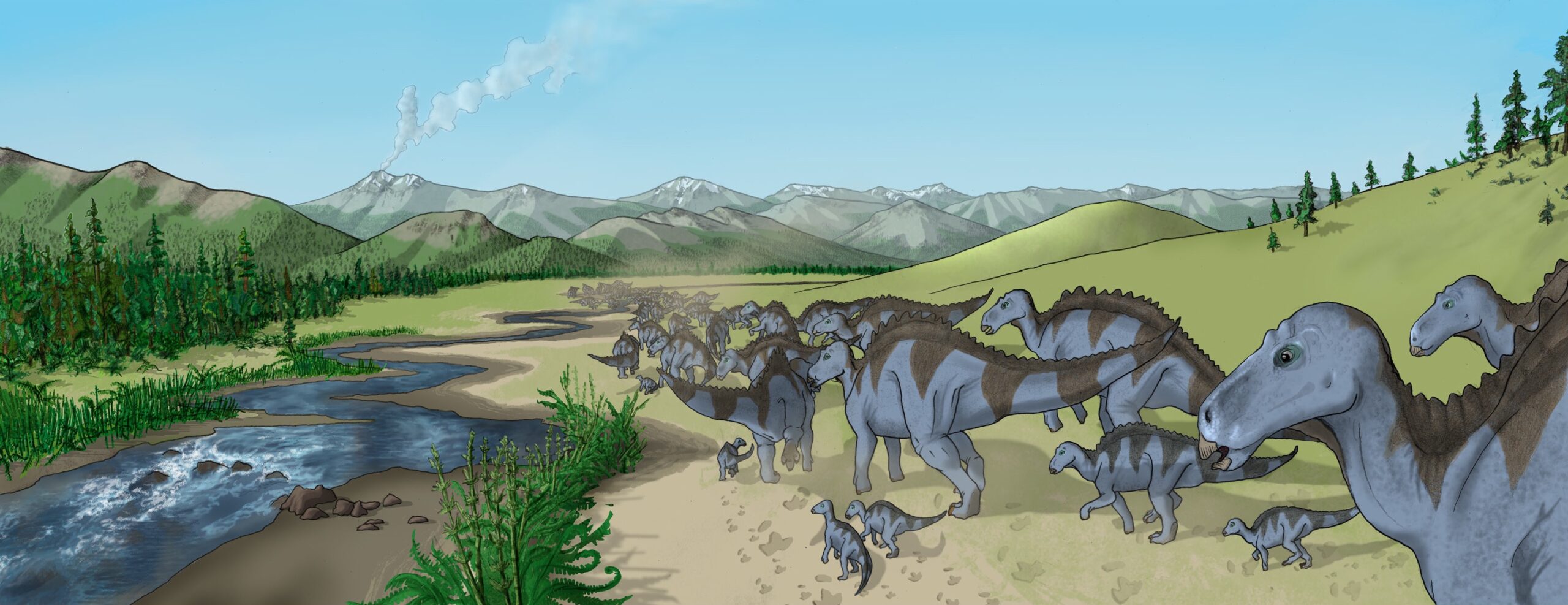
If you have ever watched modern animals migrate, you already know the basic drivers: food, water, and safer conditions for raising young. Dinosaurs lived in a world with dramatic wet and dry seasons, shifting coastlines, and sometimes extreme climate swings due to volcanic activity or changing sea levels. When you map those ancient climates, you find belts of vegetation and rainfall that would have expanded and shrunk across the year, creating moving zones of opportunity and hardship.
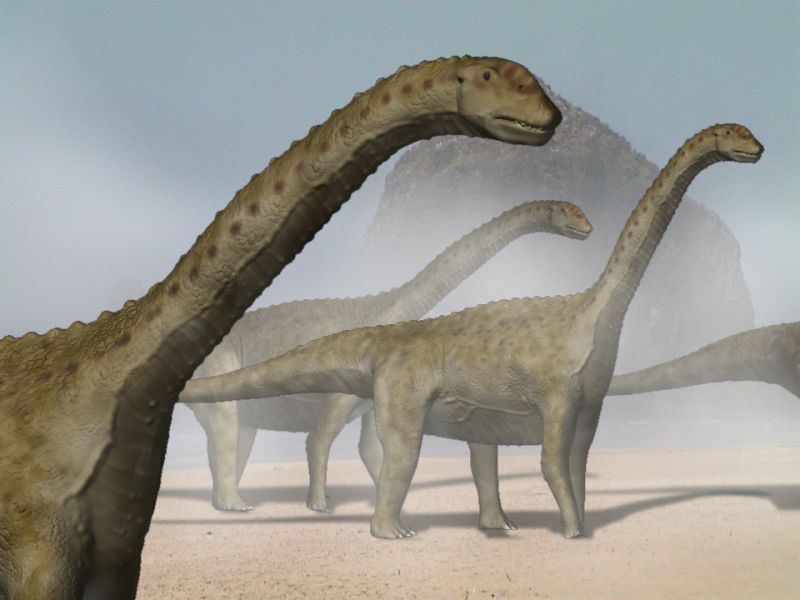
In that kind of world, staying put could easily mean starvation, especially if you were part of a huge herd of plant-eaters quickly stripping local vegetation. You can imagine sauropods leaving a region once they had eaten it down, following fresh growth toward higher latitudes or more humid zones. Predators, in turn, would have followed these moving food sources, just like lions follow migrating herds today. Migration becomes less of a special behavior and more of a logical response to a world in constant seasonal motion.
Continents On The Move: Plate Tectonics And Dinosaur Highways
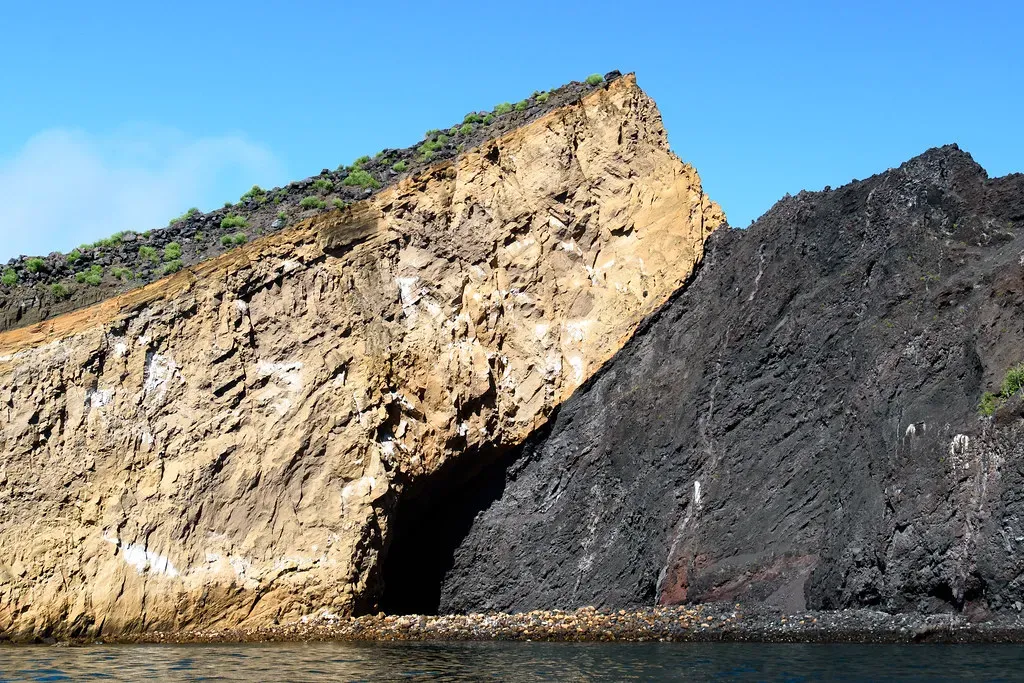
You might forget that during the age of dinosaurs, the continents you know were constantly shifting, colliding, and breaking apart. Early on, many landmasses were joined into larger supercontinents, which gave dinosaurs wide, mostly uninterrupted territories to roam across. For you, that means a single species of dinosaur could plausibly move from what is now North America into what is now Europe or Asia without ever seeing an ocean, especially in earlier periods when land bridges were more extensive.
Even as continents slowly drifted apart, changing coastlines and shallow seas created temporary corridors and barriers, much like ice bridges or narrow isthmuses do today. When you see the same or closely related dinosaur species appearing on lands that would have been connected for only certain windows of time, you are likely looking at journeys that took place along these shifting routes. In a way, plate tectonics set up the stage and drew the map, but migration was how dinosaurs actually used that map to expand, mix, and adapt across entire regions.
What Dinosaur Migration Might Have Actually Looked Like
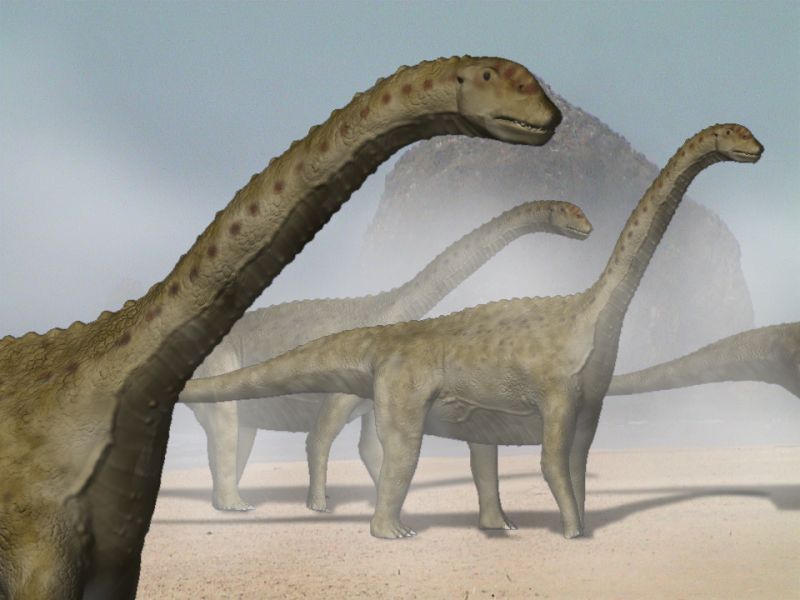
It is easy to hear the phrase “continental migration” and imagine a single heroic trek, but regular dinosaur migration probably looked more like what you see in large herds today. Picture waves of animals moving in stages, following rainfall patterns and fresh plants, with younger individuals struggling at the back and older, more experienced ones knowing the best routes and water sources. You would have seen long dust trails, trampled ground, and entire riverbanks reshaped by repeated crossings over thousands of years.
If you zoom in closer, you might notice that different species likely migrated in slightly different ways, even within the same region. Some might have taken shorter, more local routes between highlands and lowlands, while others routinely pushed across what now seem like entire subcontinents. Predators would have spread out along these flows, picking off the weak or the unlucky. From your perspective, it becomes less like a single march and more like a living, moving web of paths that changed with climate, competition, and chance over deep time.
How Regular Migration Shaped Dinosaur Evolution And Extinction
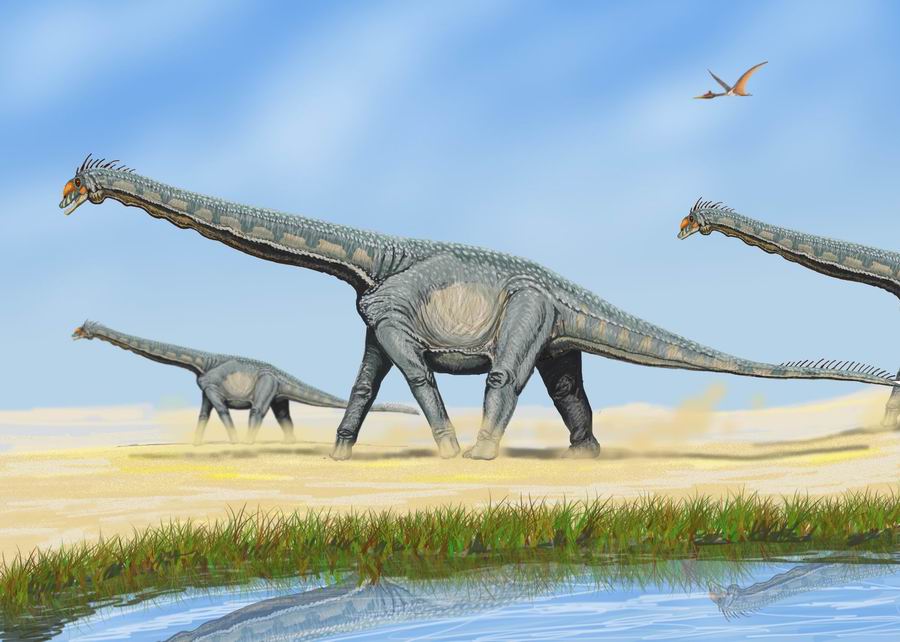
Once you accept that many dinosaurs did not stay put, the evolutionary consequences start to come into focus. Migration would have constantly mixed populations, spreading genes and traits across wide areas rather than isolating them in small pockets. That kind of mixing could help you maintain healthier populations and allow successful adaptations to spread quickly, especially in times of gradual climate change. In some cases, though, long routes and harsh journeys might also have favored only the strongest or most efficient individuals, shaping body plans, behaviors, and even social structures.
On the flip side, when you reach moments of sudden environmental crisis near the end of the dinosaur era, those same migratory lifestyles could have turned into a vulnerability. If your survival depends on finding familiar routes, predictable seasons, and regular plant growth, then abrupt disruptions in climate or habitat can hit you especially hard. Long-distance travelers suddenly find that the “next stop” on their route is gone or barren. In that sense, regular migration may have helped dinosaurs thrive for tens of millions of years, while also making them more exposed when their world changed faster than their routes could.
What This Changes About How You Imagine The Dinosaur World
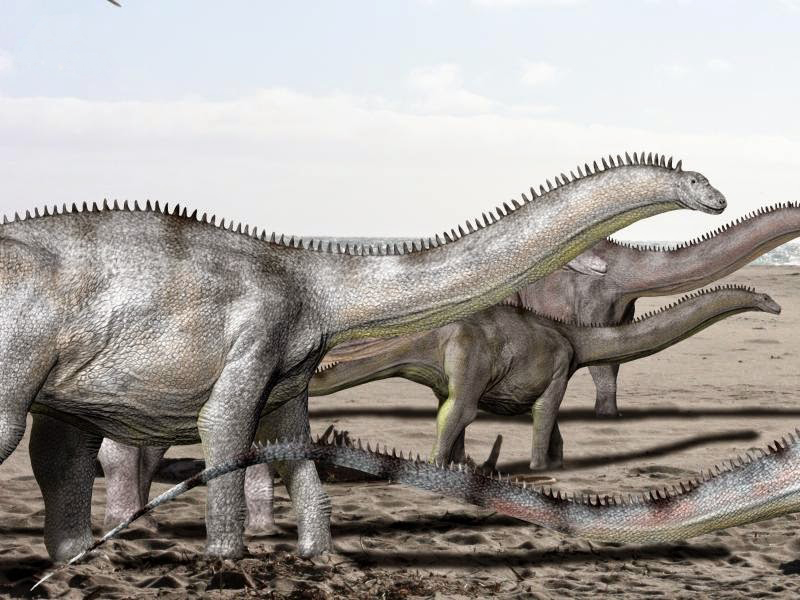
Once you picture dinosaurs as regular continent-crossers instead of slow, local giants, the entire prehistoric world starts to feel more dynamic. You are no longer dealing with scattered, isolated pockets of life but with moving networks of herds, predators, and scavengers constantly reshaping the land. Ancient floodplains and deserts become less like static backdrops and more like busy seasonal highways, with traffic surging in some months and emptying out in others. The silence usually associated with dinosaurs gets replaced in your mind with the noise and motion of massive migrations.
This shift in thinking also affects how you relate dinosaur history to your own world. The idea that huge animals once followed changing climates, chased green seasons, and depended on fragile routes feels surprisingly familiar when you watch modern migrations under pressure from warming temperatures and human development. You start to see continuity instead of distance: what you call wildlife corridors today were once dinosaur highways. In the end, realizing that dinosaurs regularly crossed continents does not just change your image of them; it quietly challenges how you see movement, survival, and home on a changing planet.
As you sit with that image of continents full of moving giants, it is hard not to wonder how many other assumptions about the prehistoric world are still waiting to be overturned. If migration was once thought unlikely and is now seen as routine, what else might you be underestimating about these deeply familiar, yet still surprising, creatures?