If you could step out of a time machine into the age of dinosaurs, the first thing that would hit you would not be a T. rex roar. It would be the air. The world would feel heavier, warmer, and in many places almost swamp-like, even far from the tropics. You would be standing on the same planet, but living under a climate system that ran on completely different settings from the one you know today.
That is what makes the dinosaur era so fascinating: you get a glimpse of how wildly different Earth can be while still remaining habitable. When you look closely, you realize the age of dinosaurs is not just about giant reptiles; it is a story about extreme climates, sky‑high carbon dioxide, ice‑free poles, and a world where the rules you take for granted simply did not apply. And understanding that strange past helps you see today’s climate in a much sharper, more sobering light.
You Lived on a Super‑Greenhouse Planet
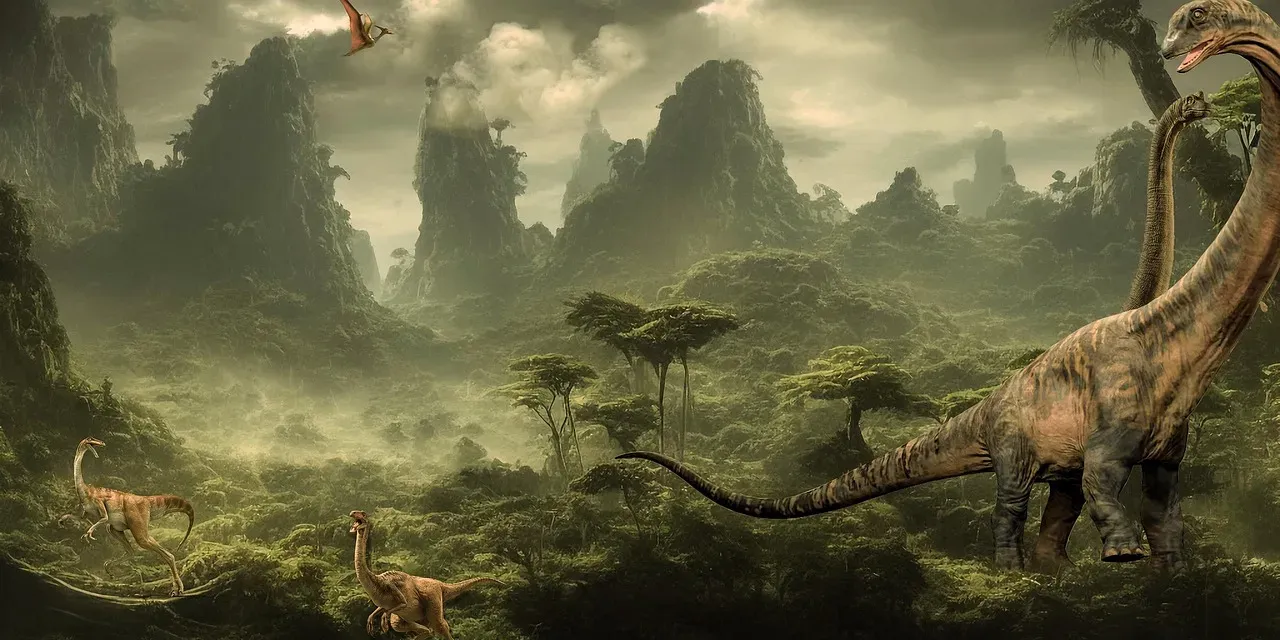
When you think about the dinosaur era, you are really talking about the Mesozoic, a stretch of over one hundred and eighty million years when Earth acted like a giant greenhouse. For long periods, you would have had no permanent ice caps at the poles, even though the poles received less sunlight just as they do today. Instead of ice sheets, you would see forests and swamps stretching into high latitudes, with temperatures staying mild through most of the year.
What drove this super‑greenhouse world was a much thicker blanket of greenhouse gases in the atmosphere, especially carbon dioxide. You would be breathing air with carbon dioxide levels several times higher than modern pre‑industrial levels, and in some intervals far higher than anything humans have ever experienced. That extra greenhouse trapping meant that, globally, average temperatures ran considerably hotter than today, with a much smaller difference between equator and poles.
You Would Have Sweltered in the Tropics
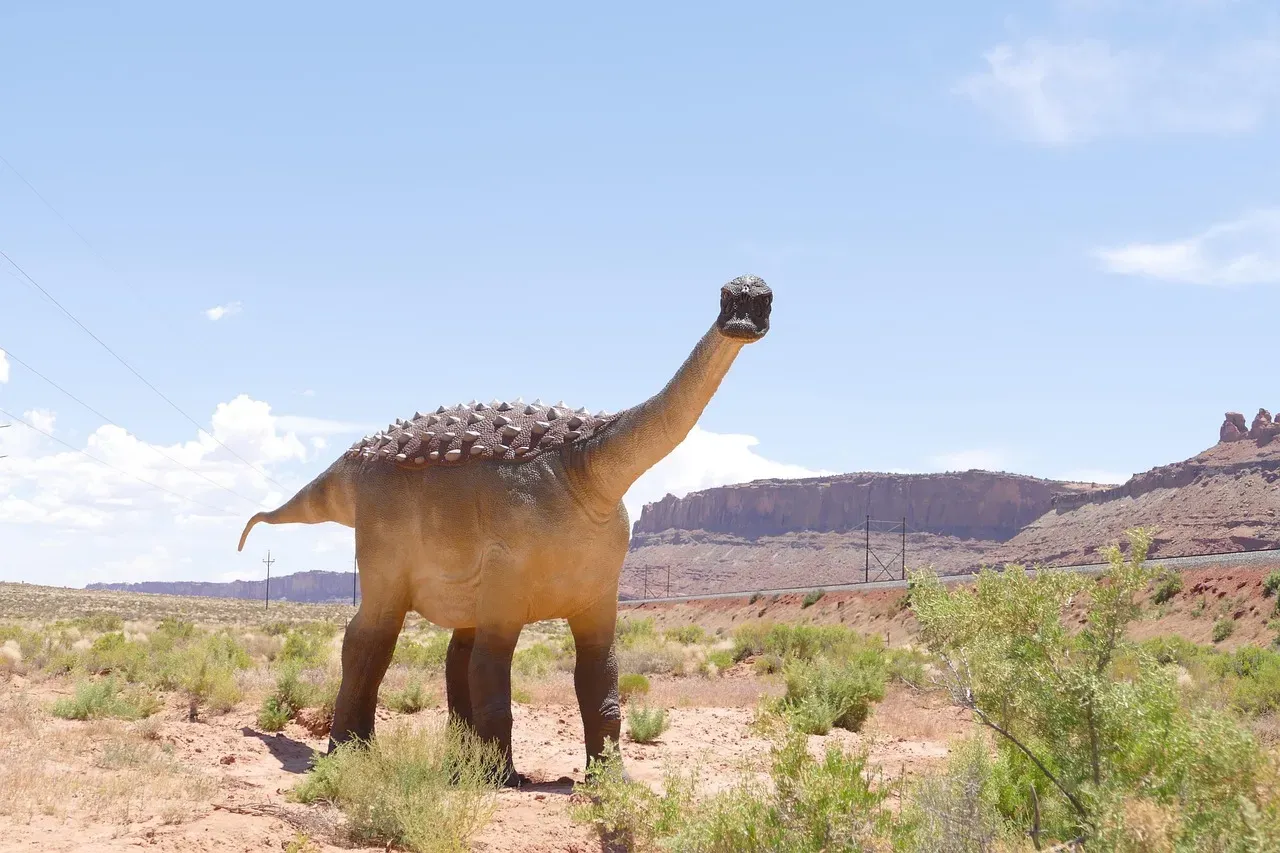
If you dropped yourself into a dinosaur‑era tropical floodplain, you would be in for a shock. The tropics were not just a bit warmer than now; they were often brutally hot and humid, with long stretches where daytime conditions would feel oppressive to you. In some places and times, the heat and moisture combination may have pushed close to what your body can tolerate for long periods, especially if you tried to move around as much as you do in a modern summer.
This intense heat shaped where large animals could live and how ecosystems were arranged. There is evidence that in some of the very hottest tropical regions during certain intervals, big plant‑eating dinosaurs were surprisingly rare, not because the planet could not support them overall, but because the local climate was simply too extreme. You would have seen more patchy distributions of large species, with certain regions acting like overheated zones that only some animals could handle, a bit like how desert interiors today are tough for many large mammals.
You Would Have Seen Lush Forests Near the Poles
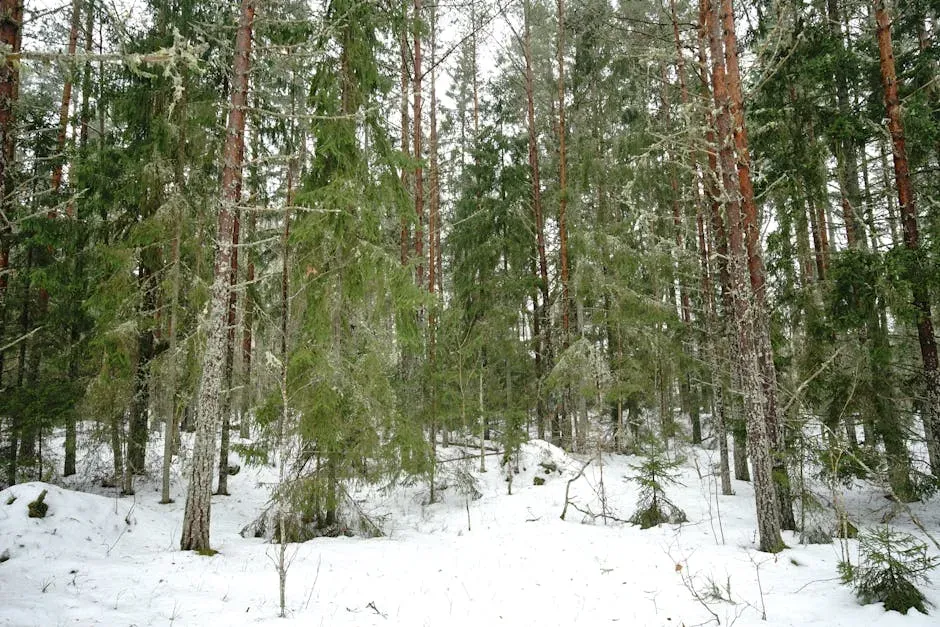
One of the strangest sights for you in the dinosaur age would be the polar regions. Instead of endless ice and snow, you would walk through dense coniferous forests, fern thickets, and even broad‑leafed plants in places that now sit under permanent ice. During the polar summer, you would have long stretches of daylight or even months of continuous sun, with relatively mild temperatures that let forests thrive right up into high latitudes.
Winter would still be dark for weeks on end, but it would not match the deep freeze you picture when you think of the Arctic or Antarctica. Instead, you would experience cool, damp, and sometimes chilly conditions, but rarely deep, sustained frost. Dinosaurs adapted to these unusual light cycles, and you would likely see them browsing and moving through polar forests much the way deer or moose move through northern woodlands today – but in a world with virtually no snowpack and almost no ice.
You Lived Through Wild Climate Mood Swings
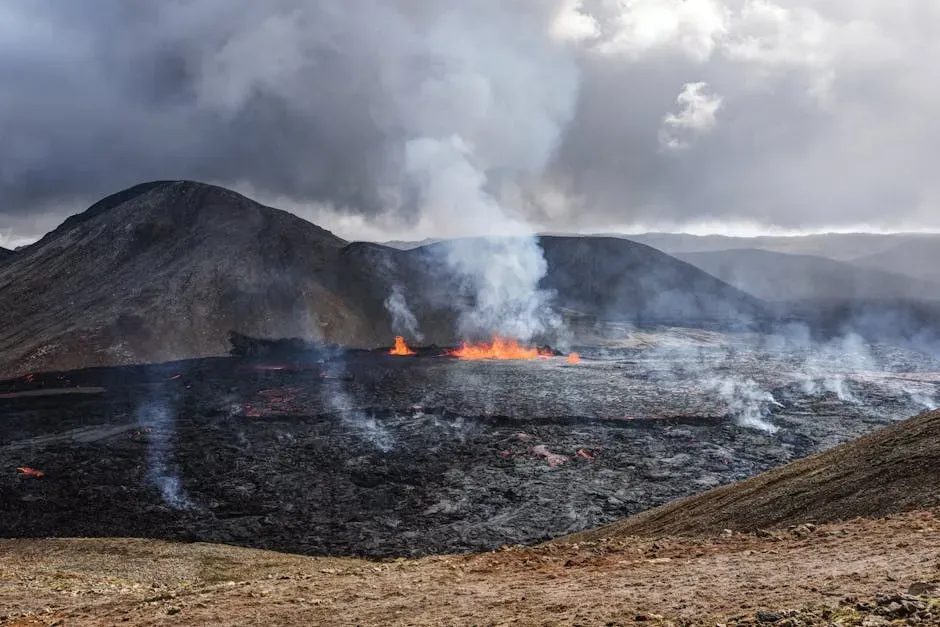
Even though the dinosaur era is often described as a long warm spell, you would not be living in a perfectly stable climate. Over millions of years, you would feel the world lurch through dramatic shifts driven by volcanic outbursts, shifting continents, and changes in sea level. Some of these changes would unfold slowly, but others would feel surprisingly abrupt on geological timescales, with rapid warming events that reshaped ecosystems over tens of thousands of years.
At times, massive volcanic eruptions would inject huge amounts of carbon dioxide into the atmosphere, suddenly turning the global thermostat up even higher. You would see ocean temperatures climb, sea levels rise, and certain species struggle or vanish while others took over rapidly opening niches. In the rock record, you can trace these upheavals as sudden changes in fossils and chemical signals, and if you were there in person, you would be living through real, noticeable climate disruptions, not just gentle background drift.
You Would Have Faced Super‑High Sea Levels
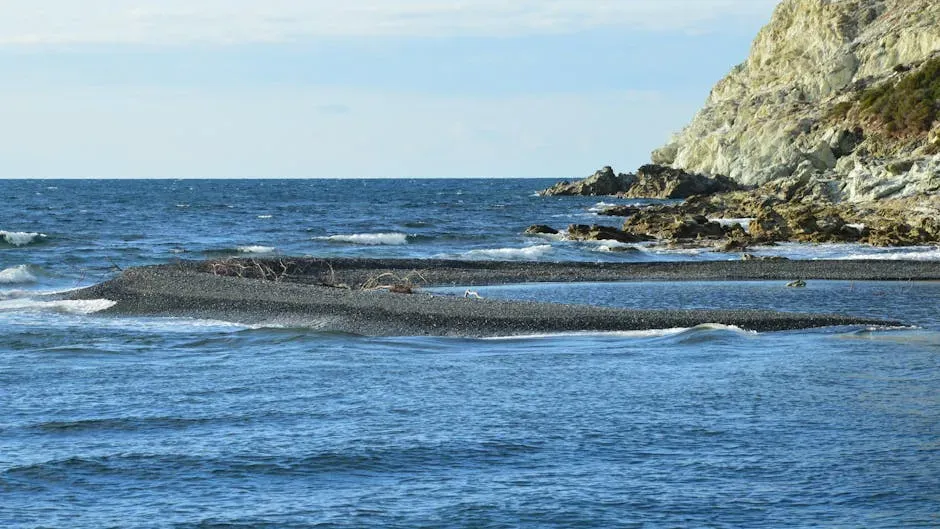
Because the planet was so warm and permanent ice sheets were mostly absent, you would have been living in a world where sea level sat dramatically higher than today. The coastlines you know simply did not exist. Instead, shallow epicontinental seas – broad, warm inland oceans – flooded deep into the interiors of continents, turning what are now prairies and plains into vast, shallow marine habitats full of marine reptiles, ammonites, and other sea life.
If you stood in the middle of what is now North America during certain parts of the Cretaceous, you would be standing on the shore of an enormous seaway that split the continent into eastern and western landmasses. These shallow seas stored heat like giant bathtubs and helped keep nearby climates even warmer and more humid. The whole layout of land and water that you take for granted today was rearranged, and that reshaping of coastlines had a huge influence on regional climates and on where dinosaurs and other organisms could live.
You Breathed Air With a Very Different Atmosphere
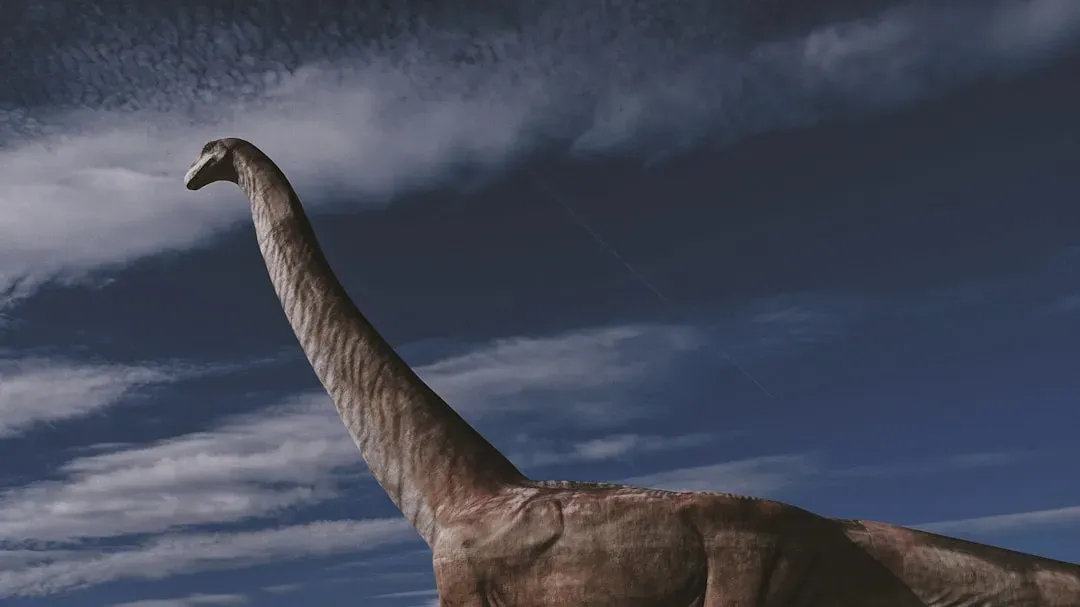
When you take a breath today, you are inhaling a mix of gases that has only recently become familiar to humans. During much of the dinosaur era, that mix looked different. Carbon dioxide ran much higher, pushing the greenhouse effect into overdrive, while oxygen levels varied over time and may have been somewhat higher than modern levels during certain intervals. Those changes would matter to you if you were suddenly dropped into that world, because your body is tuned to the present‑day atmosphere.
For the ecosystems of the time, this atmospheric cocktail changed how plants grew and how fires burned. Higher carbon dioxide can supercharge plant growth under the right conditions, helping create dense vegetation that could support huge plant‑eating dinosaurs. On the other hand, shifts in oxygen influence how easily fires start and spread, so you would likely see different fire regimes in dinosaur forests than you see in today’s woodlands. In short, you would be living under a sky that looked familiar but behaved differently.
You Would Notice a Smaller Temperature Gap Between Poles and Equator
One of the biggest differences you would feel, if you could travel from the equator to the poles in dinosaur times, is how small the temperature contrast was compared with today. The tropics were certainly hot, but the poles were much warmer than you are used to. That meant the planet’s heat engine worked differently: fewer icy regions, less snow‑covered land to reflect sunlight, and a smoother gradient of warmth from low to high latitudes.
This smaller temperature gap would affect winds, ocean currents, and storm patterns in ways you might find surprising. With less cold polar air and no large ice sheets, you would not see the same kind of sharp jet streams or polar fronts that steer today’s weather. The whole system would feel more like a giant, humid conveyor of heat around the globe, with long, warm seasons and fewer sharp seasonal contrasts in many places, especially compared with mid‑latitude climates you might know now.
You Can Use the Dinosaur Past to Understand Your Climate Future
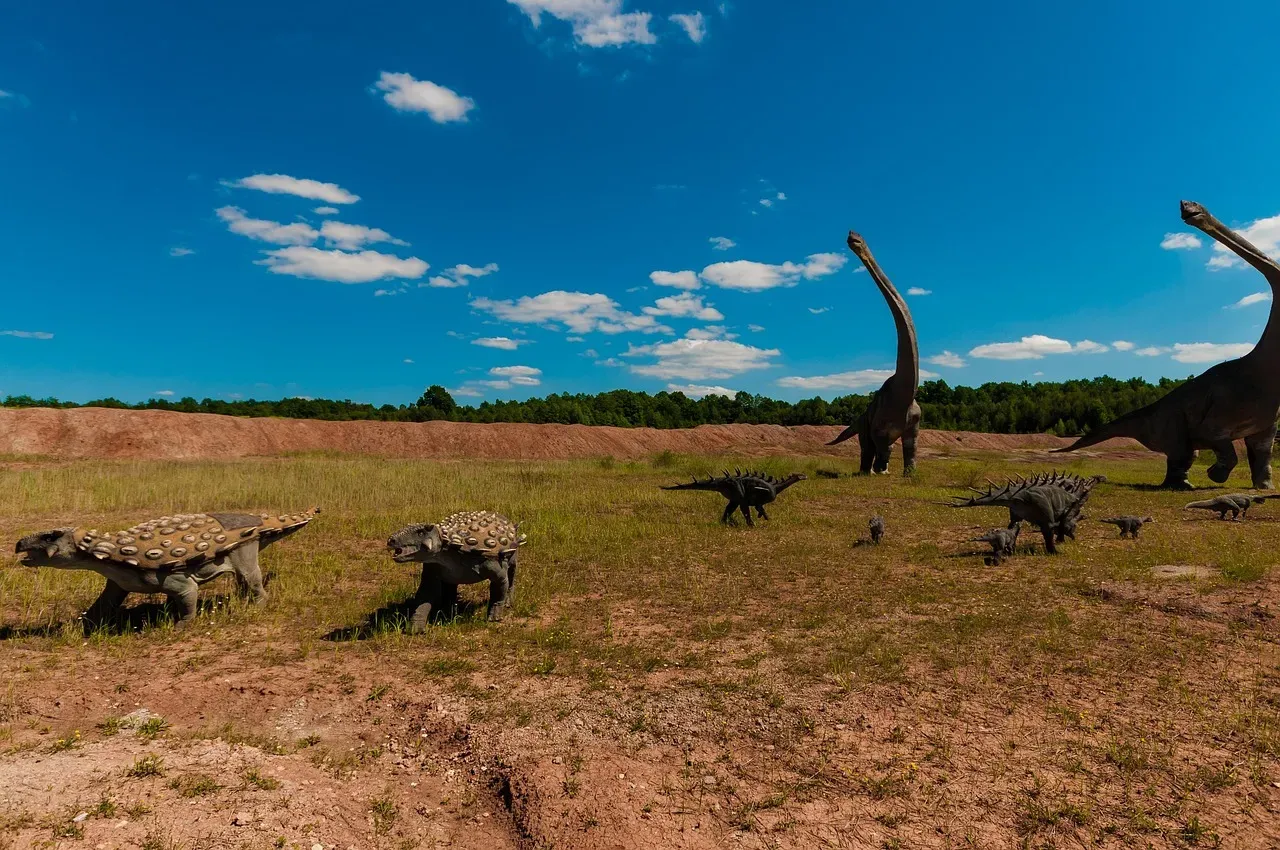
Looking back at this wildly different dinosaur climate is not just an exercise in curiosity; it gives you a powerful reality check about what Earth can do when greenhouse gases climb. You can see, in the rocks and fossils, that high carbon dioxide and warm oceans are not theoretical ideas – they actually happened, and they produced ice‑free poles, very high sea levels, and heat‑stressed tropics. That does not mean your future will copy the dinosaur era exactly, because continents, ocean currents, and many other factors are different now. But the broad patterns still warn you about the direction of travel when you push the climate system hard.
When you compare today’s rapid human‑driven changes to the slower, natural shifts of the Mesozoic, you realize you are turning the knobs much faster than the planet usually experiences. The dinosaur world shows you that a hotter, high‑carbon Earth is entirely possible – and that life can adapt in the long run – but it also reminds you that those adaptations often come with extinctions, migrations, and radical reshuffling of ecosystems. If you think of the dinosaur climate as a kind of time‑lapse preview of what a much warmer planet looks like, it becomes harder to pretend that your modern choices do not matter. Knowing what you know now, what kind of climate story do you want future geologists to read in the rocks you leave behind?