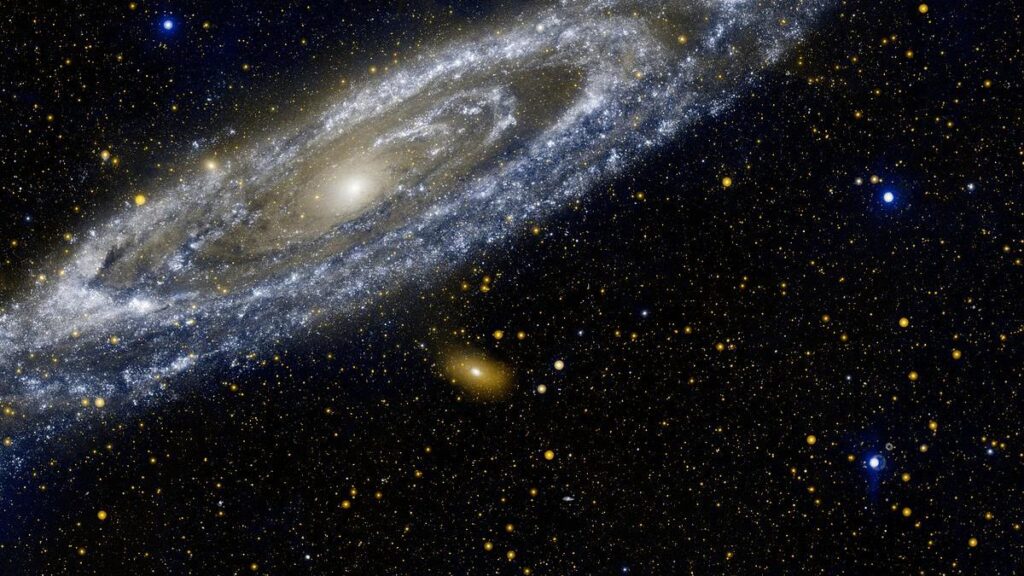
You grew up with a fairly simple picture of how galaxies form: tiny ripples after the Big Bang slowly pull in matter, stars light up, and over billions of years majestic spirals like the Milky Way take shape. It sounded orderly, almost polite. Then telescopes like Hubble sharpened that picture, and now the James Webb Space Telescope (JWST) has kicked the door off its hinges. The universe you thought you knew is starting to look wilder, faster, and far stranger than you were ever taught in school.
What you are seeing today is a genuine rewrite of cosmic history. Galaxies that should not exist so early are already fully built, galaxies that should be alive are already “dead,” and dark matter – the invisible scaffolding you’ve been told is essential – sometimes seems to go missing entirely. As you walk through these discoveries, you’re not just learning new trivia; you’re watching the rules of galaxy evolution being renegotiated in real time, with you looking over the shoulders of the people doing the rewriting.
1. Galaxies Grew Up Shockingly Fast After the Big Bang
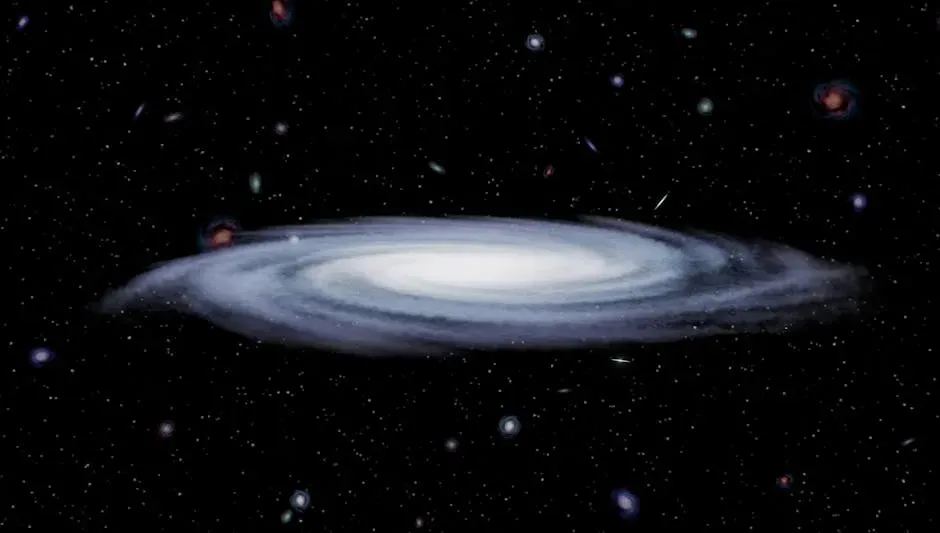
If you were told that truly massive galaxies needed billions of years to assemble, you were in line with what most astronomers believed until just a few years ago. The standard story said that early galaxies were small, messy, and slowly merging their way toward maturity. Then JWST started delivering exquisitely detailed infrared images of galaxies from when the universe was only a tiny fraction of its current age, and suddenly you were staring at systems that already contain as many or even more stars than the Milky Way does today.
Put yourself in that situation: you run a simulation on your laptop, watch dwarf-sized blobs gradually grow, and then the telescope shows you a fully formed giant appearing in cosmic history long before your code says it is even possible. You are forced to ask whether galaxies somehow assembled their stars at a breakneck pace, whether dark matter clumped earlier than you thought, or if your entire model of early structure formation is missing a key ingredient. Instead of a leisurely adolescence, galaxies look like overachievers who skipped several grades without telling anyone.
2. “Dead” Galaxies Are Turning Up in the Toddler Universe
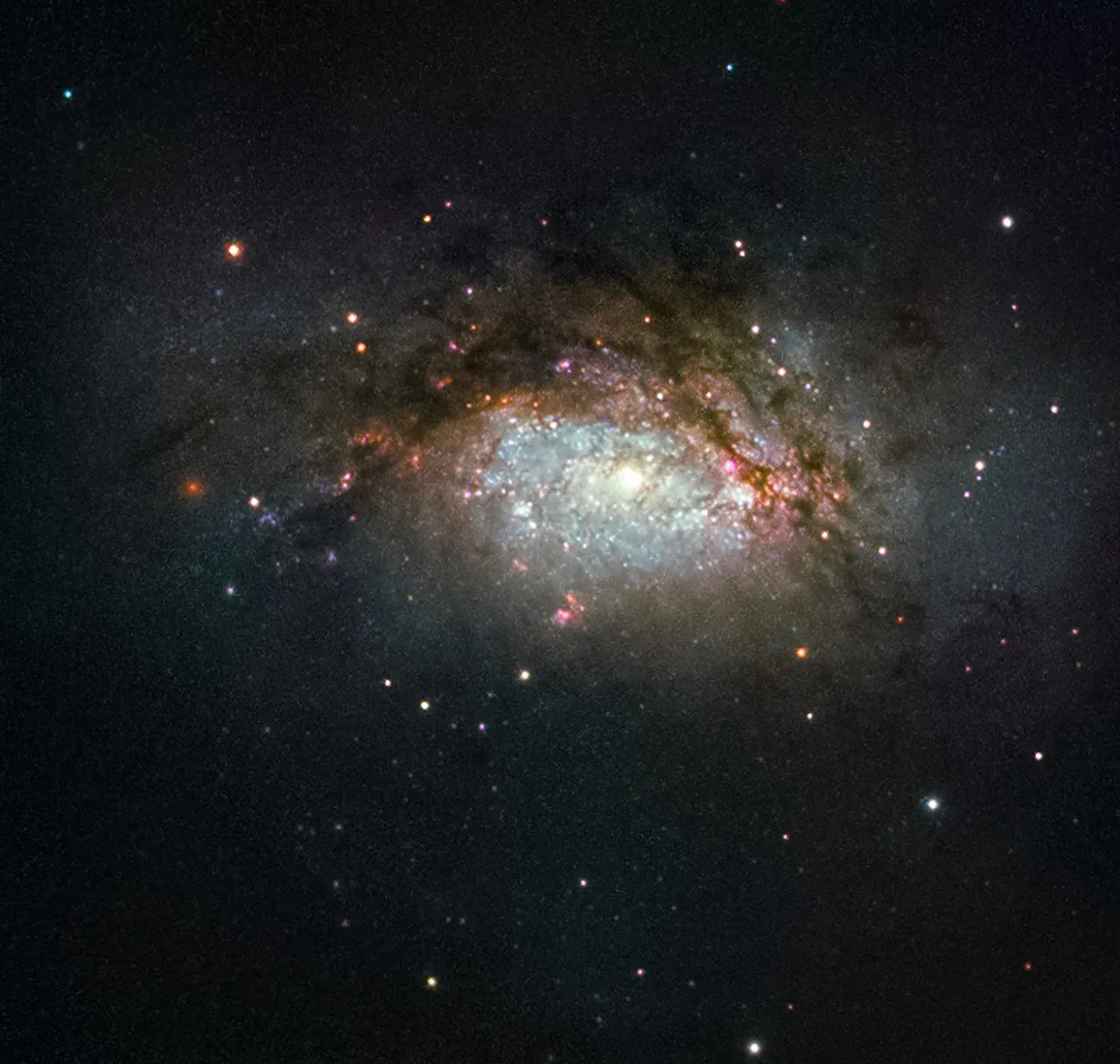
You probably expect the earliest galaxies to be furious star factories, lighting up new suns as fast as gravity can cram gas together. So when you learn that astronomers have now found galaxies that already stopped forming stars – “quenched,” in the technical jargon – within the first billion years after the Big Bang, it feels like being told a teenager has just retired from professional sports. JWST’s deep spectroscopy has revealed compact systems whose light is dominated by older stars and whose gas has somehow been shut off well ahead of schedule.
For you, this forces a dramatic shift in how you think about galactic life cycles. Instead of a simple path where galaxies ignite, shine brighter, and only later slow down, you are looking at some that burn through their fuel so intensely that they snuff themselves out early, or get choked by violent feedback from black holes and stellar explosions. You are left asking what could possibly be powerful enough to shut down a galaxy almost as soon as it appears – and whether today’s massive “red and dead” galaxies are just the elderly descendants of that same reckless early generation.
3. Some Galaxies Seem to Have Almost No Dark Matter at All
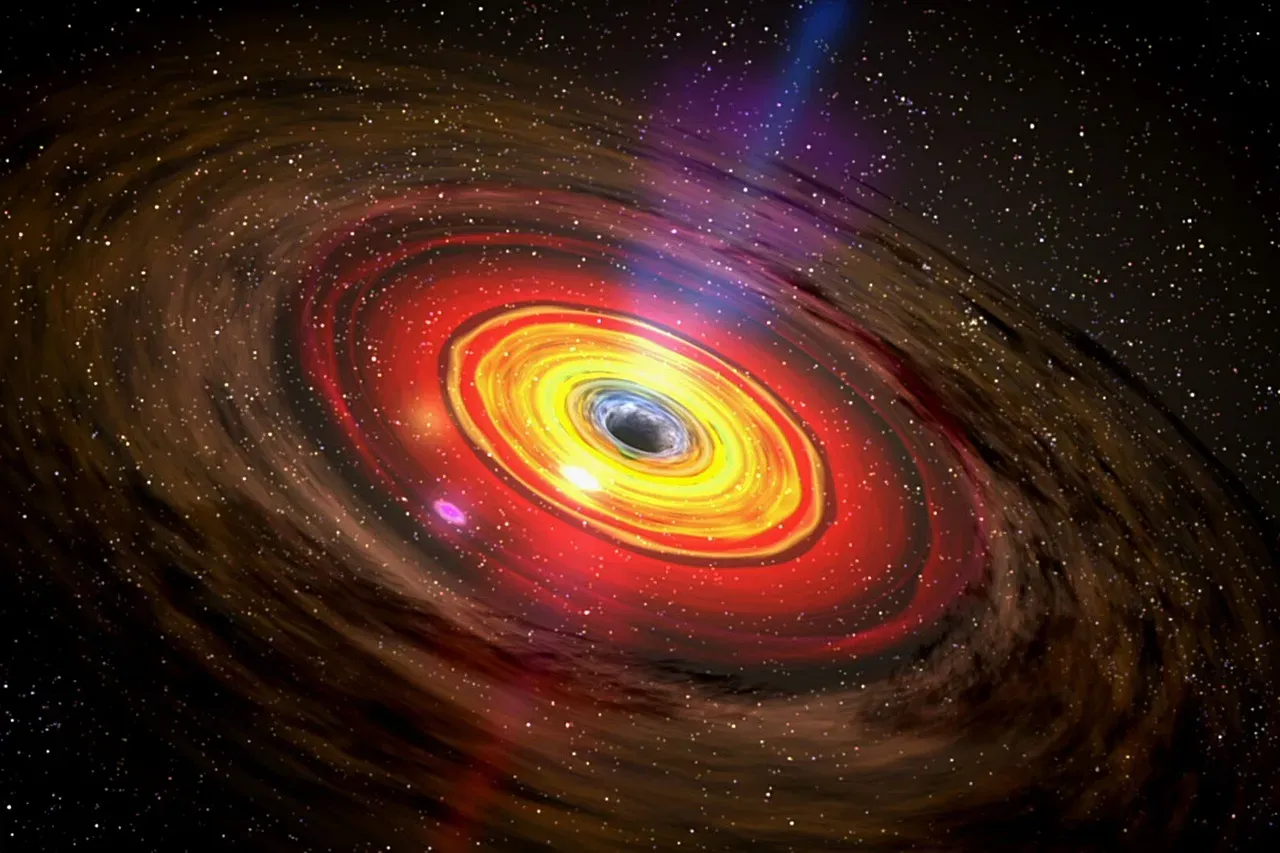
You have been told for years that dark matter is the invisible backbone of every galaxy, the unseen mass that holds stars together and keeps them from flying apart. That is why the discovery of ultra-diffuse galaxies that appear to be nearly devoid of dark matter hits so hard. When you look at systems like NGC 1052-DF2 and its cousins, their stars move so slowly that the usual dark matter halo you expect just is not there, or is at least drastically reduced compared with standard predictions.
For you, this is like taking apart a building and finding no steel framework inside. You are pushed to consider whether tidal interactions, peculiar formation histories, or even flaws in the way you infer mass from stellar motions might be conspiring to trick you. At the same time, these ghostly galaxies are a gift: if you can understand how a galaxy ends up with almost no dark matter, you gain a rare experiment for testing whether your theories of gravity and structure formation are really as solid as you think – or whether they only work in the comfortable middle of the cosmic bell curve.
4. Other Galaxies Are Almost Pure Dark Matter
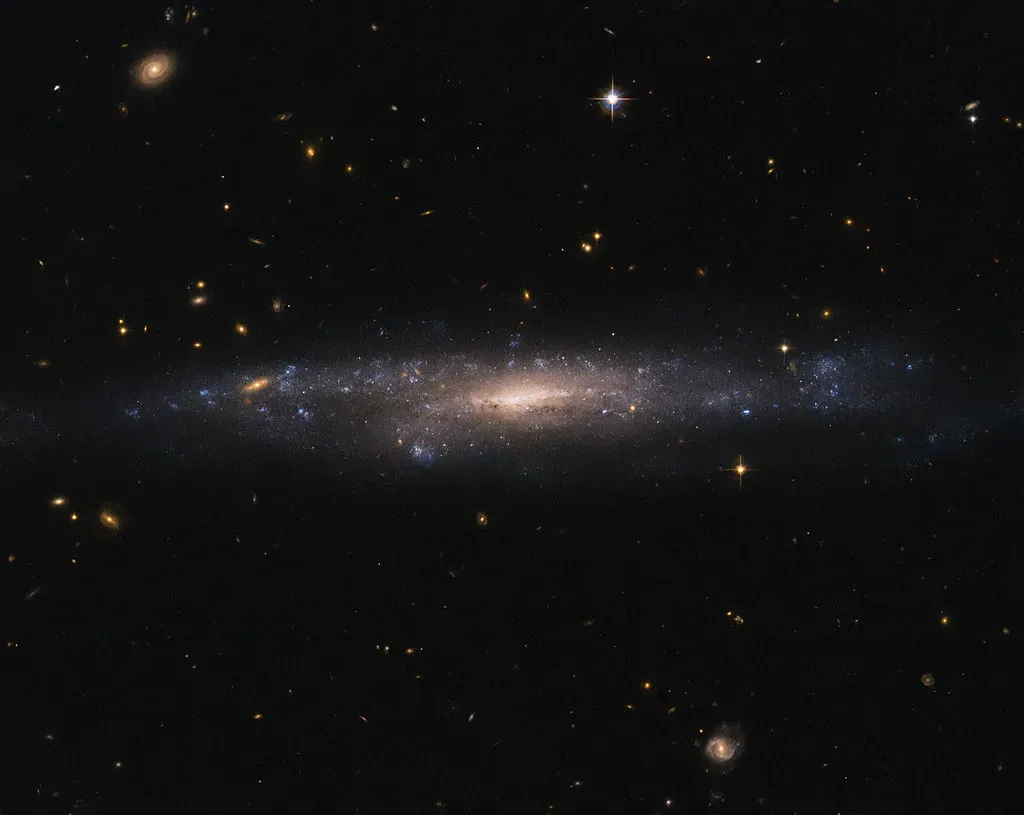
Just when you start to wrap your head around galaxies that seem to lack dark matter, observations throw you the opposite extreme: faint systems where dark matter accounts for essentially all of the mass. Some recently studied galaxies are so dominated by dark matter that their stars make up only a tiny, almost decorative fraction of the whole. To your eyes, they look like dim smudges, but dynamically they behave like enormous, invisible beasts whose true heft only shows up when you measure how fast their stars and star clusters move.
When you put these two extremes side by side – dark-matter-poor and dark-matter-rich galaxies – you are forced to abandon the idea that there is a fixed, neat ratio between dark matter and normal matter. Instead, you are staring at a chaotic spectrum, sculpted by feedback from stars, intricate merger histories, and the cruel tidal environment inside galaxy clusters. It is as if someone let you peek into the factory and you realized galaxies come off the assembly line with wildly different internal setups, even when they end up with similar sizes or brightness on the sky.
5. Tiny Galaxies May Have Transformed the Entire Universe
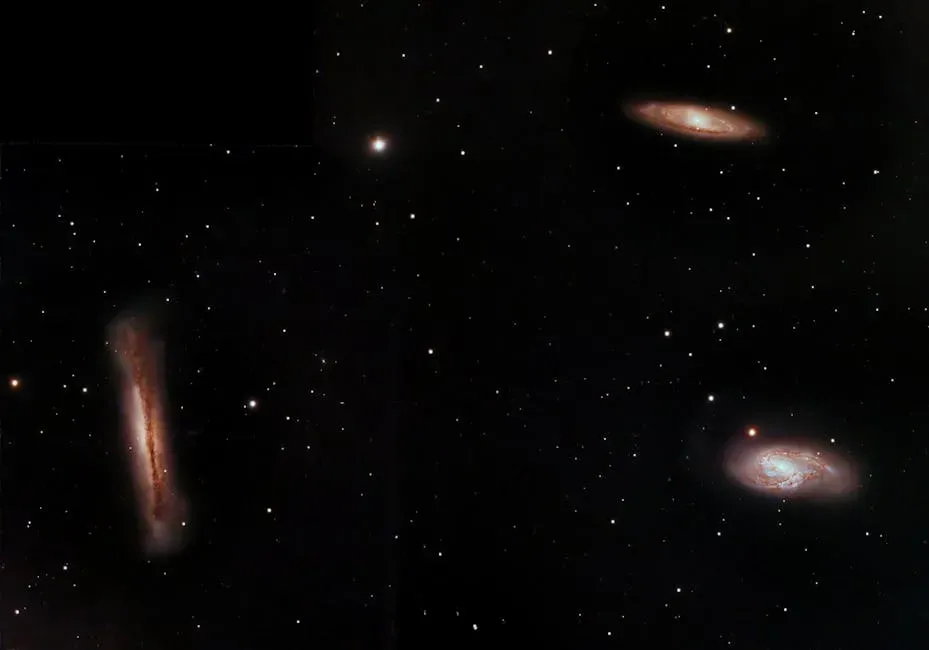
Your eyes are naturally drawn to magnificent spirals and giant ellipticals, but some of the most revolutionary work from JWST and other observatories points you toward the opposite end of the scale. Observations now show that swarms of small, intensely star-forming galaxies in the early universe pumped out far more energetic ultraviolet light than their size would suggest. These underdogs likely played an outsized role in the so‑called cosmic reionization, the era when the fog of neutral hydrogen was stripped of its electrons and the universe became transparent to the light you see today.
For you, that means galaxy evolution is not just a story written by the big, obvious characters. Instead, you have to picture countless tiny galaxies flickering like cosmic fireflies, each one blowing bubbles of ionized gas into the surrounding medium, eventually overlapping to clear vast regions of space. When you account for them properly, you realize that the background conditions every later galaxy grows up in were radically shaped by this early swarm of faint neighbors. The universe you see now is, in a very real sense, a renovation project carried out by galaxies you can barely detect.
6. Galaxy Shapes May Be Imprinted by Invisible Dark Structures
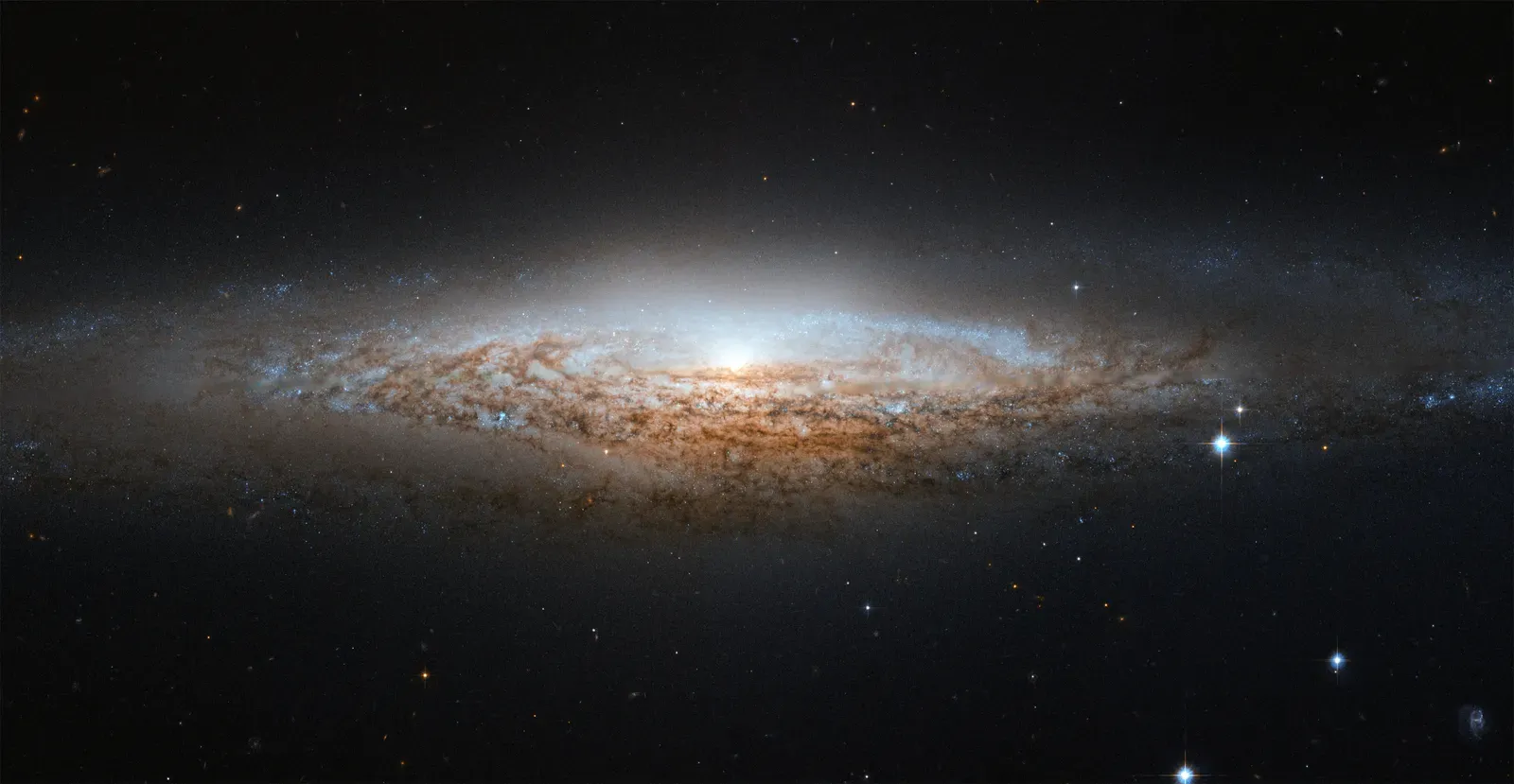
You probably think of a galaxy’s shape – spiral, elliptical, irregular – as the result of collisions, spinning gas, and internal dynamics, but recent work is nudging you toward a deeper, darker explanation. Studies of how galaxies align and evolve suggest that networks of small dark matter clumps, sometimes called dark subhaloes, may pre‑sculpt the orbits where gas will collapse and stars will form. In other words, long before a galaxy looks like anything to your eyes, invisible structures have already drawn the rough blueprint.
When you take this seriously, you stop imagining galaxy evolution as something that only kicks in after stars appear. Instead, you picture an intricate, three-dimensional spiderweb of dark matter, with galaxies forming as luminous tracers hugging those threads. Interactions with smaller dark haloes can torque disks, thicken them, or even trigger bursts of star formation, all while remaining completely unseen except through their gravitational fingerprints. To you, that is both unsettling and exhilarating: the visible universe is just the frosting, and the real sculptor of galactic form is something you can never see directly.
7. Galactic Fountains Show That Inflows and Outflows Are One Loop
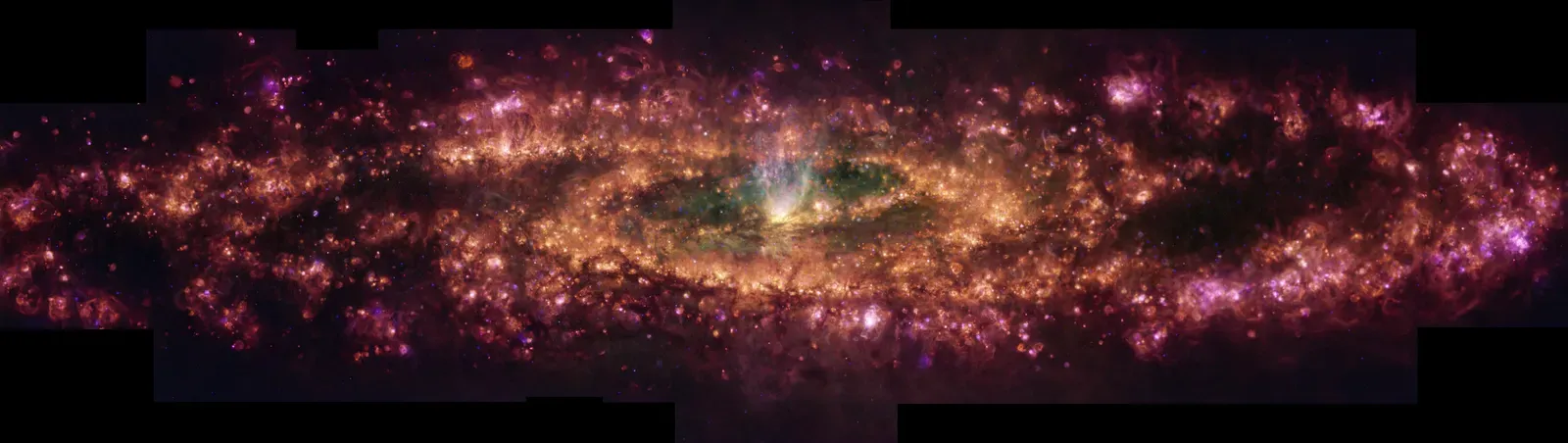
In older textbooks, you might see gas infall and galactic winds treated as two separate steps: material falls into a galaxy, stars form, and then energy from those stars blows gas back out into space. High‑resolution observations with radio arrays and powerful spectrographs now show you a far more dynamic, looping picture. In some galaxies, cold molecular gas is being launched out by a central black hole or by rapid star formation, then cooling and raining back down in a grand galactic fountain that can extend tens of thousands of light‑years.
For you, this turns galaxy evolution into more of a recycling drama than a one‑way journey. Gas does not simply arrive, make stars, and vanish; it gets pushed out, stirred, enriched with heavy elements, and then drifts back in to feed another round of star birth. That cycle can regulate how fast a galaxy grows, prevent it from forming stars too furiously, or in some cases help shut it down altogether. Once you picture a galaxy breathing in and out like this, the idea of a static, neatly layered system feels hopelessly outdated.
8. Supermassive Black Holes Are Racing Ahead of Their Galaxies
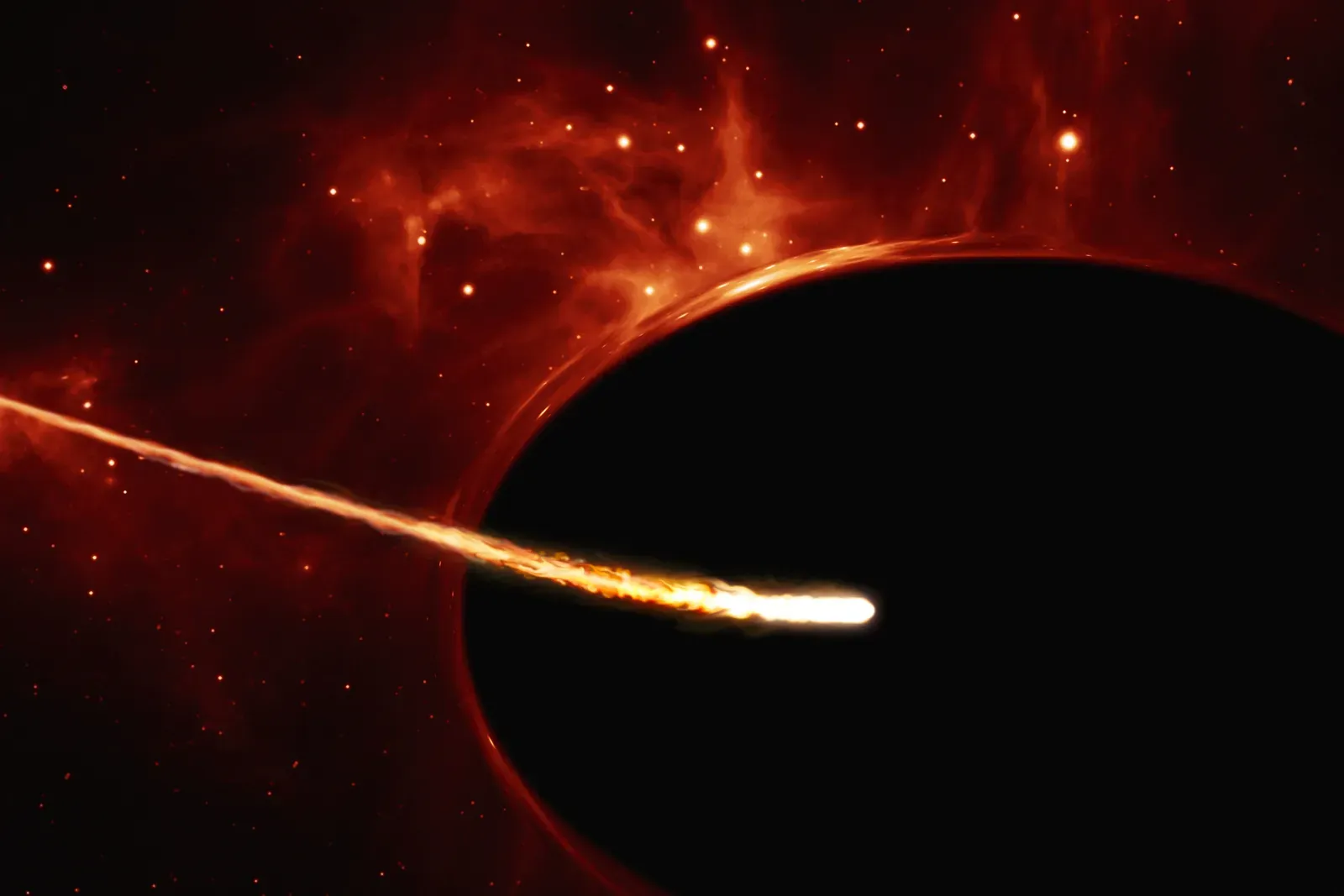
You were probably taught that galaxies and their central black holes co‑evolve, with the mass of the black hole tracking the bulk of the surrounding stars. JWST and other observatories have started to crack that cozy partnership. You now see supermassive black holes already weighing millions or billions of solar masses when the universe is only a few hundred million years old, along with stunning evidence that some of these monsters may even be recoiling or racing through space after violent interactions or mergers.
When you try to fit that into your mental model, you are forced to consider exotic growth paths: black holes born from the direct collapse of enormous gas clouds, boosted by dense flows of fresh material, or possibly even influenced by how dark matter behaves at tiny scales. In some cases, the black hole looks like it has outpaced the galaxy that hosts it, driving powerful winds that shape or quench star formation rather than passively sitting at the center. Instead of being just the end point of stellar death, the black hole becomes a prime architect of the galaxy’s fate – and sometimes, it seems to be writing its own script entirely.
9. The “Cosmic Timeline” of Galaxy Evolution Is Being Compressed
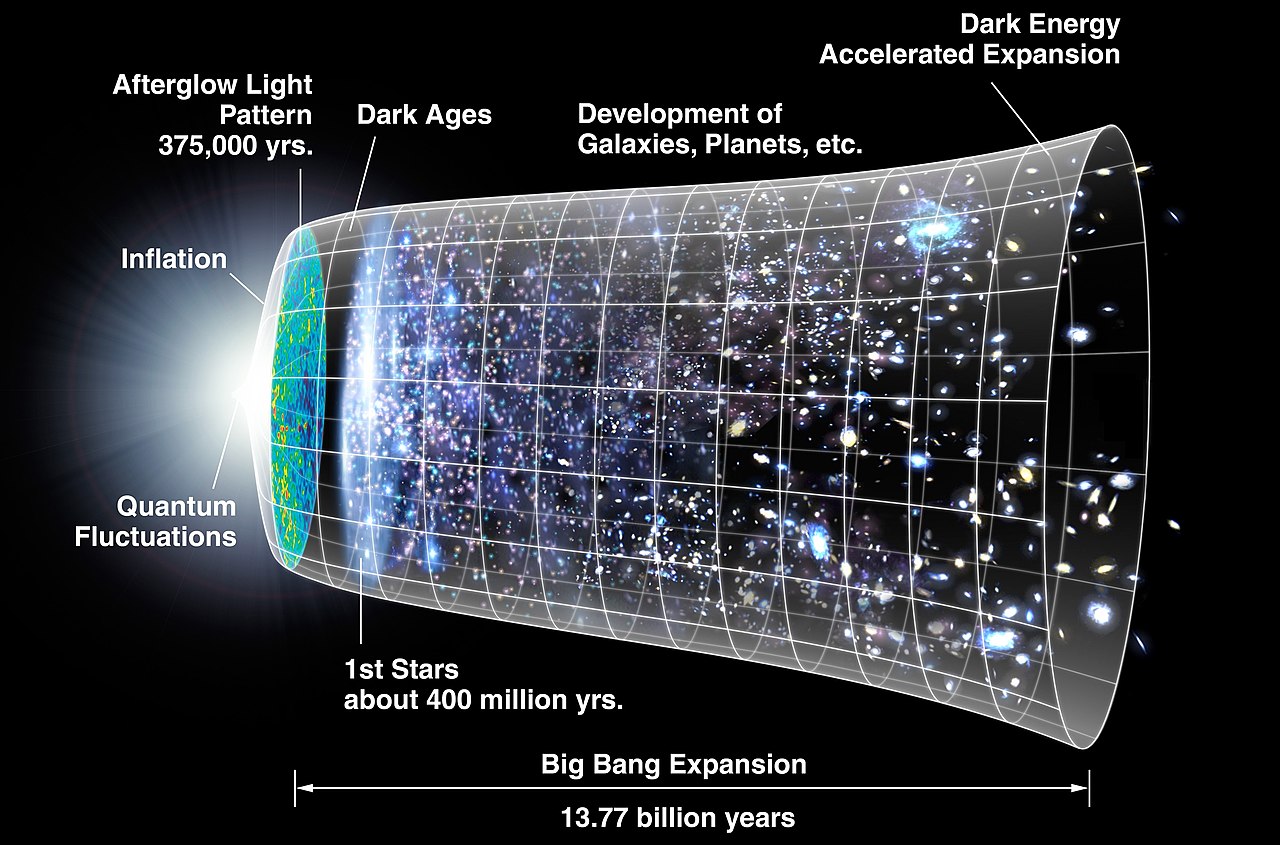
If you step back from each of these discoveries and look at the big picture, you notice one pattern hitting you again and again: everything seems to happen faster and earlier than you expected. Massive galaxies assemble in what feels like record time, some shut off star formation almost immediately, tiny galaxies reshape the intergalactic medium in a cosmic instant, and black holes bulk up and start rearranging their surroundings almost as soon as they appear. The clean, evenly spaced timeline you might remember – formation, growth, quiet aging – starts to look more like a chaotic sprint.
For you, that means letting go of the comforting idea that the universe rolled out its structure in a slow, predictable sequence. Instead, you are dealing with overlapping processes: galaxies forming and quenching in waves, dark matter halos colliding and merging, and feedback cycles continually kicking gas around. The story of galaxy evolution has not become simpler; it has become richer, more tangled, and frankly more human in its messiness. The universe, like you, seems to rush some chapters, linger over others, and occasionally throw in plot twists that force a complete rewrite.
Conclusion: Living Through a Rewrite of Cosmic History
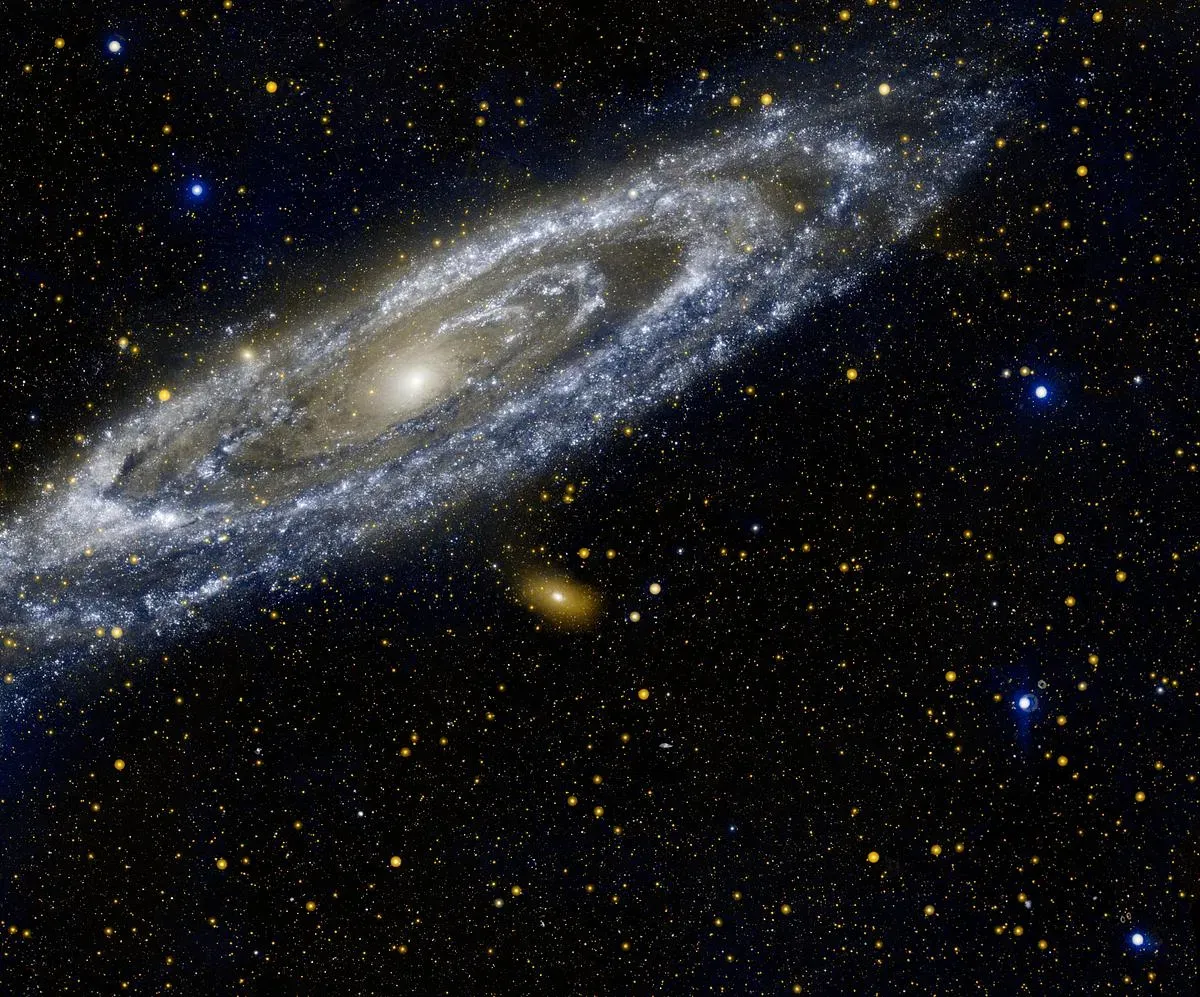
When you pull all of this together, you realize you are living in an unusually privileged moment. A single new telescope has upended decades of tidy assumptions about how galaxies form, grow, and die, and you are close enough in time to watch those assumptions crumble in real‑time journal articles and press releases. Instead of distant, settled facts, galaxy evolution feels more like an unfolding mystery novel where familiar characters – dark matter, black holes, star formation – keep revealing new sides of themselves.
Most importantly, you can now see that “rewriting history” in astronomy does not mean tossing everything out; it means admitting that the universe is more creative than your first drafts gave it credit for. Your models will improve, your simulations will become more subtle, and your mental picture of a galaxy will shift from a static island of stars to a turbulent, feedback‑driven ecosystem. As you look up at the Milky Way and imagine all the hidden drama in its past, you might quietly wonder: if galaxies can surprise you this much, what other pieces of the cosmos are waiting to flip your expectations next?