If you could stand at the feet of the largest dinosaur ever found, you would feel very small, very quickly. The bones that once held up these giants stretch longer than city buses, weigh more than tanker trucks, and force you to rethink what you thought was physically possible for a living animal. When paleontologists piece together these colossal skeletons, they are not just solving a puzzle; they are rewriting the upper limits of life on Earth.
When you hear about “the largest dinosaur ever,” you might expect a simple record-holder with an exact length and weight. In reality, you step into a world of partial skeletons, competing claims, cautious estimates, and a lot of scientific humility. You are dealing with shattered bones dug out of remote cliffs, fragmentary remains scattered across deserts, and measurements that change as new fossils appear. Yet even with all those uncertainties, the story of the largest dinosaurs so far is more awe-inspiring than any tidy record book could ever be.
The Giant Behind the Headline: What “Largest Ever” Really Means
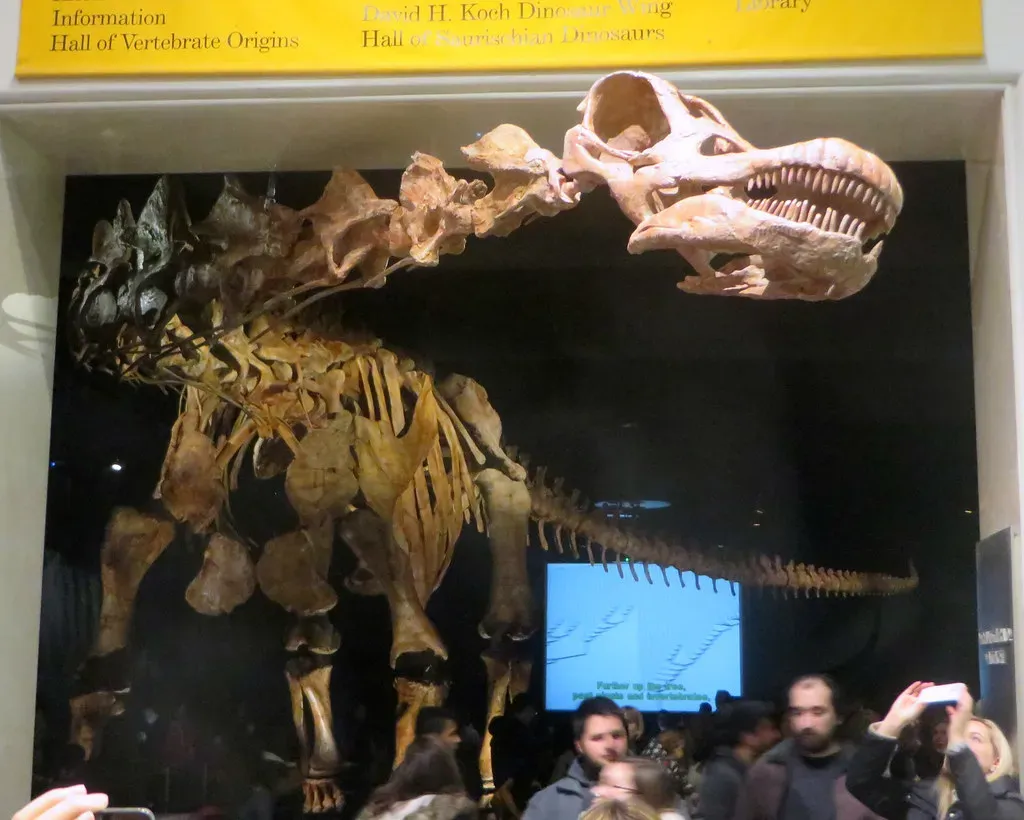
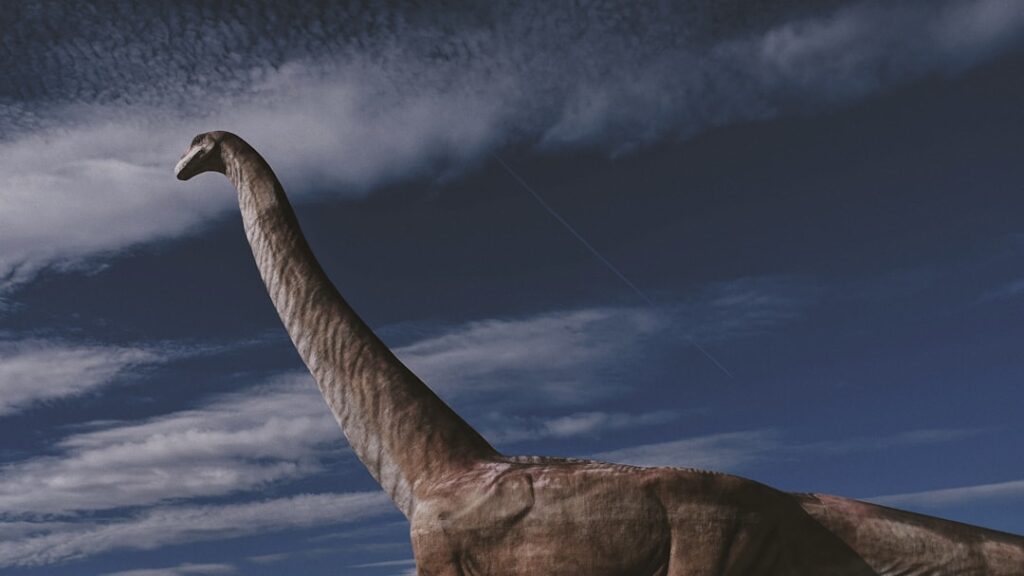
When you see headlines about the “largest dinosaur ever ,” you are usually meeting a titanosaur: a long-necked, long-tailed plant-eater that walked on four pillar-like legs and could stretch well over the length of a tennis court. You are not looking at a complete, museum-perfect skeleton but at a carefully interpreted set of bones, often from more than one individual, that scientists assemble like a three-dimensional jigsaw puzzle. In most cases, you do not have the skull, all the limb bones, and the entire tail; you have enough pieces to make a strong, but not perfect, guess.
You might be surprised to learn that the title of “largest” is not settled and probably never will be. Different candidates like Argentinosaurus, Patagotitan, and a few others based on very incomplete remains all compete for the crown, and you could reasonably support more than one of them depending on which bones you trust most. So when you read that a particular dinosaur “may be the largest land animal that ever lived,” you should treat that as a carefully phrased possibility, not a final verdict. The true biggest giant may still be lying unexcavated in rock, waiting for someone like you to hike over it and never realize it.
Meet the Titanosaurs: Earth’s Long-Necked Heavyweights
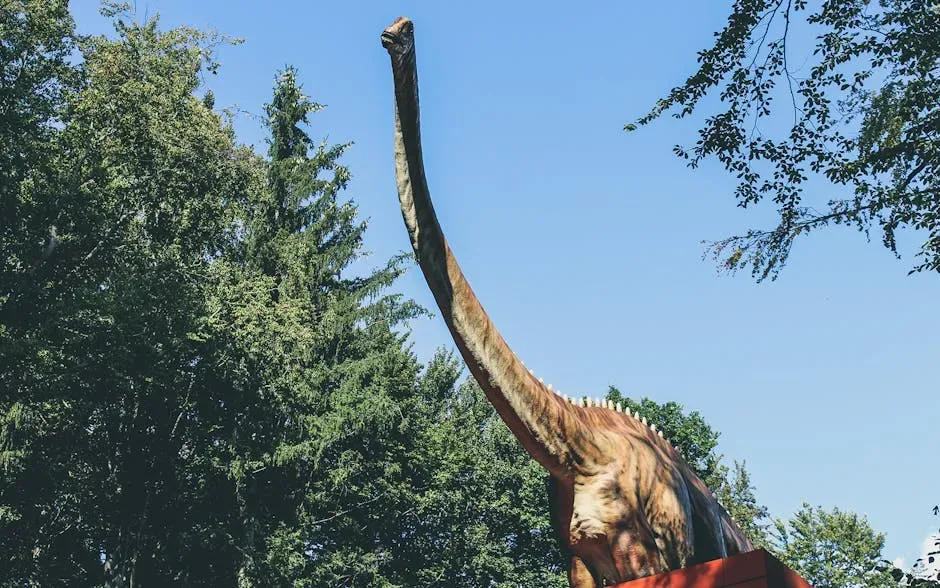
To understand the largest ever dinosaurs, you first need to step into the world of titanosaurs, a group of sauropods that dominated the later part of the dinosaur age. If you imagine the classic long-necked dinosaur that could sweep treetops like a crane, you are already most of the way there, but titanosaurs pushed that body plan toward extremes of both size and bulk. They carried massive bodies on thick, column-like legs and were built less like elegant giraffes and more like mobile fortresses of bone and muscle.
When you look at titanosaur fossils, you are not just seeing big bones, you are seeing a design that let these animals handle incredible weight without collapsing. Their neck vertebrae are full of air spaces, a bit like the internal structure of a bird’s bones, which allowed them to be huge yet relatively light for their size. Their broad hips and sturdy limb bones helped spread out all that mass so they did not sink into the ground at every step. You are effectively watching nature’s engineering experiments in how big a land animal can get before physics says “no more.”
How You Actually Measure a Dinosaur This Big
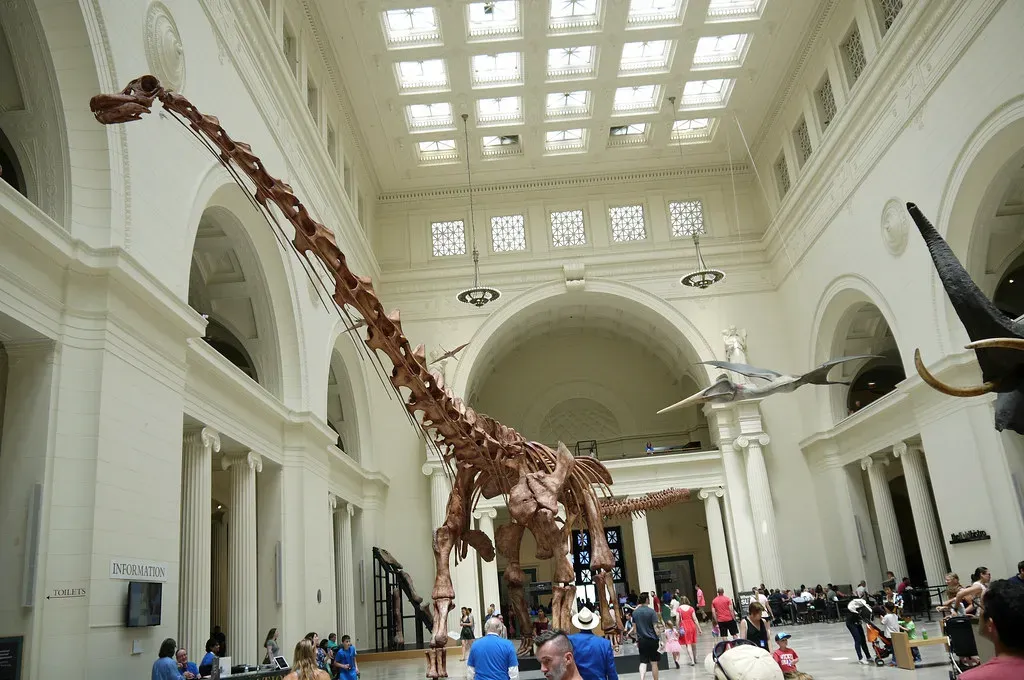
When you hear that a dinosaur might have stretched longer than a basketball court or weighed more than several elephants stacked together, those numbers are not coming from a bathroom scale or a tape measure. You are dealing with estimates built from bones, computer models, and comparisons with better-known relatives. To estimate length, you take the bones you have, like vertebrae and leg bones, and infer the missing parts by looking at closely related species whose skeletons are more complete.
Weight is even trickier, and that is where you really see the uncertainty. You might see one scientific study suggesting that a titanosaur rivaled a small commercial airplane in mass, while another more cautious analysis brings that figure down by a large margin. You get those differences because researchers build digital models of the dinosaur’s body, fill in muscle and soft tissue based on living animals, then calculate volume and apply a density. When you read any single weight estimate, you should recognize that it is a best-guess built on layers of assumptions, not an absolutely fixed number.
Digging Up a Giant: What the Discovery Actually Looks Like
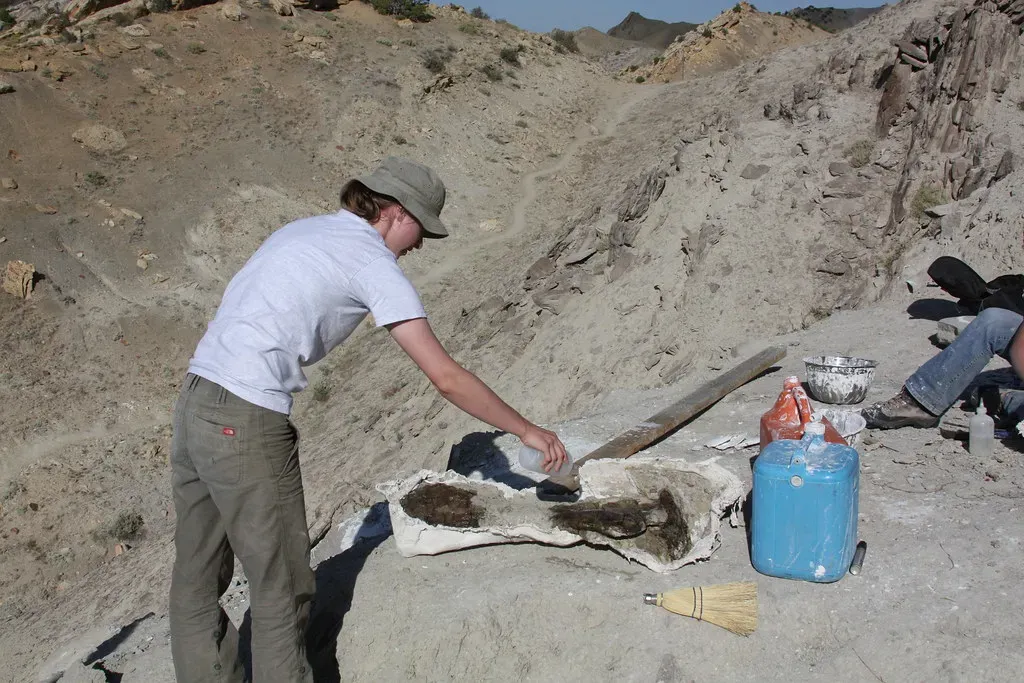
When you imagine the discovery of the largest-ever dinosaur fossil, you might picture a perfect skeleton lying in the desert, waiting for you to brush off the sand and stand back in awe. In reality, what you get is usually a tangle of bones, some broken, some eroded, many still hidden deep in rock that takes months or years to remove. You might find only a few huge vertebrae, a femur, some ribs, and scattered fragments, and from that you have to reconstruct an animal that once towered above its environment.
You also have to remember that these discoveries do not happen overnight. A local farmer might first notice something odd in a hillside; a field team might return season after season to slowly excavate more bones; lab technicians might spend years cleaning, preserving, and casting those bones. Only after all of that do you see the dramatic museum mounts and glossy photos in the news. When you look at a named giant, you are seeing the tail end of a long chain of patient work, guesswork, and sometimes heated debate.
Life at Maximum Size: How These Giants Lived and Moved
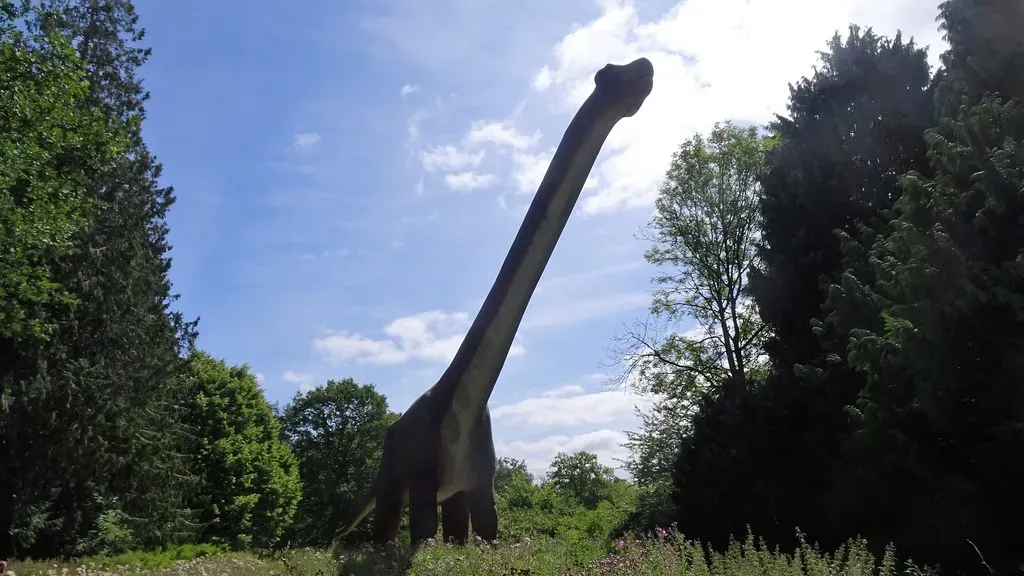
Once you accept that some dinosaurs reached these extraordinary sizes, your next question is usually how they could possibly move, eat, and survive without breaking themselves. When you picture one of these titanosaurs walking, you can imagine slow, ground-shaking steps, but you should not think of them as clumsy or helpless. Their limb bones are shaped and arranged to act like thick pillars, spreading their weight evenly, and their long necks let them feed across wide areas without taking many steps, saving energy in the process.
You can also picture their lives as a constant balancing act between energy in and energy out. To fuel such an enormous body, a giant sauropod likely spent much of the day foraging on vegetation, stripping leaves from trees or vacuuming low plants with a sweeping neck. Having a relatively small head for its body size may have helped reduce weight at the end of that long neck, and a large gut would have acted like a fermentation tank to break down tough plant material. When you think about these animals, you are not just thinking about scale; you are looking at a lifestyle tuned to squeeze every bit of energy from a landscape.
Why You Still Do Not Know the True Record-Holder
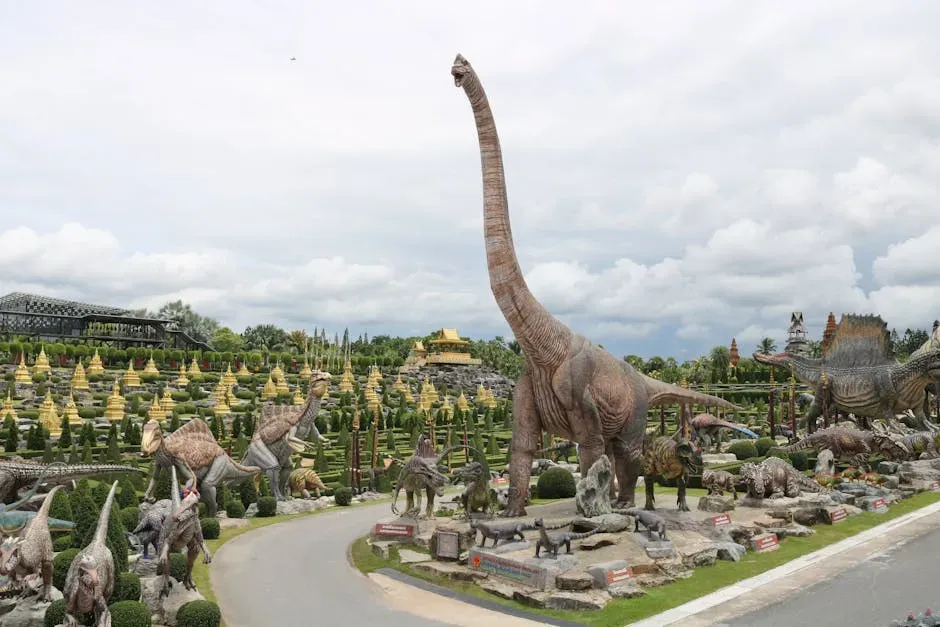
Even today, you cannot point to a single species and say with complete confidence that it was the largest dinosaur that ever lived. You have several serious contenders, but each one is based on incomplete material, and each comes with its own set of assumptions. Some giants are known from only a handful of vertebrae, others from a few limb bones, and you have to scale up from those pieces to guess total size. That means small changes in interpretation can move one candidate above or below another very easily.
You also have to accept that the fossil record is biased and patchy, so you are probably missing many of the biggest individuals that ever existed. Larger animals may be easier to spot when they fossilize, but they are still subject to erosion, destruction, and simple bad luck over tens of millions of years. There is a real chance that the single largest land animal ever to walk the Earth has not been found and may never be. When you follow discussions about record-breaking dinosaurs, you are really following a moving target that changes as each new bone comes out of the ground.
What These Colossal Fossils Tell You About Earth’s Past
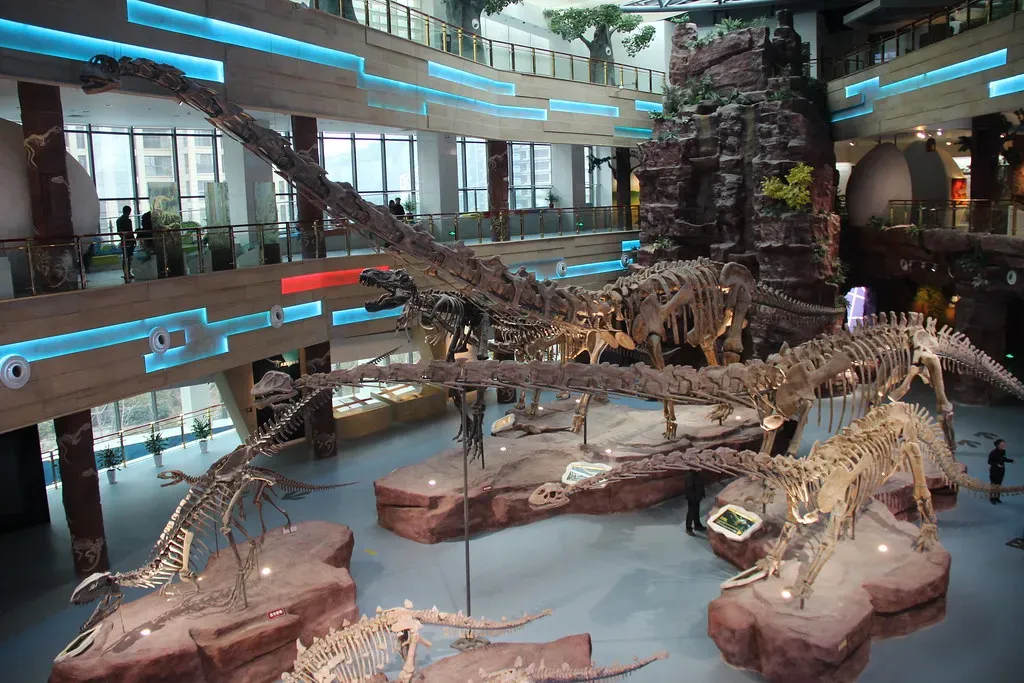
When you stand in front of a gigantic titanosaur skeleton, you are not just seeing an oversized curiosity; you are seeing a snapshot of an Earth that worked very differently from the one you live on now. The climates that supported these giants were often warm, with high levels of atmospheric carbon dioxide and sprawling landscapes of lush vegetation. That kind of environment could supply the nonstop flow of plant material that enormous herbivores needed to survive and grow. In a way, each massive bone you look at is a record of ancient ecosystems that could sustain such abundance.
You also learn something about how life experiments with the limits of size and complexity. By studying the growth rings in bones, the structure of vertebrae, and the arrangement of limb joints, you can infer how fast these animals grew and how they coped with the stresses of their own weight. Those details help you think about modern ecosystems, from elephants in Africa to whales in the oceans, and how close different species might be to their own physical limits. When you put it all together, the largest dinosaur fossils become part of a bigger story about what Earth can support and how life pushes up against the edge of what is possible.
Why the Story of the Largest Dinosaur Is Still Unfinished
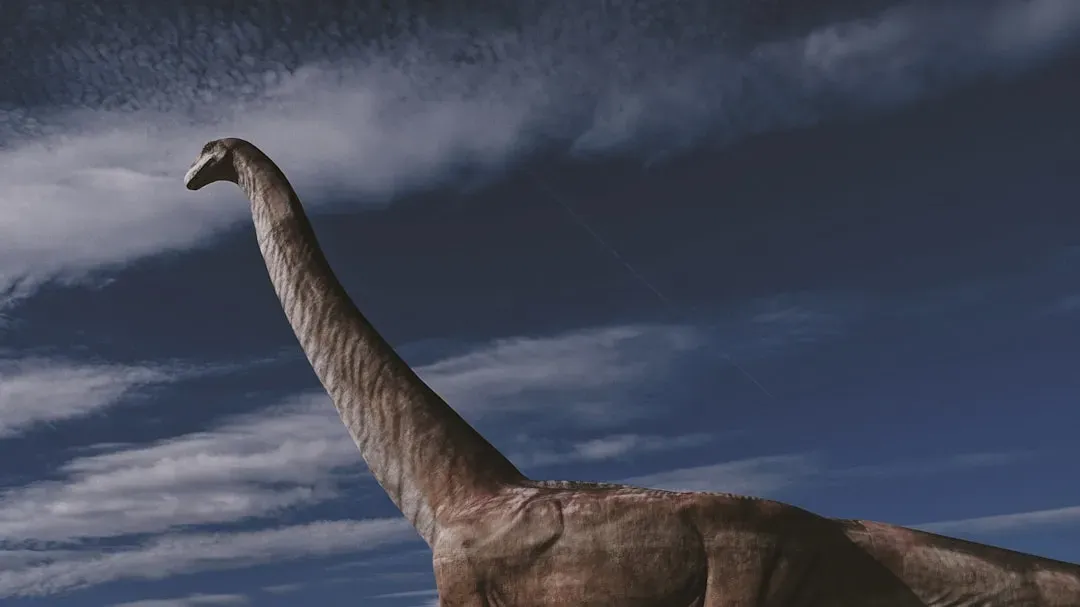
When you read about a new “largest ever” dinosaur, you might be tempted to treat it like a final chapter: mystery solved, record set, end of story. In reality, you are stepping into an ongoing investigation where every new bone can shake up the rankings. New technologies like high-resolution scanning, digital modeling, and more refined statistical methods keep changing how you interpret old fossils, sometimes trimming down earlier weight estimates or reshaping skeletons that once seemed settled. You are watching science revise itself in real time.
You can expect more surprises, not fewer, as exploration continues in fossil-rich regions that have barely been studied. Remote parts of South America, Africa, and Asia still hold layers of rock from the age of giants that no one has systematically explored. The next record challenger could emerge from a cliff face that has sat untouched for millions of years, recognized only because someone stops, looks twice, and calls a paleontologist. As you follow these discoveries, you are not just collecting trivia about which dinosaur was biggest; you are watching your understanding of Earth’s deep past stretch and shift along with every new colossal bone.
In the end, when you think about the largest dinosaur fossil ever , you are really thinking about a moving horizon rather than a fixed landmark. You know that some titanosaurs reached truly staggering sizes, dwarfing any land animal you see today, but you also know that your current record-holders rest on incomplete evidence and evolving methods. That uncertainty is not a flaw; it is a sign that the story is still alive, with new digs, new tools, and new minds ready to challenge what you think you know. So the next time you stand under the shadow of a towering dinosaur skeleton, ask yourself: if this is what you have found so far, what unimaginable giant might still be waiting in the rock that no one has touched yet?