You usually imagine dinosaurs as roaring giants locked in endless battles, not as attentive parents fussing over eggs. But over the past few decades, fossilized nests, eggs, and even tiny embryos have quietly rewritten that picture. When you look closely at those delicate shells and the way they were arranged, you start to see patterns that feel strangely familiar if you’ve ever watched birds build nests or crocodiles guard their young.
What you find is not one single “dinosaur parenting style,” but a whole spectrum – from careful, communal caregivers to more hands-off, reptile‑like strategies. The evidence is still incomplete and always evolving, yet it already lets you peek into moments that played out over seventy million years ago: a dinosaur stepping carefully around a nest, a clutch of eggs slowly warming, a hatchling breaking through a shell. It is surprisingly emotional to realize that long before humans, creatures with teeth like daggers may have shared an instinct you know very well: the urge to protect their young.
Eggshells Show You How Dinosaurs Protected Their Young
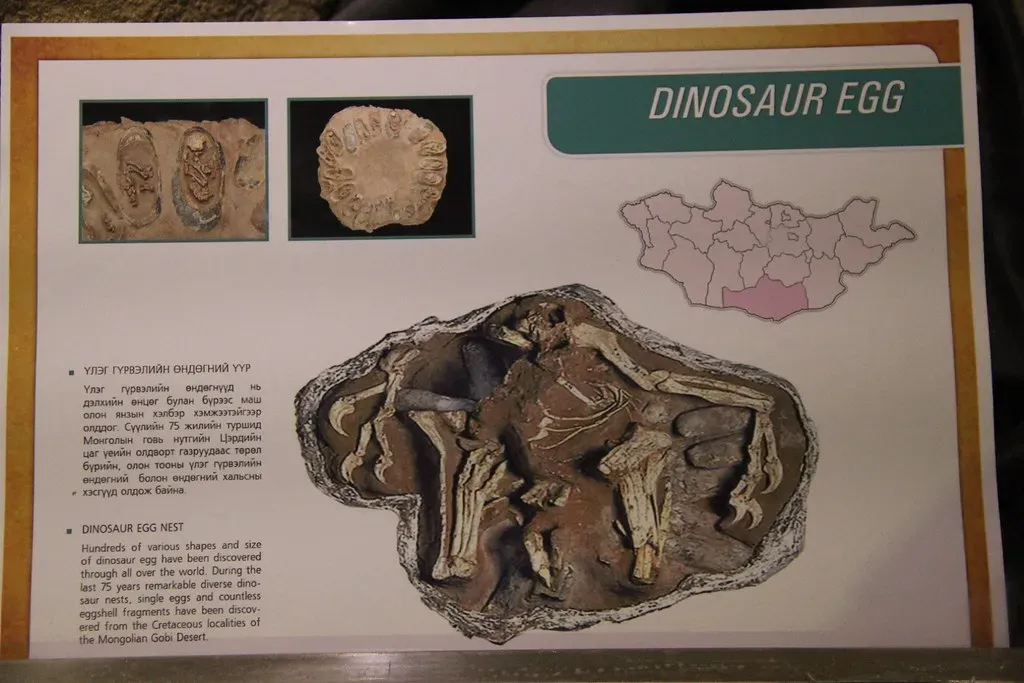
One of the first things you notice when you study dinosaur eggs is that the shells can tell you a lot about how those eggs were treated. Thick, heavily mineralized eggshells suggest the eggs could cope with being buried or partially covered, much like modern crocodile eggs. In contrast, thinner, more delicate eggshells point toward a need for more careful handling, perhaps being left exposed in open nests where temperature and humidity had to be kept within a narrower range.
Under a microscope, you can see the tiny pores that let gases pass in and out of the egg, and those pores are a big clue to where the eggs sat. Eggs with more and larger pores usually match a life buried in sand, soil, or vegetation, where gas exchange is harder and the shell needs to “breathe” more. Eggs with fewer, smaller pores match more open, air‑exposed nests, closer to what you see in many birds today. By simply looking at a cracked fragment of shell, you can sometimes guess whether a dinosaur parent hovered over its eggs or left the ground and the sun to do most of the work.
Nest Layouts Reveal Different Parenting Strategies
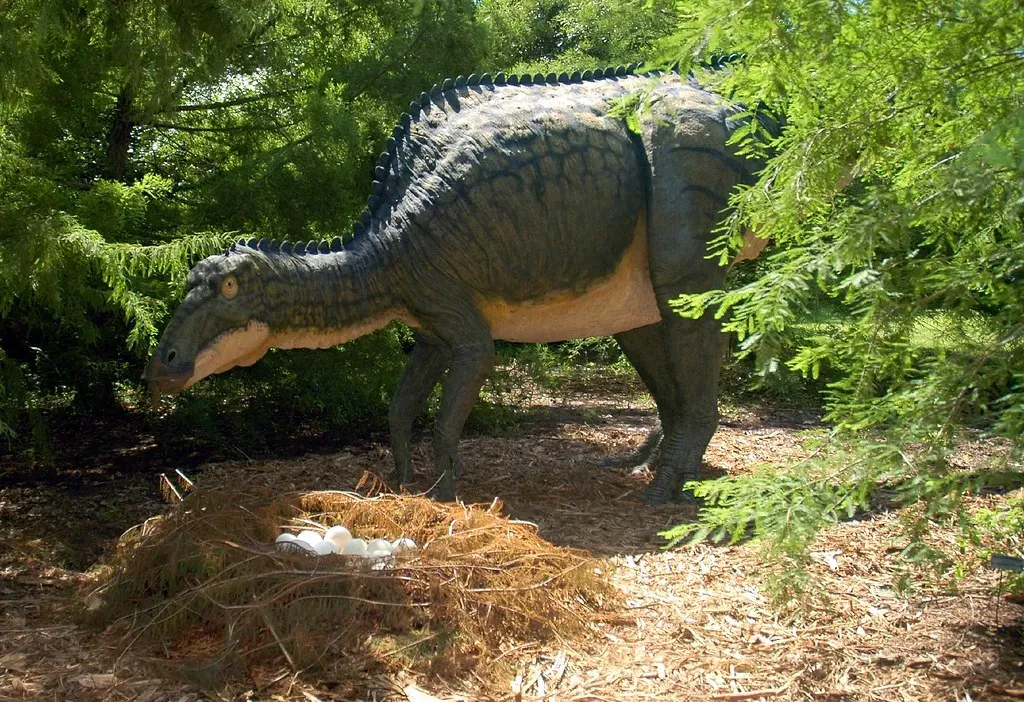
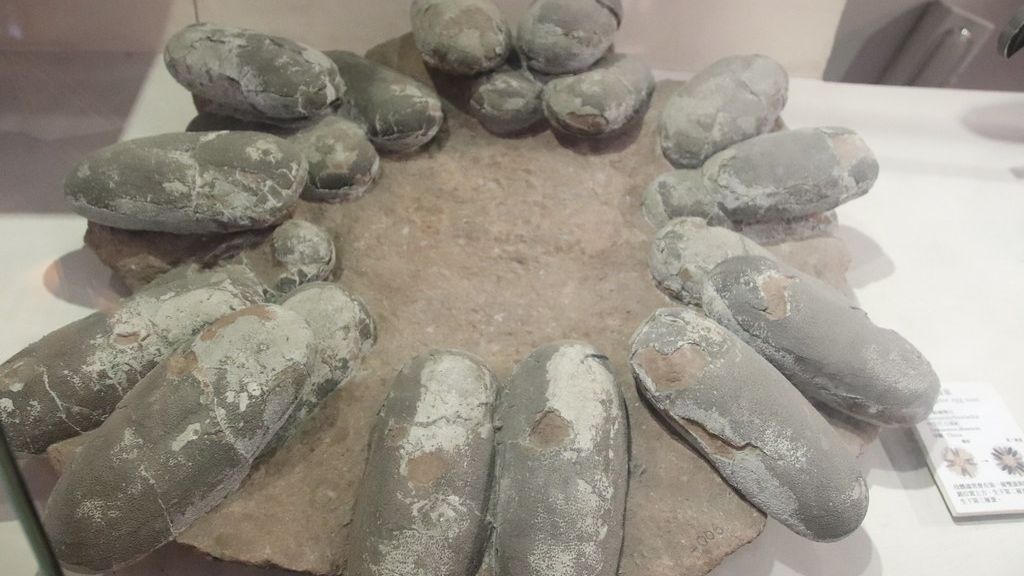
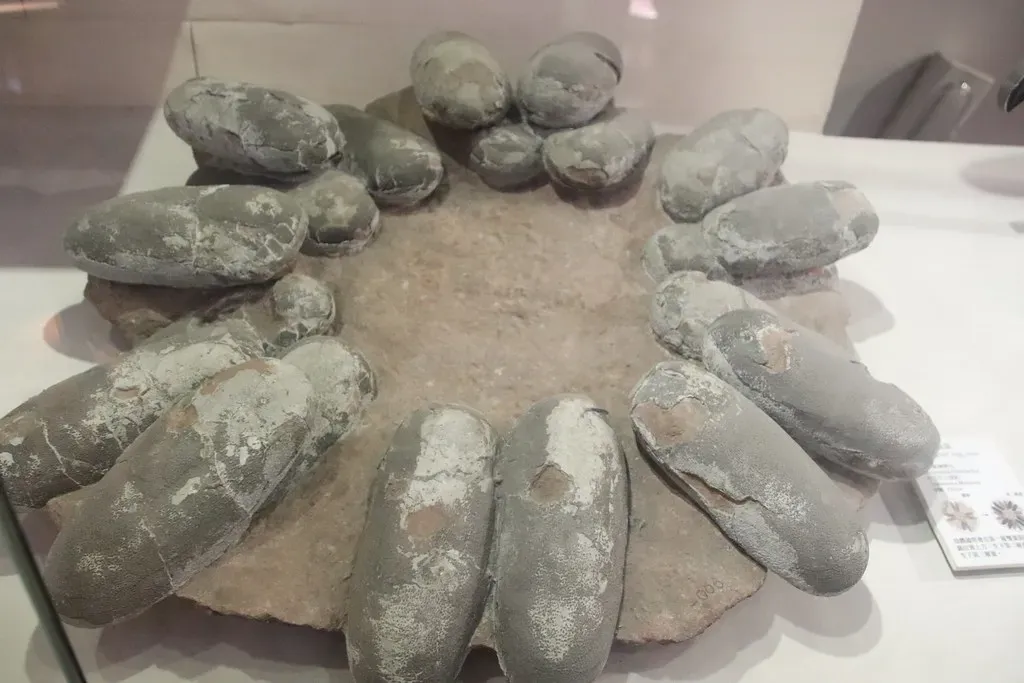
When you step back from individual eggs and look at full nests, the arrangement starts to feel like a prehistoric family blueprint. Some theropod dinosaurs, for example, placed eggs in carefully organized circles or spirals, often stacked in multiple layers, which suggests deliberate planning rather than random laying. That kind of order hints that the adult needed space to sit or stand over the clutch without crushing it, a pattern that feels much closer to bird behavior than to what you expect from most reptiles.
Other dinosaurs made mounded nests or shallow pits, sometimes clustered close together in what look like nesting colonies. In these cases, the eggs might have relied more on the warmth of rotting vegetation, sun, or geothermal heat than on a parent’s body warmth. The layout tells you that not all dinosaurs hovered and brooded; some likely used a more low‑maintenance approach, investing energy in building a good nest site and then letting natural processes take over while they foraged or moved on.
Fossilized Adults on Nests Hint at Bird‑Like Brooding
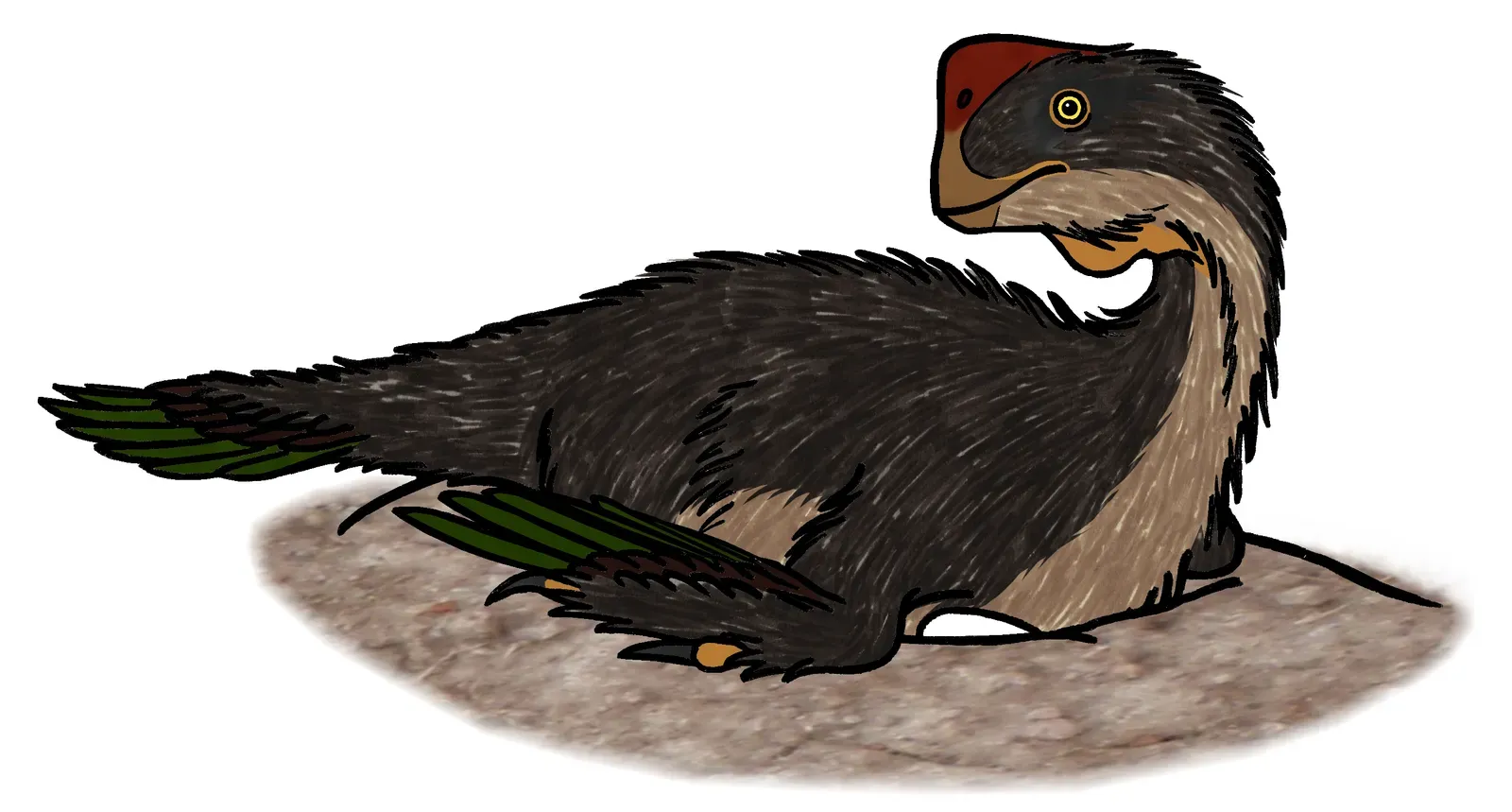
Some of the most moving fossils you encounter are those of adult dinosaurs preserved directly on top of egg clutches, arms or wings spread as if shielding the nest. In certain oviraptorosaurs, for instance, adults were found positioned in a way that looks nearly identical to a brooding bird covering its eggs. At first, these animals were misinterpreted as egg thieves, but better evidence showed you they were more likely devoted parents caught in a final, protective pose.
When you see those fossils, it becomes hard not to imagine the behavior that went with them: the adult rotating now and then to distribute heat, adjusting posture to keep rain or dust off, maybe even recognizing the soft calls of embryos shortly before hatching. You cannot prove every detail of that behavior, but the combination of body posture, nest structure, and egg arrangement paints a coherent picture. It suggests that, at least for some species, sitting on the nest and actively brooding the eggs was a real and recurring habit long before modern birds arrived on the scene.
Embryos and Growth Rings Reveal How Long Parents Stayed Involved
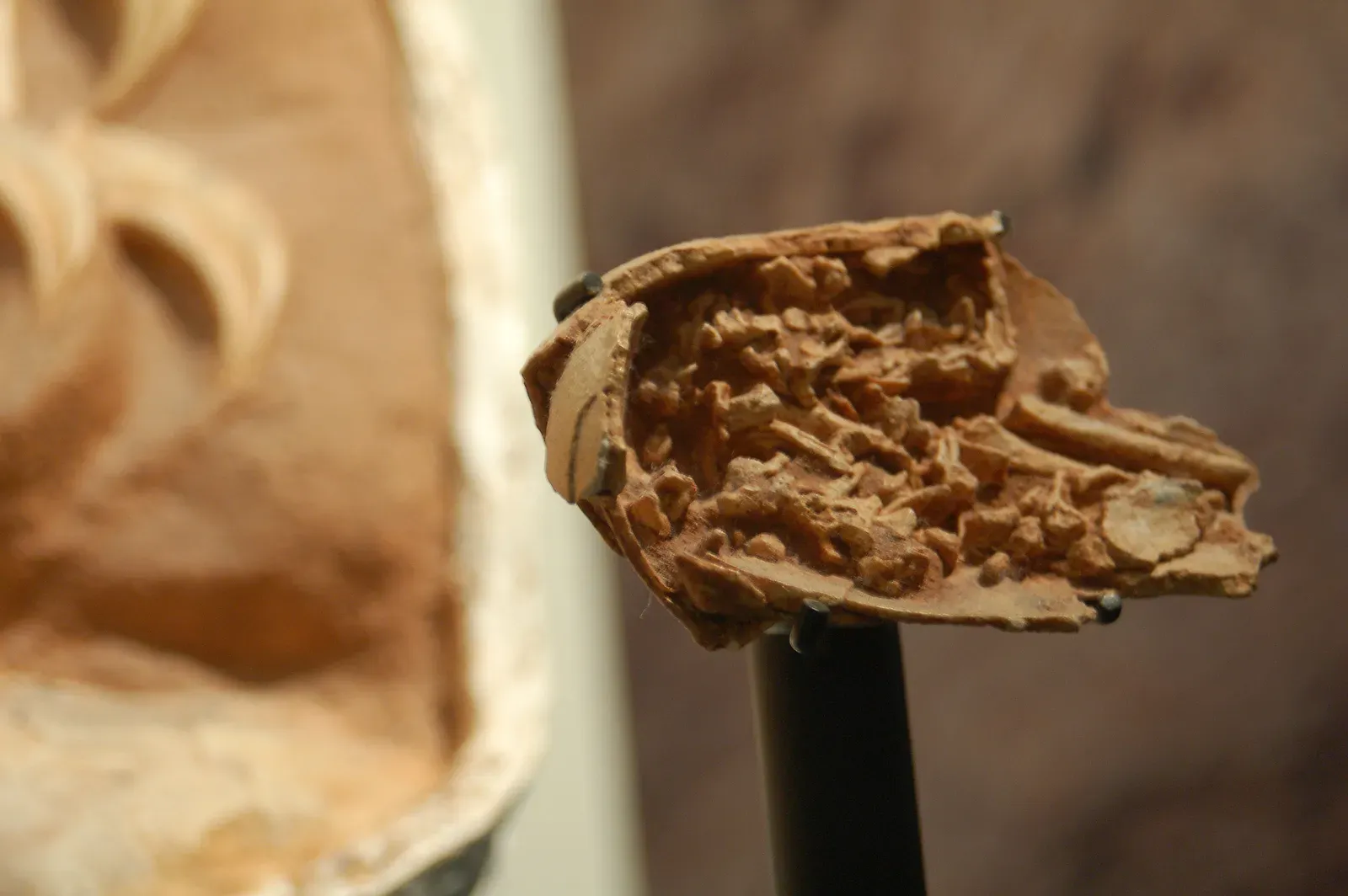
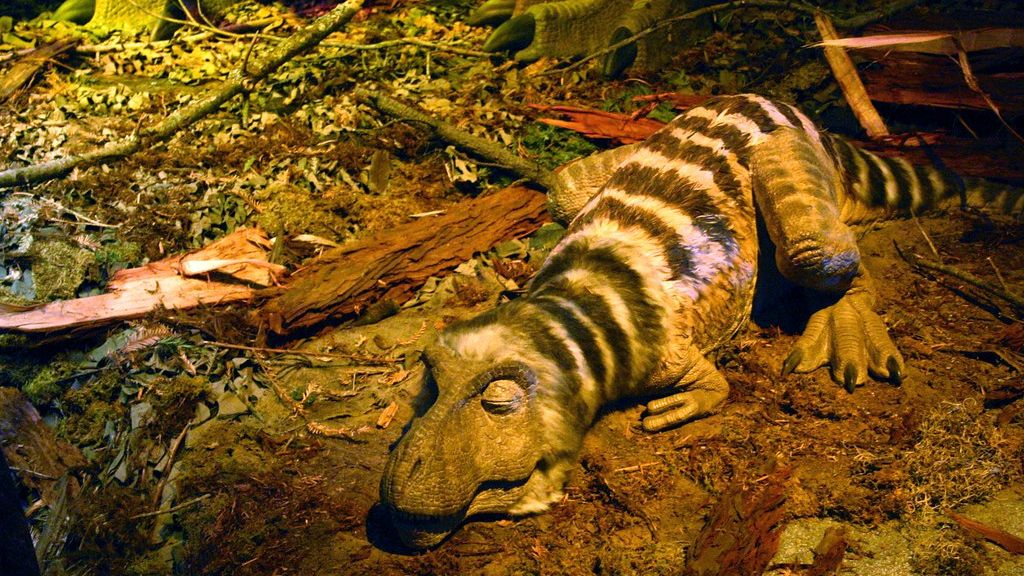
Occasionally, you get incredibly rare fossils where embryos are still preserved inside dinosaur eggs. By examining bone development, you can estimate how mature those embryos were at the time of death. Some appear to have been relatively well developed, suggesting that hatchlings might have emerged more capable and independent, closer to what you see in many ground‑nesting birds and reptiles today.
In other cases, bone structures hint at more altricial, or helpless, young that would likely have needed continued parental attention after hatching. You also see evidence in the way limb bones and skulls developed that some babies were not ready to run or feed effectively on their own right away. When you pair that with nest sites containing multiple size classes of young, it points toward parents hanging around for at least part of their offspring’s early life, guarding the nest area and perhaps guiding hungry mouths to food sources.
Colonial Nesting Points to Group Defense and Shared Risk
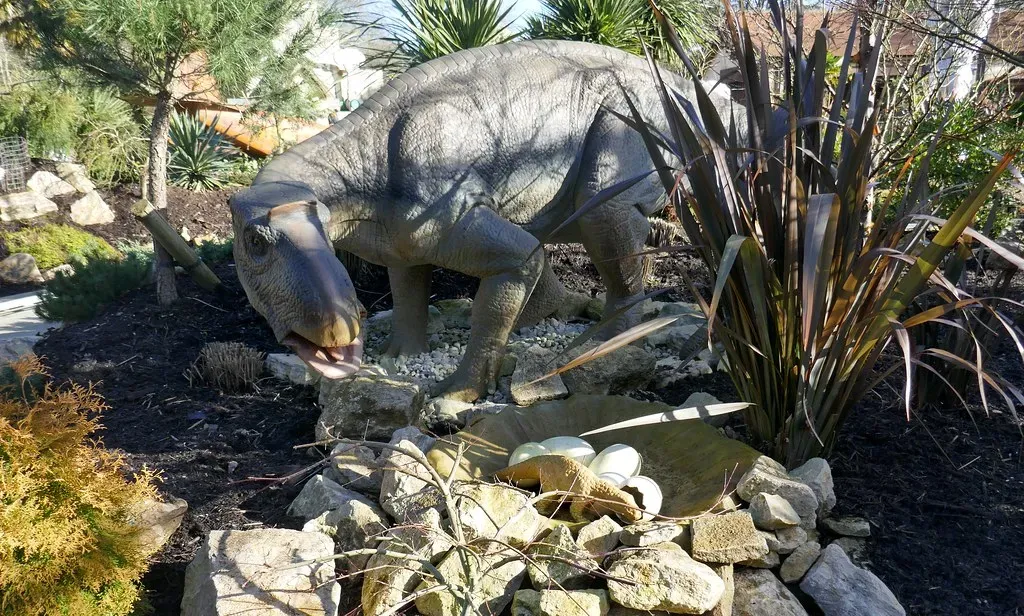
One striking pattern you see in the fossil record is the presence of large nesting grounds, with many dinosaur nests clustered closely together. This colonial nesting style mirrors what you see in some seabirds today, where individuals accept the risk of attracting predators in exchange for the safety of the crowd. If you picture dozens or even hundreds of dinosaurs nesting in the same region, you naturally start thinking about shared defense, alarm calls, and group movements.
Being in a colony means each individual nest is more exposed, but it also means a predator has to get past many watchful adults. You might imagine a scenario where certain species kept at least one parent near the nest while others foraged, or where simple group behaviors like circling or mobbing drove off threats. You cannot confirm every detail of those interactions, but the mere existence of these huge nesting sites tells you that some dinosaurs did not raise young in isolation. Instead, they bet on safety in numbers, a strategy that still pays off for many animals today.
Comparisons with Birds and Crocodiles Help You Fill in the Gaps
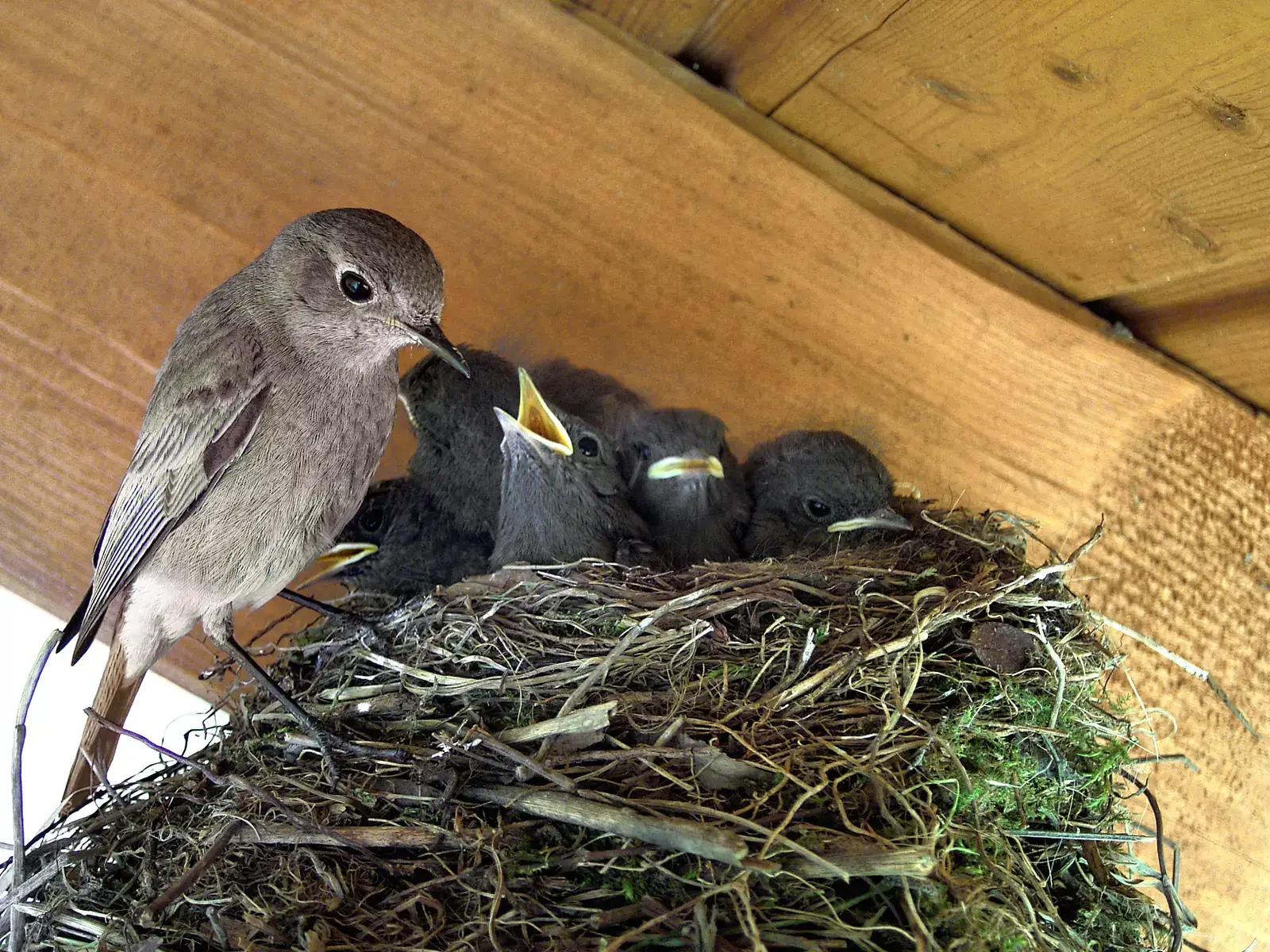
Because you cannot watch a living non‑avian dinosaur parent, you lean heavily on comparisons with their closest modern relatives: birds and crocodilians. Birds show you a wide range of parenting strategies, from meticulous, two‑parent care with constant feeding to more minimal guarding of chicks that quickly learn to forage. Crocodiles, on the other hand, usually bury their eggs then guard the nest and sometimes help hatchlings reach the water, offering a different but still surprisingly caring model.
When you align dinosaur egg and nest data with what you see in these living relatives, you get a menu of behaviors that seem plausible. For example, open, exposed nests plus light eggshells push you toward a bird‑like brooding model, while buried nests with high‑pore shells fit better with crocodile‑style incubation. You still have to be cautious and avoid assuming that every behavior has a direct modern match, but this comparative approach helps you avoid wild guesses. It grounds your picture of dinosaur parenting in real, observable patterns of life that have been evolving for tens of millions of years.
What Dinosaur Eggs Can’t Tell You (Yet) About Parenting
As powerful as egg and nest evidence is, you also have to respect its limits. Fossils rarely capture soft tissues, vocalizations, or the full range of behavior, so you do not know exactly how often parents visited nests, what kinds of sounds they made to their young, or how they taught them to find food. The record is patchy and biased toward places and conditions that preserve bones and shells well, which means many species and behaviors are still invisible to you.
That uncertainty should make you careful rather than discouraged. Instead of imagining that you can reconstruct every little family moment, you treat each nest site, eggshell fragment, and embryo as a small window, not a full movie. Over time, more windows appear, and patterns become clearer, but there will always be gaps. When you accept that, you can enjoy the thrill of each new find without pretending it answers every question – because for prehistoric parenting, some mystery is likely here to stay.
In the end, dinosaur eggs quietly challenge the old image of dinosaurs as cold, indifferent reptiles. They show you creatures that built nests, arranged eggs thoughtfully, sometimes sat protectively over their clutches, and may have guarded hatchlings as they took their first steps into a dangerous world. The parenting styles were varied, from hands‑on brooding to more delegated, environment‑driven incubation, but the shared theme is investment in the next generation, not simple abandonment.
When you look at a cracked shell in a museum case now, you are not just seeing a rock; you are seeing the echo of a moment when a living animal tried to give its offspring a fighting chance. That realization pulls dinosaurs a little closer to you, blurring the line between their distant world and your own. It makes you wonder how many other ancient behaviors are still waiting to be uncovered in stone. If a simple egg can change your view of these giants so much, what else do you think the fossils are still holding back?