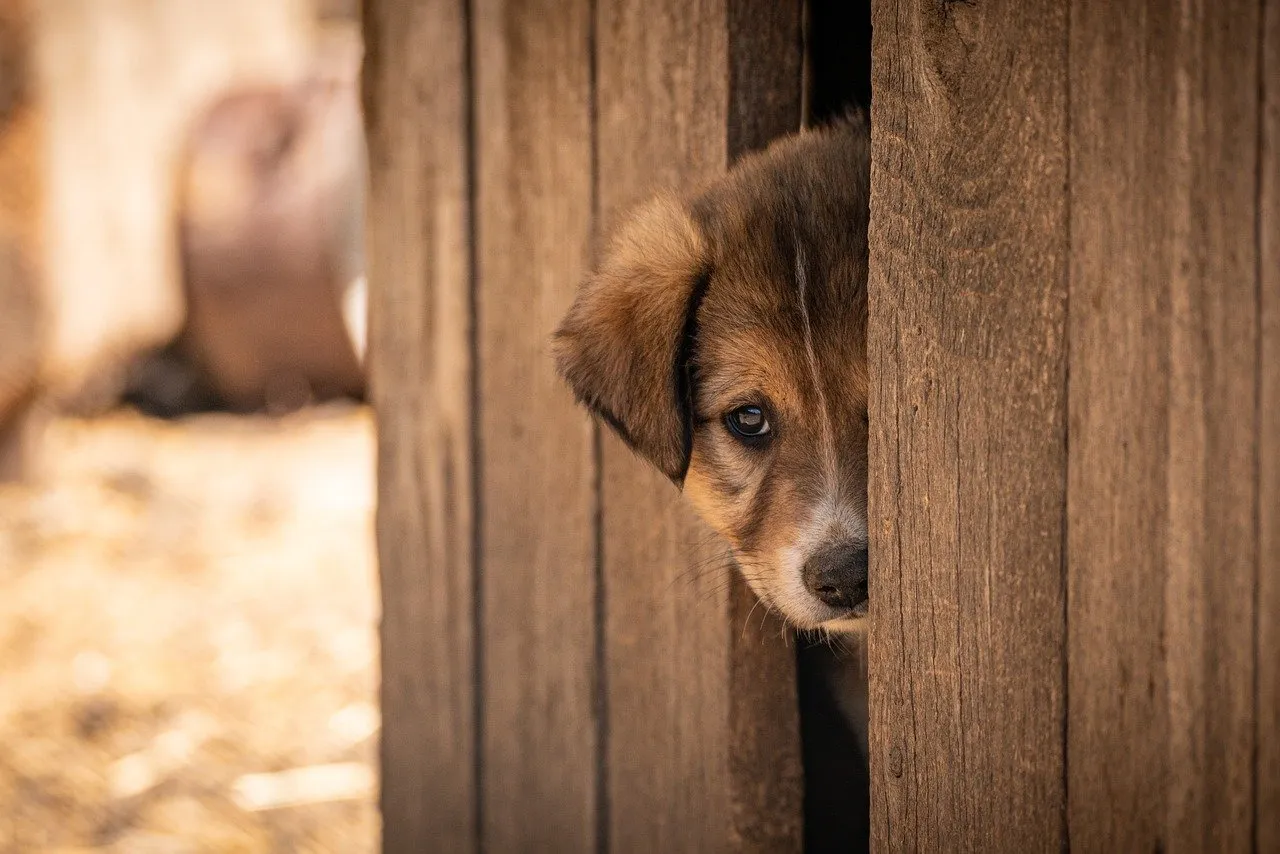
Nearly 1,500 Beagles From Research Facility Will Get New Homes – Image for illustrative purposes only (Image credits: Pixabay)
Wisconsin – Nearly 1,500 beagles are scheduled to leave Ridglan Farms, a breeding operation that has supplied the dogs for biomedical studies intended to advance veterinary medicine. The transfer follows a special prosecutor’s finding that certain procedures at the facility amounted to animal mistreatment. One rescue organization has already purchased 1,000 of the dogs and is arranging permanent homes for them, while plans for the remaining animals continue to move forward.
Role of the Facility in Biomedical Research
Ridglan Farms has functioned as a dedicated source of beagles for controlled scientific work. The dogs bred there support experiments whose results are meant to improve treatments and diagnostic methods used in animal health care. This type of research relies on purpose-bred animals to maintain consistency in study conditions and outcomes.
Facilities like this one operate under regulatory oversight that sets standards for housing, handling, and experimental procedures. The recent determination by the special prosecutor indicates that some practices at Ridglan Farms fell short of those expectations, prompting the current removal process.
Findings That Prompted the Rehoming
The special prosecutor’s review identified specific procedures that met the legal definition of animal mistreatment. That conclusion directly triggered the decision to relocate the beagles rather than allow continued breeding or use at the site. The ruling shifts the animals’ status from research subjects to candidates for adoption.
Details of the exact procedures remain limited to the prosecutor’s assessment, yet the outcome is clear: the facility will no longer house these dogs for biomedical purposes. The move represents a concrete response to the welfare concerns raised during the investigation.
Rescue Efforts and Placement Plans
A single rescue group has taken ownership of 1,000 beagles from the facility. Staff members are now matching the dogs with adoptive families through established placement networks. The process includes health evaluations and preparation for life outside a research setting.
The remaining animals are expected to follow a similar path once additional rescue partners are secured. Each dog will transition from a controlled laboratory environment to a household setting focused on companionship rather than experimentation. This coordinated effort aims to complete the transfers in an orderly manner.
Looking Ahead for Research Animals
The Ridglan Farms case illustrates the ongoing tension between the need for animal models in veterinary science and the requirement to maintain strict welfare standards. When those standards are not met, relocation becomes the required remedy. The current rehoming project shows how rescue organizations can step in to provide alternatives once such determinations are made.
Future oversight of similar facilities will likely draw on the lessons from this investigation. The focus remains on ensuring that any animals used in research receive protections consistent with existing regulations while scientific work continues under appropriate conditions.